Manual therapy treatment for a tight piriformis (that can cause piriformis syndrome) involves moist heat, soft tissue manipulation, and stretching.
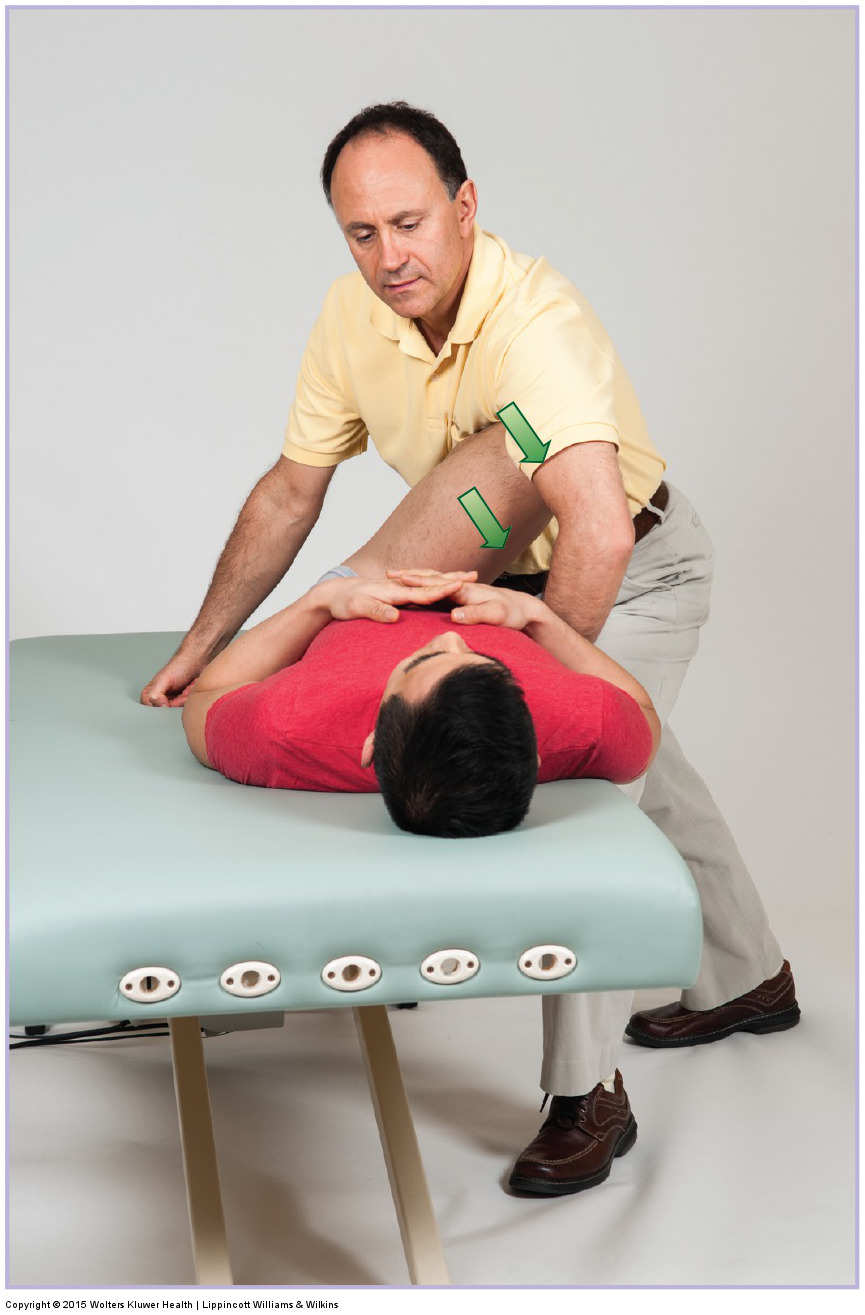

Manual therapy treatment for a tight piriformis (that can cause piriformis syndrome) involves moist heat, soft tissue manipulation, and stretching.
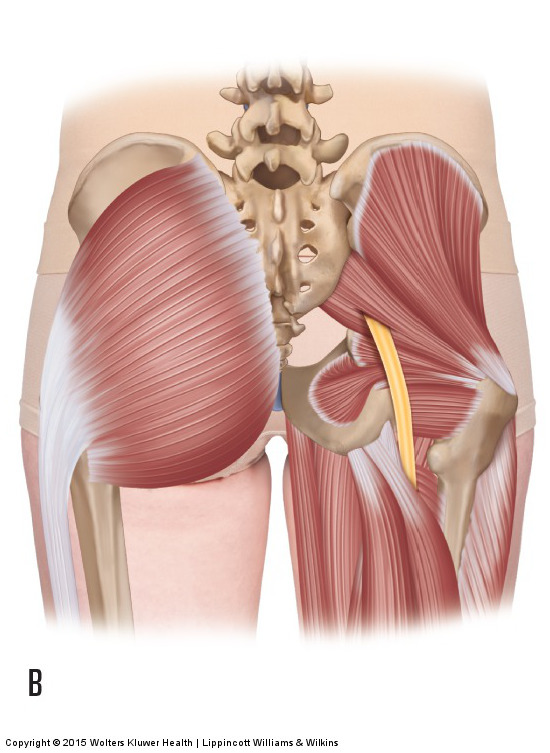
Piriformis syndrome causes compression upon the sciatic nerve; therefore it causes symptoms of sciatica, similar to sciatic nerve entrapment at the spine.
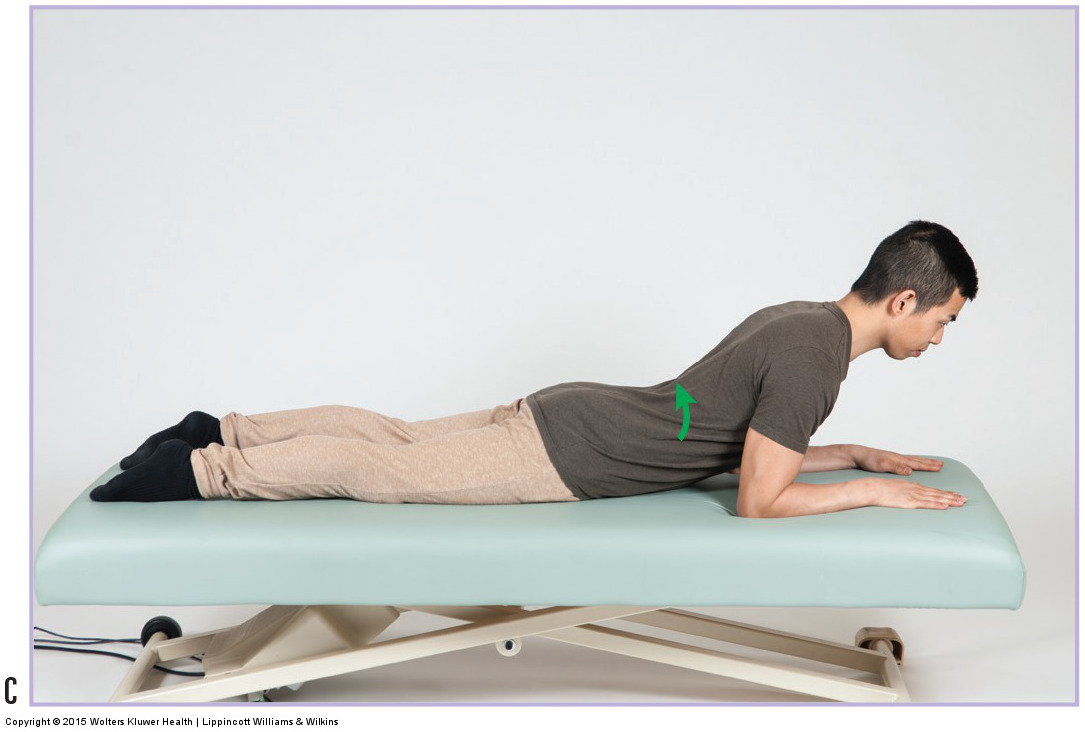
Self care for a herniated disc: avoid postures/activities that increase stress upon the disc and stretching/strengthening the musculature around the disc.
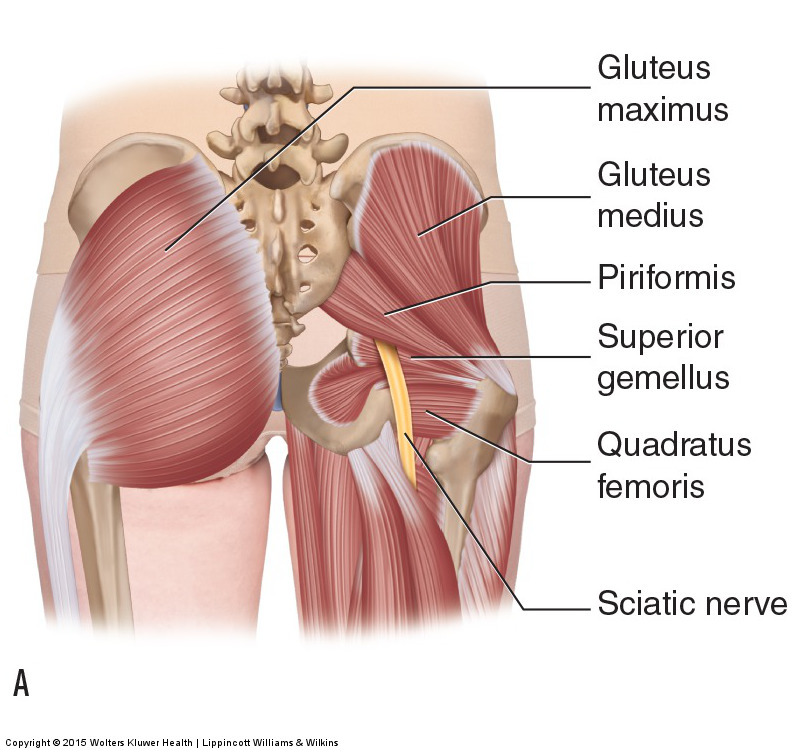
Piriformis syndrome occurs when a tight piriformis muscle compresses against the sciatic nerve, causing symptoms of sciatica into the lower extremity.
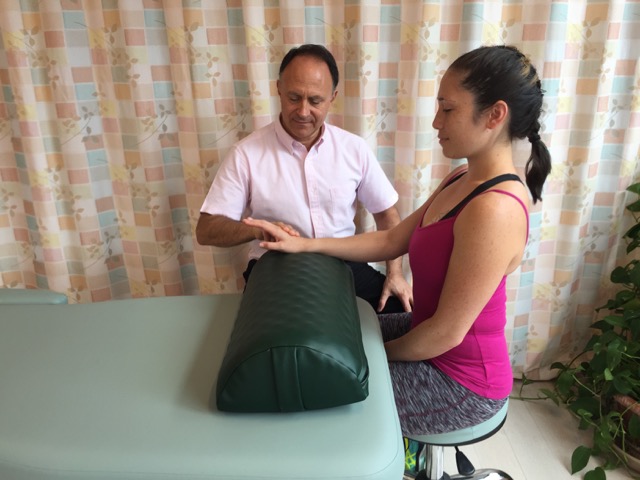
Assessment (diagnosis) of tennis elbow is done with active and passive range of motion, manual resistance, and palpation.
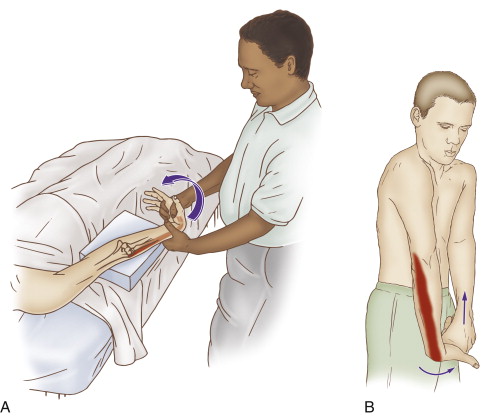
Self-care for tennis elbow should include frequent stretching of the hand and fingers into flexion. If inflammation is present, icing should be done.
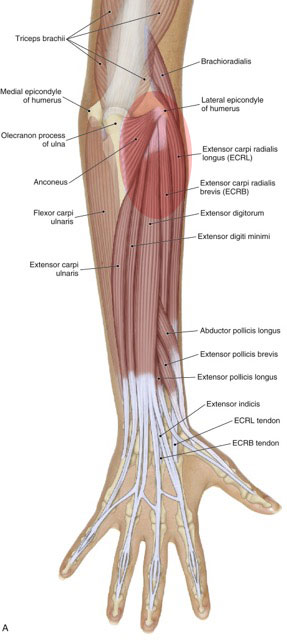
Symptoms of tennis elbow include pain and tightness at the common extensor belly/tendon, directly distal to the lateral epicondyle of the humerus.
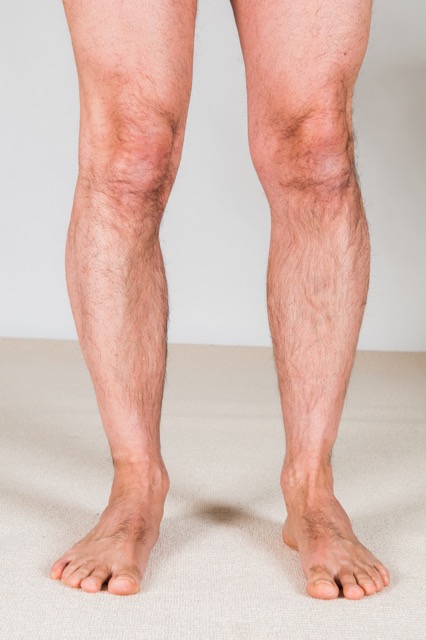
Case Study: Kerrati came in for wellness massage, but during the postural examination, the therapist noticed that her right arch drops markedly.
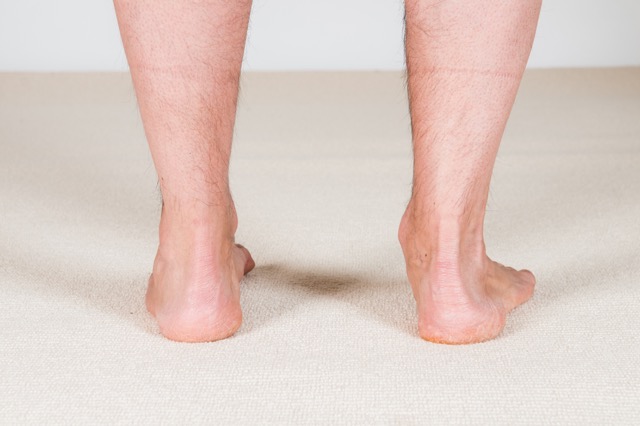
The first and most obvious sign of overpronation is a flat foot / dropped arch. A supple flat foot loses the arch only when weight bearing.
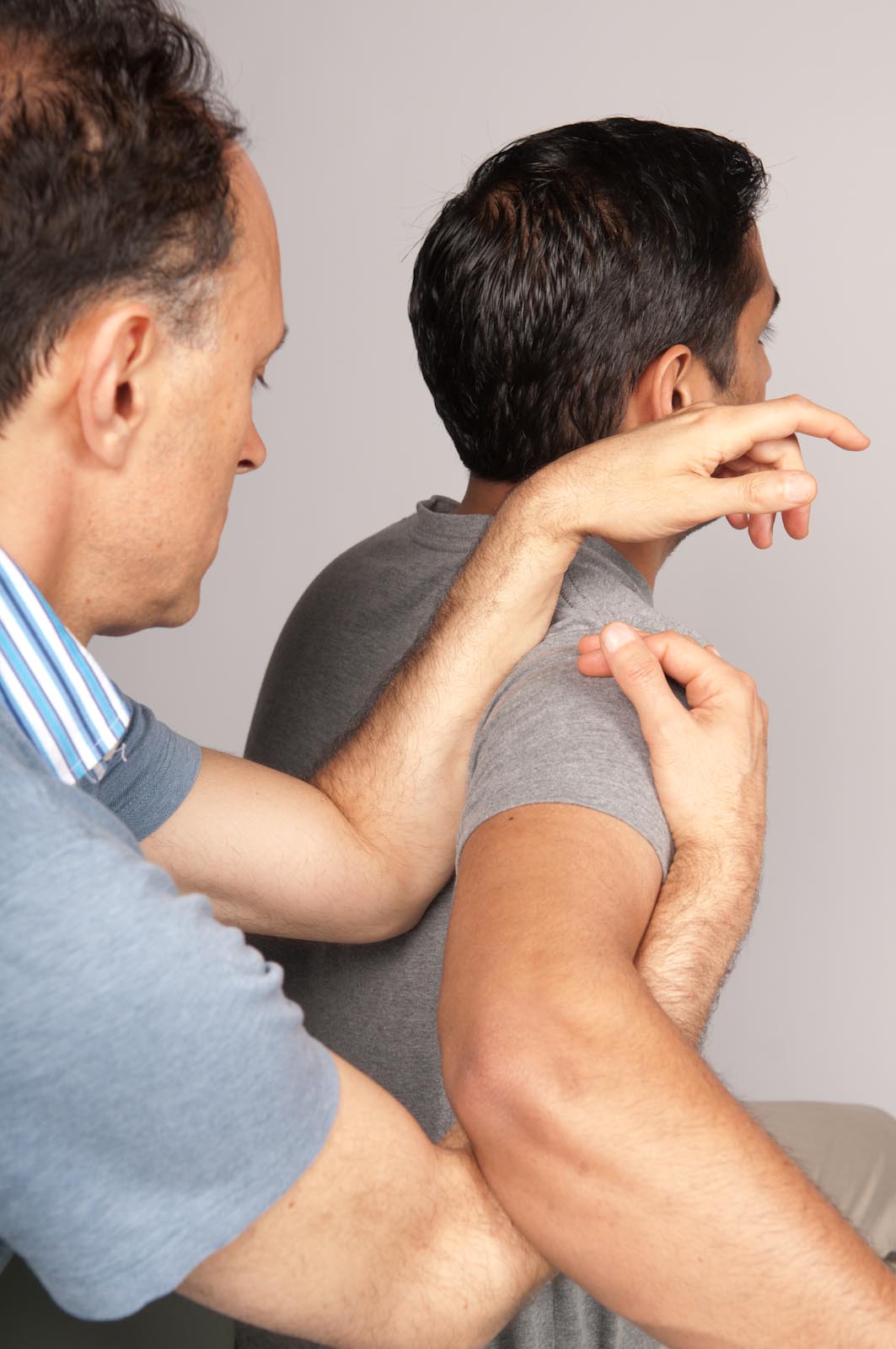
Especially effective for the pectoralis musculature is to use pin and stretch technique. With the client/patient supine and positioned toward the side of the table, pin the musculature with your finger pads as you bring the client/patient’s abducted arm off the side of the table and down into horizontal extension.
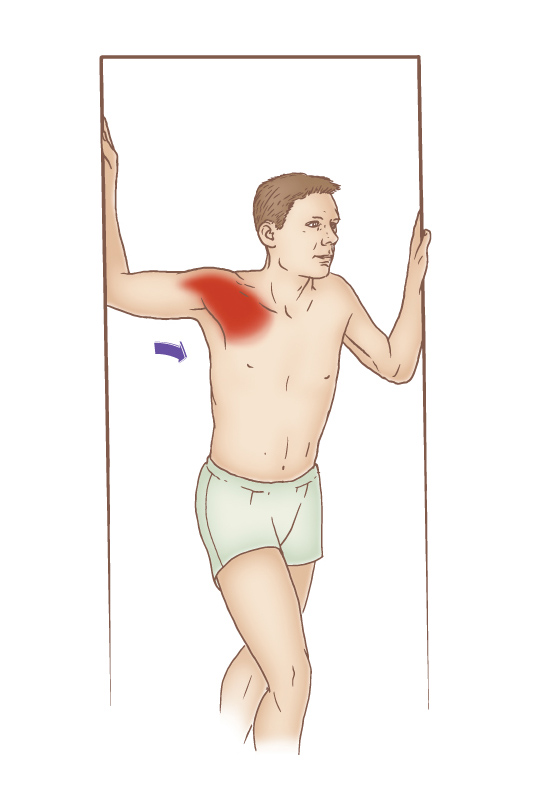
When stretching the pectoralis musculature in a doorway, it is helpful to place the hand/forearm against the doorframe at various heights so that different aspects of the pectoralis musculature are preferentially stretched.
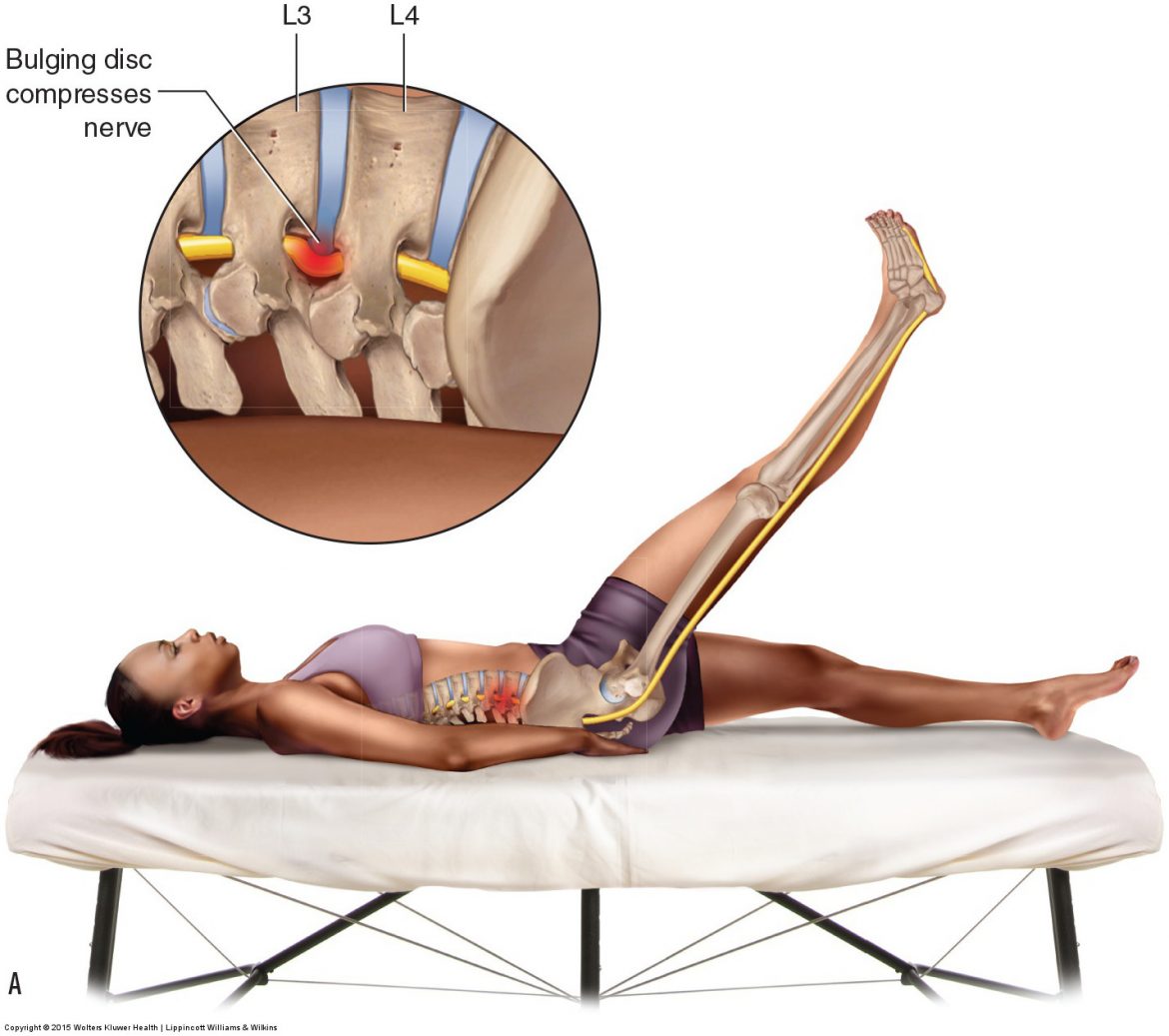
Successful assessment/diagnosis of sciatica depends upon successfully assessing the underlying cause of the sciatic nerve compression.
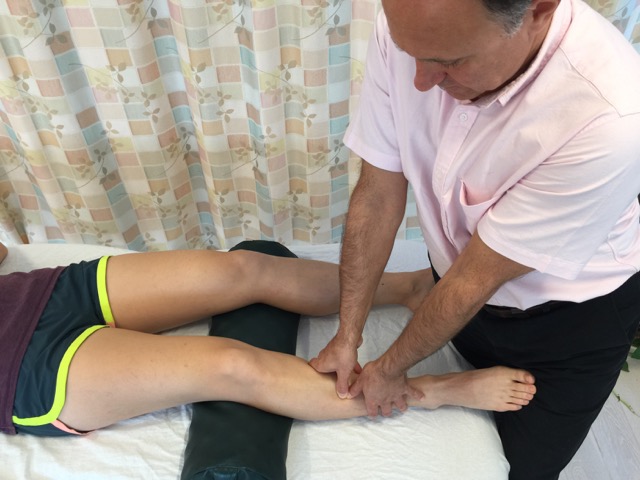
The first goal of manual therapy treatment for shin splints is to relieve the tension of the involved musculature by lessening baseline muscle tone and eliminating any trigger points that might be present. The second goal is to treat swelling, if present.
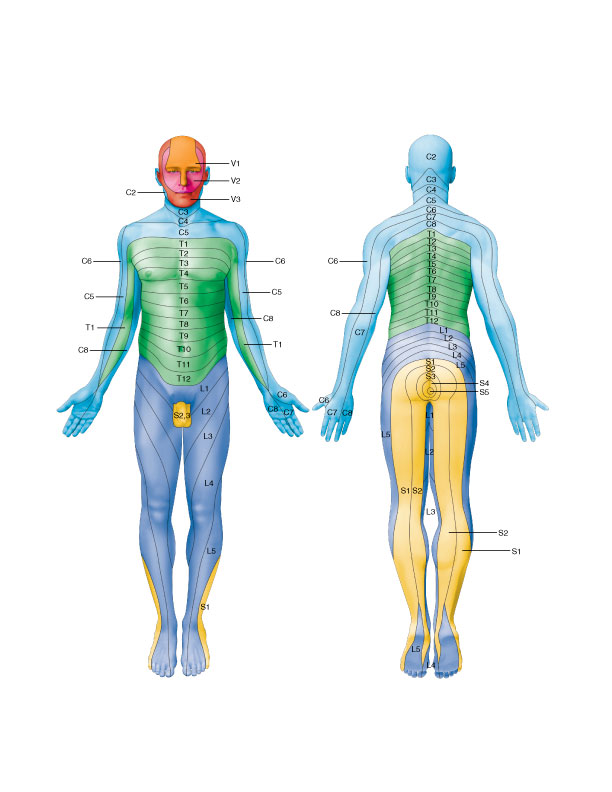
Sciatica is a condition in which the sciatic nerve is compressed, causing referral symptoms (often pain or numbness) into the lower extremity. The referral symptoms can be sensory and/or motor depending on whether sensory or motor neurons are compressed.
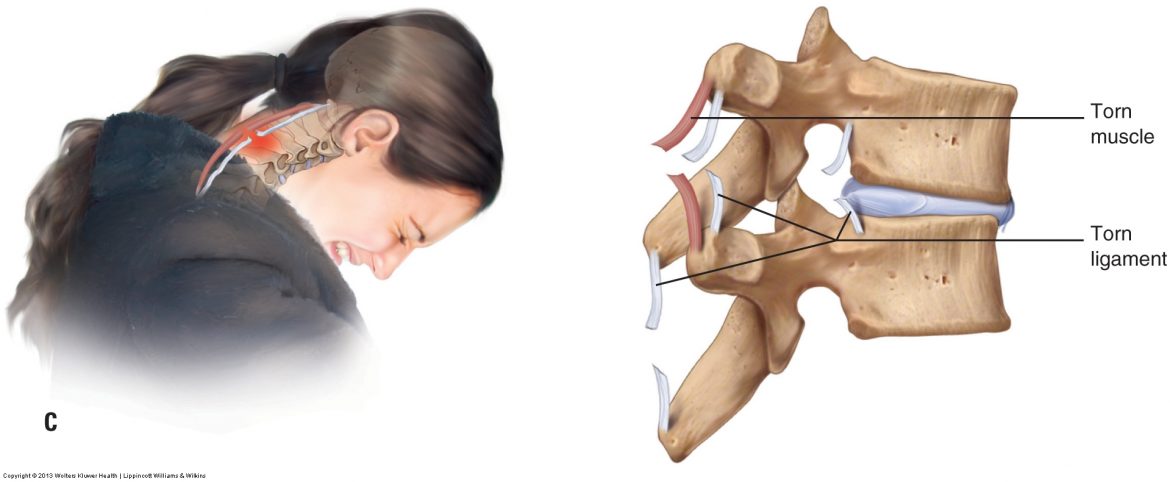
Acute whiplash injuries may result in dizziness due to irritation of the proprioceptors around the cervical spinal joints and muscles of the neck.
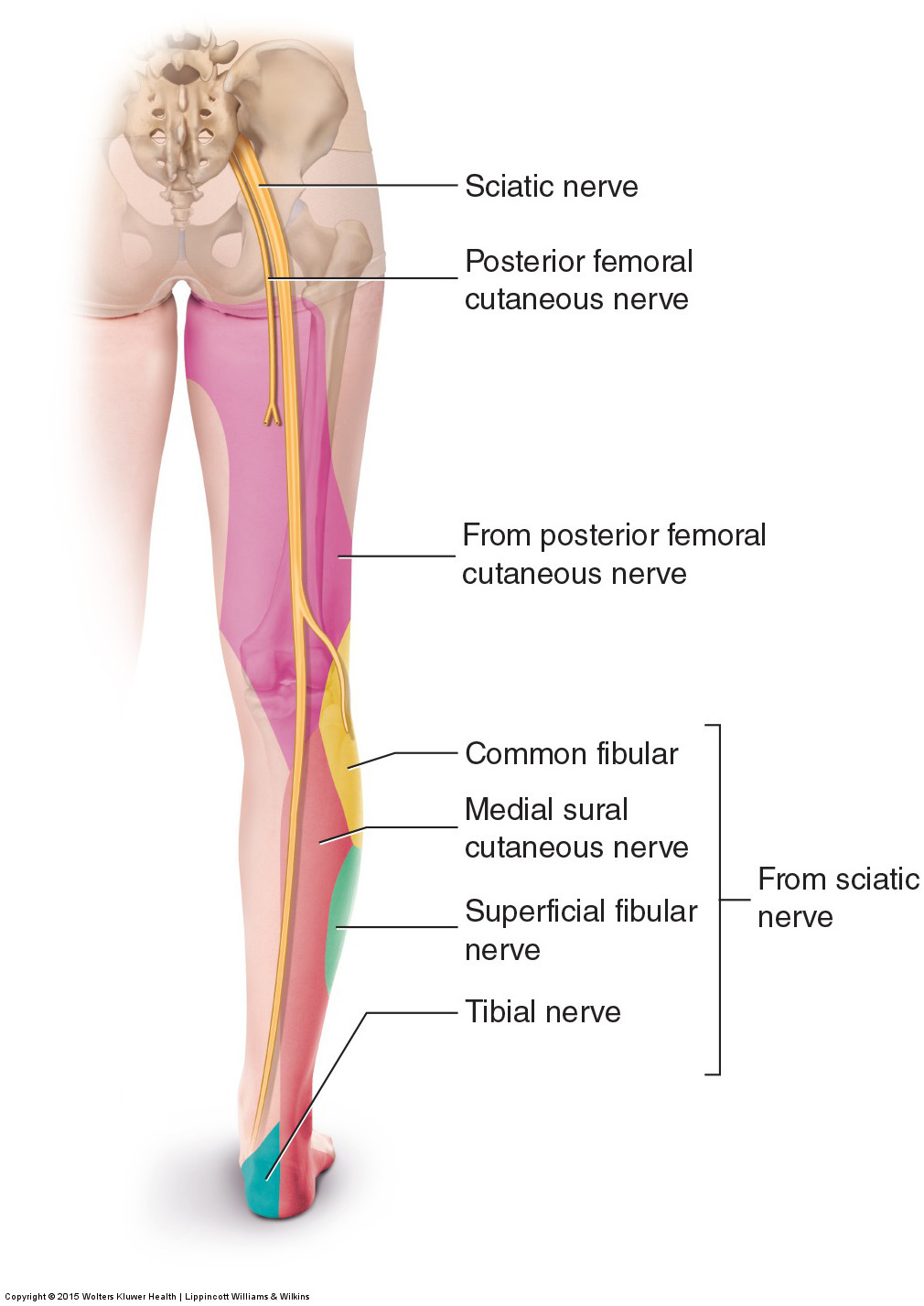
A herniated disc in the neck refers symptoms into the upper extremity. A herniated disc in the low back refers symptoms into the lower extremity (sciatica).
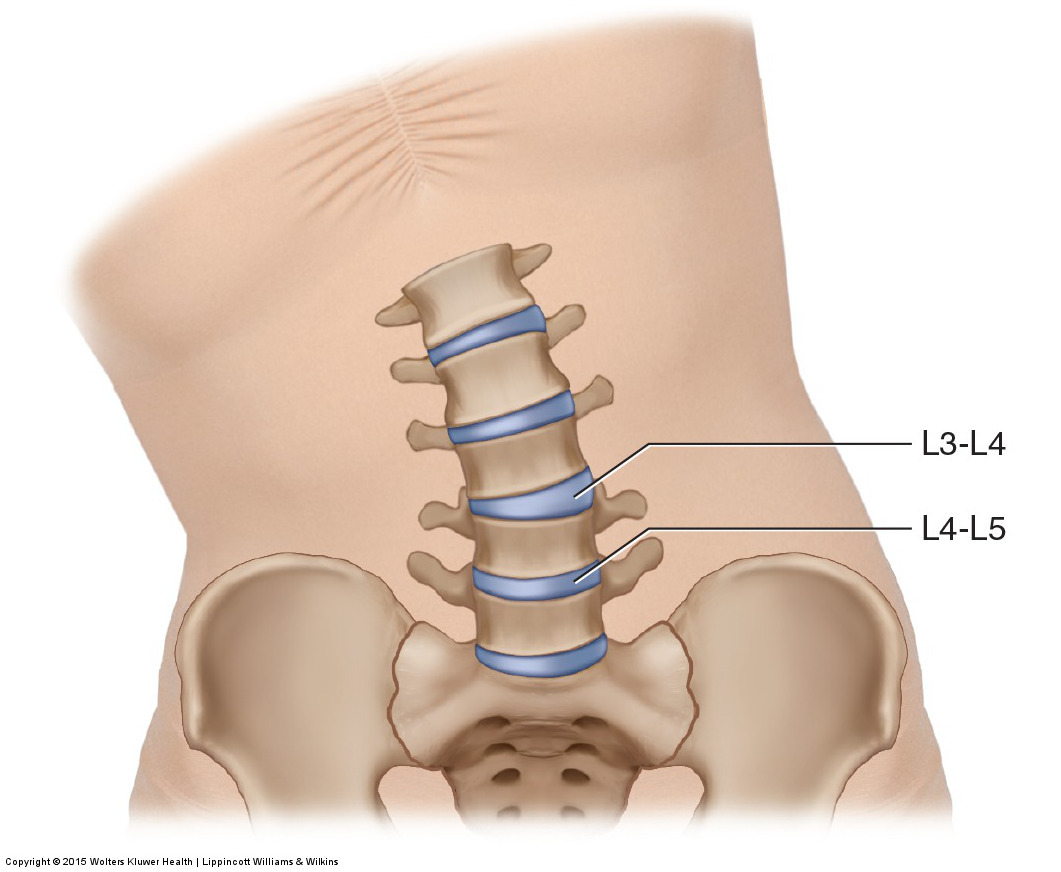
The primary causes of spinal joint hypomobility can be divided into three types: taut soft tissue, bony obstruction, and jammed meniscoid body.
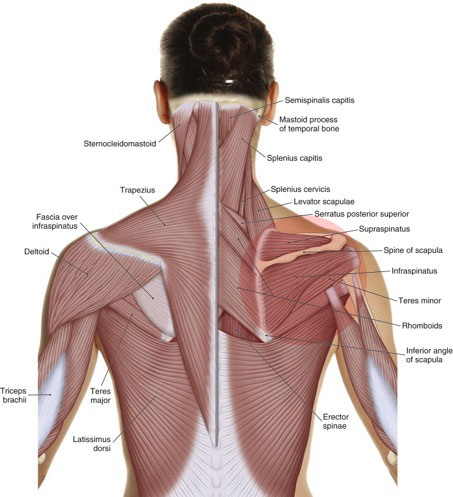
The two most common types of rotator cuff pathology are rotator cuff tendinitis and rotator cuff tear, most often of the supraspinatus and infraspinatus.
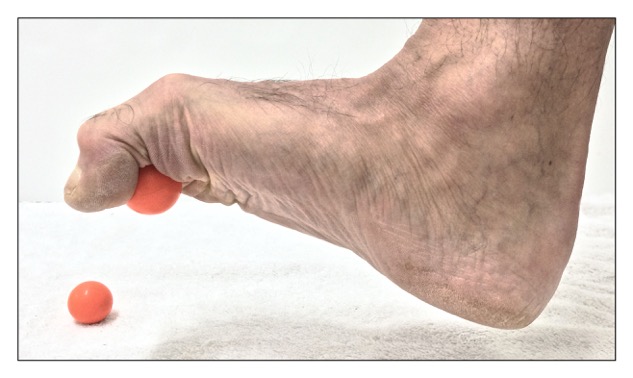
For the long term treatment of plantar fasciitis, the underlying cause of the overpronation (collapsed arch structure), if present, must be addressed.
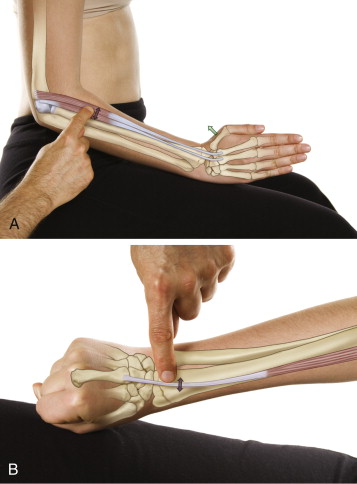
The cause of tennis elbow is overuse of the muscles that contribute to the common extensor belly/tendon of the posterior forearm.
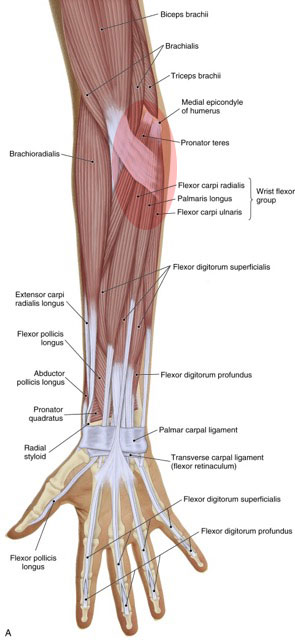
The most common symptoms of golfer’s elbow (medial epicondylitis / medial epicondylosis) are pain and tightness at the common flexor belly/tendon.
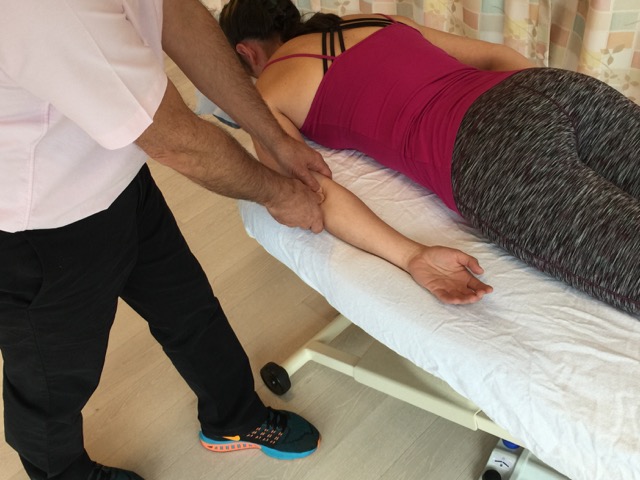
A good protocol for manual therapy for golfer’s elbow involves fascial spreading, longitudinal and cross fiber strokes, and pin and stretch technique.
Self-care for golfer’s elbow should include heat followed by frequent stretching of the hand and fingers into extension. Ice is used if swelling is present.
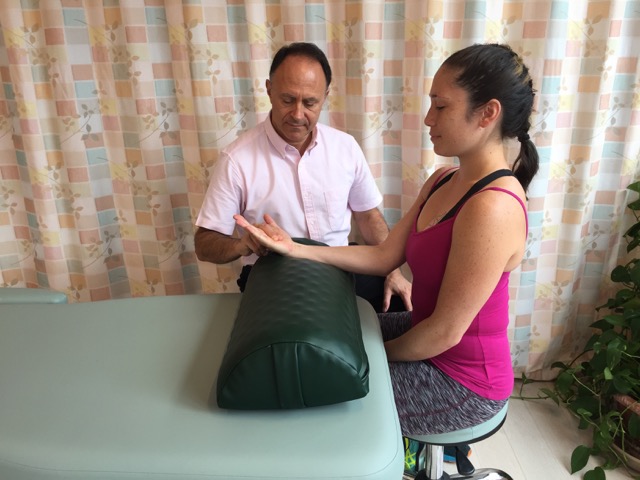
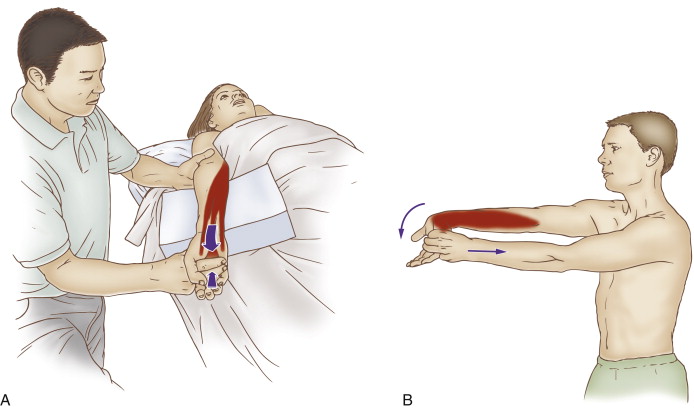
Assessment (diagnosis) of golfer’s elbow is done with active and passive range of motion, manual resistance, and palpation.
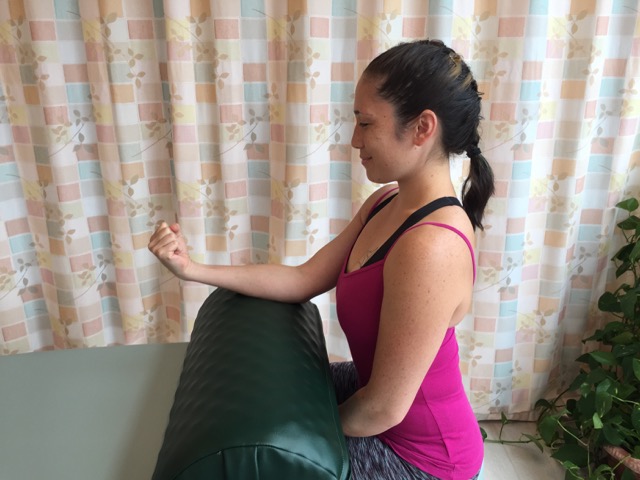
Golfer’s elbow is caused by an overuse of the muscles of flexion of the hand at the wrist joint and flexion of the fingers.
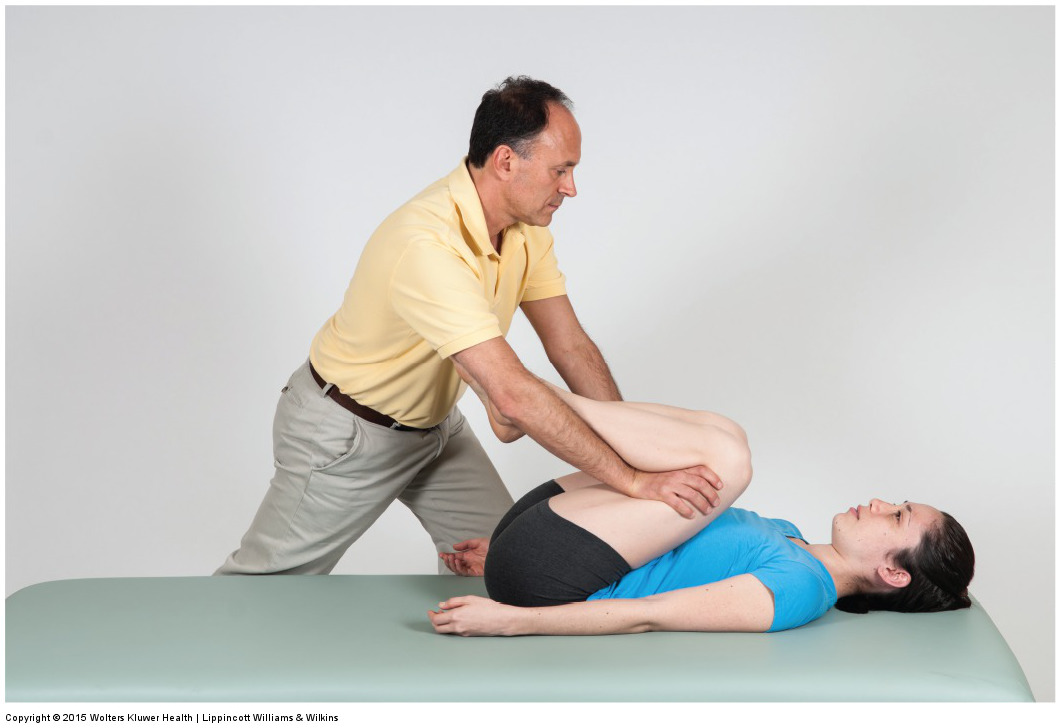
It is necessary to determine what condition is causing the sciatic nerve compression and address that. If the cause is a pathologic disc, then addressing factors that affect disc compression is appropriate.
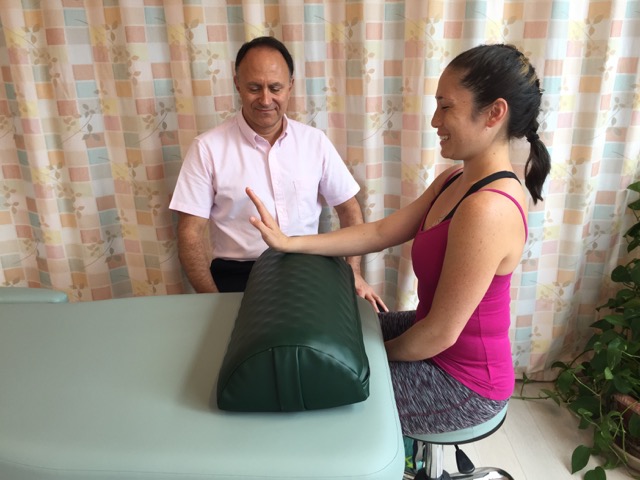
Assessment/diagnosis of wrist strain, sprain, and tendinitis is done using active and passive range of motion (ROM) as well as manual resistance (MR).
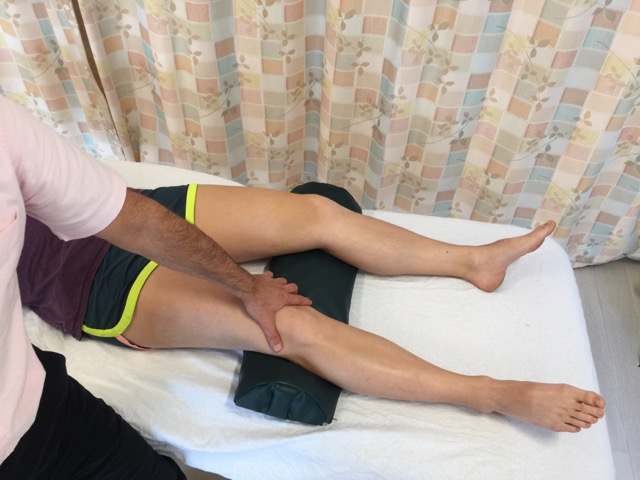
Patellofemoral syndrome can be easily assessed/diagnosed by employing the orthopedic assessment test known as patellofemoral syndrome test.
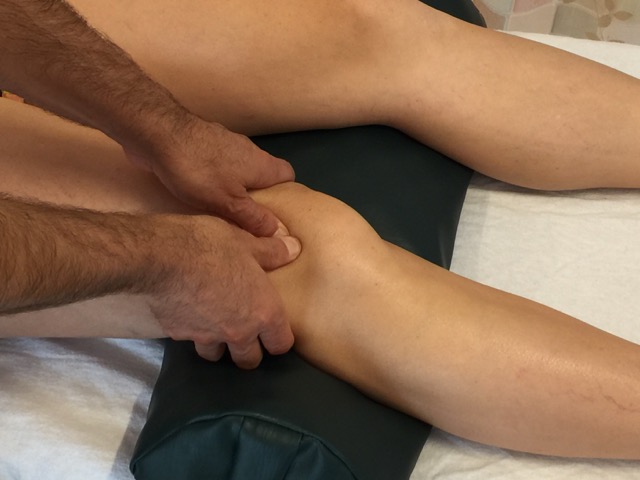
Given the many possible causes of patellofemoral syndrome, following is a typical guideline for manual therapy treatment.
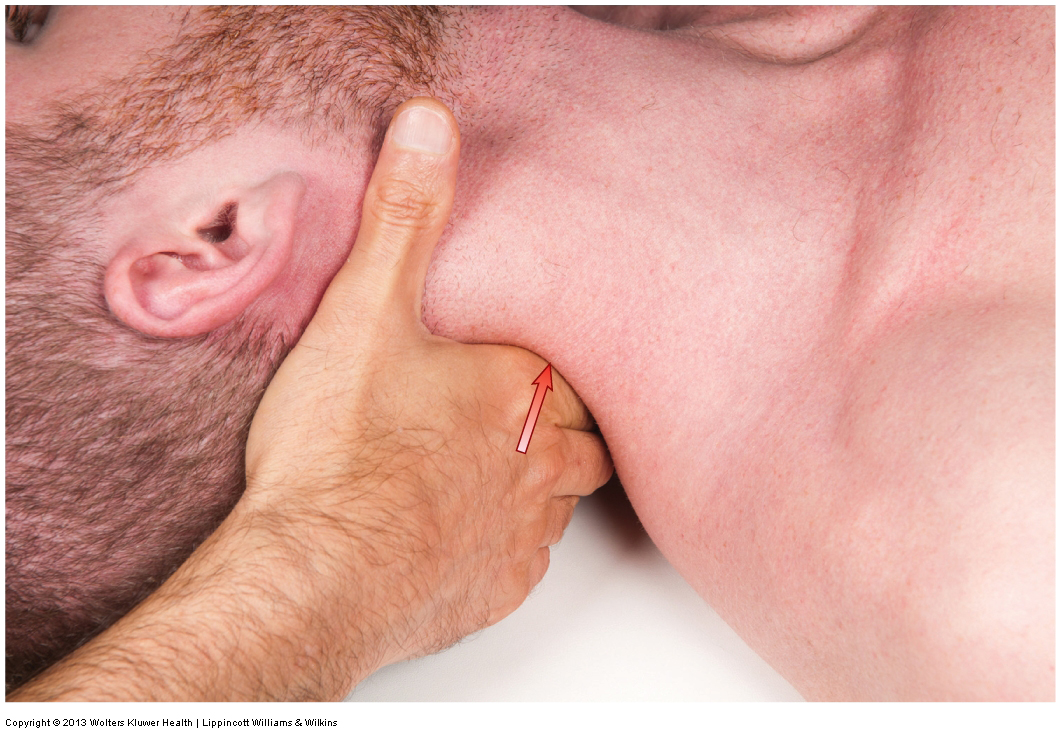
Joint mobilization treatment (Grade IV or V) is the most effective treatment technique to remedy a spinal joint dysfunction hypomobility once it is present.
