Self-care for chronic inversion ankle sprain involves strengthening the associated musculature: the fibularis (peroneal) muscles.
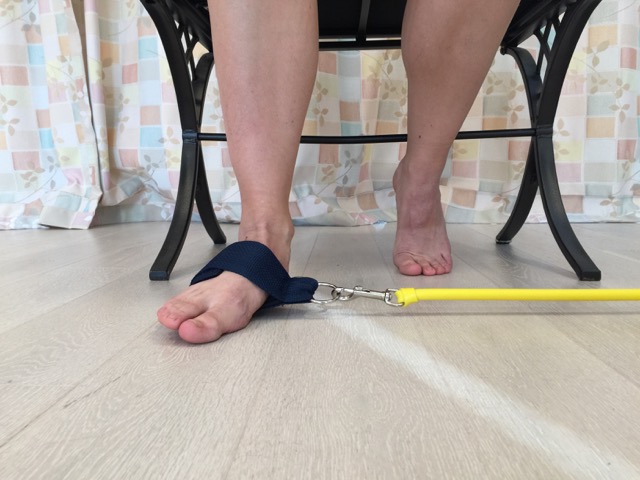

Self-care for chronic inversion ankle sprain involves strengthening the associated musculature: the fibularis (peroneal) muscles.

The term shin splints is a lay term that usually refers to a periostitis (inflammation of the periosteal lining) of the tibia.
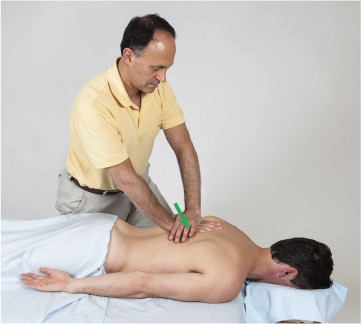
When performing soft tissue manipulation/massage, it is always wise to begin with light to medium pressure, and then transition to deeper pressure.
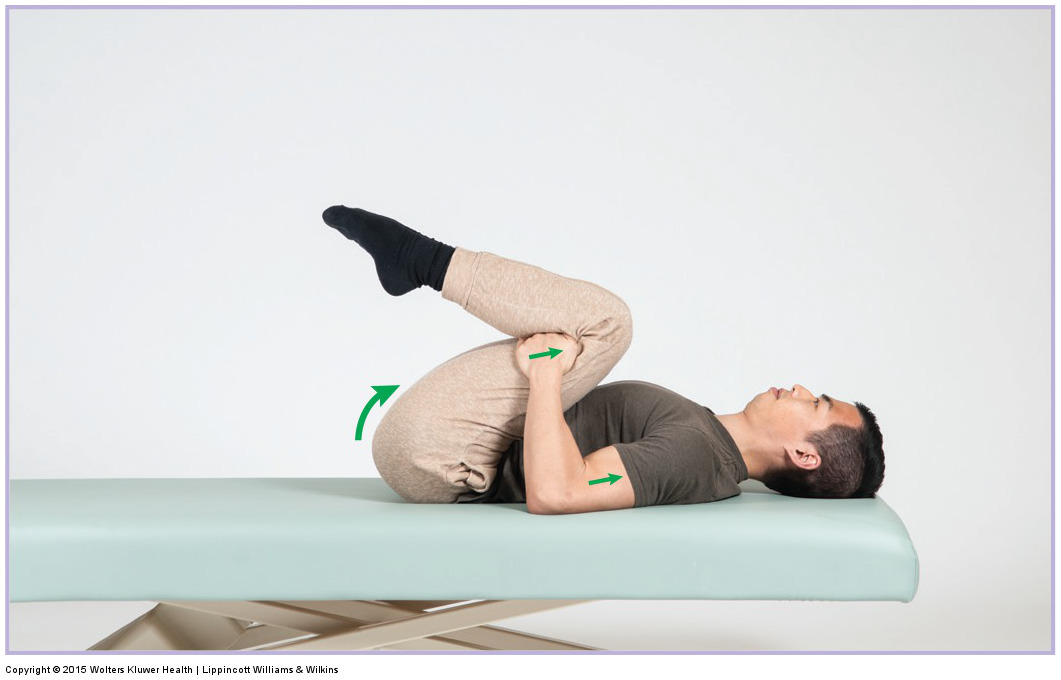
Self-care for the client/patient with low back muscle spasm should include moist heat followed by stretching. Double knee to chest stretch is beneficial.
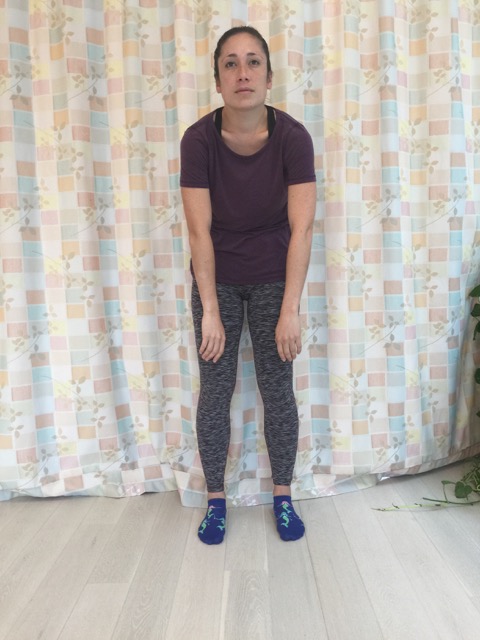
The first and most obvious sign of upper crossed syndrome (named by Vladimir Janda) is the characteristic postural dysfunction of protracted scapulae, medially (internally) rotated humeri, hyperkyphotic (overly flexed) upper thoracic spine, and a protracted (anteriorly held) head.

Low back muscle spasming is common because lumbar extensor muscles must contract eccentrically, isometrically, and concentrically whenever we bend forward.
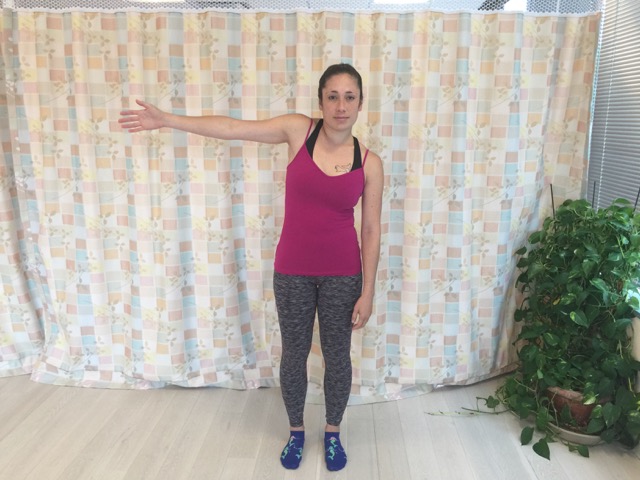
An easy & effective self-care stretch for frozen shoulder is the “finger walk” on a wall. To warm the tissues, heat should be applied before stretching.
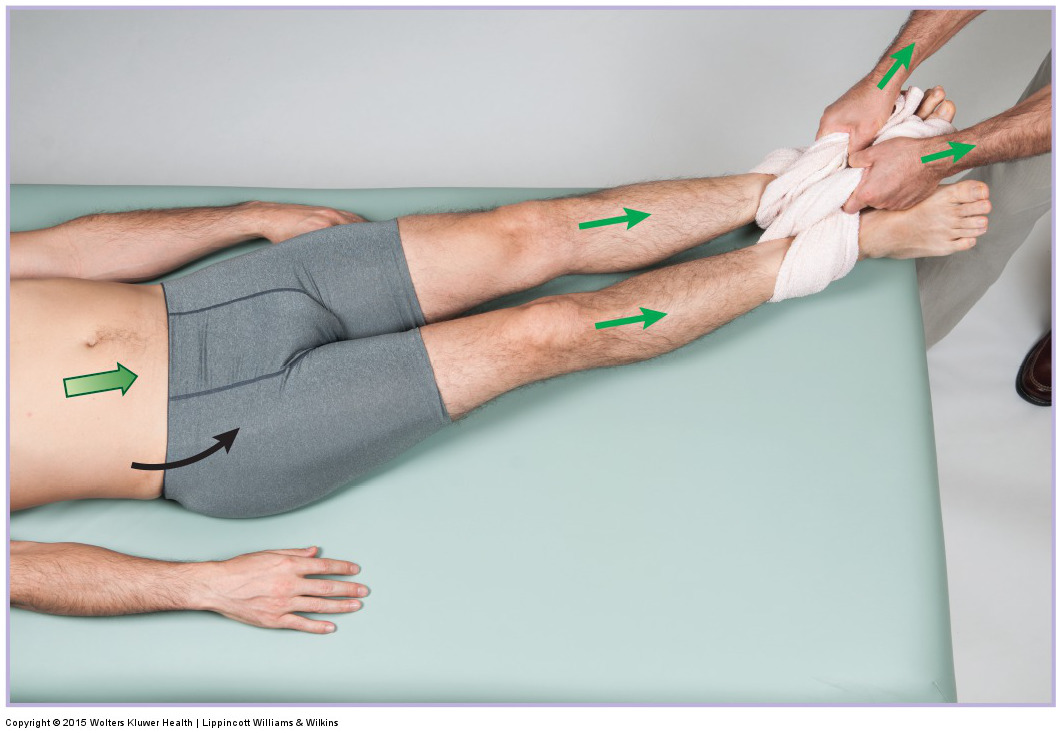
Traction can be beneficial for the client/patient with a pathologic disc because it opens up the intervertebral foramina of the spine.
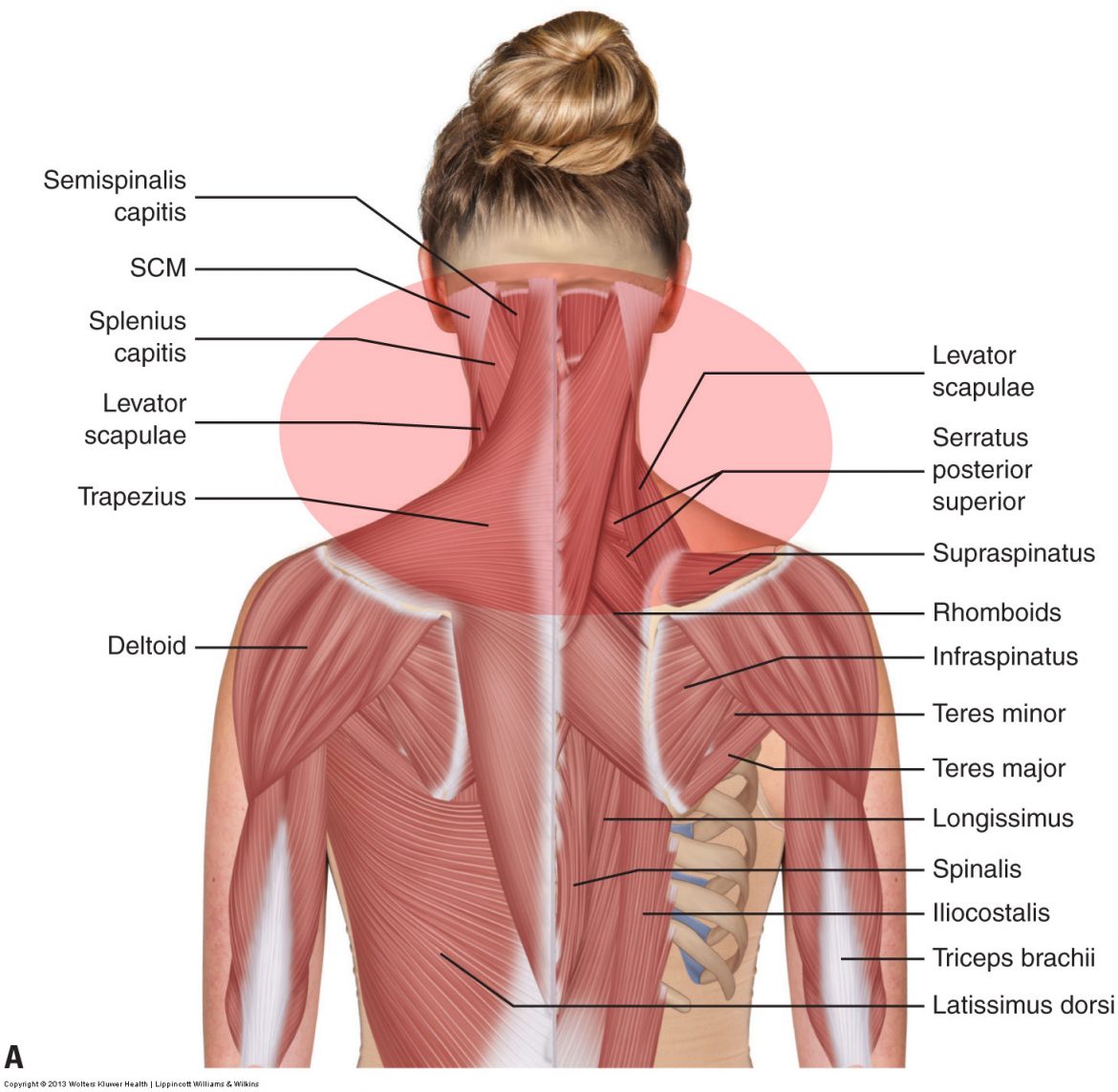
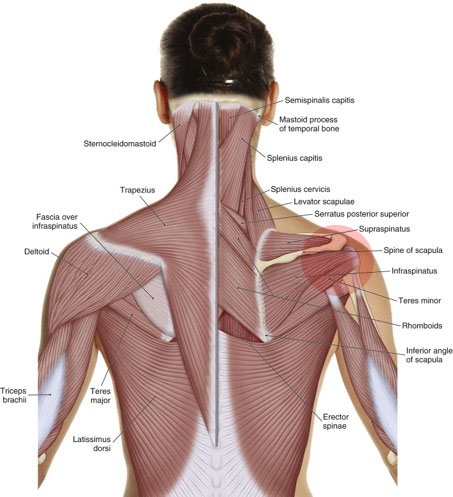
Muscle spasming of the neck occurs because of its role in neck movement and posture, as well as it role in upper extremity movement and posture.
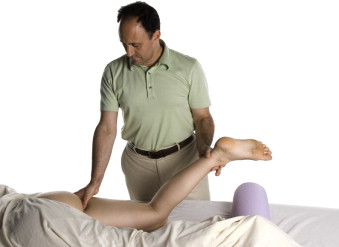
The most common symptom of hamstring strain is pain at the site of the strain. When acute the pain is sharp; when chronic, the pain is usually dull.
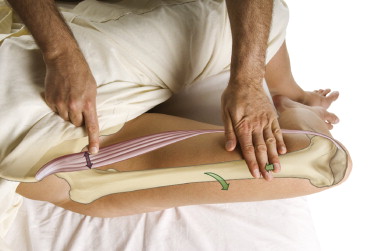
Meralgia paresthetica is primarily assessed by its clinical presentation of the client/patient reporting pain or other paresthesia in the lateral thigh.
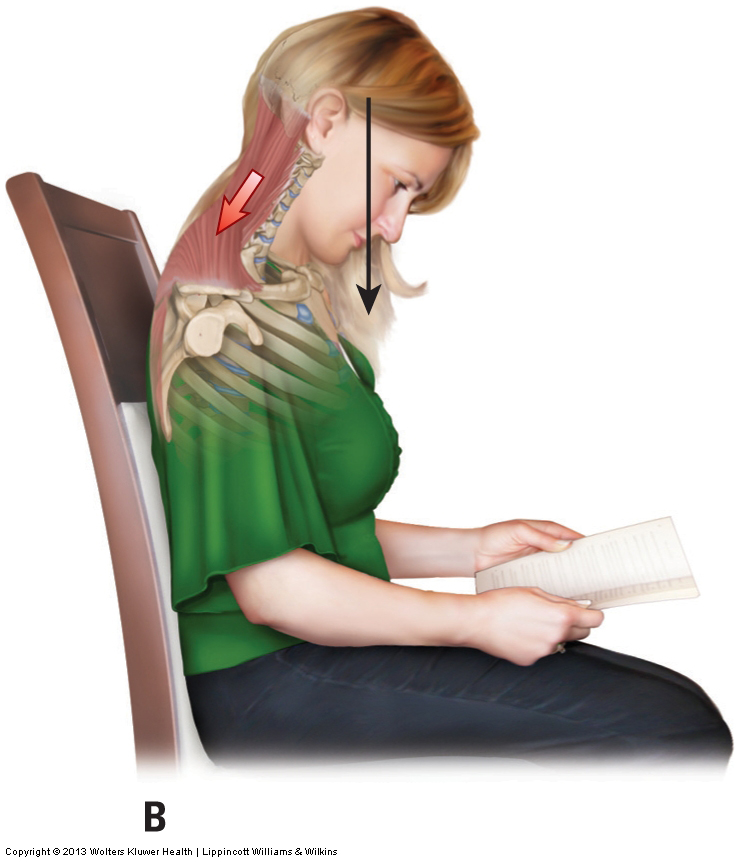
The most common signs and symptoms of spasmed muscles of the posterior neck are pain, a feeling of tightness, and restricted motion.
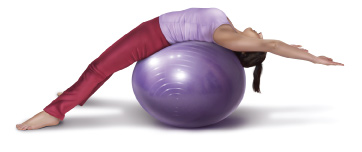
An excellent self-care exercise is to recommend that the client/patient lie supine on an exercise ball to help move the thoracolumbar spine into extension.
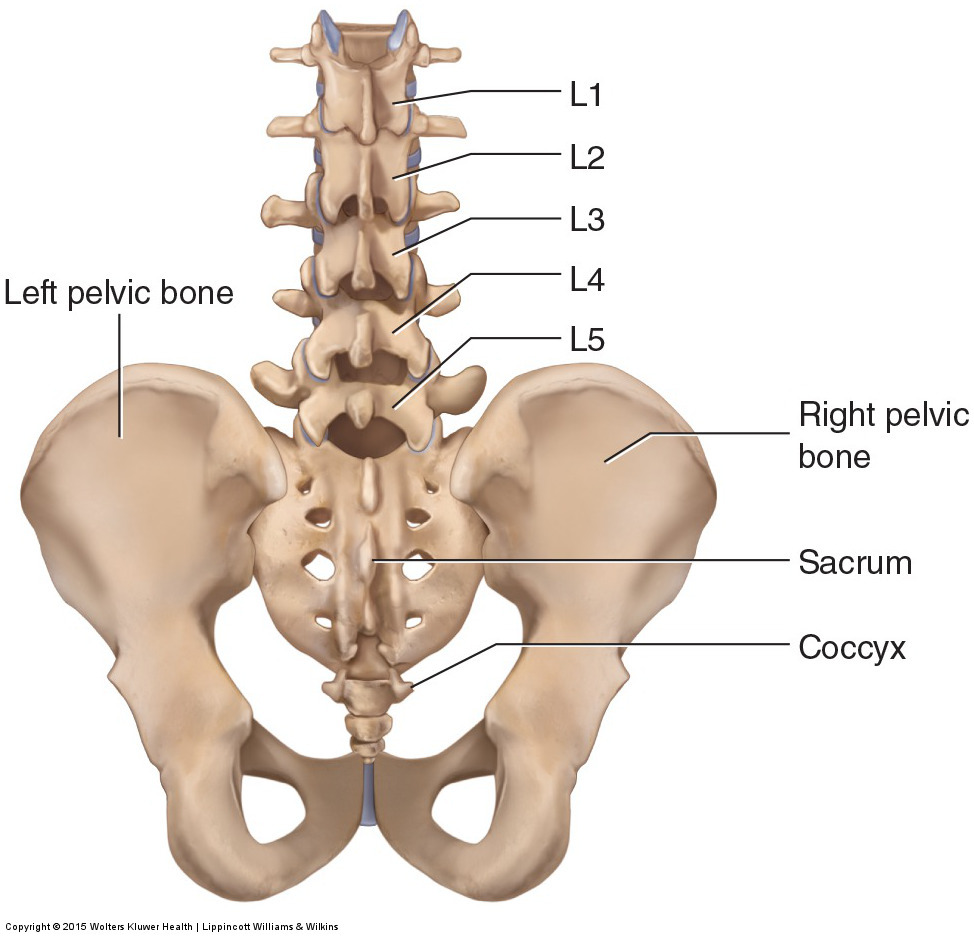
Joint dysfunction literally means “bad motion.” There are two types: too little motion termed a hypomobility; and too much motion termed a hypermobility.

The ankle is the most commonly sprained joint in the human body. An ankle sprain is a traumatic injury that results in tearing of ligaments of the joint.
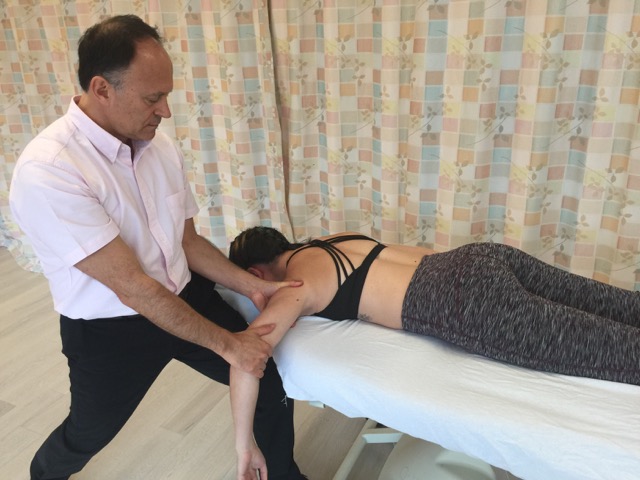
Manual therapy treatment for a pathologic rotator cuff tendon depends on which tendon is affected and the specific pathology of the tendon.
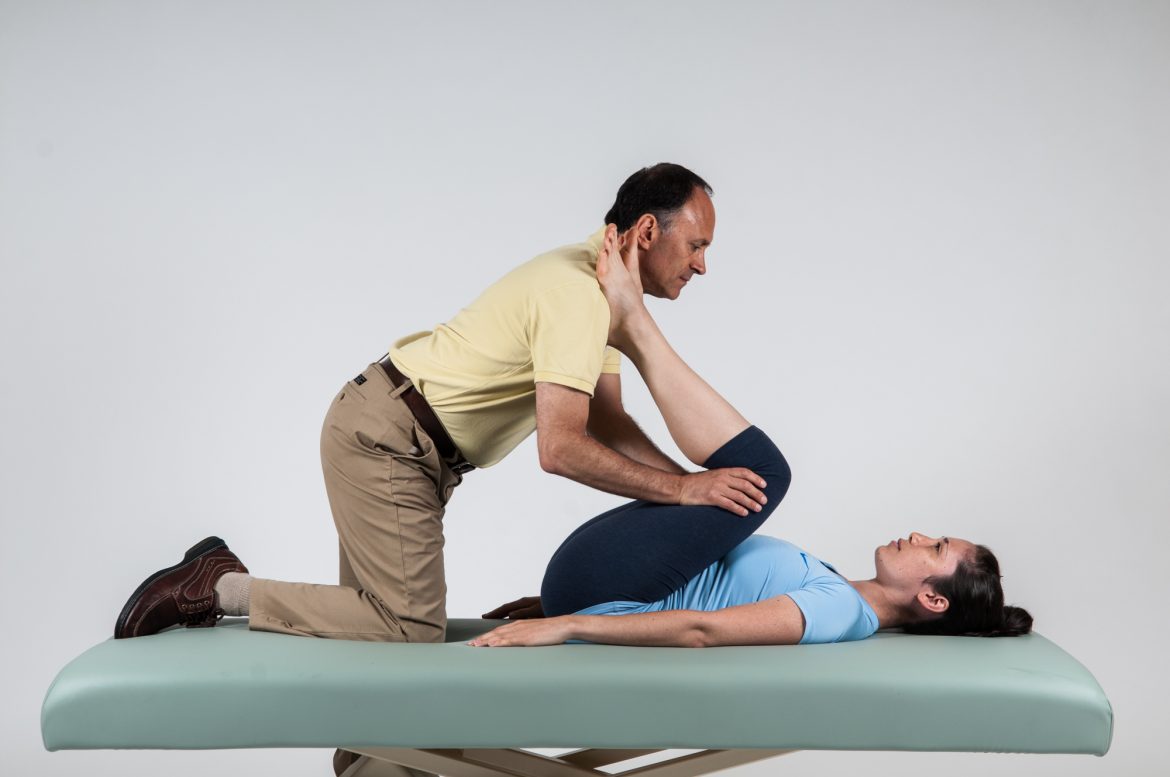
If consistent manual therapy care is given, including heat, massage, and stretching, lower crossed syndrome responds very well to treatment.
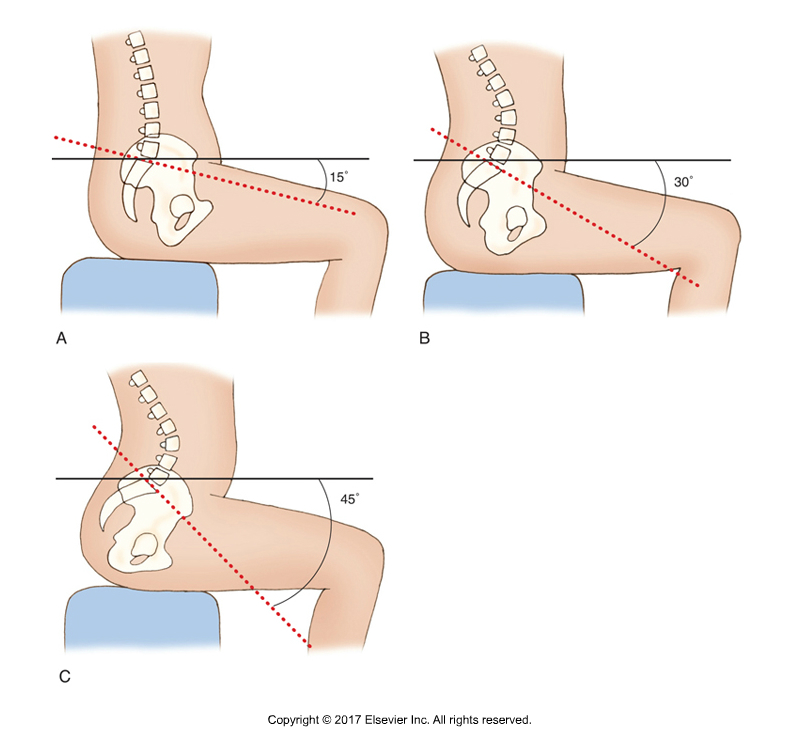
Vladimir Janda’s lower crossed syndrome is characterized by increased anterior tilt of the pelvis and a hyperlordotic lumbar spine.
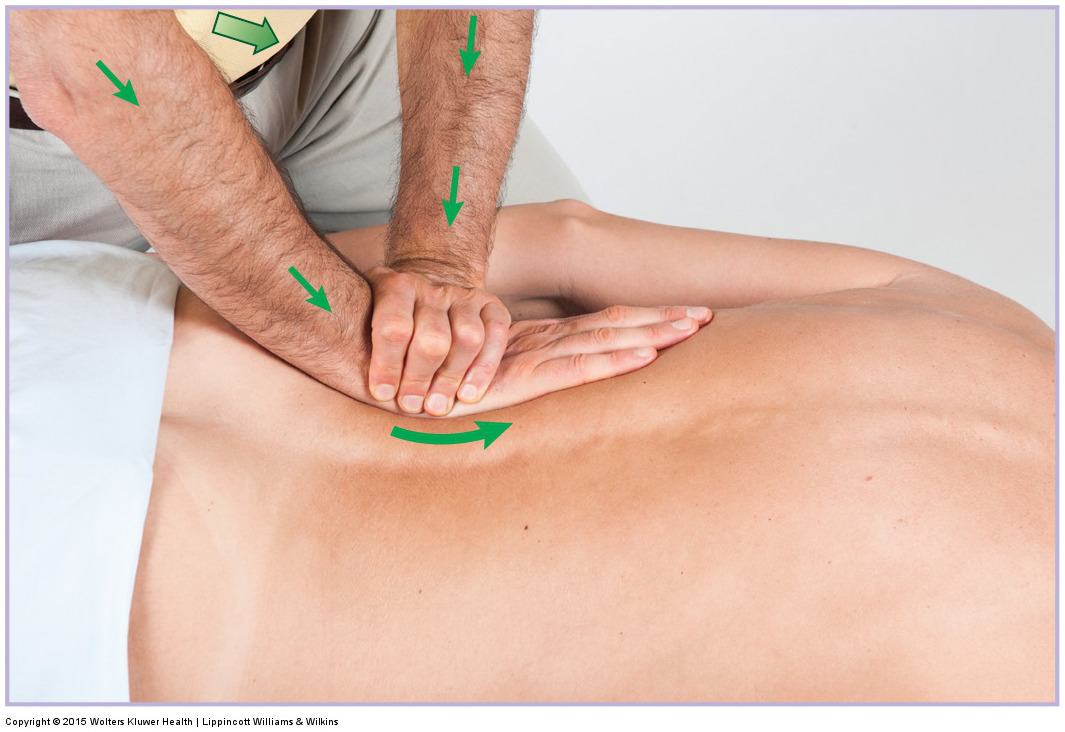
Case Study: Kori is a 30-year-old store clerk. Her low back has been tight for as long as she can remember, but she never had any pain until recently.
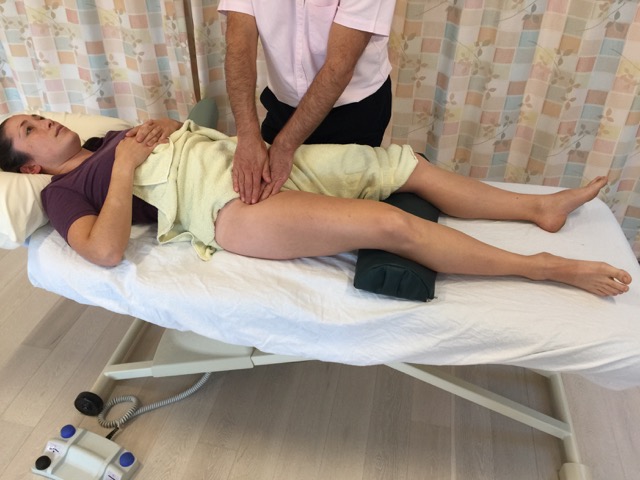
Manual therapy treatment for meralgia paresthetica involves massage and client counseling to remove physical stressors that contribute to the condition.
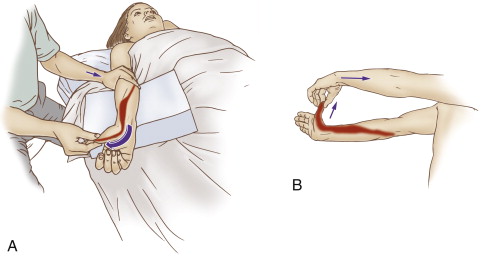
Perhaps the most important self-care advice for De Quervain’s syndrome is to avoid as much as possible offending postures and activities of the thumb.
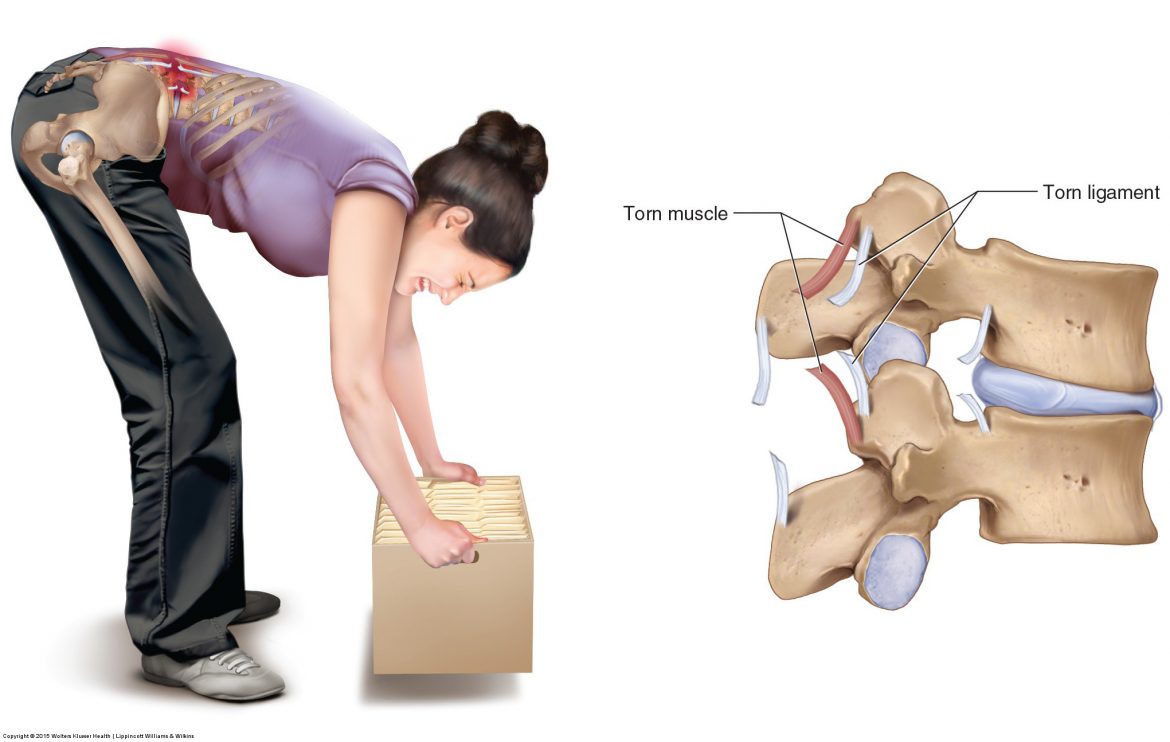
The two most common causes for a low back sprain / strain are macrotrauma and repetitive microtraumas, often involving bending and lifting.
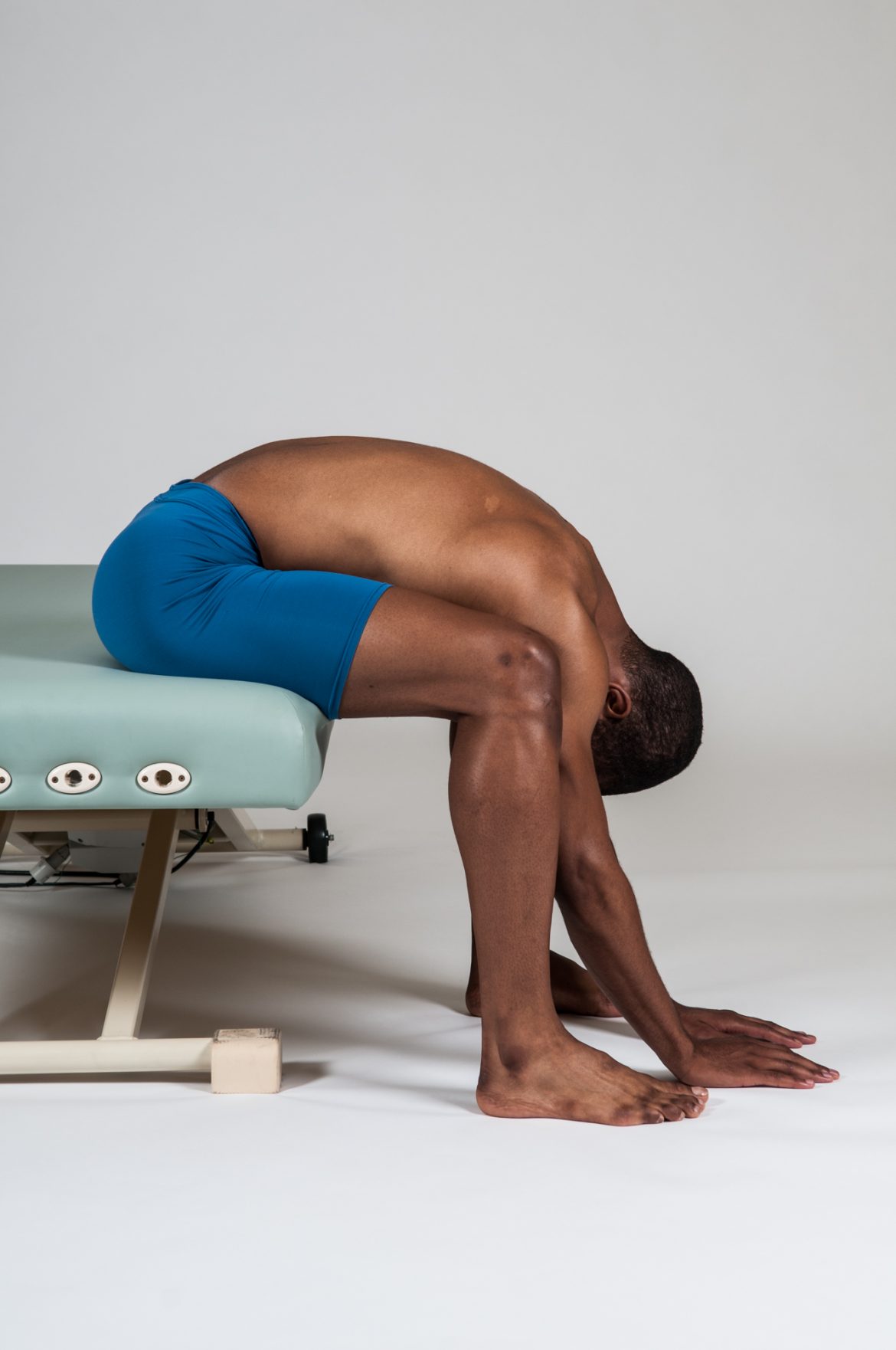
For the client with lower crossed syndrome, it is also important to recommend moist heat followed by stretching of the low back and hip flexor musculature.
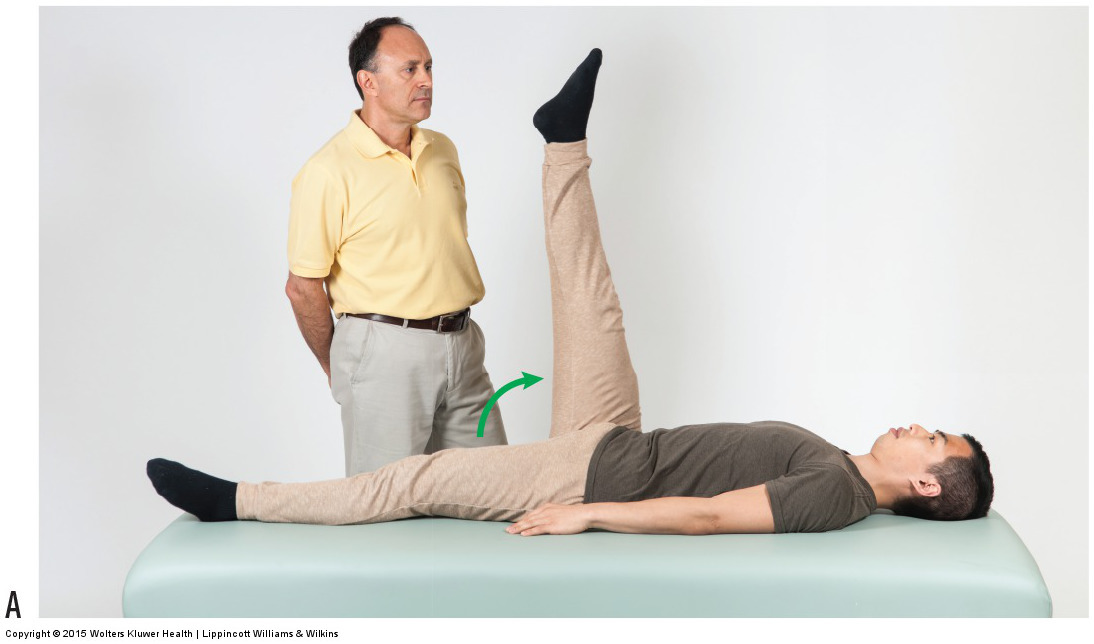
The assessment/diagnosis for low back muscle spasming begins with the verbal history and ROM and orthopedic assessment, and is confirmed with palpation.
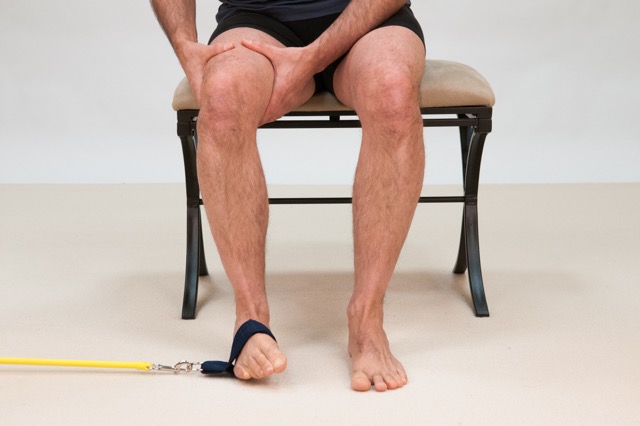
Evertor muscles of the foot should be strengthened in a client who has the postural dysfunction pattern of overpronation (dropped arch).
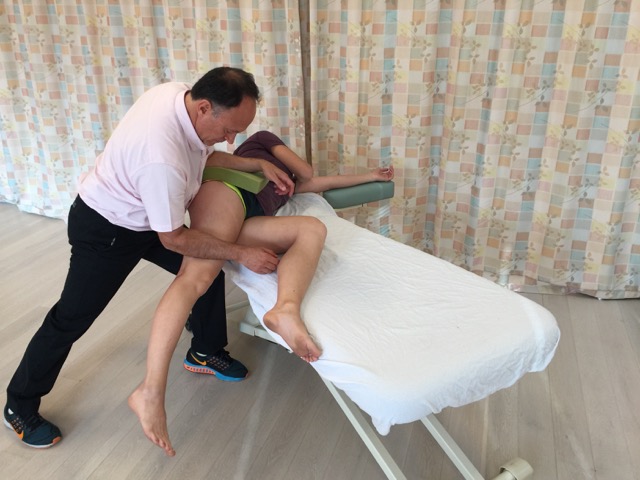
Manual therapy for iliotibial band friction syndrome is directed toward reducing the inflammation of the condition and correcting its underlying cause.
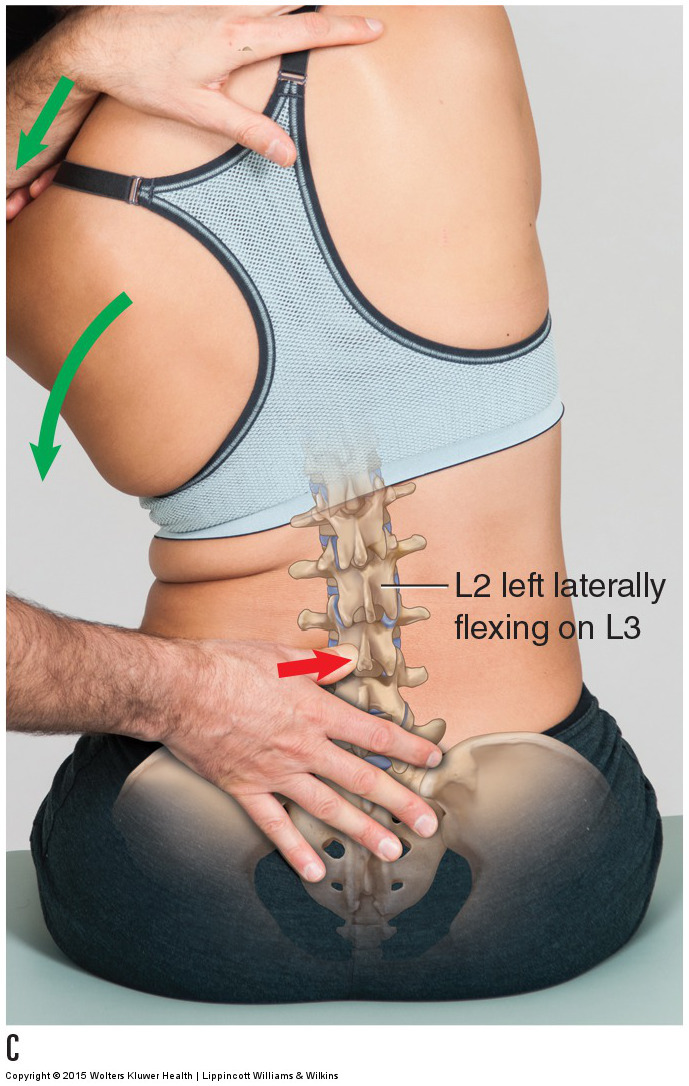
Assessment/diagnosis of spinal joint dysfunction, whether it is a hypomobility or a hypermobility, is done via motion palpation.
Frozen shoulder is a condition in which the glenohumeral joint loses mobility. The two stages are neurogenic frozen shoulder and adhesive capsulitis.
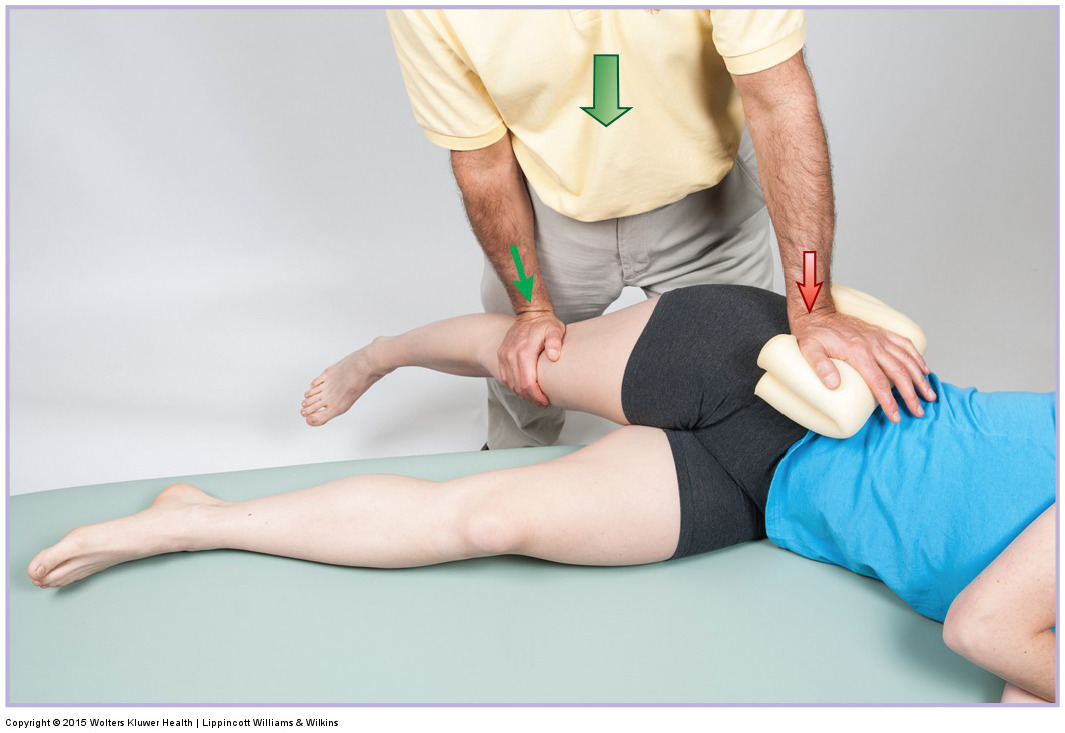
The most common symptom of iliotibial band friction syndrome is pain in the distal lateral thigh over the lateral epicondyle of the femur.
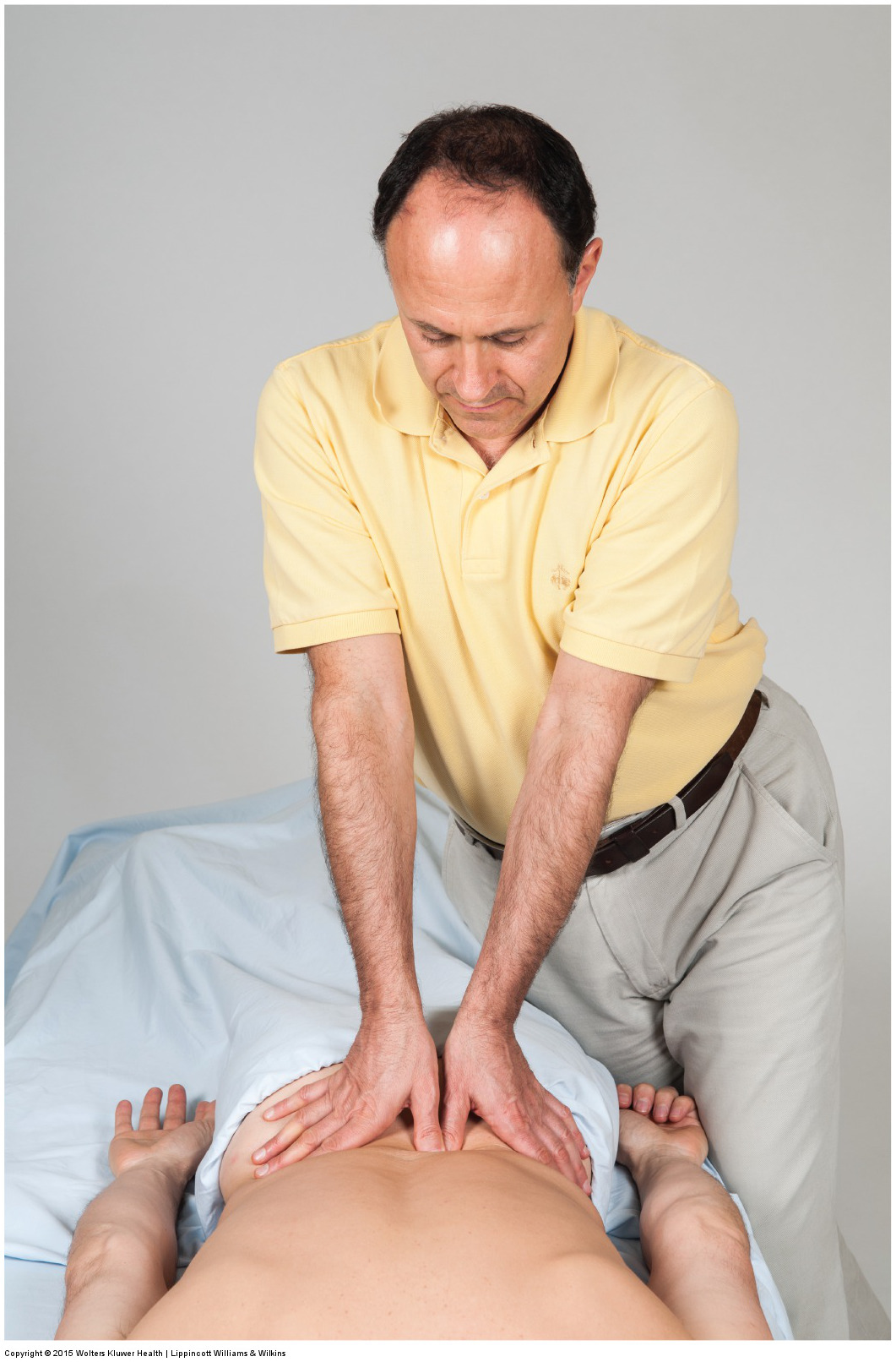
Manual therapy treatment for low back muscle tightness involves hot and cold hydrotherapy, soft tissue manipulation, stretching, and joint mobilization.
