The most common sign of frozen shoulder is decreased GH joint range of motion. Most commonly affected motions are abduction, flexion, and lateral rotation.
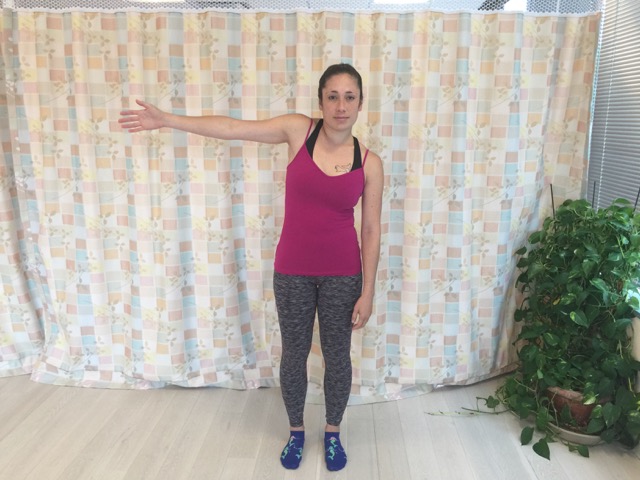

The most common sign of frozen shoulder is decreased GH joint range of motion. Most commonly affected motions are abduction, flexion, and lateral rotation.
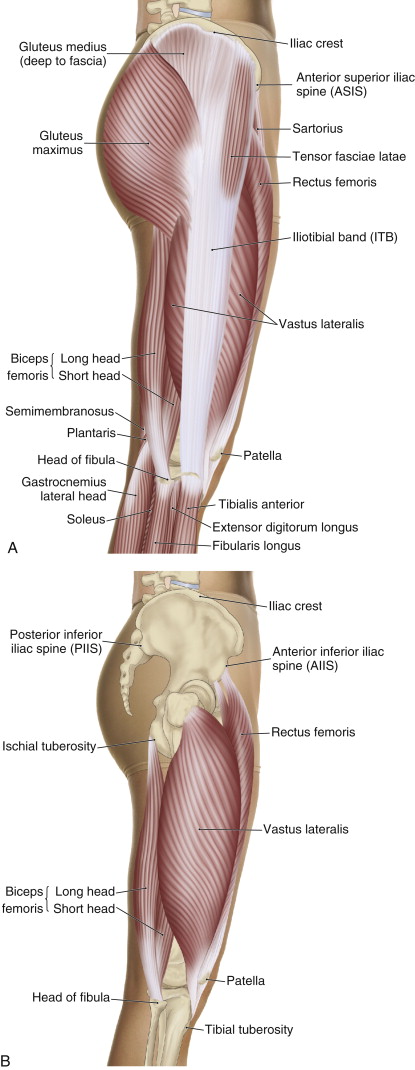
Iliotibial band friction syndrome is a condition in which the iliotibial band rubs against the lateral epicondyle of the femur.
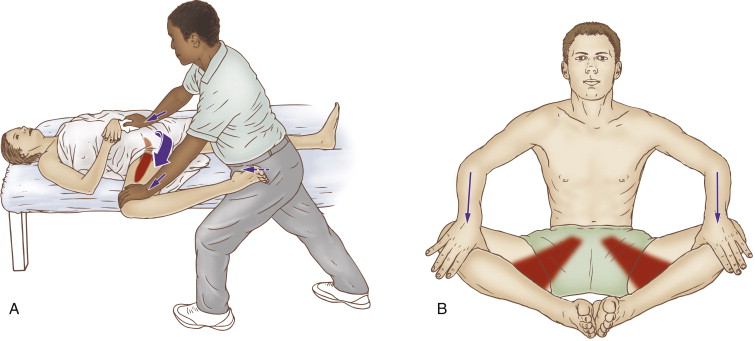
Self-care for the client/patient during the acute stage of an adductor strain (groin pull) is RICE: rest, ice, compression, and elevation.
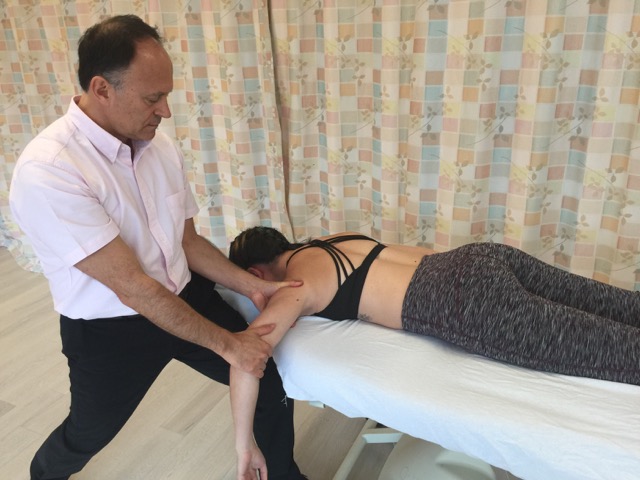
Manual therapy stretching and joint mobilization are two essential treatment modalities when working on a client with frozen shoulder.
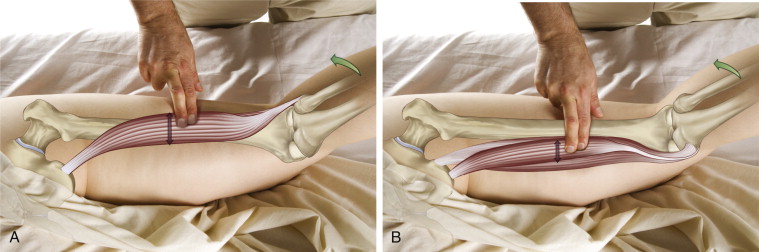
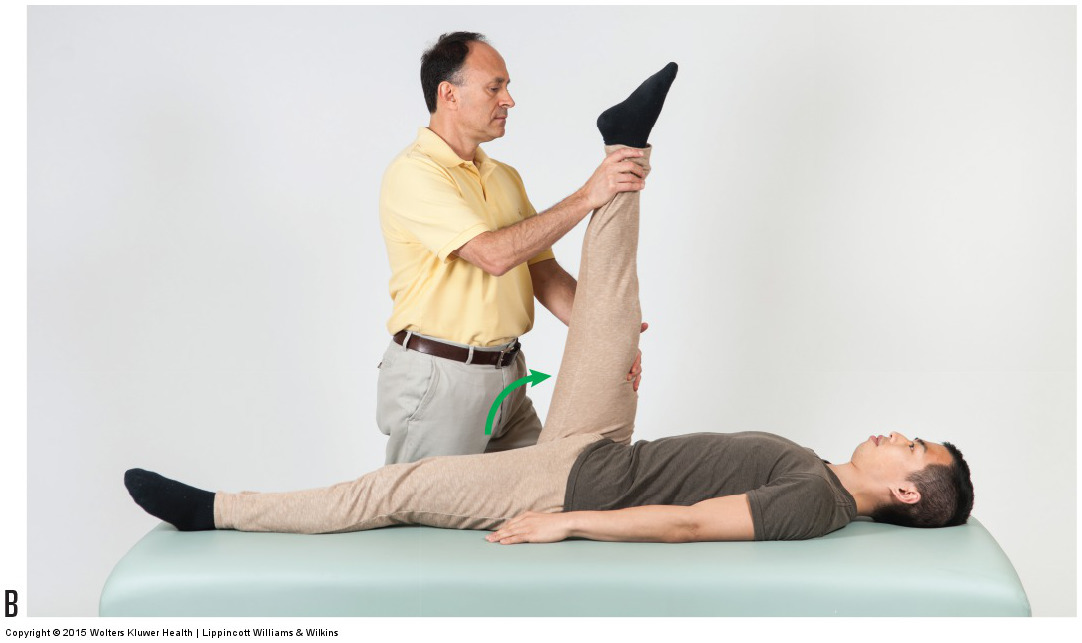
The goal of manual therapy for a chronic hamstring strain is to decrease hamstring hypertonicity and help promote healthy scar formation.

An adductor strain, also known as a groin pull in lay terms, is a strain of the musculature that does adduction of the thigh at the hip joint.
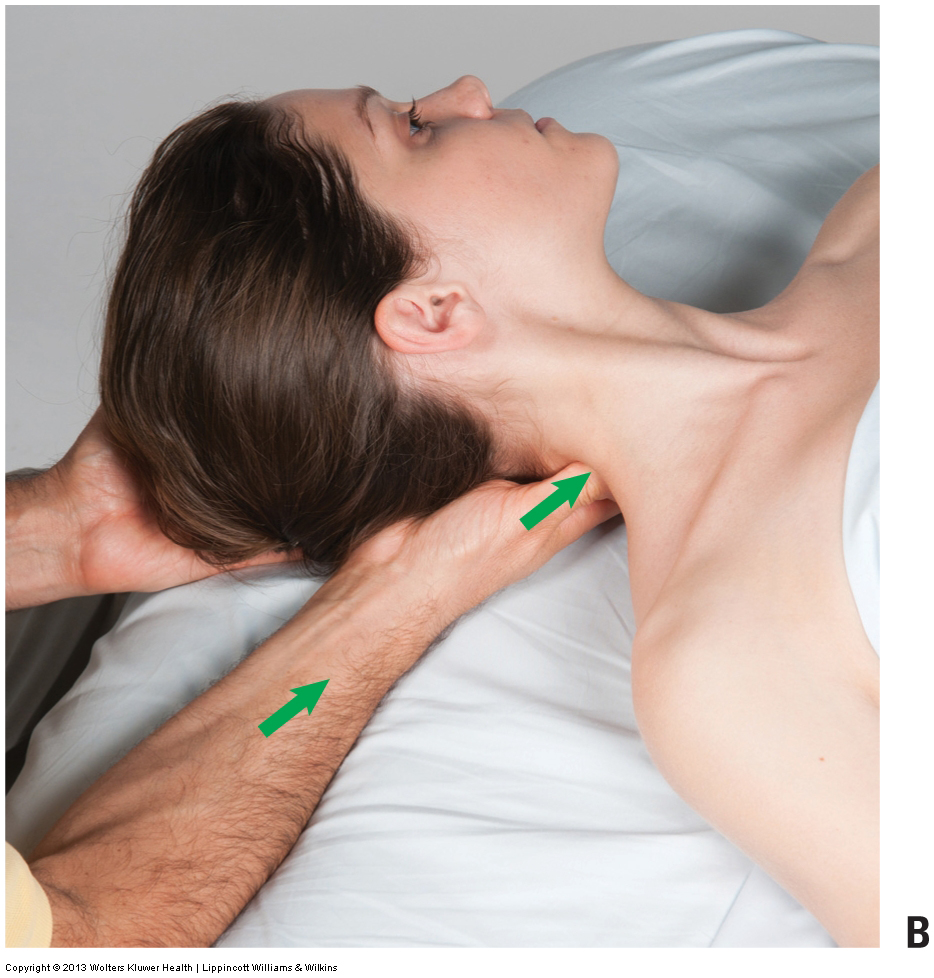
Manual therapy treatment: Manual therapy treatment for spasmed muscles of the neck (tightness of neck musculature) includes all the major soft tissue technique tools. Heat hydrotherapy, soft tissue manipulation, stretching, and joint mobilization (also known as arthrofascial stretching/AFS). It is …
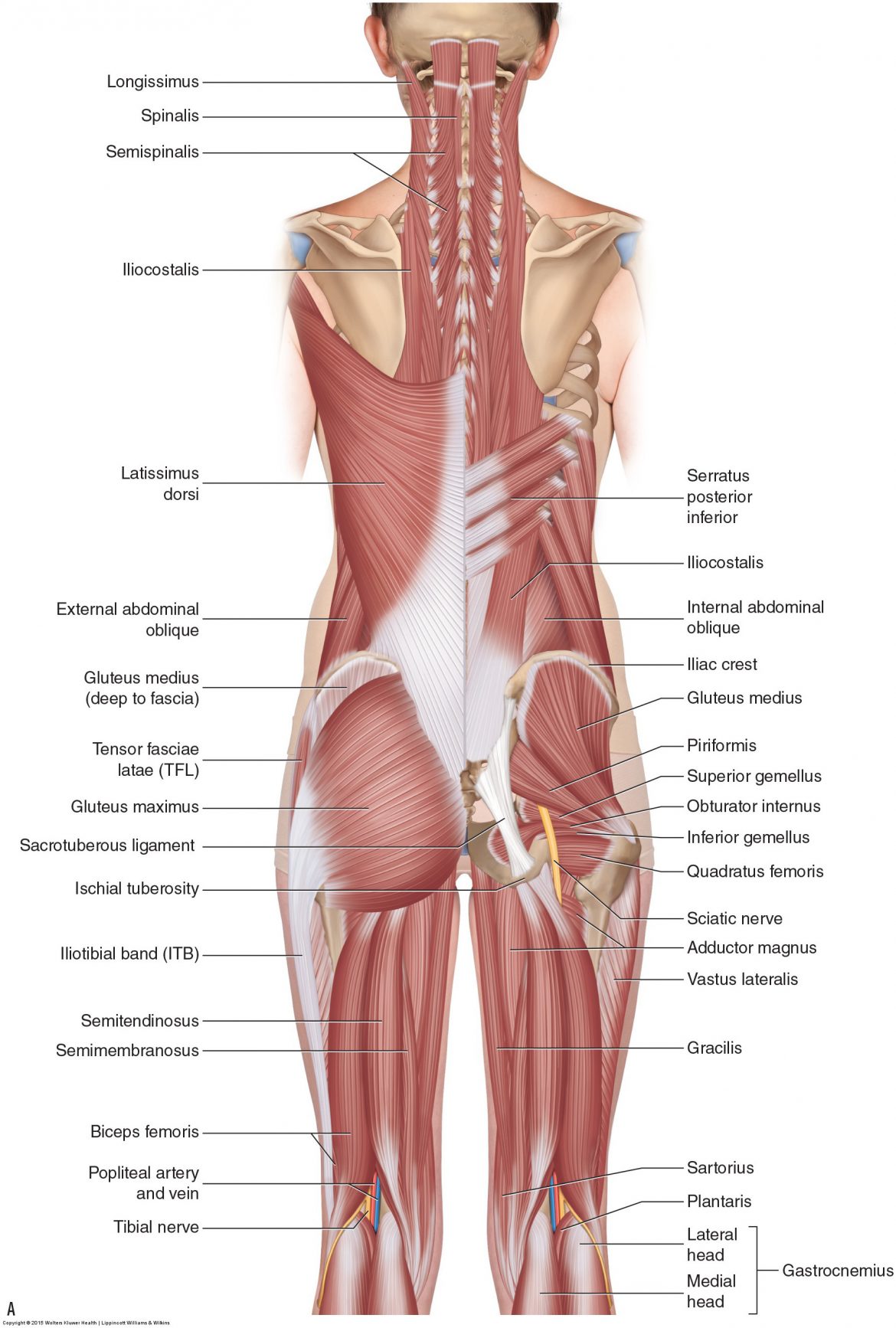
A hamstring strain, also known in lay terms as a hamstring pull, is by definition a tearing of the hamstring musculature.
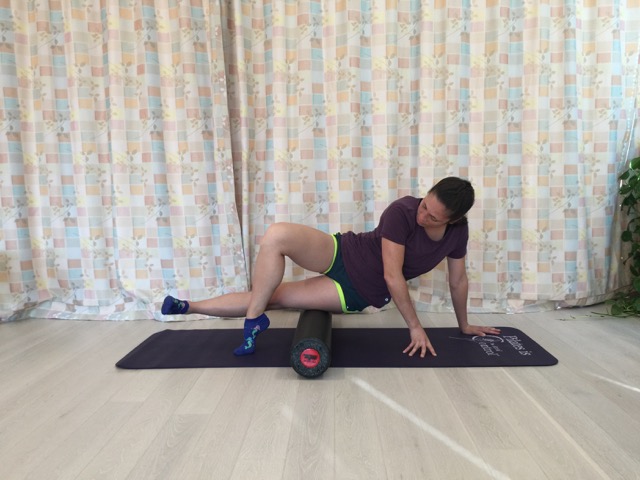
Self-care for iliotibial band friction syndrome (ITBFS) begins with RICE: rest, ice, compression, and elevation. And offending activities should be avoided.
A low back sprain and strain present a similar clinical picture. The client/patient will have low back spasming and pain, which will increase with motion.
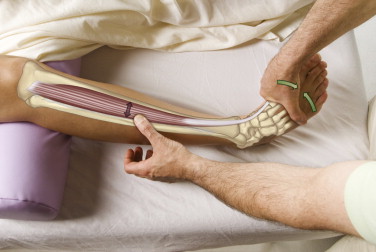
For anterior shin splints, physical exam should include palpation of the tibialis anterior and the rest of the dorsiflexor musculature of the leg.
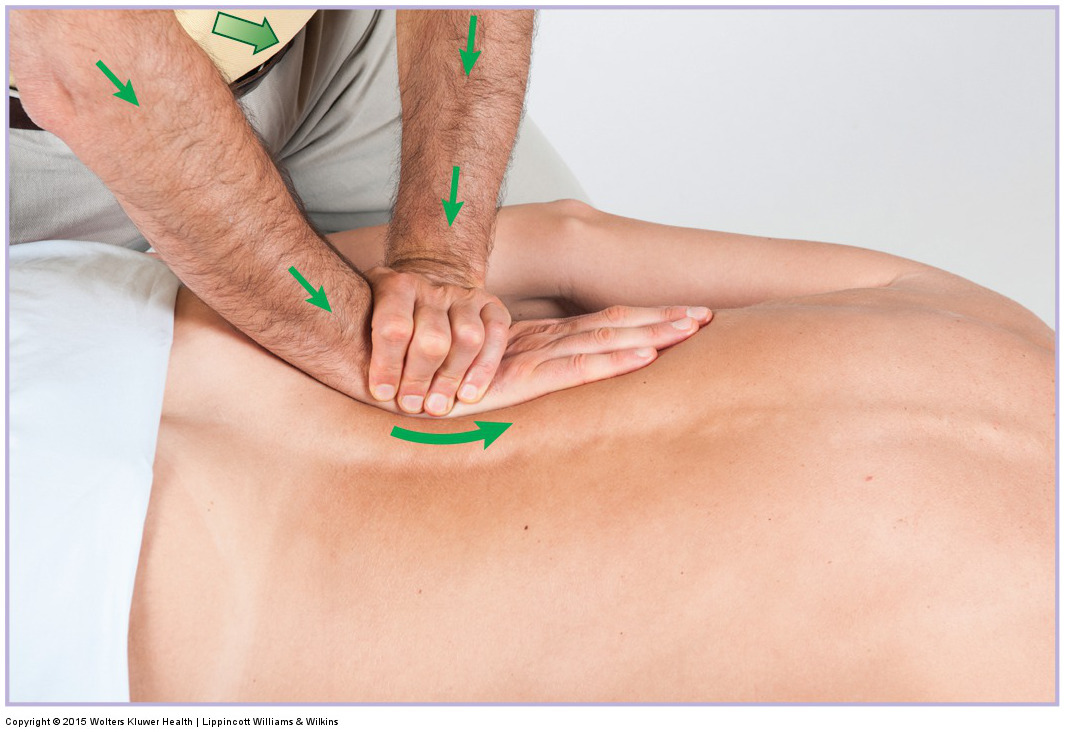
For a low back strain / sprain, because the muscles of the low back are so large and powerful, the first goal of manual therapy is to reduce the spasming.

A wrist sprain is an overstretching or tearing of the ligaments and/or joint capsules of the wrist joint. A wrist strain is tearing of musculature.
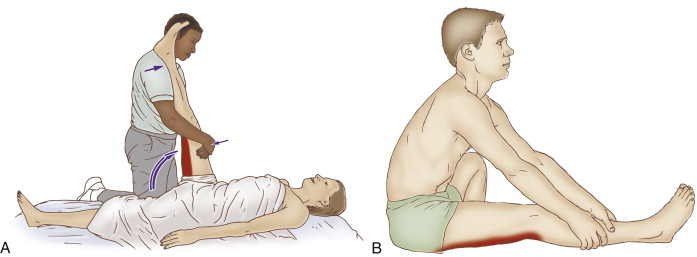
Moist heat & stretching are beneficial for chronic hamstring strain to prevent muscular hypertonicity, myofascial trigger points, and myofascial adhesions.
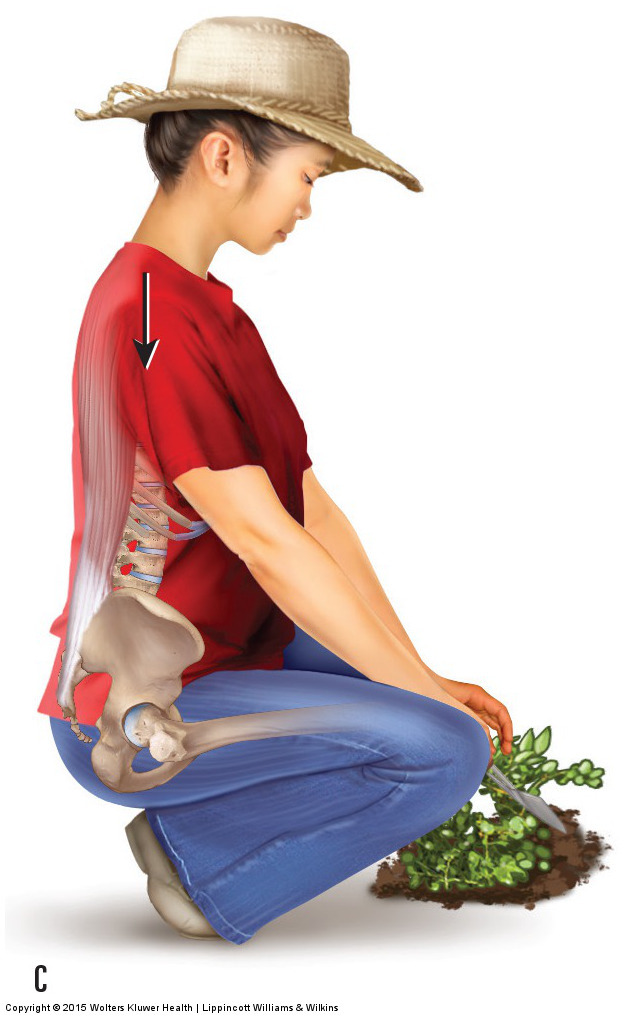
Self care for a low back strain / sprain involves avoiding offending postures and activities such as bending and lifting, and using heat and stretching.
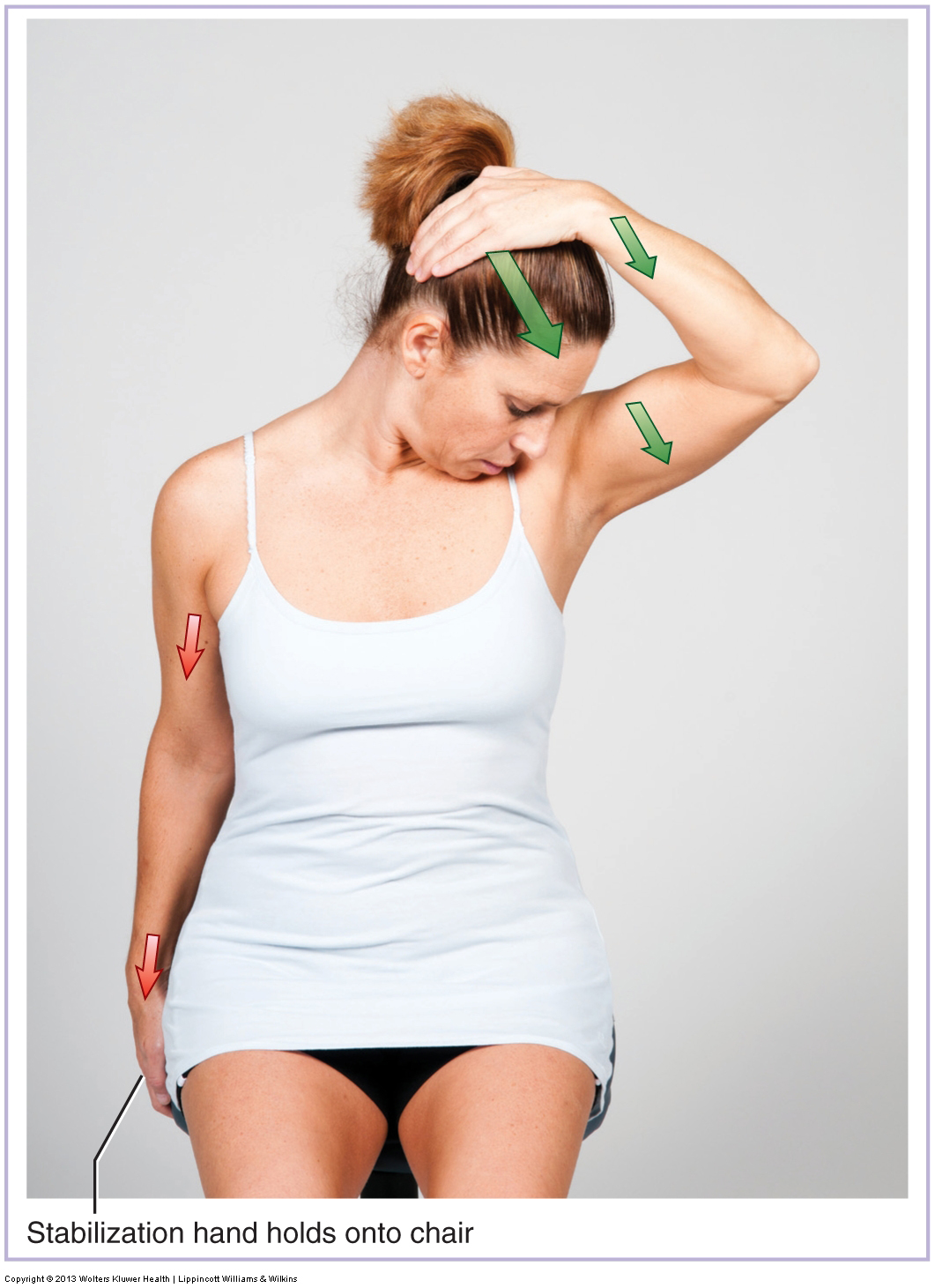
Self-care application of heat and stretching is an extremely important part of the treatment regimen for clients with spasmed neck muscles.
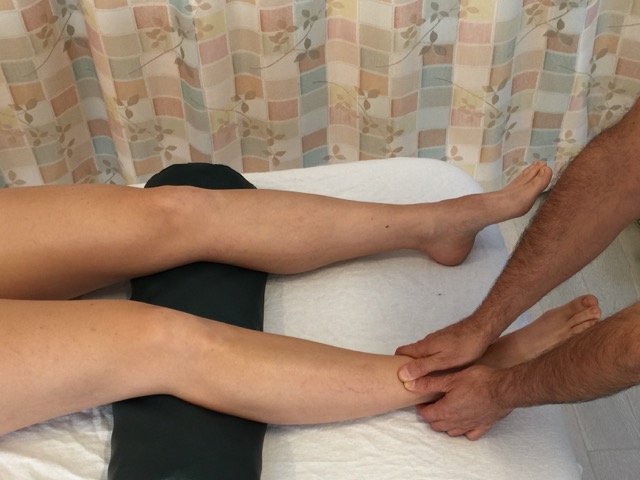
Manual therapy treatment for an acute inversion ankle sprain is aimed at decreasing swelling and inflammation and relieving associated muscle spasming.
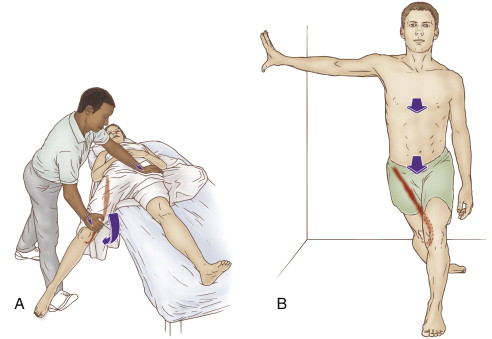
Self-care for meralgia paresthetica: heat and stretching of the involved muscles, and removing the physical stress factors that contribute to the condition.
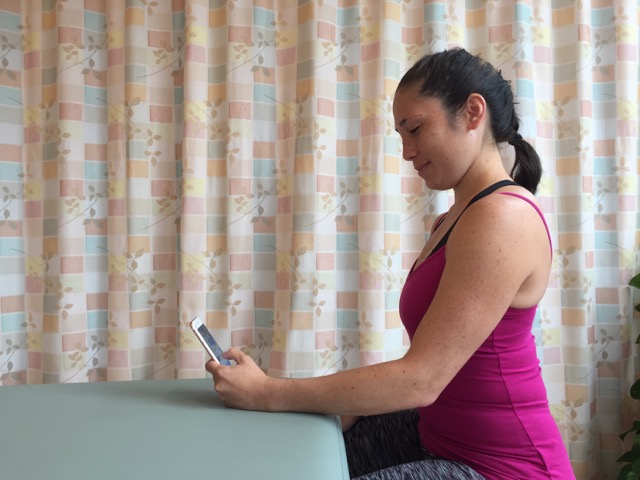
De Quervain’s syndrome is caused by overuse of the thumb, specifically the abductor pollicis longus and extensor pollicis brevis muscles.
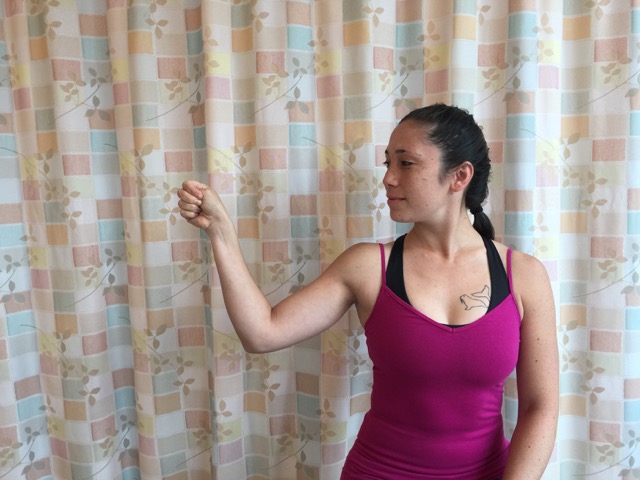
Assessment / Diagnosis for De Quervain’s syndrome is done by a special orthopedic assessment test procedure known as Finklestein’s Test.
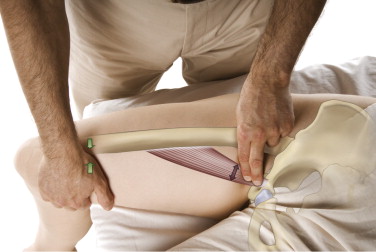
During the acute phase of an adductor strain, active adduction range of motion and manual resistance to adduction will increase the client/patient’s pain.
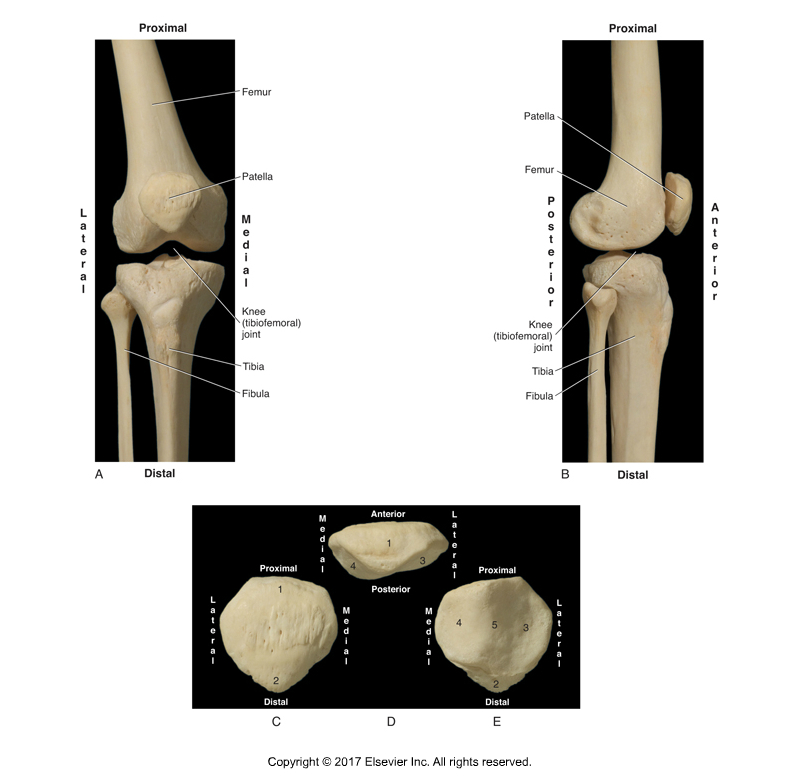
Essentially, patellofemoral syndrome is osteoarthritis of the patellofemoral joint. It involves cartilage degeneration and the development of bone spurs.
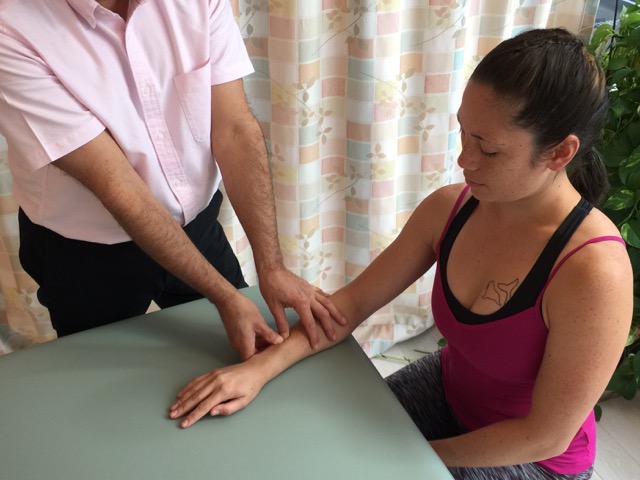
Once present, De Quervain’s syndrome (De Quervain’s disease) can be challenging to resolve, but manual therapy treatment can be very beneficial.
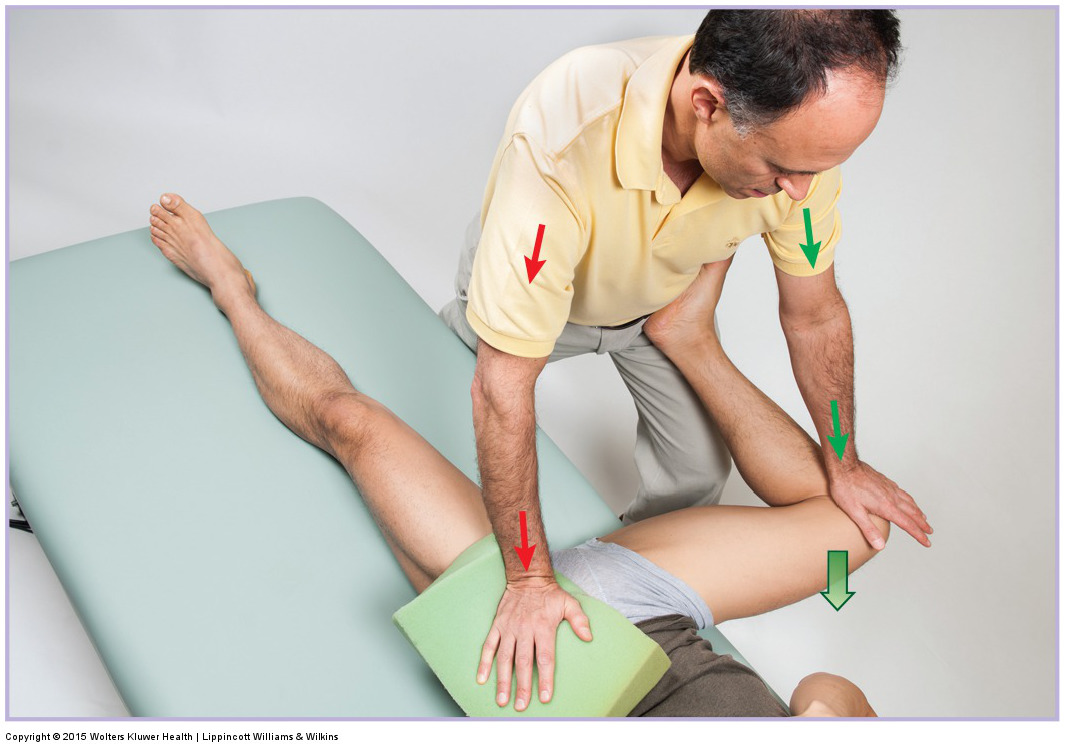
Once chronic, manual therapy for an adductor strain is geared toward decreasing muscle tightness, myofascial trigger points, and fascial adhesions.
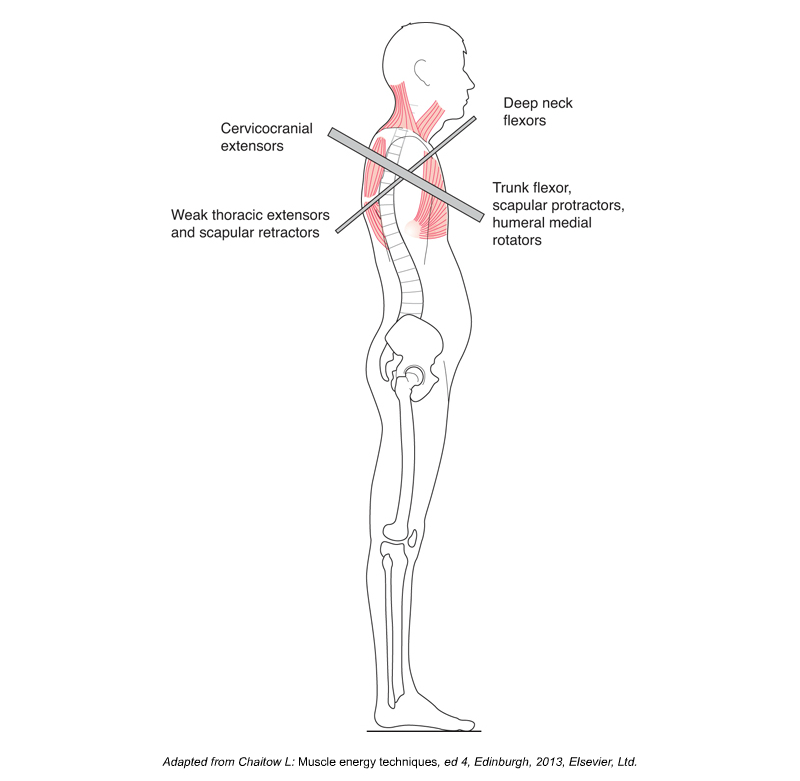
Upper crossed syndrome describes the characteristic pattern of dysfunctional tone of the musculature of the shoulder girdle/cervicothoracic region of the body.
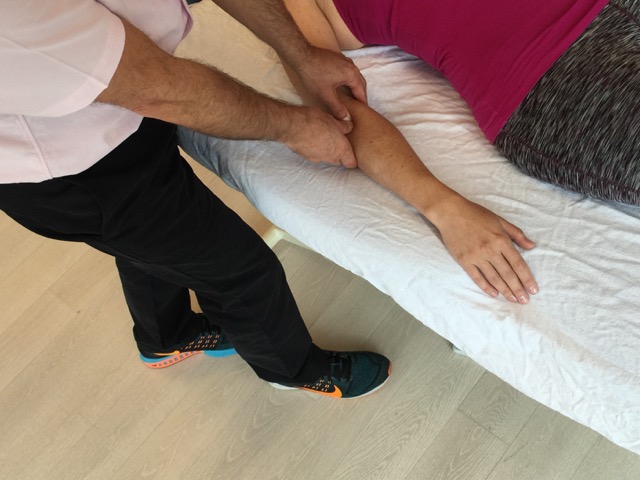
A good manual therapy protocol for tennis elbow is fascial spreading, longitudinal and cross fiber strokes, and pin and stretch to the posterior forearm.
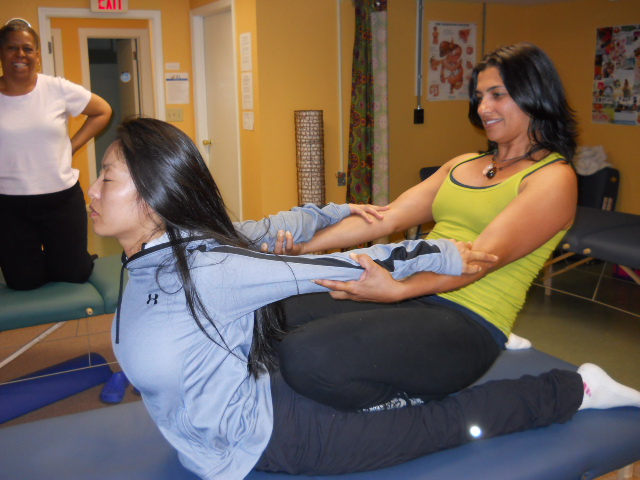
The therapist performed a static assessment of the client’s posture and noted the typical upper crossed syndrome with a hyperkyphotic thoracic spine, a hypolordotic lower cervical spine, a hyperlordotic upper cervical spine, protracted head, protracted scapulae, and medially (internally) rotated arms.
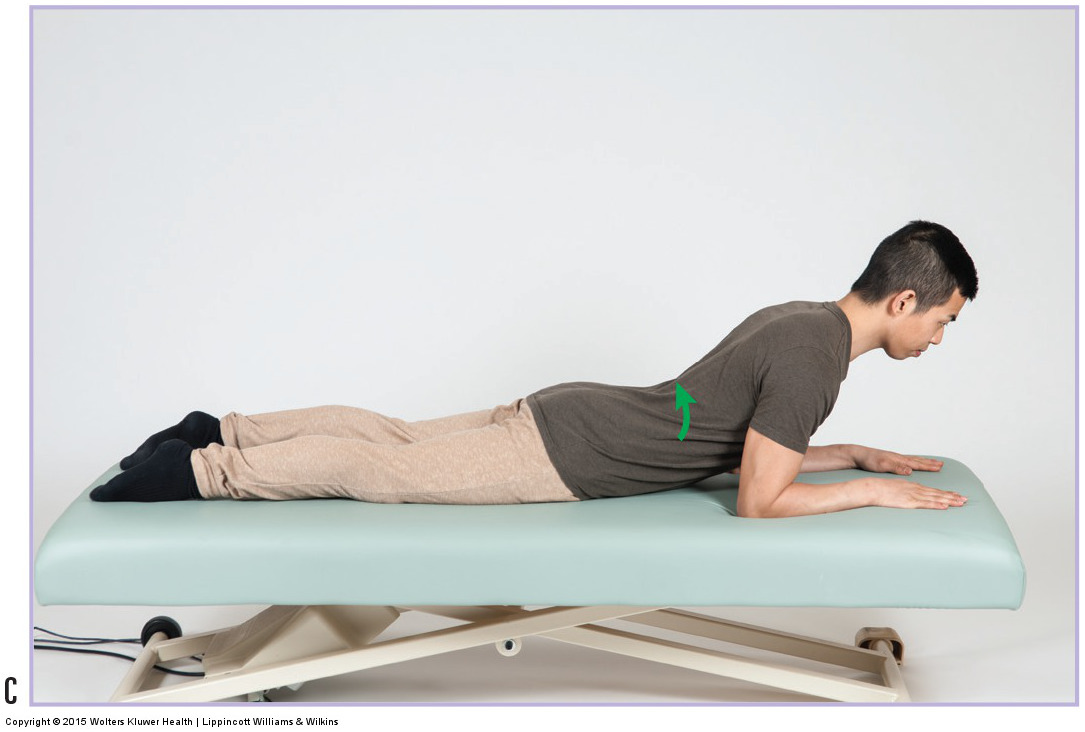
The therapist’s session consisted of moist heat, soft tissue manipulation, and stretching to the low back with double knee to chest stretch performed with agonist contract technique and stretching the left side of the low back with Armin side-lying on his right side.
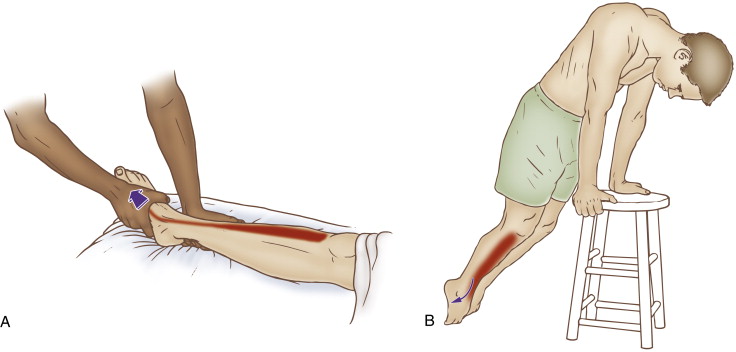
Self-care for shin splints begins with RICE: rest, ice, compression, and elevation. If the client/patient has anterior shin splints that is caused by running or some other physical activity that involves running, the client/patient should stop the activity until the condition is resolved.
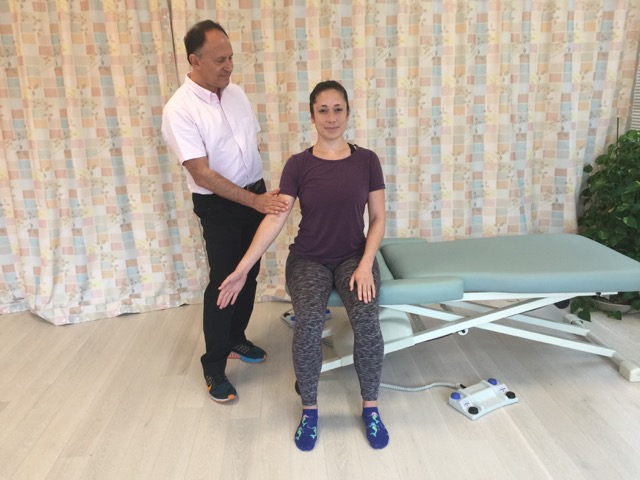
Signs and symptoms of rotator cuff pathology include pain, joint crepitus, weakness, and decreased range of motion when moving the shoulder (glenohumeral) joint.
