A wrist sprain is challenging to treat with manual therapy because it is essentially an overstretching of ligaments, which causes joint instability.
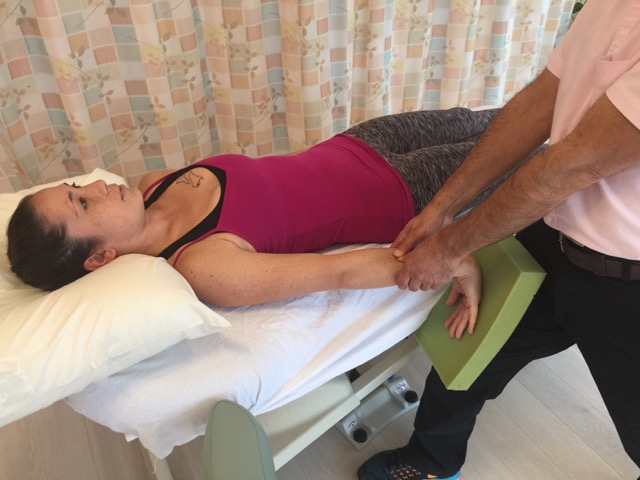

A wrist sprain is challenging to treat with manual therapy because it is essentially an overstretching of ligaments, which causes joint instability.
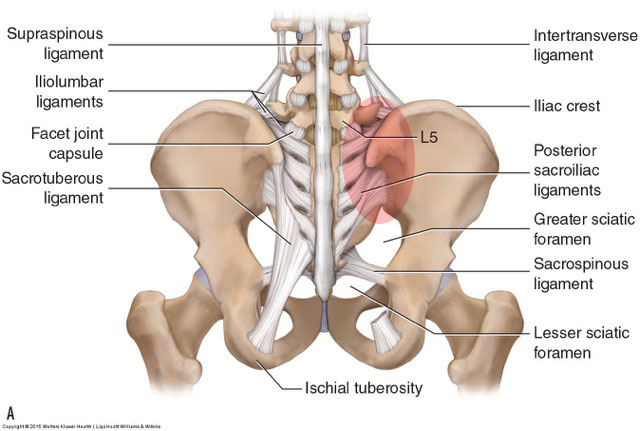
The sacroiliac joint is unique in that it is a transitional joint between the sacrum of the spine and the ilium of the pelvic bone of the lower extremity.
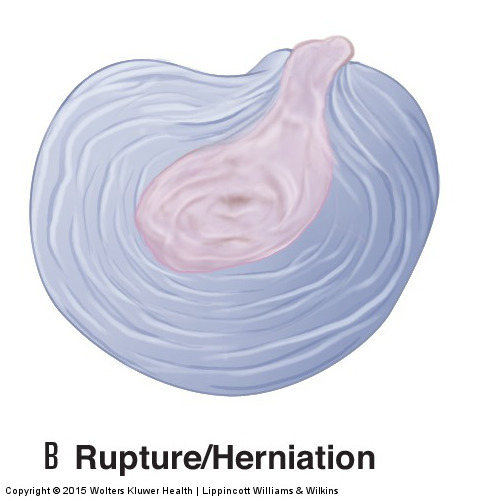
This article addresses the causes of the three different types of pathologic disc conditions: degenerated disc, bulging disc, and herniated disc.
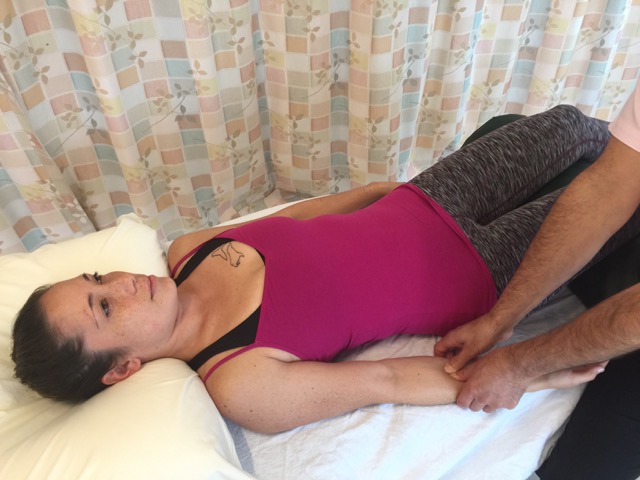
The medical approach to wrist sprain/strain is usually to recommend rest, a brace, and non-steroidal or steroidal anti-inflammatory medication.
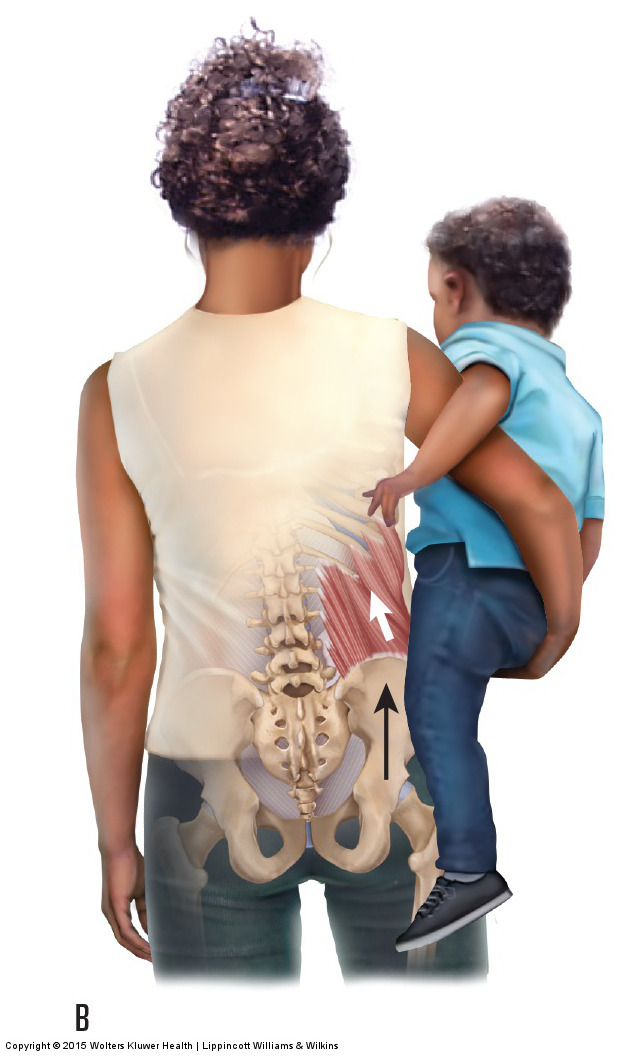
Because of the tendency of one sacroiliac joint (SIJ) to compensate for the other when motion is dysfunctional, typically both SIJs become dysfunctional.
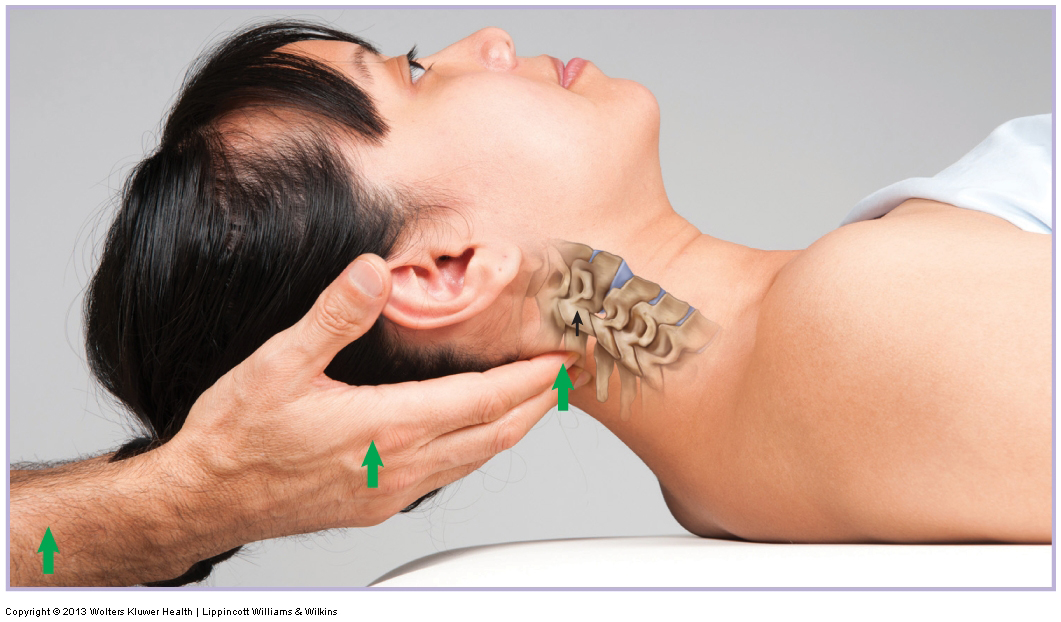
As a rule, moist heat followed by stretching is beneficial for spinal hypomobilities, and strengthening is beneficial for regions of spinal hypermobility.
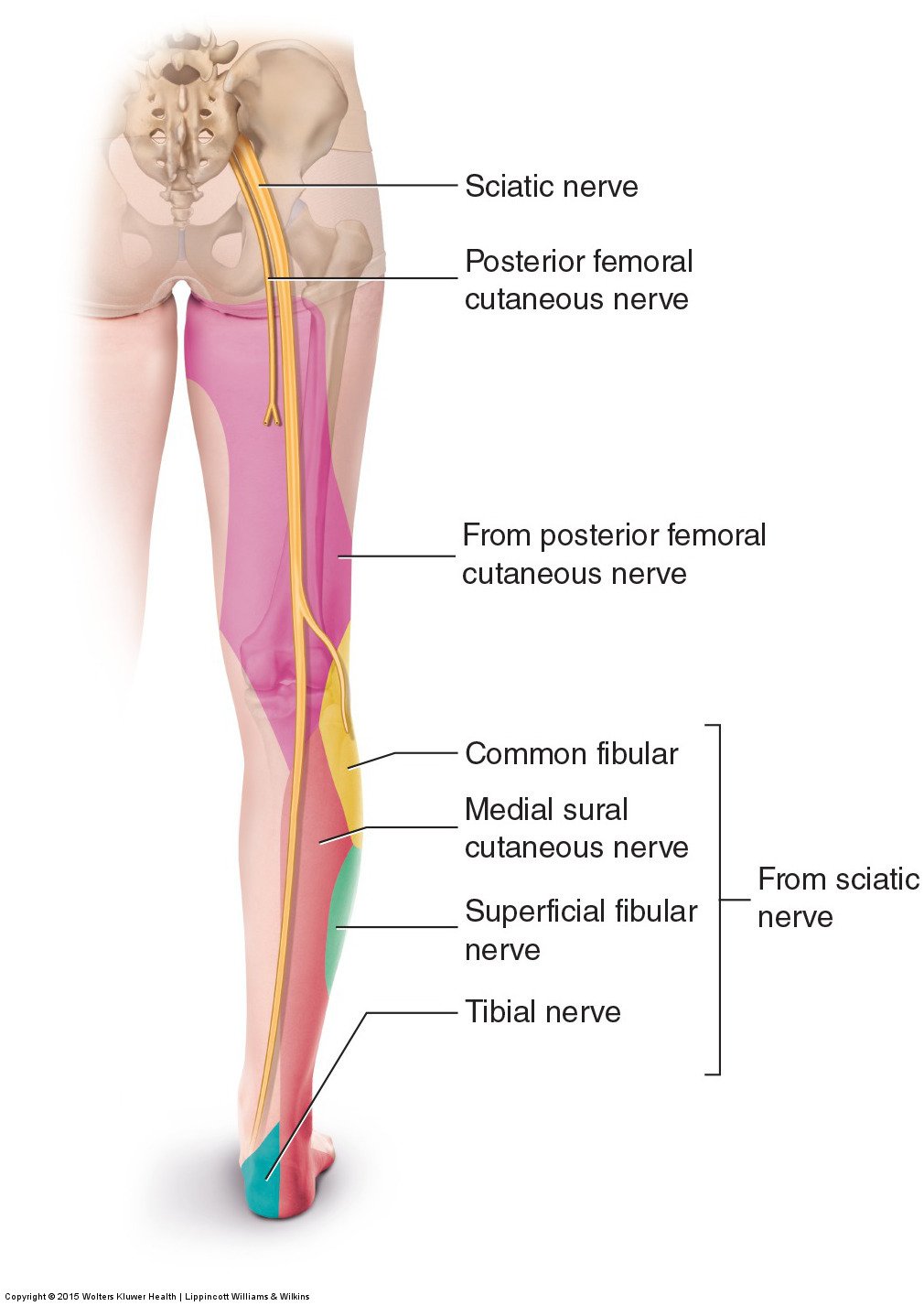
The exact location of the symptoms of sciatica would be determined by which neurons are compressed; in other words, which nerve root level is affected (from L4 to S3), and whether they are sensory or motor neurons.
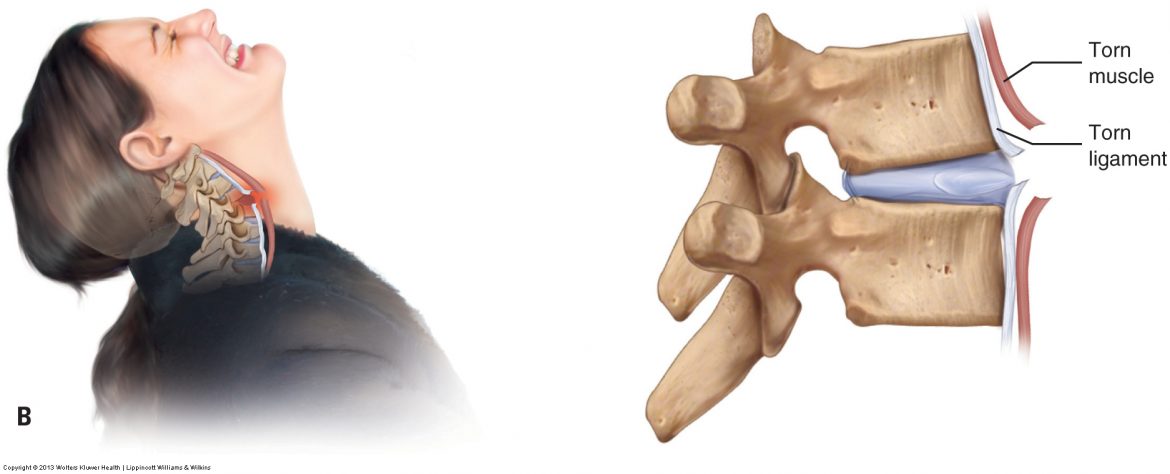
Whiplashes are usually associated with automobile accidents, but can occur during other activities such as playing sports or from a slip and fall.
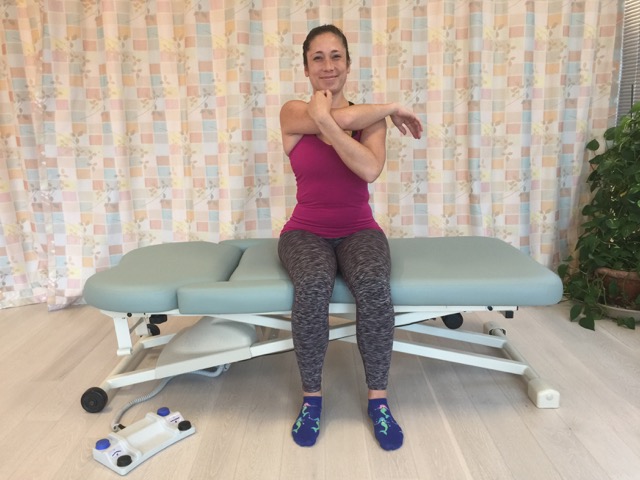
Self-care for the client/patient with rotator cuff pathology depends on the specific muscle that is affected and the specific pathology that is present.
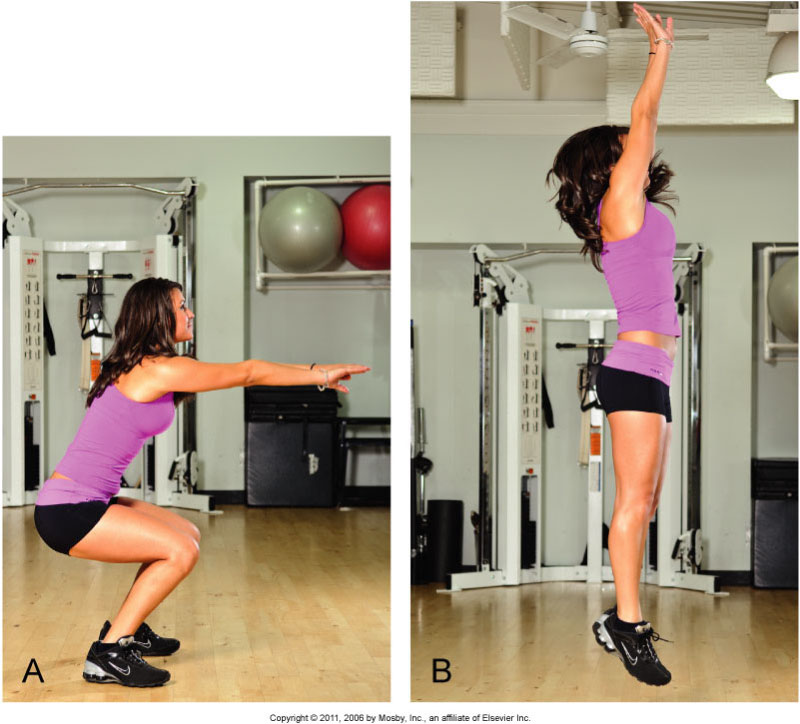
Achilles tendinitis involves swelling of the tendon; Achilles tendinosus involves tendon degeneration. Achilles bursitis involves swelling of the bursa.
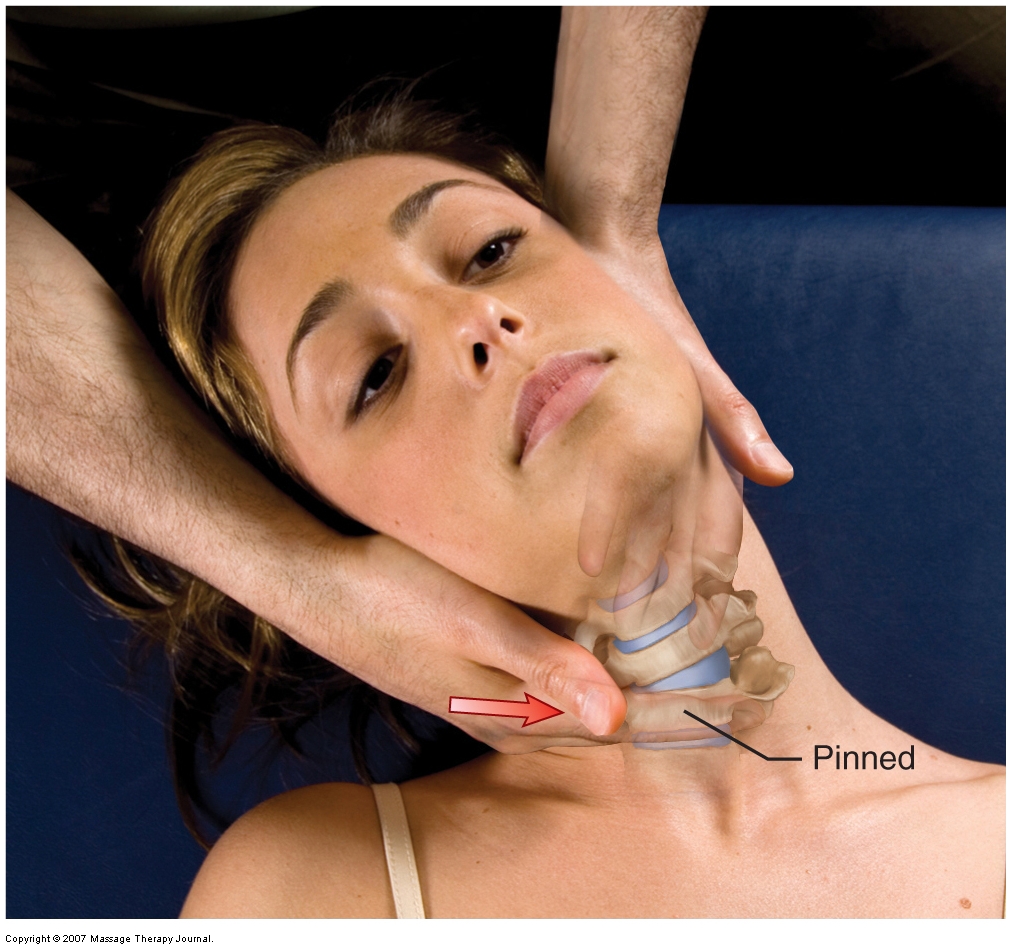
A whiplash/neck sprain is problematic to treat because it involves overstretching of ligaments, which causes joint instability.
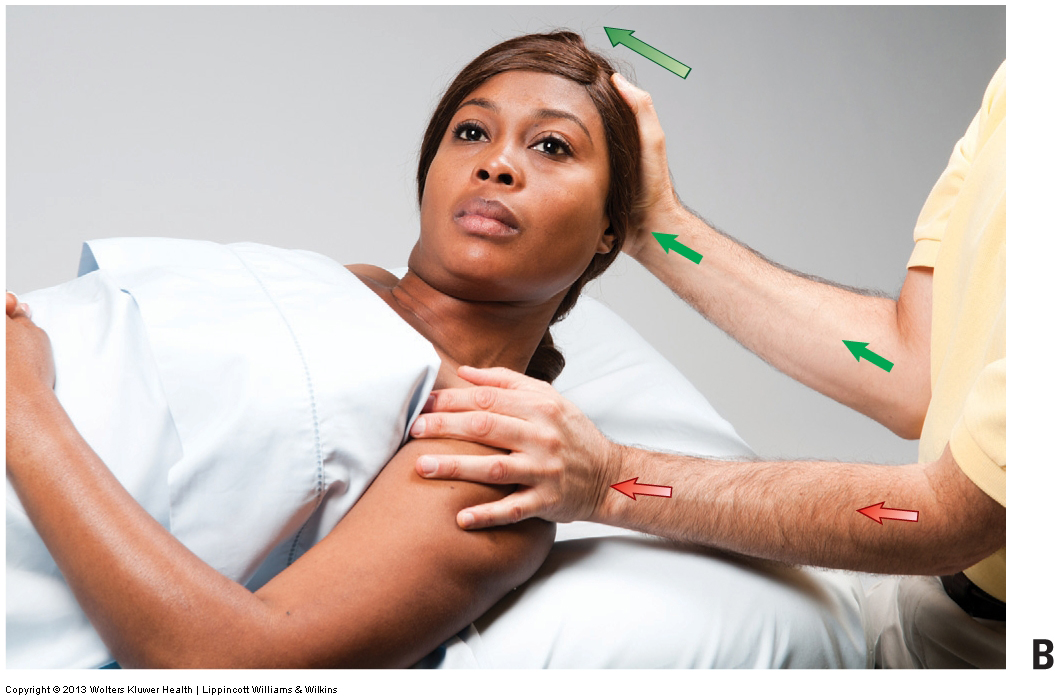
Assessing a whiplash injury from another condition of the neck is straightforward because a whiplash by definition follows a macrotrauma of the neck,
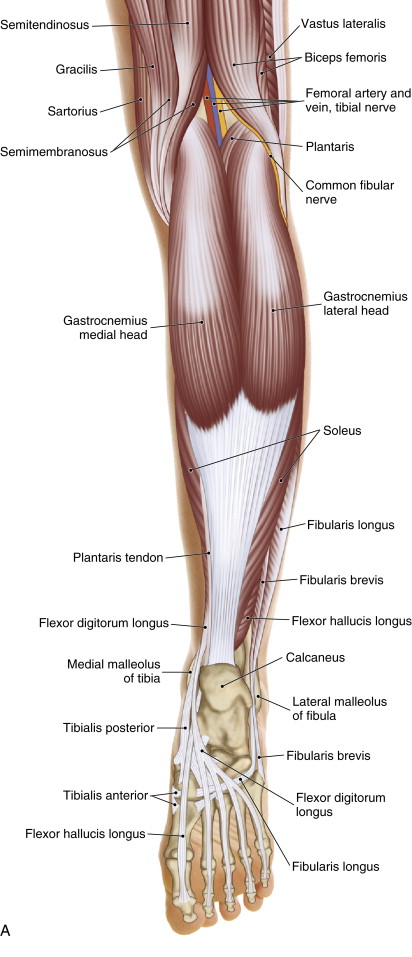
Achilles tendinitis most often occurs due to overuse of the gastrocnemius and soleus contracting to plantarflex the ankle joint.
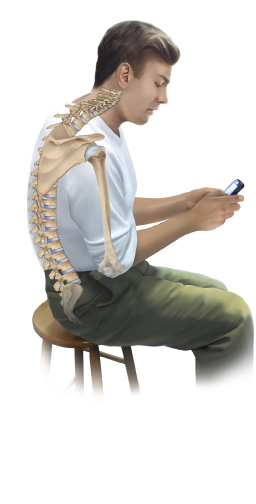
The longer we allow ourselves to sit in a slumped posture, the more imbalanced is our spine and the more gravity pulls our trunk toward flexion.
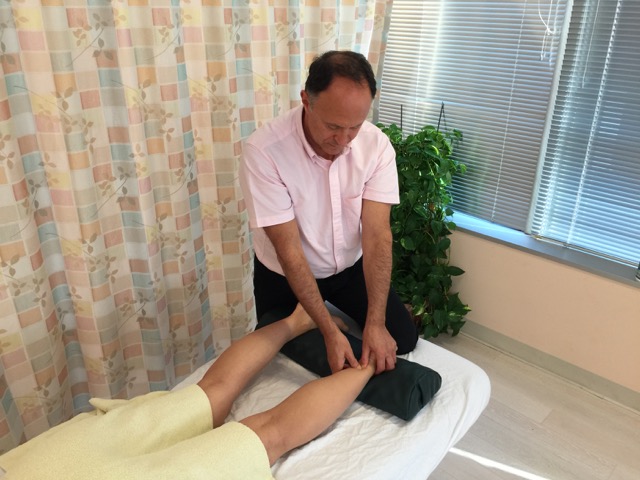
Manual therapy for a chronic Achilles tendon disorder is aimed at decreasing plantarflexor tightness and breaking up excessive fascial adhesion scar tissue.
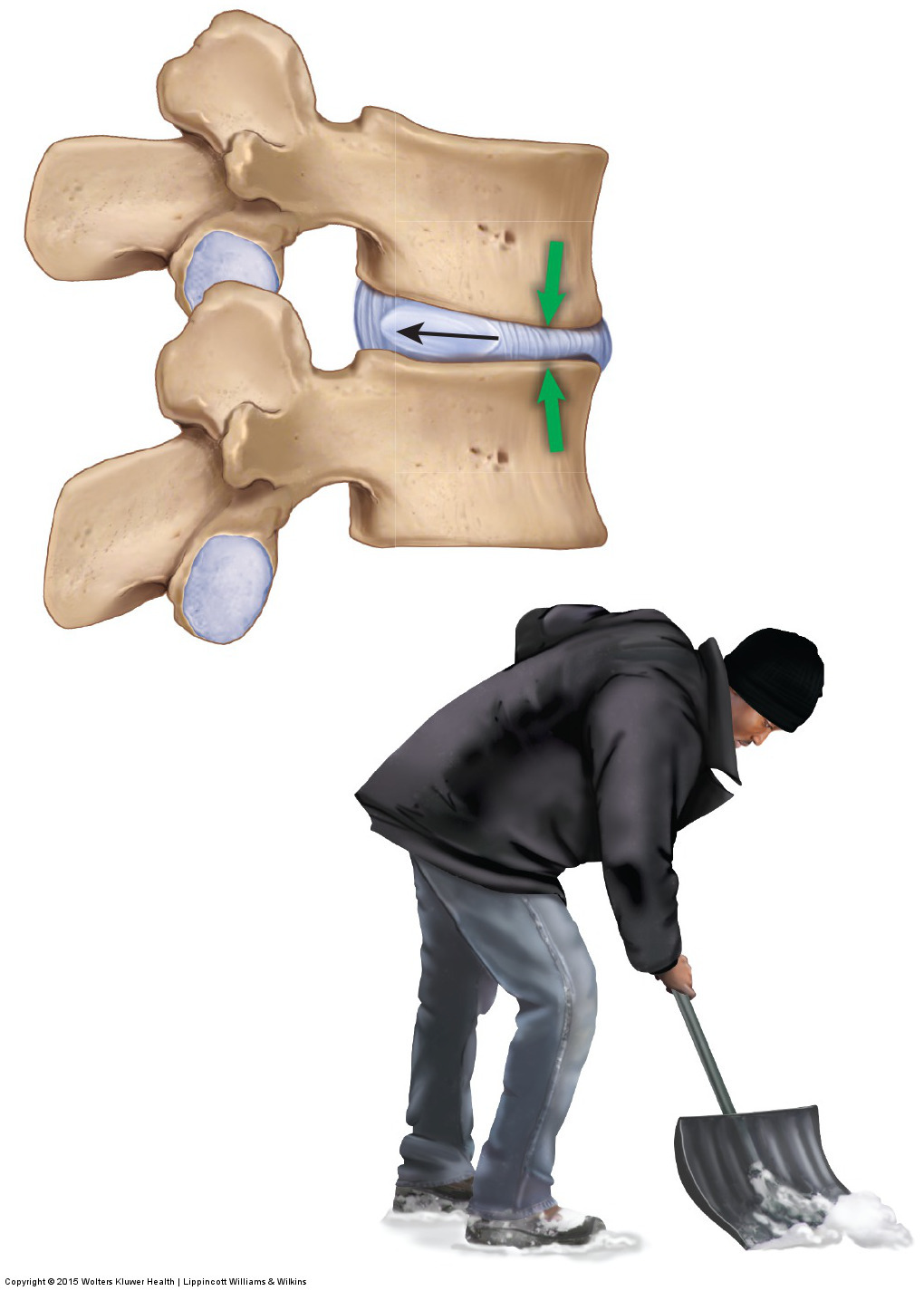
One cause of a pathologic disc (e.g., bulge, herniation) is excessive flexion postures, which drive the nucleus posteriorly against the taut annular fibers.
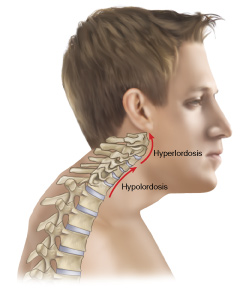
Slumped spinal posture is characterized by slumped postural dysfunction from the pelvis to the head. Assessment is made upon static postural examination.
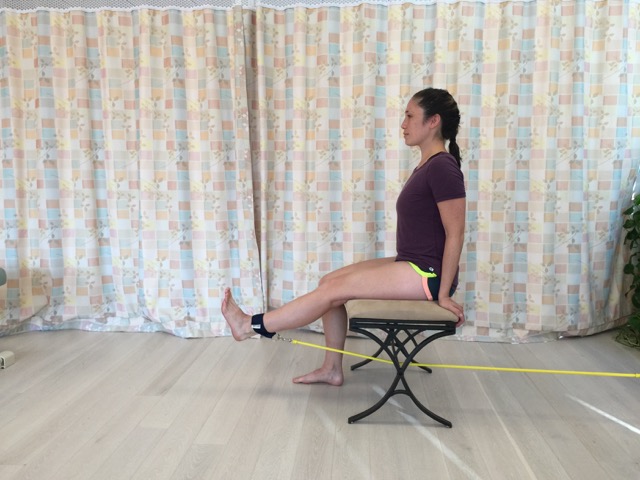
Perhaps the one most important aspect of self-care for patellofemoral syndrome (PFS) is to strengthen the quadriceps femoris musculature.
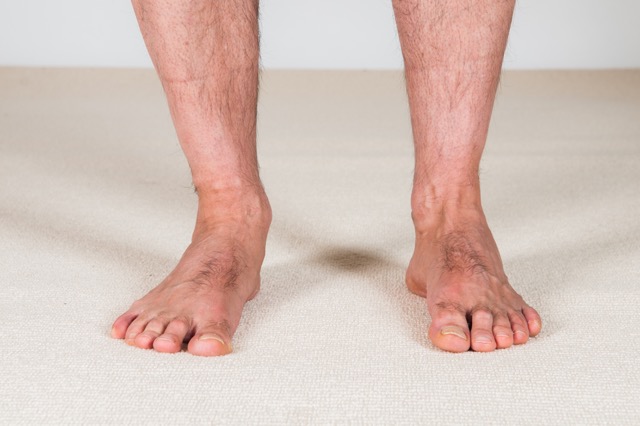
A supple flat foot is caused by either lax ligaments and/or weak musculature that cannot support the arch when weight-bearing.
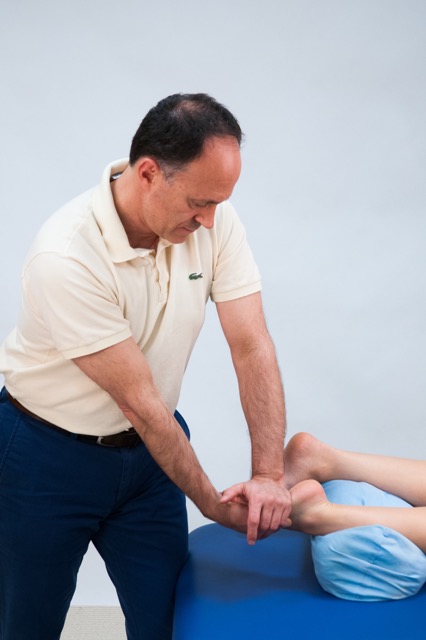
The role of manual therapy for a rigid flat foot (overpronation) is to loosen fascial adhesions that are locking the bones in a position of pronation.
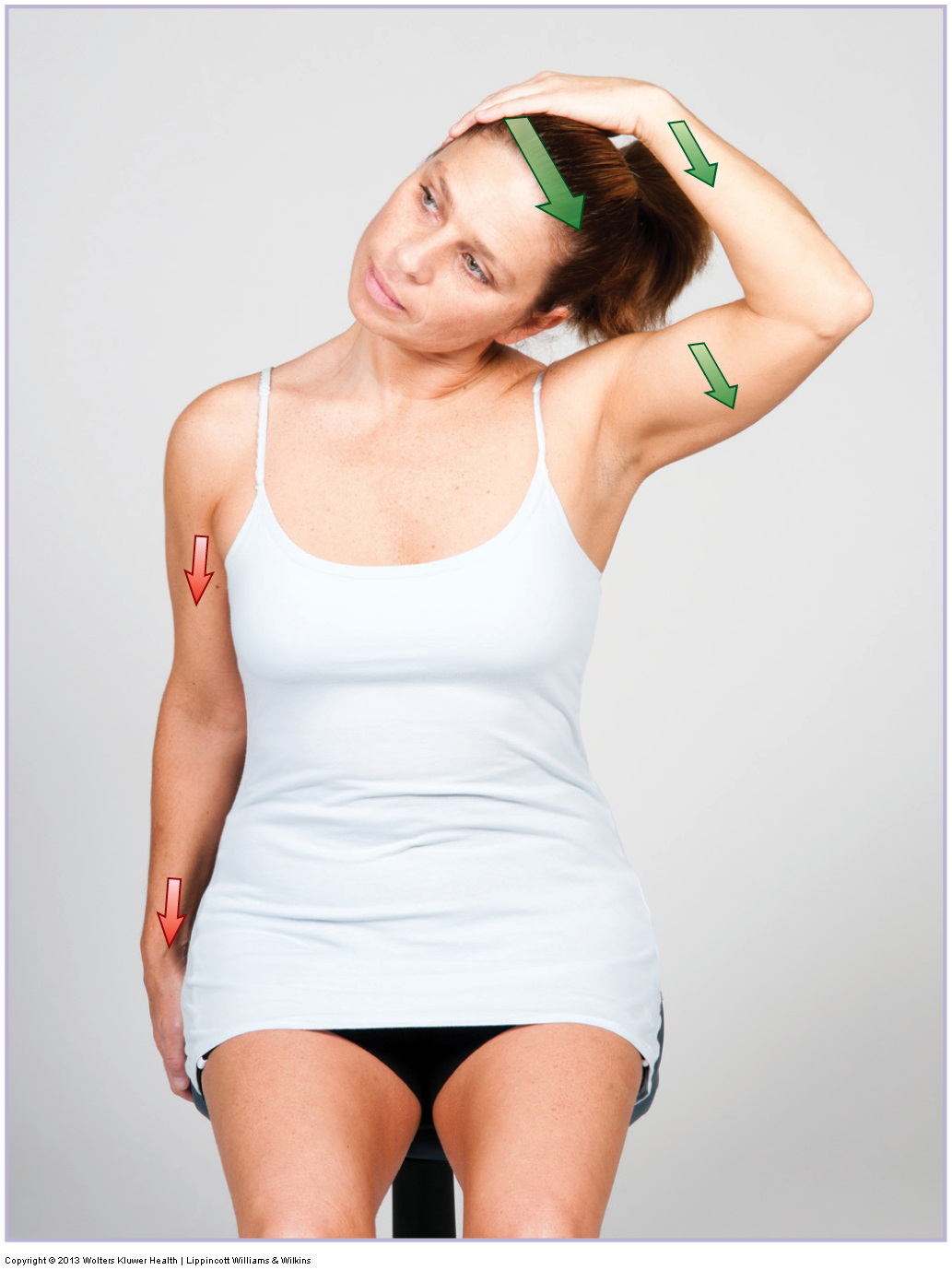
Once the acute stage of a whiplash has resolved, moist heat followed by stretching of the neck can be recommended to the client.
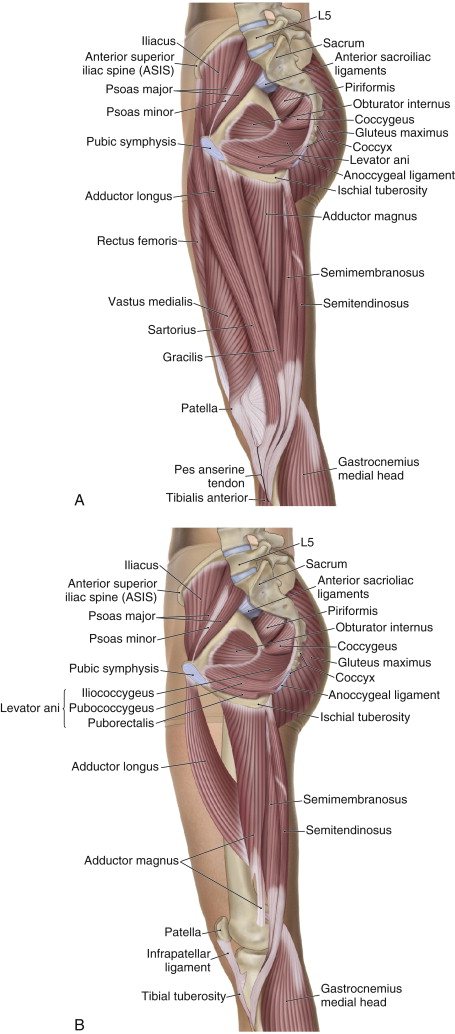
The most common tight adductor symptom – also known as a groin pull – is pain in the medial thigh at the site of the strain.
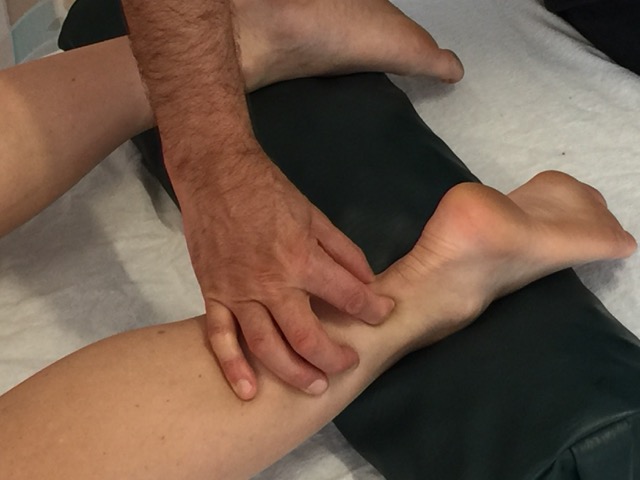
The most common symptom of Achilles’ tendinitis is pain at the Achilles tendon. Pain is usually not present at rest, but will be evident upon palpation.
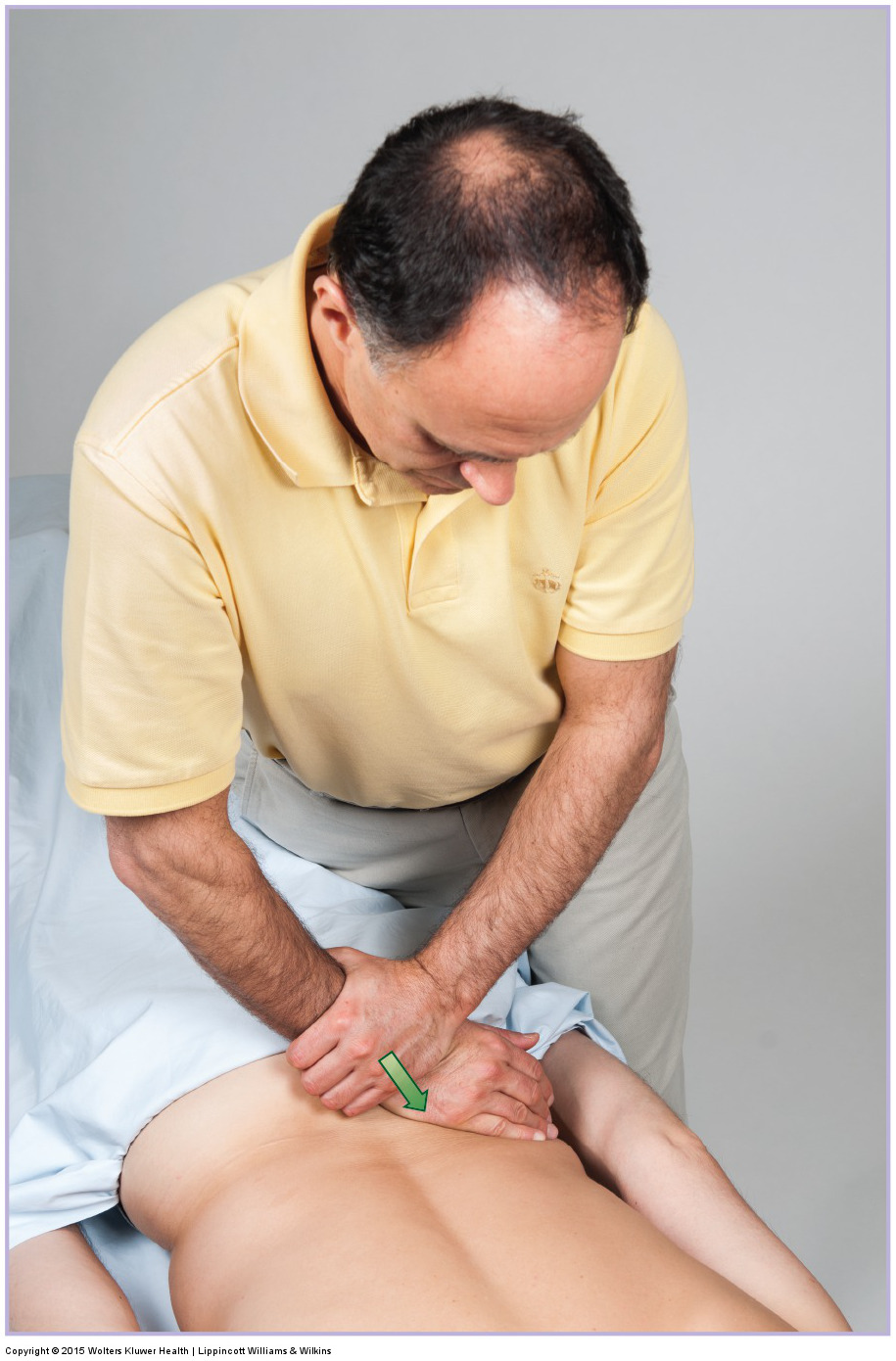
Assessment of sacroiliac joint dysfunction is done by motion palpation, in which the joint is challenged to move while the motion of the joint is assessed.
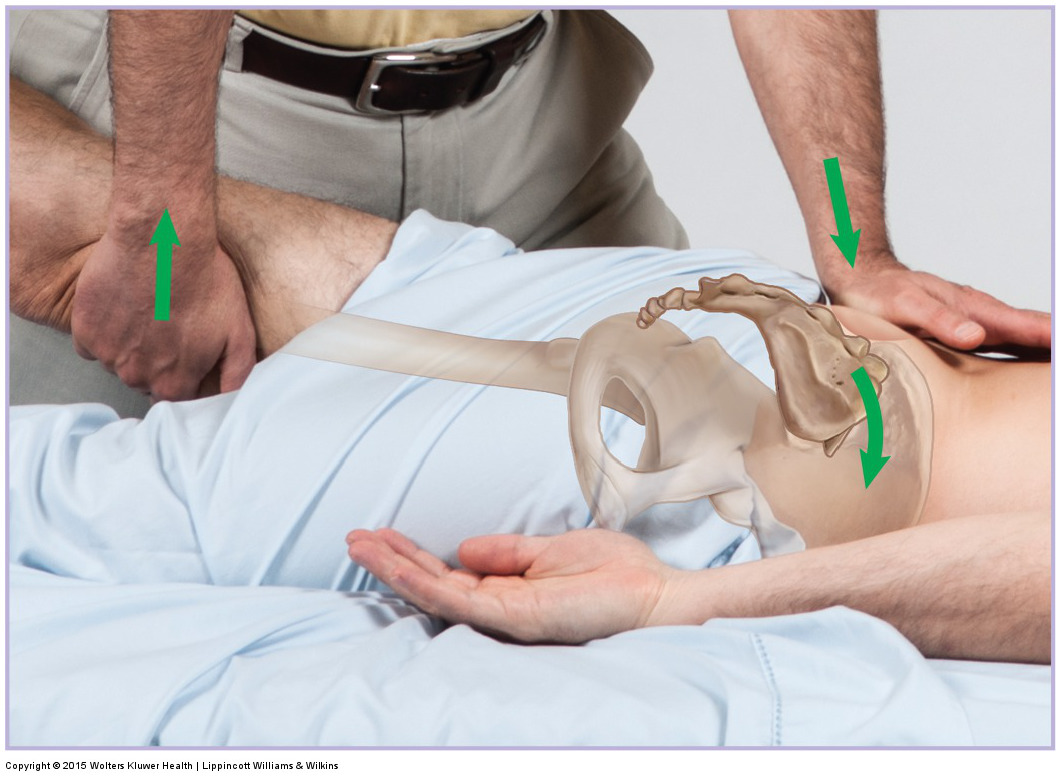
The treatment for a hypomobile sacroiliac joint (SIJ) joint is Grade IV joint mobilization (also known as arthrofascial stretching).
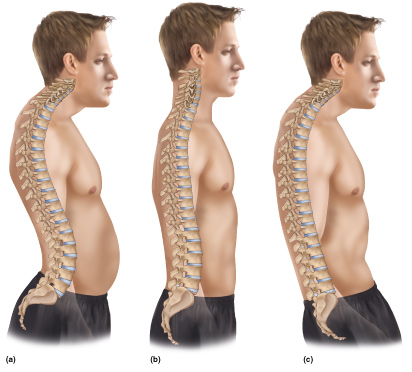
Assessment of lower crossed syndrome is made by the characteristic postural dysfunction of increased anterior pelvic tilt with hyperlordotic lumbar spine.

Meralgia paresthetica is a condition in which the lateral femoral cutaneous nerve is compressed, causing pain or altered sensation into the lateral thigh.
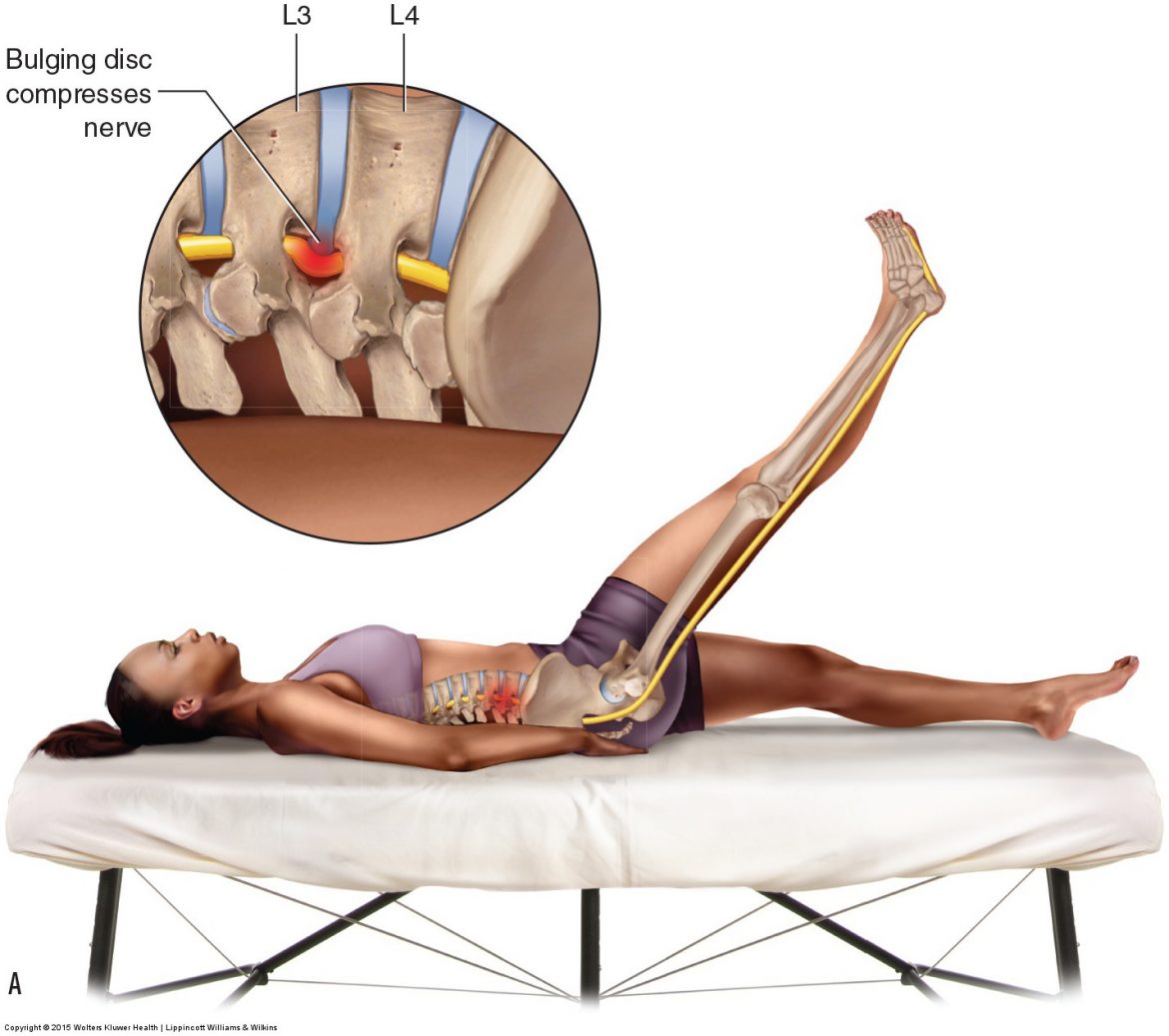
For a pathologic disc of the lumbar spine, the principle assessment test is straight leg raise (SLR). This can be performed actively or passively.
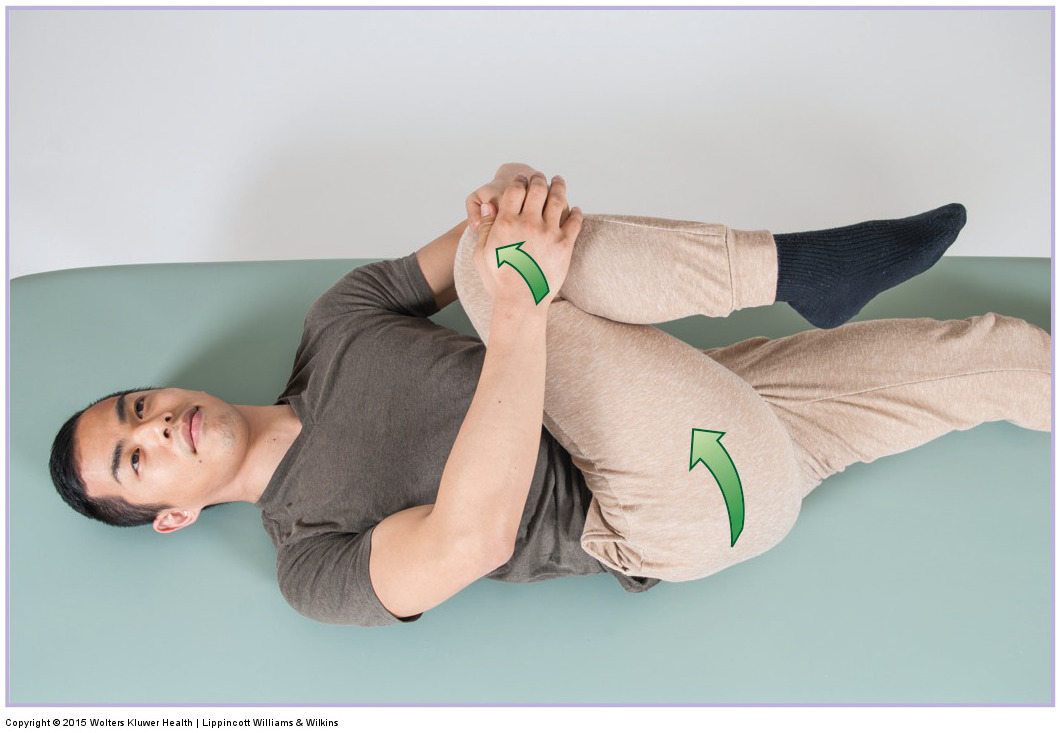
Moist heat and stretching is recommended for a hypomobile sacroiliac joint (SIJ) and/or tight musculature that accompanies a hypomobile or hypermobile SIJ.
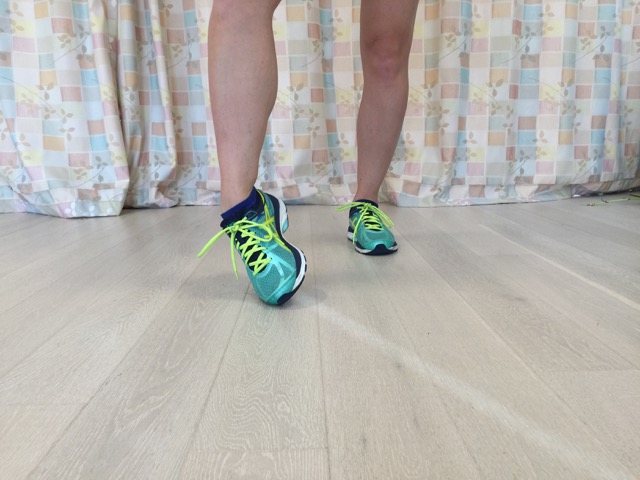
When an inversion sprain is acute, the typical signs and symptoms are pain and swelling (inflammation) in the lateral ankle near the lateral malleolus.
