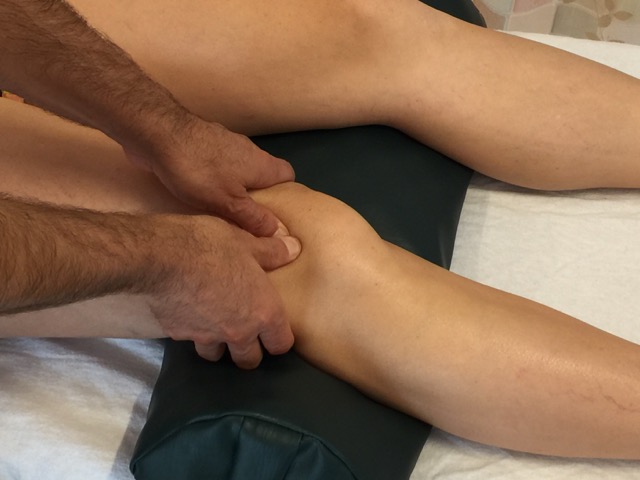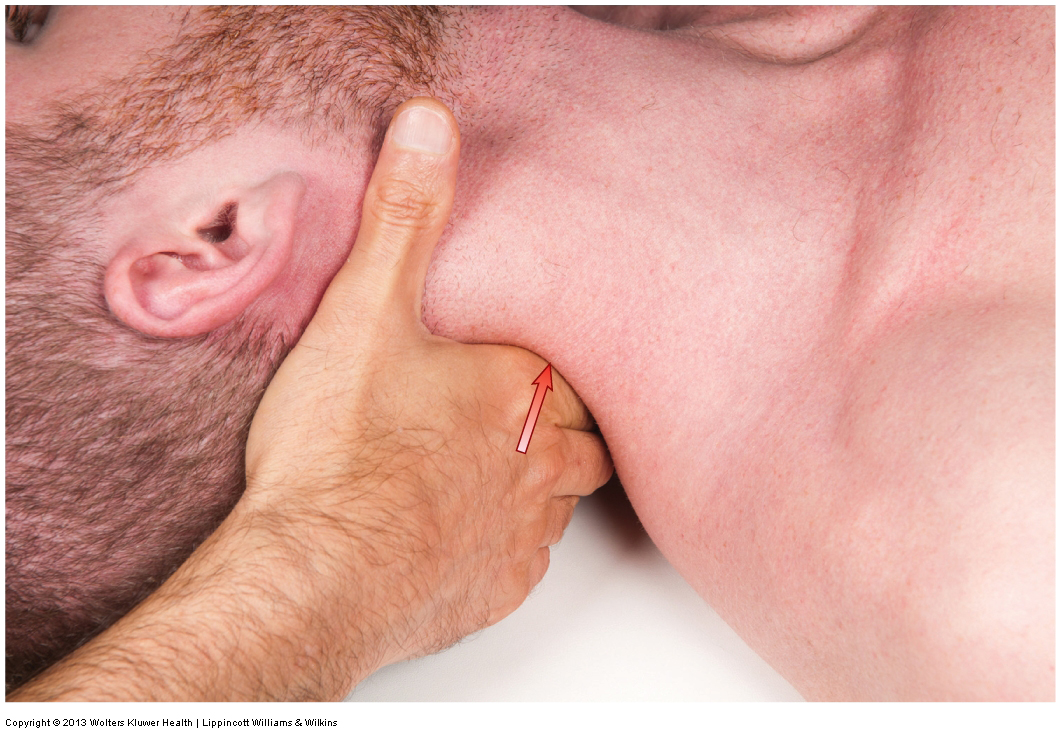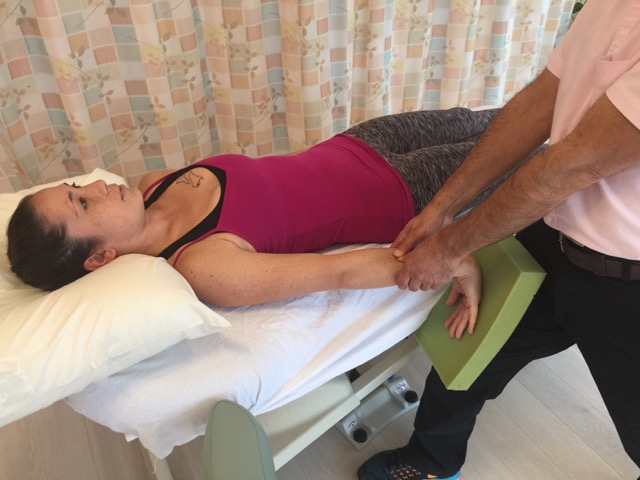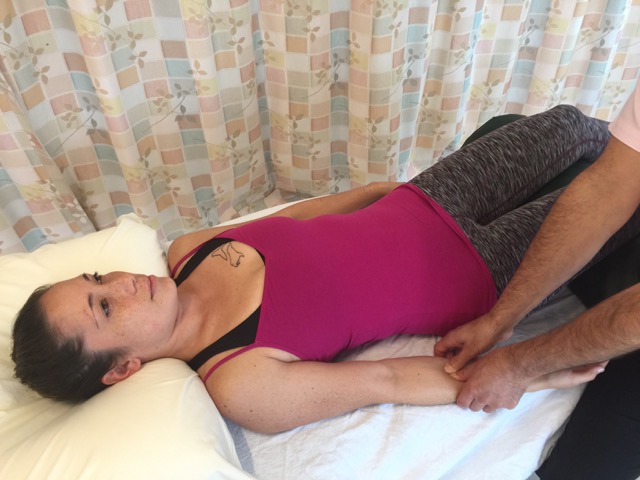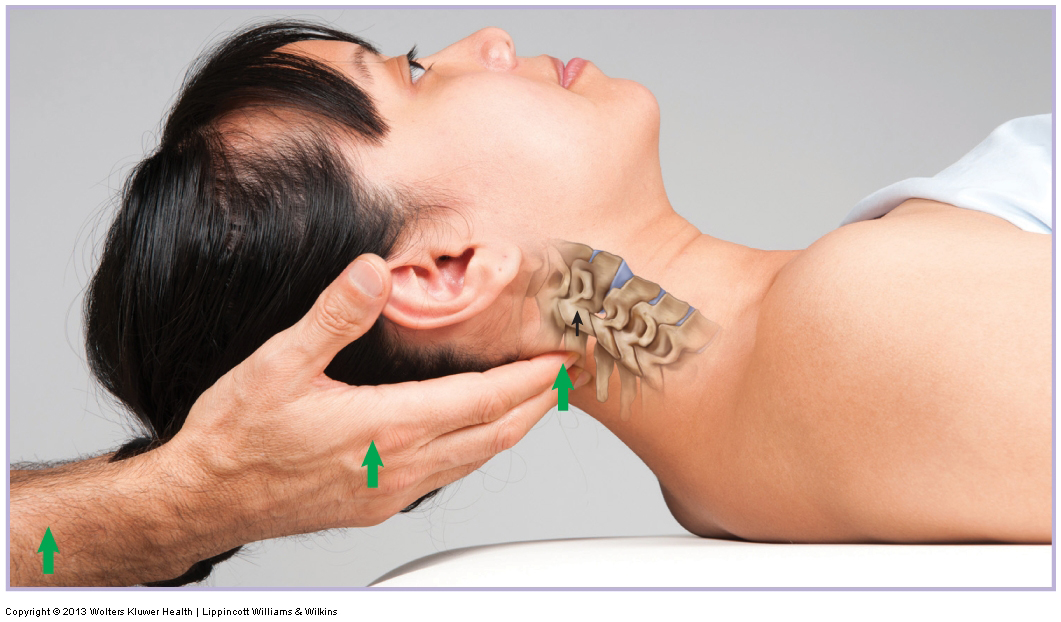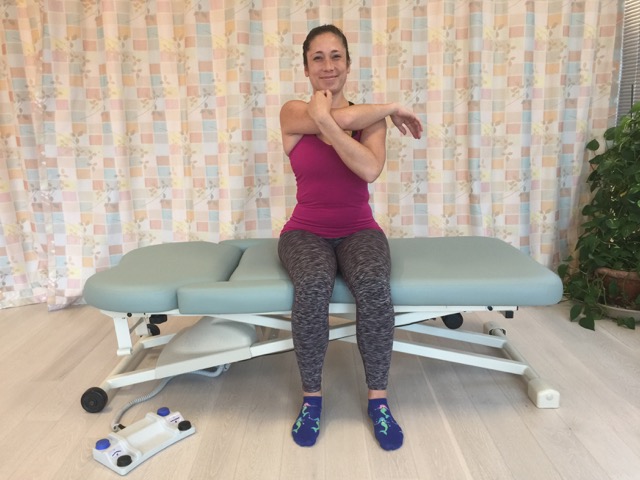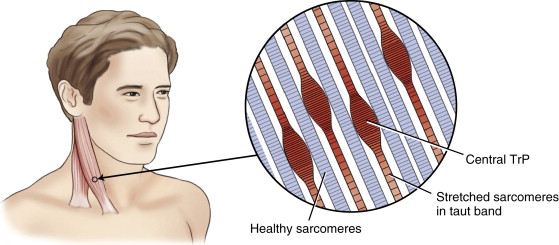
Manual therapy treatment: Manual therapy treatment for spasmed muscles of the neck (tightness of neck musculature) includes all the major soft tissue technique tools. Heat hydrotherapy, soft tissue manipulation, stretching, and joint mobilization (also known as arthrofascial stretching/AFS). It is …
Self-care and medical approaches to iliotibial band friction syndrome
Self-care for iliotibial band friction syndrome (ITBFS) begins with RICE: rest, ice, compression, and elevation. And offending activities should be avoided.
Key Strategies to Improve Your Manual Therapy Skills
In this blog, we will share key strategies to help you enhance your manual therapy skills and build confidence in your practice.
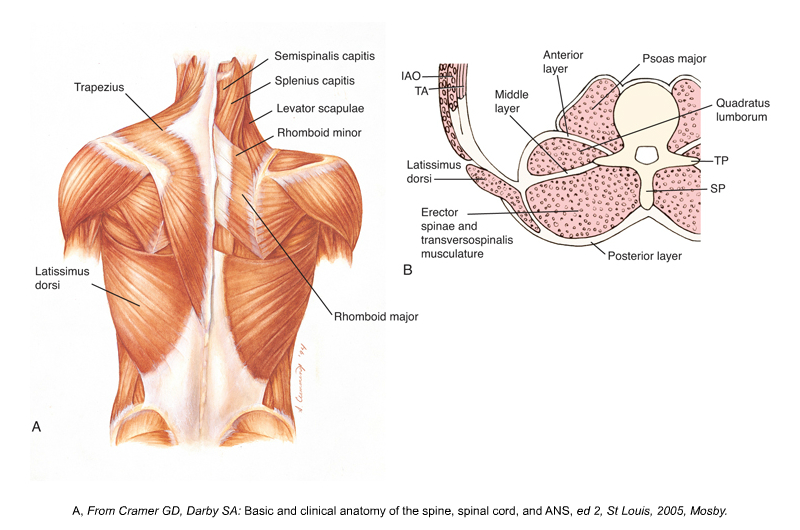
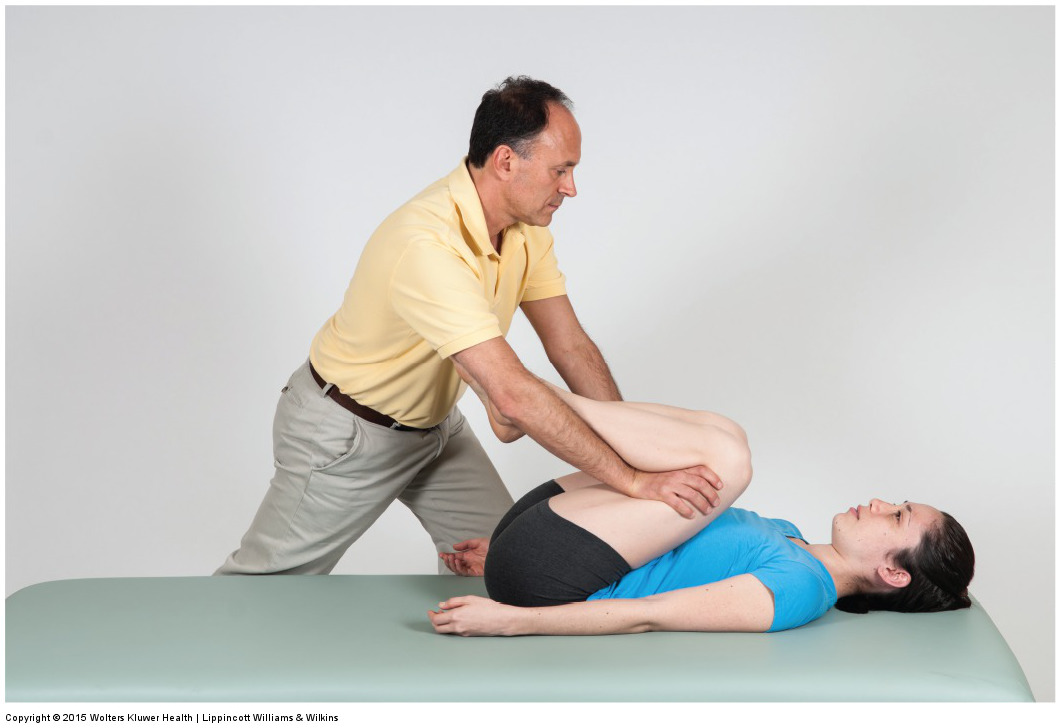
How do we treat low back strains and sprains with manual therapy?
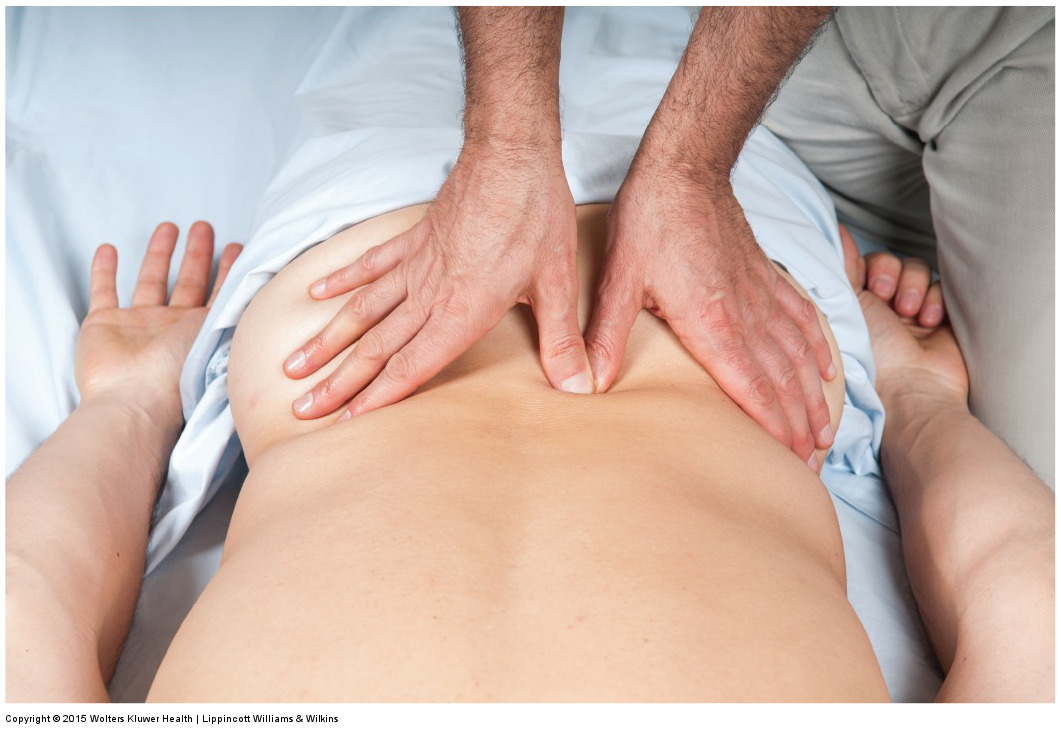
For a low back strain / sprain, because the muscles of the low back are so large and powerful, the first goal of manual therapy is to reduce the spasming.
How do we treat an ankle sprain with manual therapy?
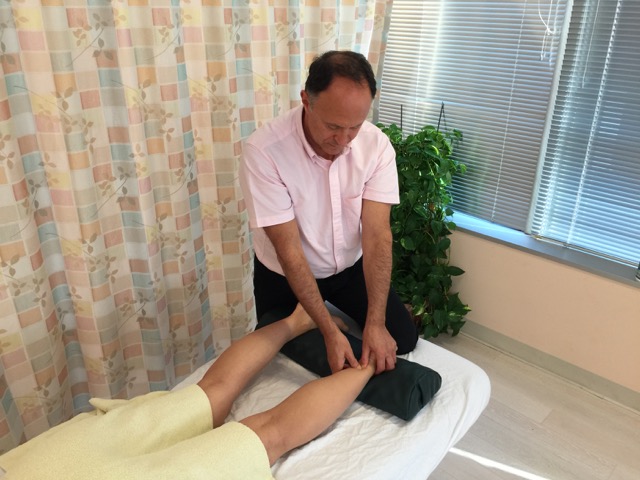
Manual therapy treatment for an acute inversion ankle sprain is aimed at decreasing swelling and inflammation and relieving associated muscle spasming.
What are the self-care and medical approaches to meralgia paresthetica?
Self-care for meralgia paresthetica: heat and stretching of the involved muscles, and removing the physical stress factors that contribute to the condition.
How do we treat De Quervain’s syndrome with manual therapy?
Once present, De Quervain’s syndrome (De Quervain’s disease) can be challenging to resolve, but manual therapy treatment can be very beneficial.
How do we treat adductor strain with manual therapy?
Once chronic, manual therapy for an adductor strain is geared toward decreasing muscle tightness, myofascial trigger points, and fascial adhesions.
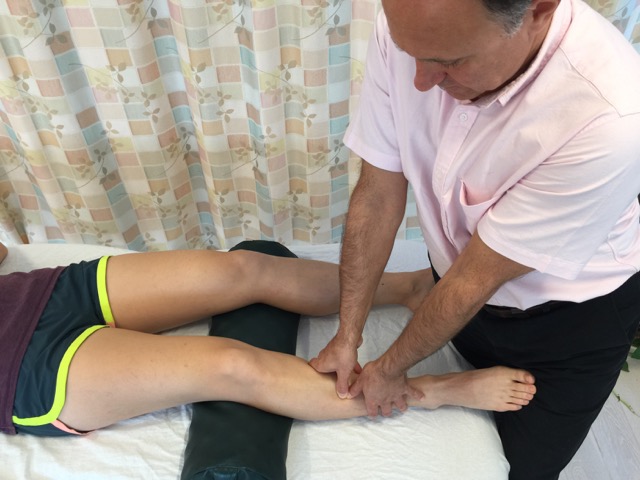
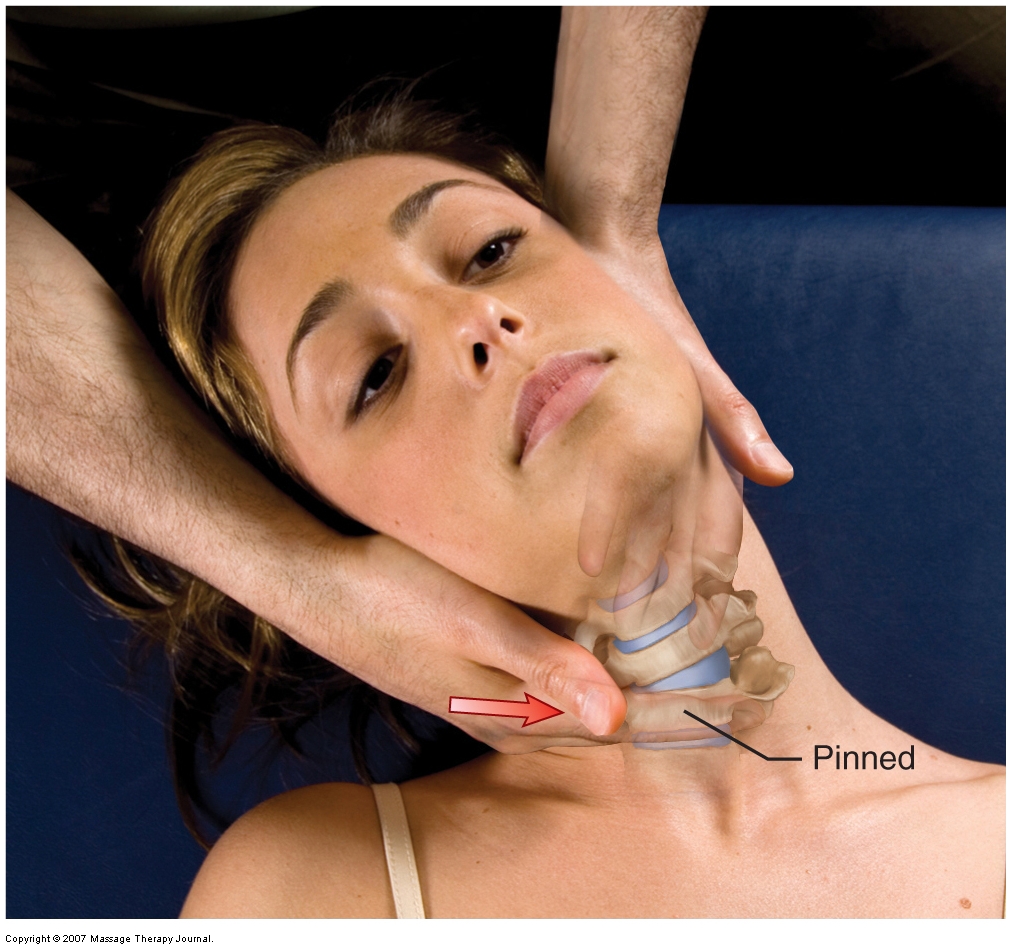
Pin and Stretch Technique
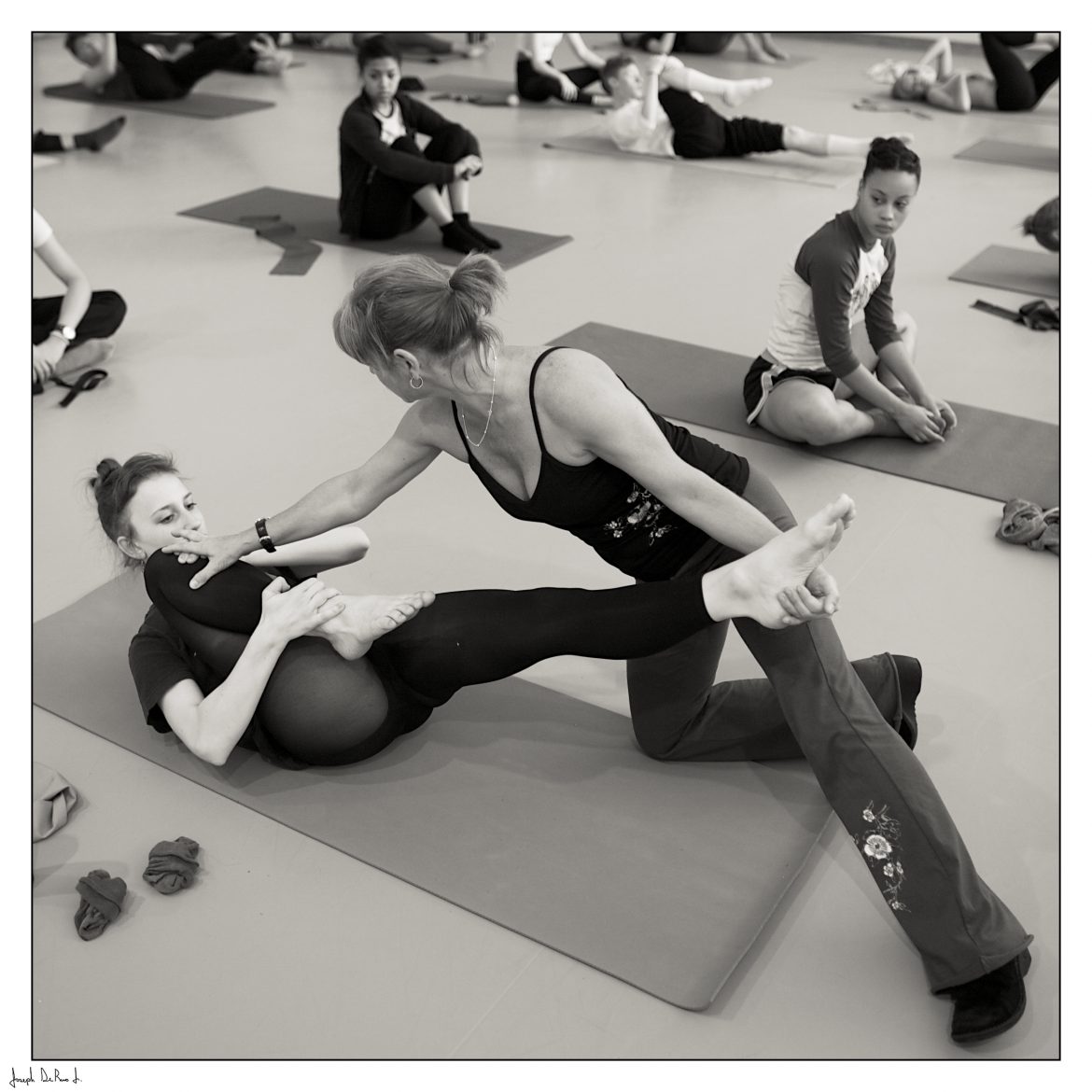
Pin and stretch technique focuses the force of the stretch on the region of the muscle that is between the pinned point and the attachment that is moved.
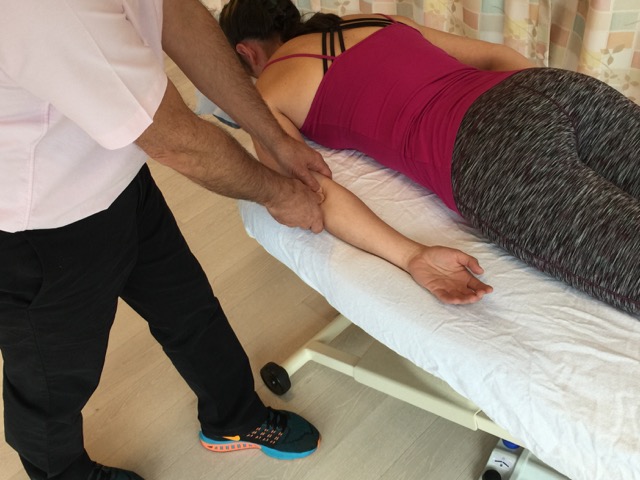
How do we treat Tennis Elbow with manual therapy?
A good manual therapy protocol for tennis elbow is fascial spreading, longitudinal and cross fiber strokes, and pin and stretch to the posterior forearm.
The Science Behind Physiotherapy’s Role in Muscle Recovery
Let’s discuss why and how physiotherapy works and how it is crucial in proper muscle recovery.
ASK Dr. Joe – “Ask Me Anything”
I am creating a new blog post feature to my content called Ask Dr. Joe, or perhaps better put, Ask Me Anything*. With Ask Me Anything, you can write to me by email (joseph.e.muscolino@gmail.com) and ask me any question about: …
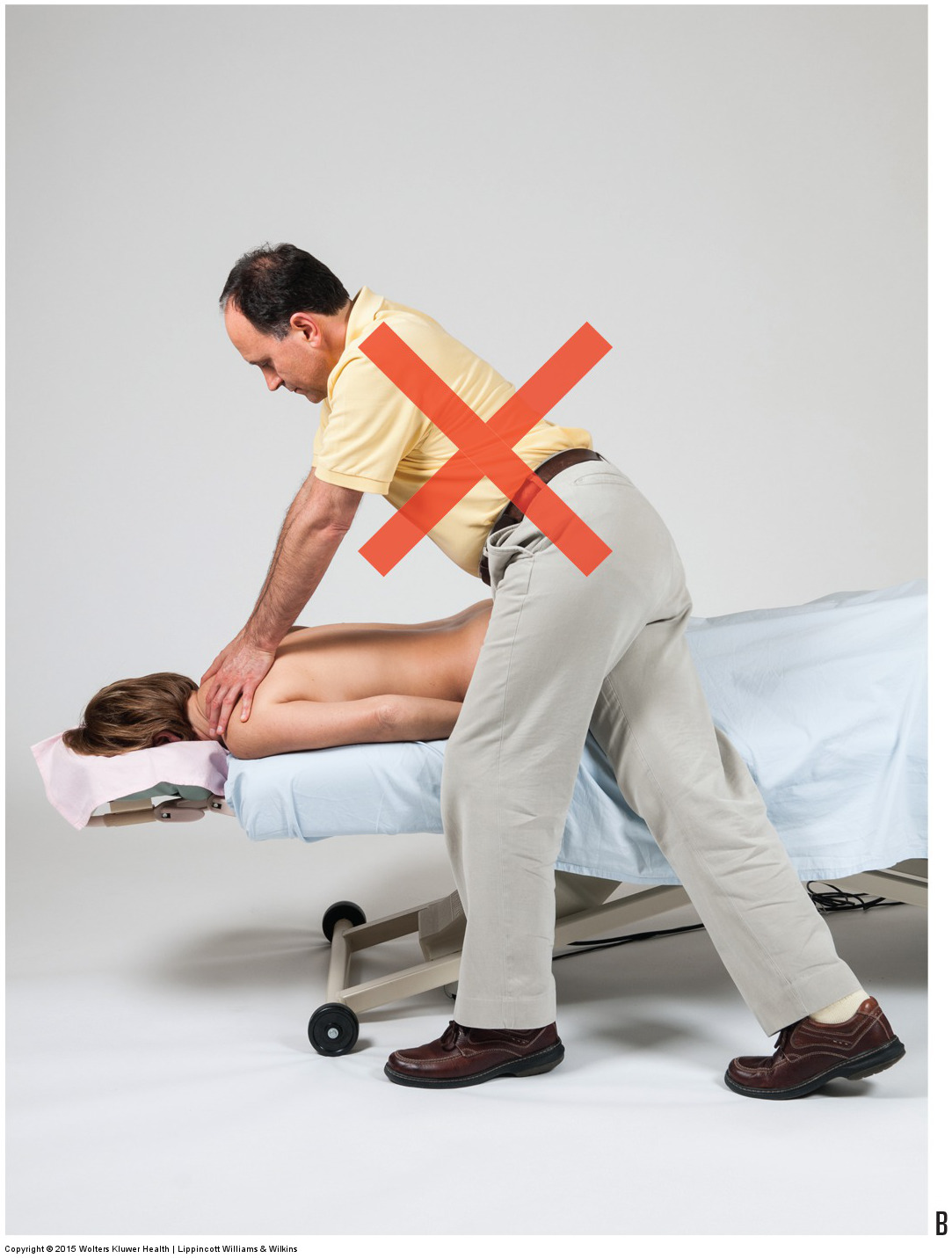
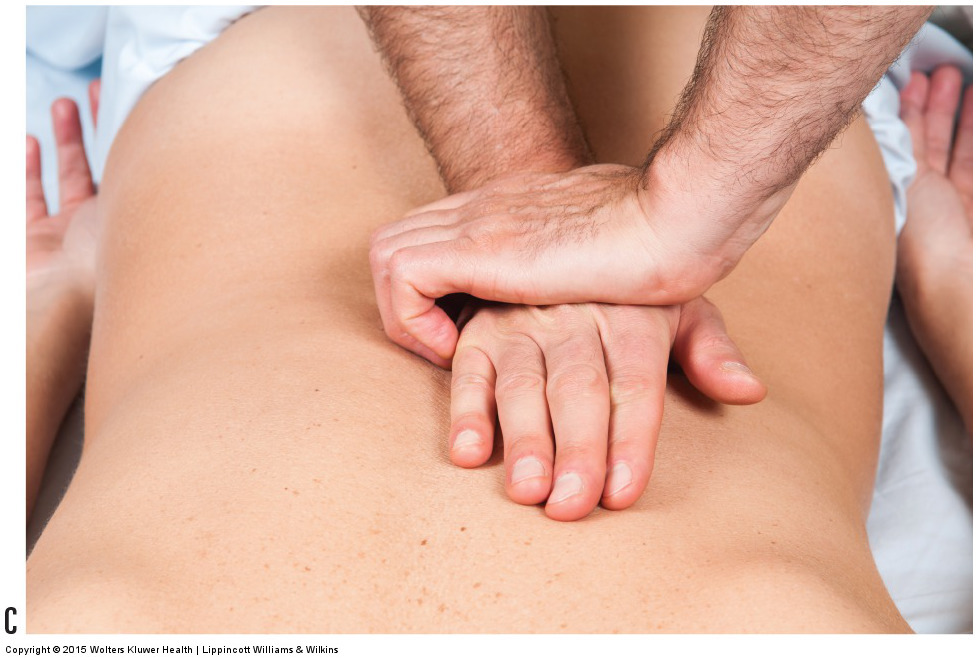
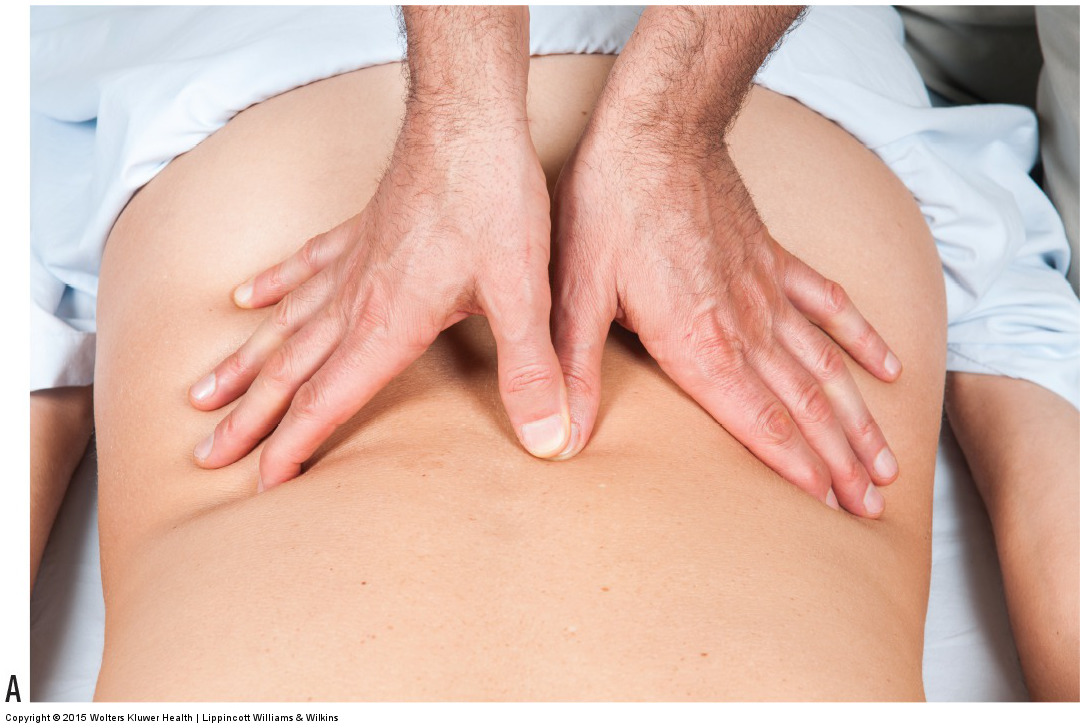
Deep Pressure Massage to the Low Back – Use Stacked Joints
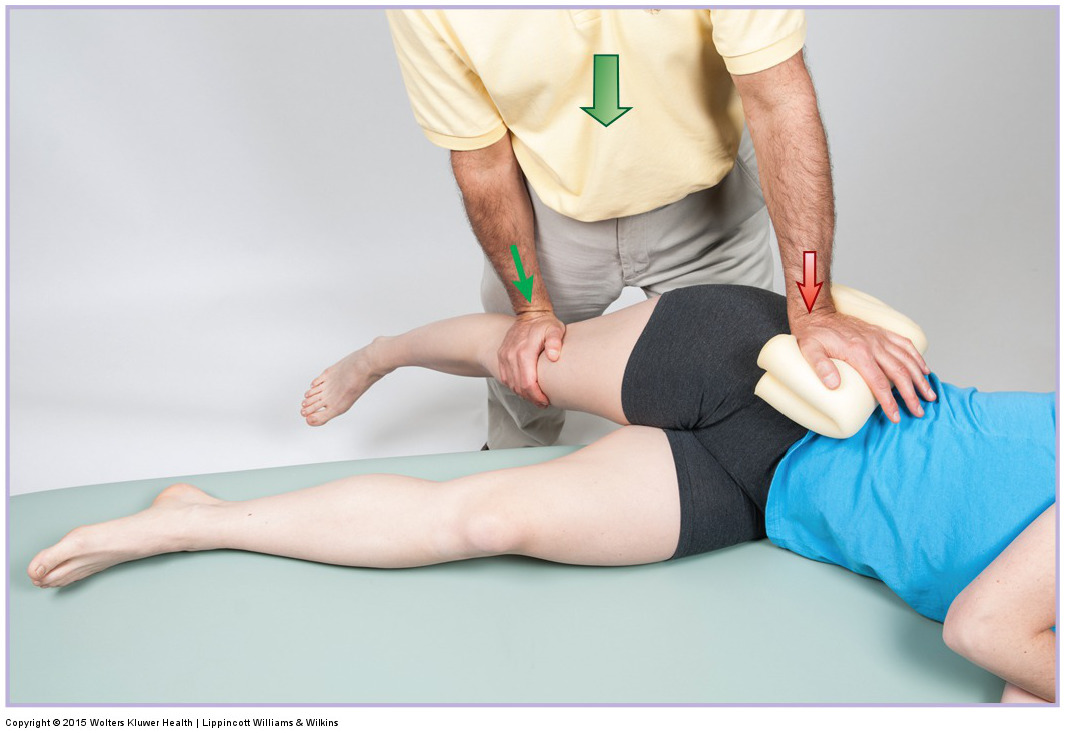
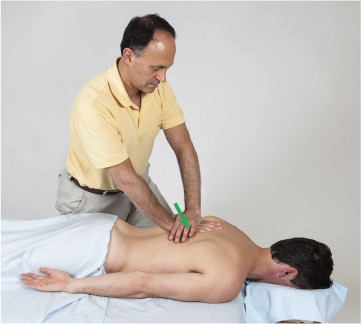
Stacked joints are aligned in a straight line; in other words, the joints are extended as in anatomic position. This allows for the force from your core to travel through your upper extremity and into the client with little or no loss of strength.
Manual Therapy Case Study for Upper Crossed Syndrome
The therapist performed a static assessment of the client’s posture and noted the typical upper crossed syndrome with a hyperkyphotic thoracic spine, a hypolordotic lower cervical spine, a hyperlordotic upper cervical spine, protracted head, protracted scapulae, and medially (internally) rotated arms.
Marjorie Brook – Proactive Ways to Prevent Postoperative Adhesion Formation
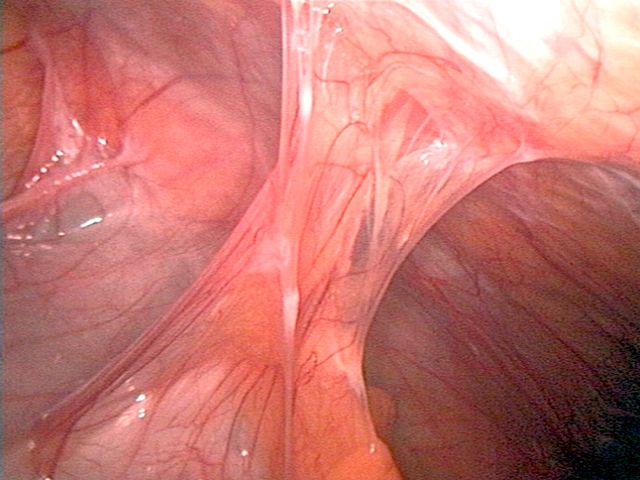
Gentle appropriate movement helps to prevent excessive scar tissue and keep scar tissue from limiting future movement.
Digital COMT Introduction Walkthrough
Digital COMT (DCOMT) is the “Netflix of online learning for manual and movement therapists.” This means tons of streaming video lessons!
How do we treat plantar fasciitis with manual therapy?
Manual therapy for plantar fasciitis is aimed at reducing inflammation & loosening any tautness/tightness of the plantar fascia & associated musculature.
What is the “True” Function of the Gluteus Medius?
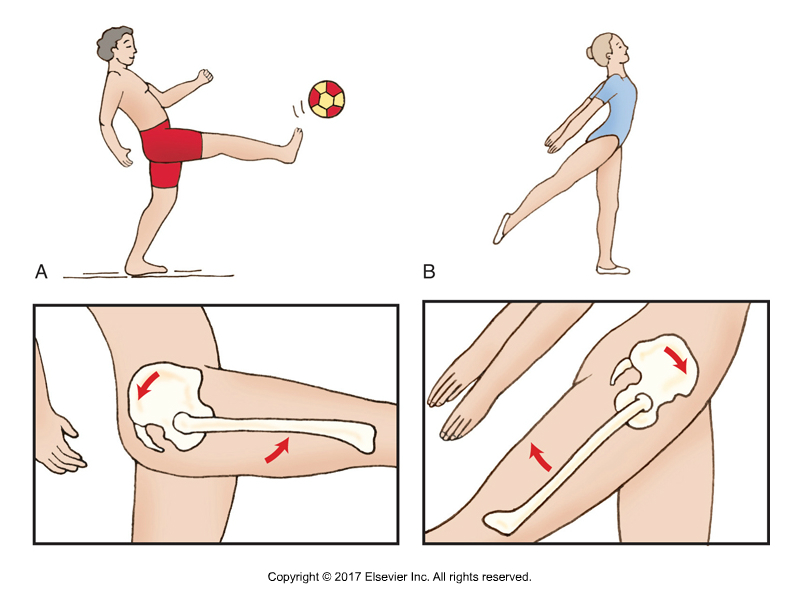
The major function of the gluteus medius is its “reverse” closed-chain action of pelvic depression at the hip joint to stabilize the pelvis when walking.
Treatment Strategy and Treatment Techniques for the Neck
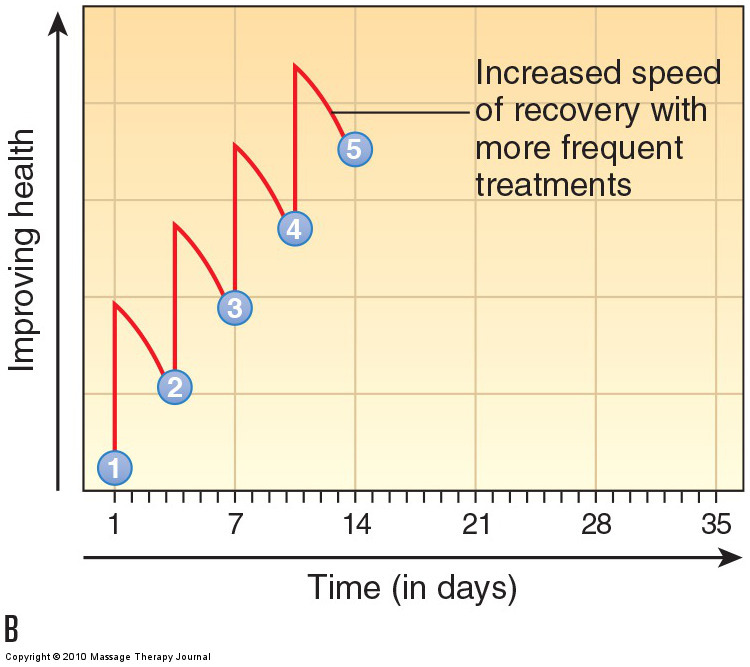
Sound Treatment Strategy: To perform effective manual therapy, frequency of care should be structured as in every other world of rehab: 2-3 x per week.
How do we treat piriformis syndrome with manual therapy?
Manual therapy treatment for a tight piriformis (that can cause piriformis syndrome) involves moist heat, soft tissue manipulation, and stretching.