This piece explores the services provided by these facilities and explains who might benefit from them.

Below you'll find a list of all posts that have been categorized as “Uncategorized”
This piece explores the services provided by these facilities and explains who might benefit from them.
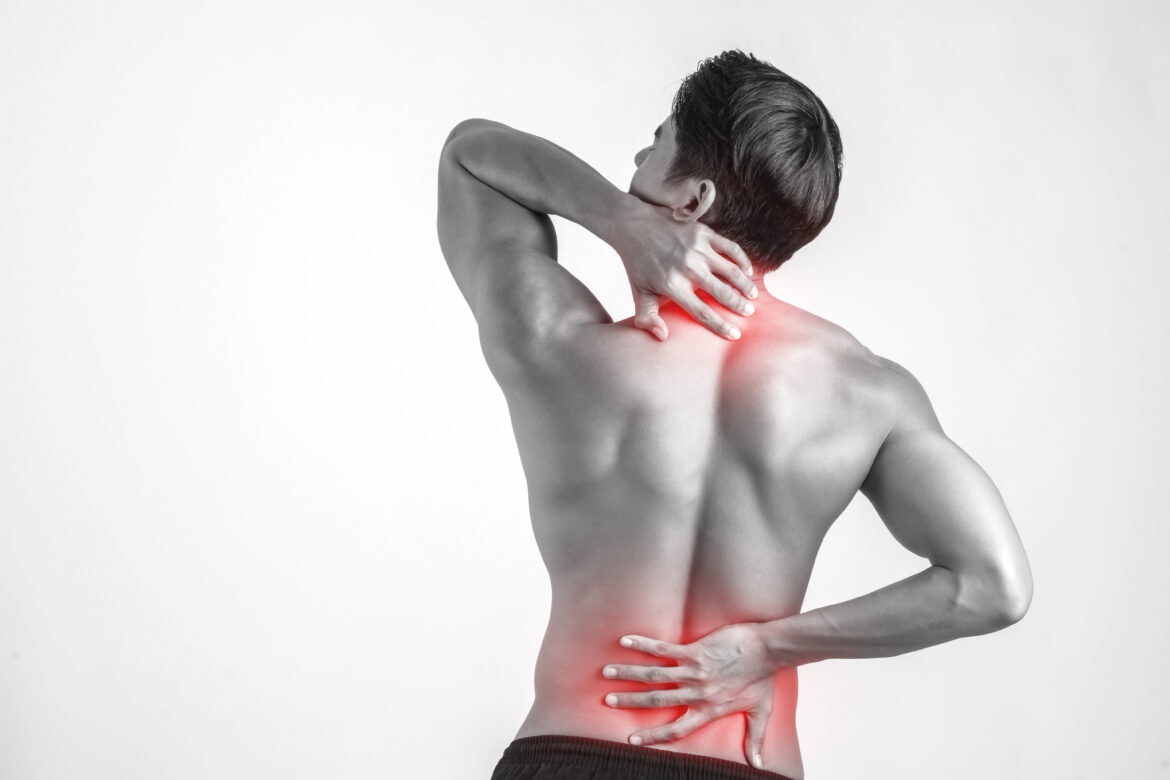
A low back sprain and strain present a similar clinical picture. The client/patient will have low back spasming and pain, which will increase with motion.

In this article, we will explore why exercise is an indispensable part of a healthy lifestyle for seniors, delving into specific benefits and highlighting the types of activities that bring about the most positive changes.
These incidents are not just numbers; they represent real people who experience physical pain, financial loss, and emotional distress.

This guide will help you navigate the process, from identifying the signs of a good physical therapist to evaluating their expertise, clinic facilities, and approach to care.
A muscle strain may tear the myofibrillar attachments from the intramuscular tendon, with resultant bleeding and edema.

In this post, we will be discussing how to choose herbal products over the internet smartly and not compromise on quality and authenticity.
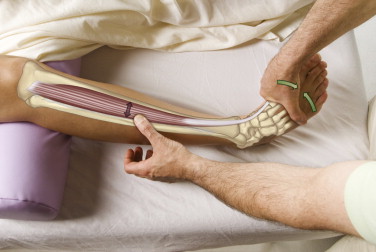
For anterior shin splints, physical exam should include palpation of the tibialis anterior and the rest of the dorsiflexor musculature of the leg.
With a specialist’s guidance, patients can better navigate their symptoms, access personalized care plans, and improve their quality of life.

When you choose primary care that focuses on your unique needs as a senior, you’re investing in a proactive approach to health.
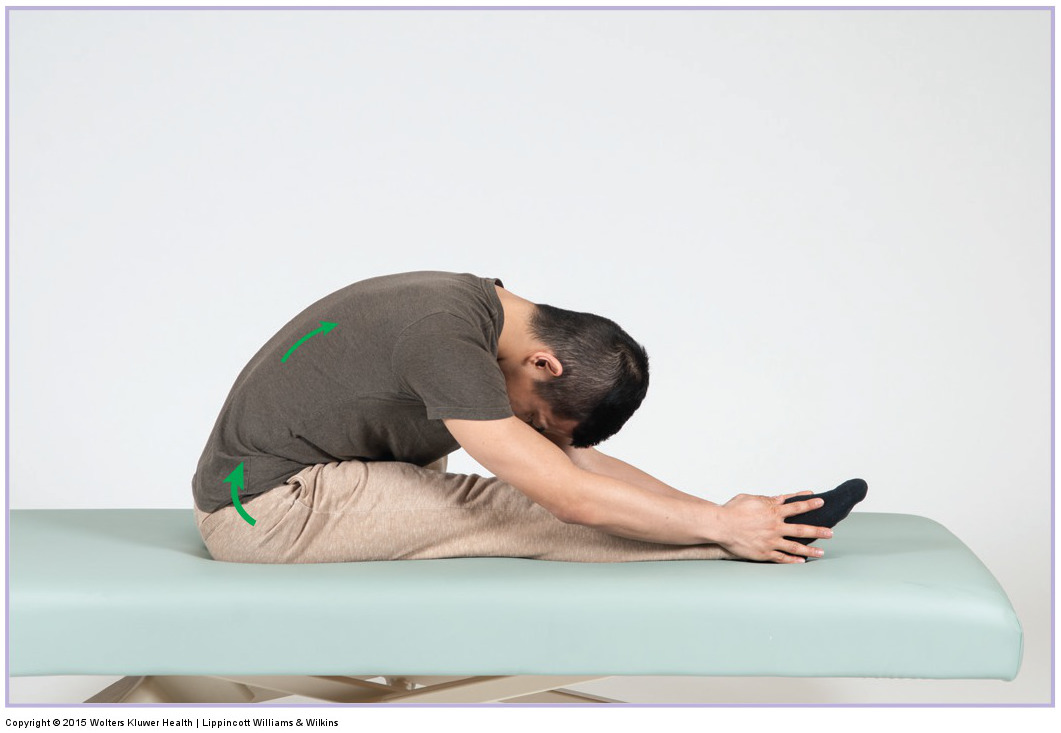
Research has shown that fascial injury with resultant movement restriction caused loss of fascial mobility on the opposite side of the body..

As awareness spreads, patients may increasingly turn to this innovative treatment option to help alleviate their discomfort and improve their quality of life.

By understanding and implementing movement therapy, individuals can take proactive steps to manage or prevent lifestyle diseases and improve overall well-being.
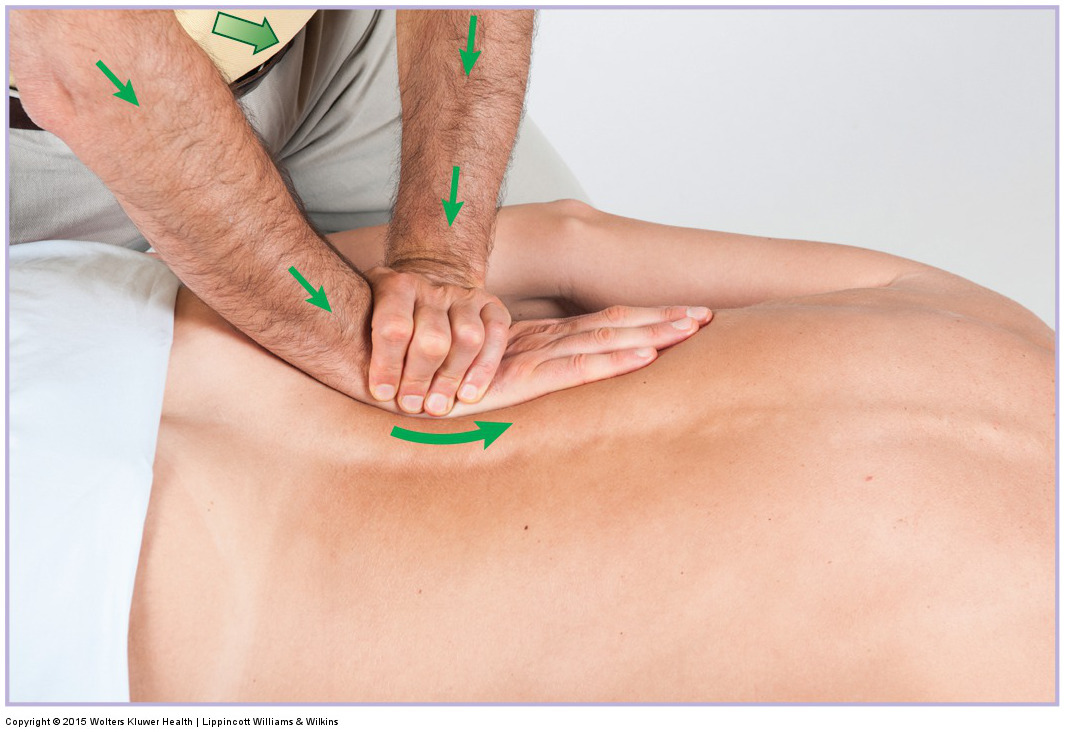
For a low back strain / sprain, because the muscles of the low back are so large and powerful, the first goal of manual therapy is to reduce the spasming.
In this blog, we explore their influence on recovery, why their role is indispensable, and how society can better support them.

A tailored plan can address specific needs, whether it’s building endurance, enhancing mobility, or maintaining overall fitness.

In this article, we will provide simple but friendly strategies to carry on the winter season with a fresh vibe.
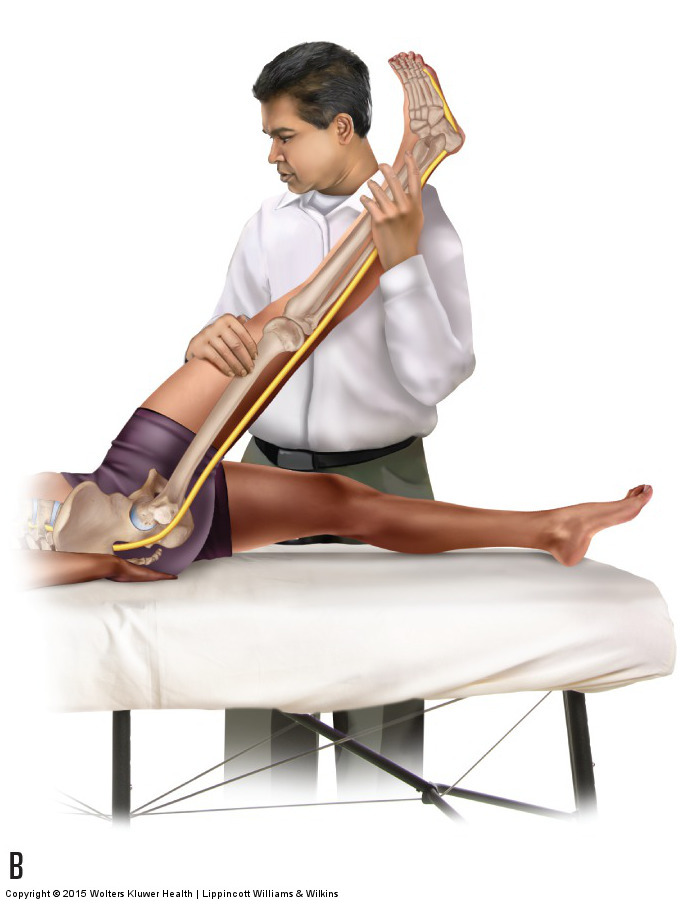
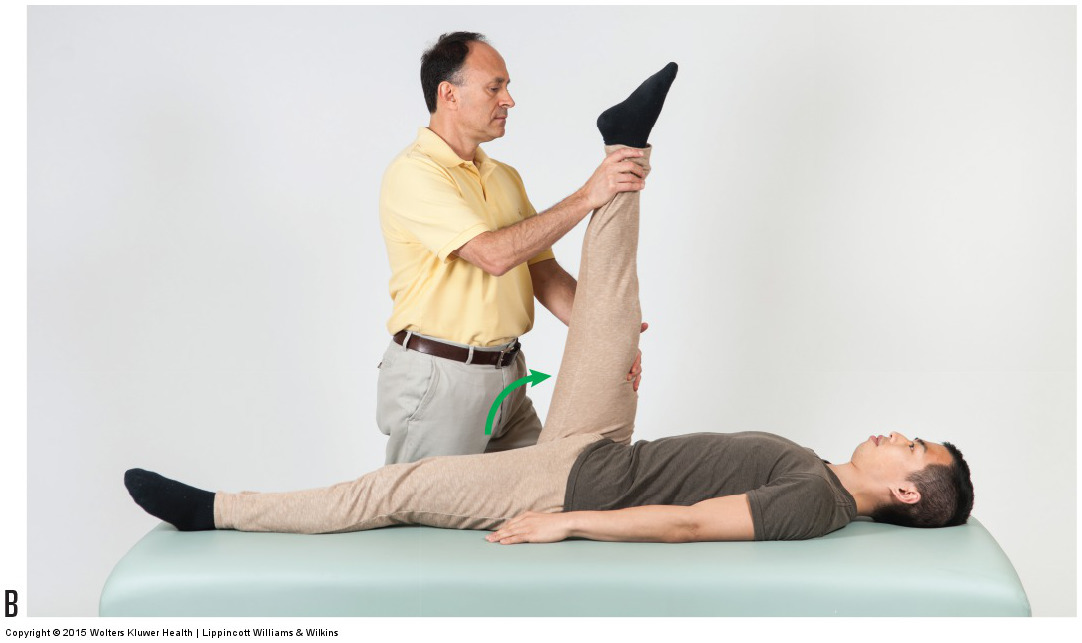
Both active straight leg raise and passive straight leg raise tests are designed to tension the sciatic nerve to assess a space-occupying lesion.

A wrist sprain is an overstretching or tearing of the ligaments and/or joint capsules of the wrist joint. A wrist strain is tearing of musculature.
Encouraging clients to address vein disorders early can have significant advantages: reduced chronic pain impacts and greater mobility/comfort improvements can all enhance quality of life for their clients.
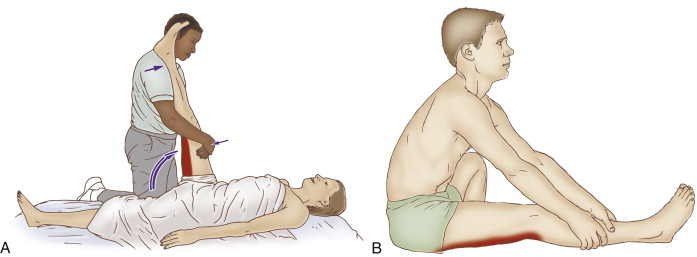
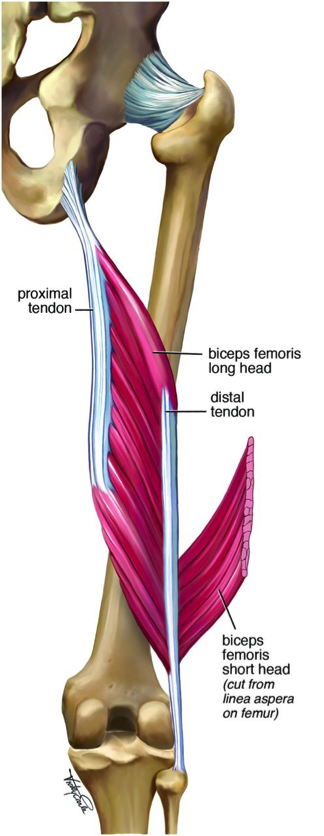
Moist heat & stretching are beneficial for chronic hamstring strain to prevent muscular hypertonicity, myofascial trigger points, and myofascial adhesions.

Recognizing signs of poor vein health is an integral component of client care that should not be ignored.
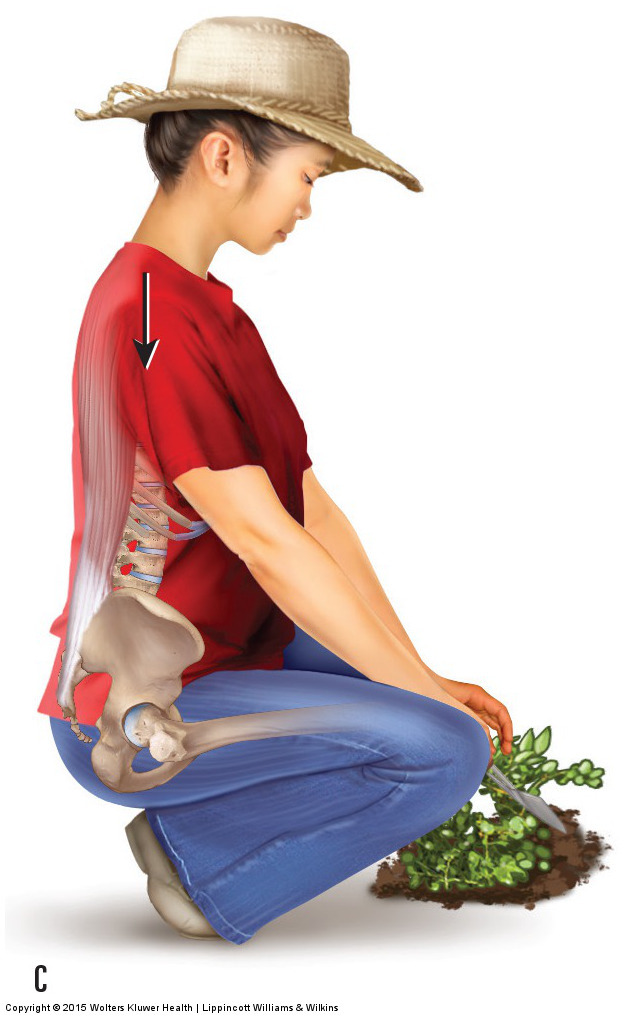
Self care for a low back strain / sprain involves avoiding offending postures and activities such as bending and lifting, and using heat and stretching.

Compression therapy and regular movement are effective strategies for relieving symptoms associated with arthritis. Compression improves blood flow while movement prevents stagnation and supports muscular health.
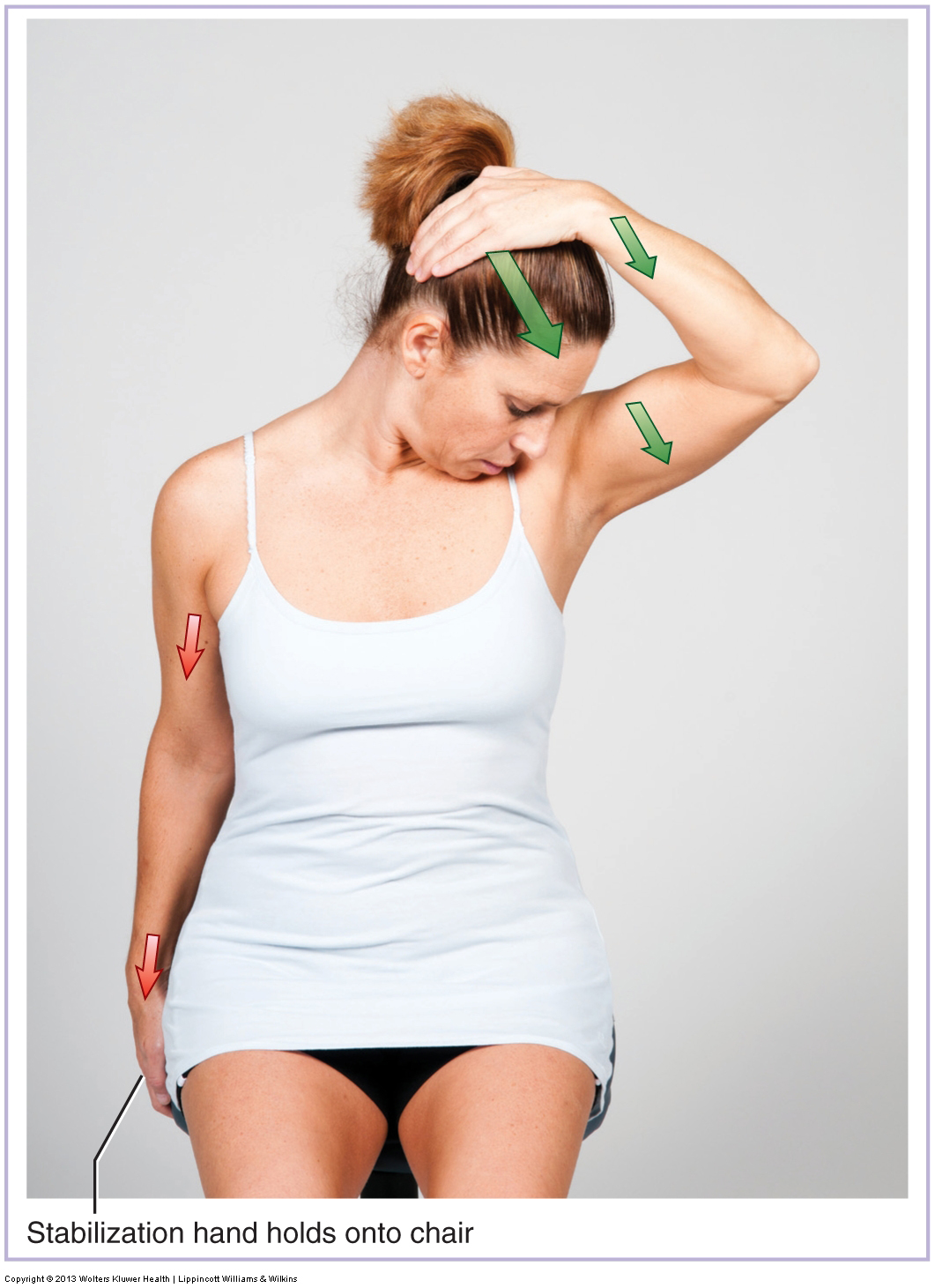
Self-care application of heat and stretching is an extremely important part of the treatment regimen for clients with spasmed neck muscles.

Compounded medications represent a personalized and innovative approach to healthcare, offering solutions for patients with unique needs that cannot be met by mass-produced drugs.
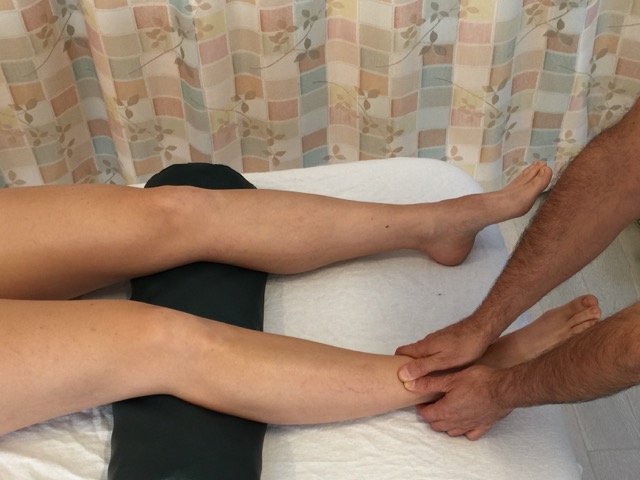
Manual therapy treatment for an acute inversion ankle sprain is aimed at decreasing swelling and inflammation and relieving associated muscle spasming.

Manual therapy offers a non-invasive solution for managing symptoms like these by increasing circulation, decreasing swelling, relieving tension and improving lymphatic drainage techniques like massage and lymphatic drainage
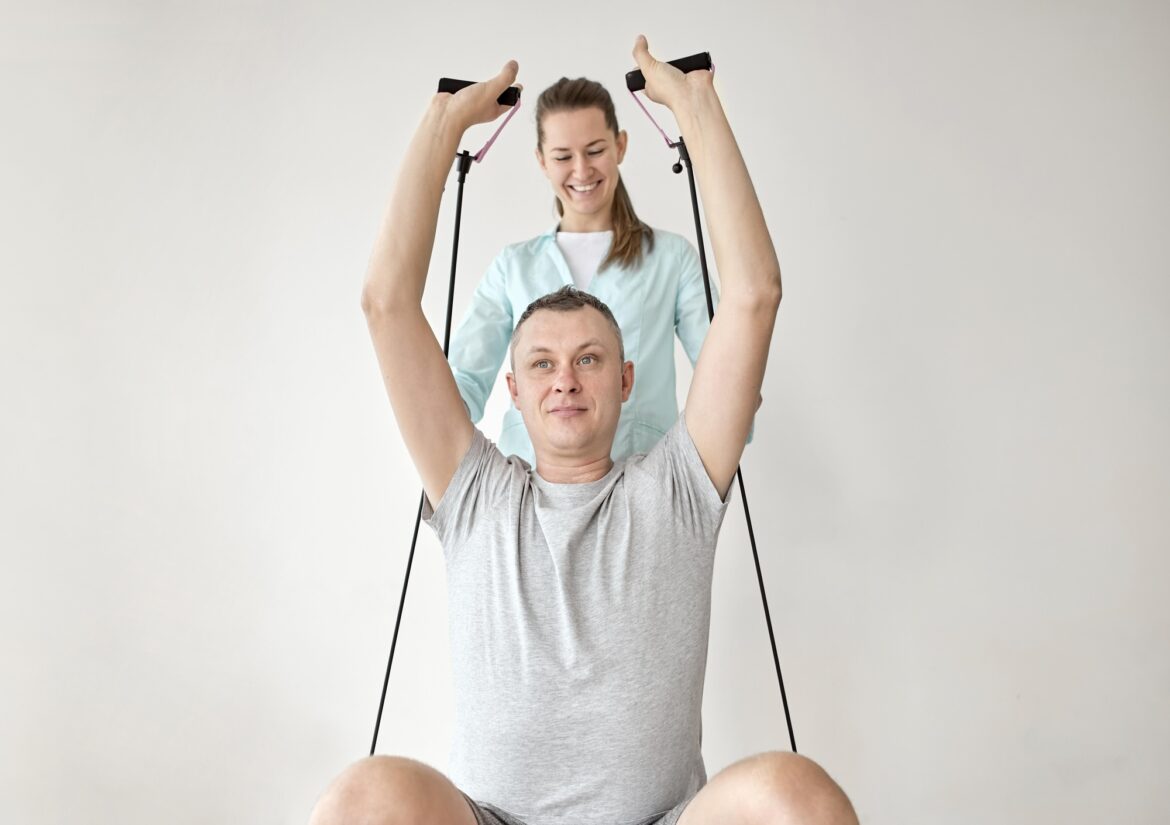
Therapists play an essential role in diagnosing these circulation-related issues and providing effective treatments designed to promote blood flow and enhance muscle function
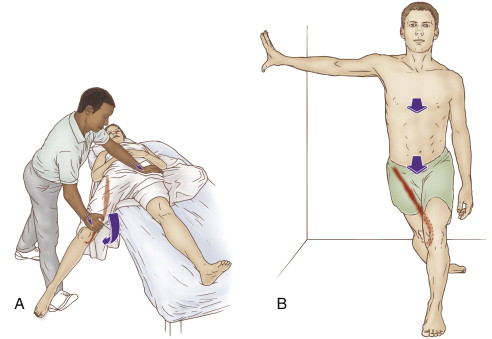
Self-care for meralgia paresthetica: heat and stretching of the involved muscles, and removing the physical stress factors that contribute to the condition.
