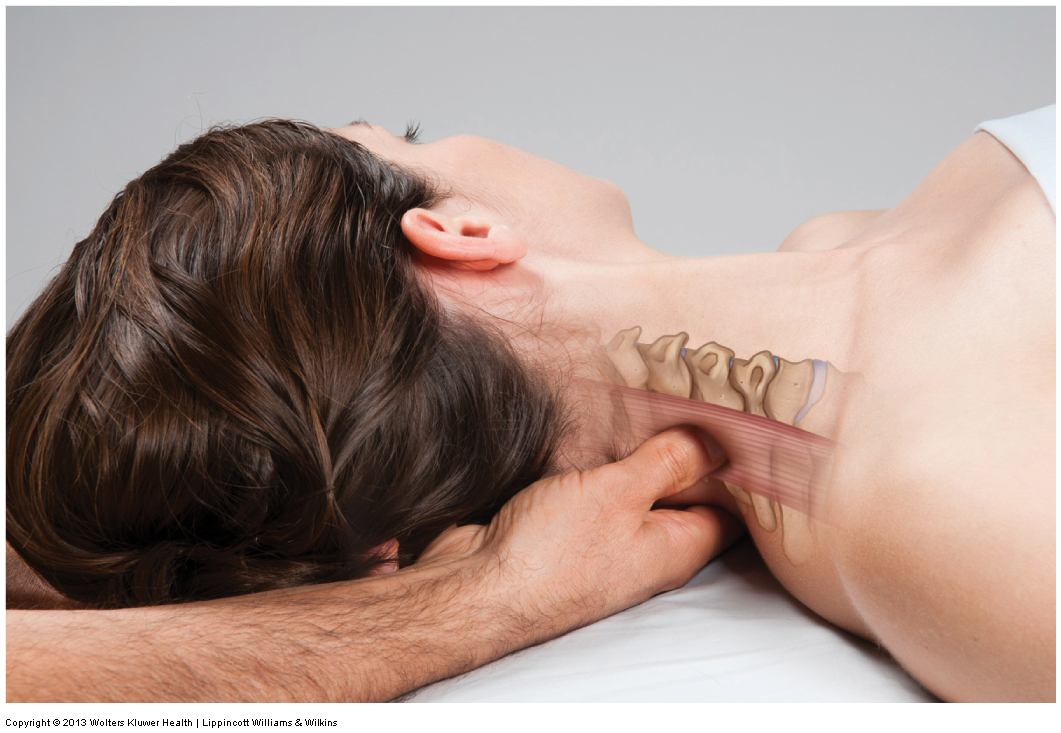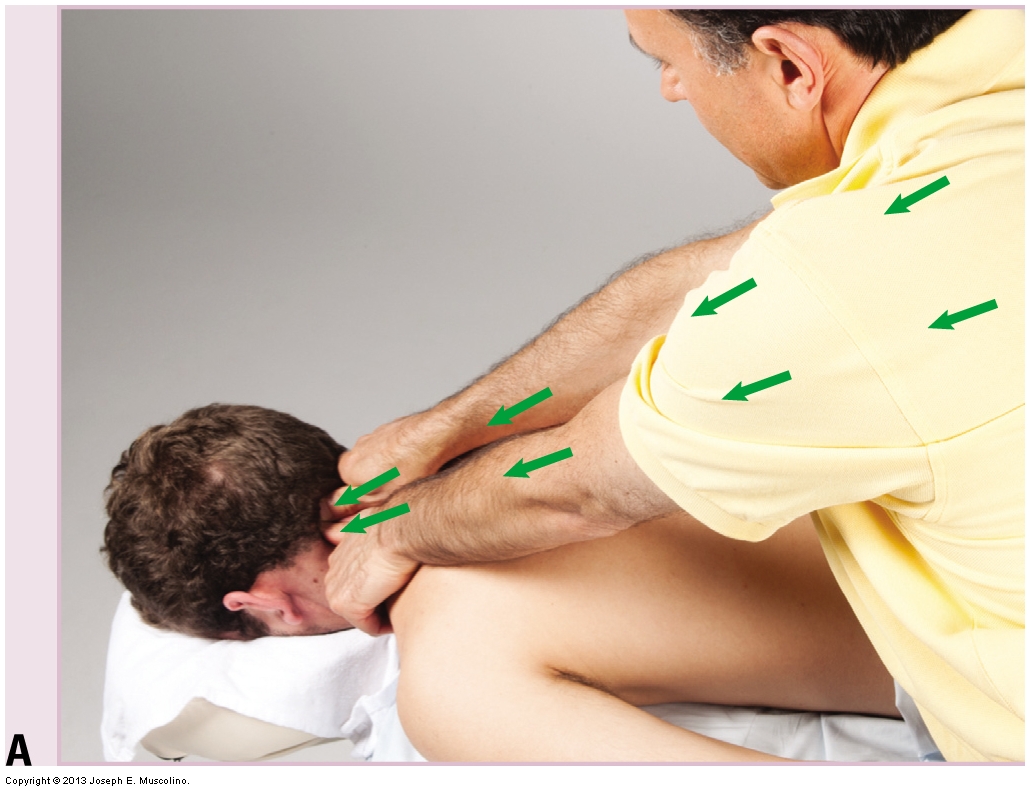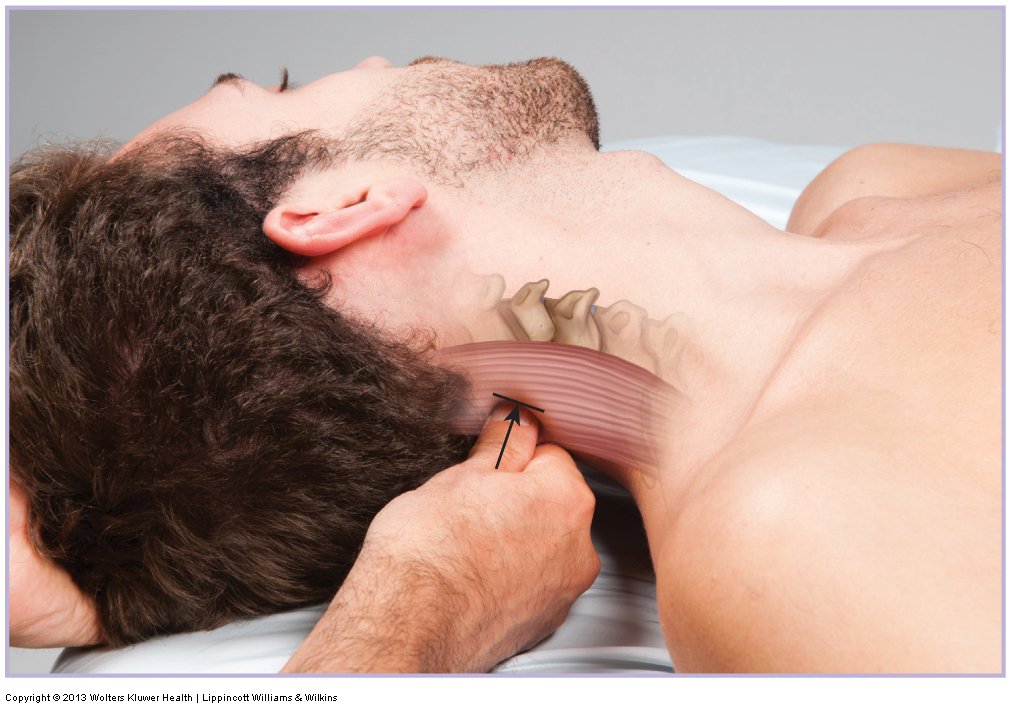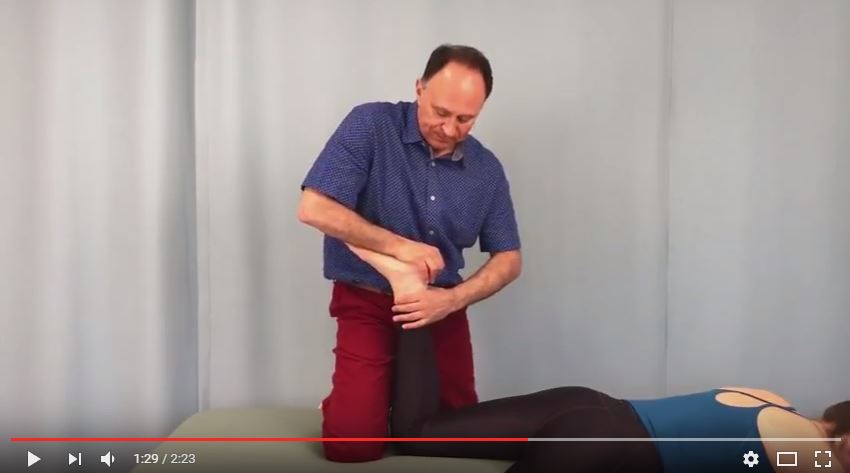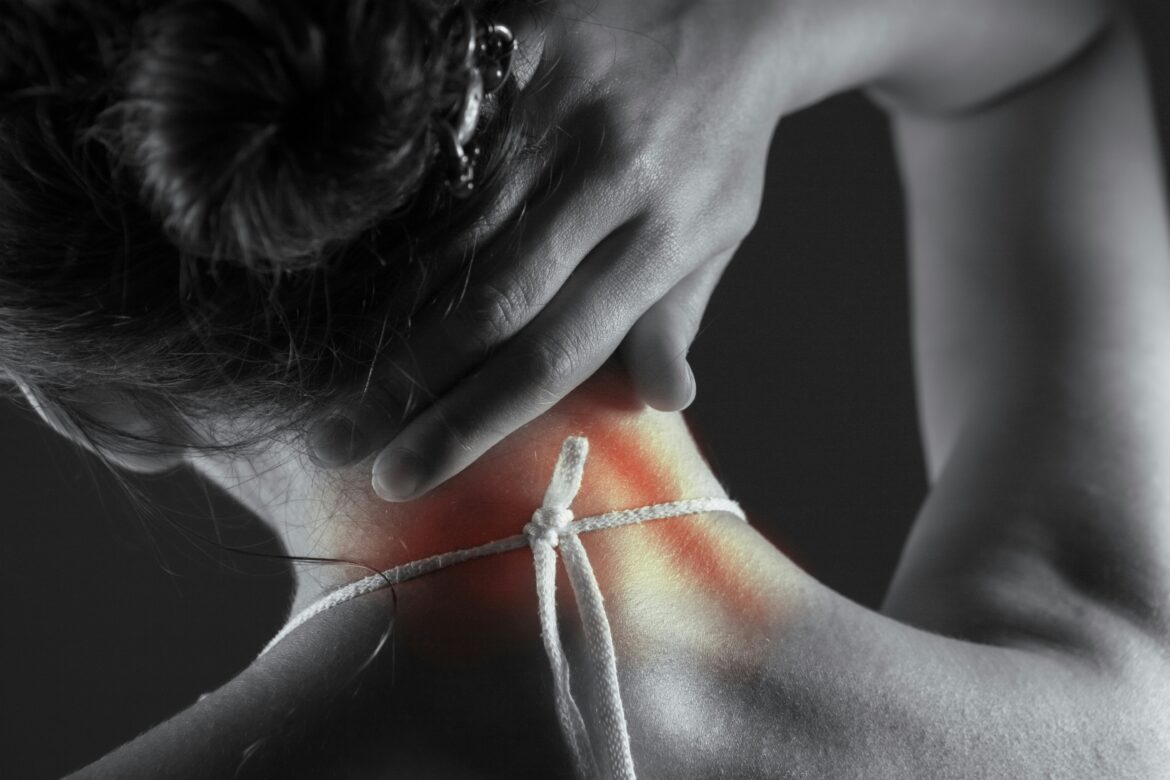
When performing deep pressure massage for the neck with the client supine, it is typical for the therapist to sit, centered at the head of the table. However, this does not allow for efficient body mechanics because it is difficult or impossible to position your core in line with the stroke.
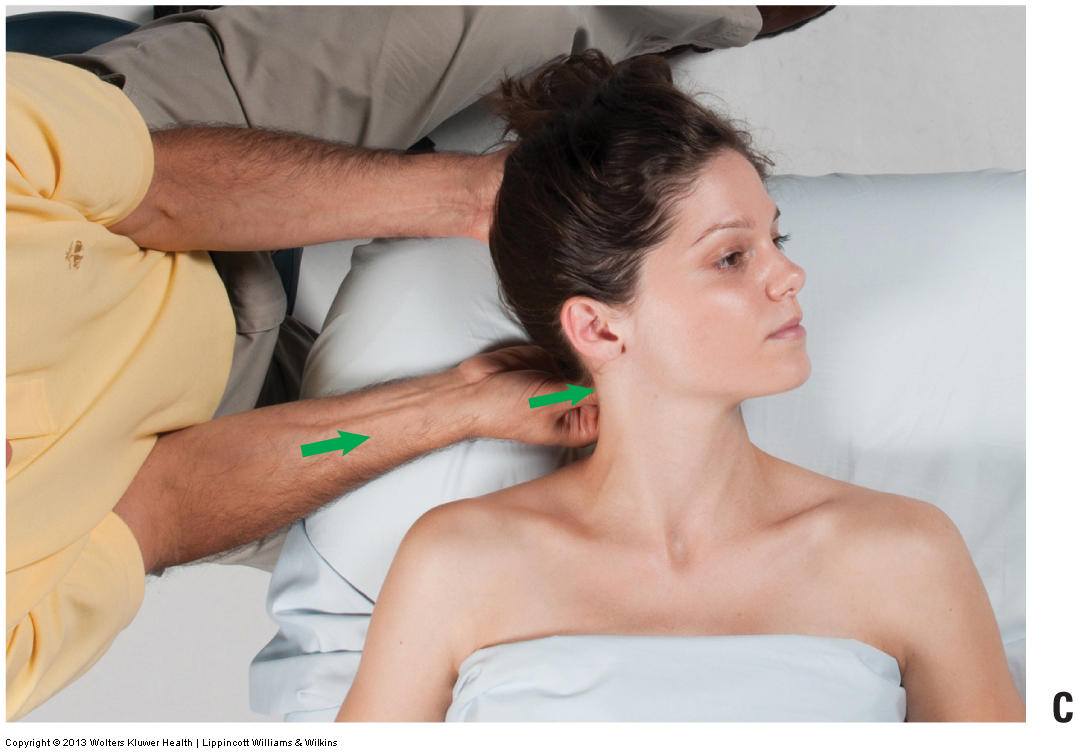
Neck Deep Pressure Massage: Overview
The science of performing deep tissue work to the neck follows the laws of physics and, whenever possible, involves the use of body weight and the contraction of larger muscles instead of smaller ones. The art of performing deep tissue work lies in exactly how these guidelines are carried out and applied.
IV Therapy for Athletes: What It Really Does for Recovery, Hydration and Performance
IV therapy earns its place when there is a measurable deficit to correct and a genuine reason oral intake will not do the job.
How to Become a Pilates Instructor Online: A Practical 2026 Guide
Here’s an honest walk-through of what becoming a Pilates instructor online actually involves in 2026 — the steps, the timelines, the costs and the things worth checking before you enrol.
Neck Deep Pressure Massage: Step by Step – Prone and Side-Lying
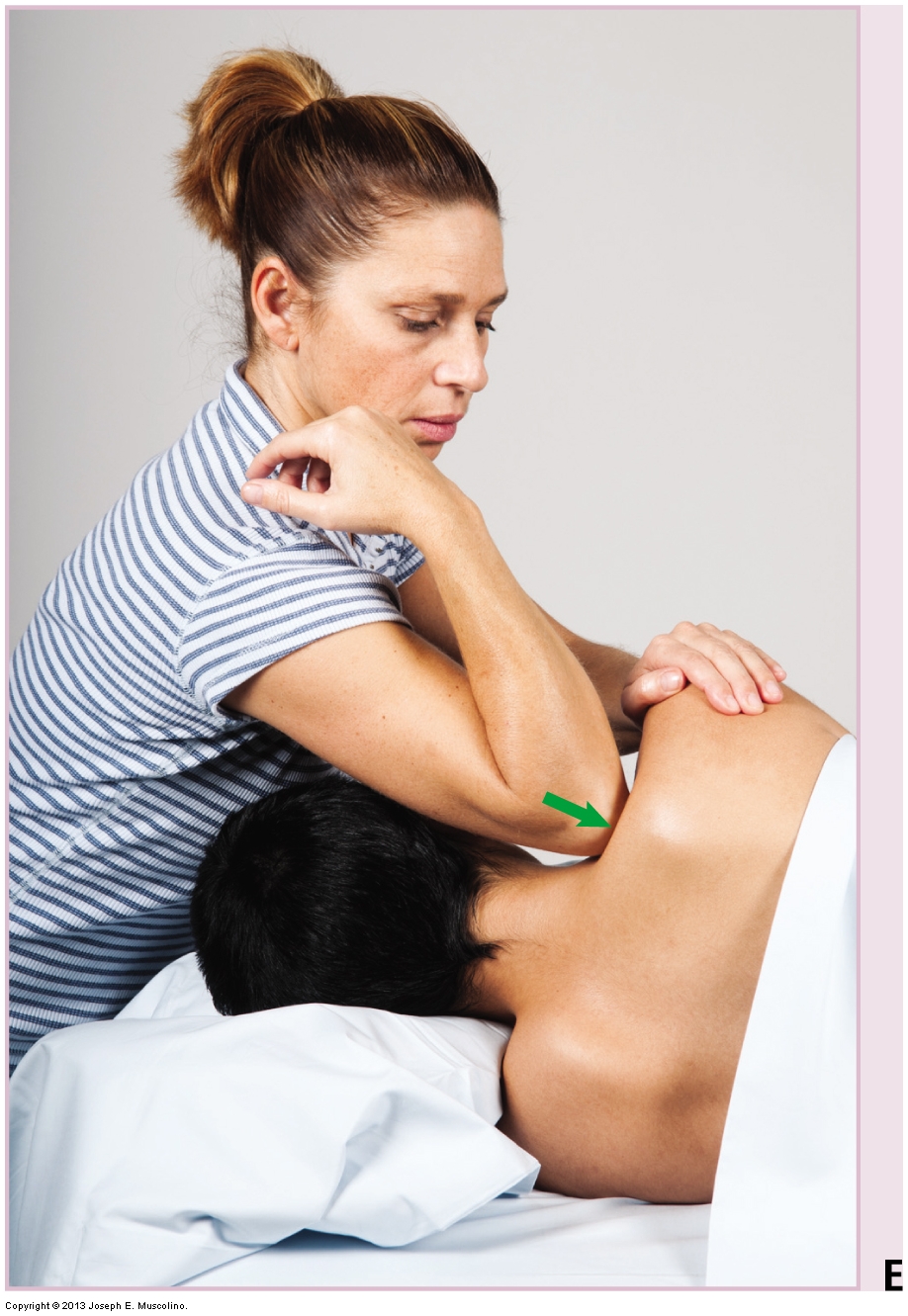
Side-lying position for deep pressure massage into the neck can be very effective and can allow for effective longitudinal as well as transverse cross-fiber strokes; however, it is important to avoid exerting deep pressure too far anteriorly onto the transverse processes of the client’s neck.
Neck Deep Pressure Massage: Using Bodyweight and Muscular Effort
We can take advantage of our body weight to generate deep pressure massage into the client’s tissues by simply leaning into the client. Pressure derived this way is effectively free because it takes no effort on our part. For this reason, it should be used whenever possible.
Everyday Habits That Can Help You Protect Your Spine
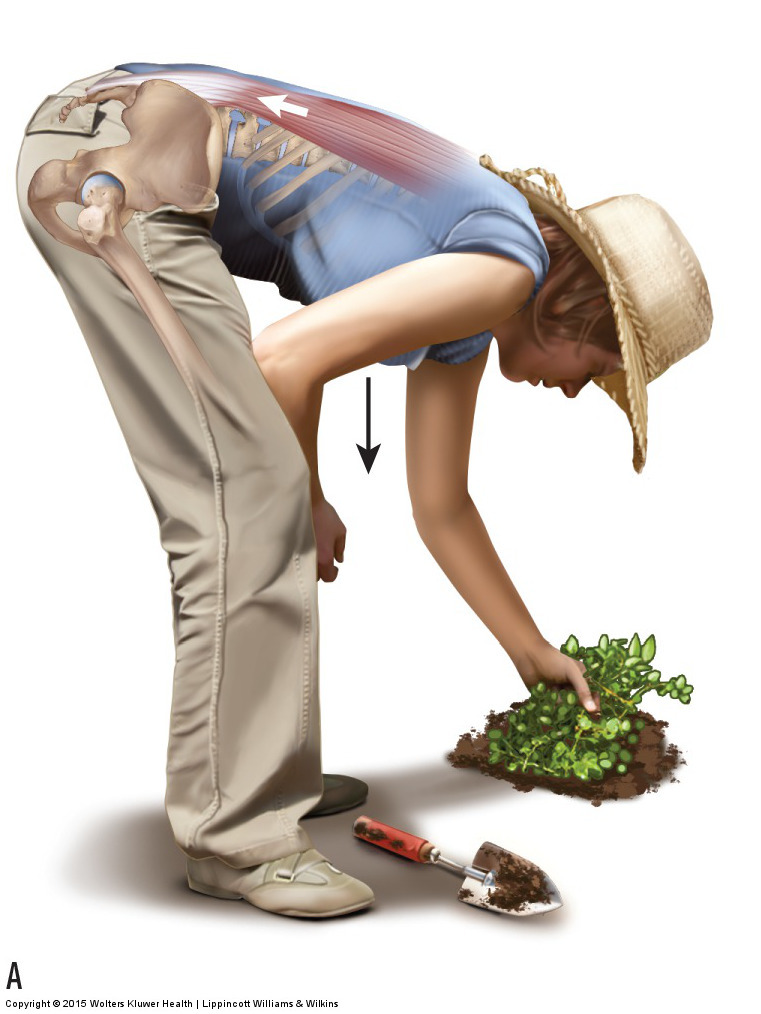
The truth is, back problems rarely come out of nowhere. They build quietly. Tiny habits. Tiny shortcuts. Tiny moments repeated hundreds of times until your body finally decides it’s had enough.
Why Anatomy Knowledge Matters for Aspiring Certified Nursing Assistants
For aspiring nursing assistants, the takeaway is straightforward: understanding body systems strengthens every part of the role.
Introduction to Deep Pressure Massage Technique for the Neck
Force for deep pressure can be generated in two ways: externally or internally. The external generation of force comes from the force of gravity by using our body weight. The internal generation of force comes from the contraction of our muscles.
What Makes Kenyan Distance Runners the World’s Best?
Running economy for distance runners is a complex multi-factorial measure of running efficiency, which reflects the combined functioning of biomechanical, neuromuscular, metabolic, and cardio-respiratory factors, some of which are hereditary and some of which adapt to coaching.
How Laser Hair Removal Fits Into an Active Lifestyle
Laser hair removal can simplify your grooming routine, reduce skin irritation, and help you spend less time worrying about shaving and more time doing the activities you enjoy. The only question is, is it the right choice for you?
When to co-manage plantar heel pain with a podiatrist
This article explores the point at which hands-on treatment stops being sufficient on its own, and the foot complaint is better co-managed with a podiatrist.
Manual Therapy Case Study for Upper Crossed Syndrome
The therapist performed a static assessment of the client’s posture and noted the typical upper crossed syndrome with a hyperkyphotic thoracic spine, a hypolordotic lower cervical spine, a hyperlordotic upper cervical spine, protracted head, protracted scapulae, and medially (internally) rotated arms.
Manual therapy case study for sciatica.
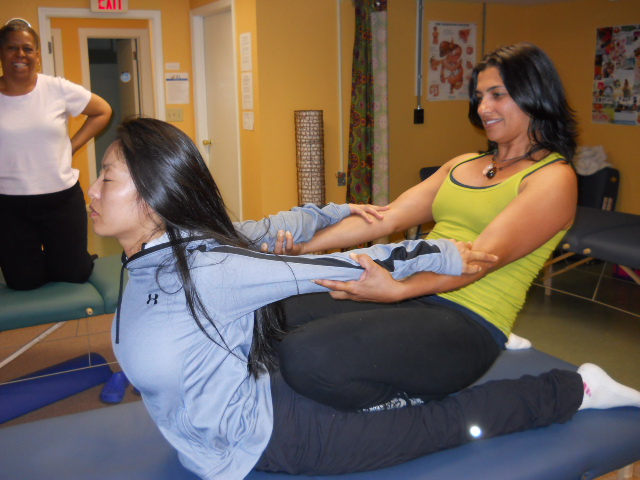
The therapist’s session consisted of moist heat, soft tissue manipulation, and stretching to the low back with double knee to chest stretch performed with agonist contract technique and stretching the left side of the low back with Armin side-lying on his right side.
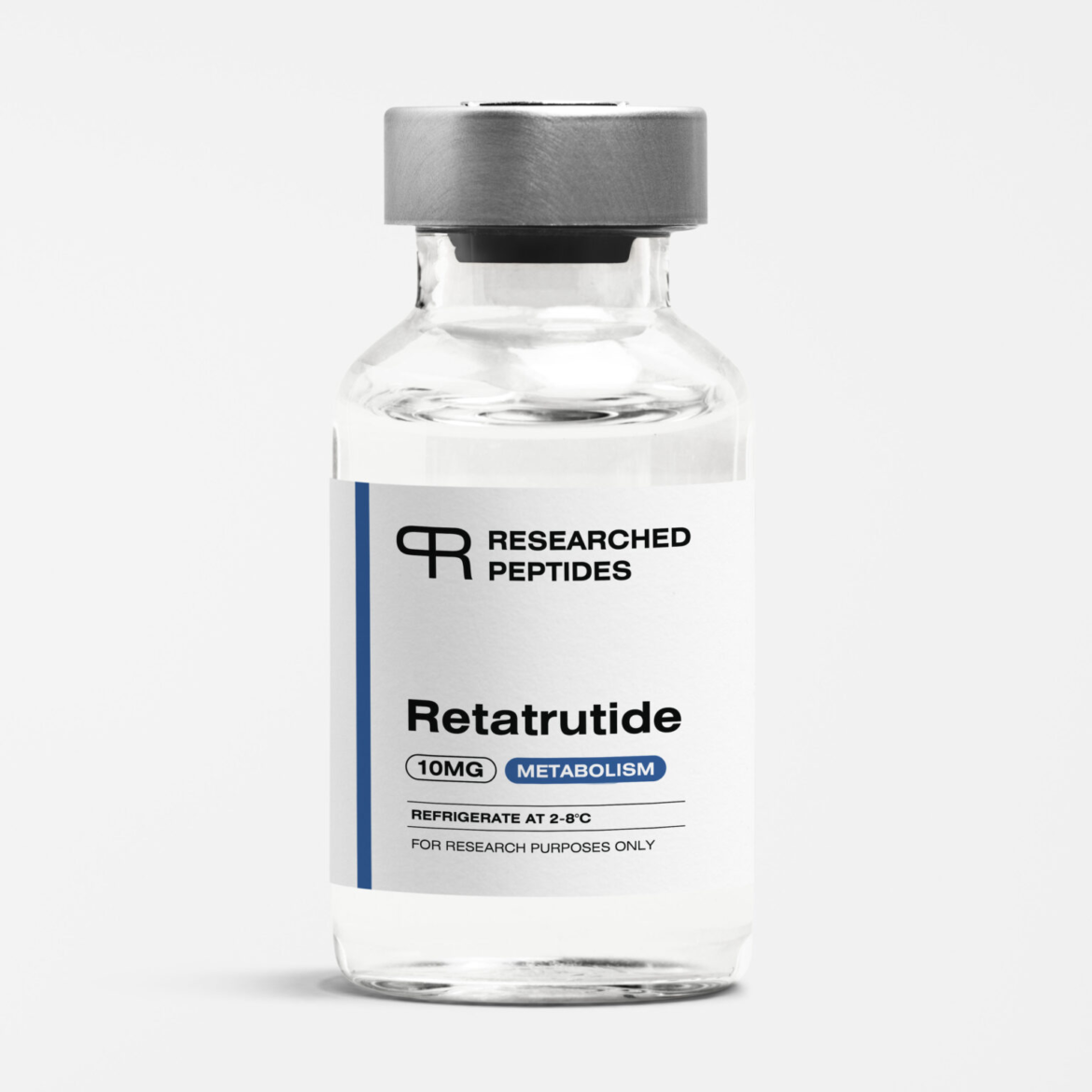
Retatrutide: Why Triple Receptor Agonism Is Now a Major Focus of Metabolic Research
This article maps the full arc: semaglutide, then Tirzepatide, then triple-active Retatrutide. It summarizes the 2023 NEJM data and walks through sourcing and protocol design for Canadian researchers. You will find the trial evidence, a clear comparison table, compliance steps, and a supplier checklist.
How Wellness Creators and Coaches Are Using AI Video Tools to Share Their Health Journeys Without Filming Every Update
Every wellness coach knows the feeling. You have something worth sharing, but between sessions, admin, and everything else, filming a new video every time isn’t realistic.
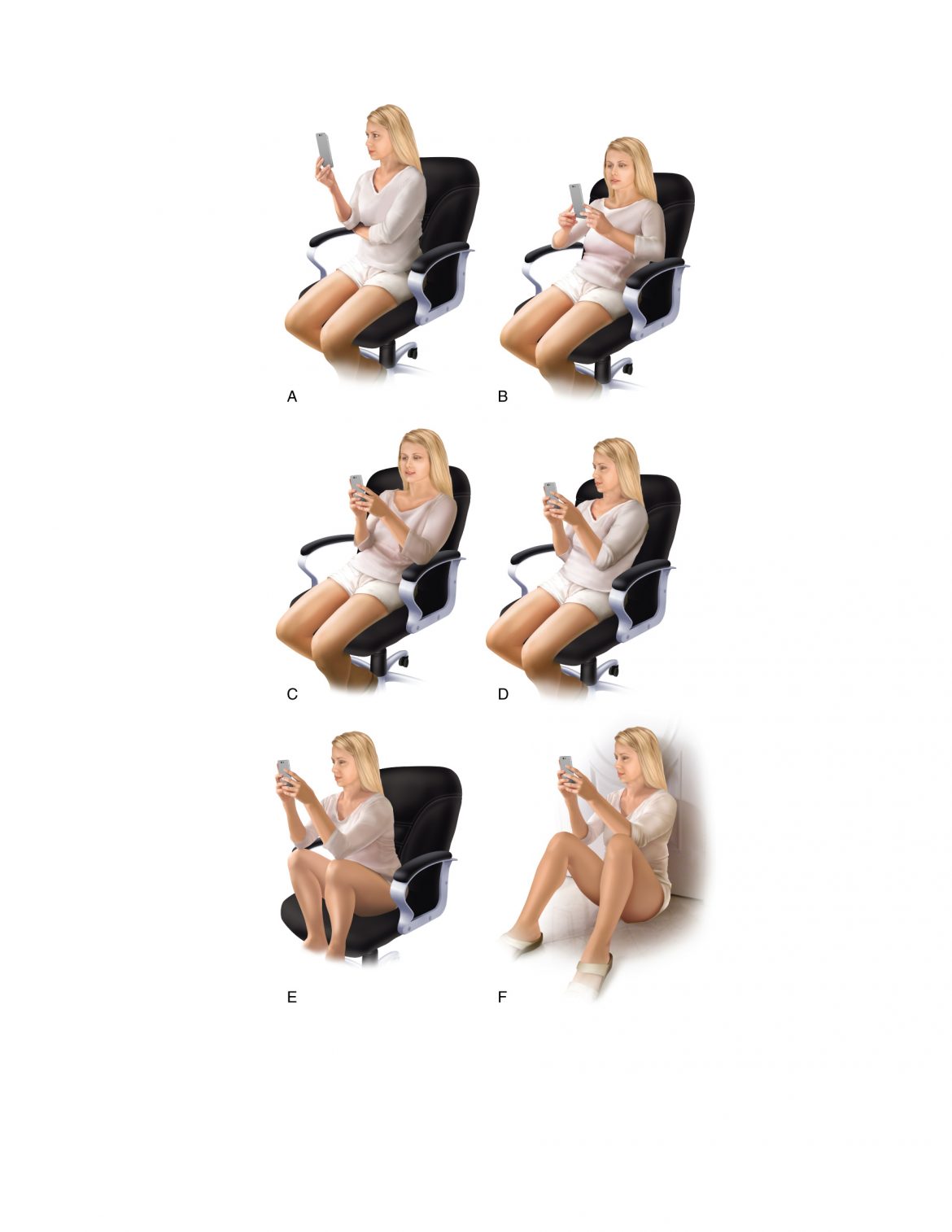
The Price of Smart Phones – Ten Conditions Caused by Smart Phone Use
Following are ten of the most common dysfunctional postural patterns and injuries that may occur with smart phone (cell/mobile phone) use.
FREE DCOMT video – The Shoulder Corset
The shoulder girdle is probably better described as a shoulder corset. This Digital COMT by Dr. Joe Muscolino video describes why.
7 Simple Sleep Fixes for Faster Muscle Recovery
You don’t have to use all 7 tools to make a difference in your nightly routine. Start with what you can implement into your daily life and stick to it.
Complete Hip Surgery Recovery Guide for a Smoother Healing Journey
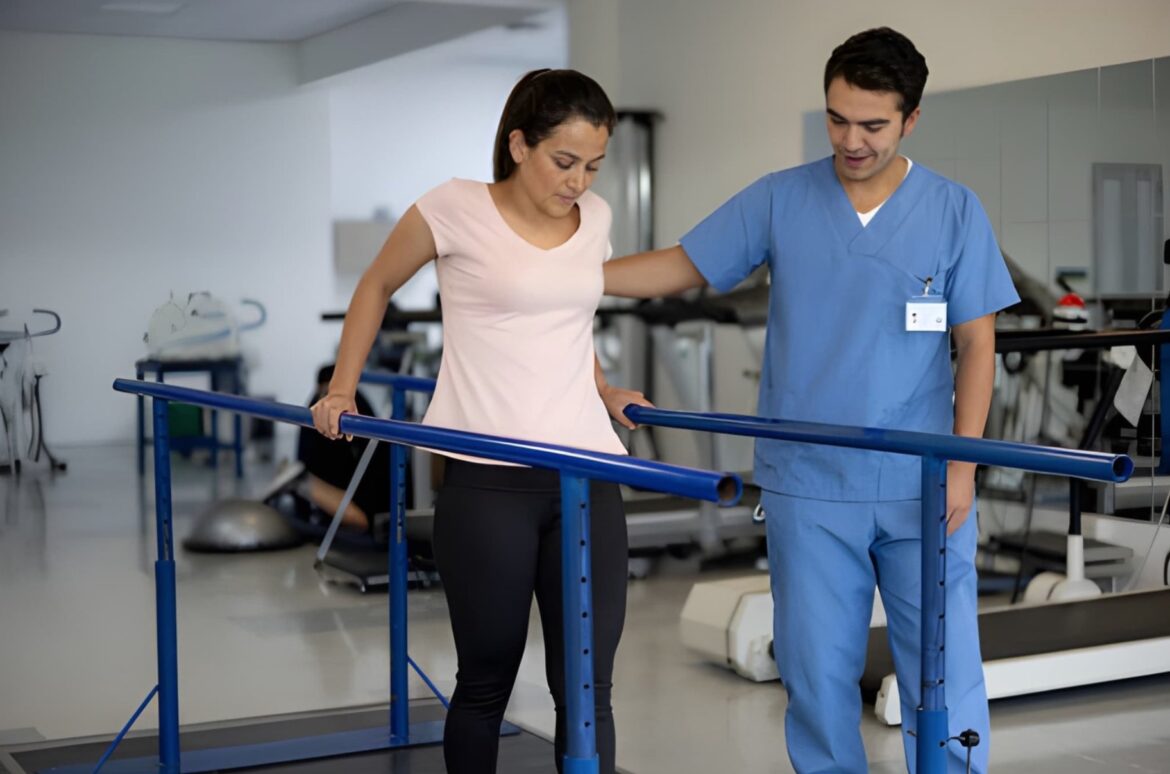
The process of healing requires patience and some amount of planning, and the knowledge of what you can expect during every phase may help a lot.
Marjorie Brook – Proactive Ways to Prevent Postoperative Adhesion Formation
Gentle appropriate movement helps to prevent excessive scar tissue and keep scar tissue from limiting future movement.
What are the self-care and medical approaches to shin splints?
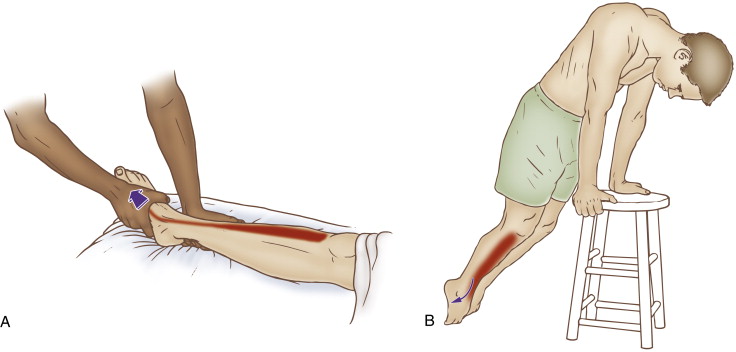
Self-care for shin splints begins with RICE: rest, ice, compression, and elevation. If the client/patient has anterior shin splints that is caused by running or some other physical activity that involves running, the client/patient should stop the activity until the condition is resolved.
Natural Approaches to Supporting Muscle Recovery and Wellness
Knowing about your body and recovery in general is of value to everyone with a body. Whether you are an athlete, fitness enthusiast, suffer from chronic illness or pain or are simply trying to function better in your daily activities.
How to Document Function After a Crash
Accurate charting prevents gaps in care and helps ensure they receive appropriate medical follow-up when it is needed most.
Lumbar Spine Joint Dysfunction
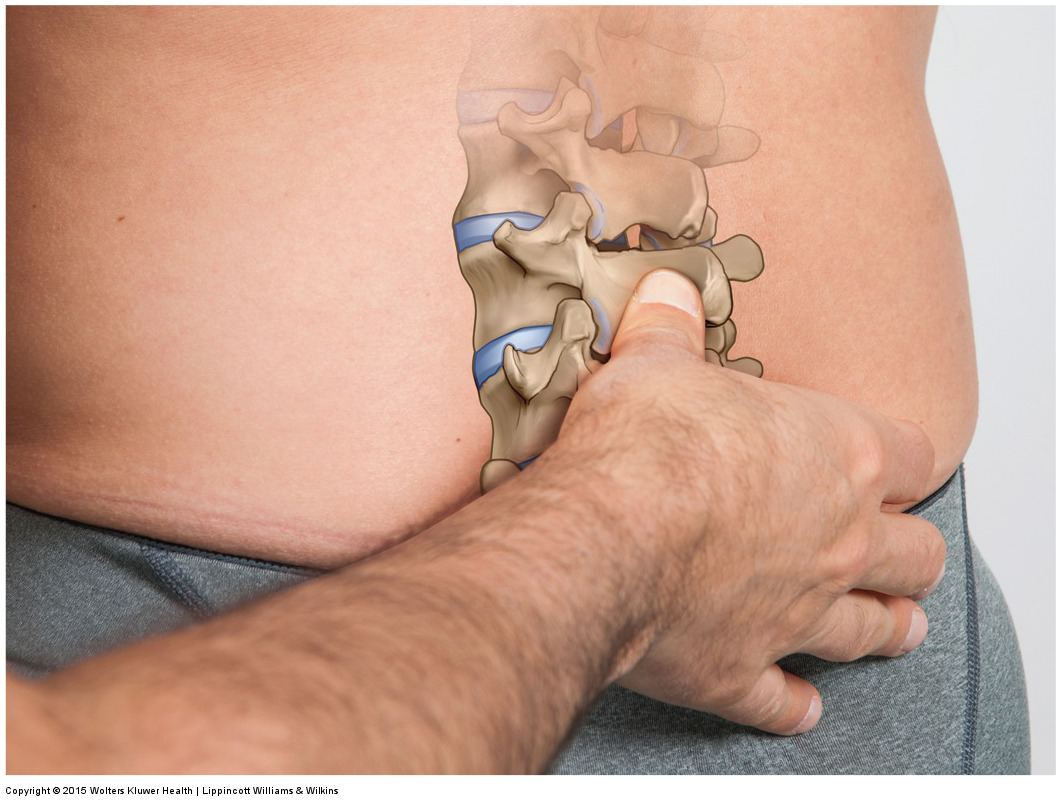
The two most common causes of a hypomobile joint dysfunction are tight muscles, especially smaller, deeper intrinsic muscles, and fibrous adhesions.
What are the signs and symptoms of and how do we assess (diagnose) rotator cuff pathology?
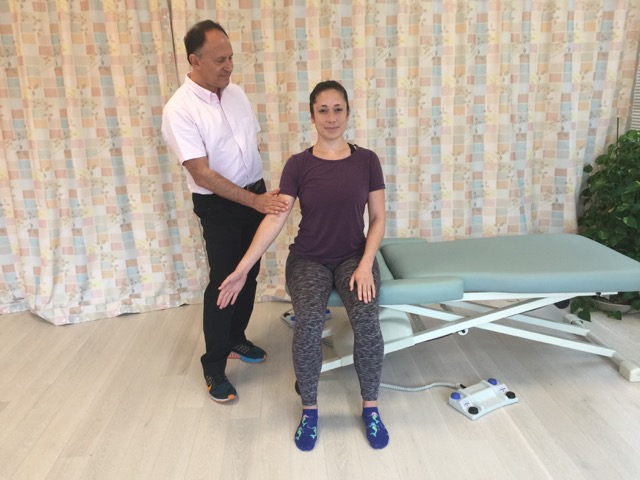
Signs and symptoms of rotator cuff pathology include pain, joint crepitus, weakness, and decreased range of motion when moving the shoulder (glenohumeral) joint.
Stem Cell Treatment for Neck Pain: What It Involves and Who It Helps
Stem cell treatment is one option that has drawn growing interest as an alternative to surgery, but it comes with real limitations and is not the right fit for every case.
Working with High-Performing Clients: Stress Physiology, Burnout, and When Bodywork Isn’t Enough
This article looks at what chronic stress actually does to the tissues under your hands, how burnout presents on the table
Myofascial Trigger Points (Muscle Knots)
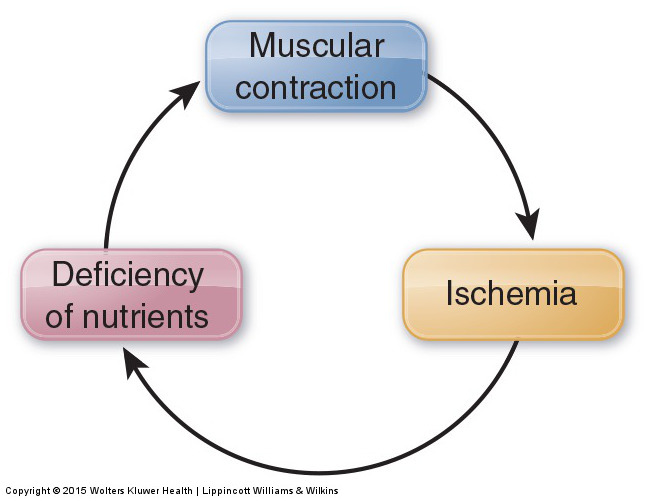
The four most common causes of a myofascial trigger point are: overuse of the muscle, chronic stretch, prolonged immobility, and trauma to the muscle.
Hypertonic / Tight Muscles of the Low Back and Pelvis
Four of the most common causes of tight muscles of the low back (or anywhere in the body) are: overuse, splinting, adaptive shortening, and overstretching.