Forward head posture is extremely common, especially as we age. It is part of a larger posture dysfunctional pattern known as upper crossed syndrome.
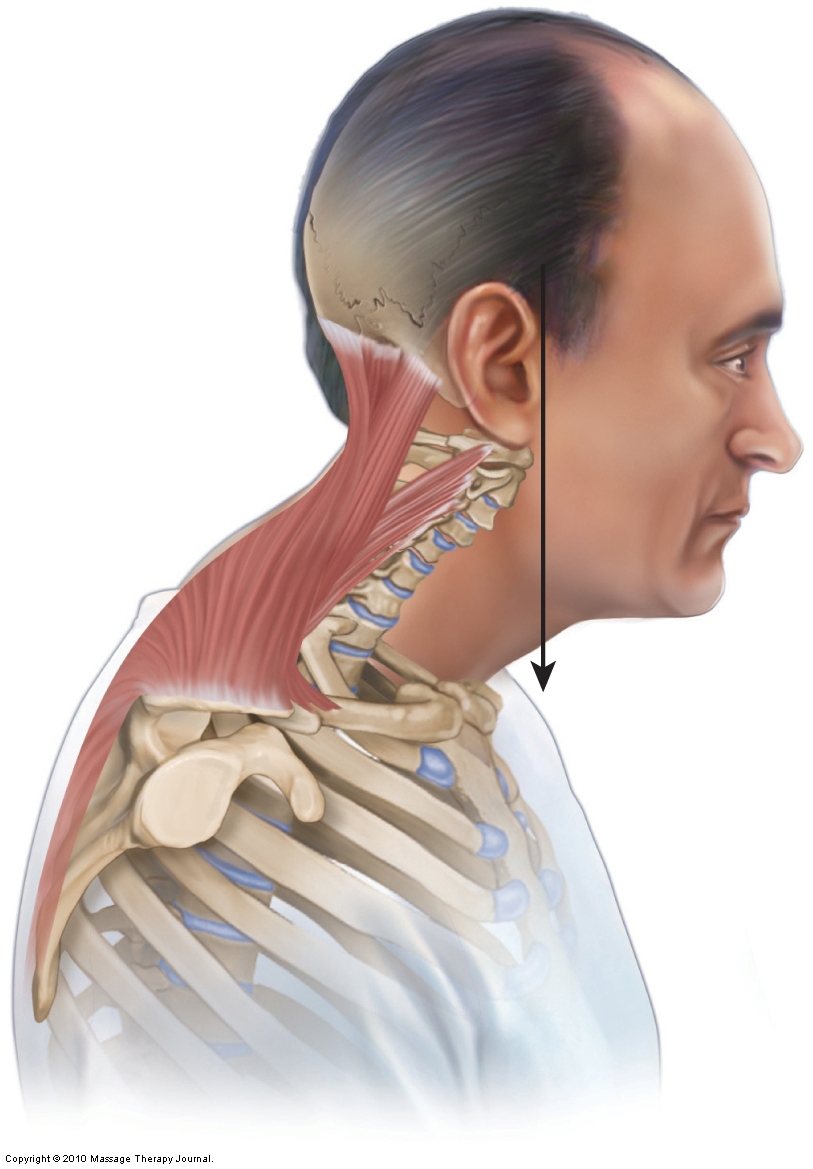

Forward head posture is extremely common, especially as we age. It is part of a larger posture dysfunctional pattern known as upper crossed syndrome.
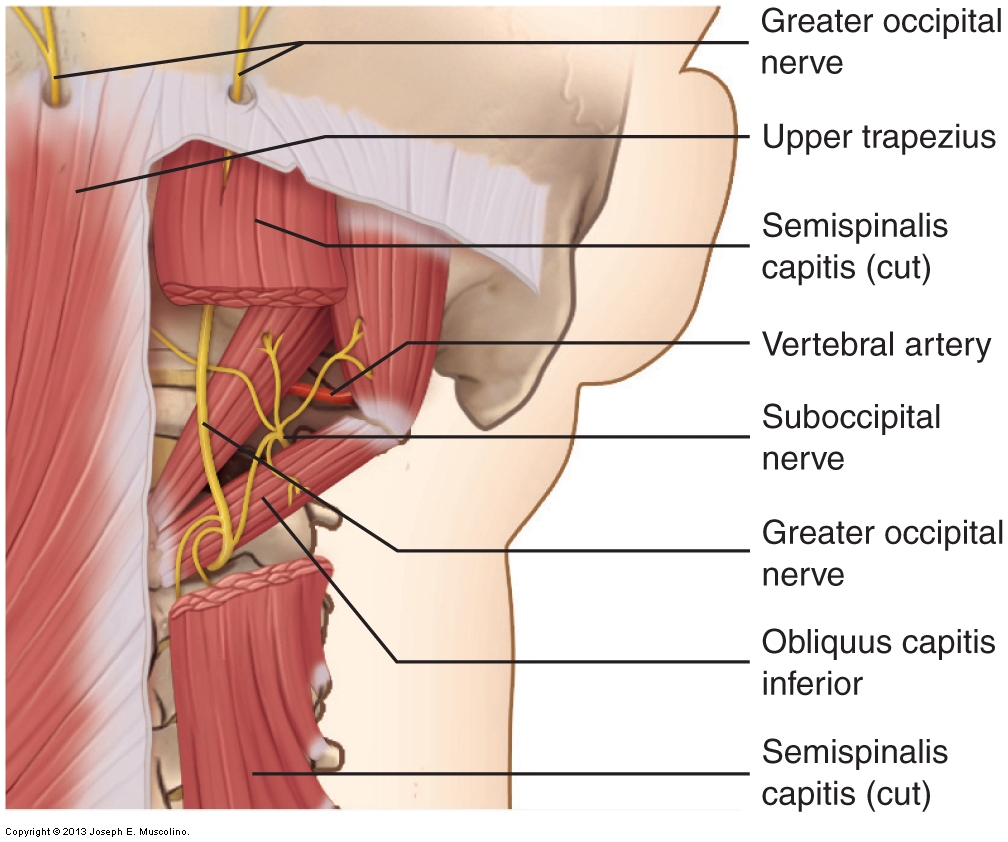
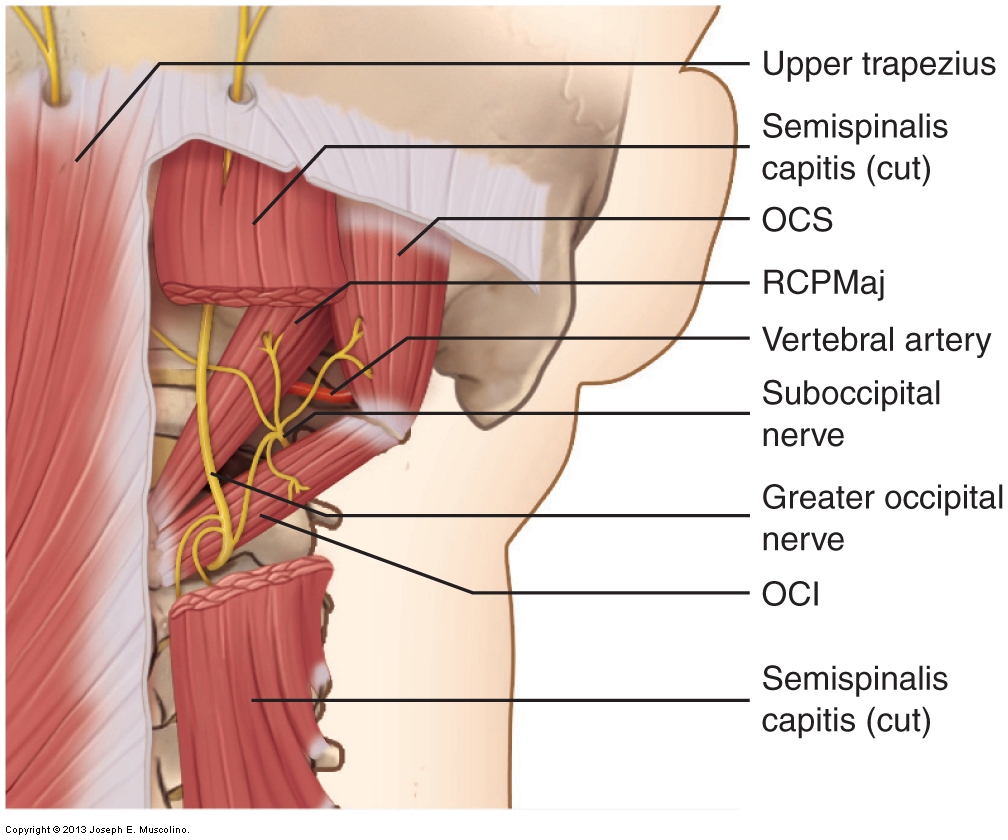
Greater occipital neuralgia is caused by compression of the greater occipital nerve, usually by a tight upper trapezius or semispinalis capitis muscle.
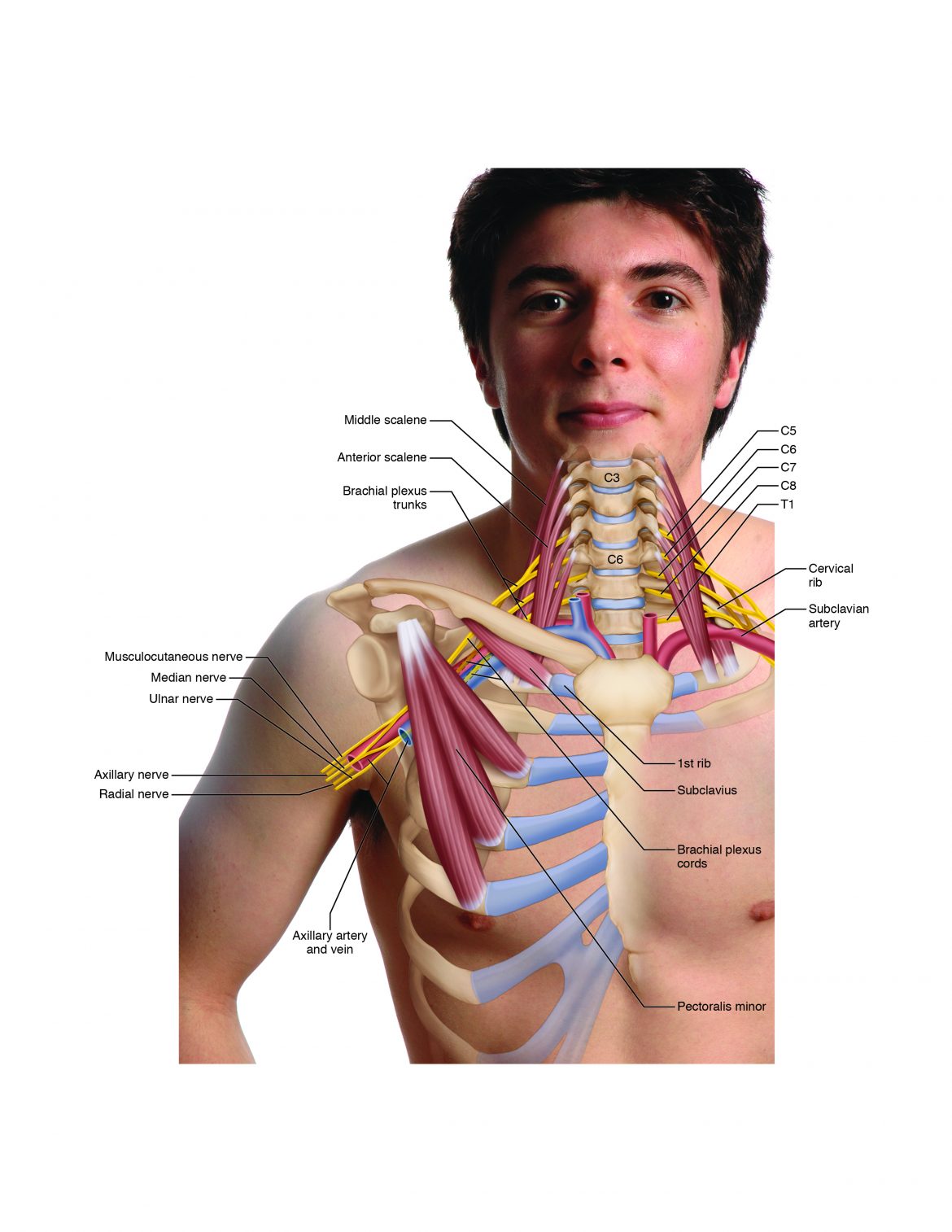
Thoracic outlet syndrome is a condition that causes compression of nerves and/or blood vessels where the thorax outlets into the upper extremity.
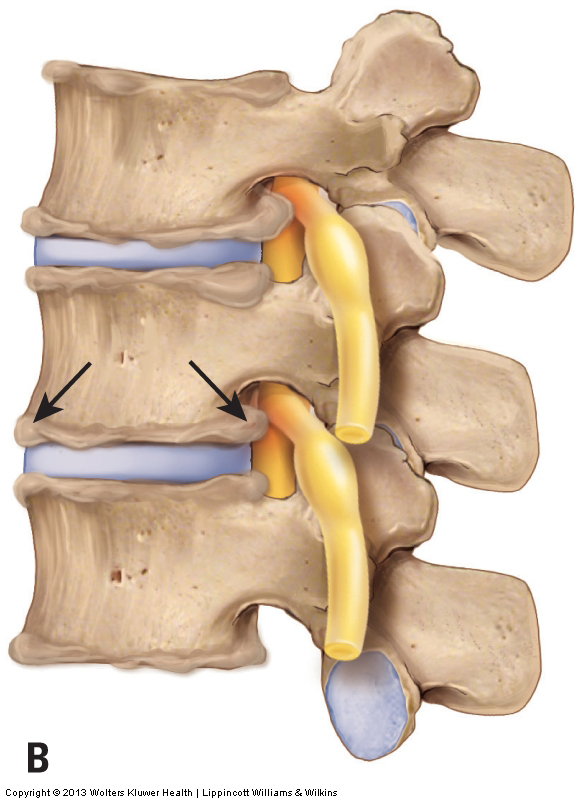
The causative mechanism of osteoarthritis is excessive physical stress placed on the joint, resulting in cartilage and then bony degeneration.
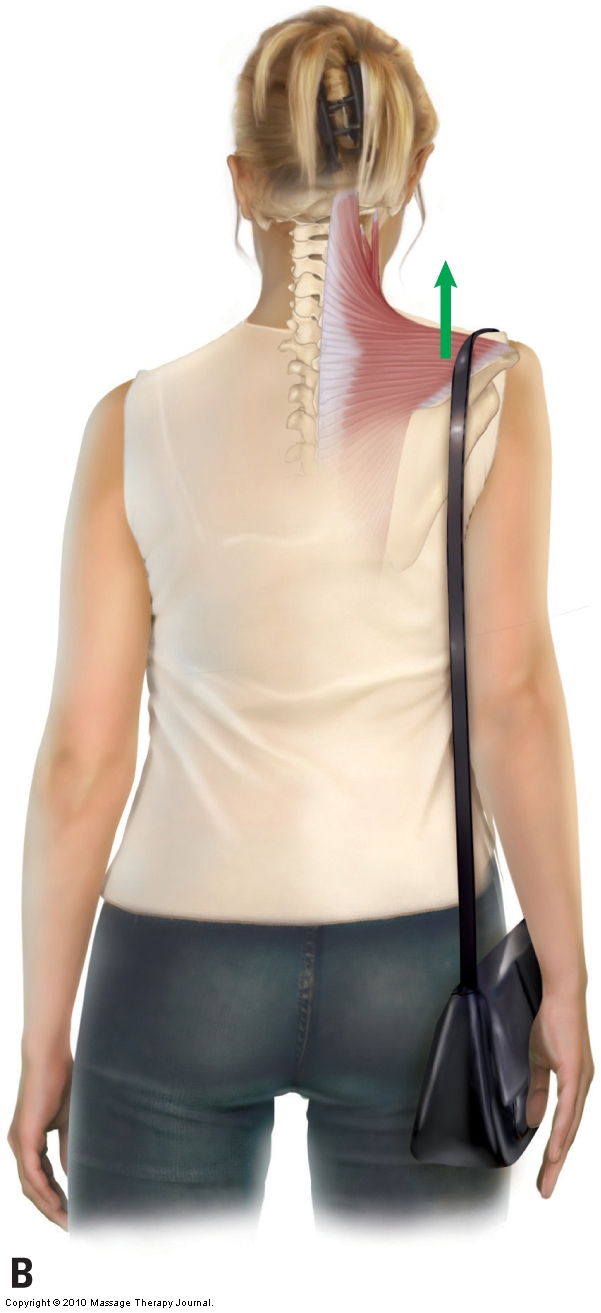
Tight musculature is the most common presenting complaint that a manual therapist will confront and is a component of every neck musculoskeletal condition.
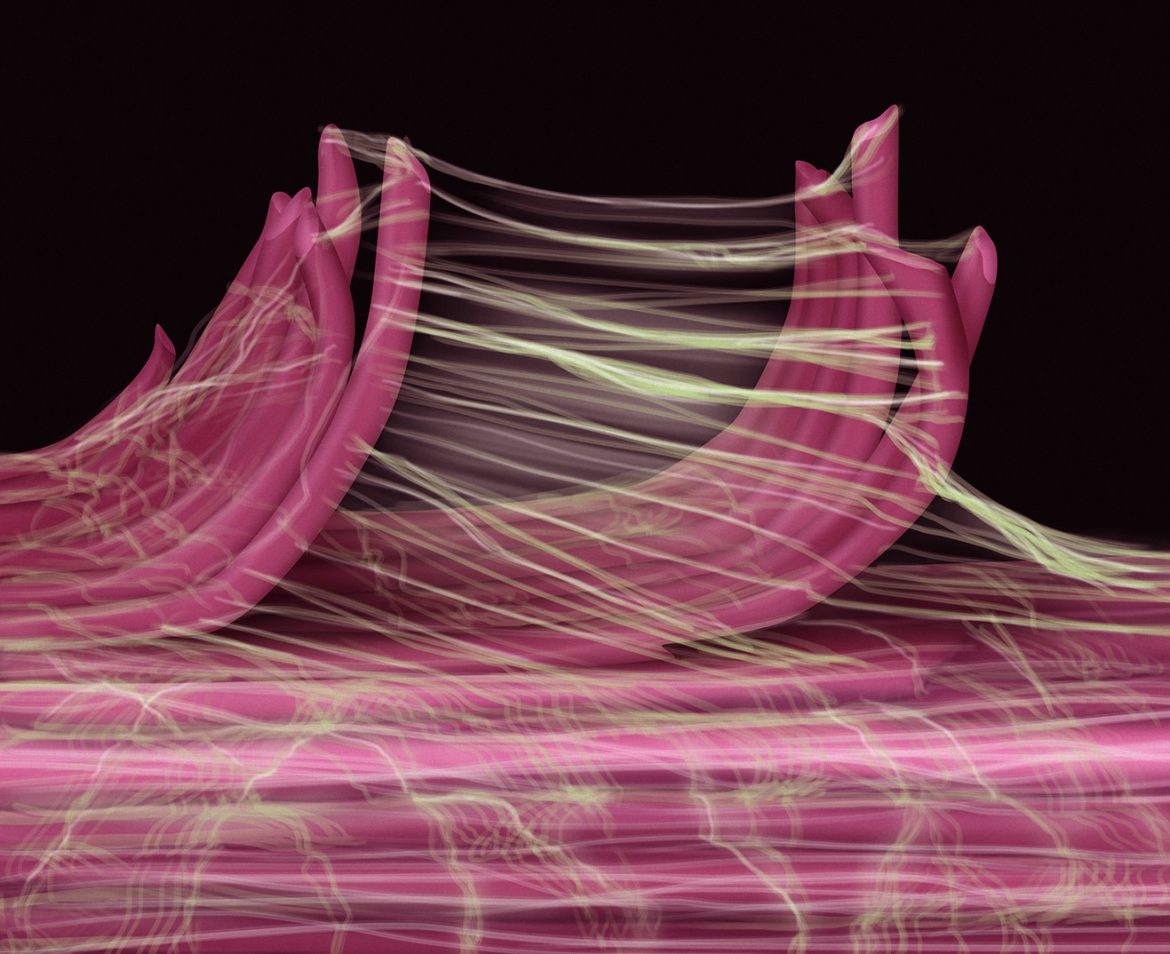
Fascial adhesions may bind together the two opposing surfaces of a soft tissue interface, resulting in restricted mobility.
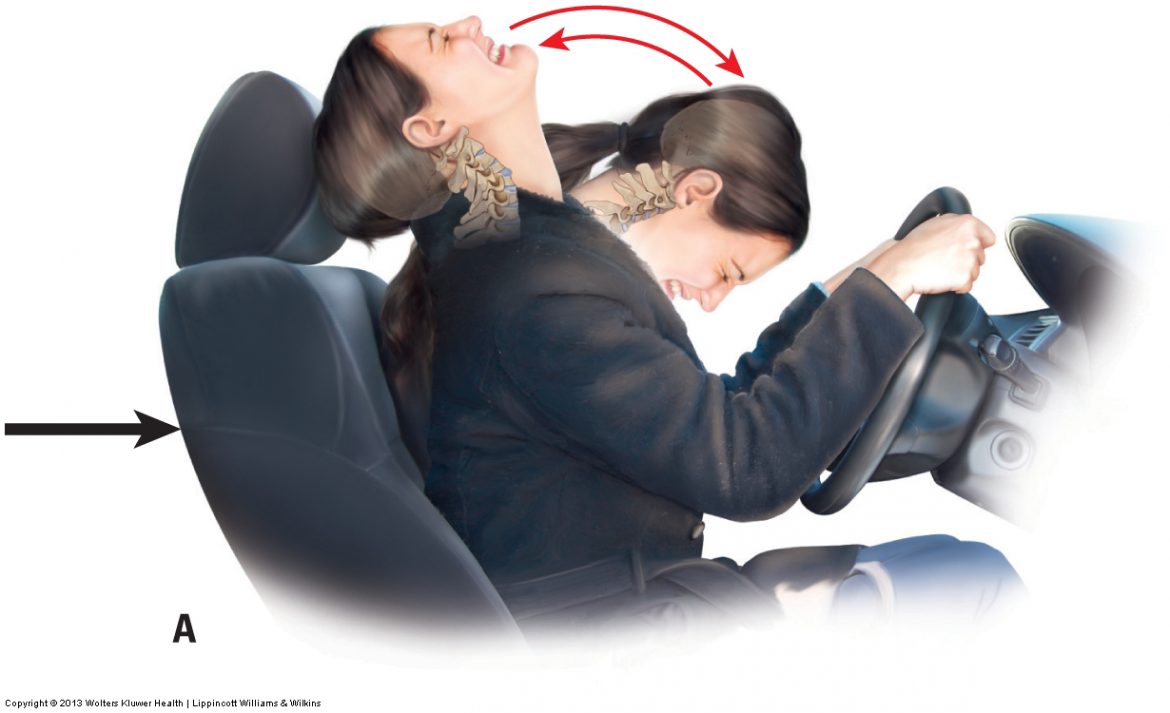
A whiplash is named for the characteristic whiplike motion of the person’s head/neck during a car accident, usually resulting in strain/sprain of the neck.
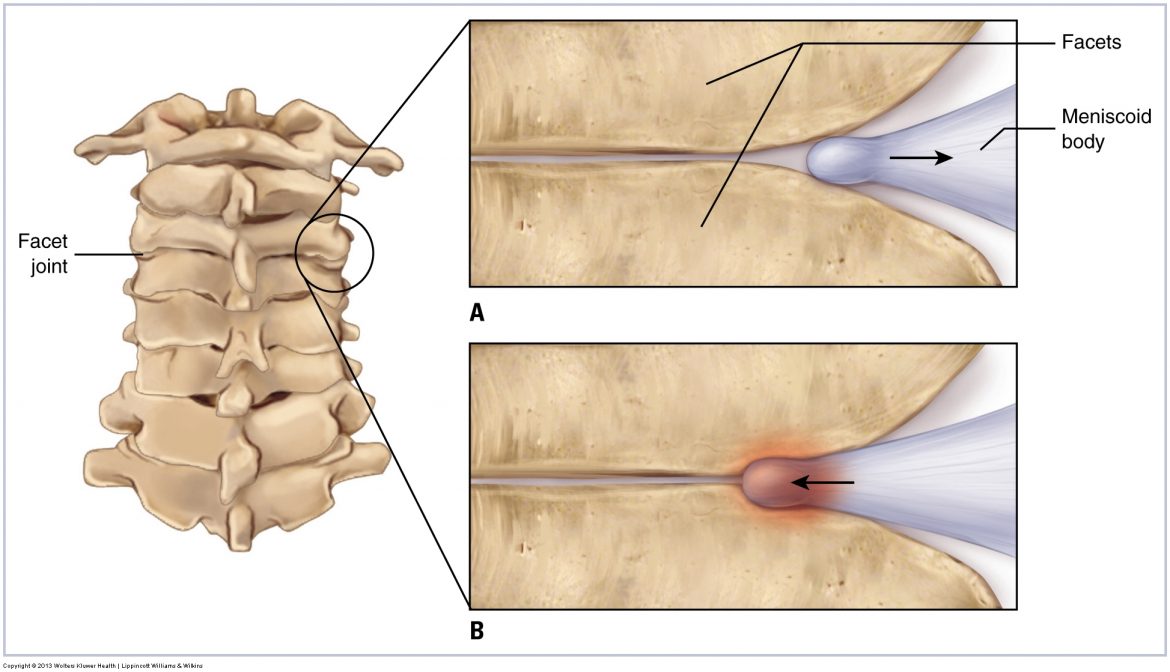
A joint functions to allow motion, so two forms of joint dysfunction exist: Hypomobile joint has restricted motion; Hypermobile joint has excessive motion.
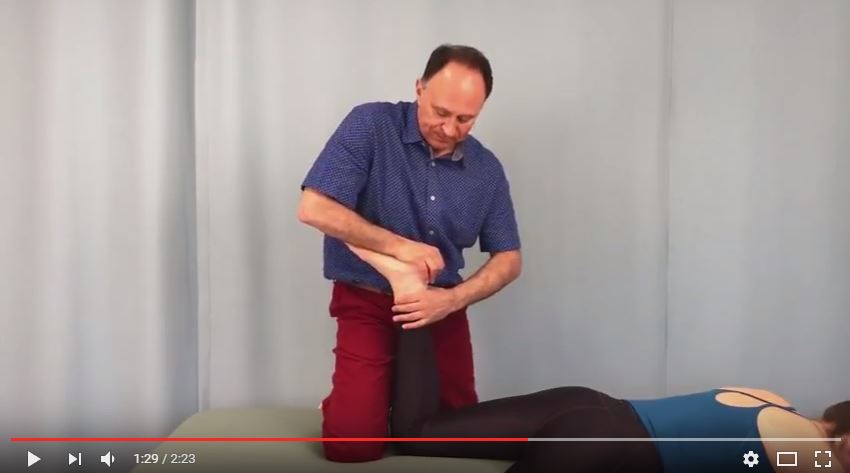
When palpating a muscle and adding resistance to its contraction, never cross a joint that does not need to be crossed or other muscles will also contract.
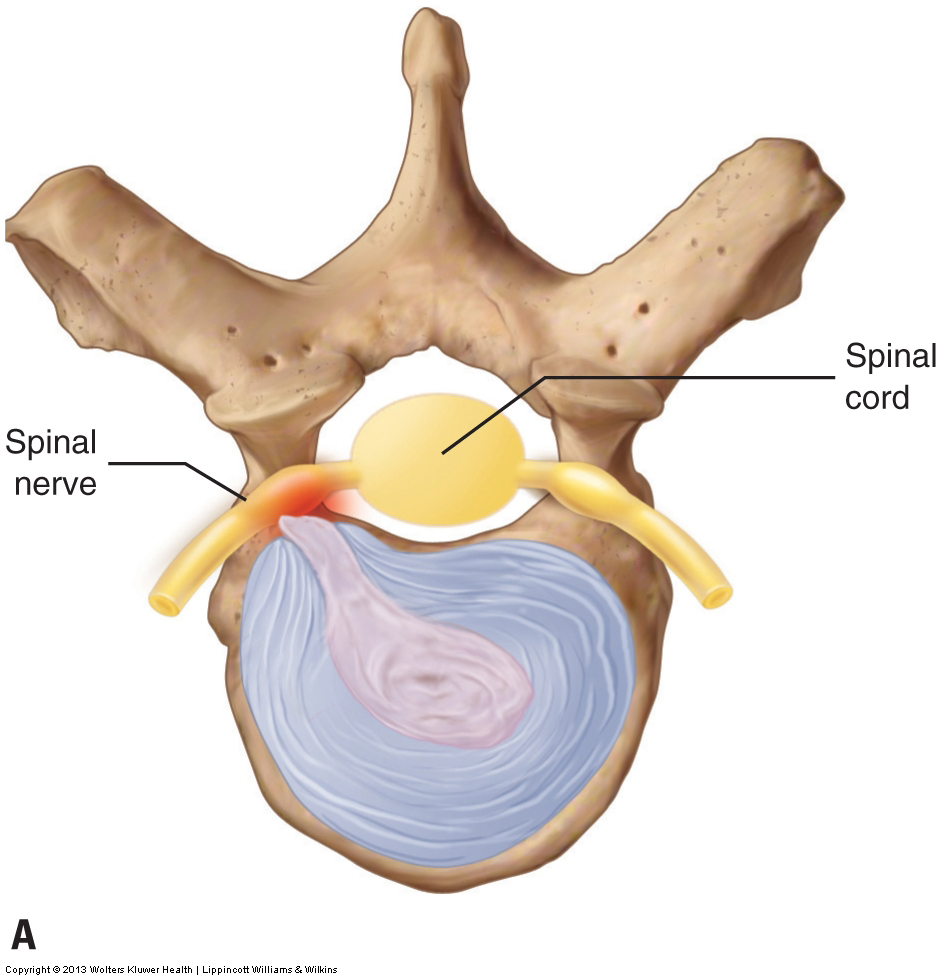
The danger with a disc bulge or herniation is that the disc can compress the spinal nerve within the intervertebral foramen, causing a pinched nerve.
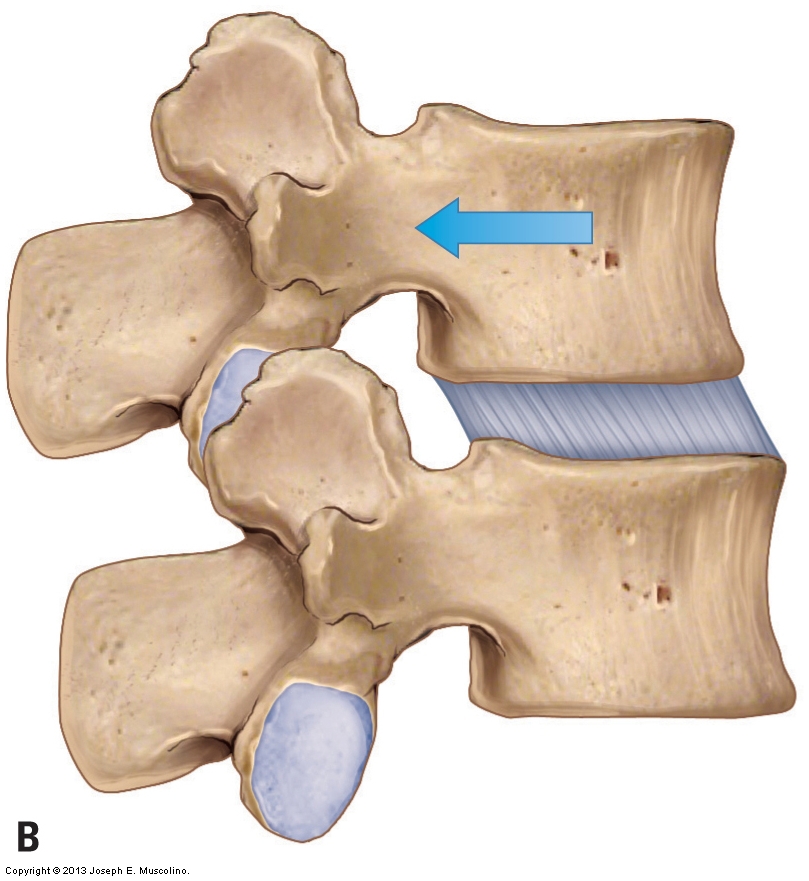
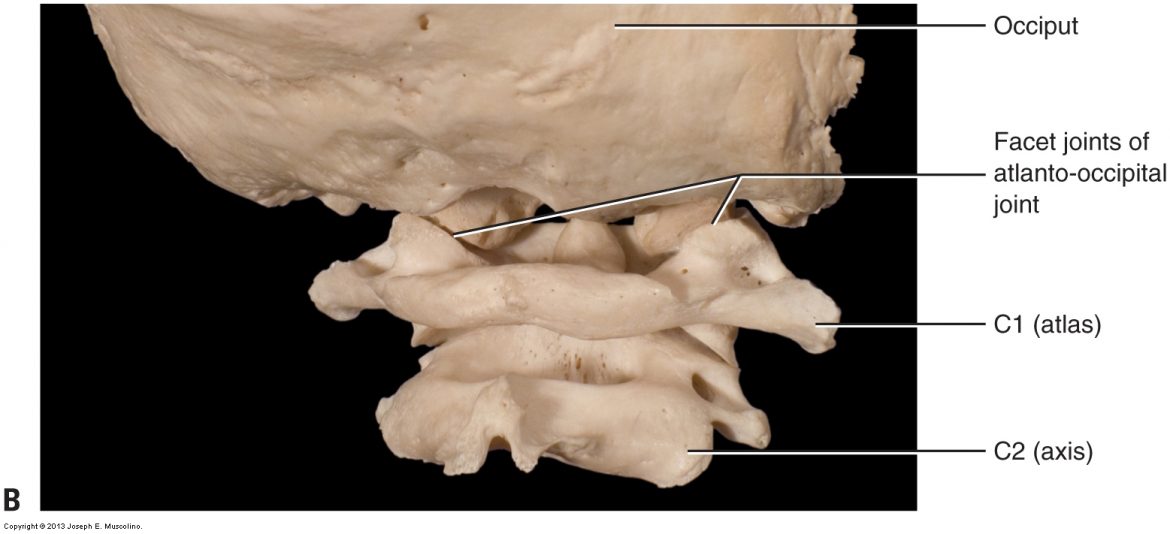
Table 1 shows average healthy ranges of axial motion of the cervical spine (head and neck), from the atlanto-occipital joint through the C7-T1 joint.
It is essential to exercise caution when working the anterior neck. However, this should not prevent therapeutic manual therapy work to the anterior neck.
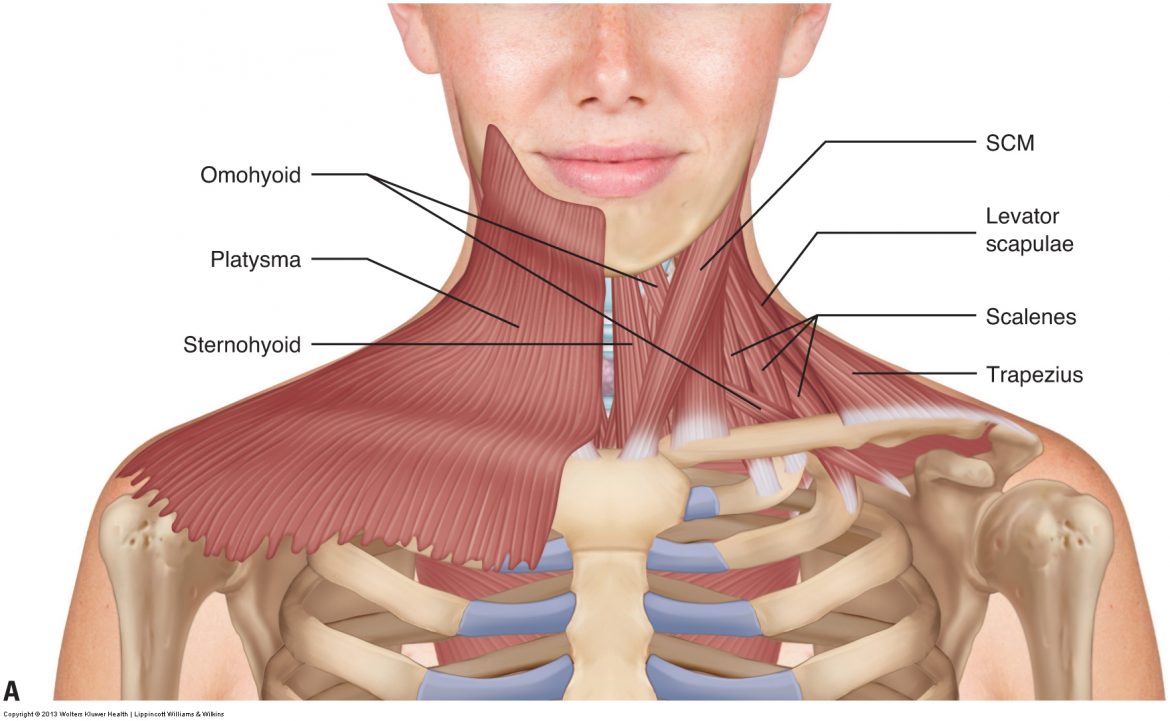
To perform orthopedic manual therapy to the neck that is accurate and specific, we need to know the attachments and actions of the muscles of the neck.
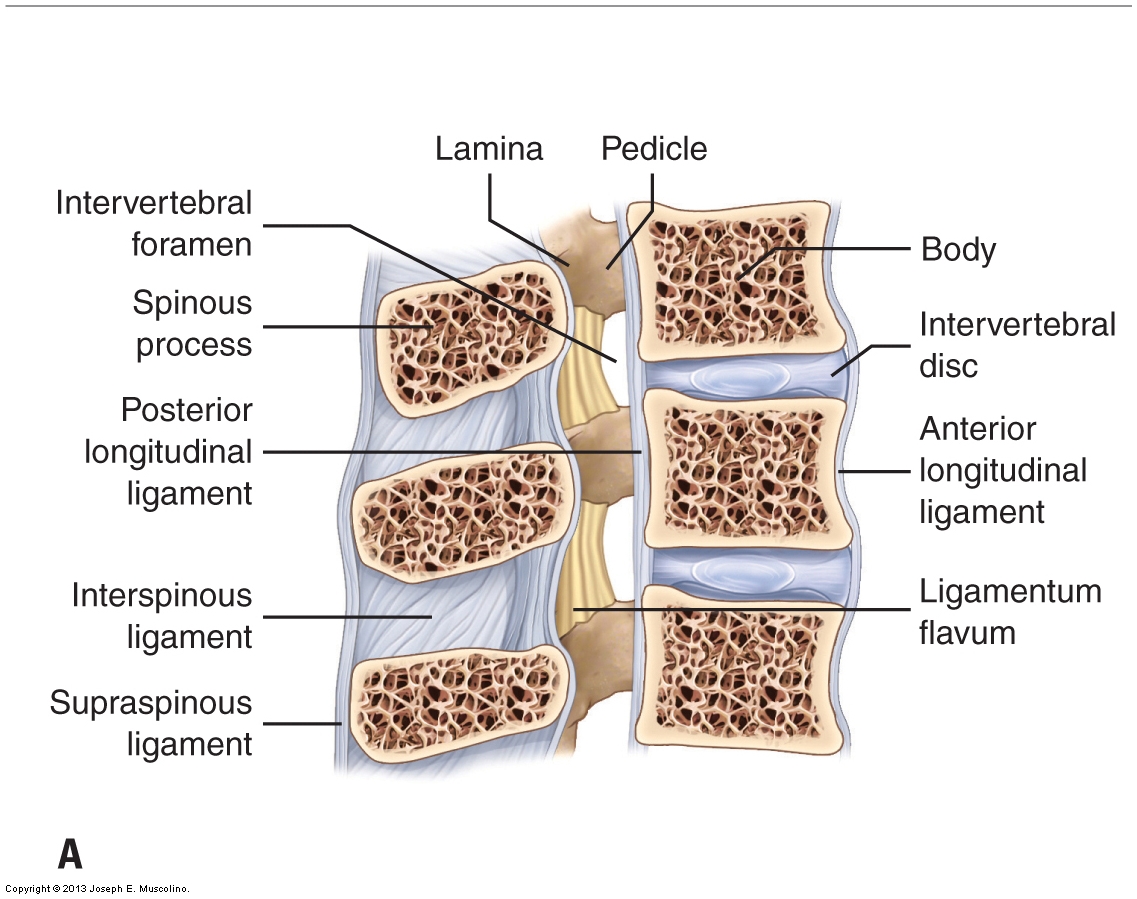
The “action” of a ligament is similar to that of an antagonist muscle. If either is tight/taut, it restricts motion in the opposite direction.
The disc joint is a cartilaginous joint that is composed of outer fibers called the annulus fibrosus that encircle the inner nucleus pulposus.
For manual therapy care to be successful, client communication is extremely important. This video explores who to effectively communicate with the client.
This video demonstrates Apley’s compression test for the knee joint, which assesses/diagnoses meniscus pathology.
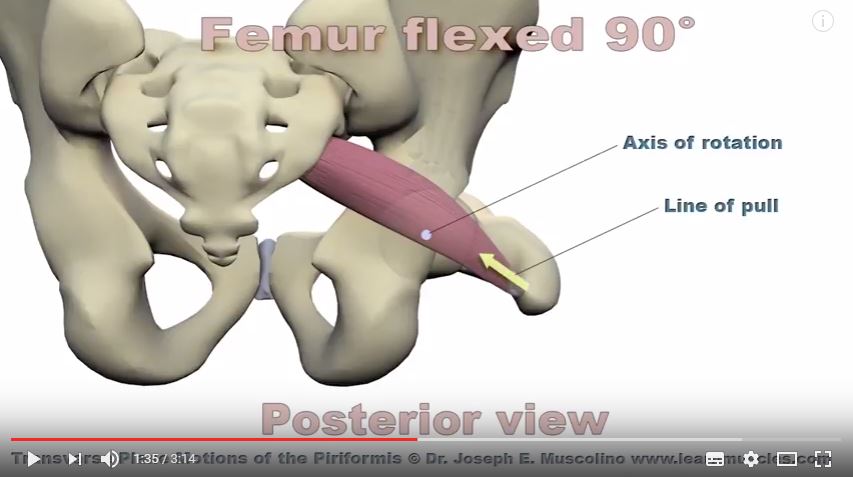
This 3D Animation demonstrates how the piriformis changes its joint action from being a lateral rotator of hip joint to being a medial rotator.
