Learn everything about the brachialis muscle — its attachments, open- and closed-chain functions, how to palpate, stretch, and massage it. The perfect muscle for teaching kinesiology biomechanics.
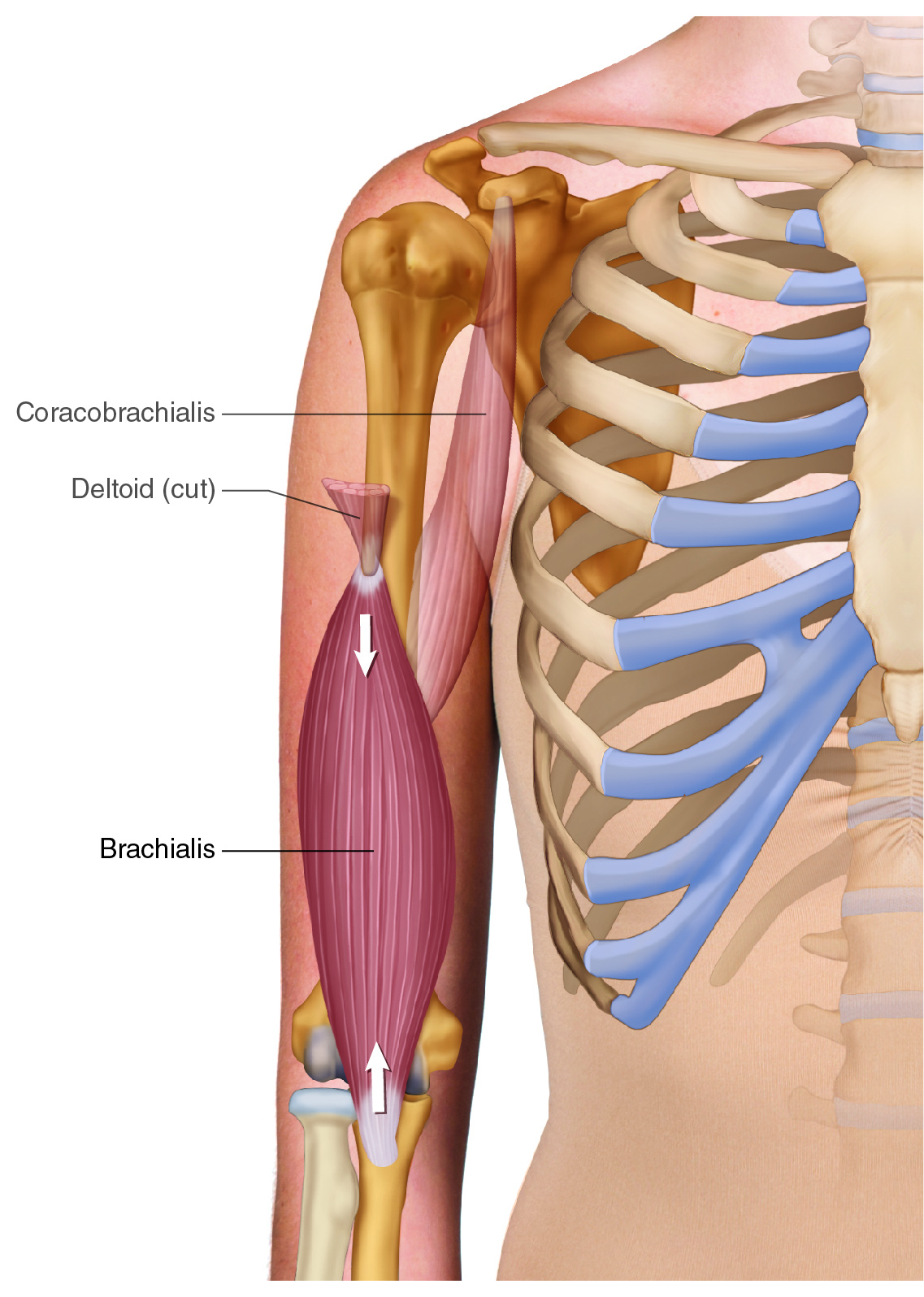

Learn everything about the brachialis muscle — its attachments, open- and closed-chain functions, how to palpate, stretch, and massage it. The perfect muscle for teaching kinesiology biomechanics.
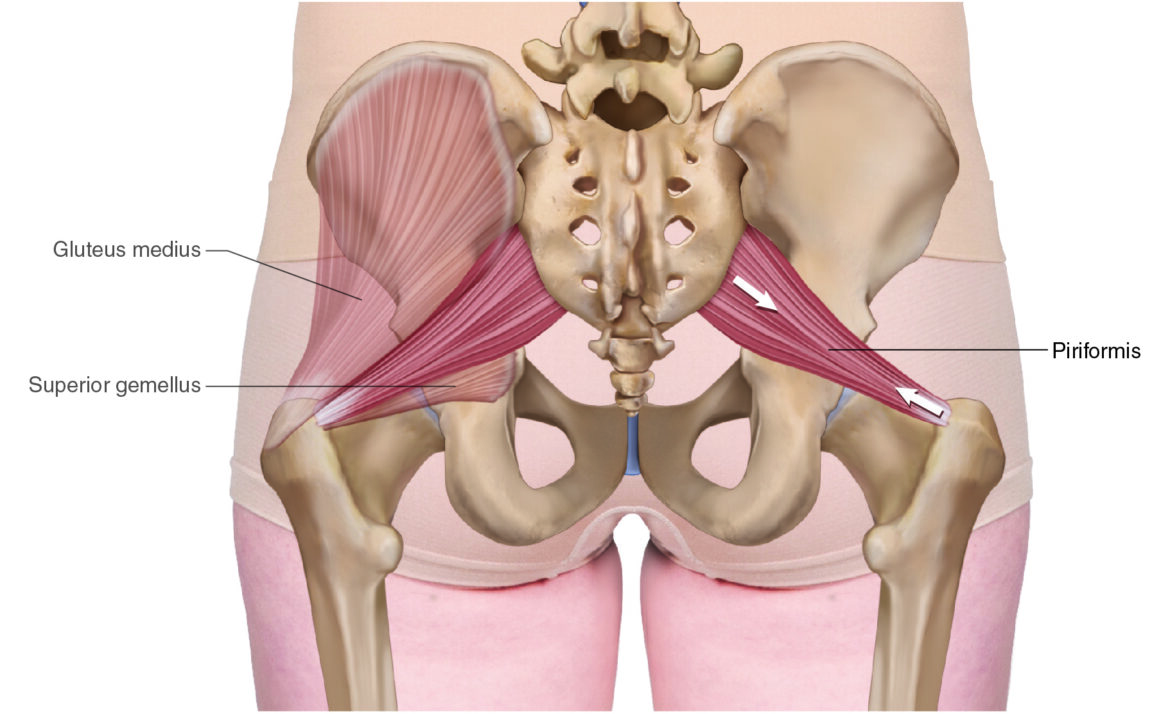
Learn everything about the piriformis muscle — attachments, open- and closed-chain functions, piriformis syndrome, palpation, stretching, and massage techniques for manual therapists.
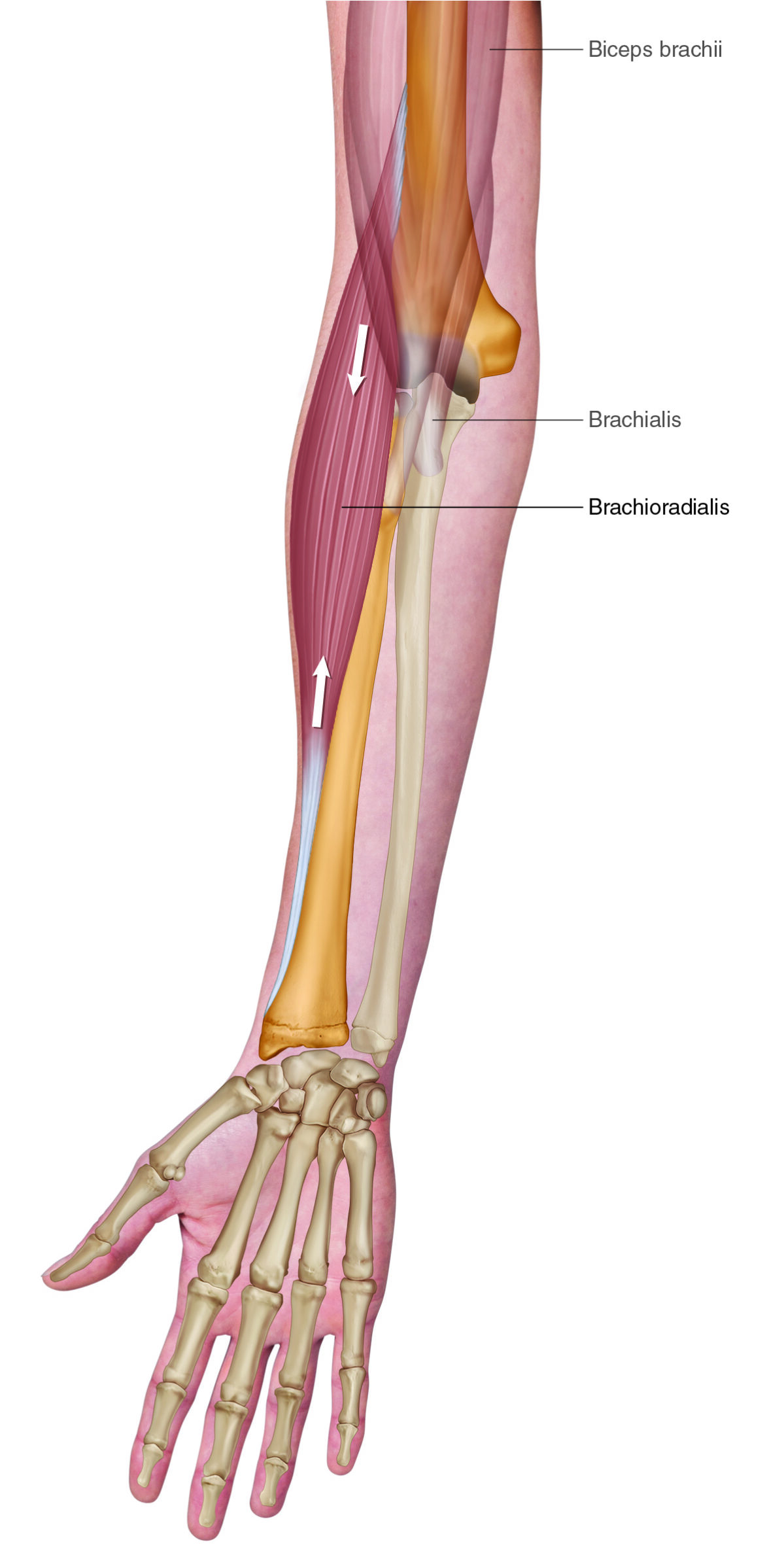
Learn the brachioradialis muscle’s attachments, open- and closed-chain functions, palpation technique, and why it’s the ultimate example of a muscle that changes its joint action with joint position.
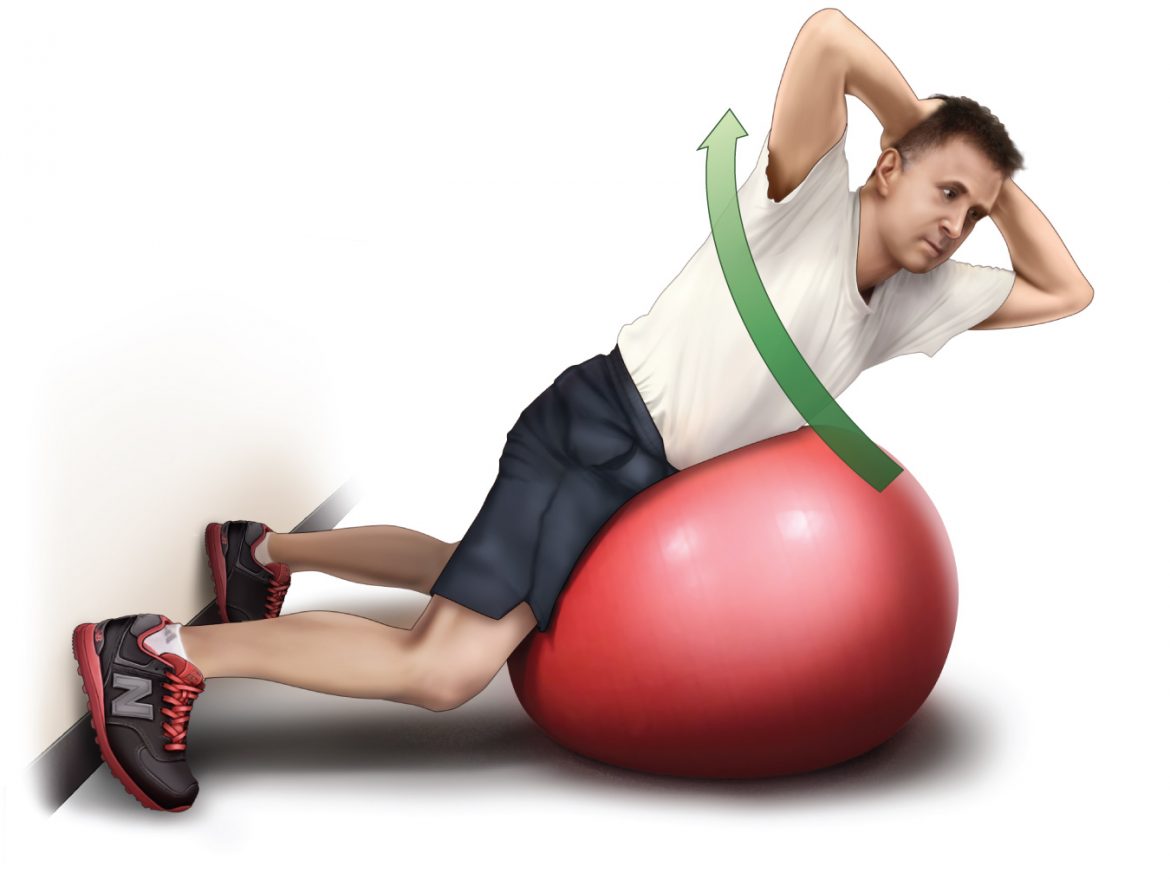
Dynamic stretching’s improvement seems to be related to the increased tissue temperature and increased neural facilitation. Therefore, if the goal of a warm-up is to increase joint ROM and to enhance muscle force and/or power, dynamic stretching seems to be a preferable alternative to static stretching.
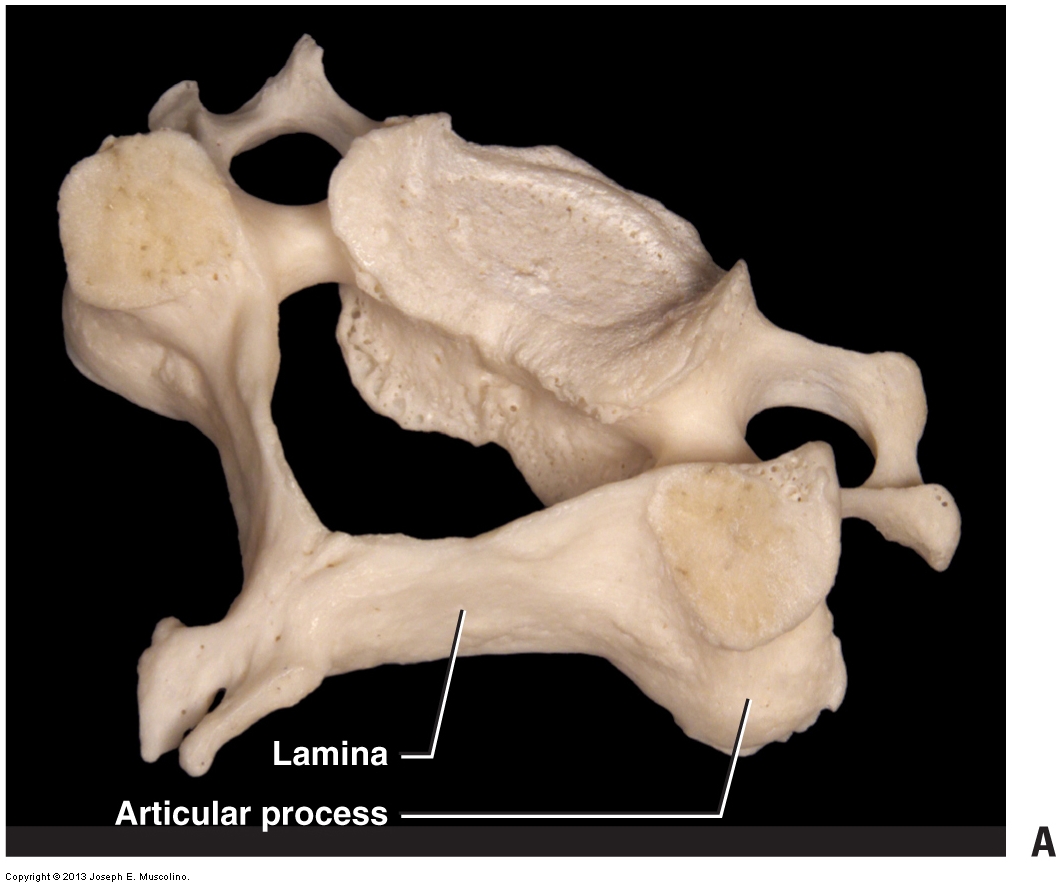
It is extremely important to be able to locate and palpate the laminar groove of the cervical spine because the thickest musculature is located there.
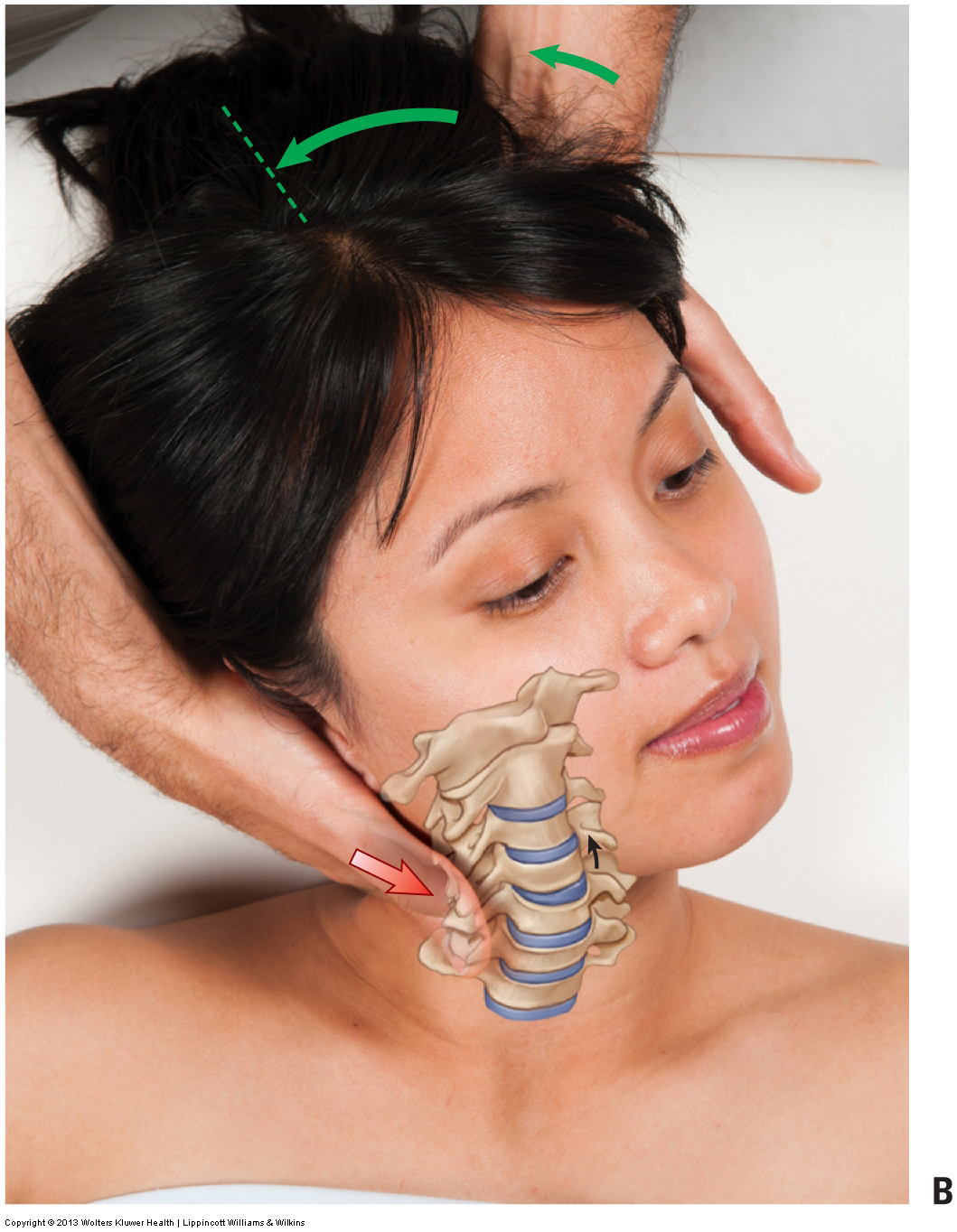
The value of massage therapy continuing education is often dependent on learning how to apply fundamental skill sets of manual therapy.
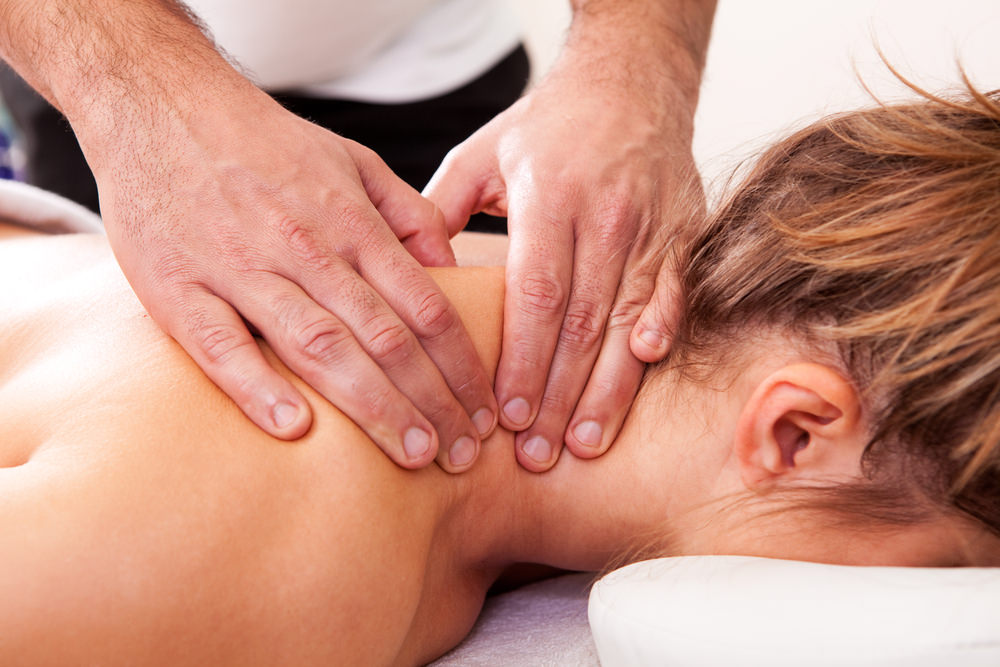
Multiple 60-minute massages per week were more effective than fewer or shorter sessions for individuals with chronic neck pain.
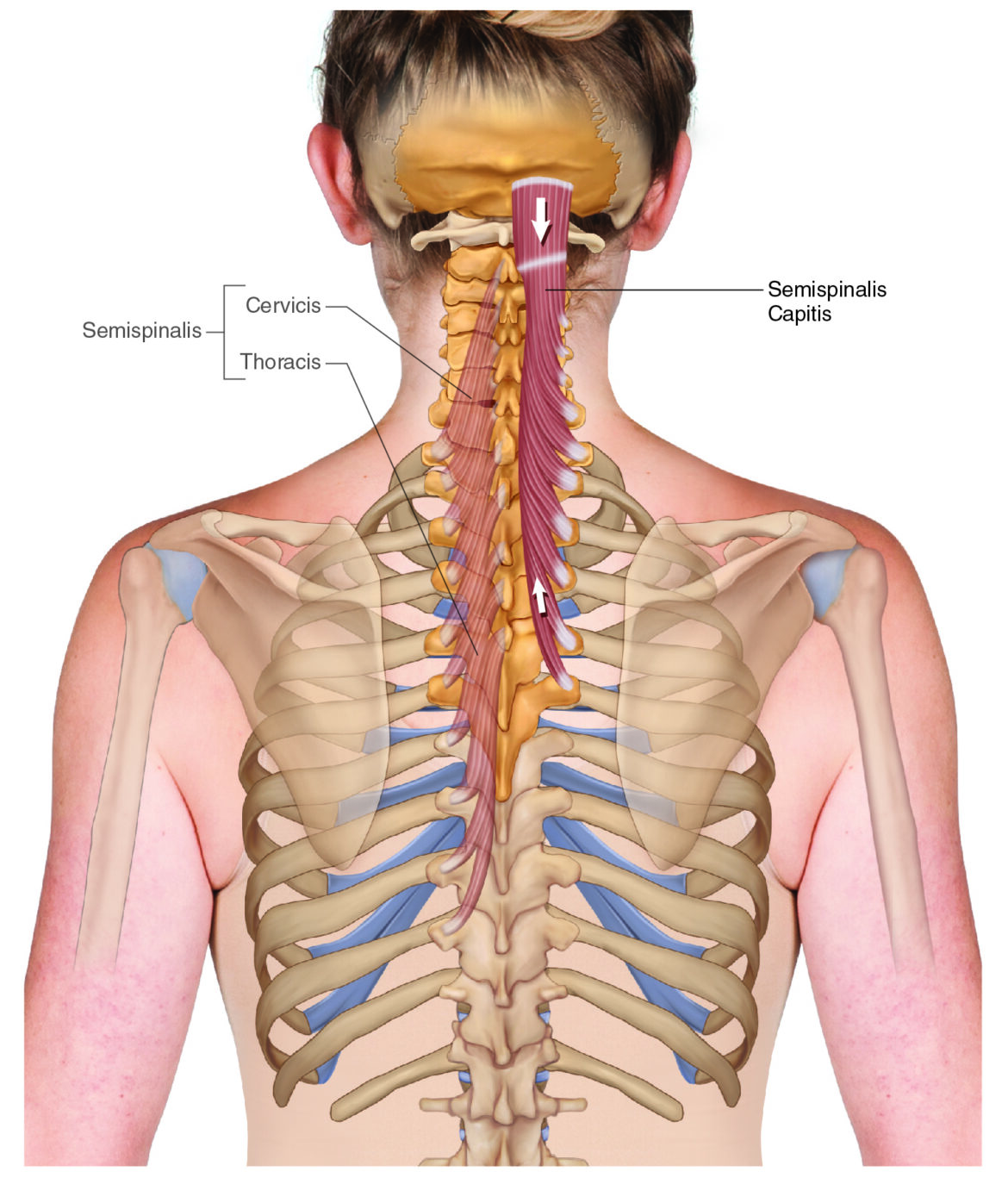
The semispinalis capitis is the largest muscle in the back of the neck — and the most overlooked cause of posterior neck pain. Learn how to assess, palpate, stretch, and massage it.
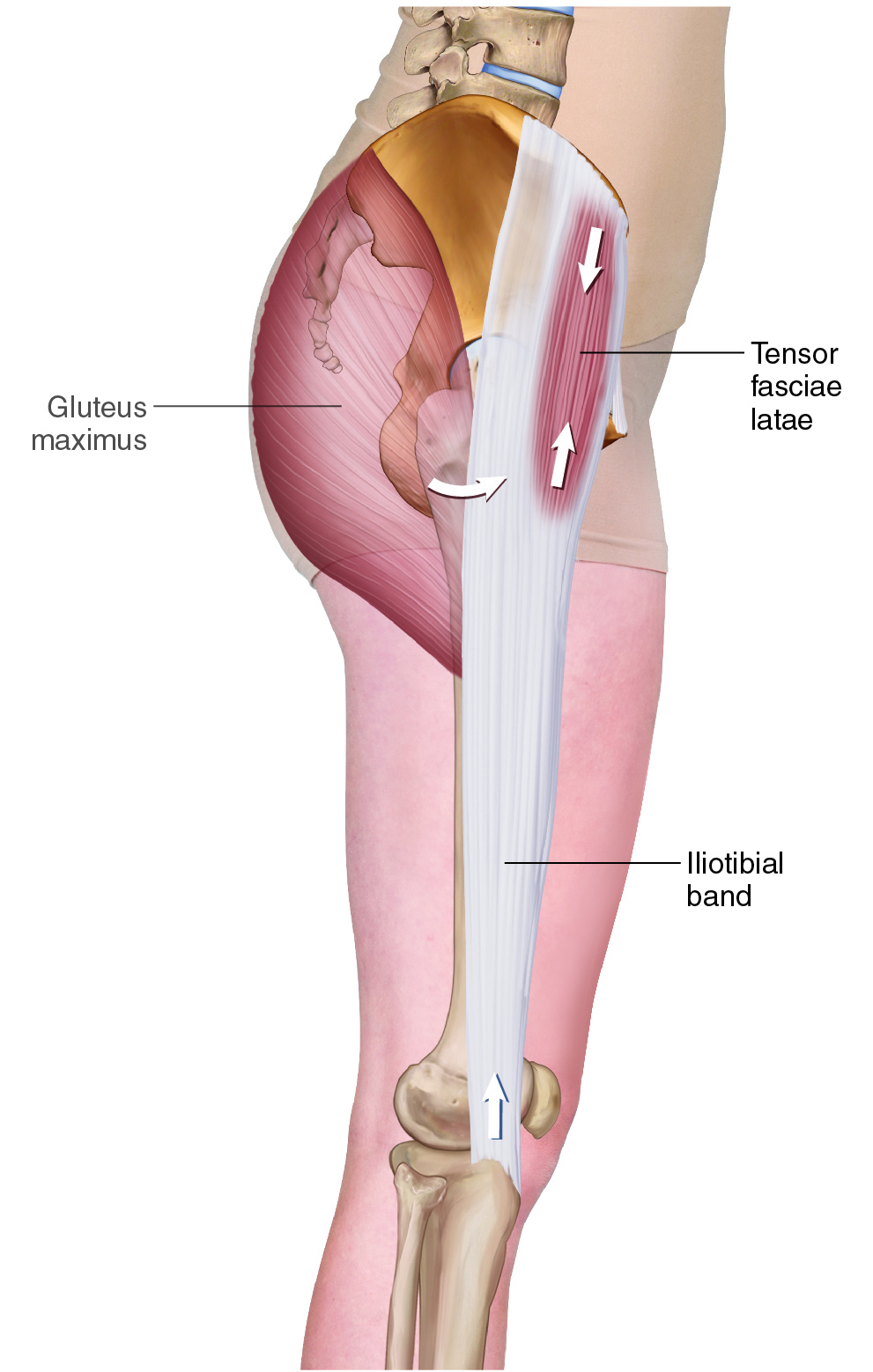
The tensor fasciae latae (TFL) is a hip flexor that is commonly tight, and strongly linked to lower crossed syndrome, and is a key target for massage and stretching.
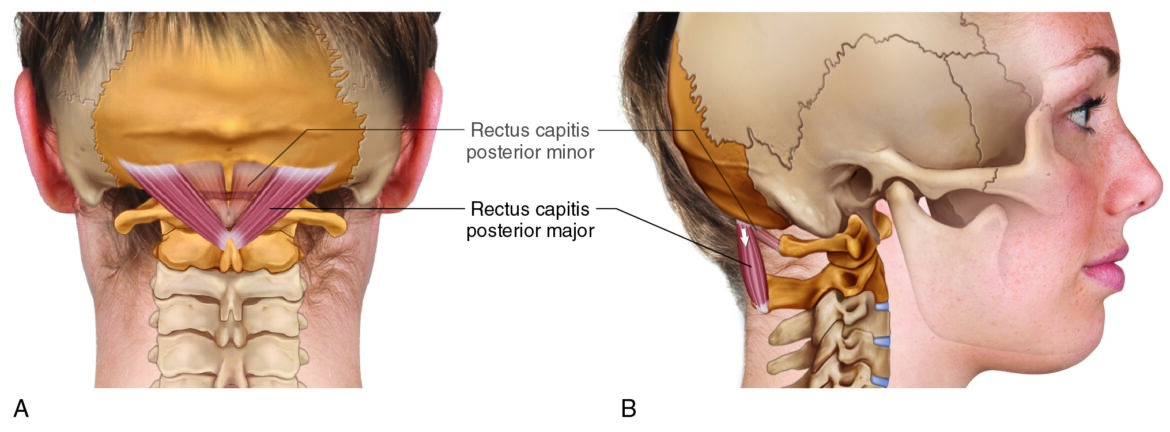
The rectus capitis posterior major (RCPMaj) of the suboccipital group musculature is a small muscle located deep in the superior aspect of the posterior neck, directly inferior to the occiput (hence the name suboccipital). It is an extremely important muscle to know and be able to assess and treat because it is often responsible for clients’ tension headaches.
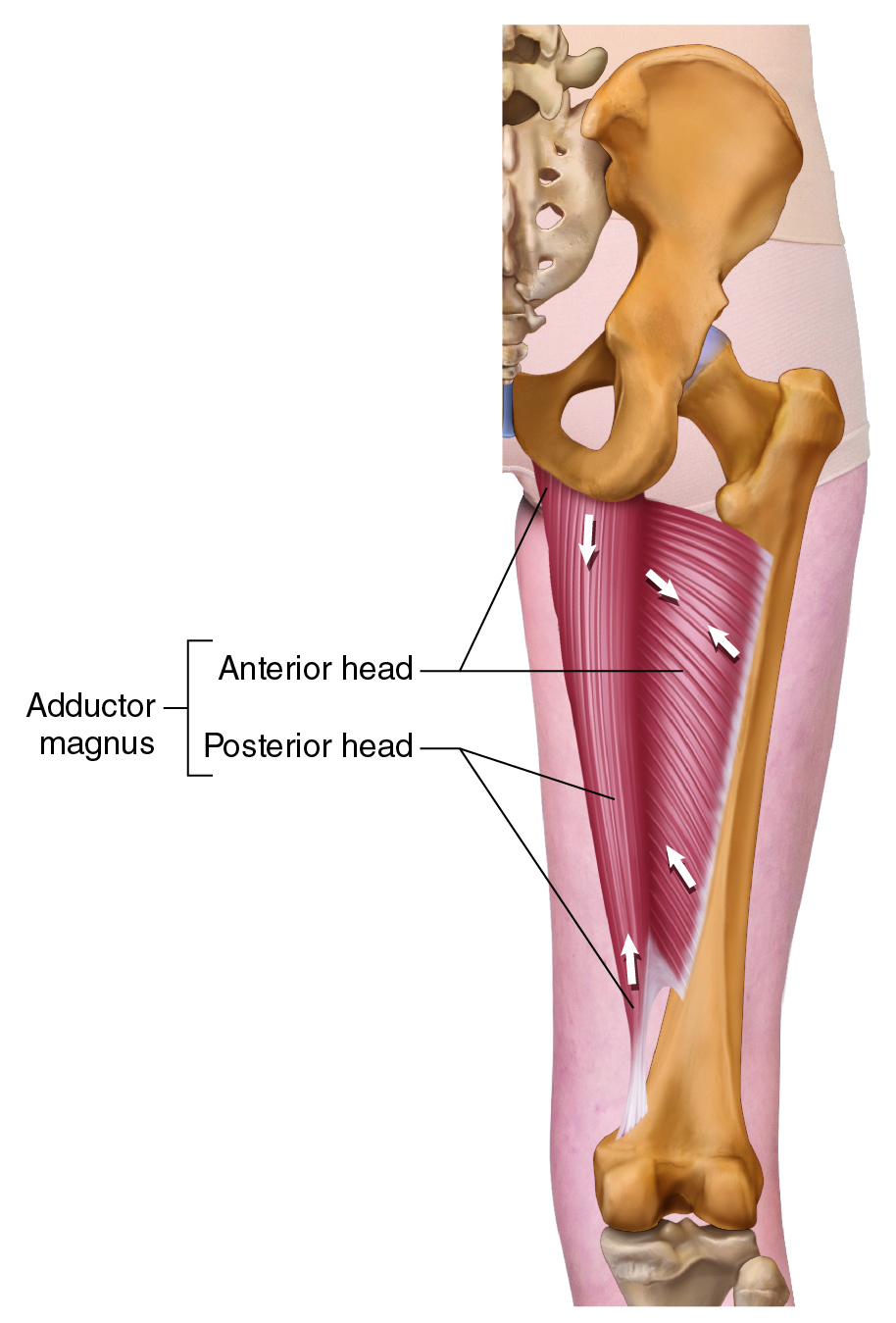
Introduction The adductor magnus is one of the most under-appreciated muscles in the human body. I believe this is because it is essentially deep from both the anterior and posterior views. To truly appreciate this grand muscle, it must be …
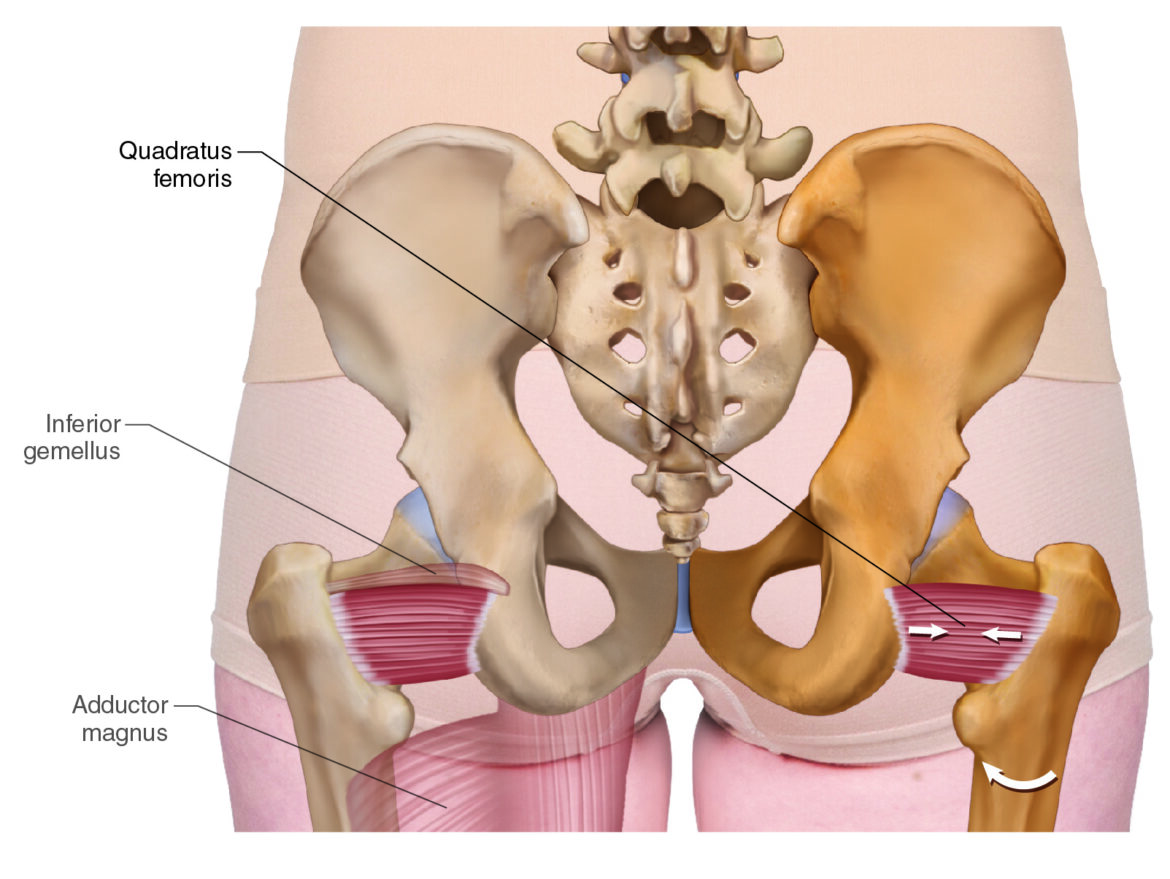
Learn about the quadratus femoris (QF): attachments, open- and closed-chain functions, palpation, stretching, and its overlooked role in gluteal pain.
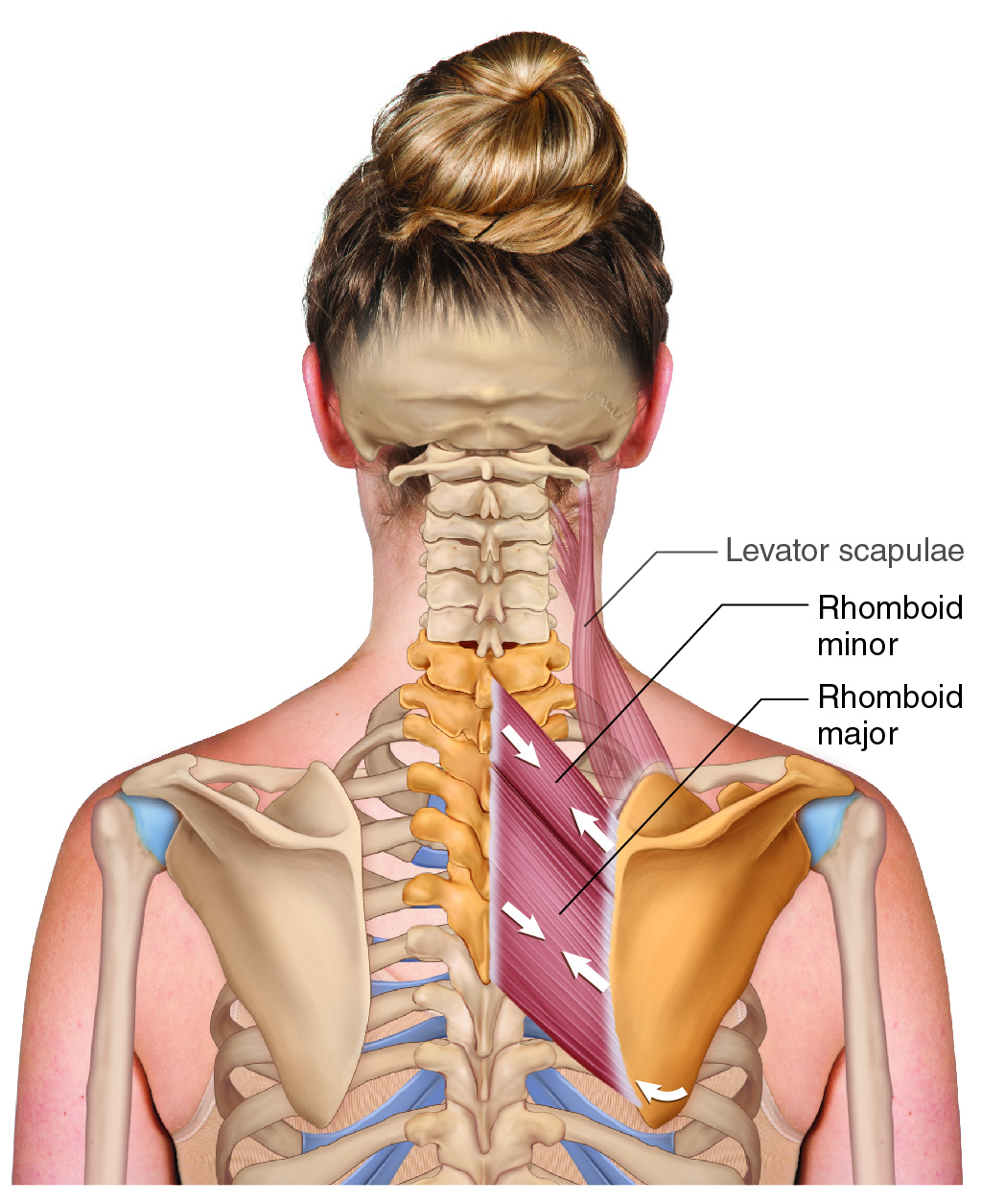
The rhomboids are unusually important to be assessed and appropriately treated because of their involvement in what is likely the most common postural distortion pattern in the human body, upper crossed syndrome.
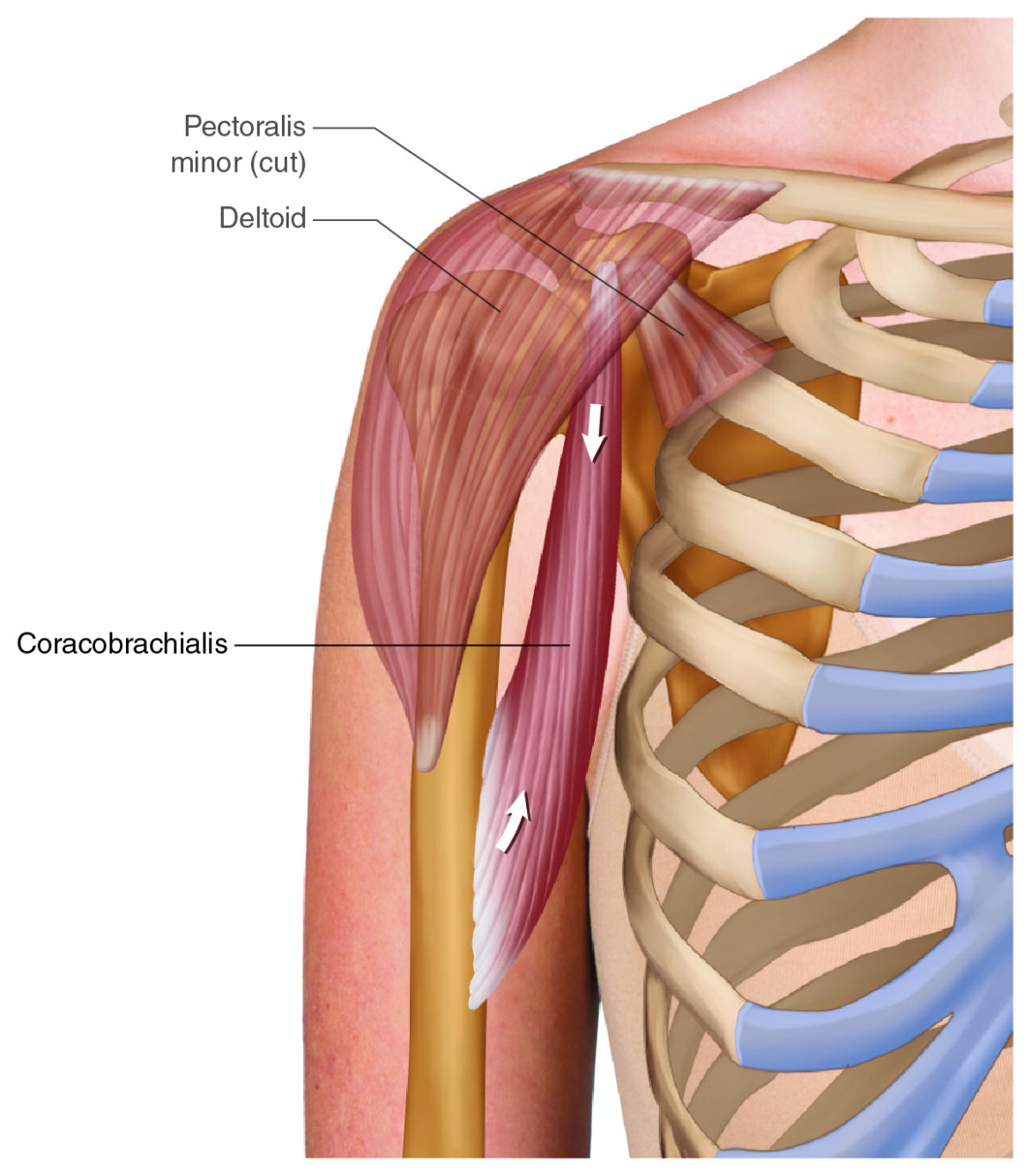
The coracobrachialis is a muscle in the anterior compartment of the upper arm. It originates on the coracoid process of the scapula and inserts on the medial shaft of the humerus. It performs flexion and adduction at the glenohumeral joint and serves as a key teaching muscle for core kinesiology concepts including open-chain vs. closed-chain movement, cardinal-plane vs. oblique-plane motion, and anatomic vs. non-anatomic actions.
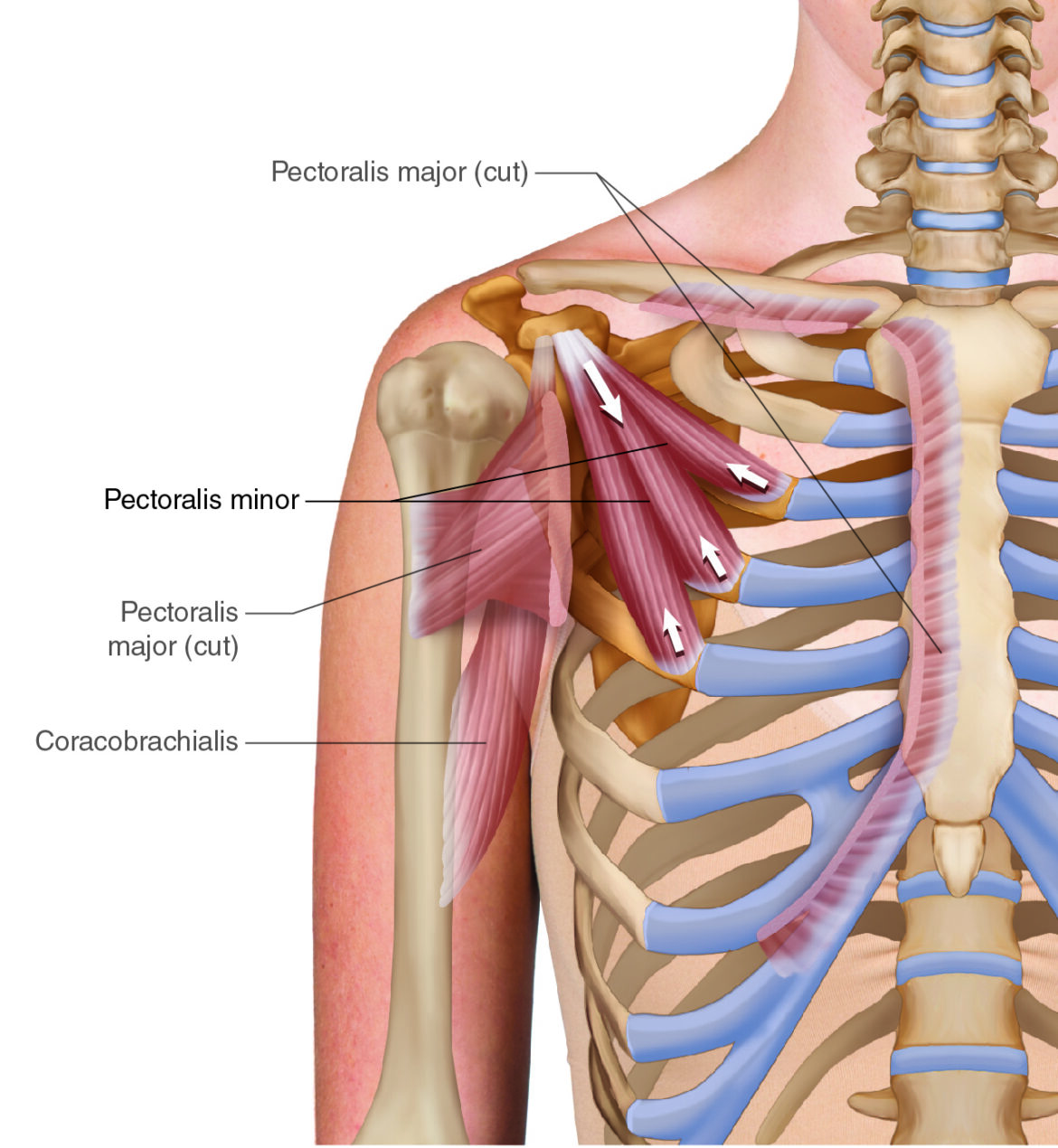
Learn everything about the pectoralis minor muscle — its anatomy, attachments, scapular functions, role in upper crossed syndrome, pectoralis minor syndrome (thoracic outlet syndrome), palpation technique, and stretching. Essential for massage therapists and manual therapy clinicians.
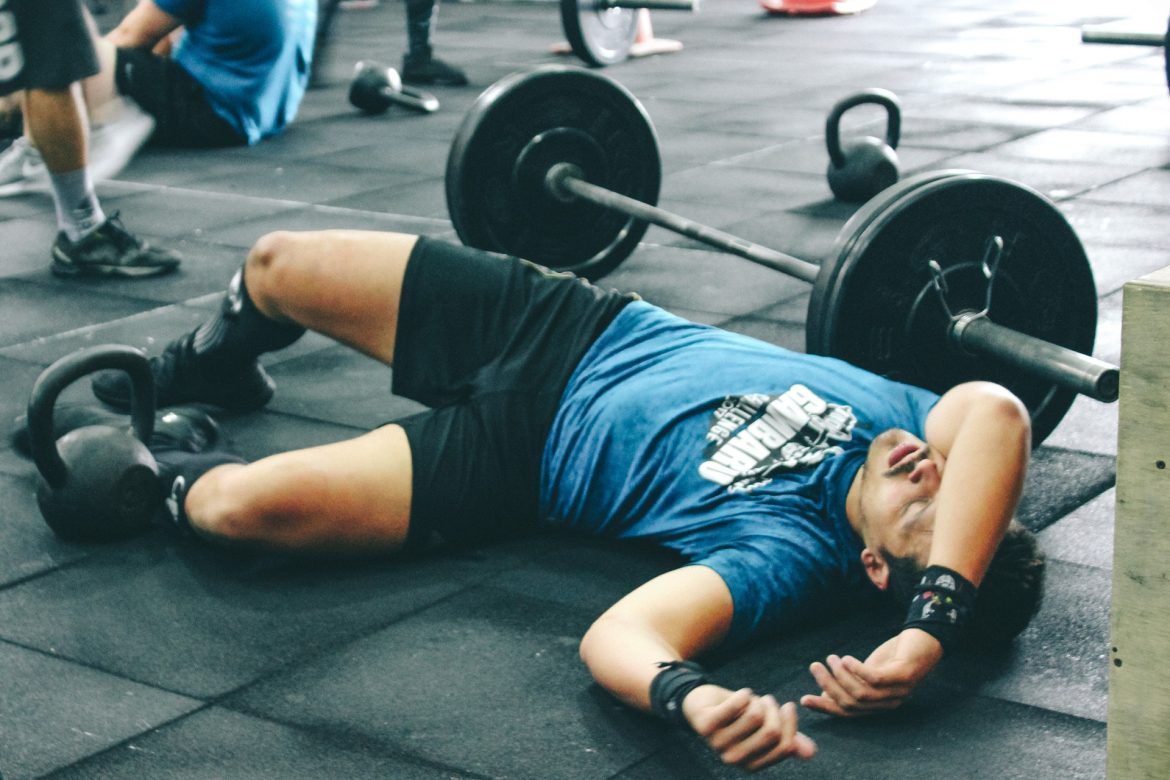
The authors concluded that massage appears to be the most effective method that was studied for reducing DOMS and perceived fatigue.
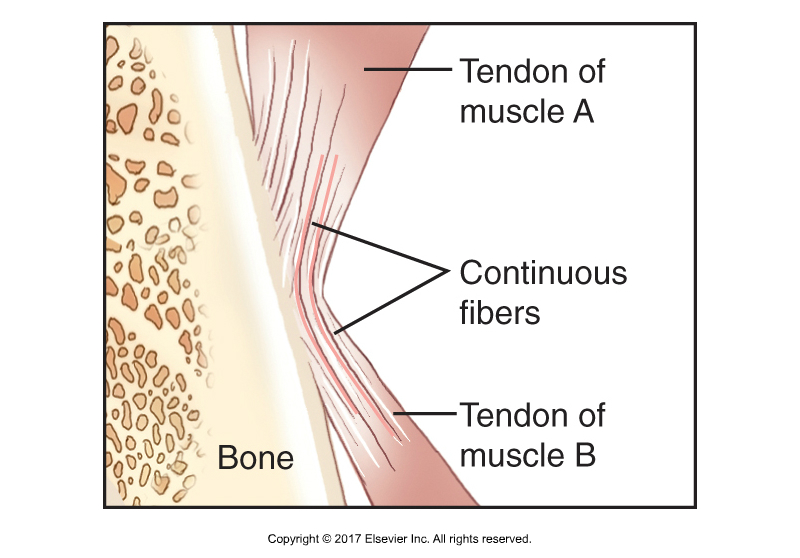
There is a very simple exercise you can do to illustrate the continuity in the Superficial Back Line myofascial chain between gastrocnemius and hamstrings.
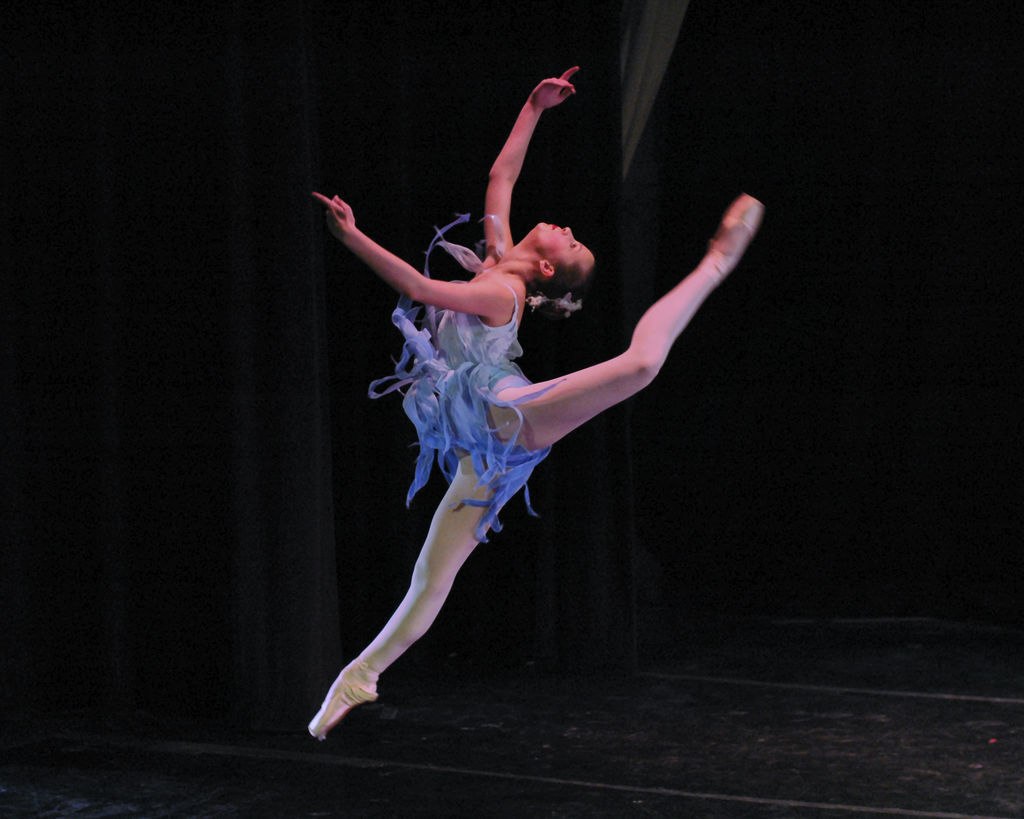
The authors suggested that experienced dancers demonstrate safer landing strategies compared to recreational athletes. Dance training experience may provide protection against high-risk movement patterns. And thus, dance training may be modeled to prevent ACL injuries.
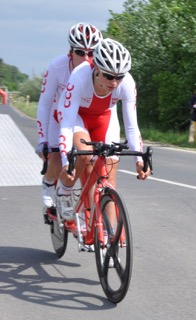
The results showed that massage therapy afforded significant improvement for sleep, muscle tone (tightness), and recovery from workout while in training for paracyclists.
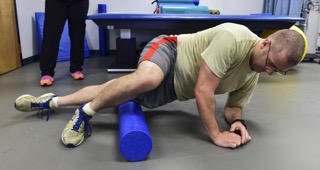
This study showed evidence that foam rolling induced modulation of spinal nervous system excitability (in other words, change in the sensitivity of the muscle spindle reflex).
The question should be asked: Why might walking be helpful for patients with low back pain? Although many mechanisms might be proposed, some likely scenarios are that walking strengthens, stretches, and mobilizes the myofascial tissues/joints of the lumbosacral-hip joint region.
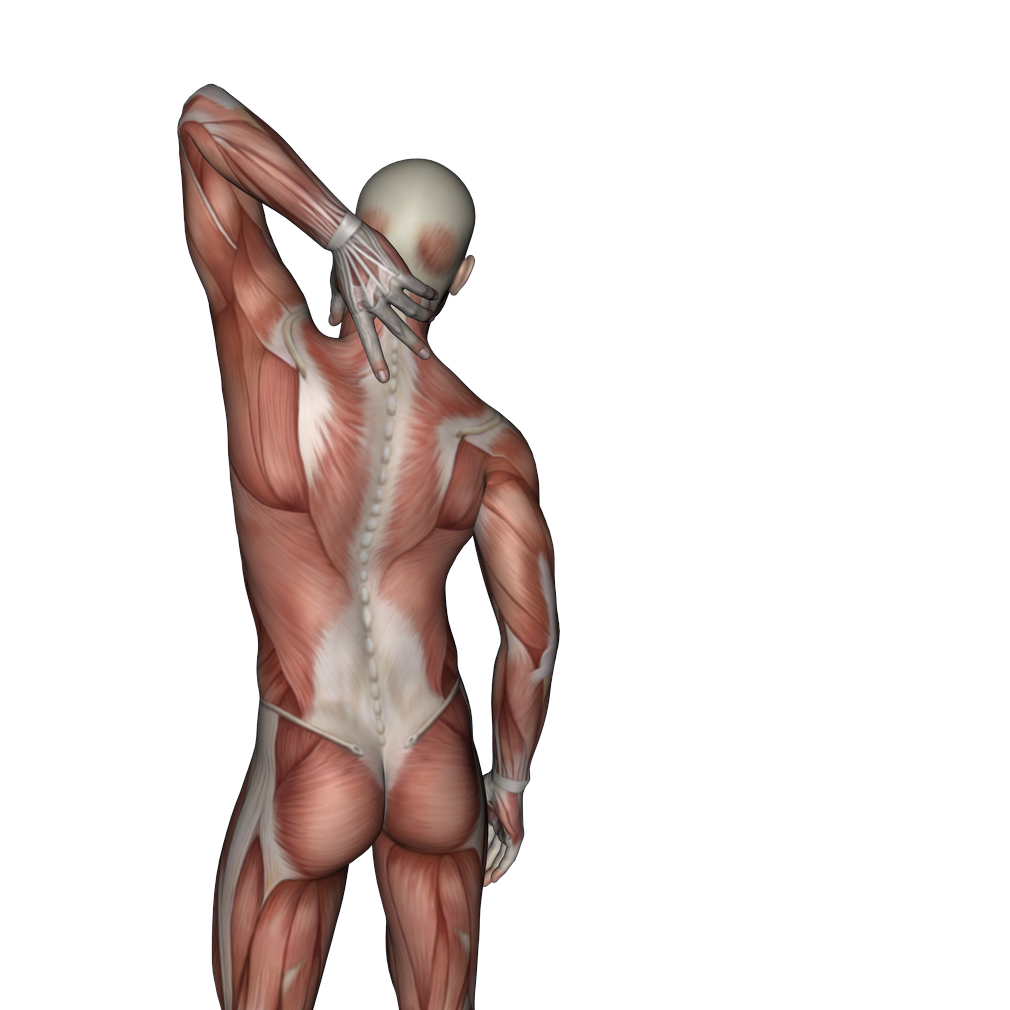
The researchers found that the only intervention to clearly improve neck pain that was supported by the evidence in these studies was targeted neck and shoulder musculature strengthening exercise.
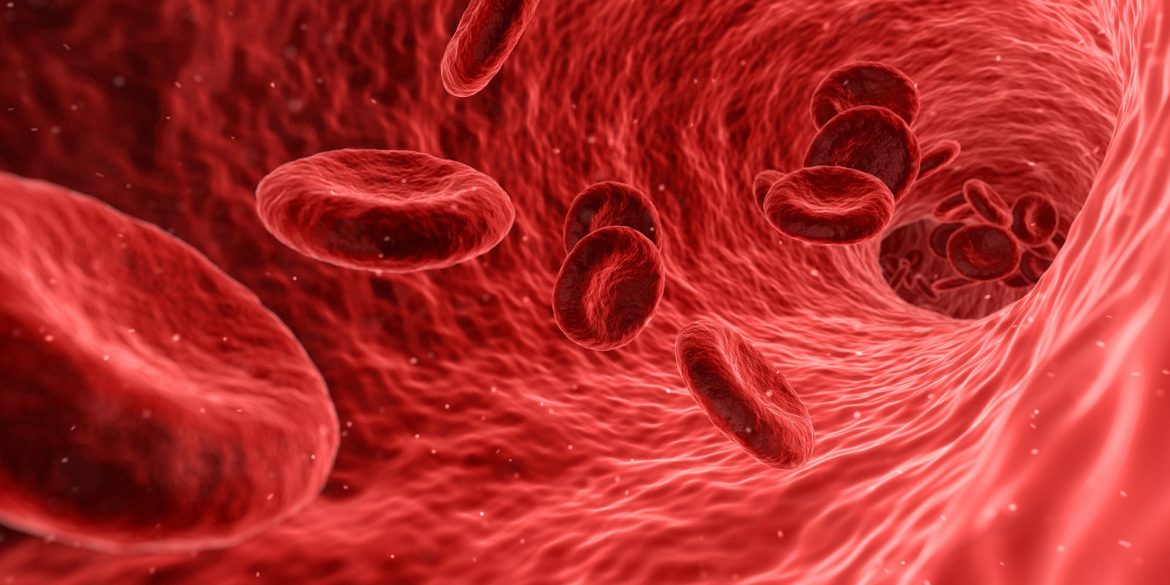
Regardless of the underlying mechanism, there seems to be a growing number of studies that do show a correlation between massage therapy and blood circulation. Although these studies at present seem to be inconsistent in their findings, the fact that many of them do show a causal relationship is encouraging.
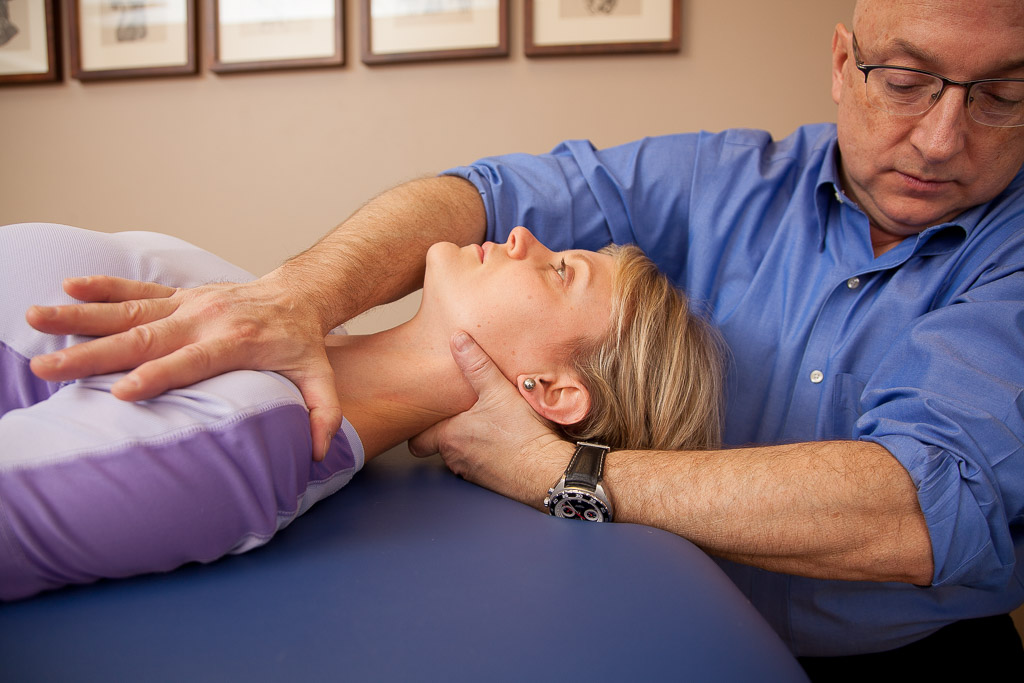
Are we really able to singularly and specifically isolate fascia…, to the exclusion of all other tissue… to create change? To that I am quite uncertain.
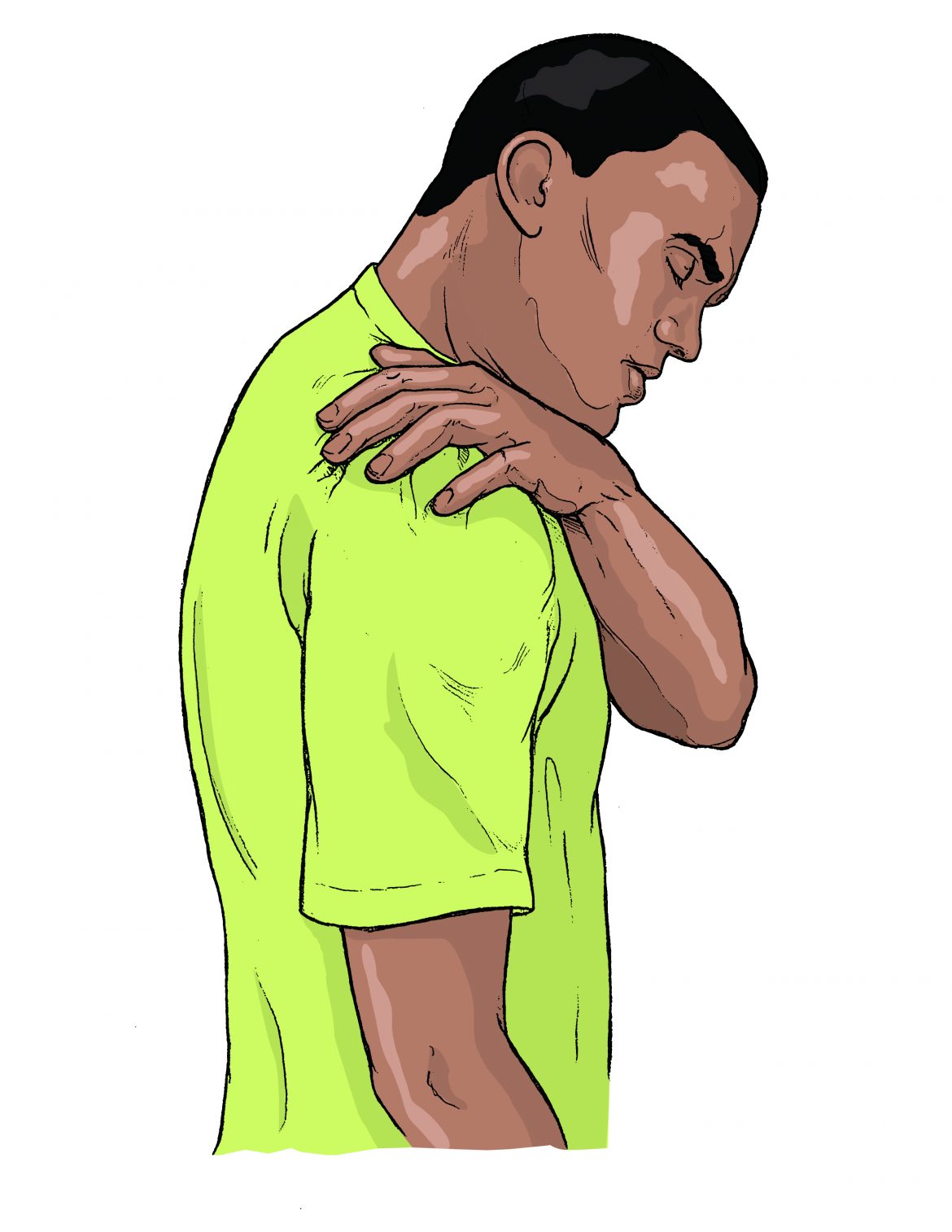
Our brain produces sensations according to the credible believable evidence that is present, not just from the sensory information from that body part.
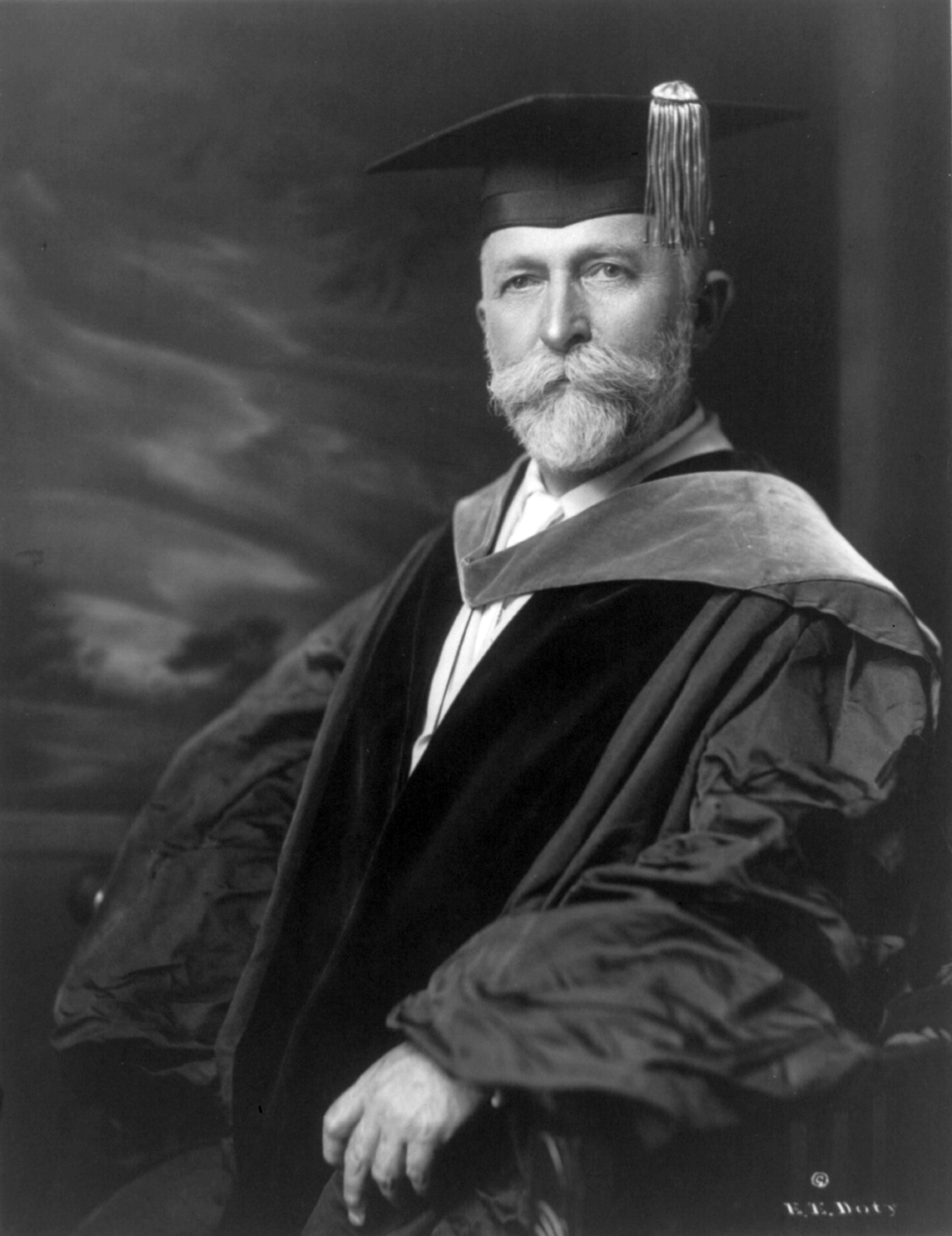
John Harvey Kellogg (1852-1943), best known for his corn flakes, was an American physician who pioneered health food movement in the late 19th century, and also wrote a book on The Art of Massage.
Think of the health history as a written and verbal conversation between the therapist and the client about the client’s health.
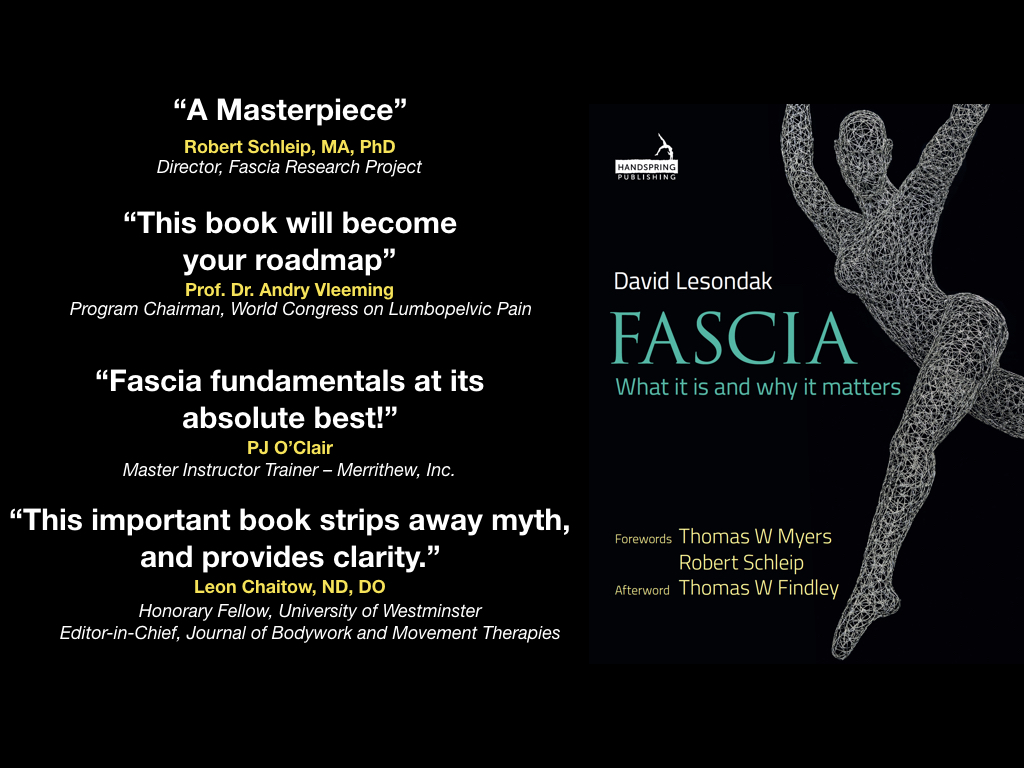
For me, fascia is the big picture. It’s a tissue and a system and it has connections from each individual cell all the way to the brain.
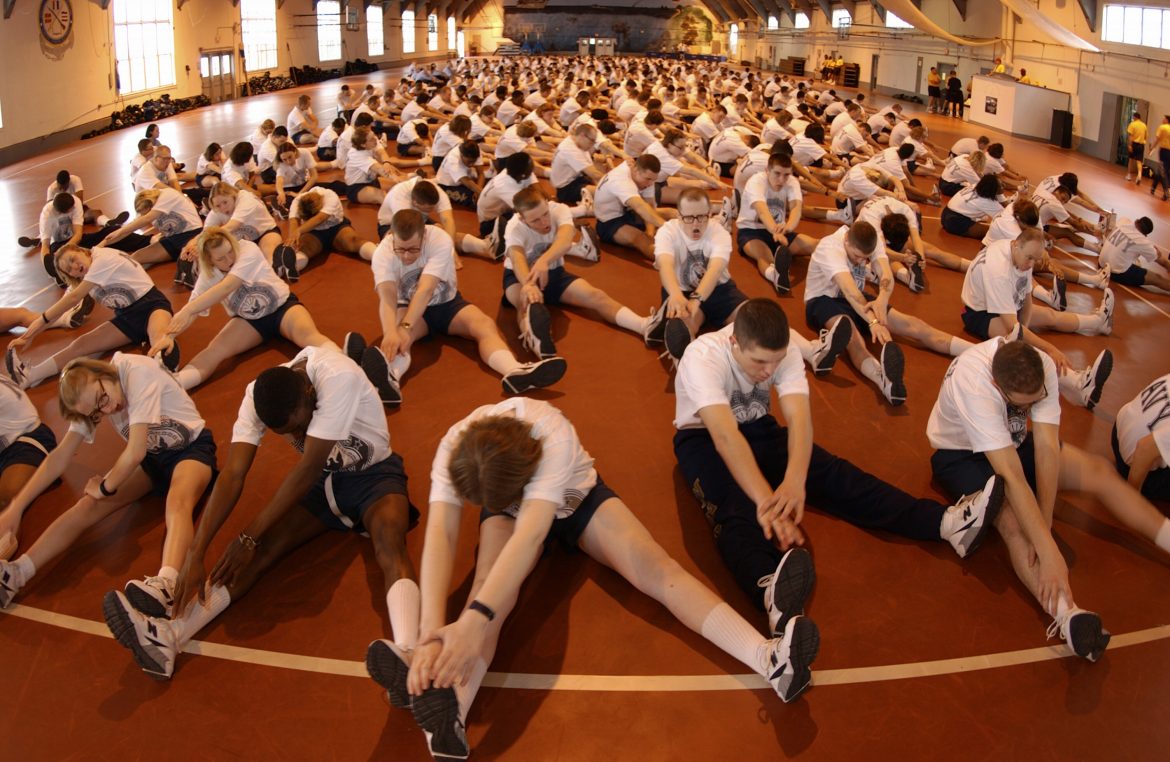
The survey found that all-cause mortality risk (including cardiovascular disease and cancer) was approximately 30% lower in the three “active” groups compared to “inactive” group.
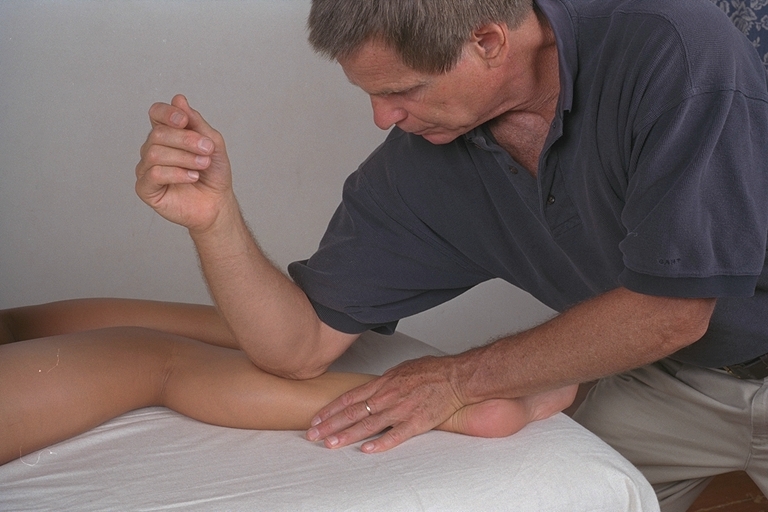
The line along the continuum between “regular” and deep tissue massage is not sharp and can’t be clarified by a list of techniques.
