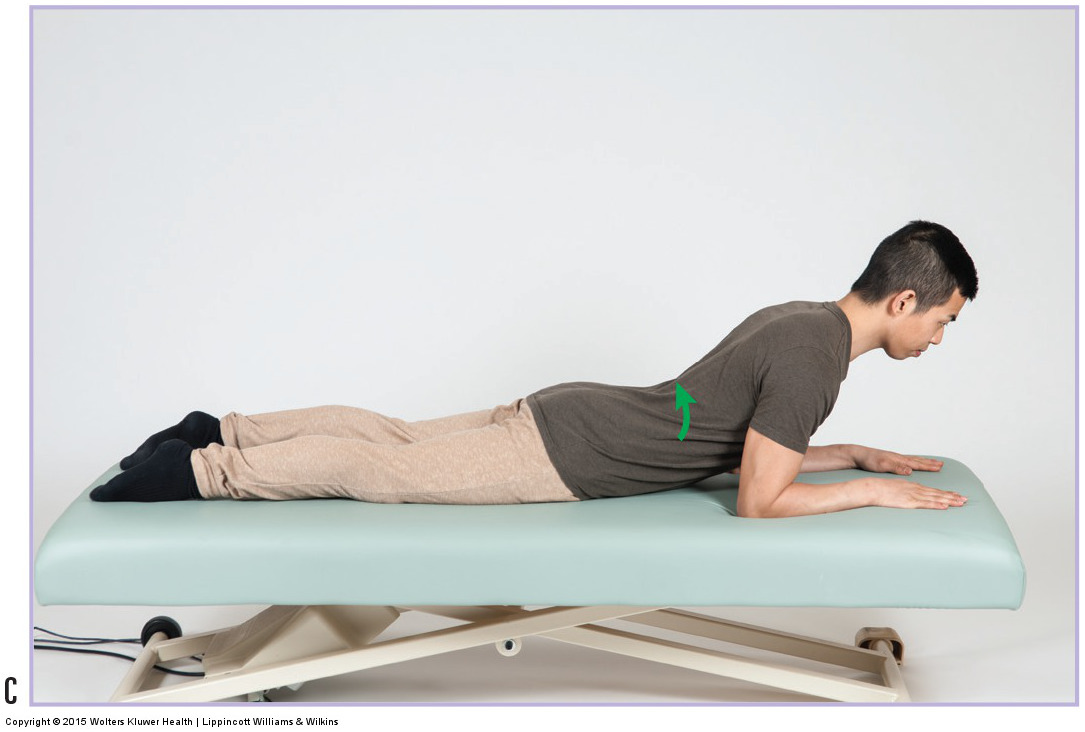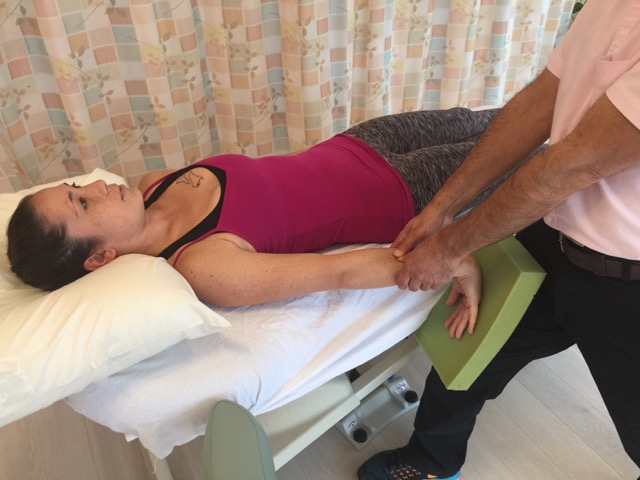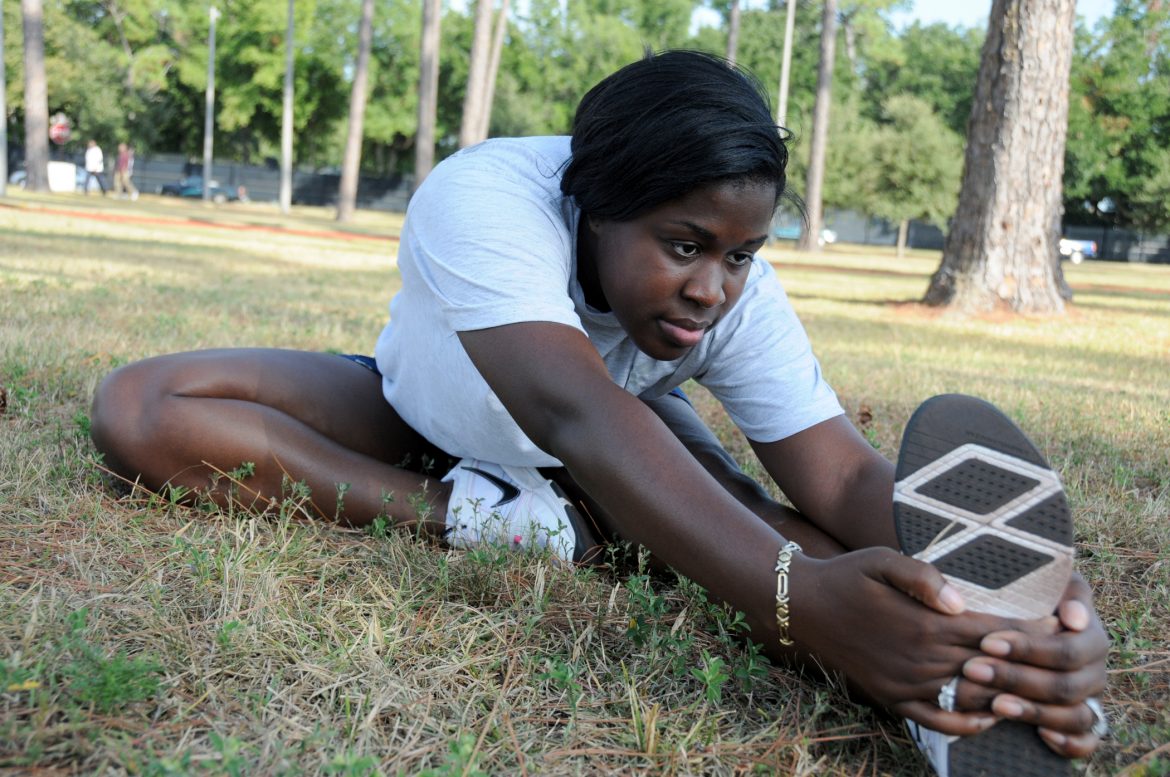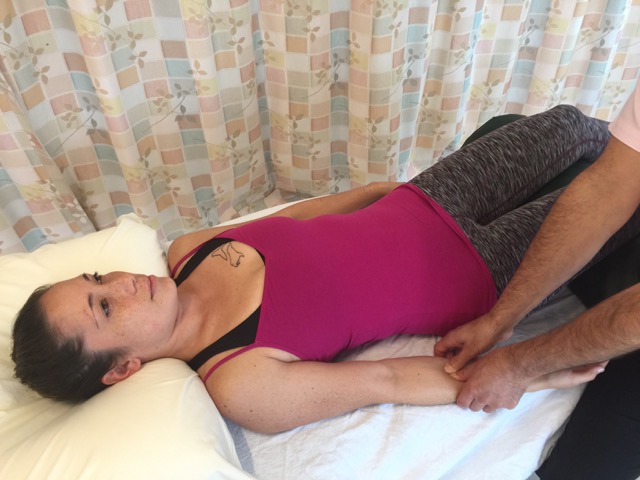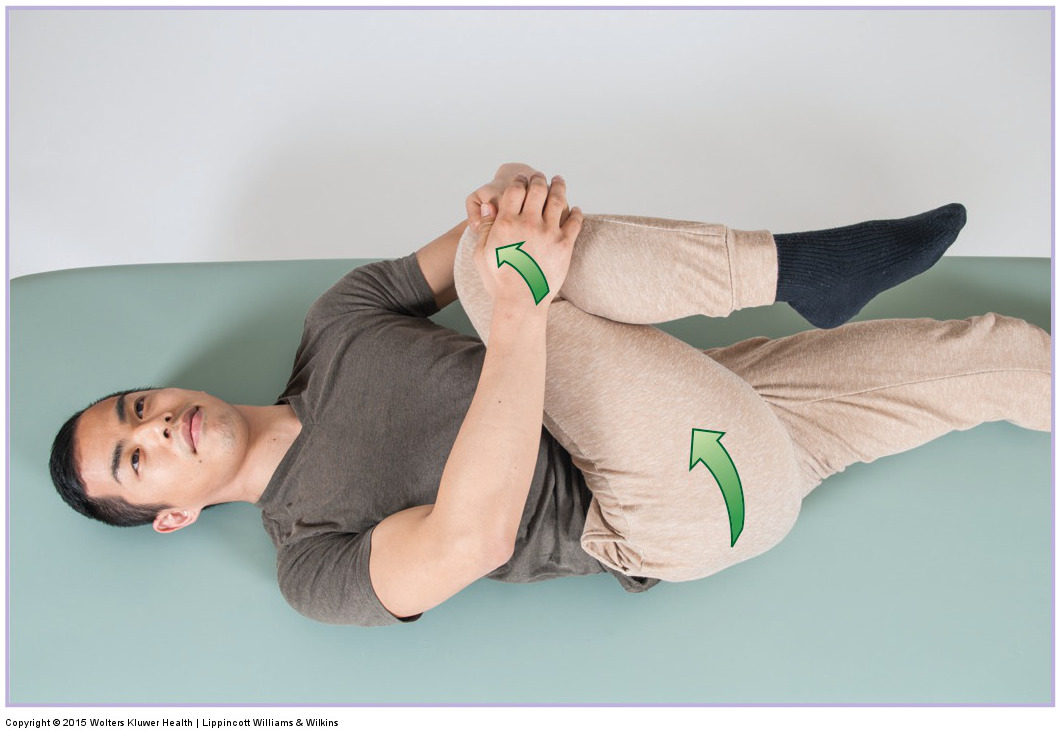
Case Study: Kori is a 30-year-old store clerk. Her low back has been tight for as long as she can remember, but she never had any pain until recently.
What are the self-care and medical approaches to De Quervain’s Syndrome?
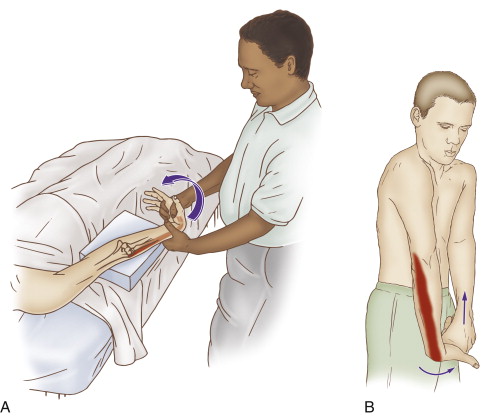
Perhaps the most important self-care advice for De Quervain’s syndrome is to avoid as much as possible offending postures and activities of the thumb.
What are the self-care and medical approaches to lower crossed syndrome?
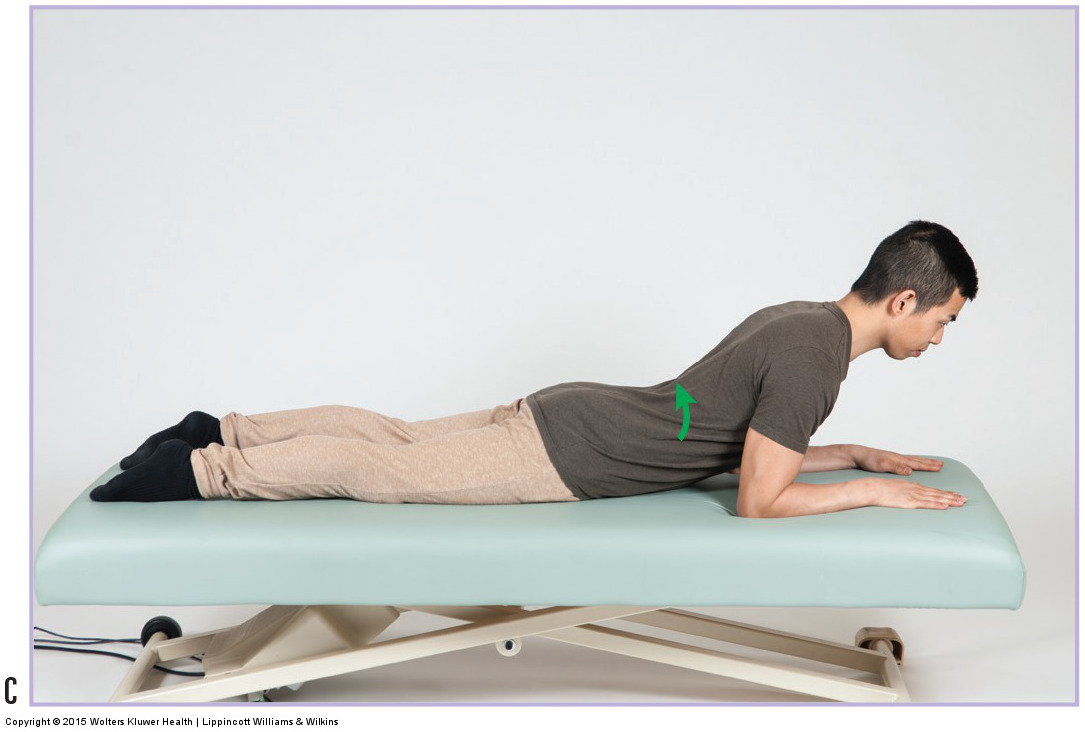
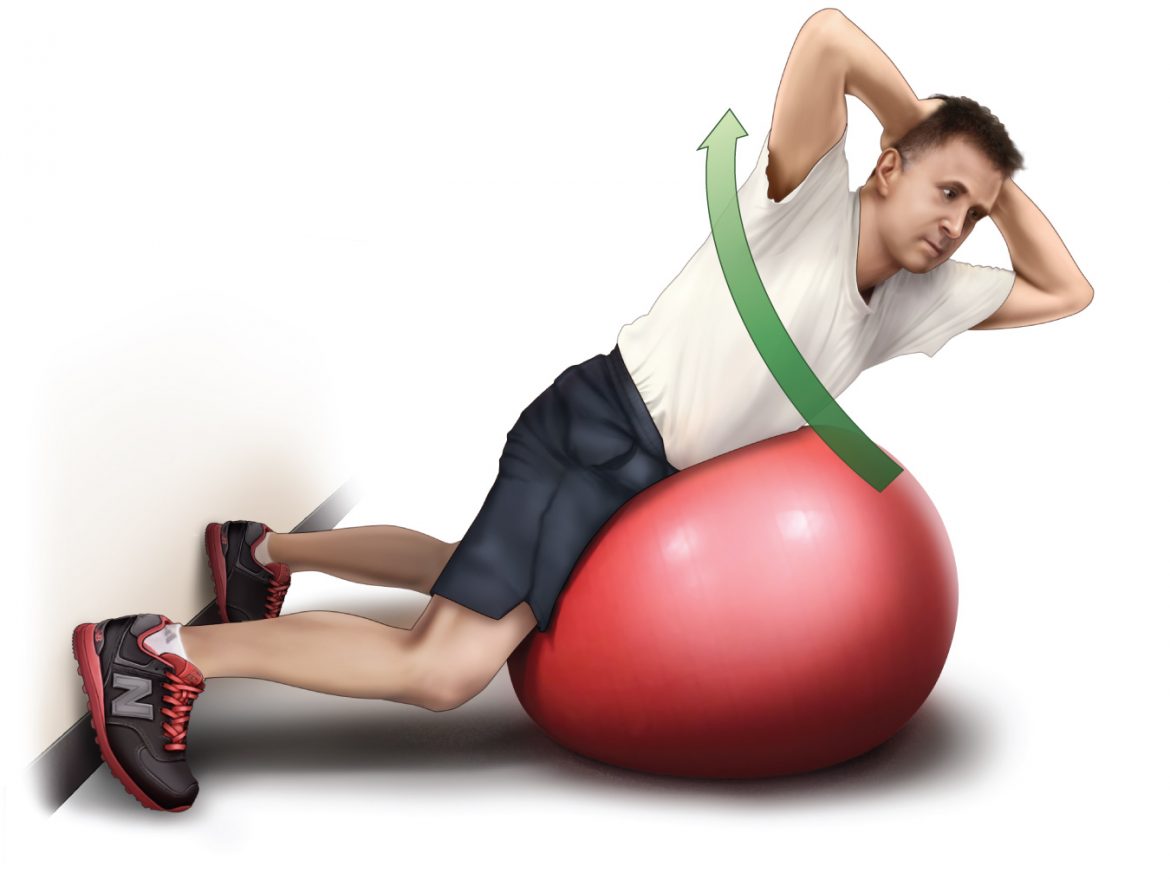
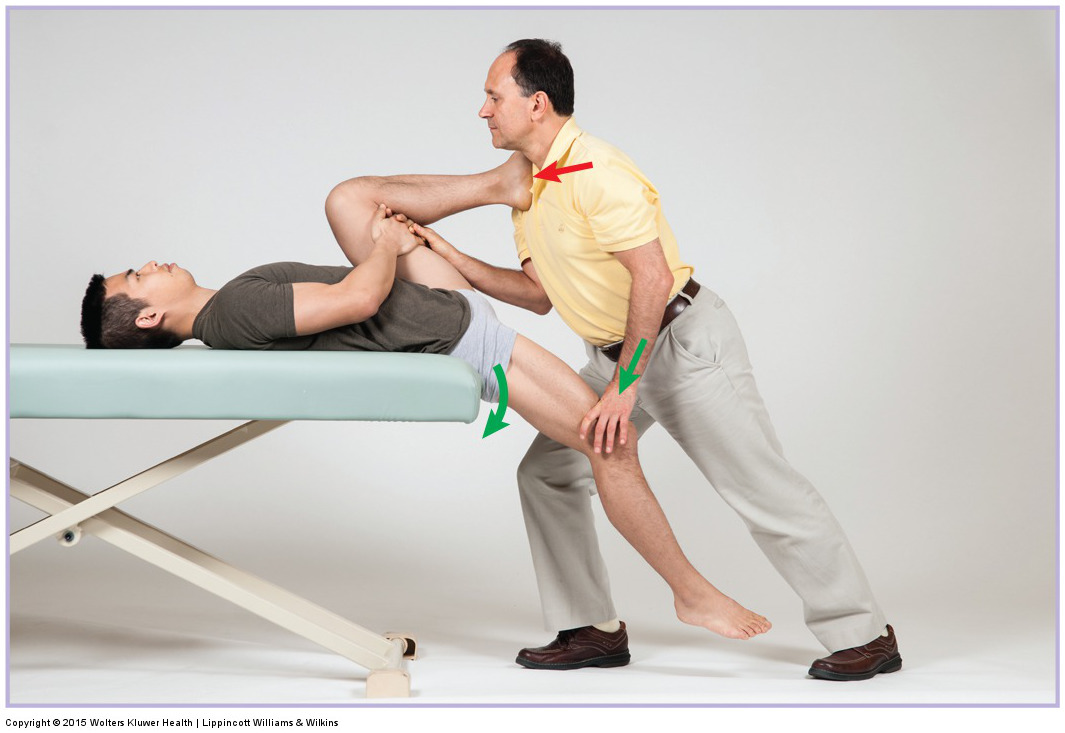
For the client with lower crossed syndrome, it is also important to recommend moist heat followed by stretching of the low back and hip flexor musculature.
How do we treat iliotibial band friction syndrome with manual therapy?
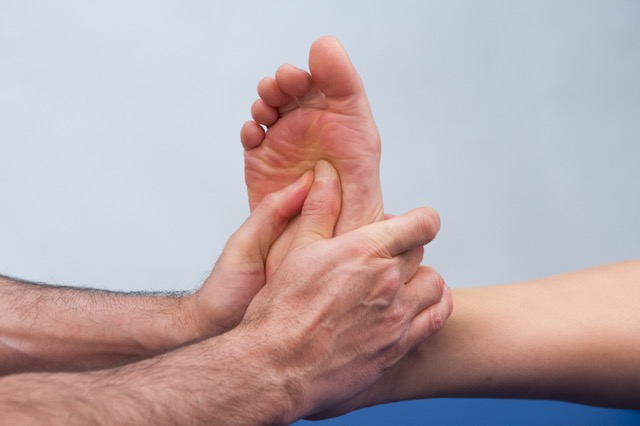
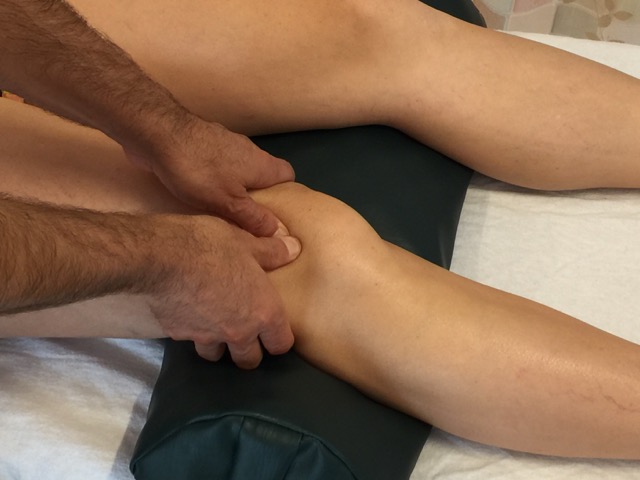
Manual therapy for iliotibial band friction syndrome is directed toward reducing the inflammation of the condition and correcting its underlying cause.
How do we treat spasmed low back muscles with manual therapy?
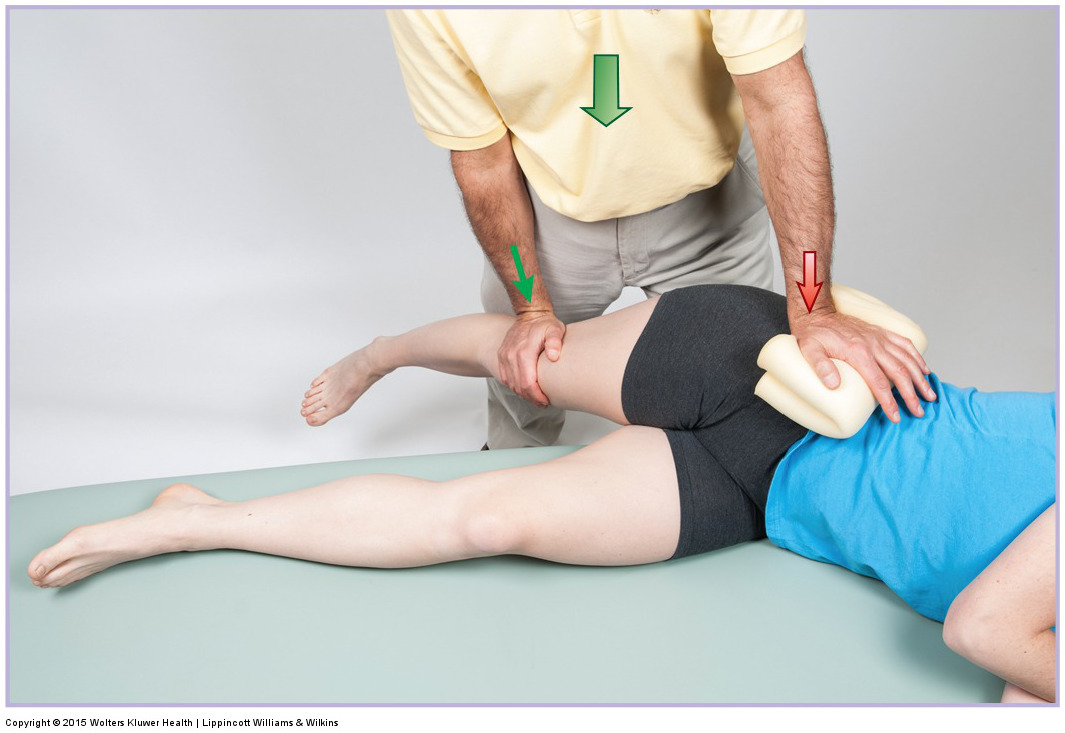
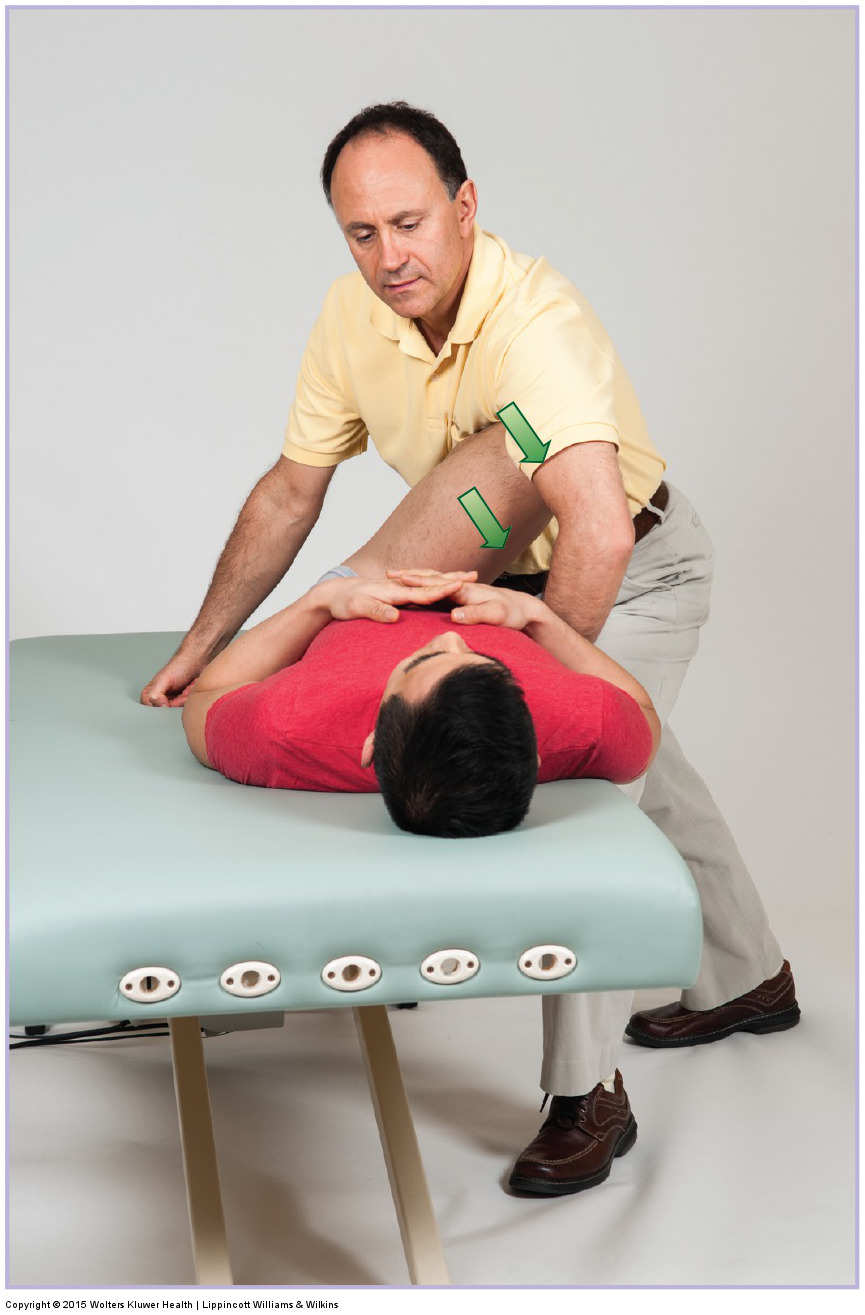
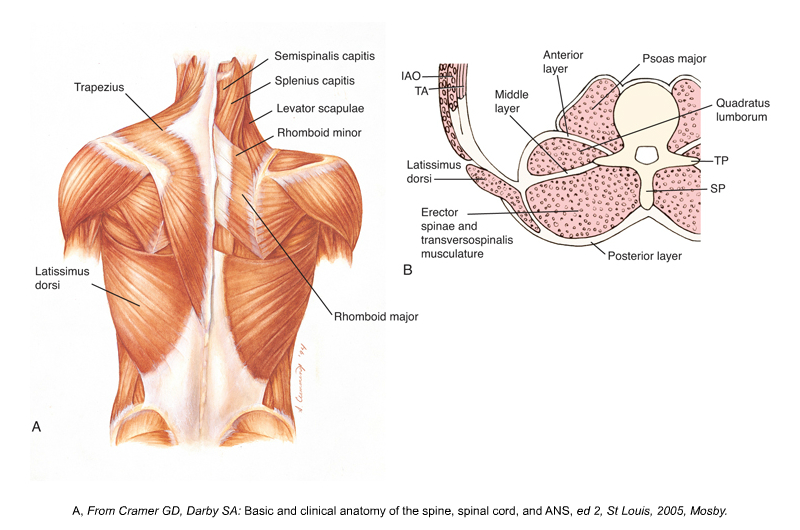
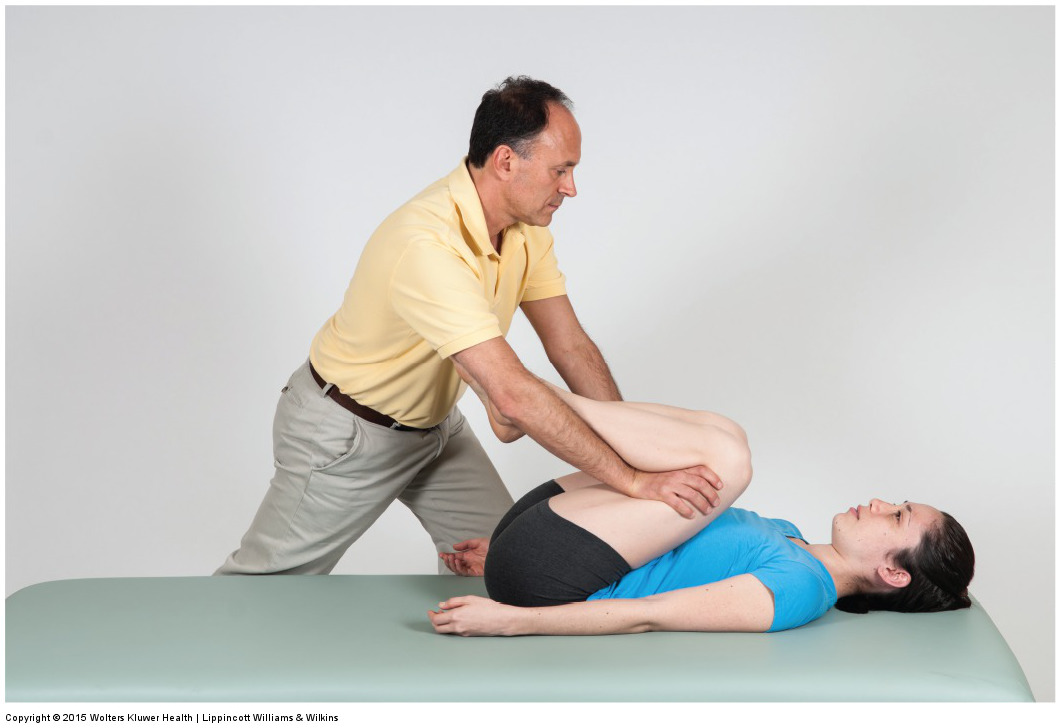
Manual therapy treatment for low back muscle tightness involves hot and cold hydrotherapy, soft tissue manipulation, stretching, and joint mobilization.
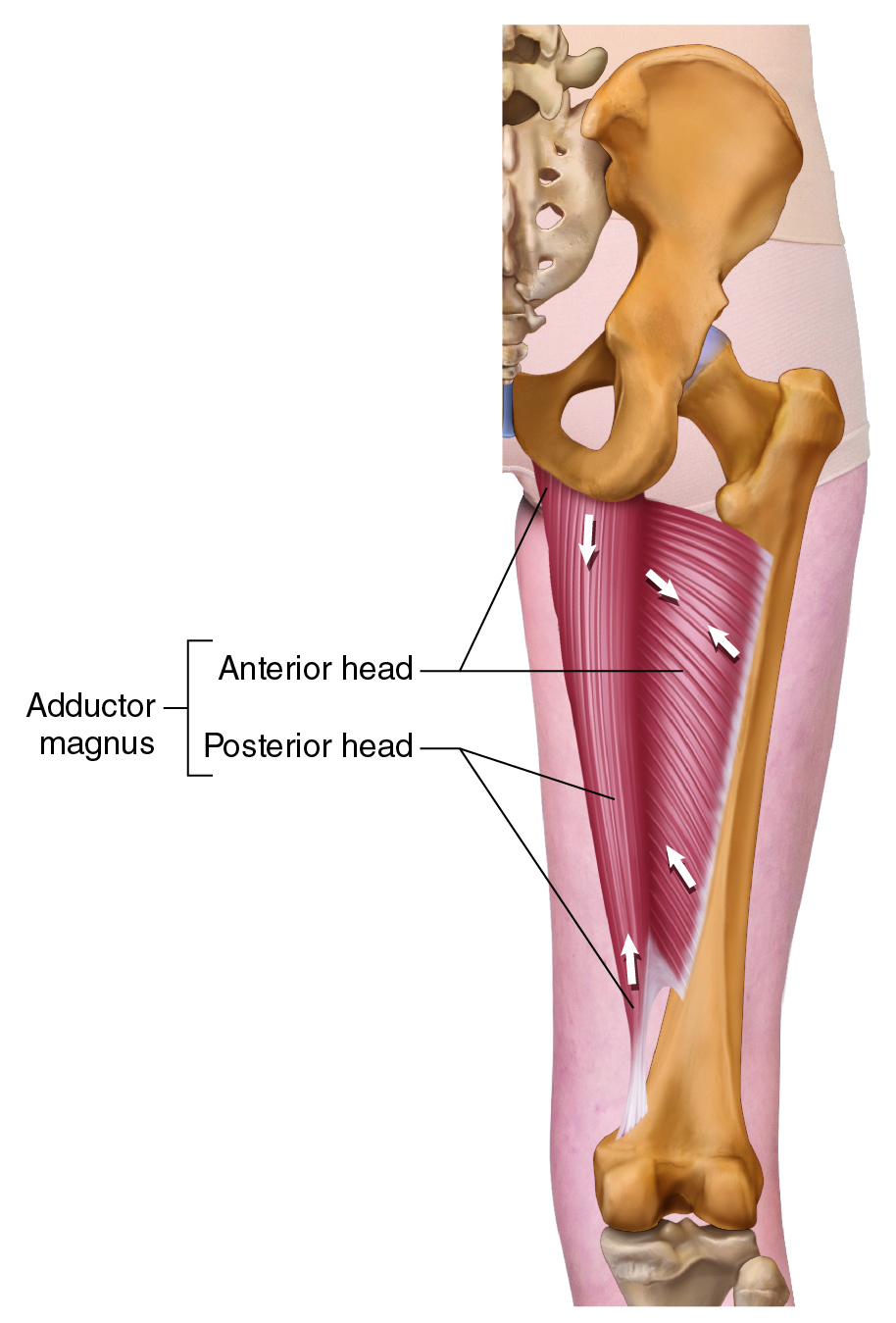
What are the self-care and medical approaches to adductor strain?
Self-care for the client/patient during the acute stage of an adductor strain (groin pull) is RICE: rest, ice, compression, and elevation.
How do we treat frozen shoulder with manual therapy?
Manual therapy stretching and joint mobilization are two essential treatment modalities when working on a client with frozen shoulder.
How do we treat hamstring strain with manual therapy?
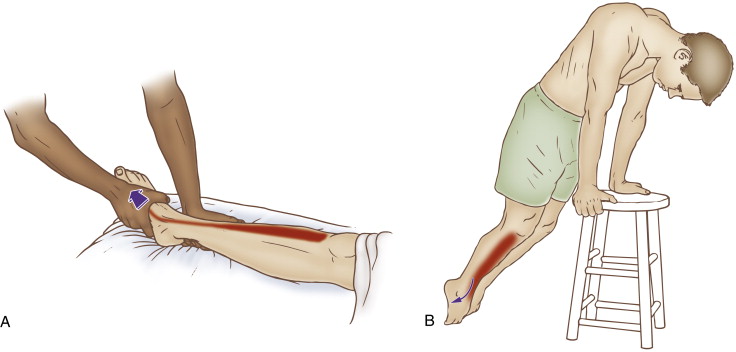
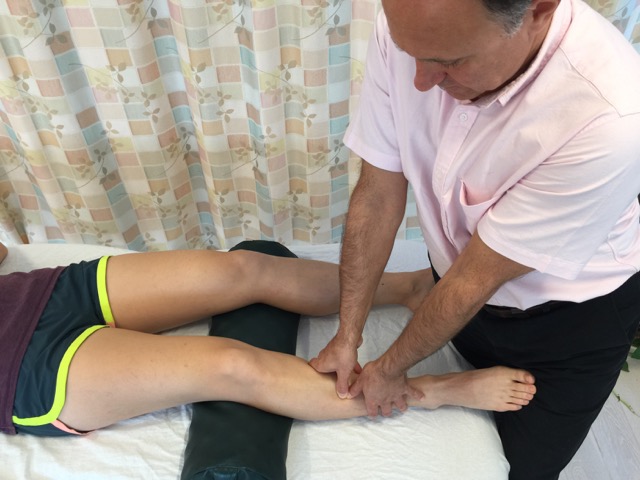
The goal of manual therapy for a chronic hamstring strain is to decrease hamstring hypertonicity and help promote healthy scar formation.
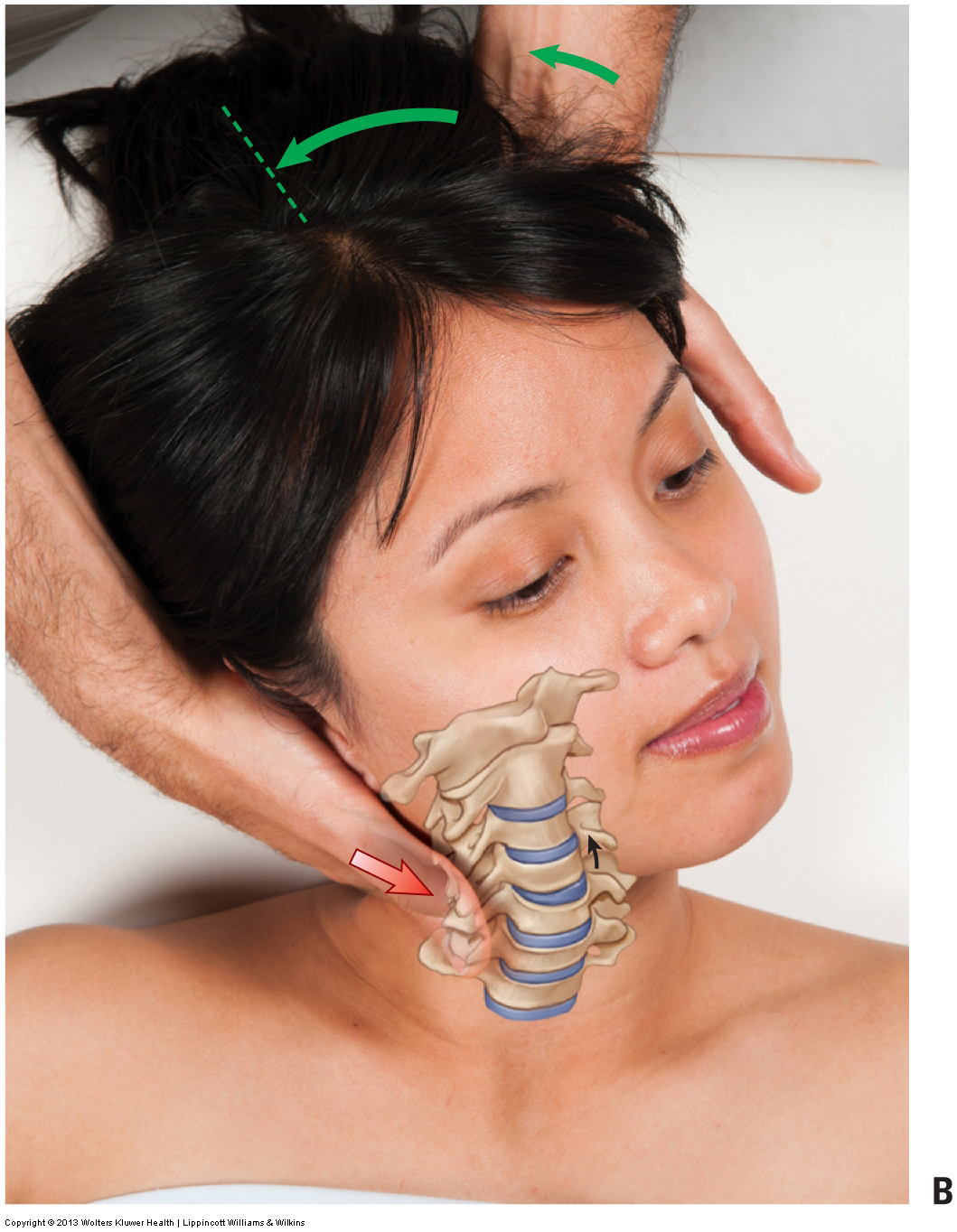
How do we treat spasmed neck muscles with manual therapy?
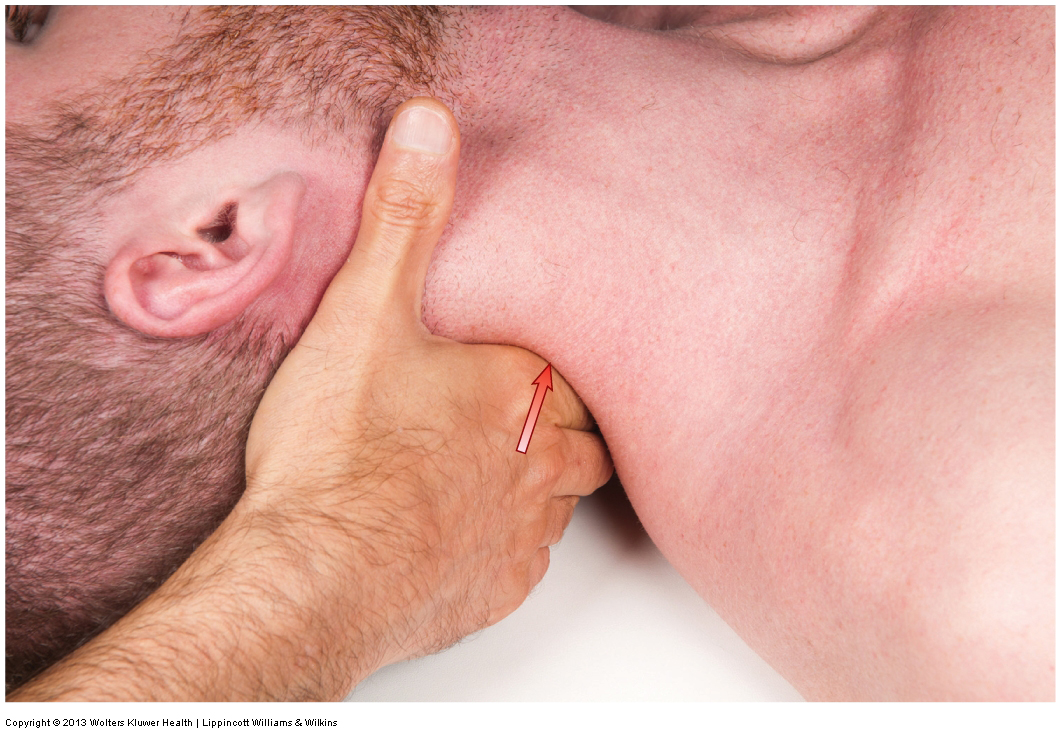
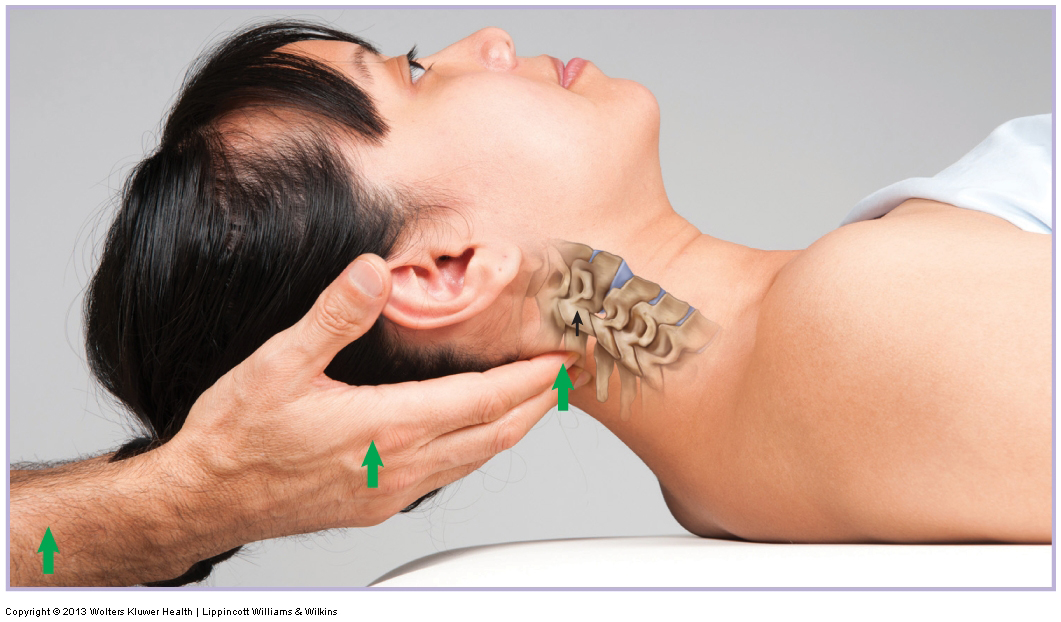
Manual therapy treatment: Manual therapy treatment for spasmed muscles of the neck (tightness of neck musculature) includes all the major soft tissue technique tools. Heat hydrotherapy, soft tissue manipulation, stretching, and joint mobilization (also known as arthrofascial stretching/AFS). It is …
Self-care and medical approaches to iliotibial band friction syndrome
Self-care for iliotibial band friction syndrome (ITBFS) begins with RICE: rest, ice, compression, and elevation. And offending activities should be avoided.
Effect of Stretching on Fascial Injury and Movement Restriction
Research has shown that fascial injury with resultant movement restriction caused loss of fascial mobility on the opposite side of the body..
How do we treat low back strains and sprains with manual therapy?
For a low back strain / sprain, because the muscles of the low back are so large and powerful, the first goal of manual therapy is to reduce the spasming.
What are the self-care and medical approaches to hamstring strain?
Moist heat & stretching are beneficial for chronic hamstring strain to prevent muscular hypertonicity, myofascial trigger points, and myofascial adhesions.
What are the self-care and medical approaches to meralgia paresthetica?
Self-care for meralgia paresthetica: heat and stretching of the involved muscles, and removing the physical stress factors that contribute to the condition.
How do we assess (diagnose) a client with Adductor Strain?
During the acute phase of an adductor strain, active adduction range of motion and manual resistance to adduction will increase the client/patient’s pain.
The Science of Relaxing Muscles: What You Need to Know
Whether you’re dealing with post-workout soreness, stress-induced tightness, or everyday aches, this guide has you covered.
How do we treat De Quervain’s syndrome with manual therapy?
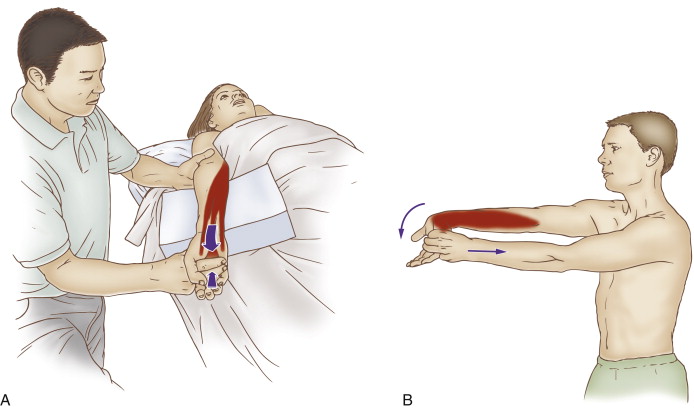
Once present, De Quervain’s syndrome (De Quervain’s disease) can be challenging to resolve, but manual therapy treatment can be very beneficial.
How do we treat adductor strain with manual therapy?
Once chronic, manual therapy for an adductor strain is geared toward decreasing muscle tightness, myofascial trigger points, and fascial adhesions.
How do we treat Tennis Elbow with manual therapy?
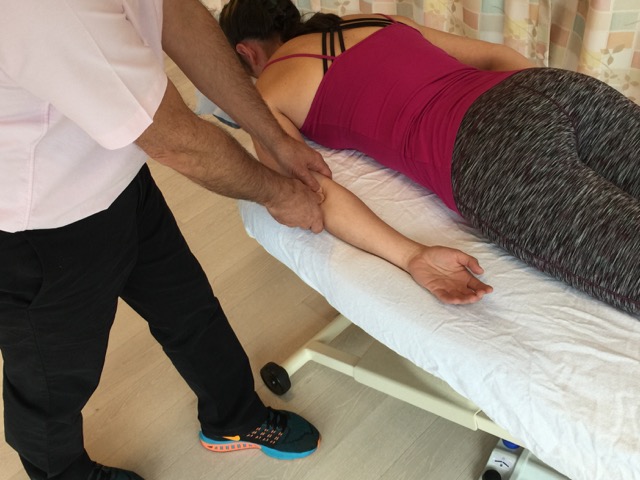
A good manual therapy protocol for tennis elbow is fascial spreading, longitudinal and cross fiber strokes, and pin and stretch to the posterior forearm.
How do we treat Golfer’s Elbow with manual therapy?
A good protocol for manual therapy for golfer’s elbow involves fascial spreading, longitudinal and cross fiber strokes, and pin and stretch technique.
Different Types Of Stretching That Can Help With Muscle Flexibility
Are you tired of feeling tense, sore, or stiff? Stretching, a form of exercise that lengthens your muscles by extension or movement, can aid flexibility and mobility.
ASK Dr. Joe – “Ask Me Anything”
I am creating a new blog post feature to my content called Ask Dr. Joe, or perhaps better put, Ask Me Anything*. With Ask Me Anything, you can write to me by email (joseph.e.muscolino@gmail.com) and ask me any question about: …
Why Stretching is Extremely Important for Student Health
So now we know why we stretch – to benefit our body and mind. Let’s see some techniques of stretching that might be of assistance.
How Exercise and Stretching Improves Sleep Deficiency
Research suggests that moderate aerobic exercise improves the amount we sleep so it can help with sleep deficiency.
Massage Therapy Continuing Education
The value of massage therapy continuing education is often dependent on learning how to apply fundamental skill sets of manual therapy.
Stretching Reduces Cancer Tumor Growth in a Study with Mice
The fact that simple stretching for only 10 minutes per day could reduce cancer tumor growth by 52% in this study involving mice is pretty amazing! Being a manual and movement therapy physician, author, and educator, it is clear to me that the human body needs movement. But to see a 52% improvement was incredible!
Acute Effects of Dynamic Stretching on Muscle Flexibility and Performance
Dynamic stretching’s improvement seems to be related to the increased tissue temperature and increased neural facilitation. Therefore, if the goal of a warm-up is to increase joint ROM and to enhance muscle force and/or power, dynamic stretching seems to be a preferable alternative to static stretching.
Manual Therapy Case Study for Upper Crossed Syndrome
The therapist performed a static assessment of the client’s posture and noted the typical upper crossed syndrome with a hyperkyphotic thoracic spine, a hypolordotic lower cervical spine, a hyperlordotic upper cervical spine, protracted head, protracted scapulae, and medially (internally) rotated arms.
Self-Care and Medical Approaches to Upper Crossed Syndrome
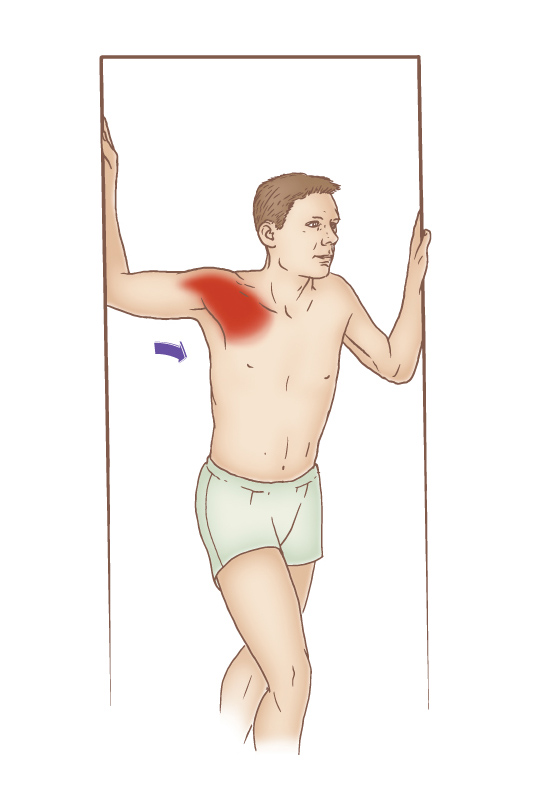
When stretching the pectoralis musculature in a doorway, it is helpful to place the hand/forearm against the doorframe at various heights so that different aspects of the pectoralis musculature are preferentially stretched.
How do we Treat Upper Crossed Syndrome with Manual Therapy?
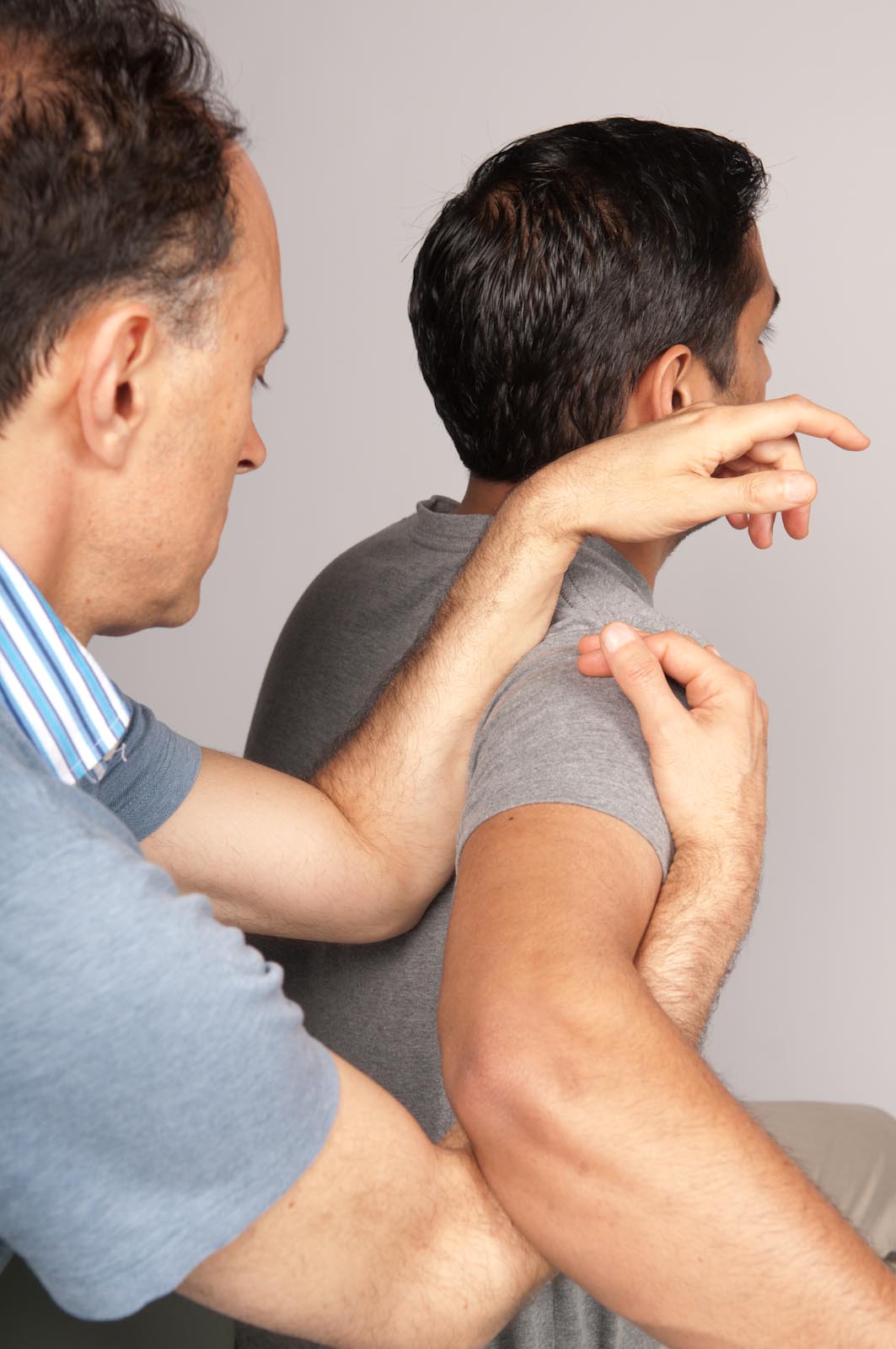
Especially effective for the pectoralis musculature is to use pin and stretch technique. With the client/patient supine and positioned toward the side of the table, pin the musculature with your finger pads as you bring the client/patient’s abducted arm off the side of the table and down into horizontal extension.