Self-care for the client/patient with rotator cuff pathology depends on the specific muscle that is affected and the specific pathology that is present.
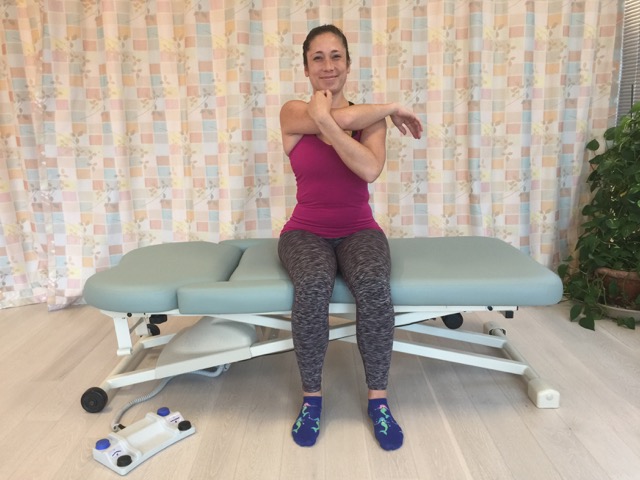
Below you'll find a list of all posts that have been tagged as “stretching”
Self-care for the client/patient with rotator cuff pathology depends on the specific muscle that is affected and the specific pathology that is present.
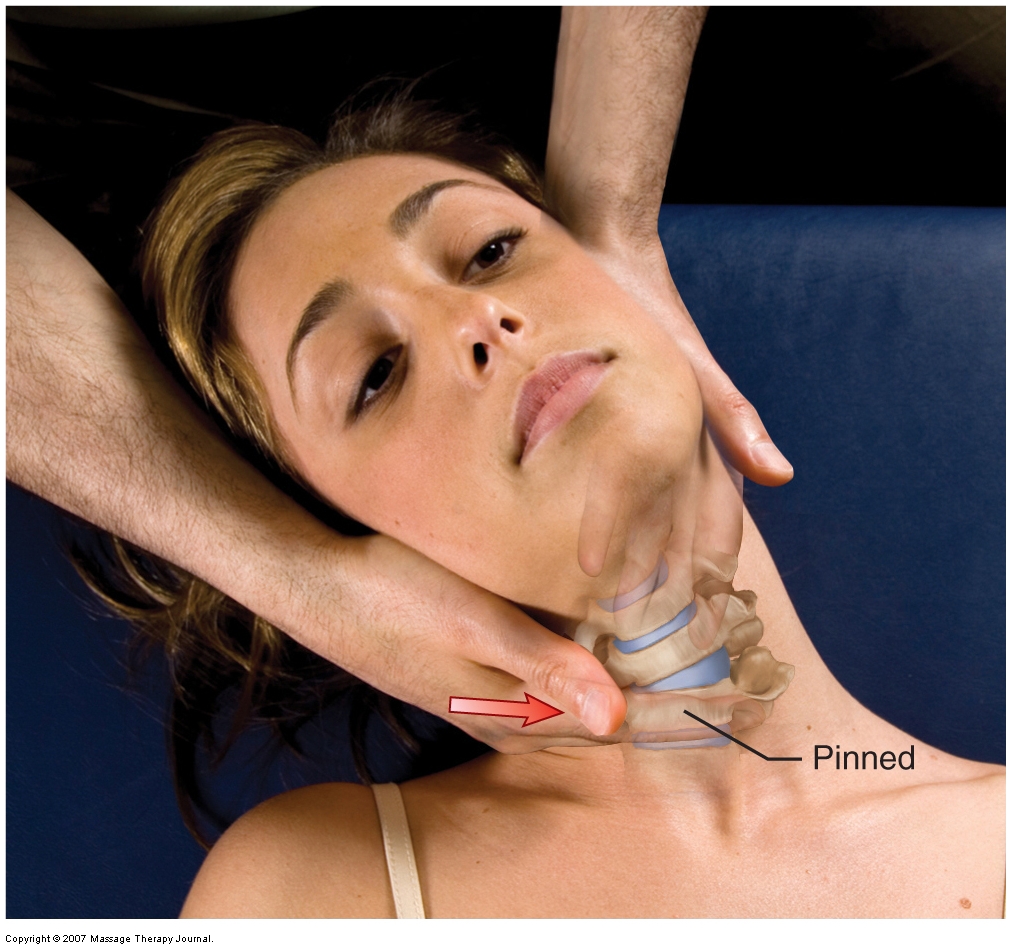
A whiplash/neck sprain is problematic to treat because it involves overstretching of ligaments, which causes joint instability.
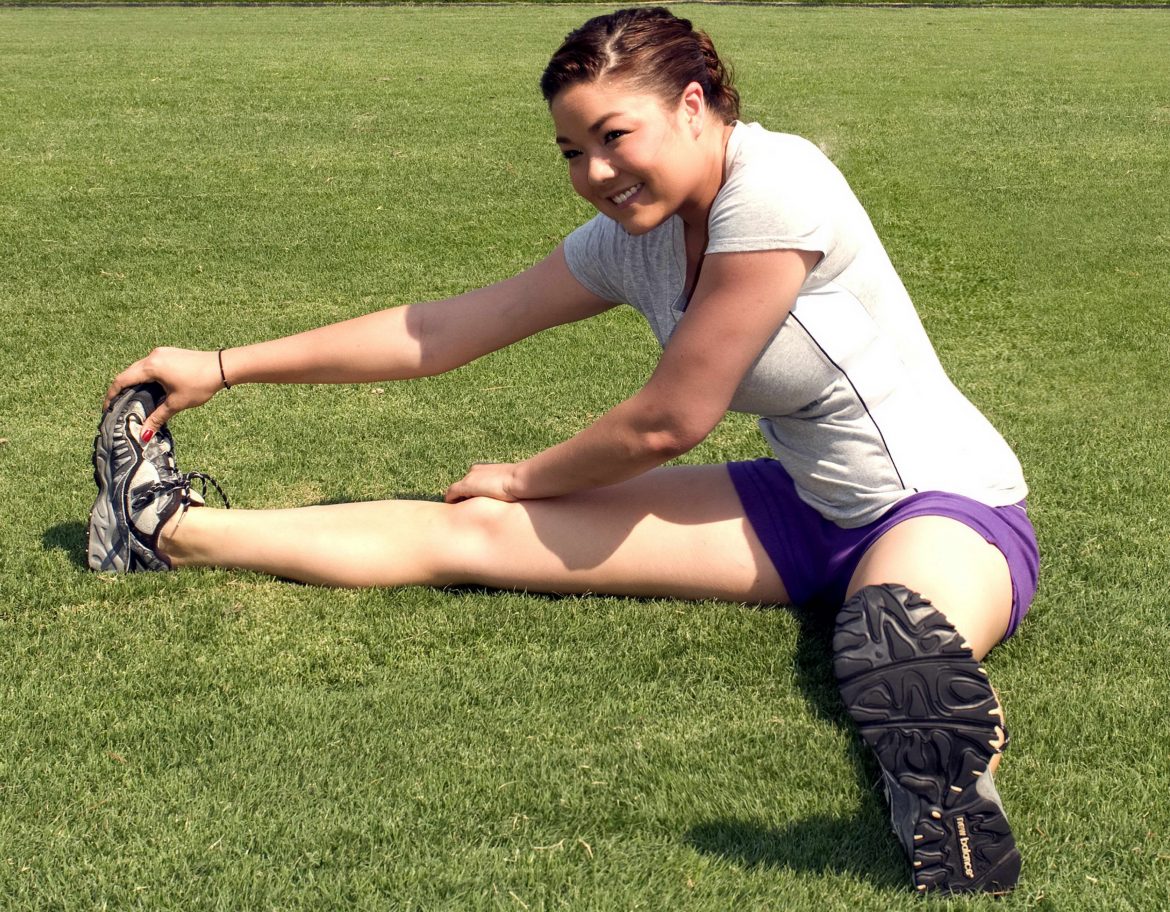
This study validates the efficacy of performing massage before stretching our clients, and recommending self-massage before stretching for client self-care.
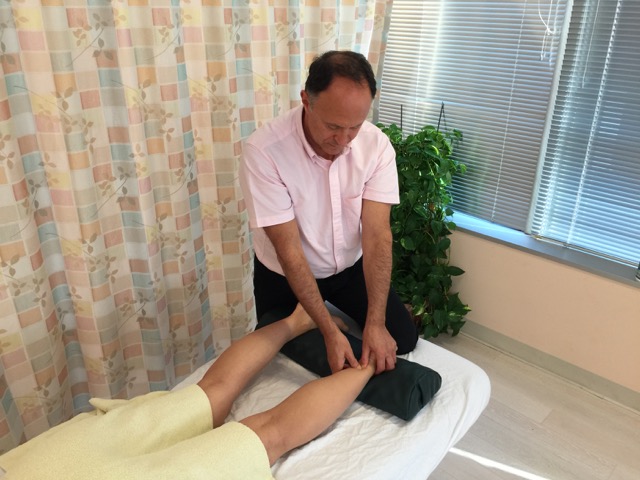
Manual therapy for a chronic Achilles tendon disorder is aimed at decreasing plantarflexor tightness and breaking up excessive fascial adhesion scar tissue.
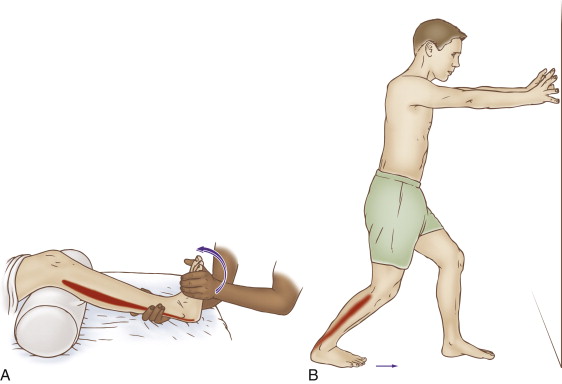
Self care for chronic Achilles tendon disorder includes heat and stretching to prevent tight muscle tone, myofascial trigger points, and fascial adhesions.
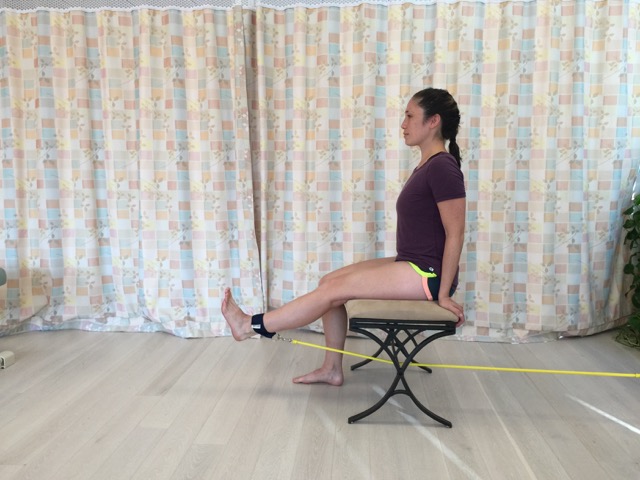
Perhaps the one most important aspect of self-care for patellofemoral syndrome (PFS) is to strengthen the quadriceps femoris musculature.
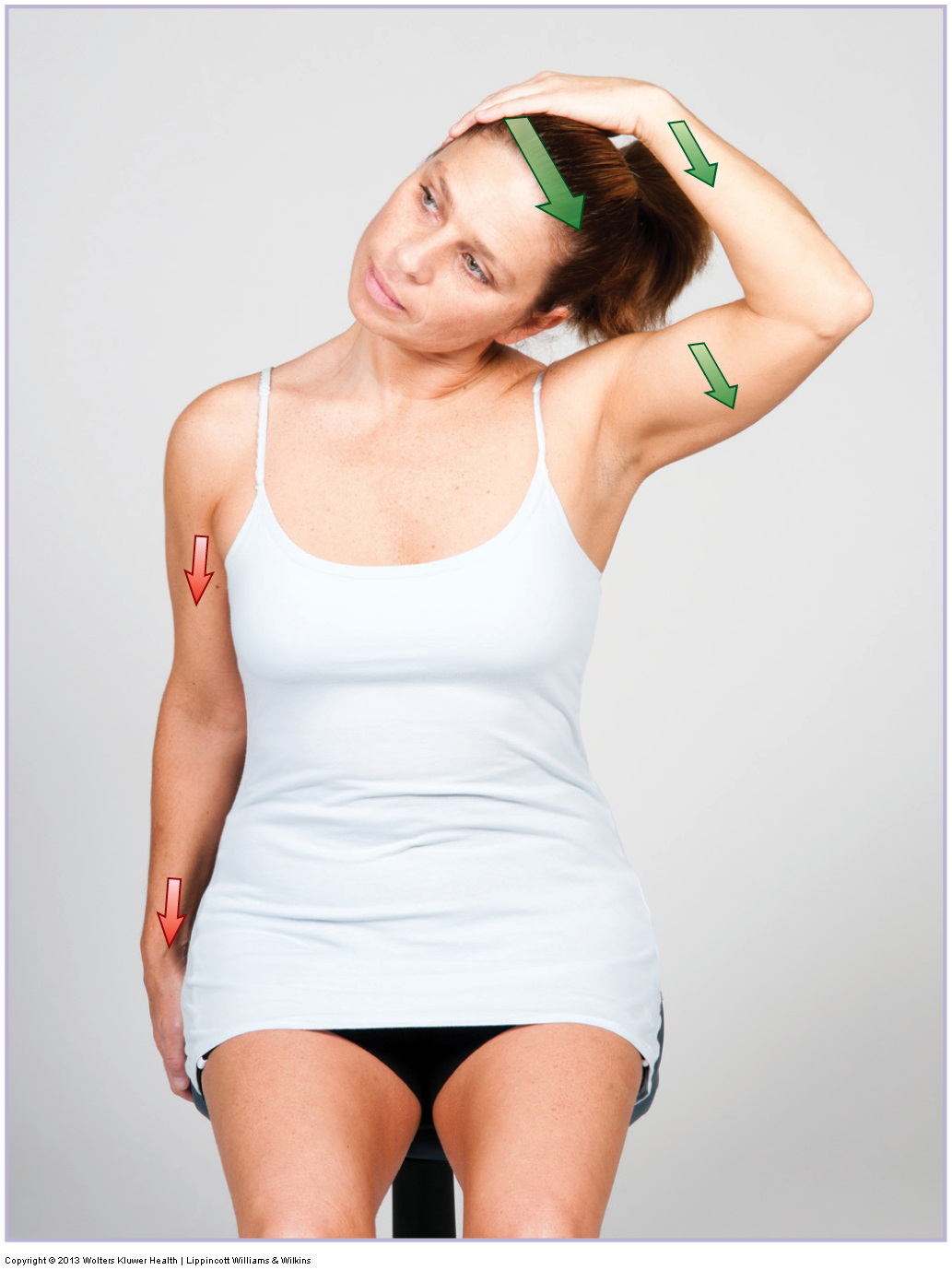
Once the acute stage of a whiplash has resolved, moist heat followed by stretching of the neck can be recommended to the client.
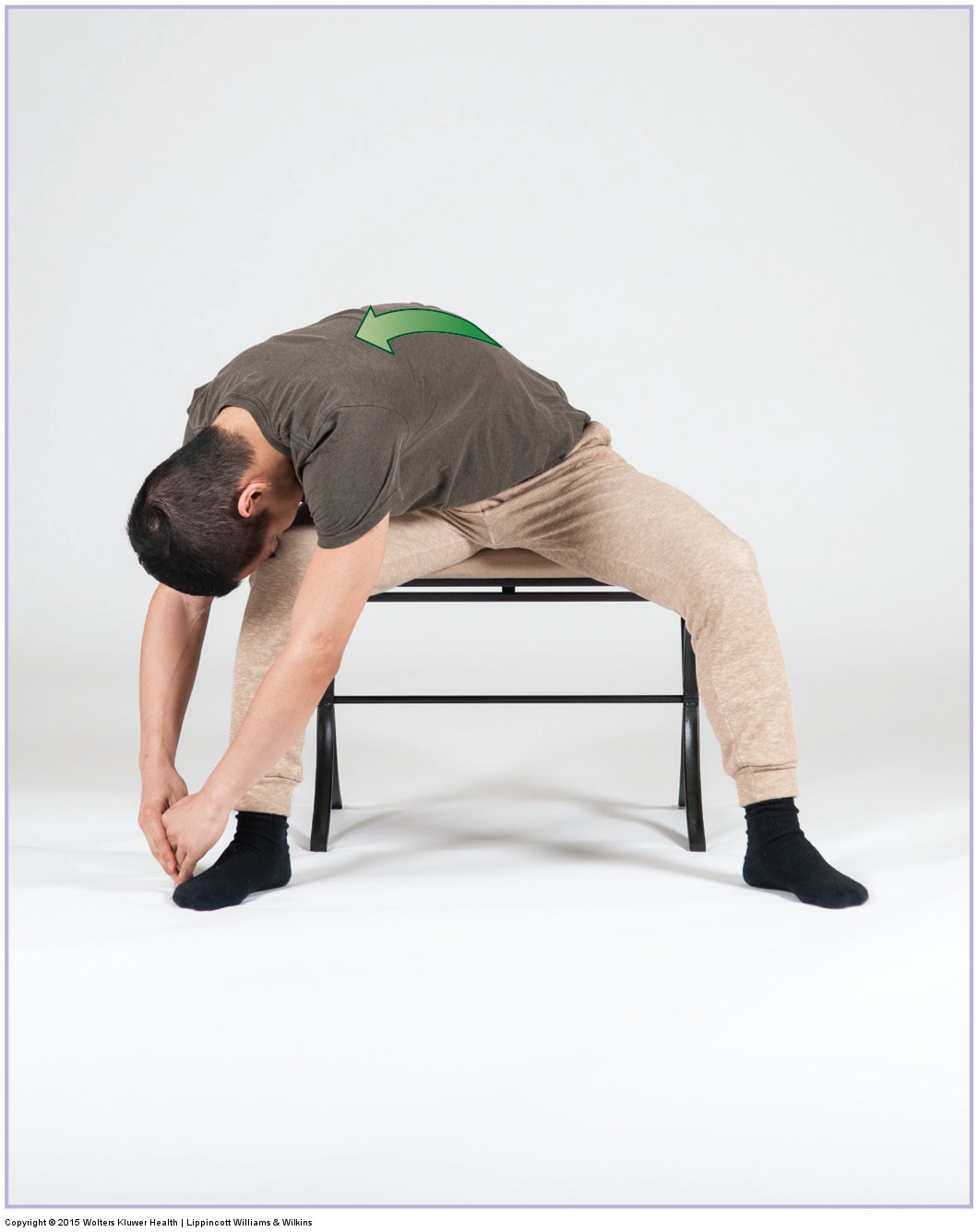
According to a recent study, remote stretching the lower limb is as effective as local neck stretching in cervical spine range of motion improvement.
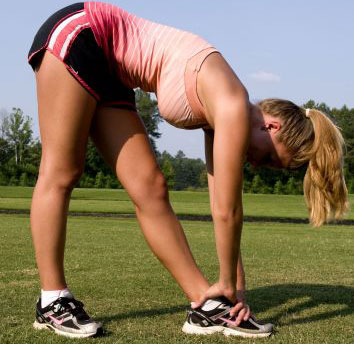
Stretching increases skin temperature so it warms up the myofascial tissues of the body, and is effecttive at warming up the body before physical activity.
Two primary hypotheses have been proposed to explain the stretching-induced force deficit, in other words, the muscle weakness…
The following techniques are considered to be Manual Therapy techniques: Massage (Soft Tissue Manipulation), Stretching, Joint Mobilization, Hydrotherapy.
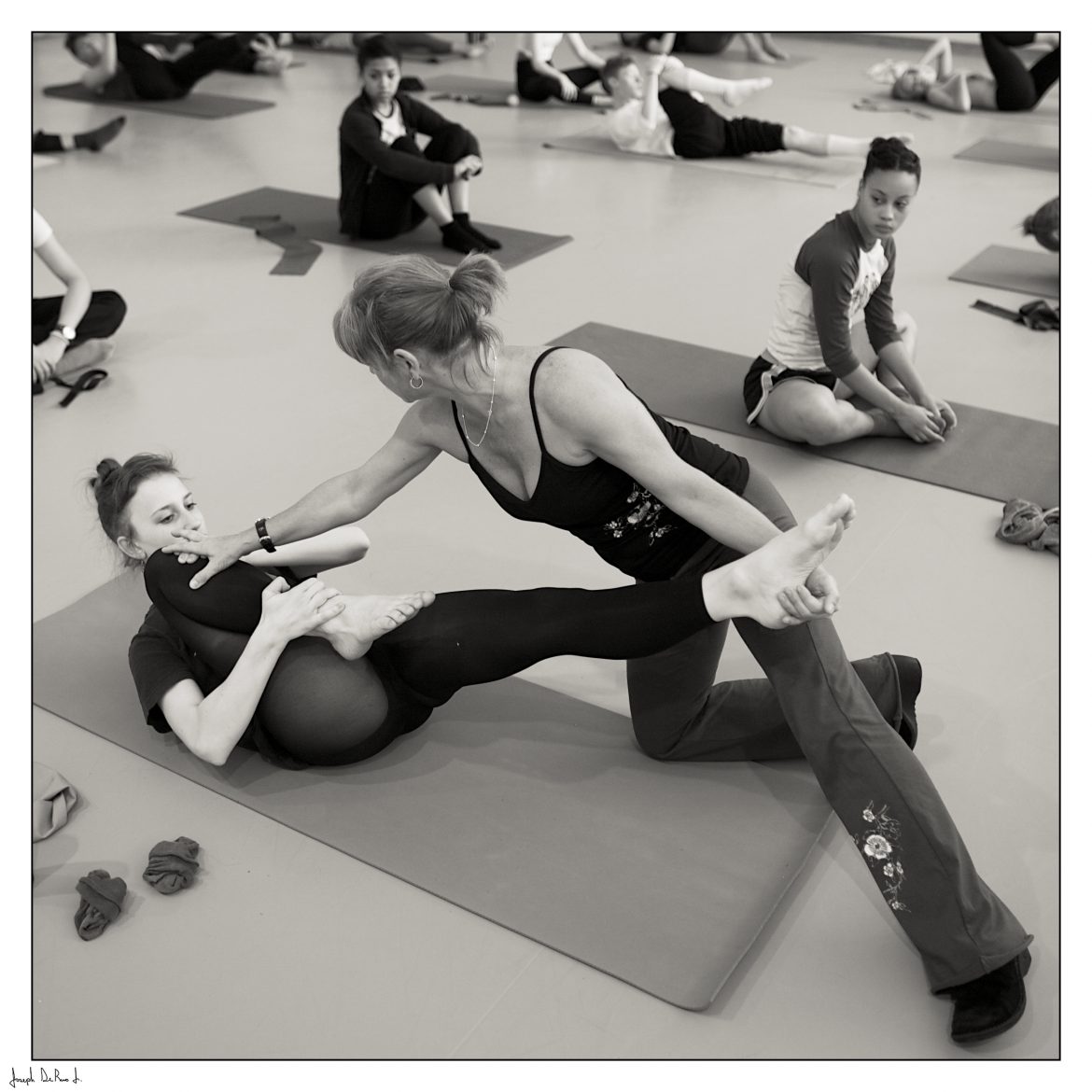
Pilates is kinesthetic. Verbal talking to direct your client is not. Hands-on Manual direction is. Plain and simple, Pilates is a kinesthetic endeavor.
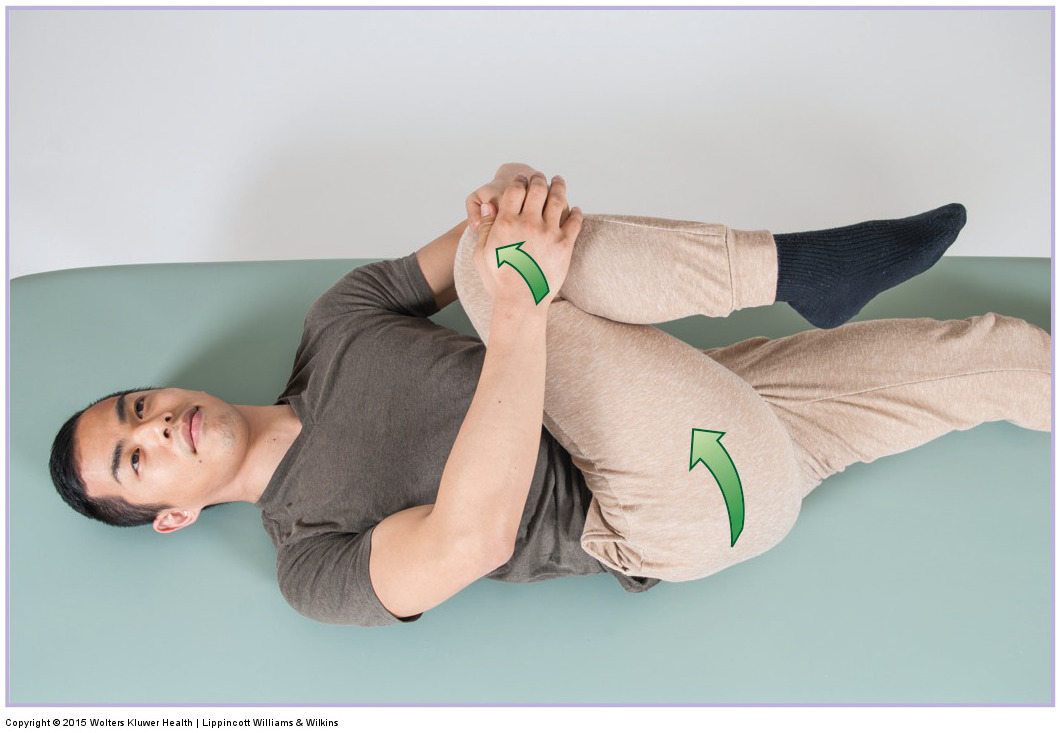
Moist heat and stretching is recommended for a hypomobile sacroiliac joint (SIJ) and/or tight musculature that accompanies a hypomobile or hypermobile SIJ.
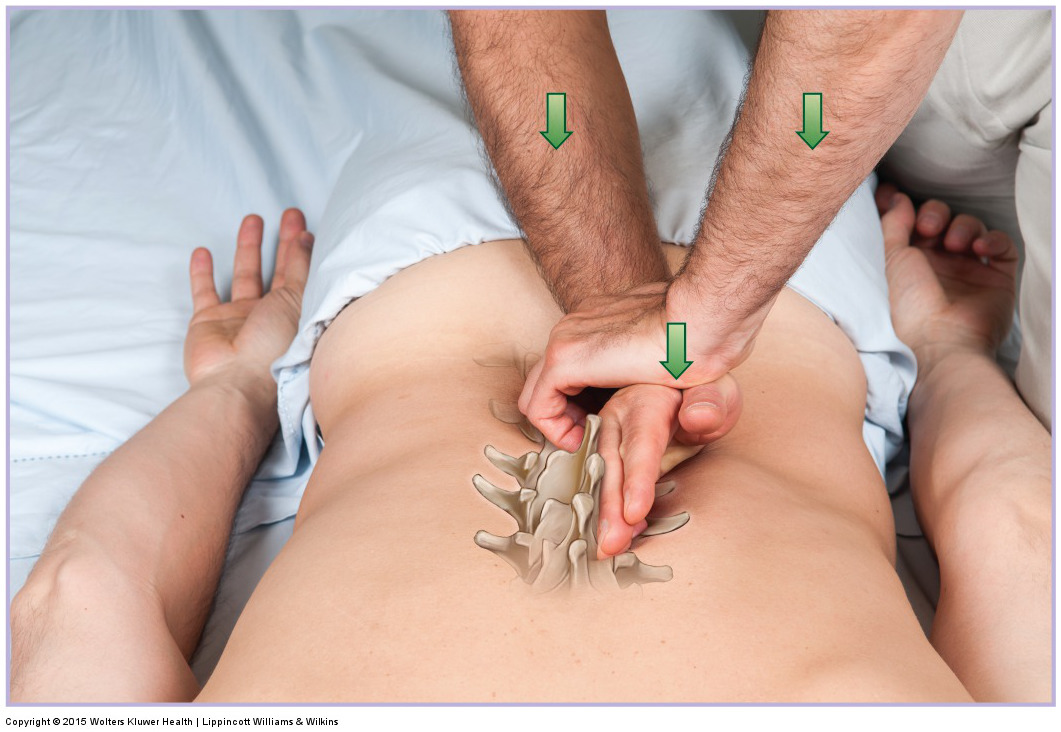
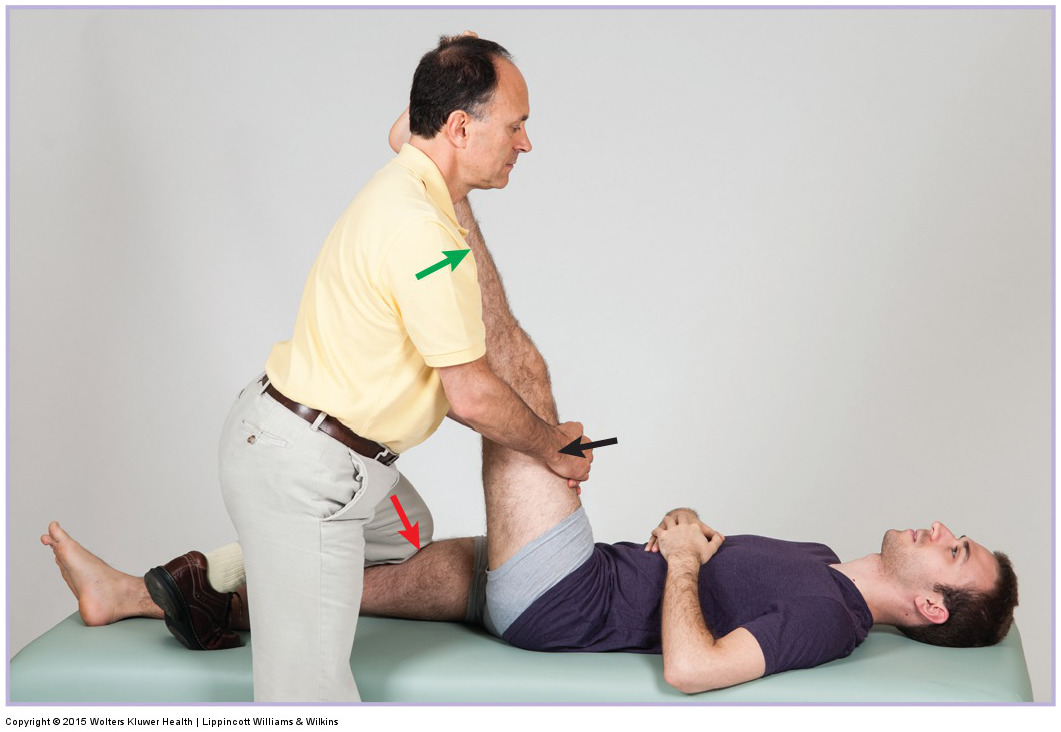
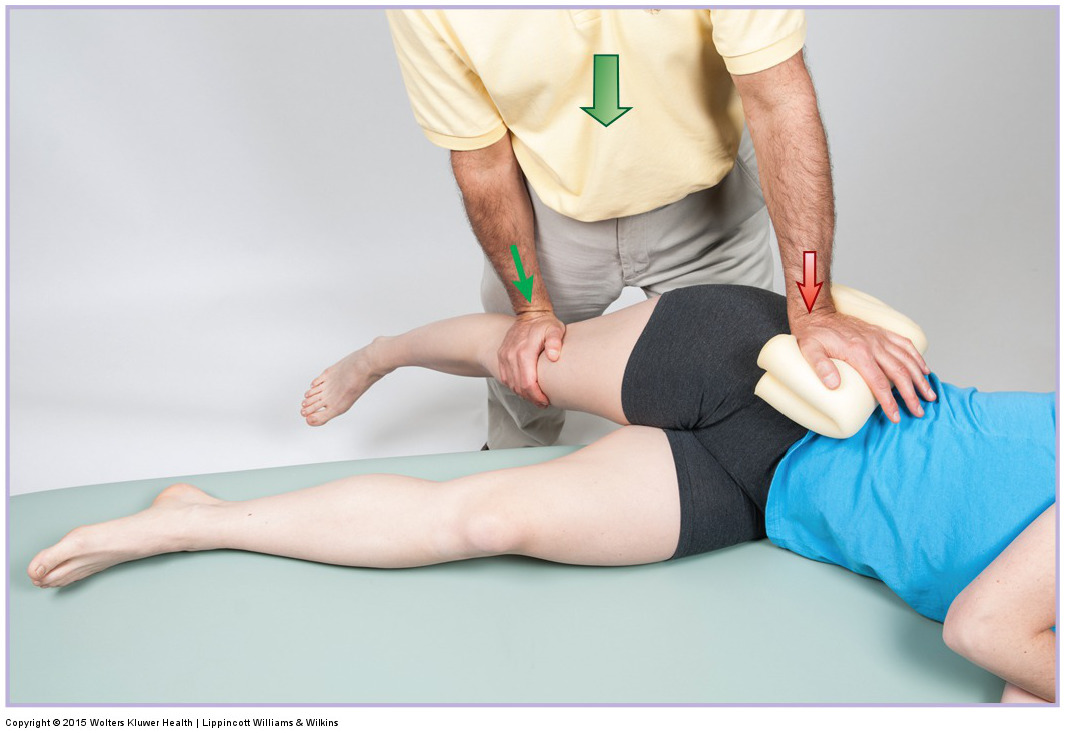
Grades IV and V joint mobilization are essentially pin and stretch technique.
Bone “A” is pinned and then Bone “B” is moved relative to Bone “A.”
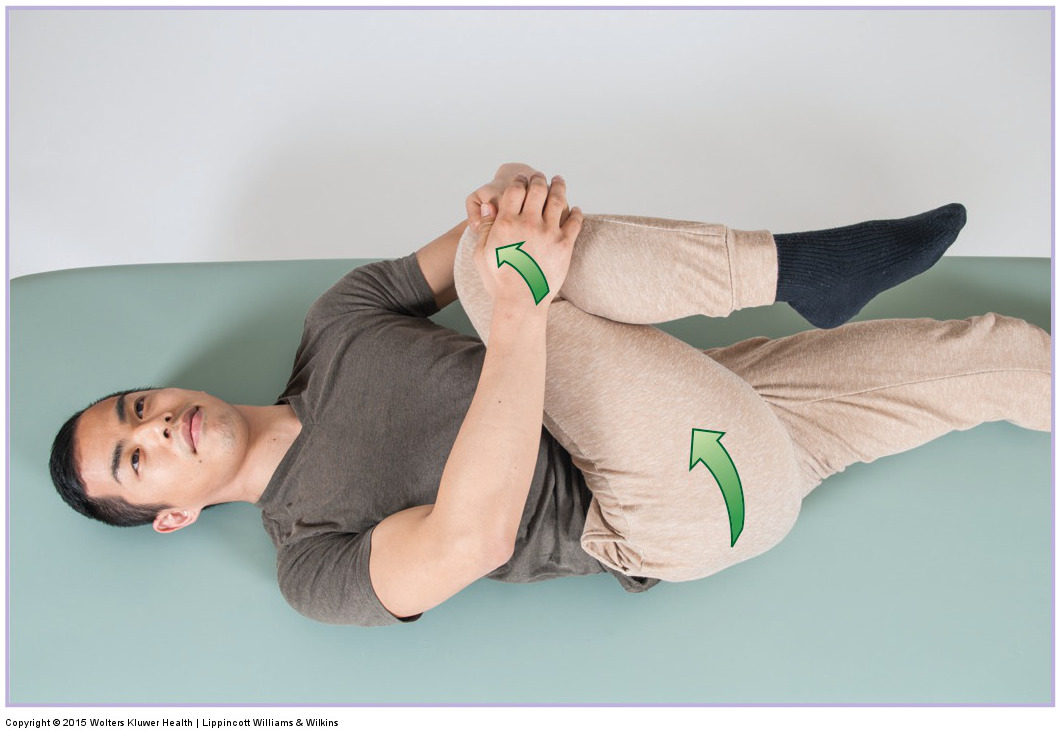
Results showed that there were significant shoulder joint ROM increases following both lower body static stretching and lower body dynamic stretching.
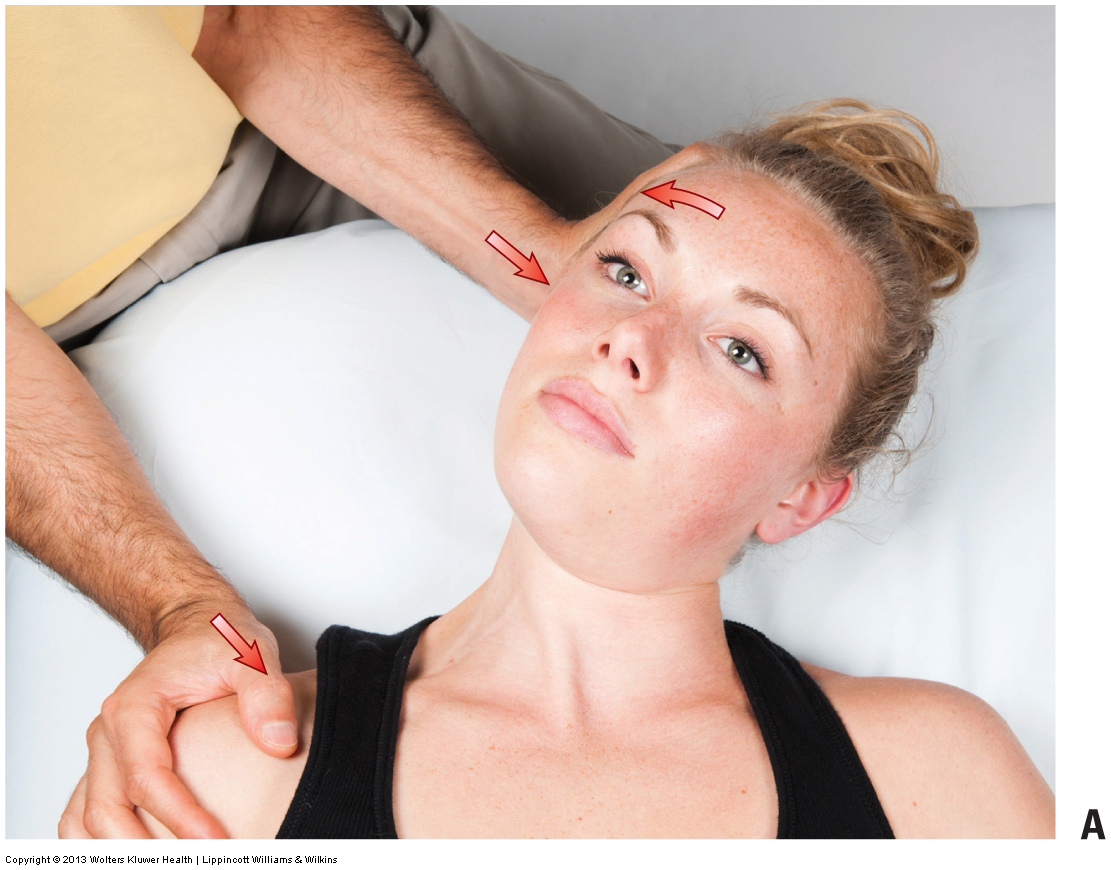
Advanced stretching technique include pin and stretch technique as well as neural inhibition techniques (CR, AC, PIR, PNF) that relax / inhibit musculature.
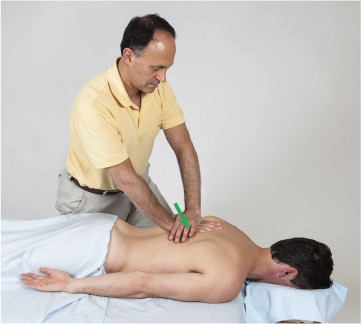
When performing soft tissue manipulation/massage, it is always wise to begin with light to medium pressure, and then transition to deeper pressure.
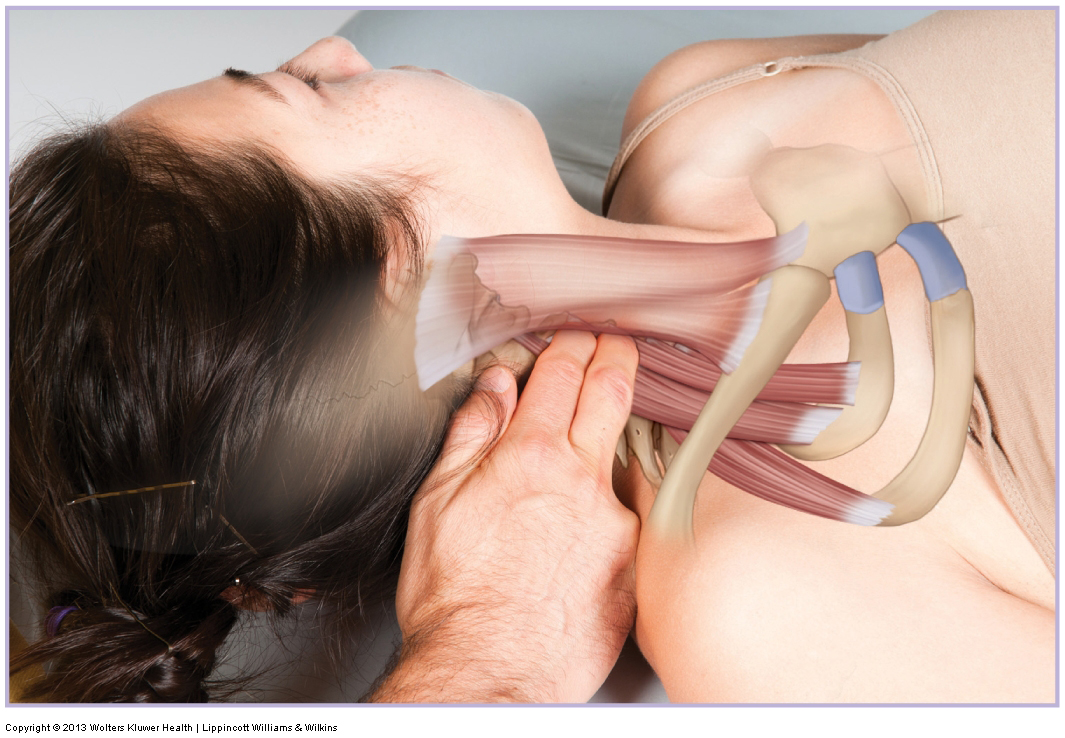
What is most important in any Manual Therapy Certification program is marrying together the underlying science with the hands-on manual therapy skills.
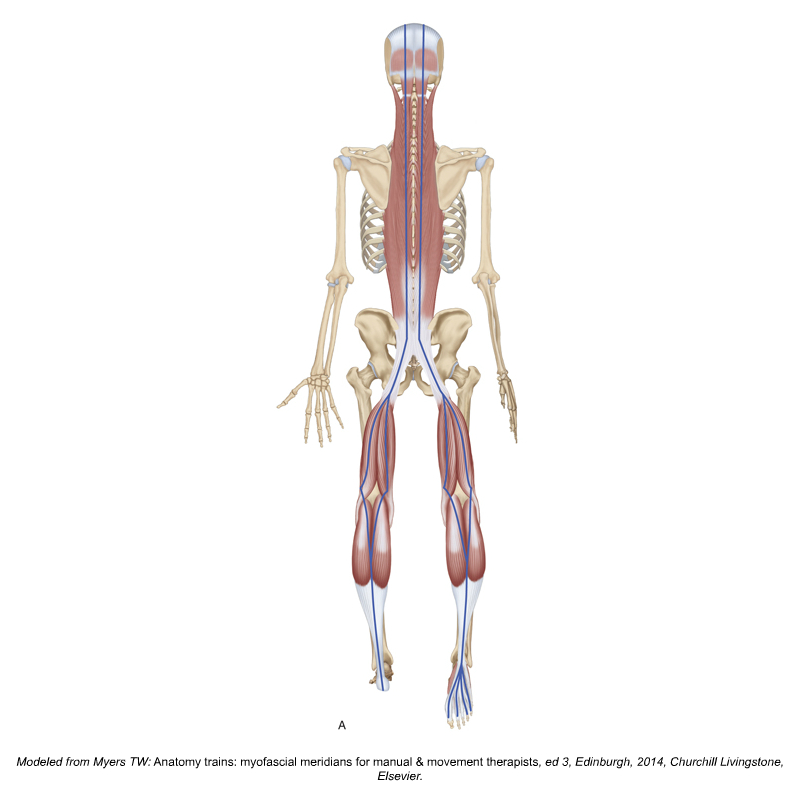
This study found that remote stretching via self-myofascial release using foam roller massage of the plantar fascia does increase hamstring extensibility.
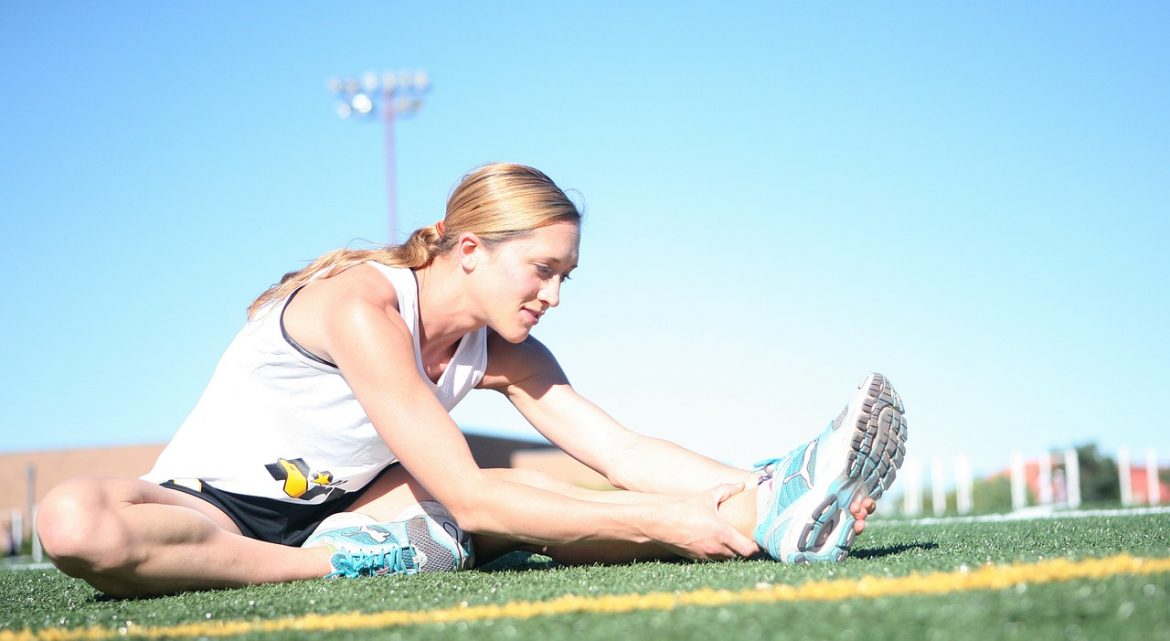
All types of stretching showed joint range of motion improvements over the long term, however, static stretching technique showed the greatest improvement.
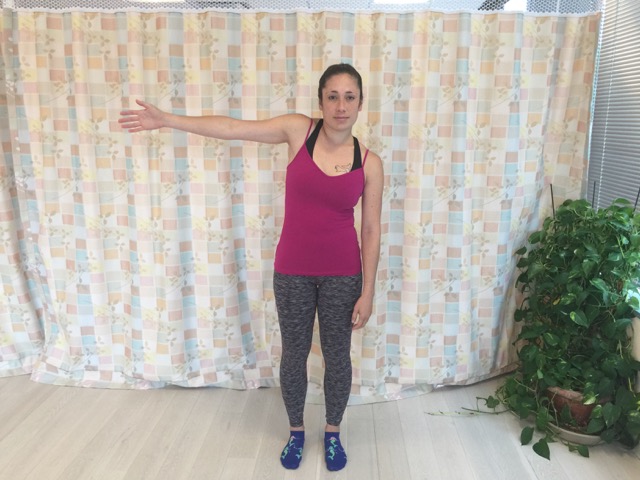
An easy & effective self-care stretch for frozen shoulder is the “finger walk” on a wall. To warm the tissues, heat should be applied before stretching.
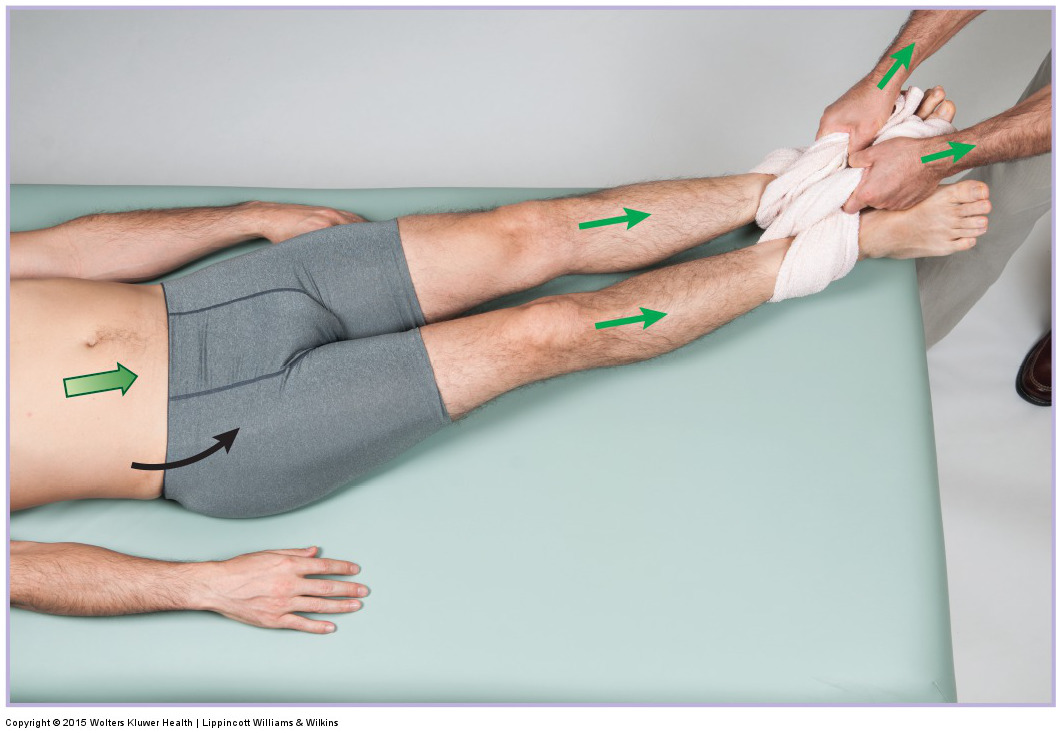
Traction can be beneficial for the client/patient with a pathologic disc because it opens up the intervertebral foramina of the spine.
Muscle Anatomy Master Class (MAMC) is the most comprehensive and detailed muscle anatomy online video class in the world!

Yoga has branched into different types and become favored by people of all ages and religions. In so doing, it has changed its form.

Whether you’re dealing with post-workout soreness, stress-induced tightness, or everyday aches, this guide has you covered.
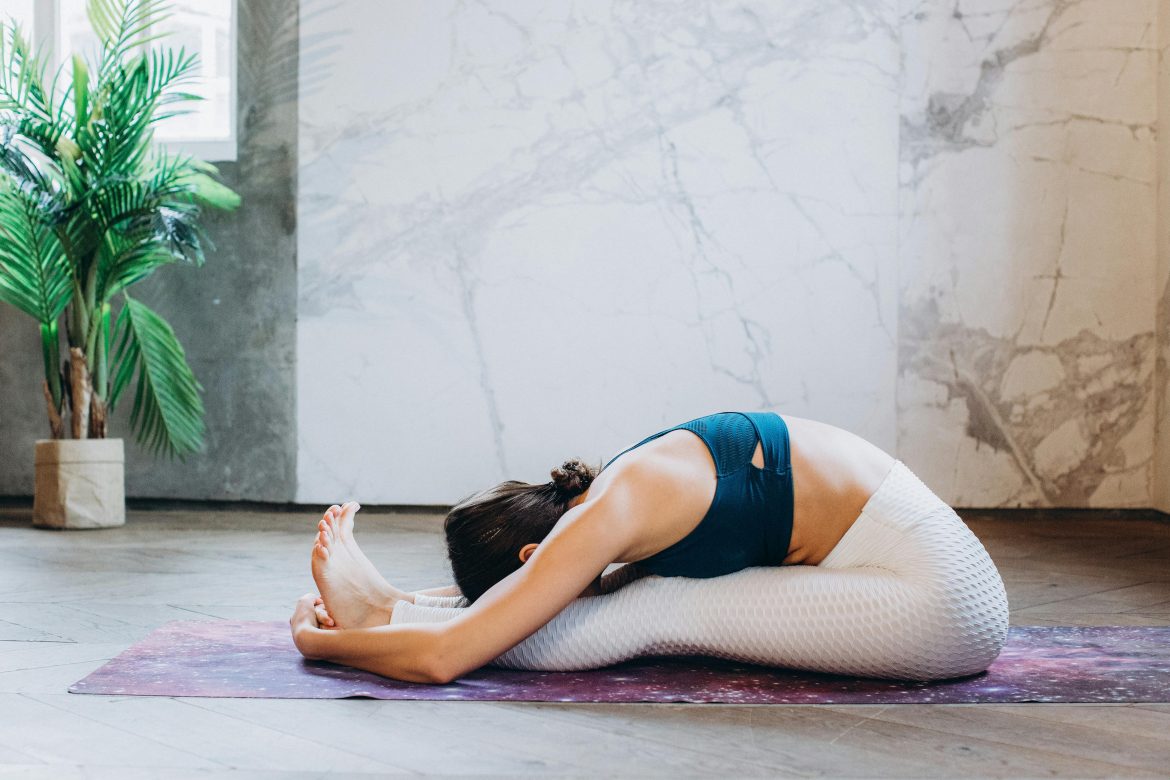
Are you tired of feeling tense, sore, or stiff? Stretching, a form of exercise that lengthens your muscles by extension or movement, can aid flexibility and mobility.
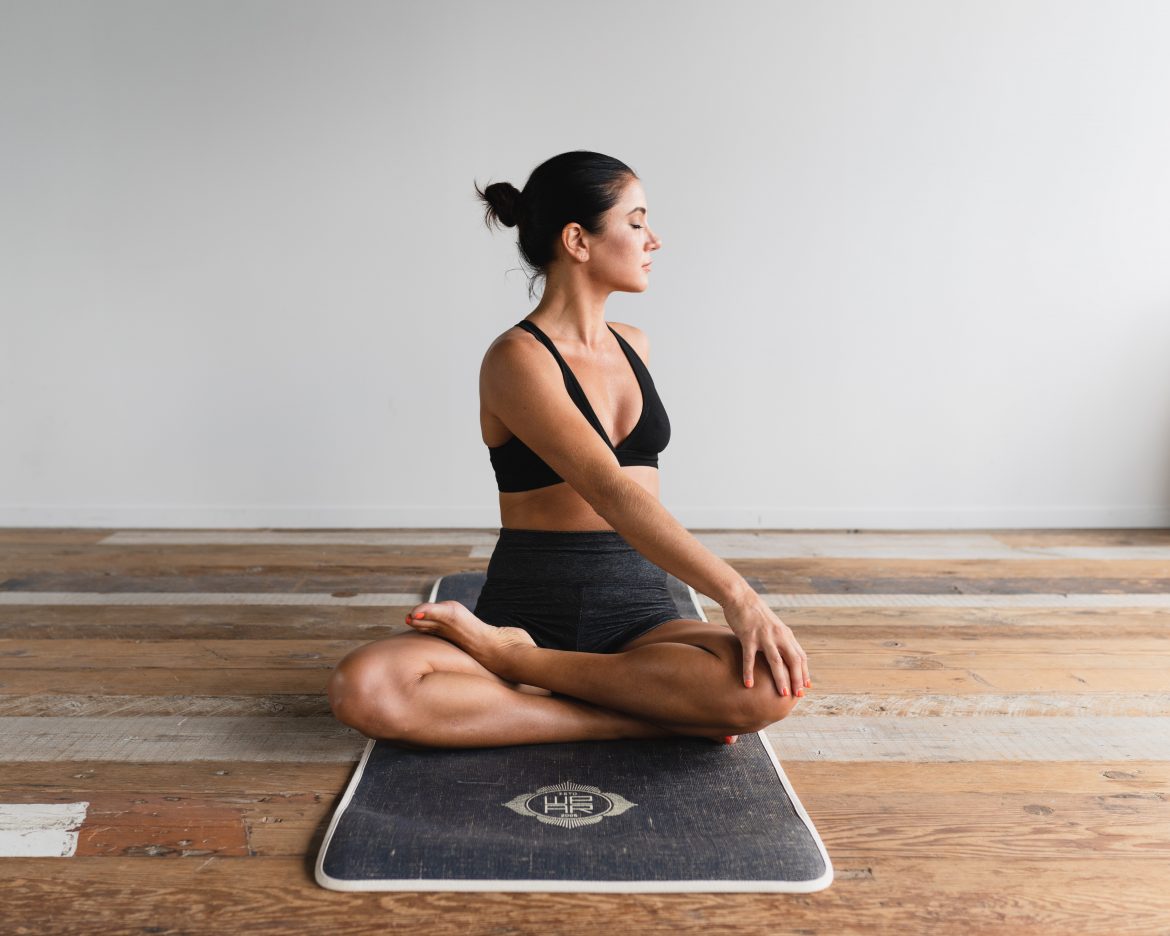
So now we know why we stretch – to benefit our body and mind. Let’s see some techniques of stretching that might be of assistance.
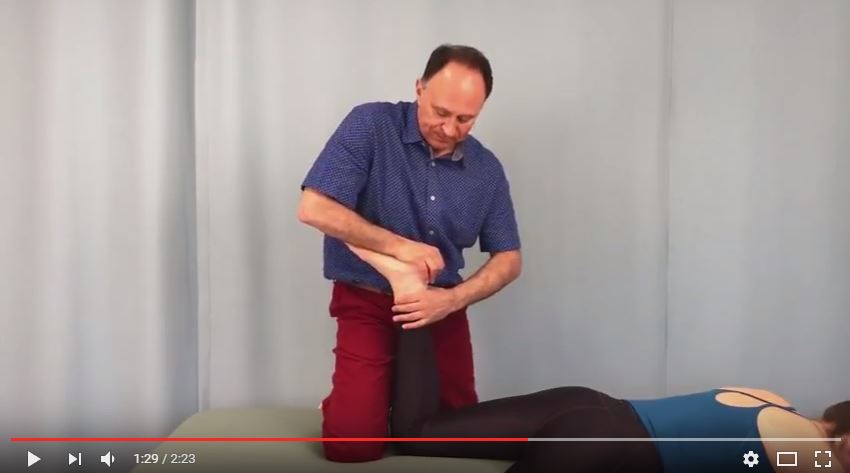
Stretching all hip flexors, including the rectus femoris of the quadriceps group, is extremely important for clients with lower crossed syndrome.
For manual therapy care to be successful, client communication is extremely important. This video explores who to effectively communicate with the client.
