Let us know more about the best peptides for weight loss, Semaglutide, Tirzepatide, Retatrutide, Tesamorelin, and MOTS-c, and how they work.
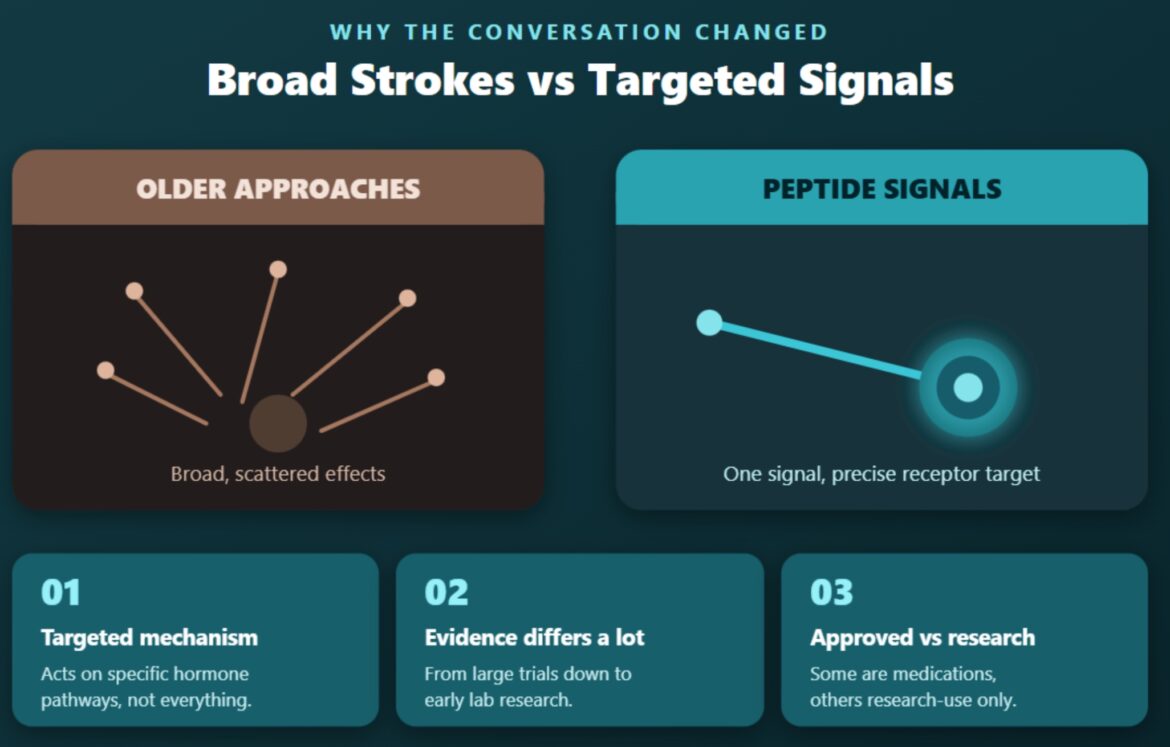

Let us know more about the best peptides for weight loss, Semaglutide, Tirzepatide, Retatrutide, Tesamorelin, and MOTS-c, and how they work.
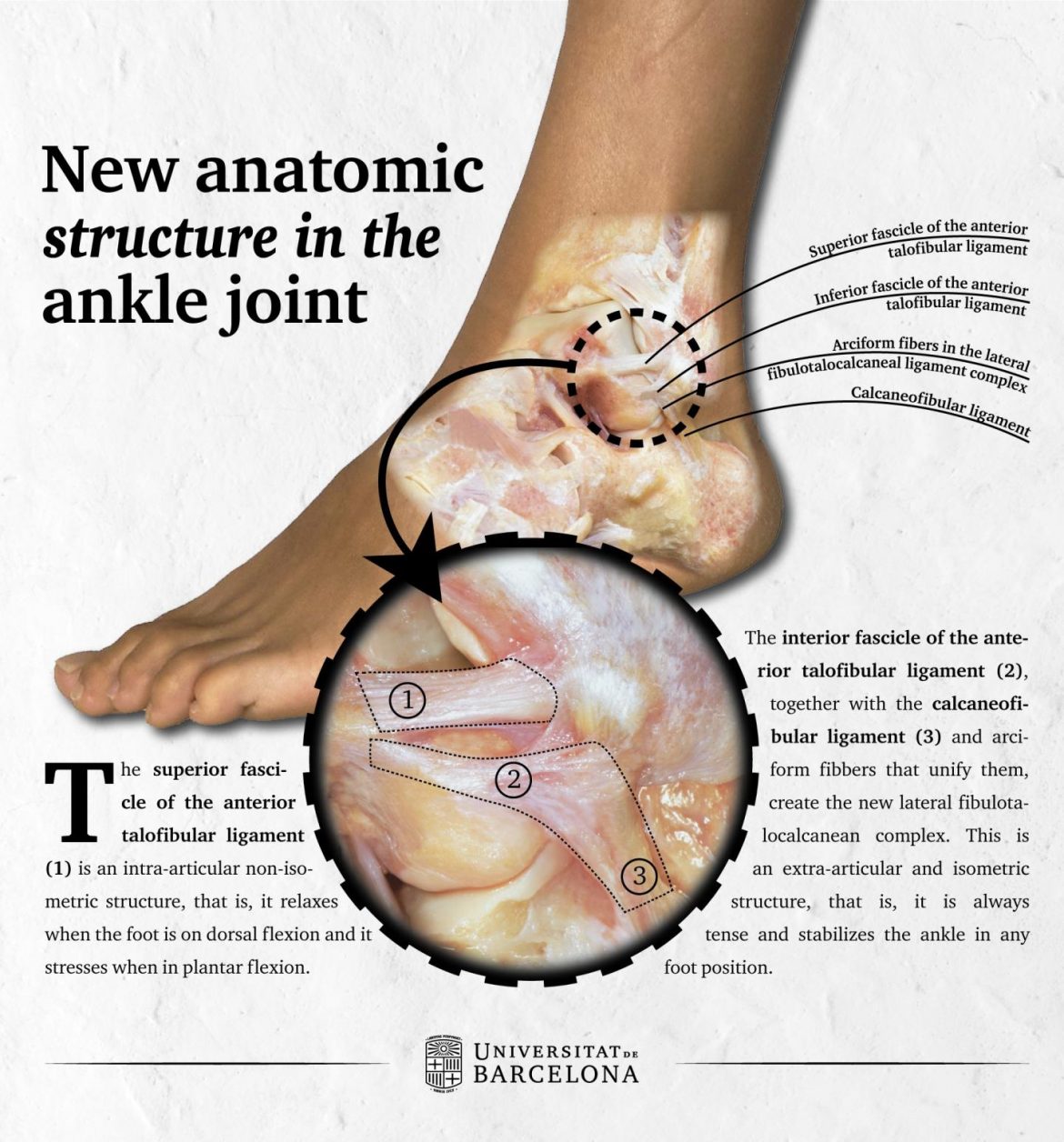
The anterior talofibular and calcaneofibular ligaments are connected and can be considered to be one structure: the lateral fibulotalocalcaneal ligament.
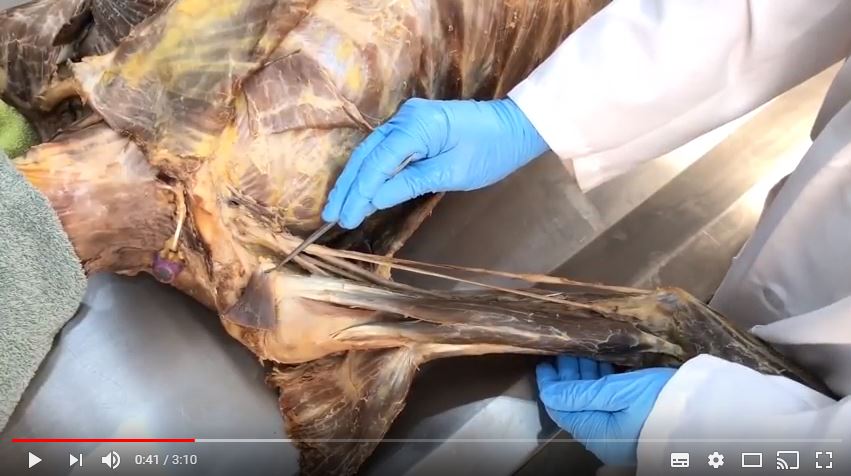
The shoulder girdle is probably better described as a shoulder corset. This Digital COMT by Dr. Joe Muscolino video describes why.
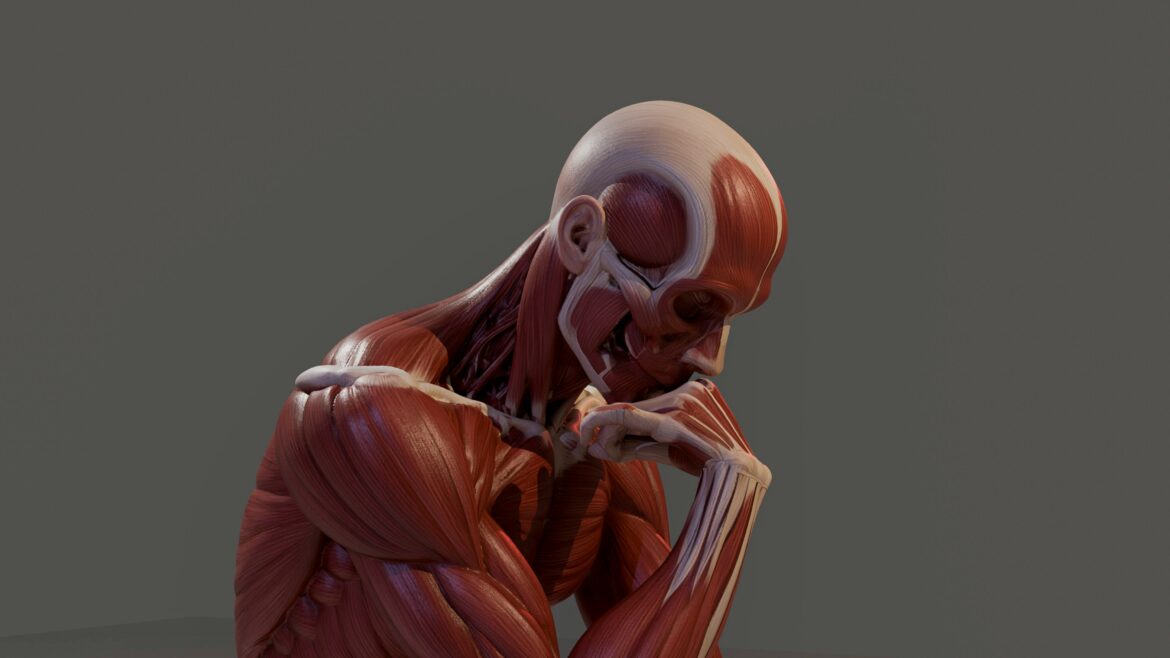
A fundamental application of the concept of mechanotransduction for manual and movement professionals is that of a bridge between the study of anatomy and of physiology or between the study of structure and of function.
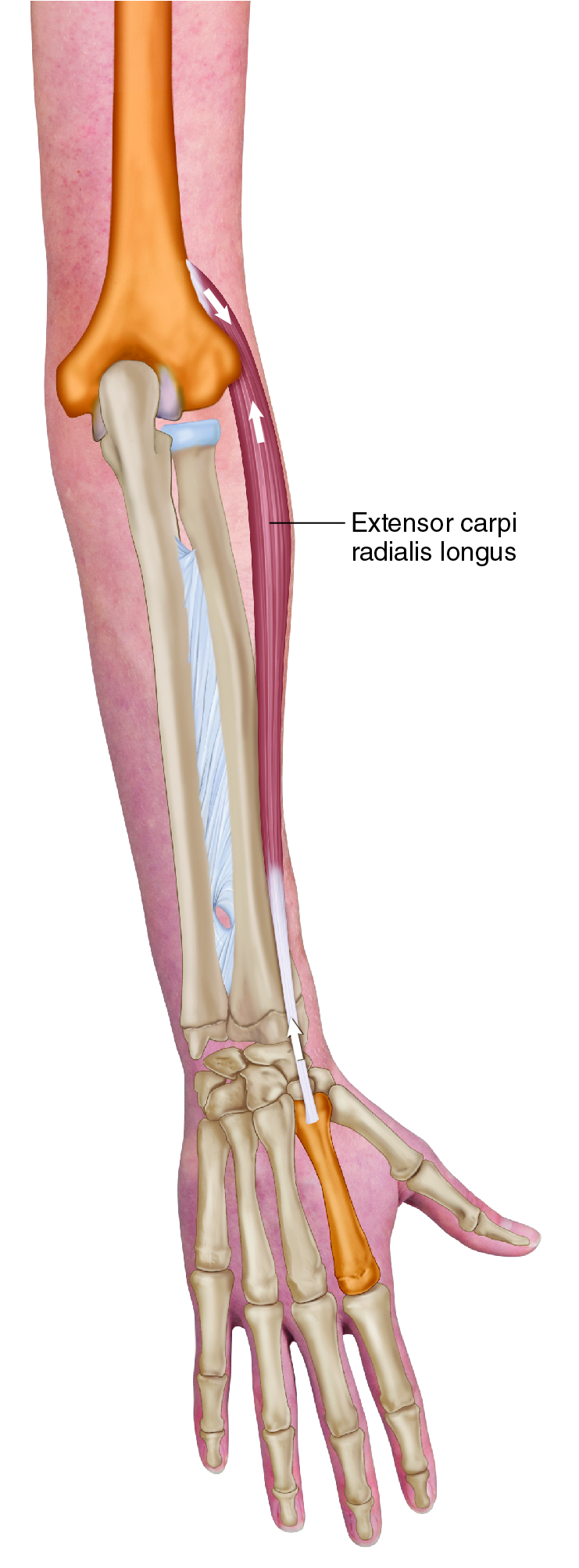
The extensor carpi radialis longus (ECRL) is a muscle of the posterior forearm and part of the radial group as well as the wrist extensor group. Because of the fascial restriction that is common in the posterior forearm, it can be especially important to learn now to work the ECRL, as well as the other muscles of the posterior forearm compartment.
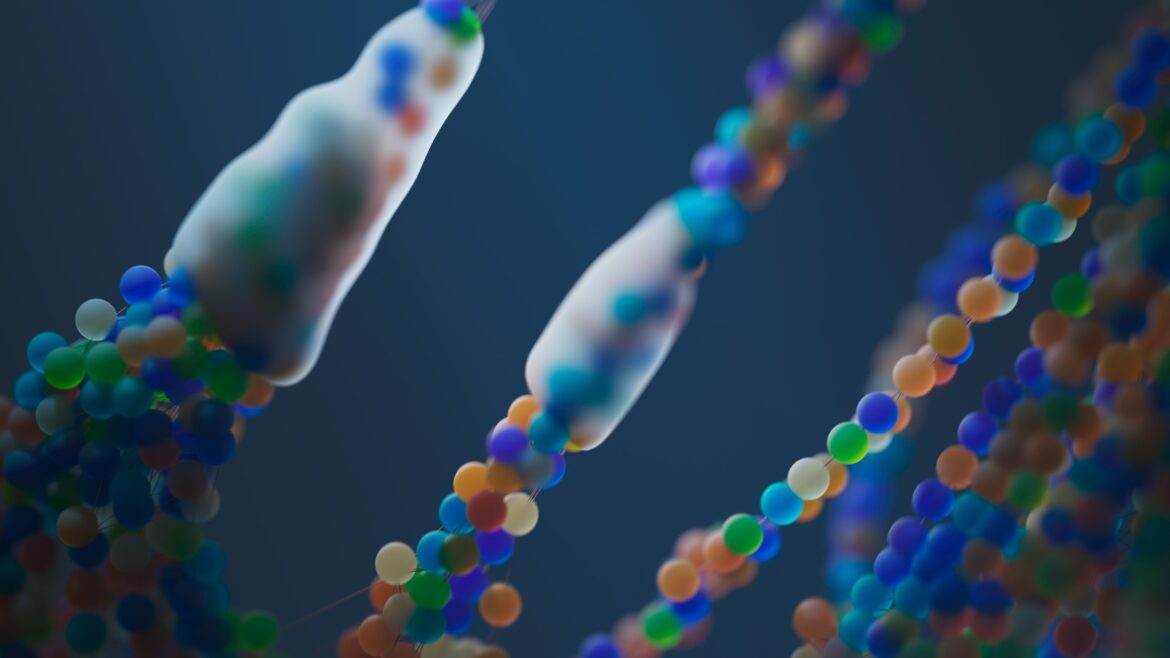
Tissue repair isn’t one event with a start and finish line. Tendons and ligaments run on a different clock than the rest of the musculoskeletal system, and keeping that in view is what turns a generic treatment timeline into one that’s actually built around how the tissue in front of you is going to heal.

Here are five things you can do starting today to change your lifestyle and keep your mind and body healthy, happy, and whole.
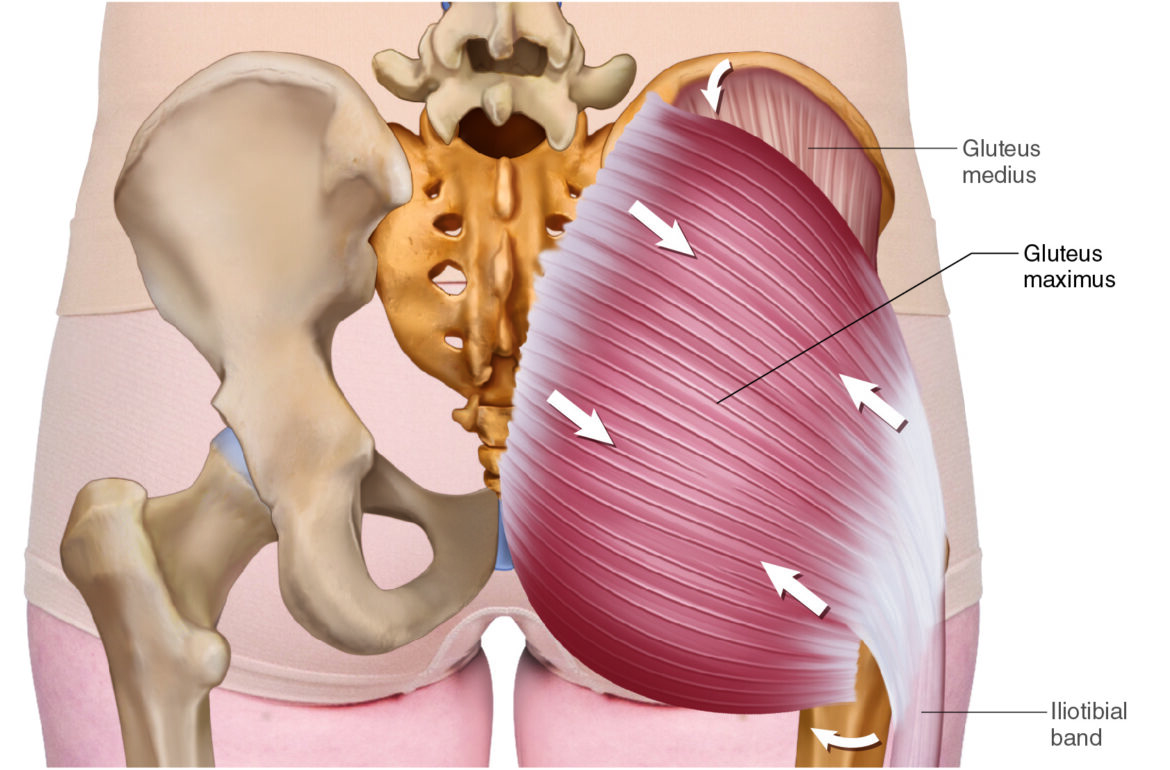
Functionally, the gluteus maximus is an important muscle primarily because of its pelvic posterior tilt concentric contraction function, and because of its isometric stabilization function to armor/protect the sacroiliac joint. Manual therapists should be mindful to especially assess the superior fibers lateral to the PSIS.
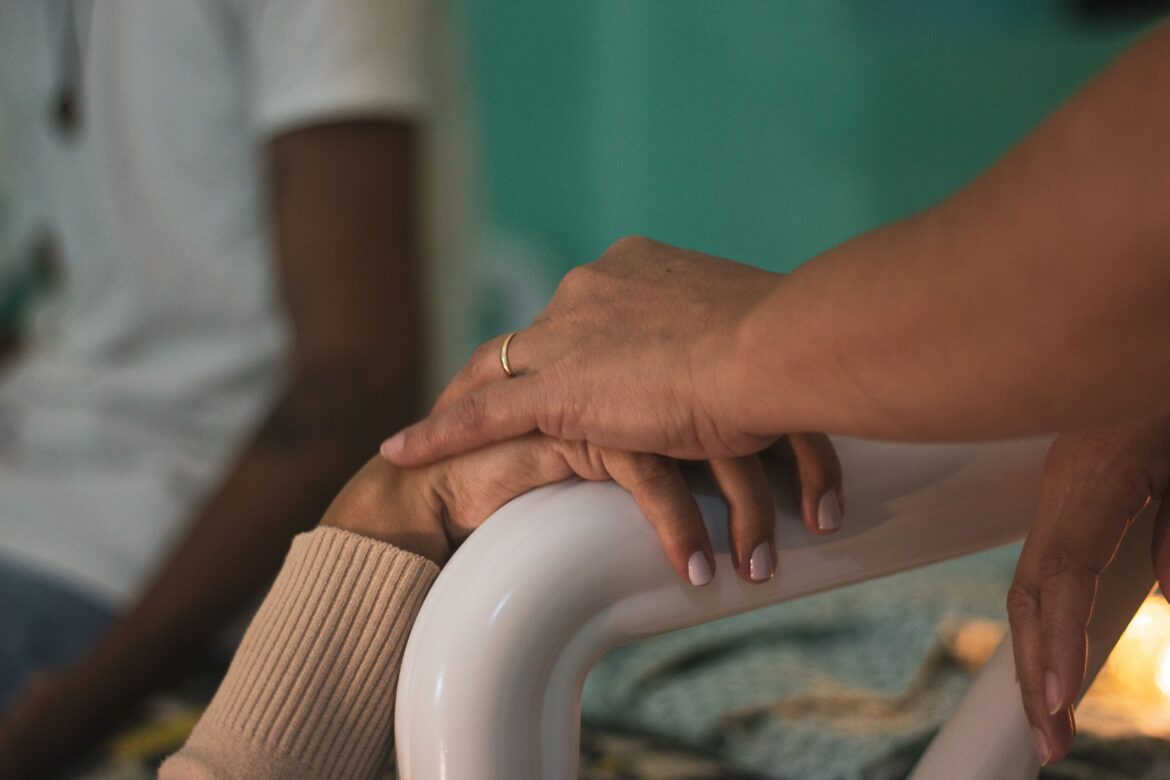
Discover expert clinical insights on wellness support for five patient groups. Chronic pain. Athletic recovery. Elderly safety. Read our full guide today.
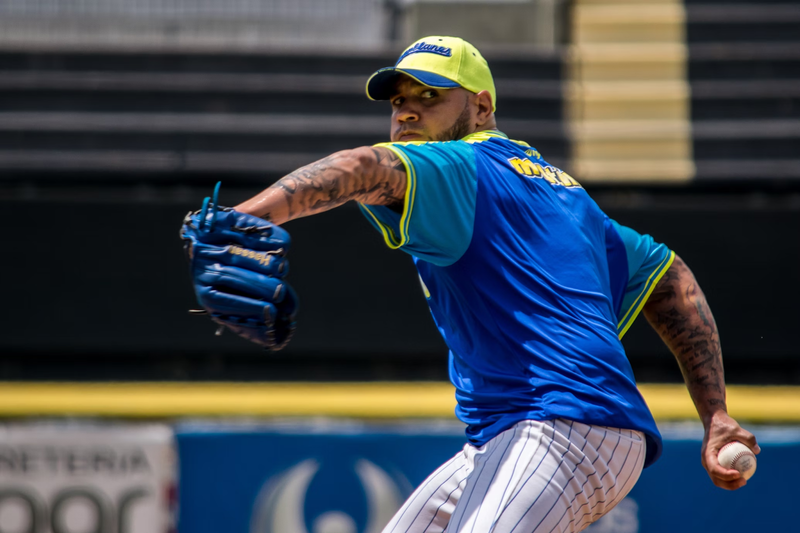
Learn how to prevent common baseball injuries with our clinical guide. Discover 5 key muscle groups to target. Stop shoulder pain. Read the full guide today.

The most exciting places in the world are also places where you can contract disease. This article presents health recommendation tips for travelers.

The sleep debt you accumulate… If you don’t get the minimum requirement of hours for your personal needs, you will accumulate a sleep debt.
IVMed Agency runs its surrogacy programs with the egg donation, IVF, surrogate matching, medical monitoring, and legal documentation handled by one team.
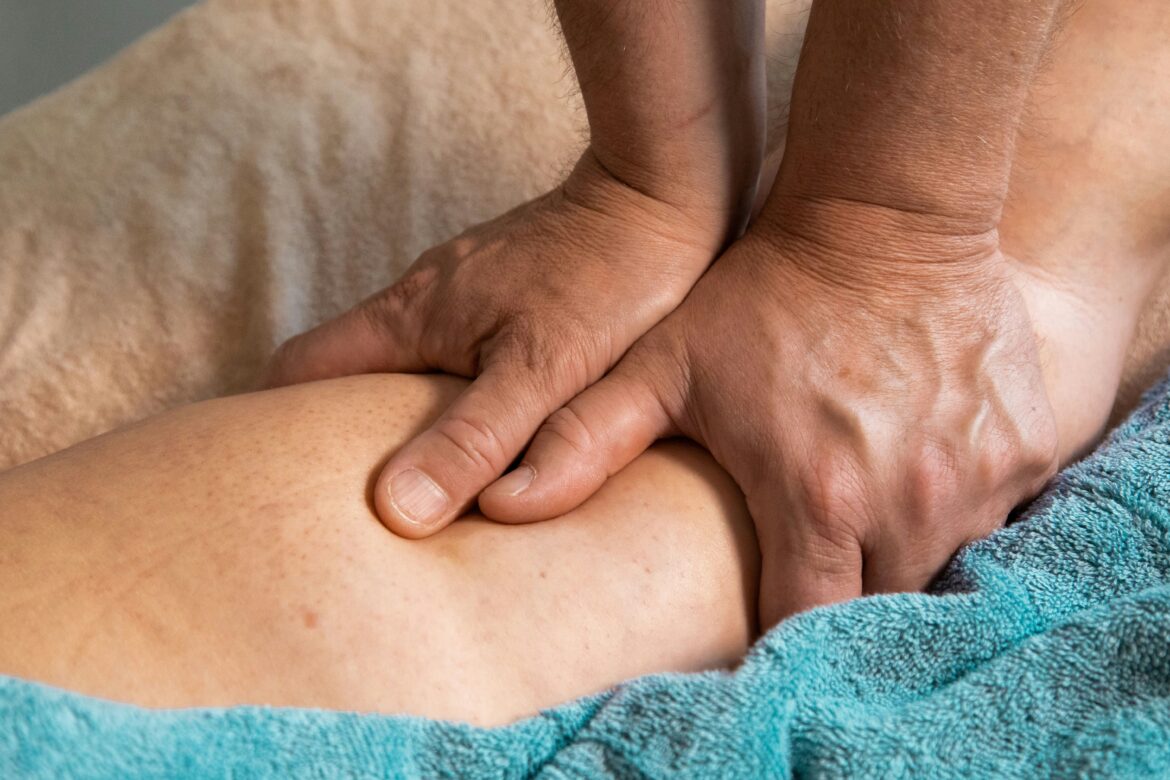
For those patients who need specialty care, physical rehabilitation, or manual hands-on treatment, the costs of health care can easily escalate to a major concern.
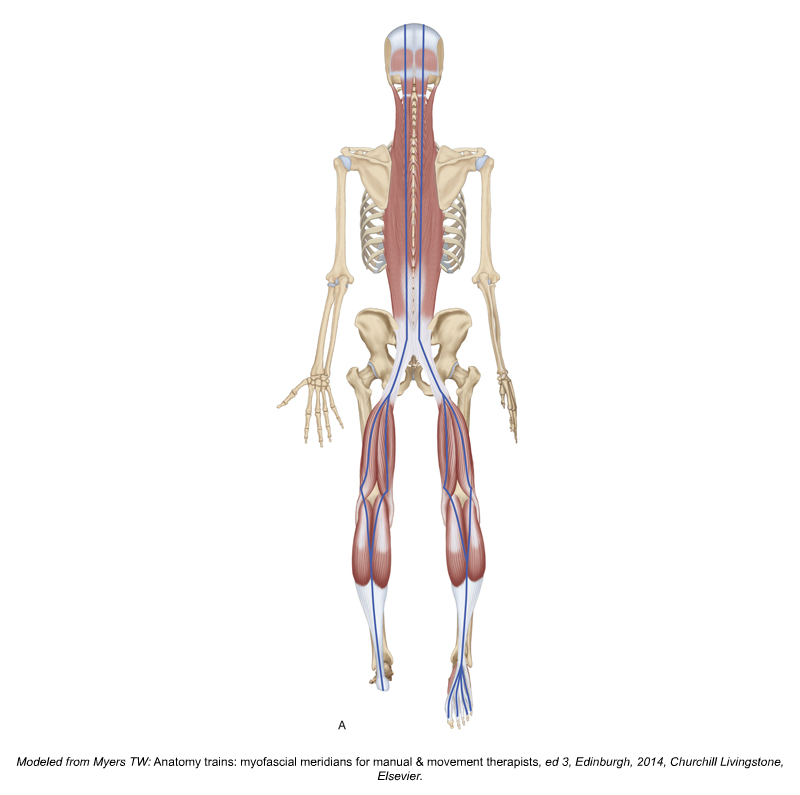
The authors concluded that low back pain may cause activation of the low back musculature elsewhere along the Superficial Back Line Myofascial Continuity.
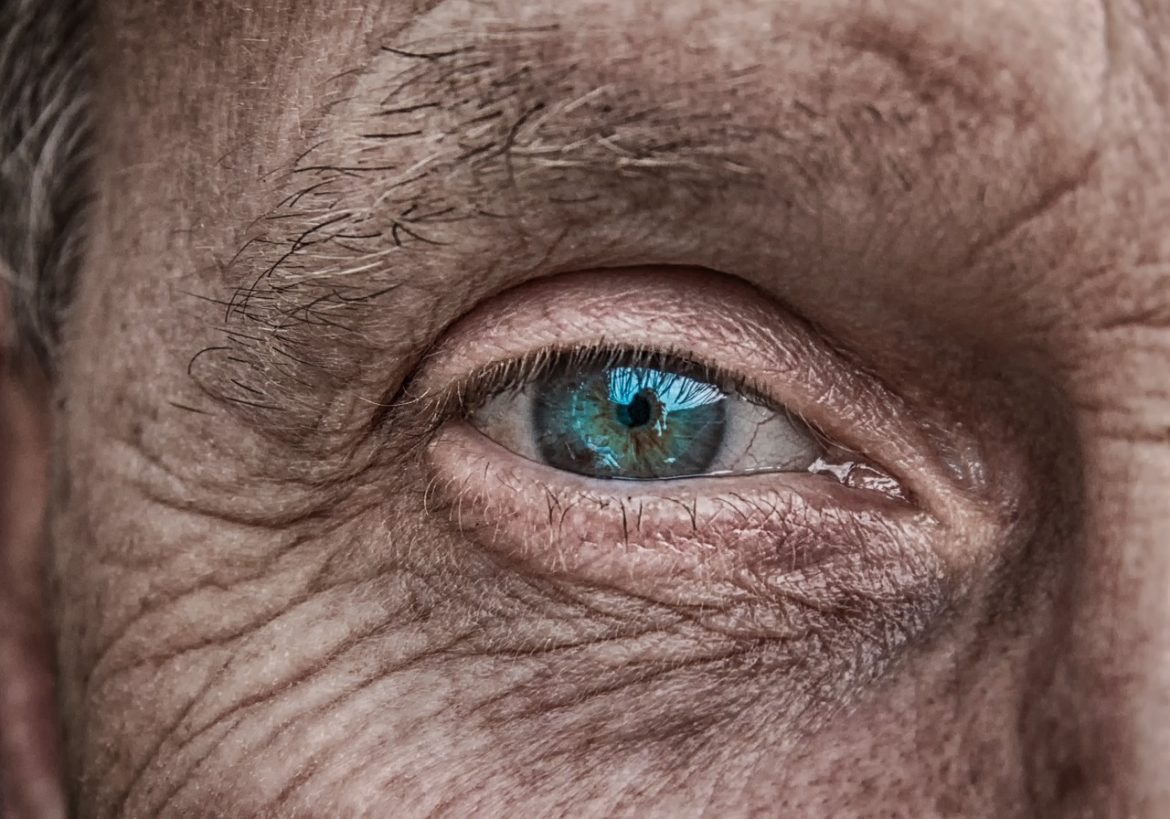
Massage is commonly promoted to enhance skin health by increasing its ability to regenerate and improving its elasticity and resilience. However…
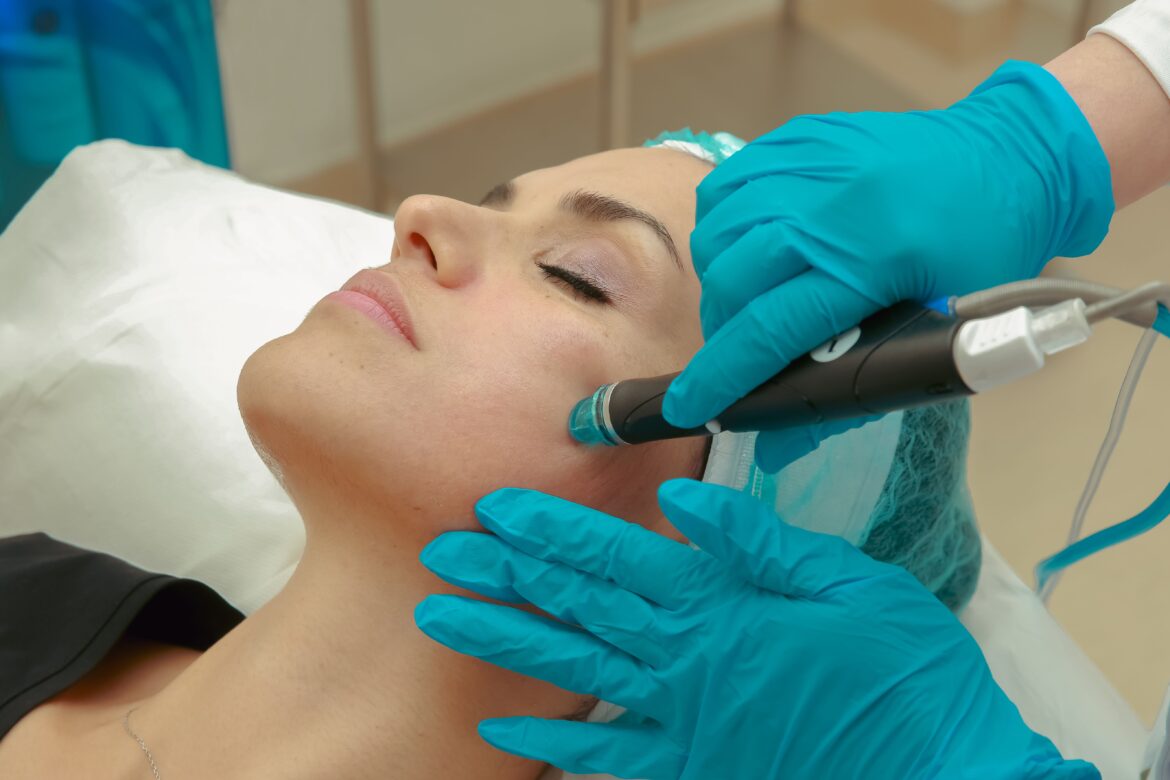
The regenerating of the skin of the body is a vital sign that indicates internal health and physical resilience of the fitness enthusiast.
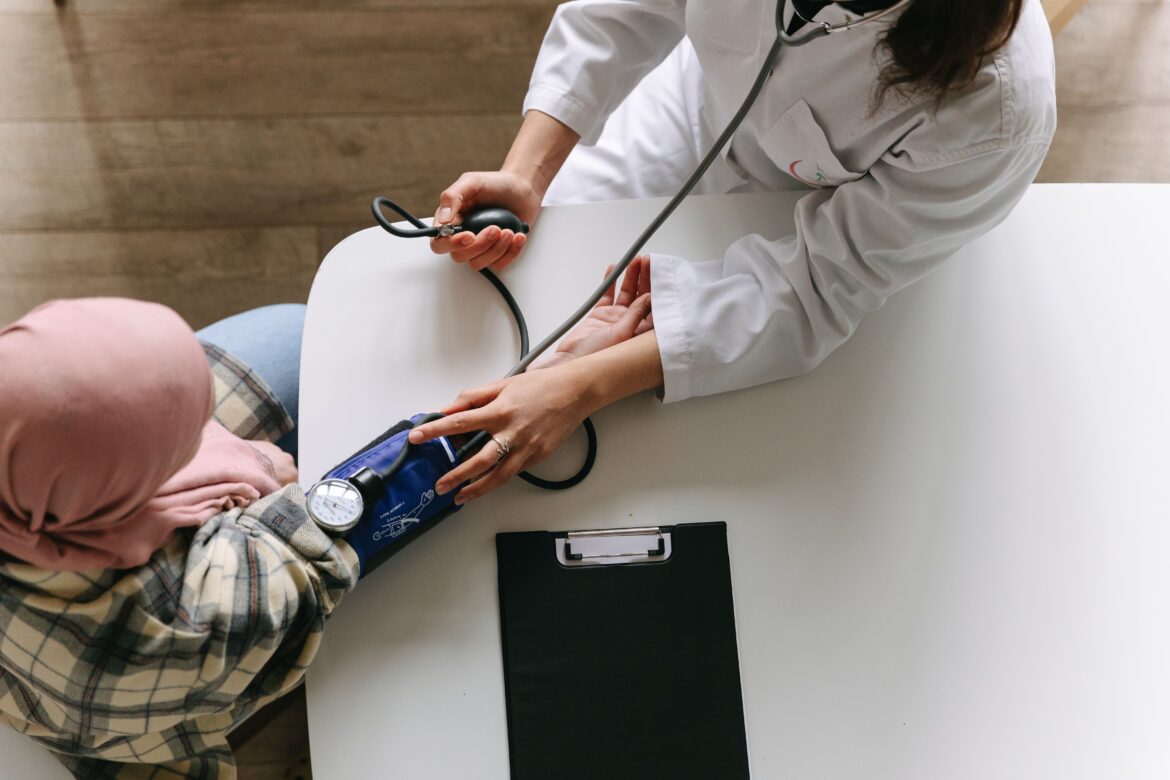
Clinical care is designed to concentrate on helping people fully recover (both physically and emotionally), while legal experts are here to fight for compensation if somebody’s negligence resulted in injury.
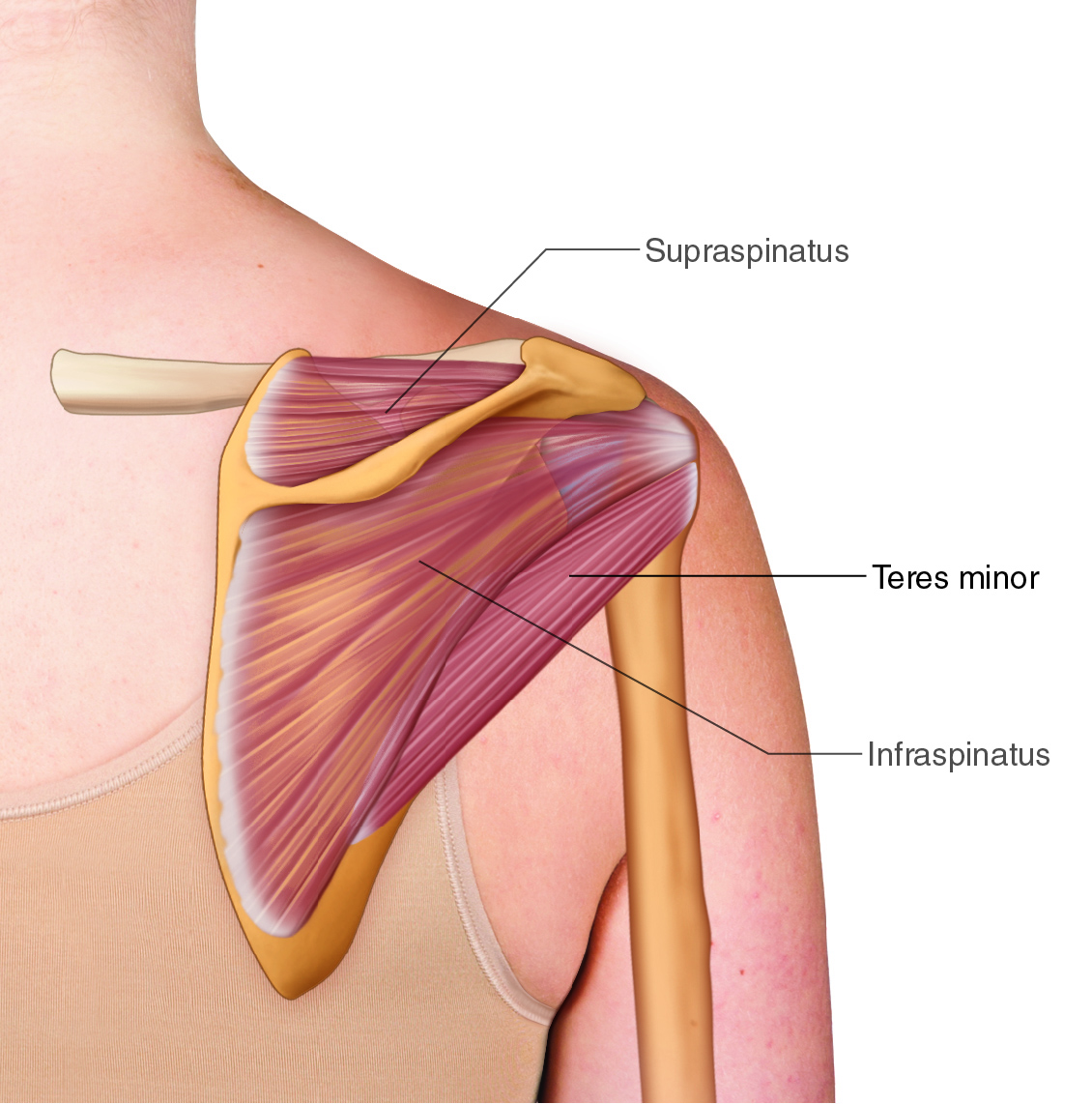
Given the tremendous load that is placed on the teres minor with everyday activities, and its role in rotator cuff pathology and how often it has myofascial trigger points, it is extremely important for the manual therapy practitioner to be competent and effective at working with this muscle.
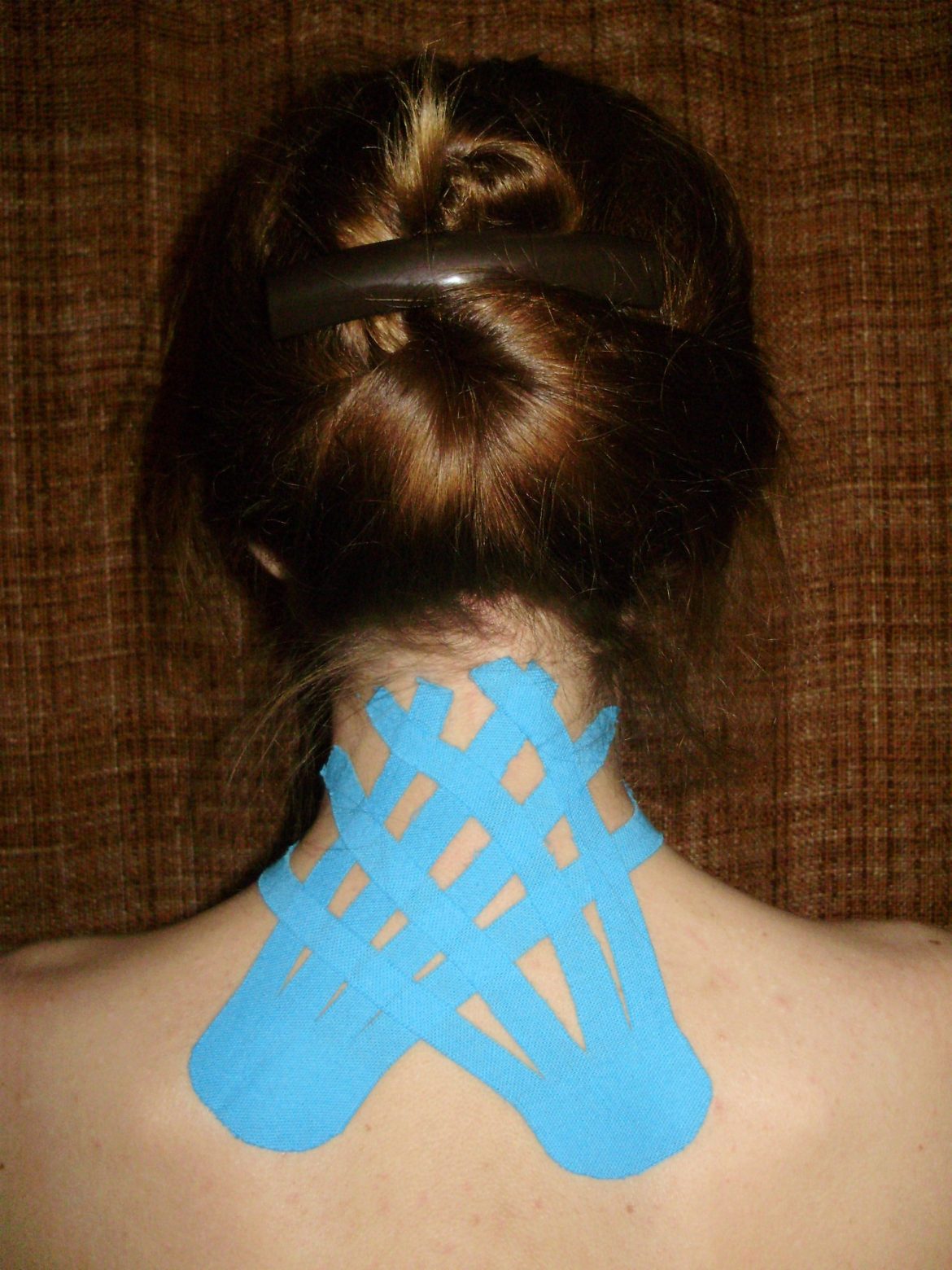
This study found that neuromuscular taping was associated with a decrease in mean systolic blood pressure, mean diastolic pressure, and cardiac vagal tone.
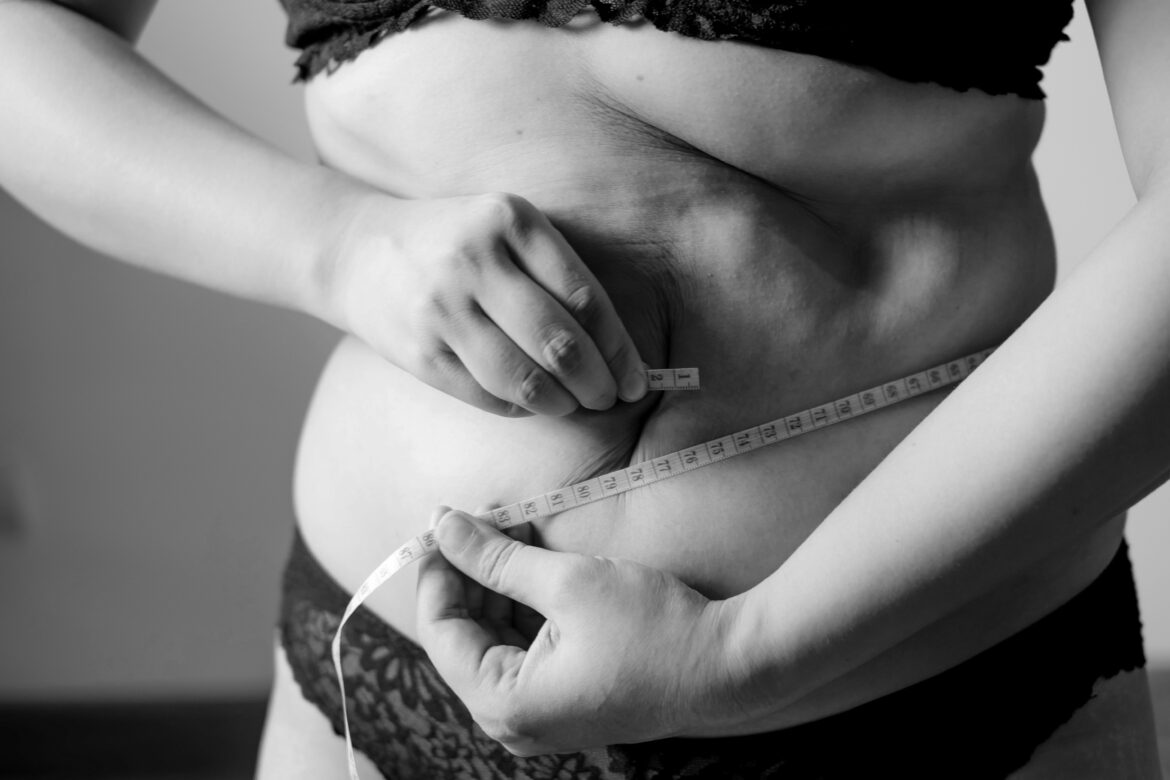
A great way to be organized is to use a particular GLP-1 tracking app. Tracking progress, habits and changes over time can assist the user to better understand their routine, and facilitate constructive dialogue with health care providers.
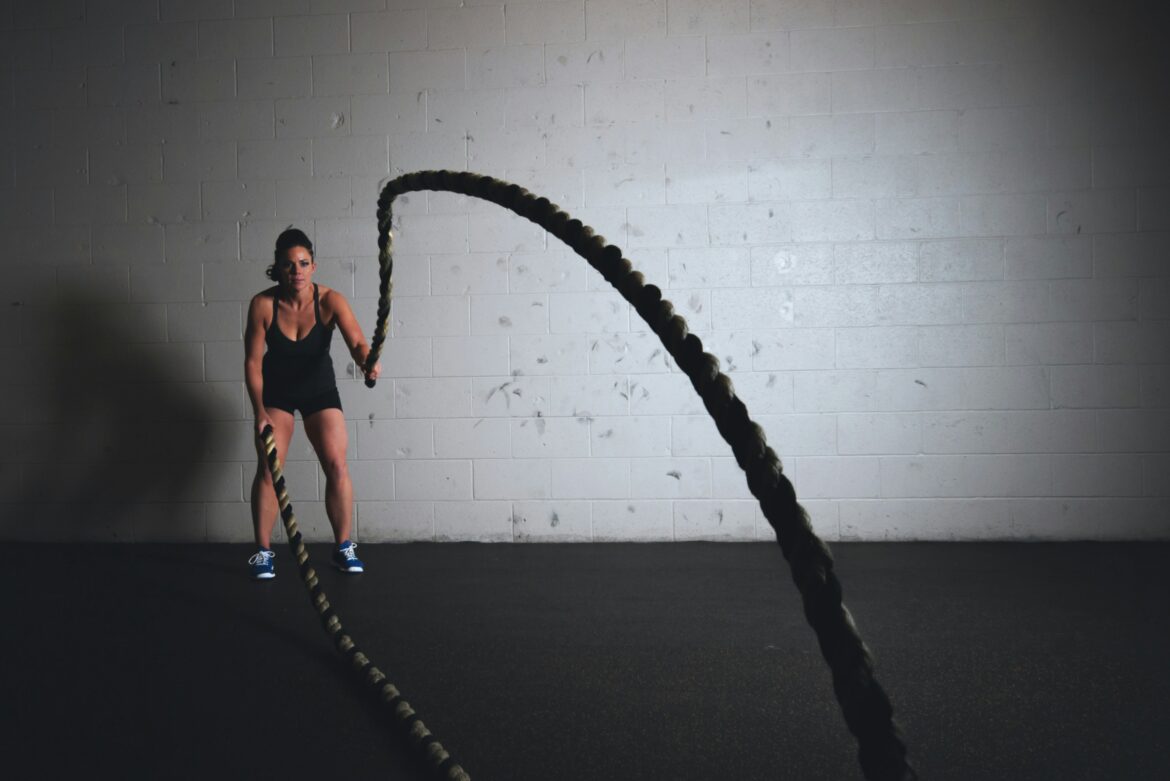
Cross-training progressions allow a runner to rebuild fitness, allow injured tissue to heal and return to running without becoming a repeat statistic on the injury list.
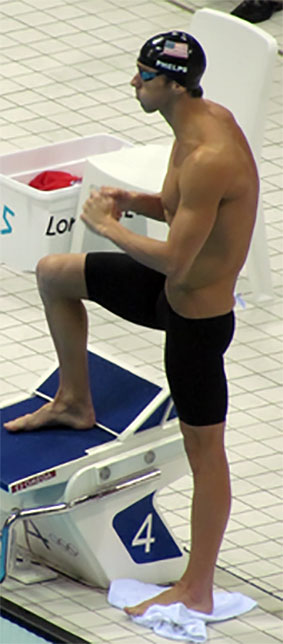
Swimmer’s shoulder can include several different pathologies, including rotator cuff tendinitis, shoulder instability, and shoulder impingement.
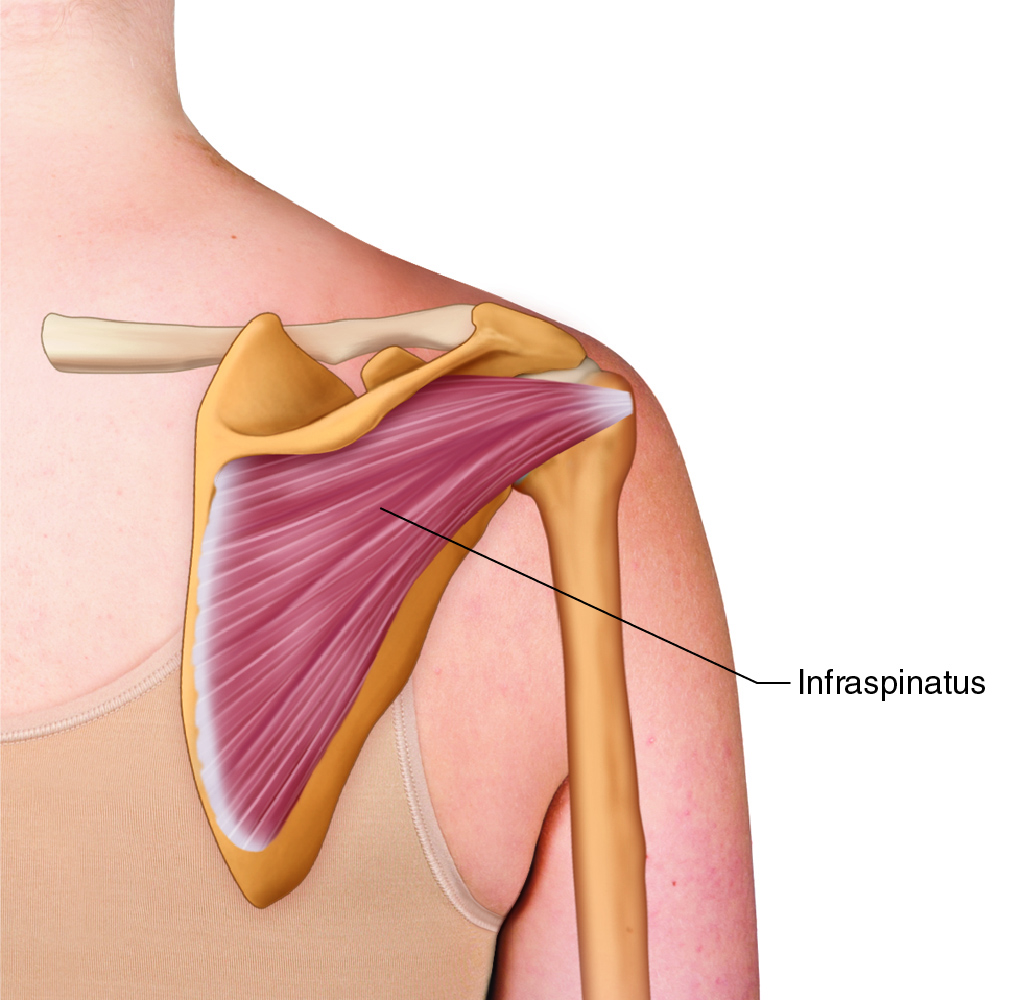
Given the tremendous load that is placed on the infraspinatus with everyday activities, and its role in rotator cuff pathology, it is extremely important for the manual therapy practitioner to be competent and effective at working with this muscle.
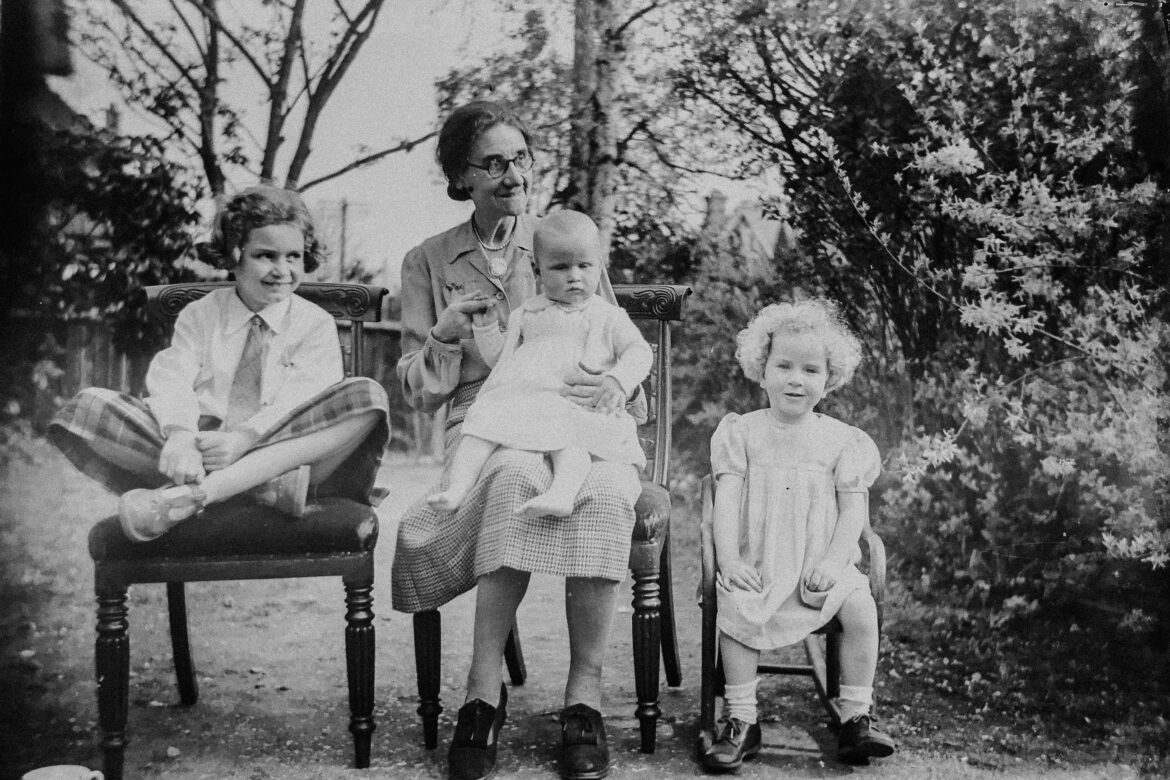
Your family history is just one part of the overall health record of you and your body. The healthy lifestyle that you lead, combined with your use of healthcare, can have a significantly greater impact on your long-term health than your genetics.

By combining regular movement, strength training, flexibility exercises, and early attention to potential problems, individuals can reduce their risk of chronic discomfort while maintaining mobility for years to come.
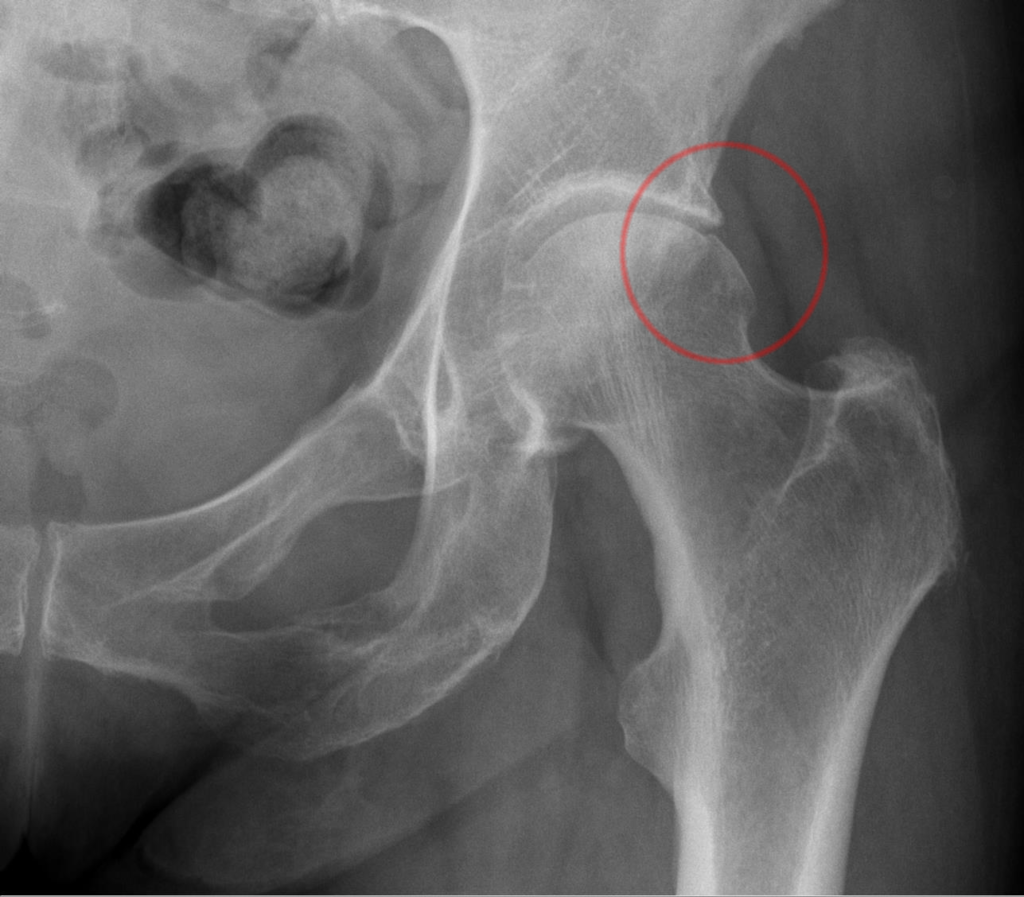
Femoroacetabular impingement syndrome is a movement-related condition, usually caused by abnormal bone formation of the femoral head and/or acetabulum.
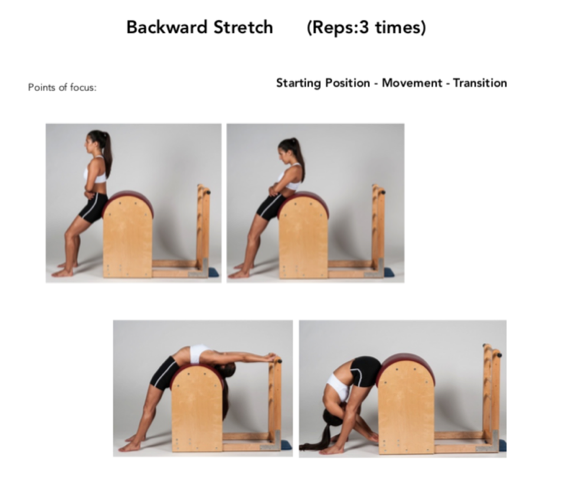
When a client presents with thoracic hyperkyphosis (rounded back), there are many approaches for how Pilates can treat thoracic hyperkyphosis. And for each of these approaches, many Pilates exercises can be utilized. Before addressing these approaches, let’s briefly review thoracic hyperkyphosis…
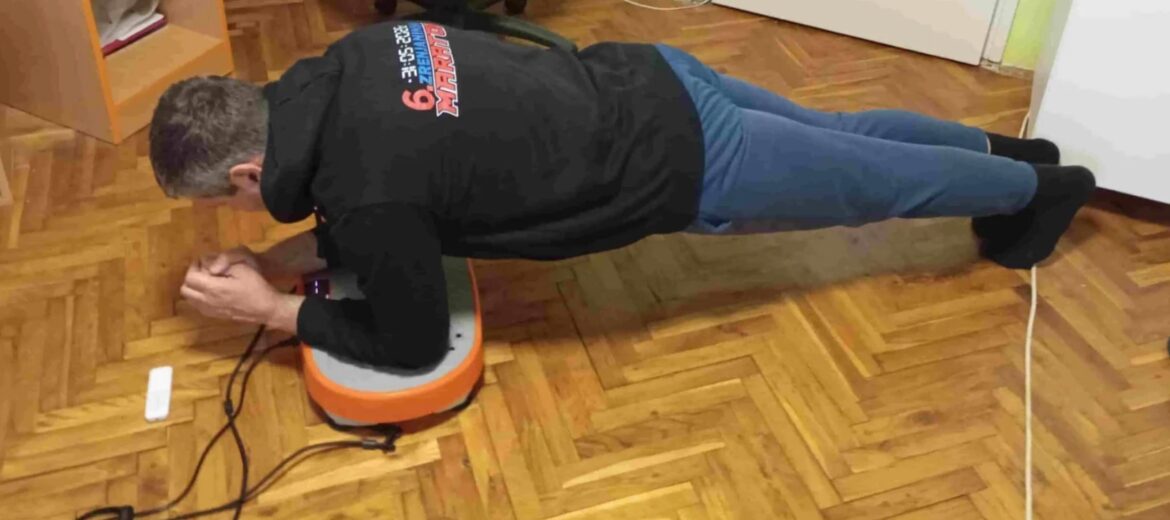
Discover the main vibration plate benefits for strength, balance, circulation, mobility, bone health, and home workouts, plus realistic limits.
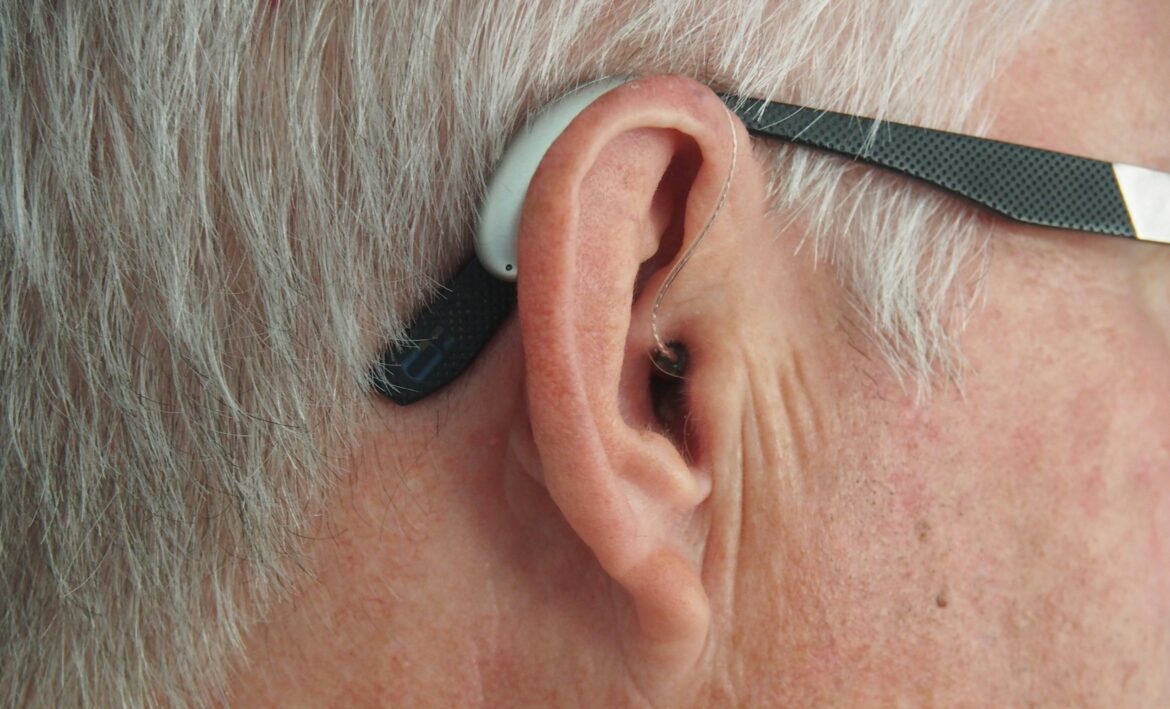
Noise induced hearing loss can be prevented in almost all cases of work-related noise. What is often lacking is consistent use, proper fit and regular testing to ensure that the protection put in place is effective.
