The slump test places tension on the spinal cord and PNS. It assesses a space occupying condition of the cervical and lumbar spine, as well as TOS.
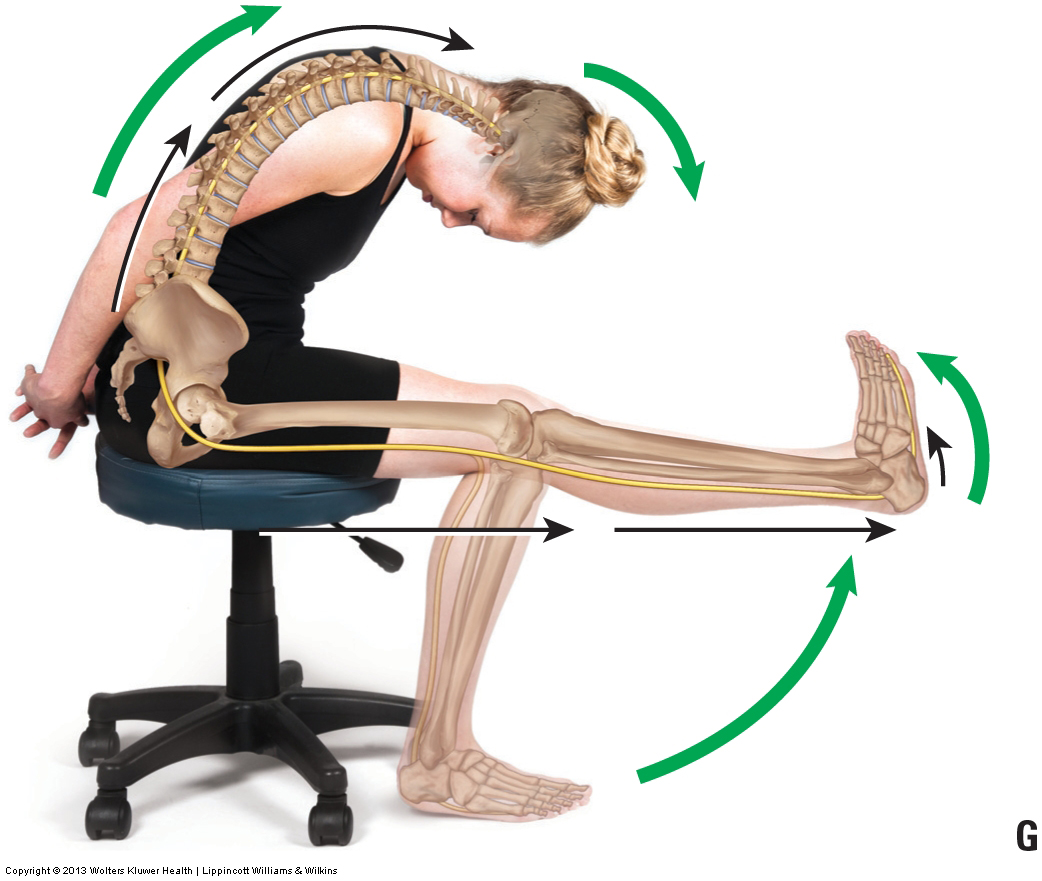

The slump test places tension on the spinal cord and PNS. It assesses a space occupying condition of the cervical and lumbar spine, as well as TOS.
The term “space occupying condition” is used to describe a condition in which there is compression on a spinal nerve in the intervertebral foramen.
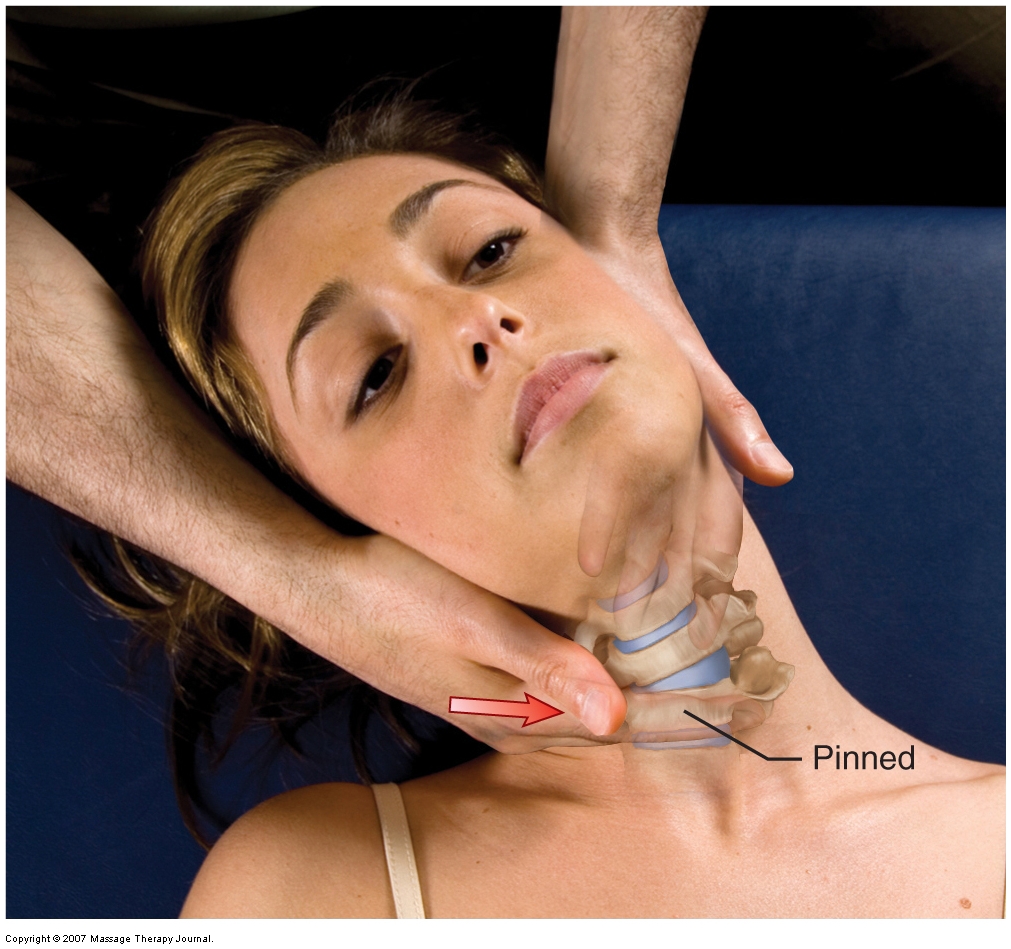
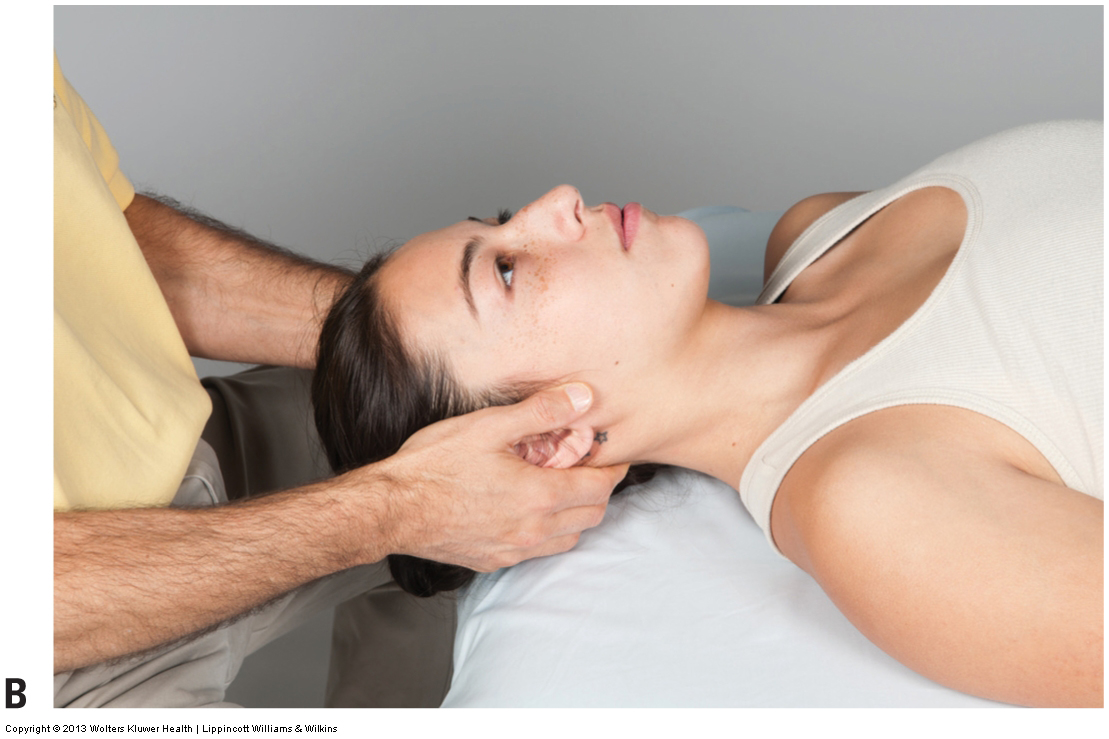
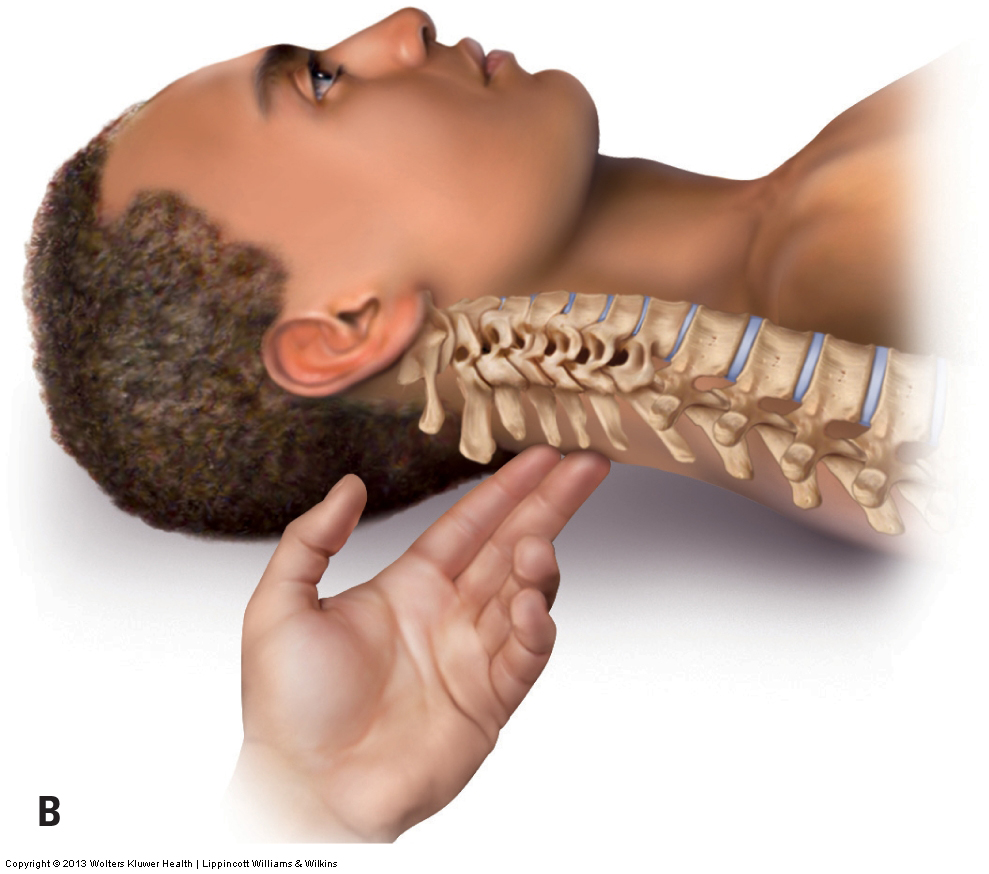
Motion palpation is a specific form of passive (pin and stretch technique) assessment that challenges the intrinsic fascial tissue of the joint.
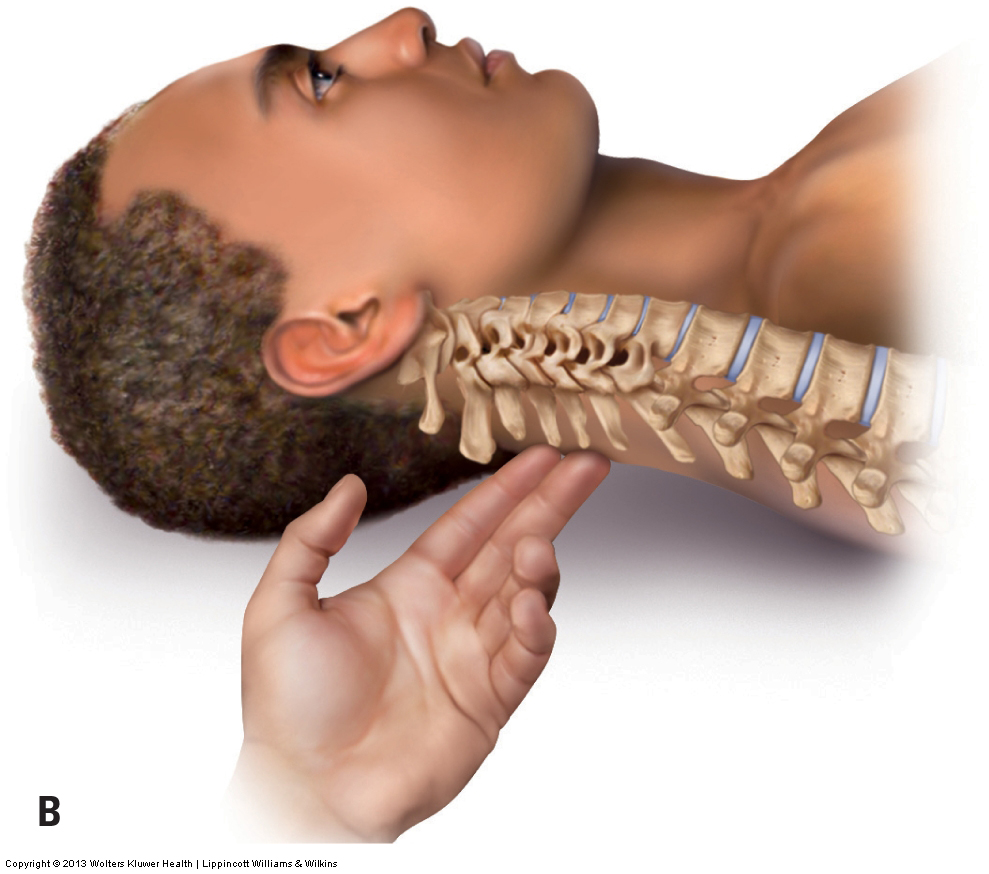
Perhaps no assessment procedure is more important to the manual therapist and integral to musculoskeletal (myofascioskeletal) assessment than palpation.
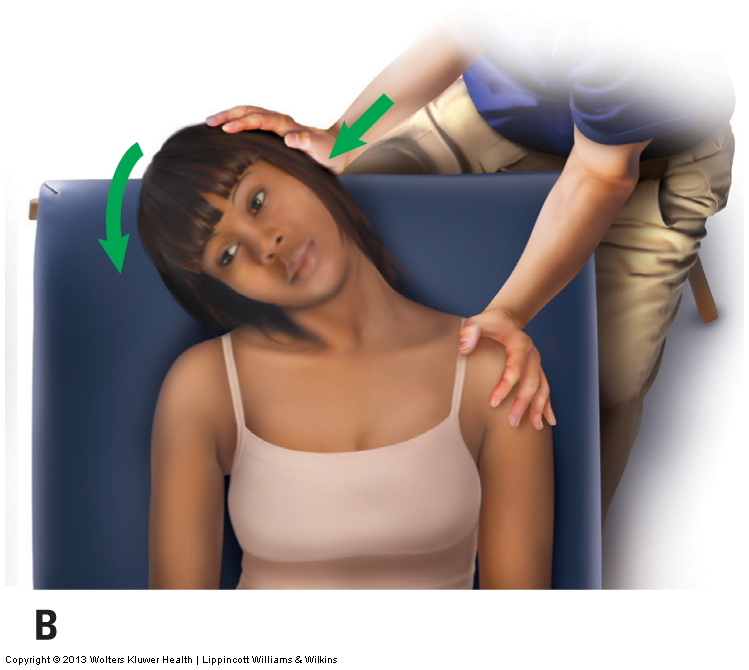
General orthopedic assessment testing includes three assessment techniques, two types of range of motion (ROM) assessment and manual resistance assessment.
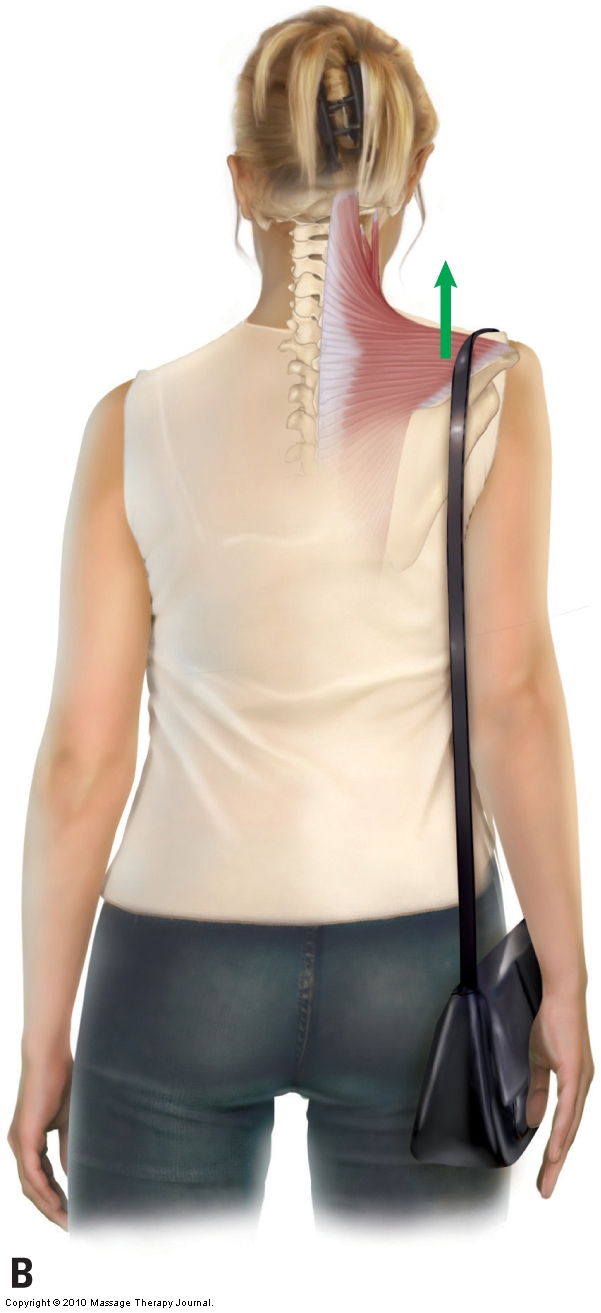
Postural assessment: Good posture is balanced and symmetrical & does not place excessive stress on the body. Bad posture is asymmetrical and/or imbalanced.
If a physical examination assessment test creates signs/symptoms of the condition, it is positive and the therapist knows that tissue is unhealthy.
The health history should be done before the physical assessment exam because it helps reveal the regions that need to be assessed during the physical exam.
Before treatment can be given, it is necessary to have a clear understanding of the mechanism behind the musculoskeletal pathologic condition.
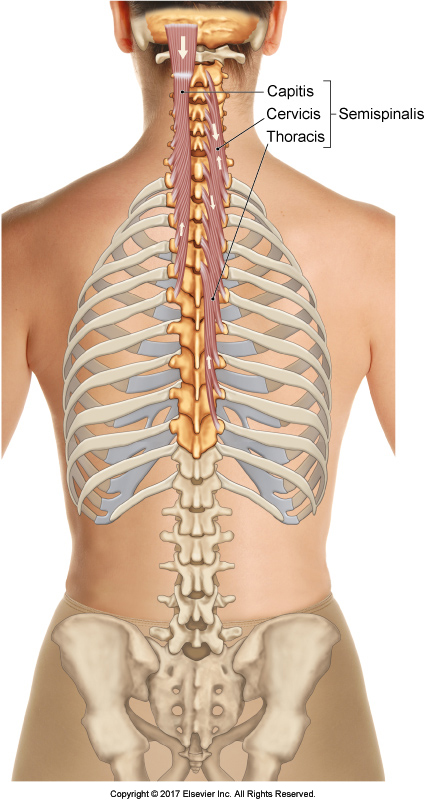
Semispinalis capitis, pectineus, & vastus lateralis are unusual suspect muscles, often overlooked by manual therapists, that can cause pain and dysfunction.
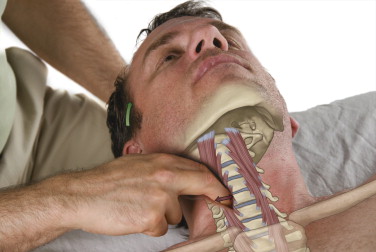
The longus colli and longus capitis are deep flexors of the neck that often become locked short and cause neck pain, especially when swallowing.
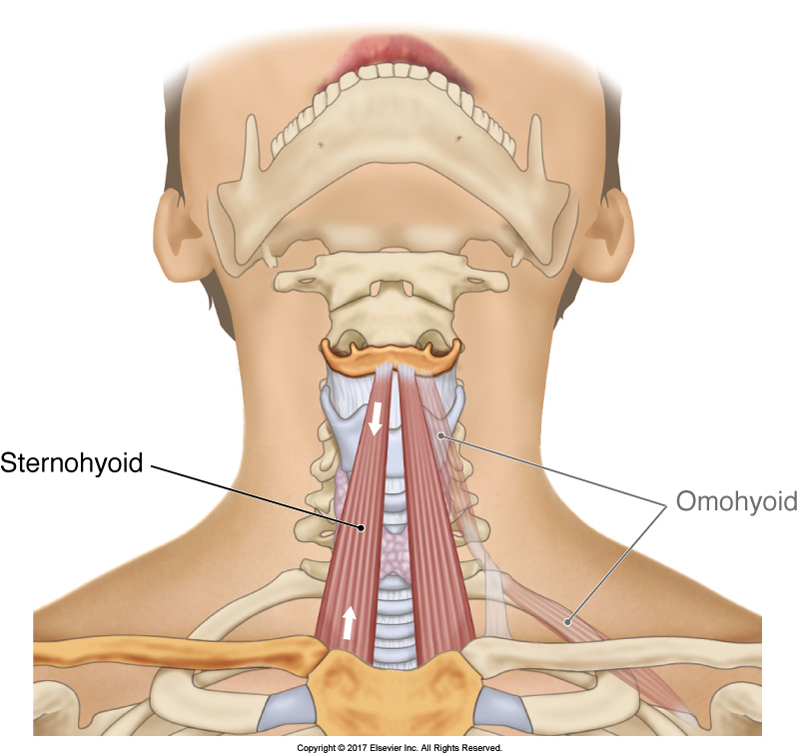
The sternohyoid is an infrahyoid muscle of the anterior neck that attaches from the sternum inferiorly to the hyoid bone superiorly and may cause neck pain.
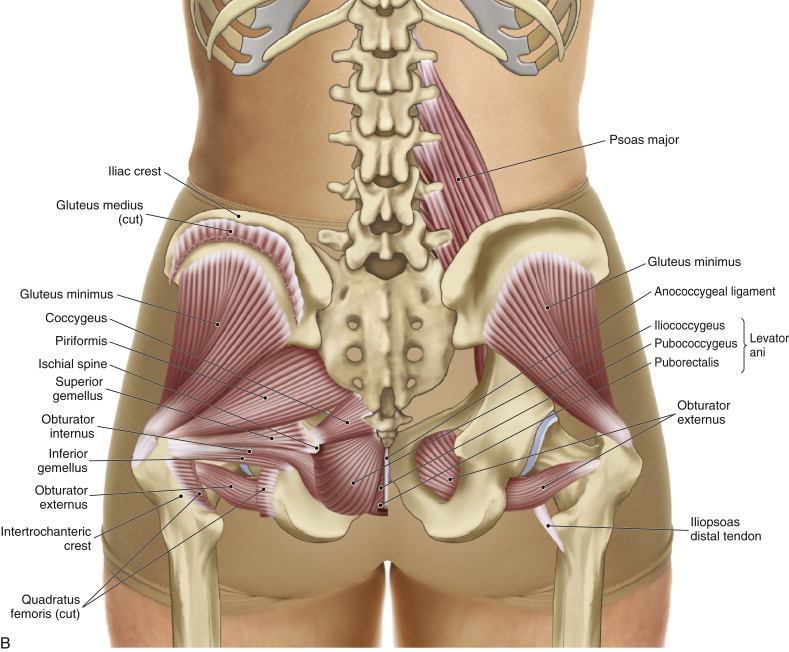
Attachments and Actions of the Coccygeus and Levator Ani The coccygeus and levator ani are pelvic floor muscles located between the sacrum and coccyx medially and the pelvic bone laterally (Figure 11). As pelvic floor muscles, they are important toward …
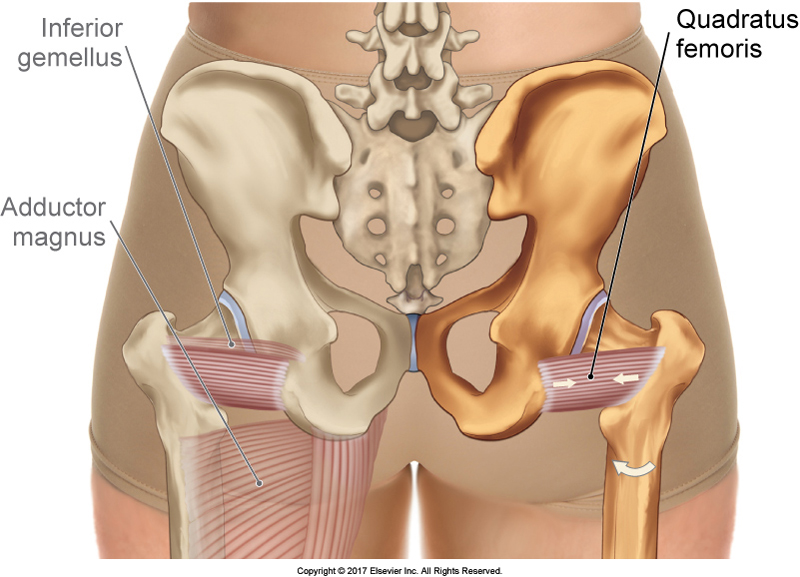
The quadratus femoris is a deep lateral rotator of the hip joint that is overlooked because of our excessive focus on its neighbor, the piriformis.
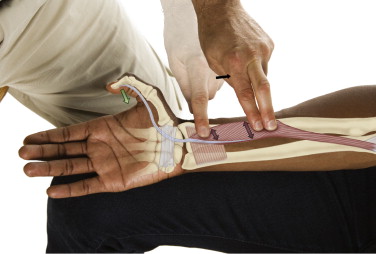
The flexor pollicis longus is a deep muscle of the anterior forearm and hand that flexes the thumb and is often overused with digital devices.
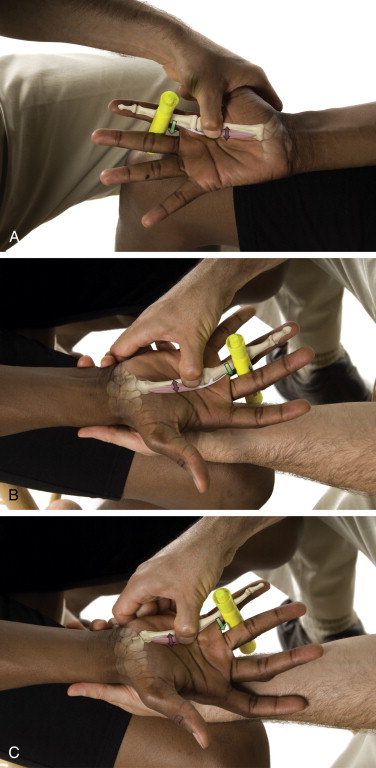
The palmar interossei are intrinsic hand muscles located between metacarpals bones in the palm of the hand. They may be the cause of hand pain.
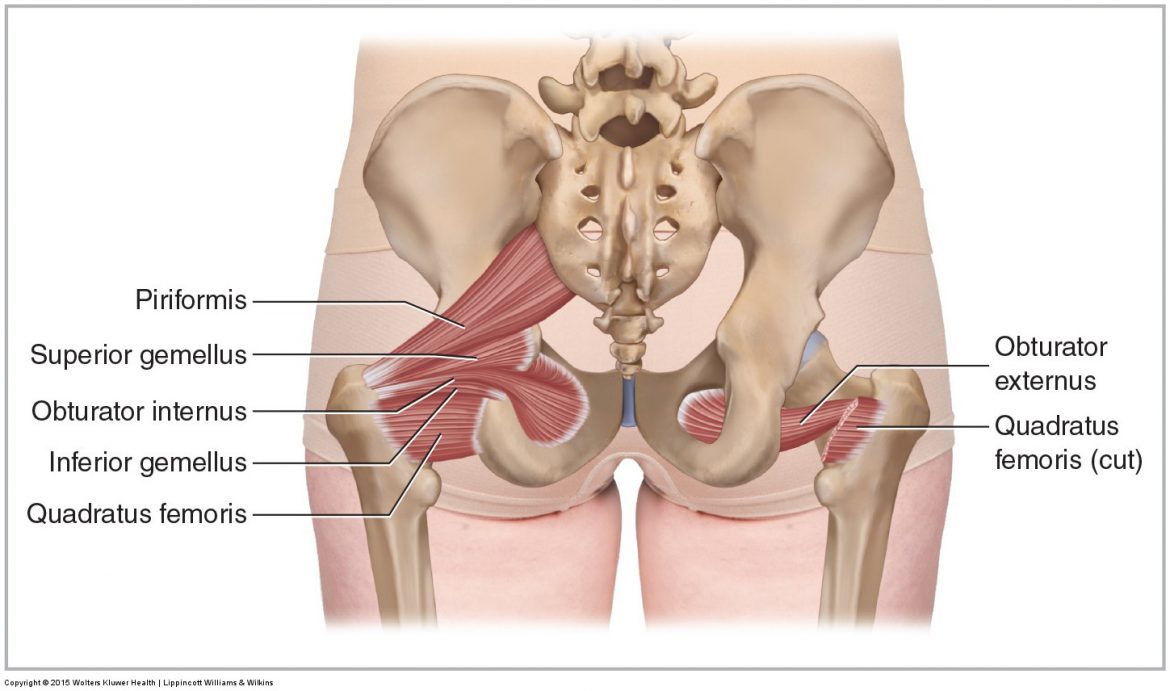
Sometimes it is an unusual suspect, a less well-known muscle, that is the underlying cause of our client’s pain and dysfunction pattern.
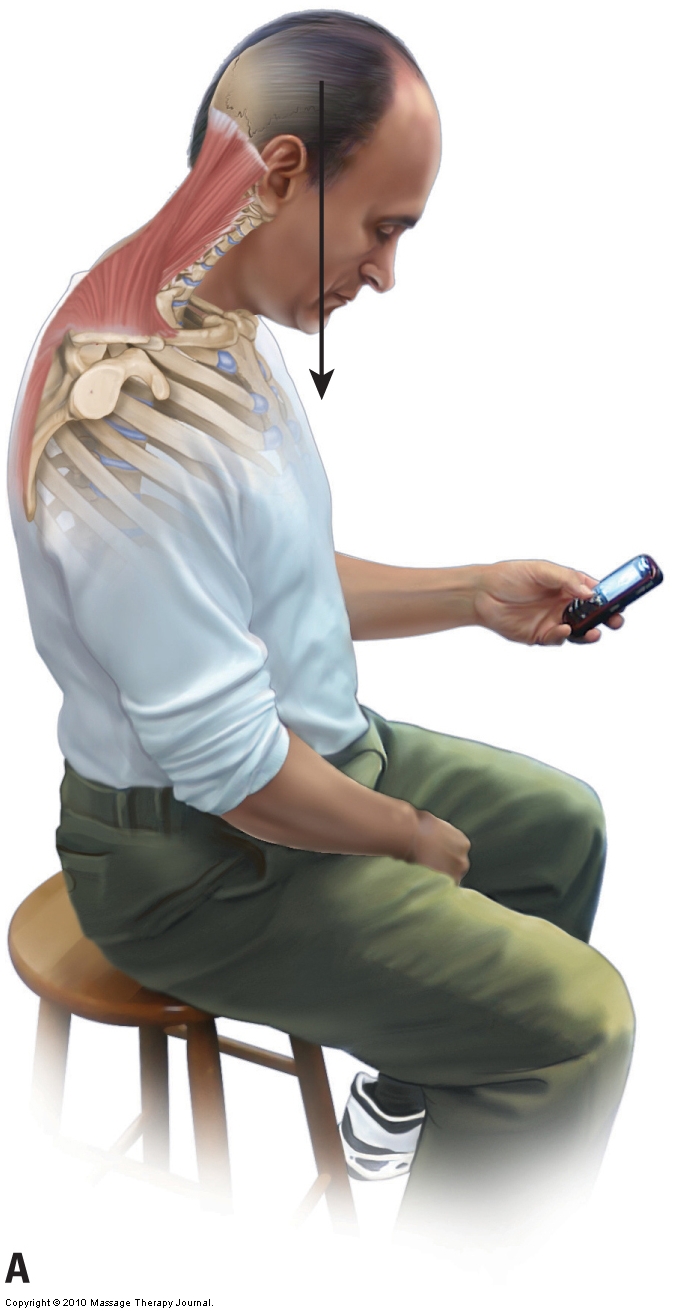
A tension headache is caused by excessive pulling force of tight muscles in the back of the neck that exert tension on their attachments on the head.
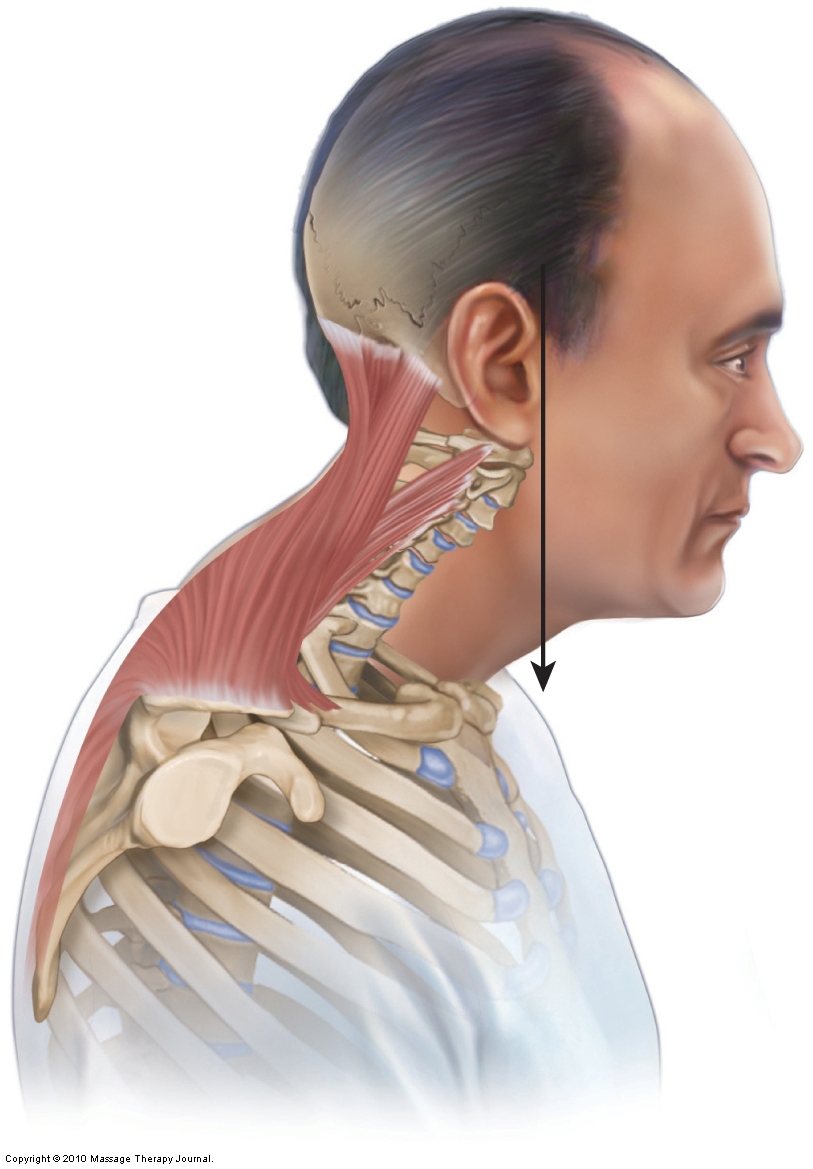
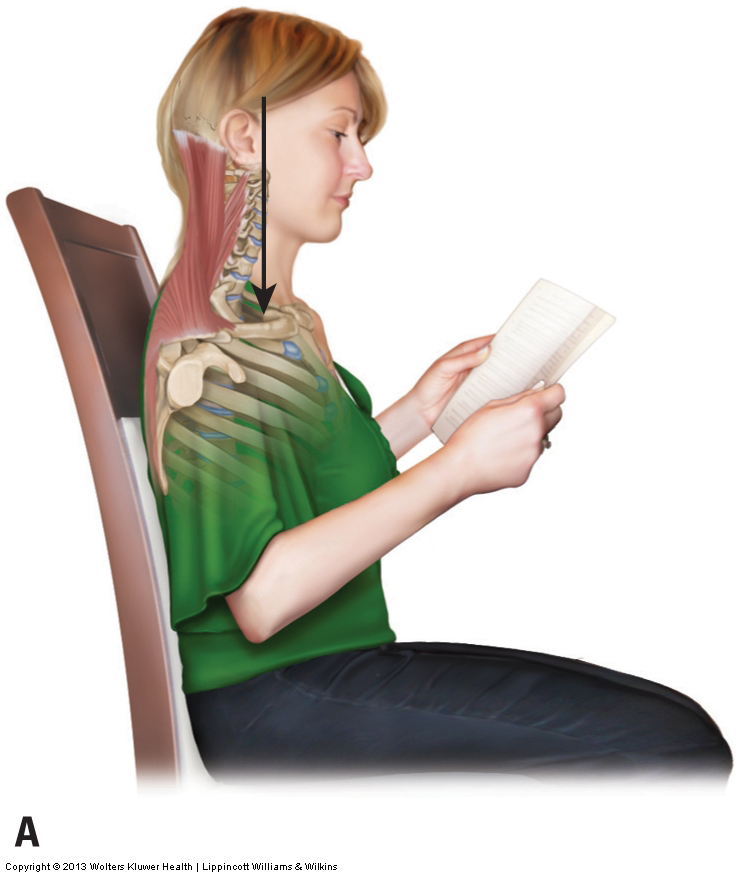
Forward head posture is extremely common, especially as we age. It is part of a larger posture dysfunctional pattern known as upper crossed syndrome.
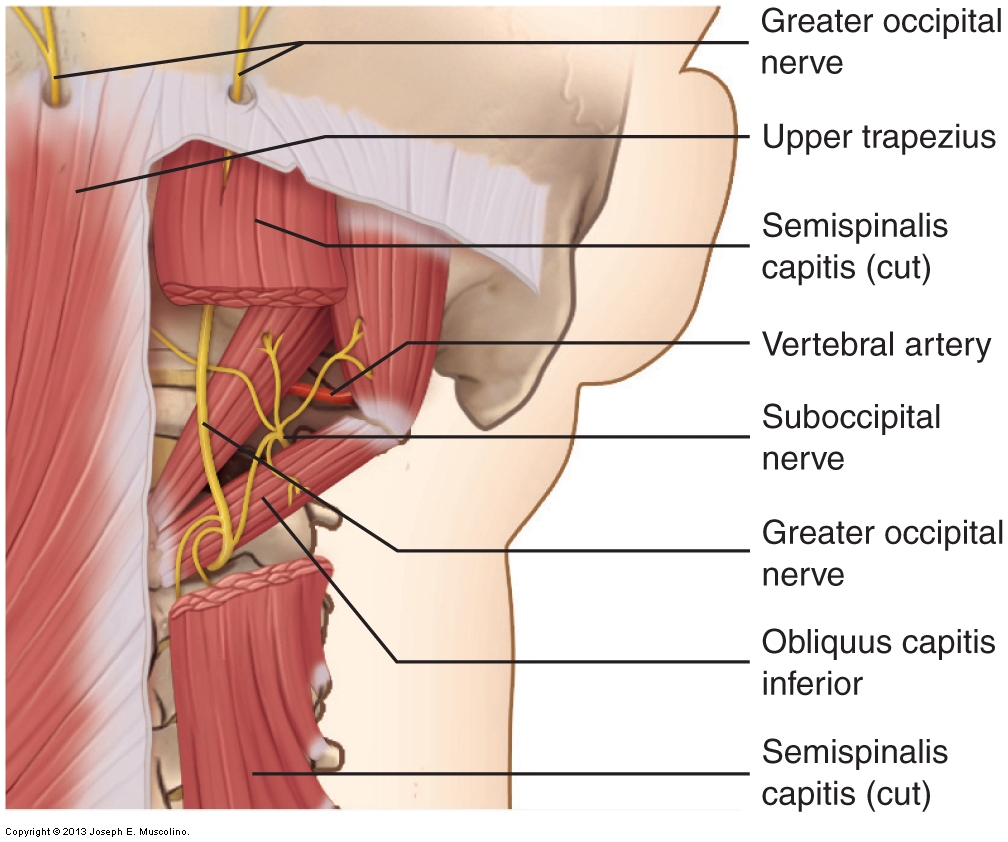
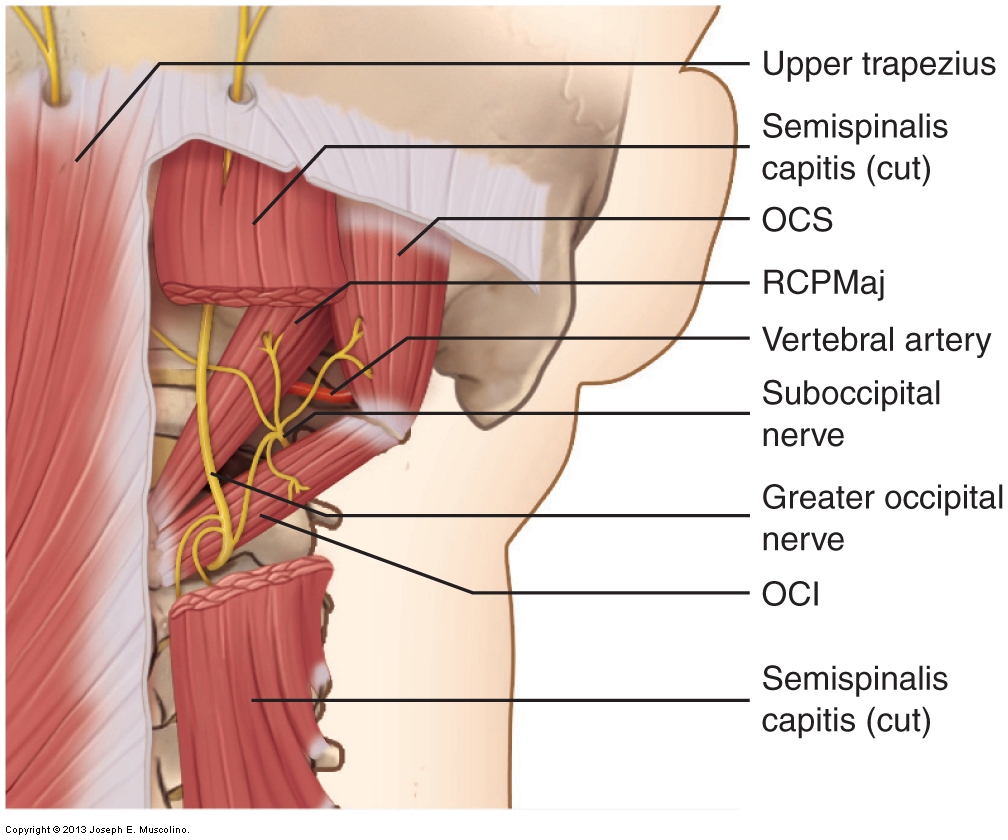
Greater occipital neuralgia is caused by compression of the greater occipital nerve, usually by a tight upper trapezius or semispinalis capitis muscle.
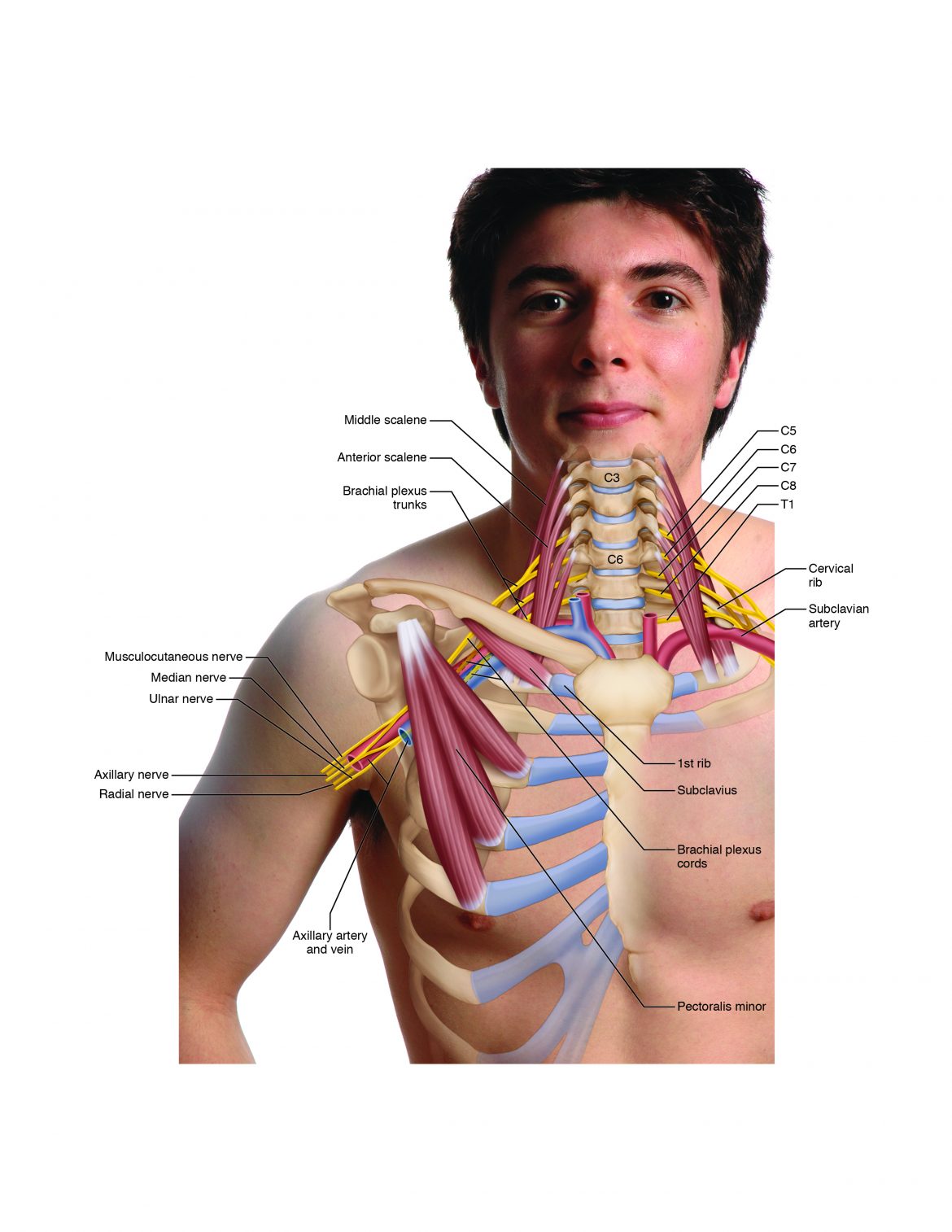
Thoracic outlet syndrome is a condition that causes compression of nerves and/or blood vessels where the thorax outlets into the upper extremity.
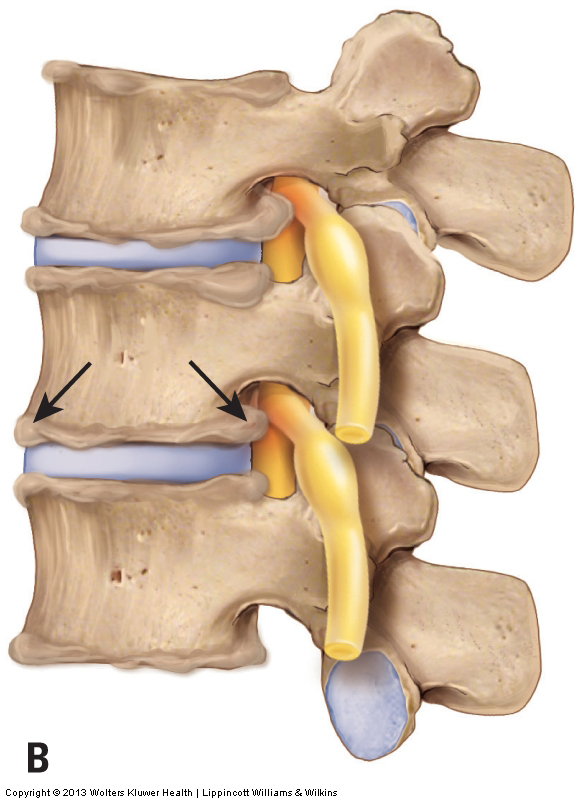
The causative mechanism of osteoarthritis is excessive physical stress placed on the joint, resulting in cartilage and then bony degeneration.
Tight musculature is the most common presenting complaint that a manual therapist will confront and is a component of every neck musculoskeletal condition.
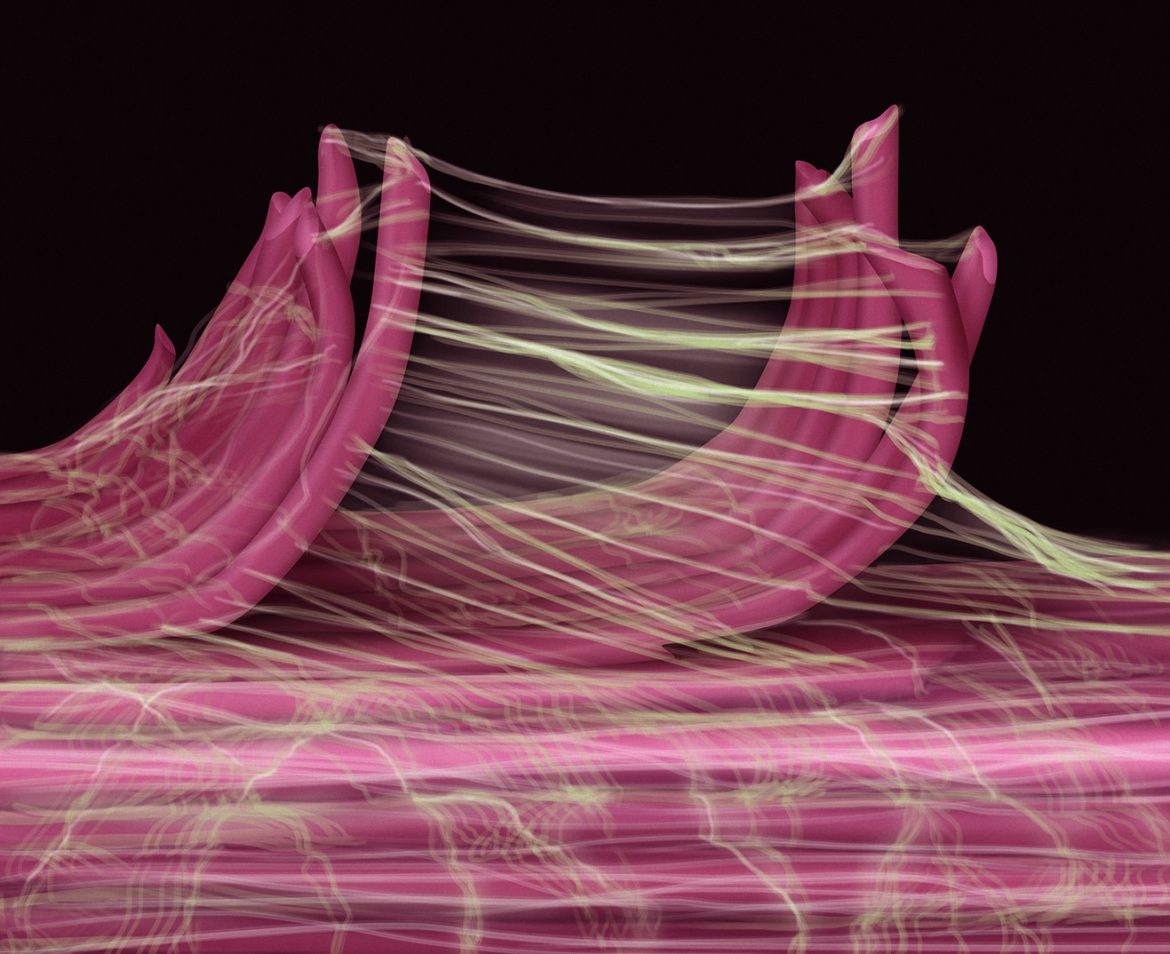
Fascial adhesions may bind together the two opposing surfaces of a soft tissue interface, resulting in restricted mobility.
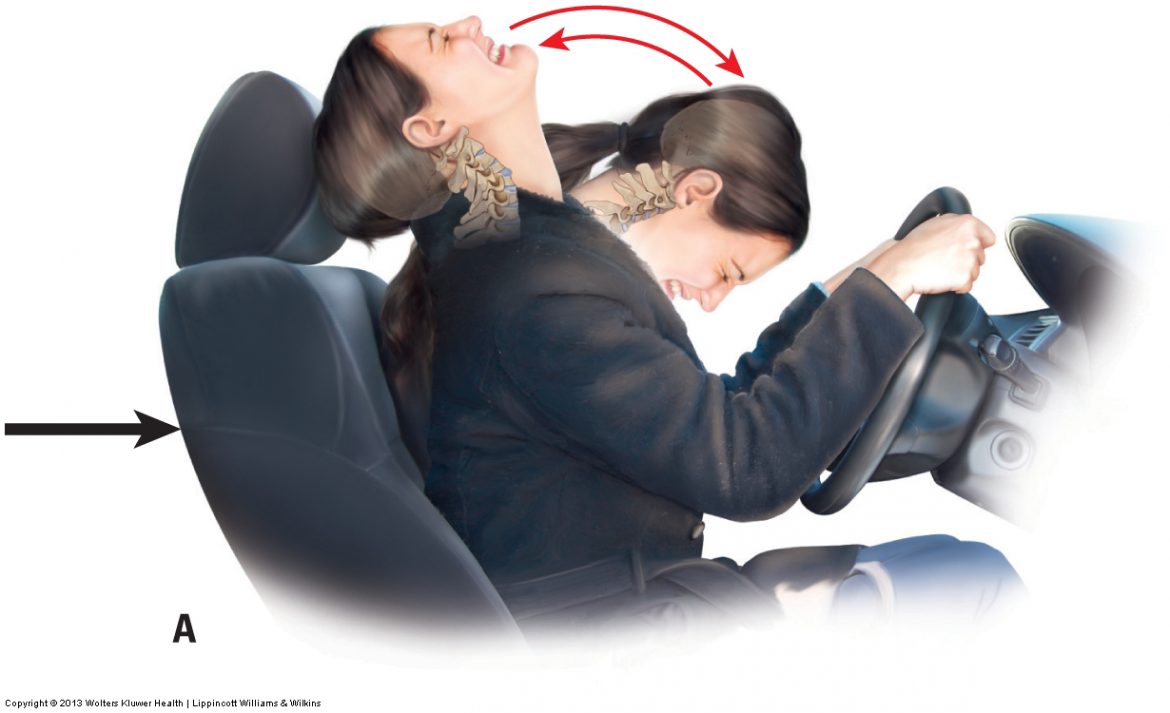
A whiplash is named for the characteristic whiplike motion of the person’s head/neck during a car accident, usually resulting in strain/sprain of the neck.
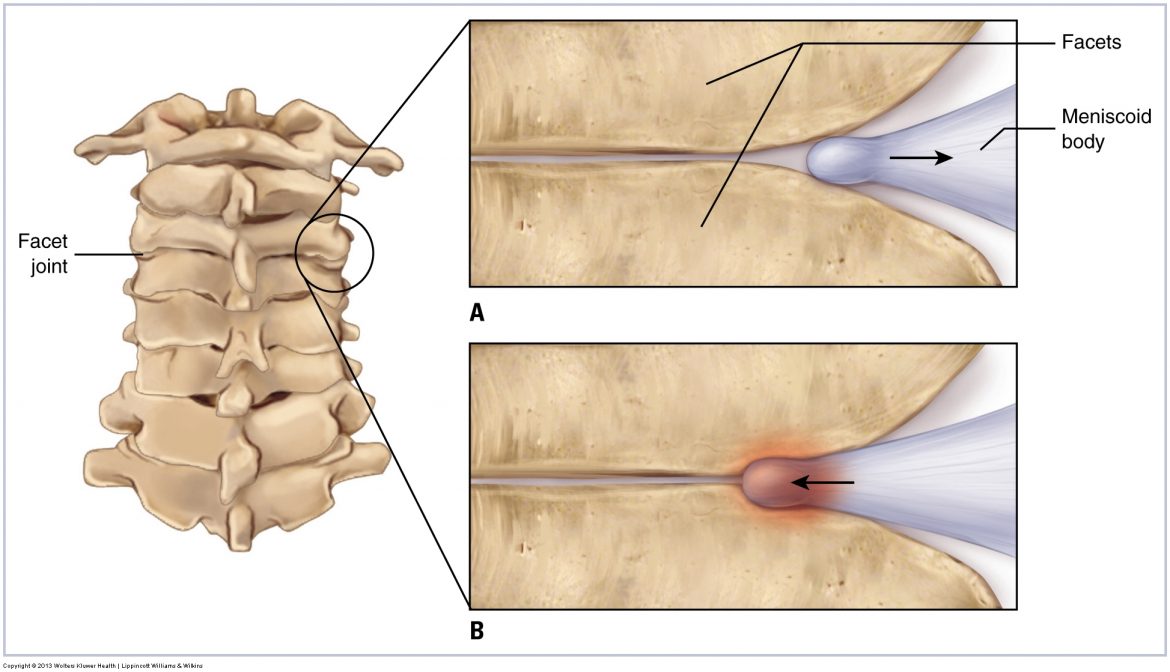
A joint functions to allow motion, so two forms of joint dysfunction exist: Hypomobile joint has restricted motion; Hypermobile joint has excessive motion.
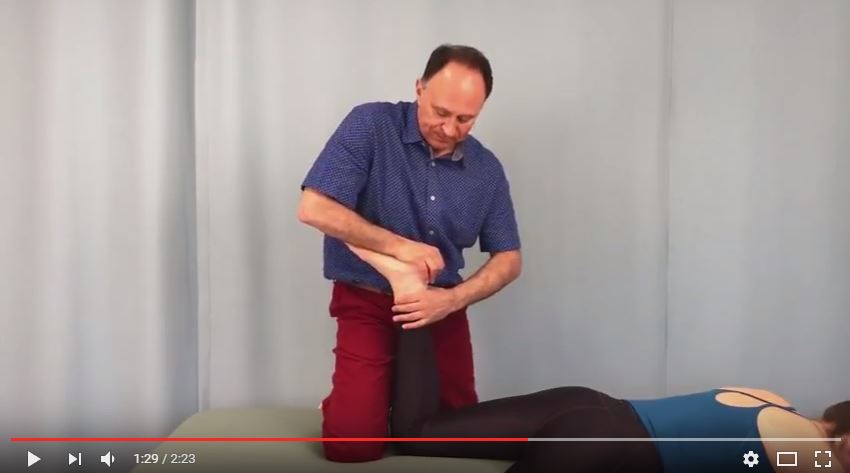
When palpating a muscle and adding resistance to its contraction, never cross a joint that does not need to be crossed or other muscles will also contract.
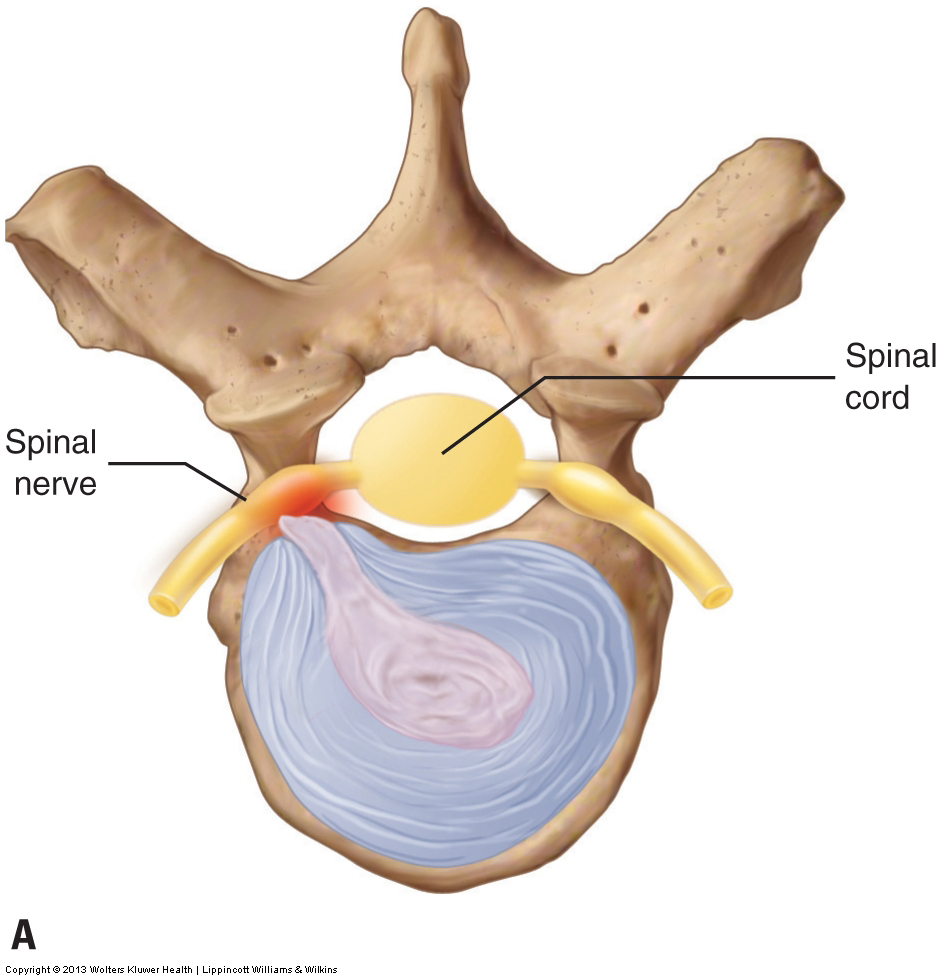
The danger with a disc bulge or herniation is that the disc can compress the spinal nerve within the intervertebral foramen, causing a pinched nerve.
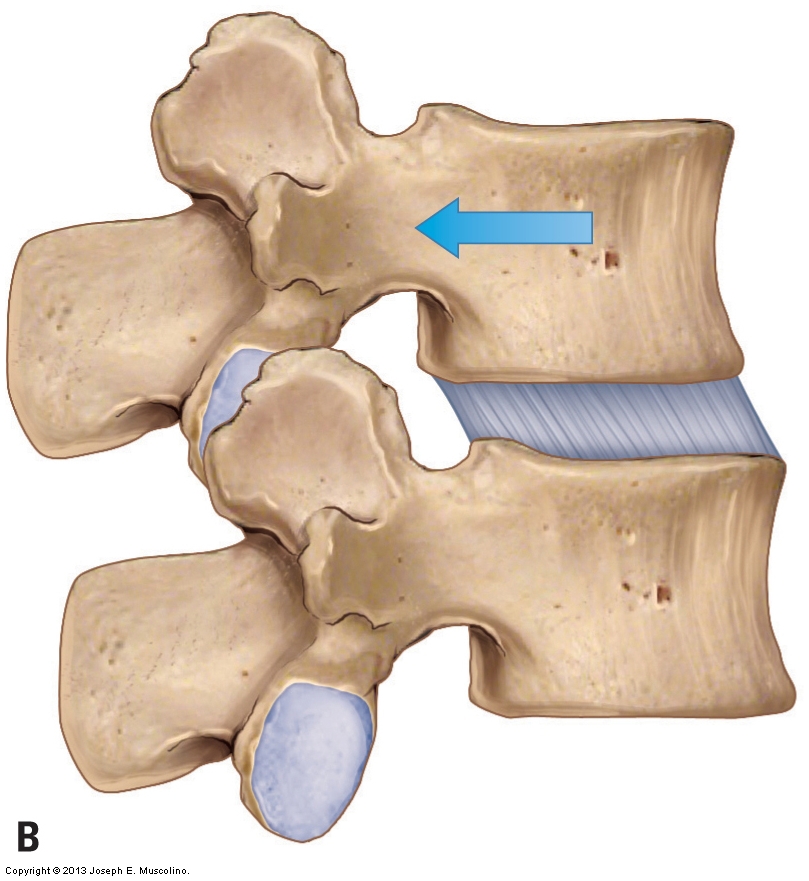
Table 1 shows average healthy ranges of axial motion of the cervical spine (head and neck), from the atlanto-occipital joint through the C7-T1 joint.
It is essential to exercise caution when working the anterior neck. However, this should not prevent therapeutic manual therapy work to the anterior neck.
