Spondylolisthesis is a condition of the spine in which one vertebra slips on the vertebra below it. This condition usually occurs in the lumbar spine.
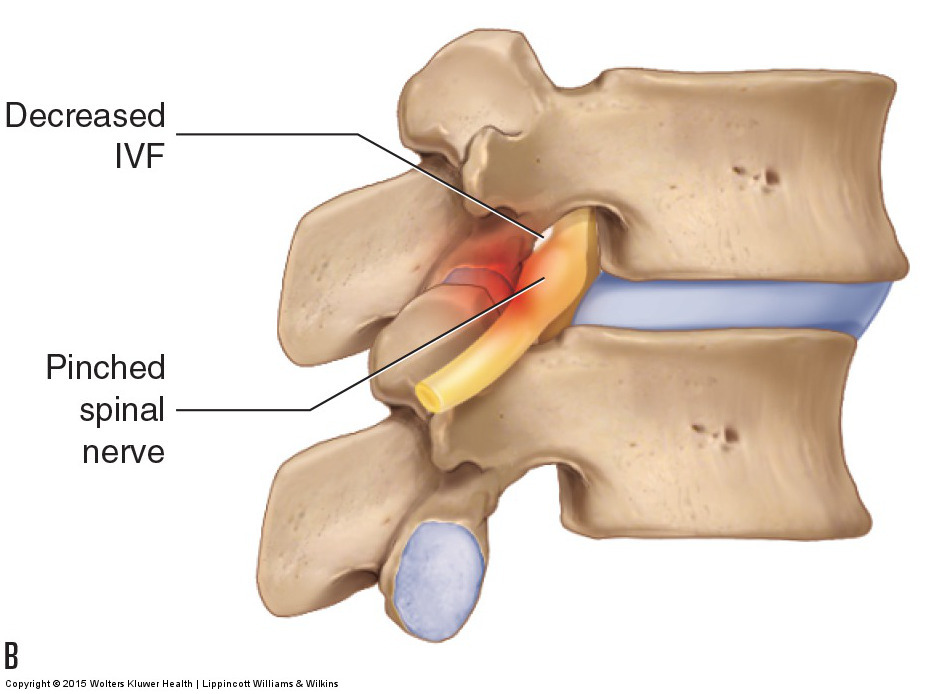

Spondylolisthesis is a condition of the spine in which one vertebra slips on the vertebra below it. This condition usually occurs in the lumbar spine.
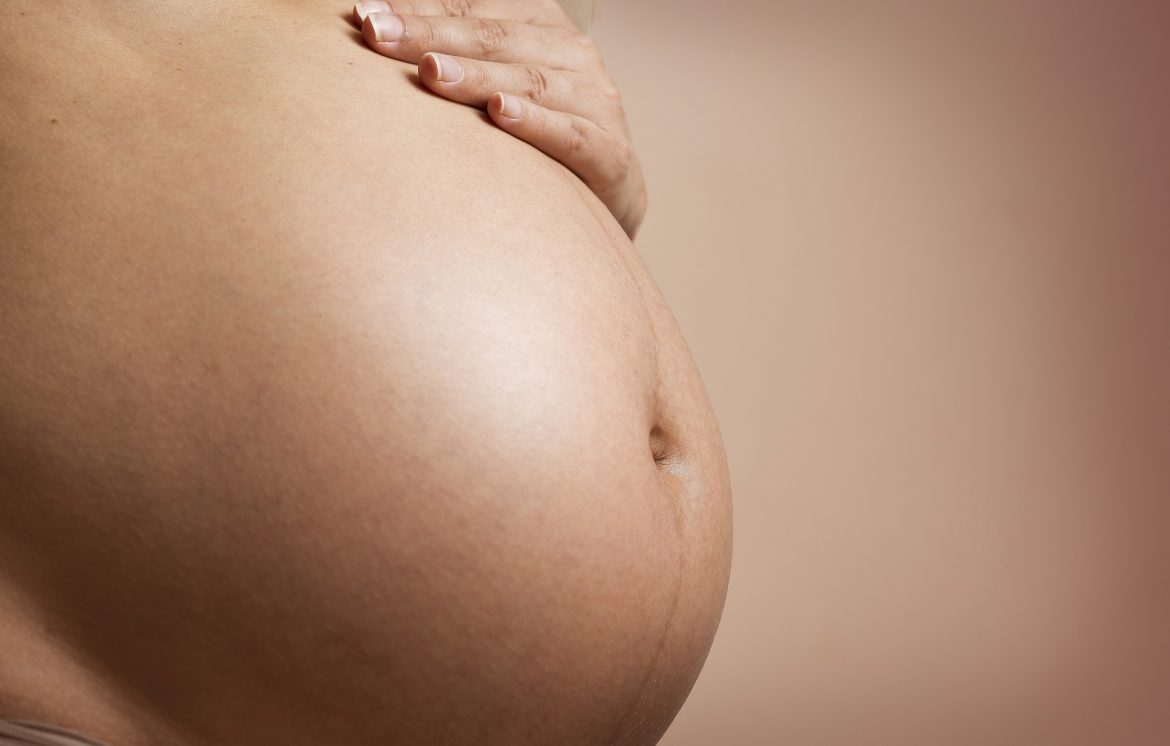
Mothers who had massage therapy after caesarean birth had increased relaxation, decreased pain, decreased stress, and decreased opioid use.
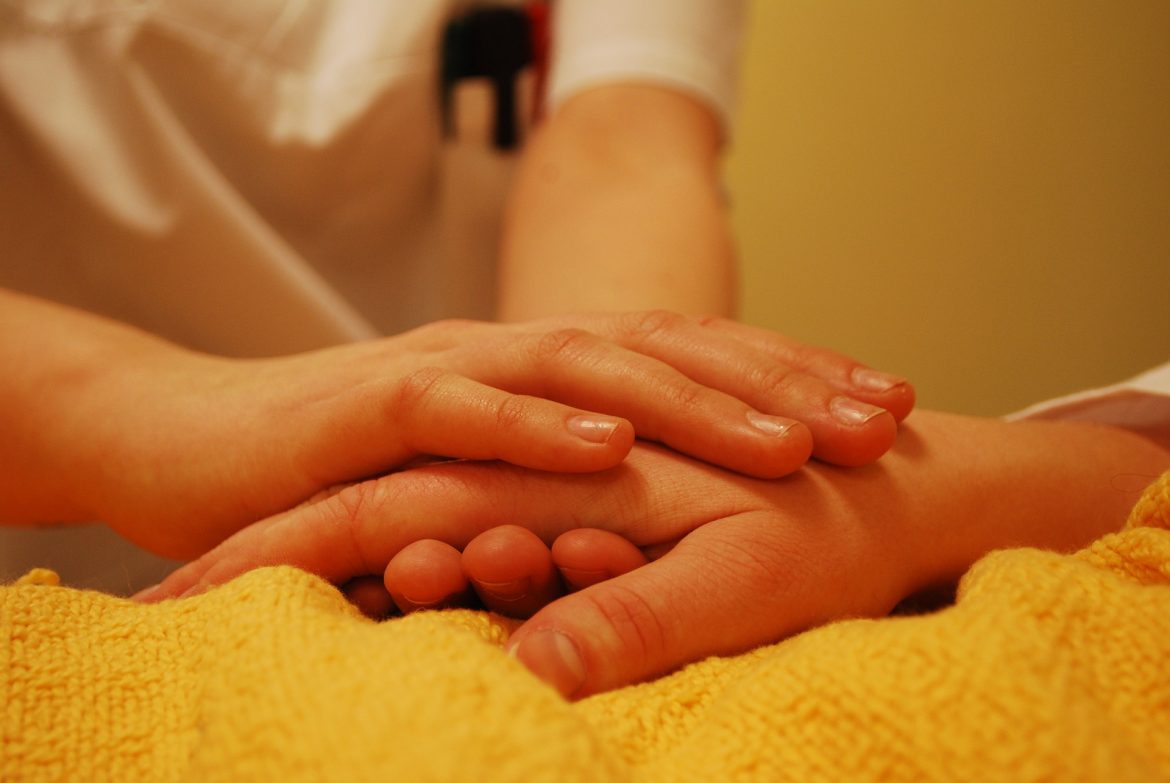
The results of this study should bolster the value of including massage therapy as an integral part of oncology treatment programs.
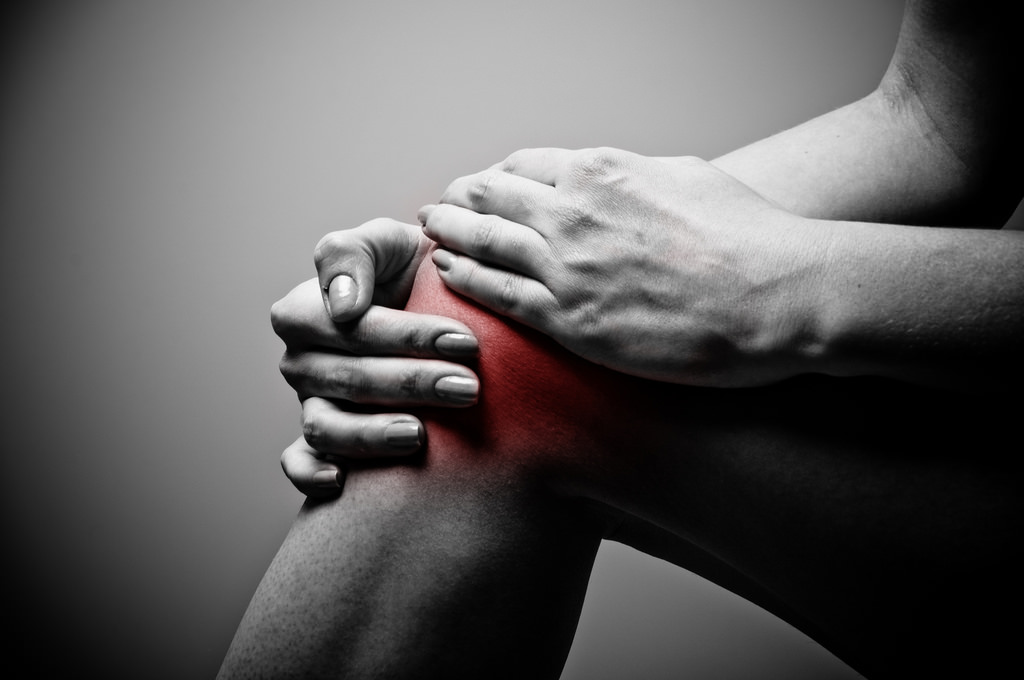
Perhaps the difference in physical activity explains the controversial results regarding Vastus medialis obliquus and Vastus Lateralis engagement.
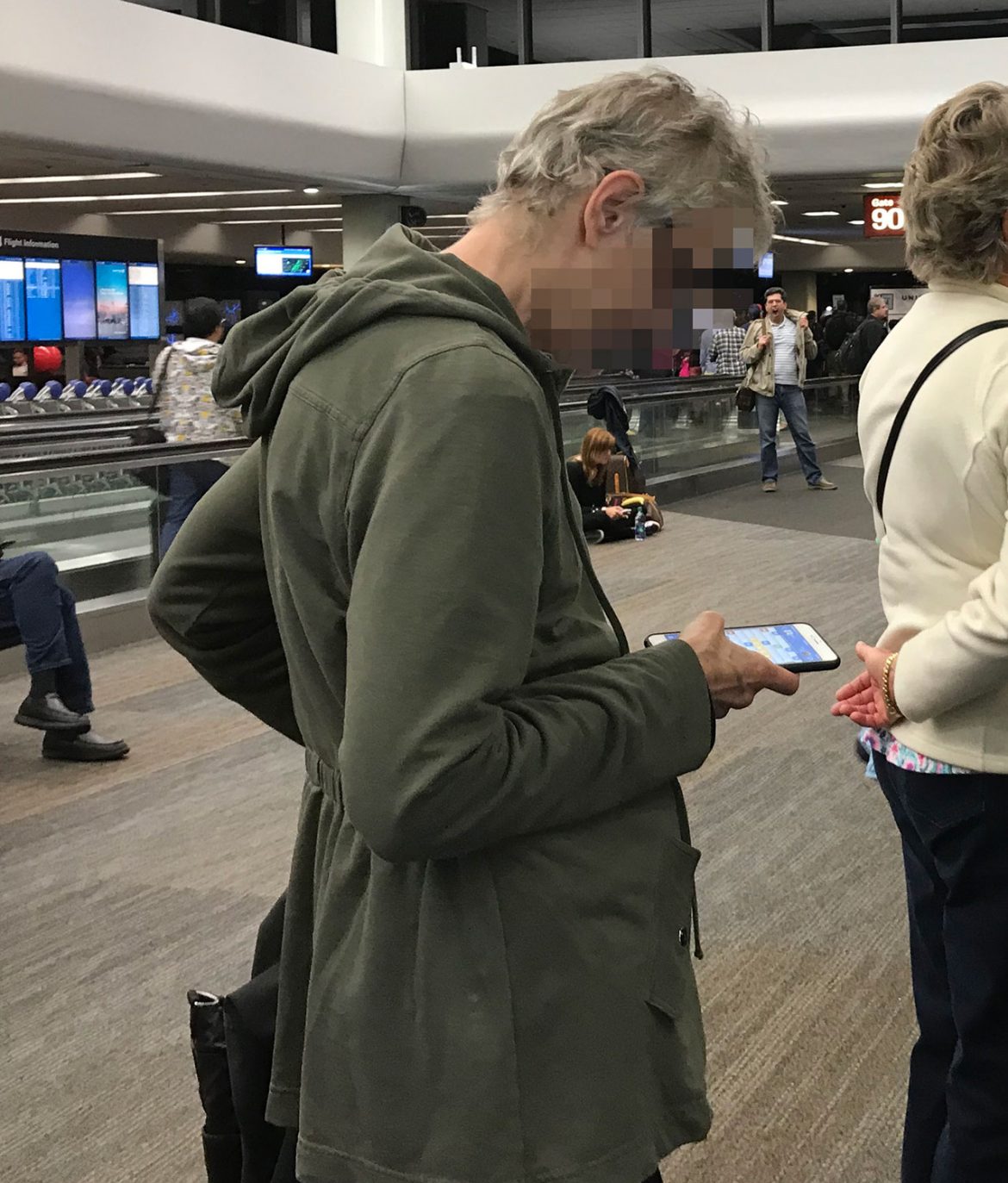
With any imbalanced posture (postural distortion pattern), including text neck posture, asymmetrical pathomechanical forces are placed into the tissues of the body. These forces have to have an effect. I believe it is impossible to argue that pathomechanics do not lead to dysfunction.
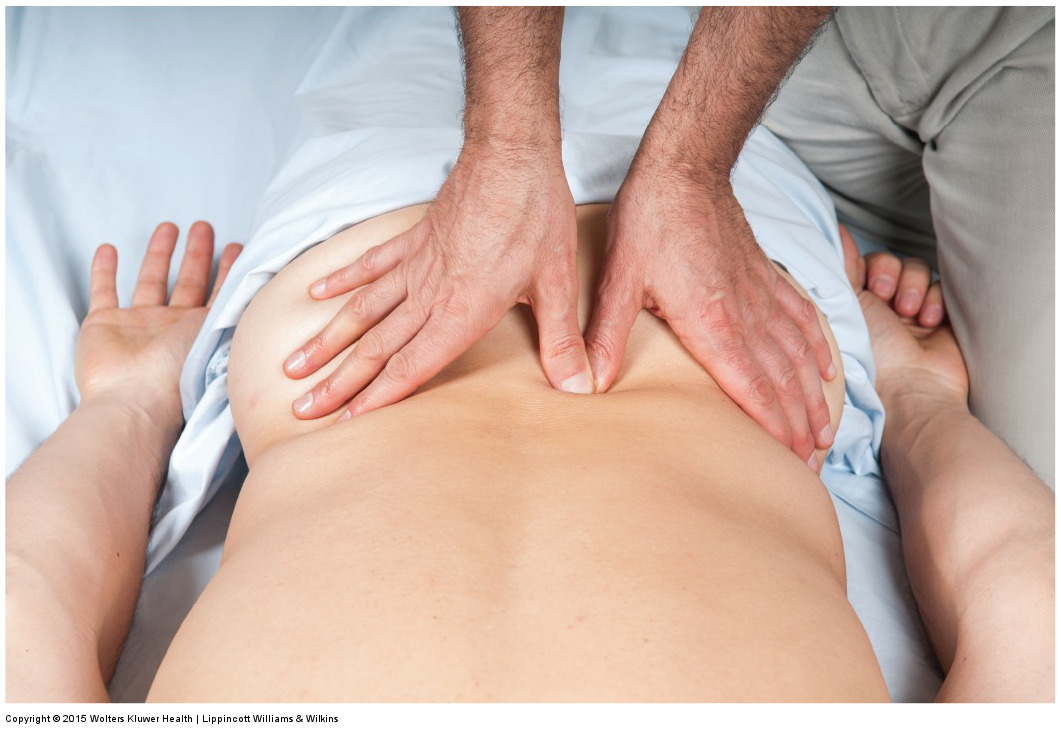
For proper body mechanics, it is important to support your contact. Place the thumb pad of your right hand over the thumb pad contact of the left hand to brace/support it. Proper location of the brace is to place the right thumb pad on the dorsal surface of the distal phalanx of the thumb.
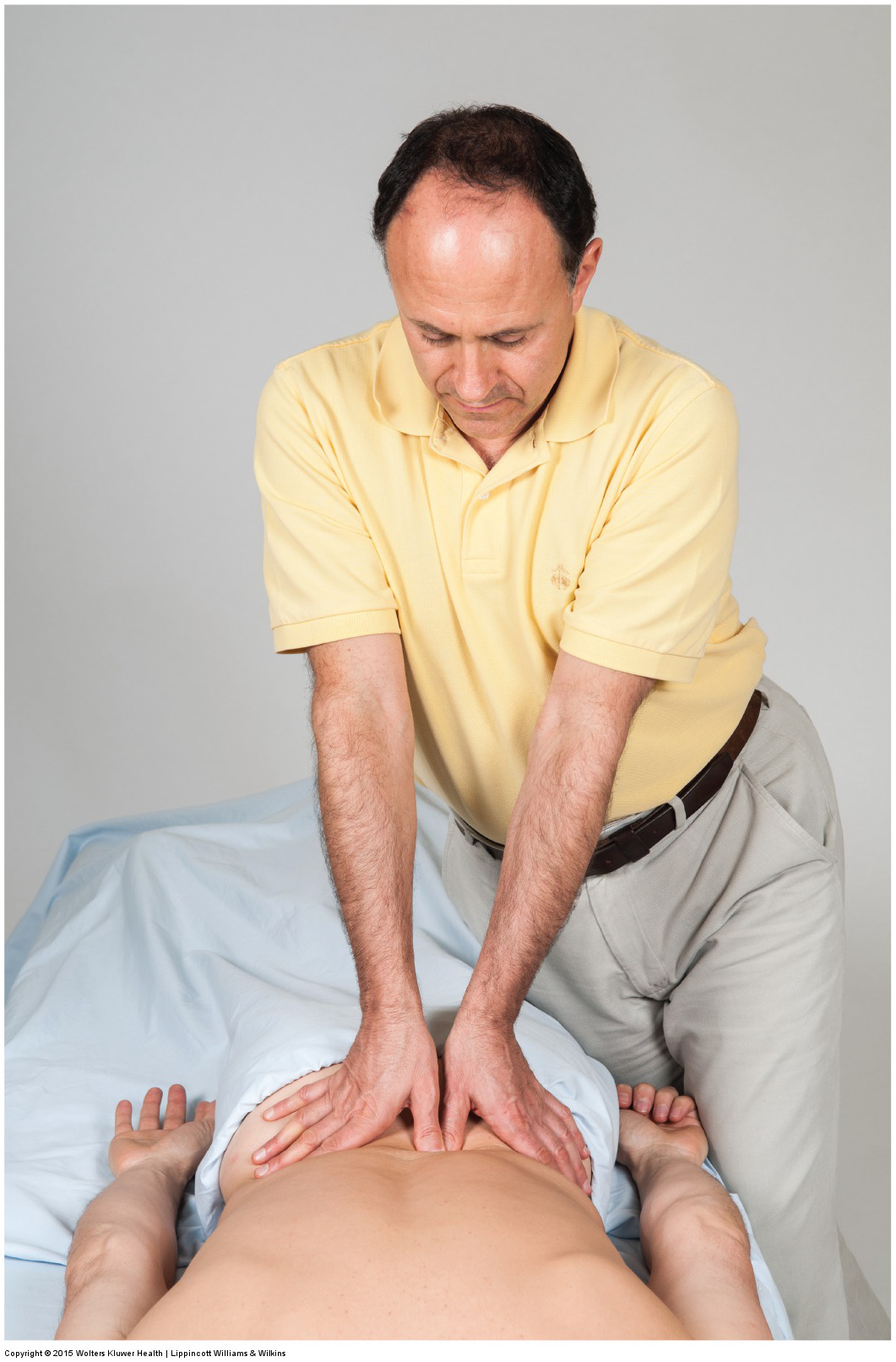
Even more important than table width is table height. As a rule, when generating deep pressure, you want the table to be as low as possible so that you can more easily position your body above the client to take advantage of gravity and body weight.
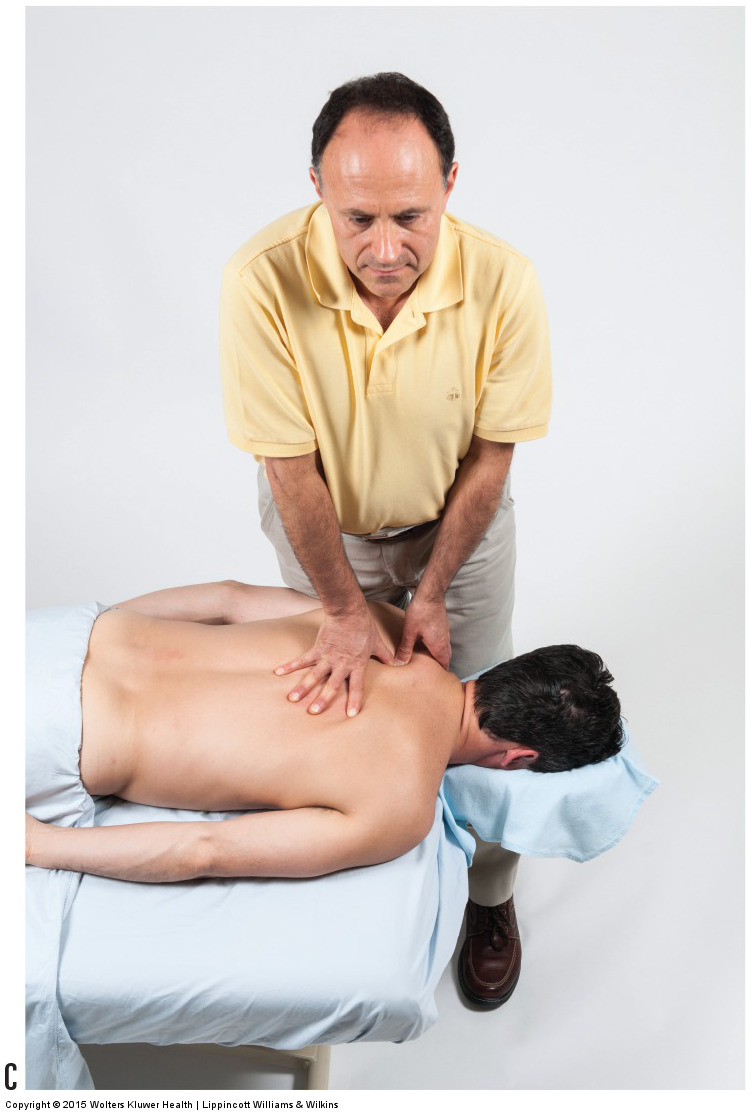
A common body mechanics error is for the therapist to stand above the face cradle at the head end of the table. Standing here only distances you from the client, causing you to lean over the client to reach the low back; this compromises body mechanics and does not allow for the efficient use of body weight.
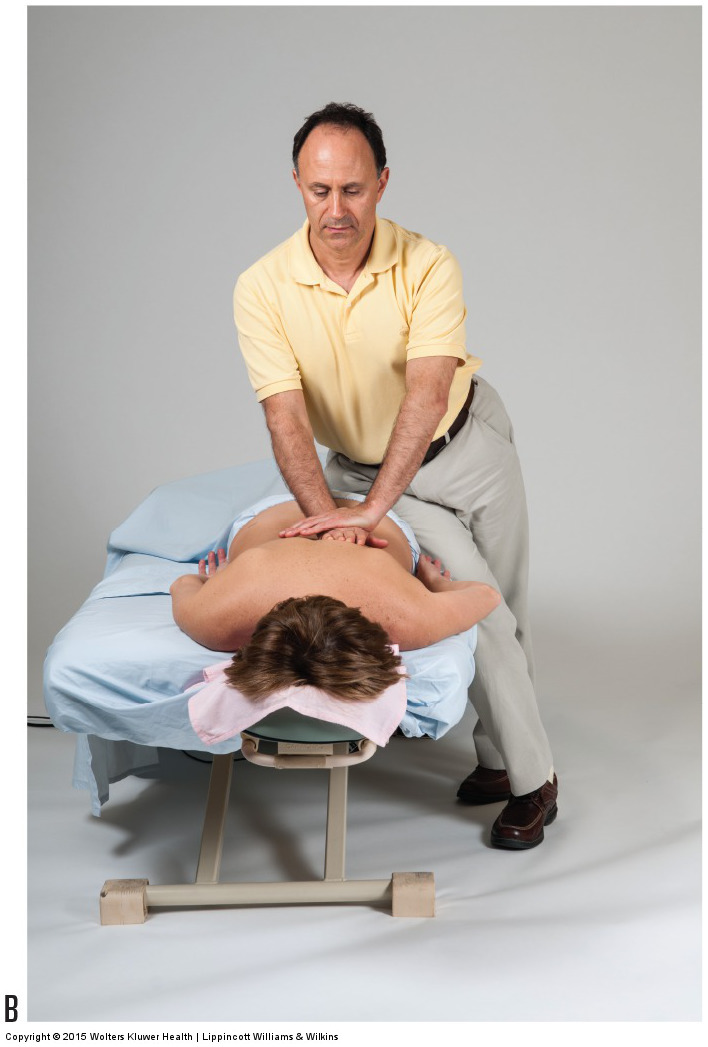
Make sure that the feet are not too far apart. A wide stance may feel more stable but creates a static position that makes it difficult to transfer weight from one foot to the other. With a narrower stance, it is easier to shift the center of weight of the body from one foot to the other as a stroke is done.
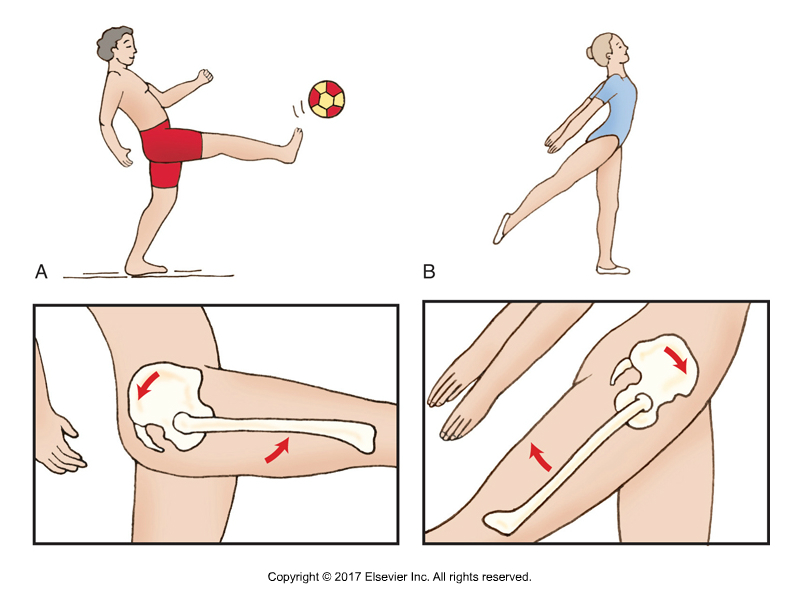
These findings of altered movement and glide support the concept that altered mechanics of the sacroiliac joint are correlated with the presence of pain.
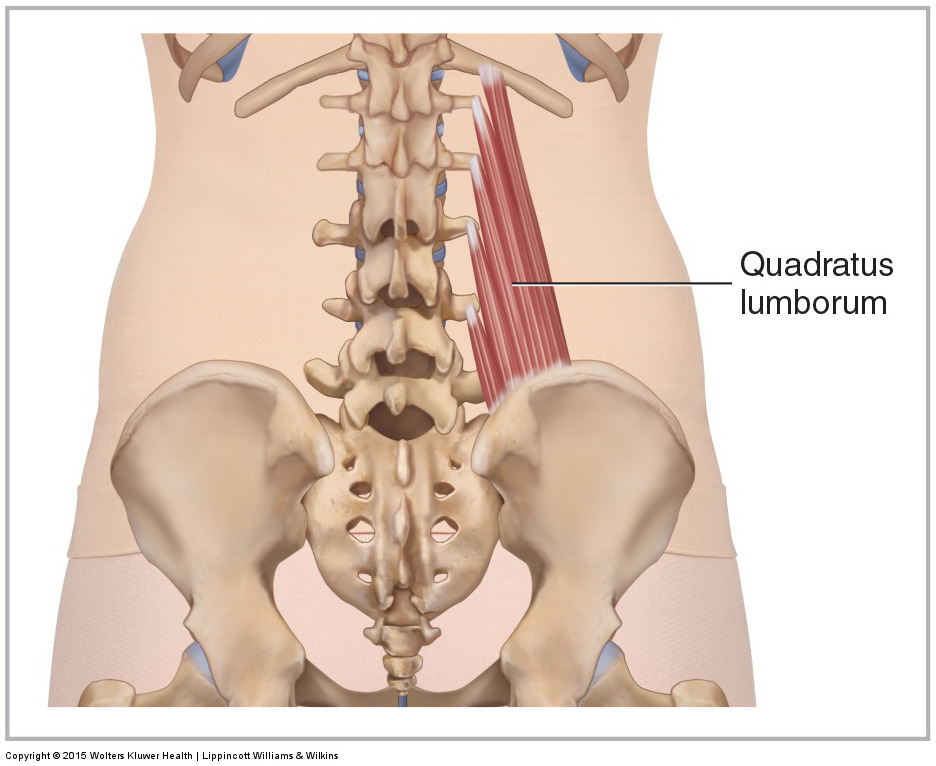
Structural groups of muscles largely determine functional groups—that is, the structural location of a muscle largely determines its mover function.
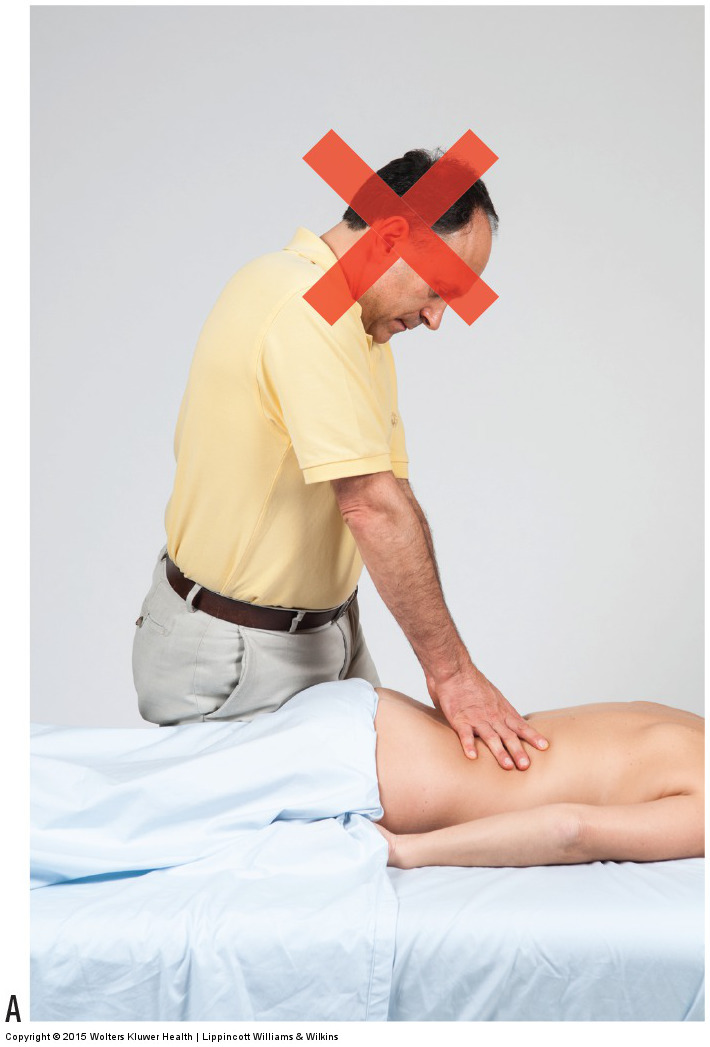
The neck and head do not contribute to the generation of pressure, so head and neck posture should be whatever is most comfortable and least stressful. Forward head posture, a common postural distortion imbalance pattern that occurs is caused by a flexion of the head and neck.

We often blame digital devices for bad posture, but before the advent of computers, typical postures for reading and writing were often far from ideal.
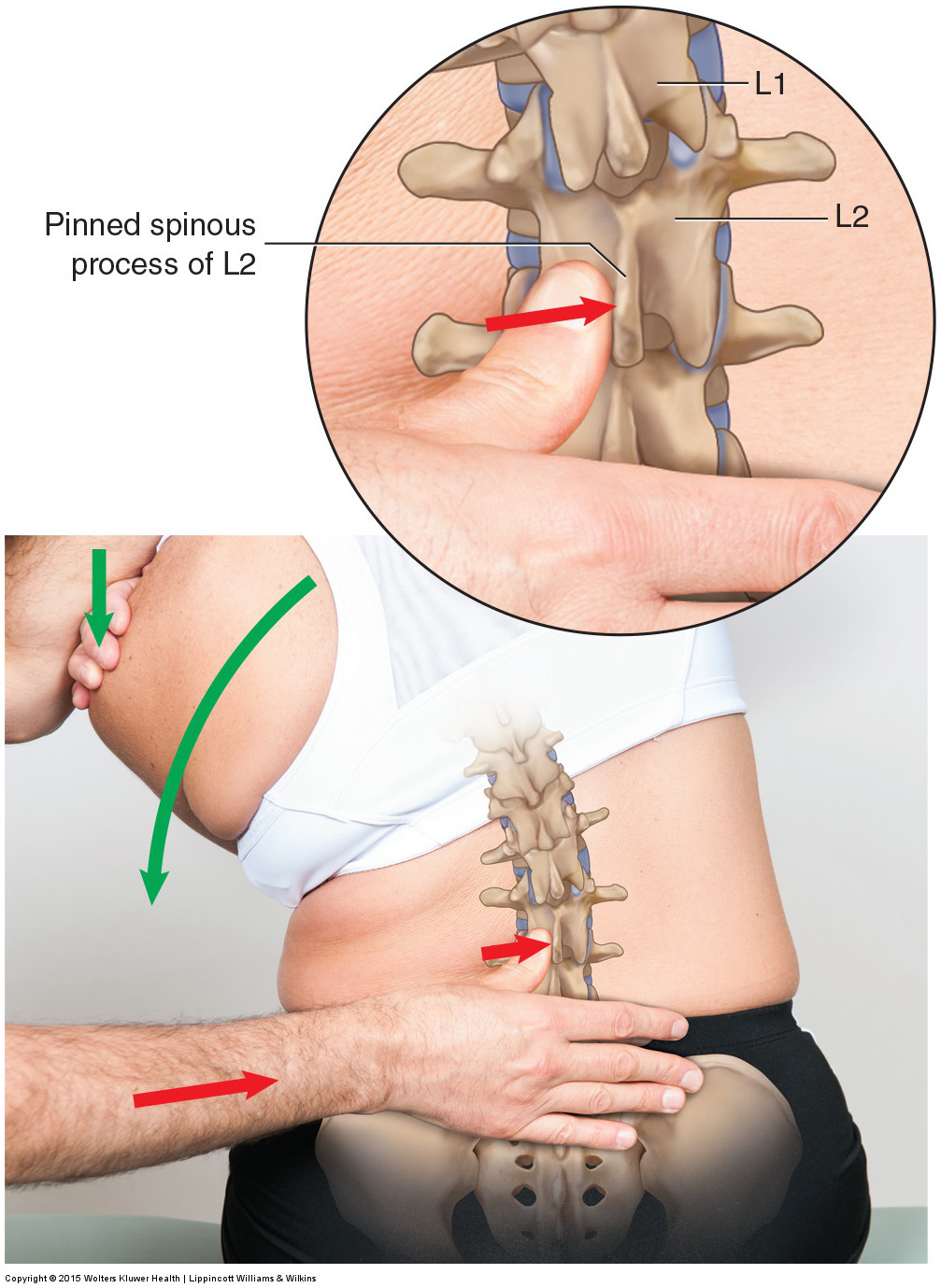
Motion palpation assessment is performed by bringing the client’s joint to the end of its passive ROM and then gently applying a small, even, steady force.
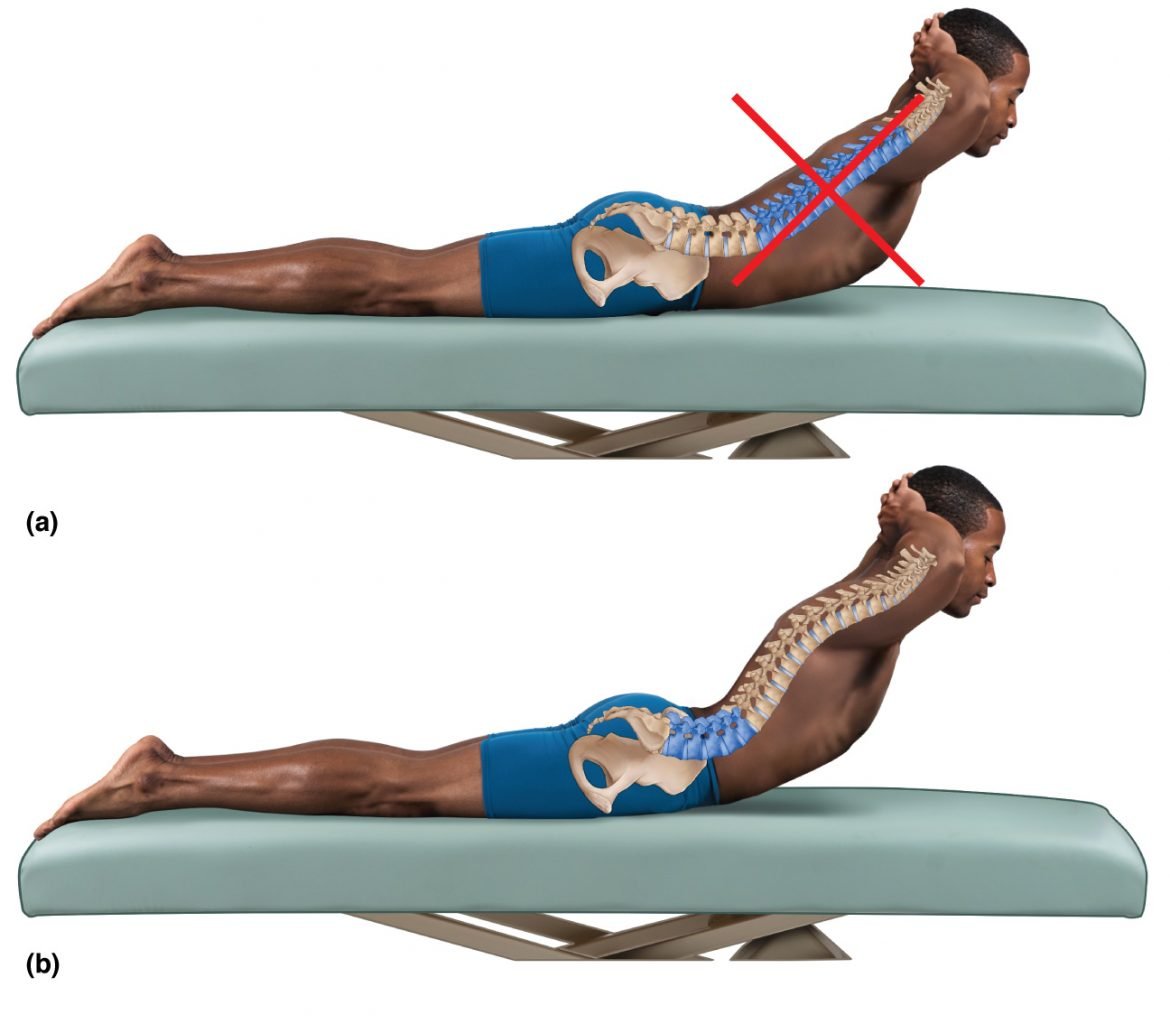
The spine is an incredible structure, with both great stability but also tremendous mobility in all three cardinal planes.
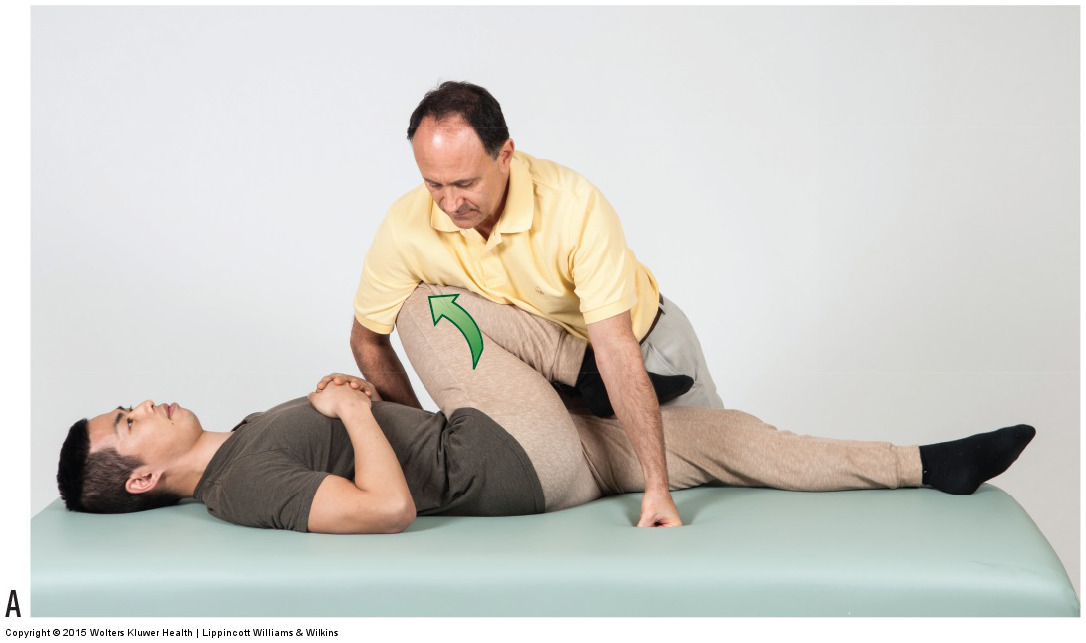
The piriformis stretch test is used to assess piriformis syndrome, that is, compression of the sciatic nerve by the piriformis.
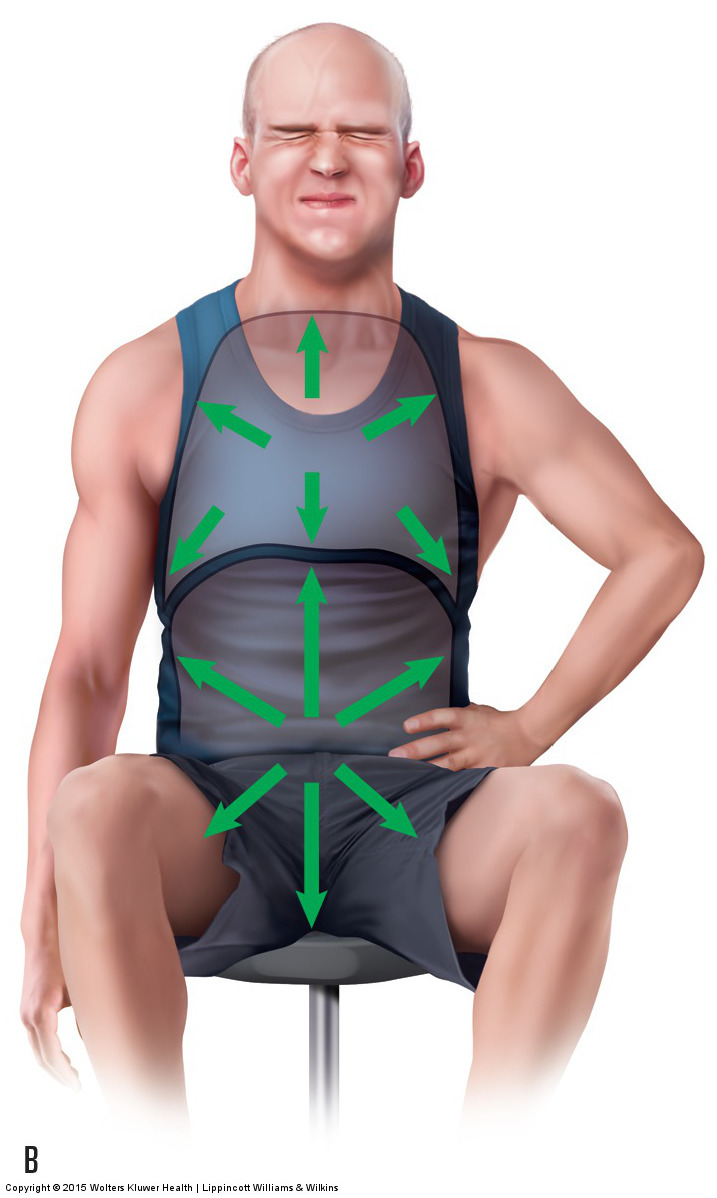
Cough test and Valsalva maneuver are designed to increase intrathecal pressure, or pressure on the spinal nerves in the intervertebral foraminal spaces.
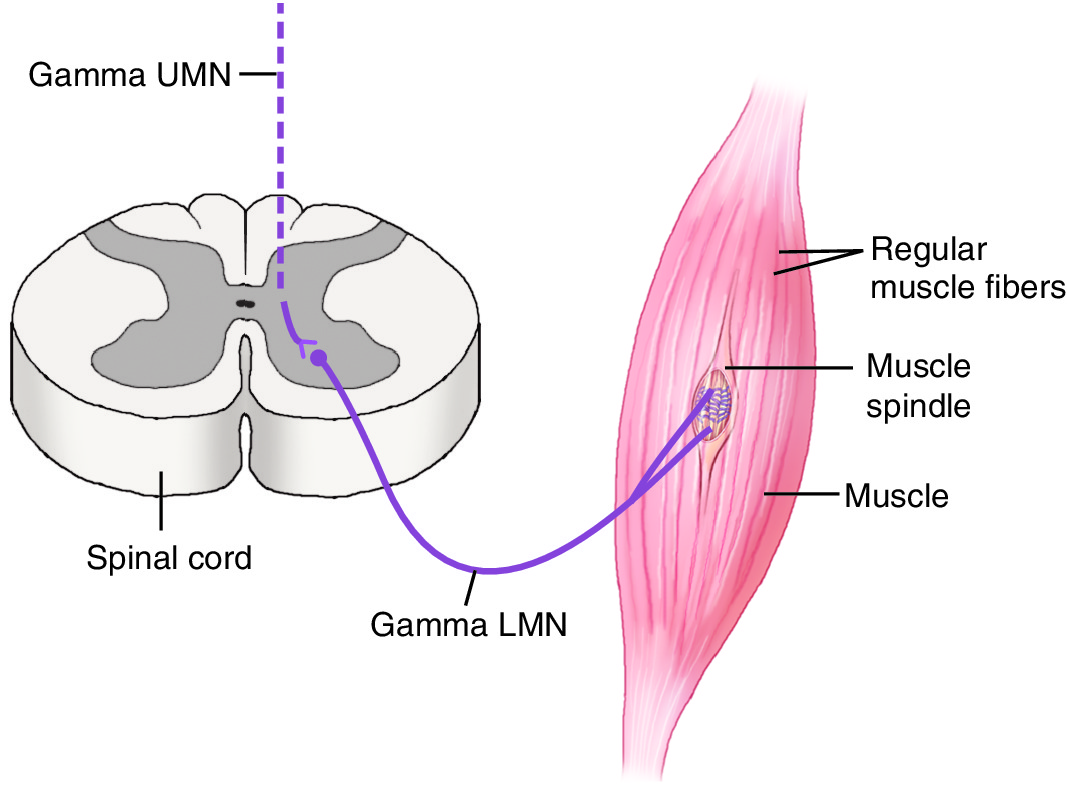
Where does muscle memory for baseline resting tone reside? It resides in the nervous system, the grand master controller of muscular function.
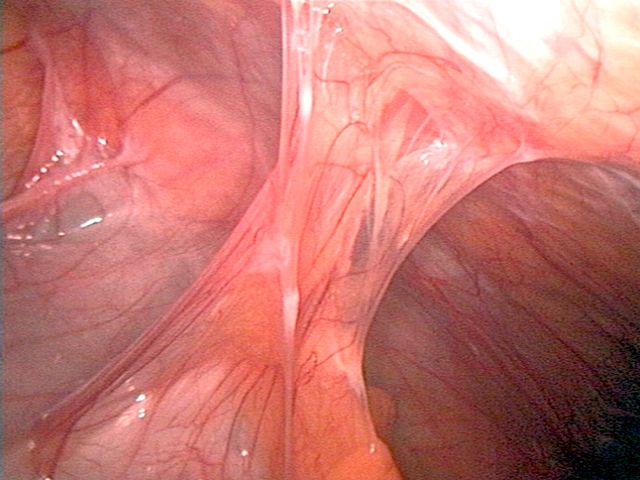
This study demonstrates that manual therapy initiated immediately postoperatively is an effective preventive approach for postoperative abdominal adhesions.
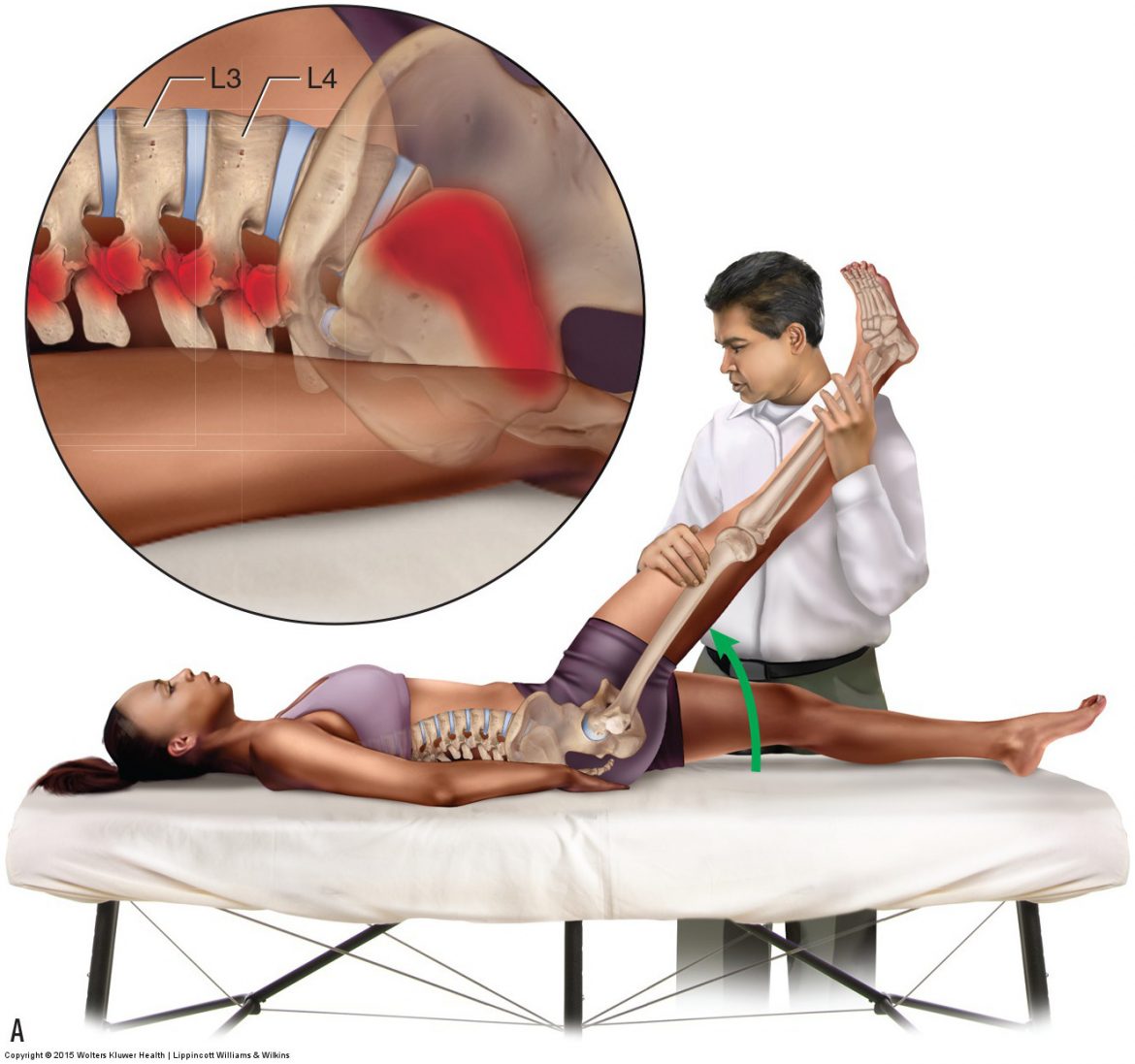
Active SLR test assesses both sprains and strains. Passive SLR test assesses only sprains… however, this is a bit of an oversimplification.
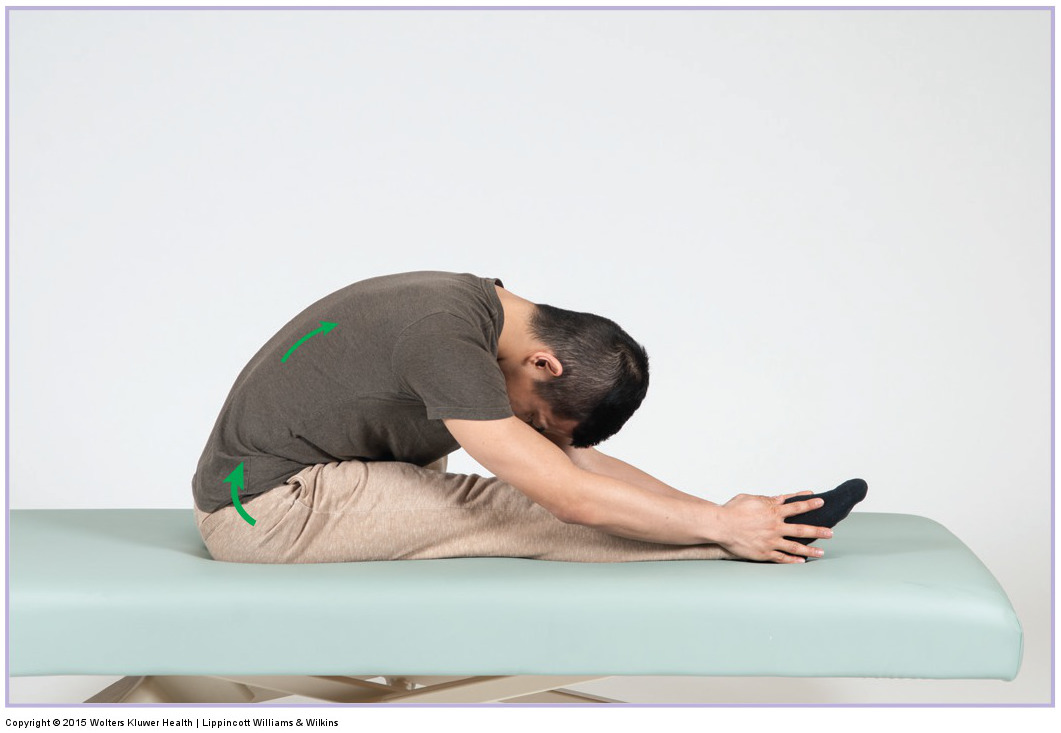
When recommending stretches, the best rule regarding self-care advice is to give the client as much as he or she will do, and no more.
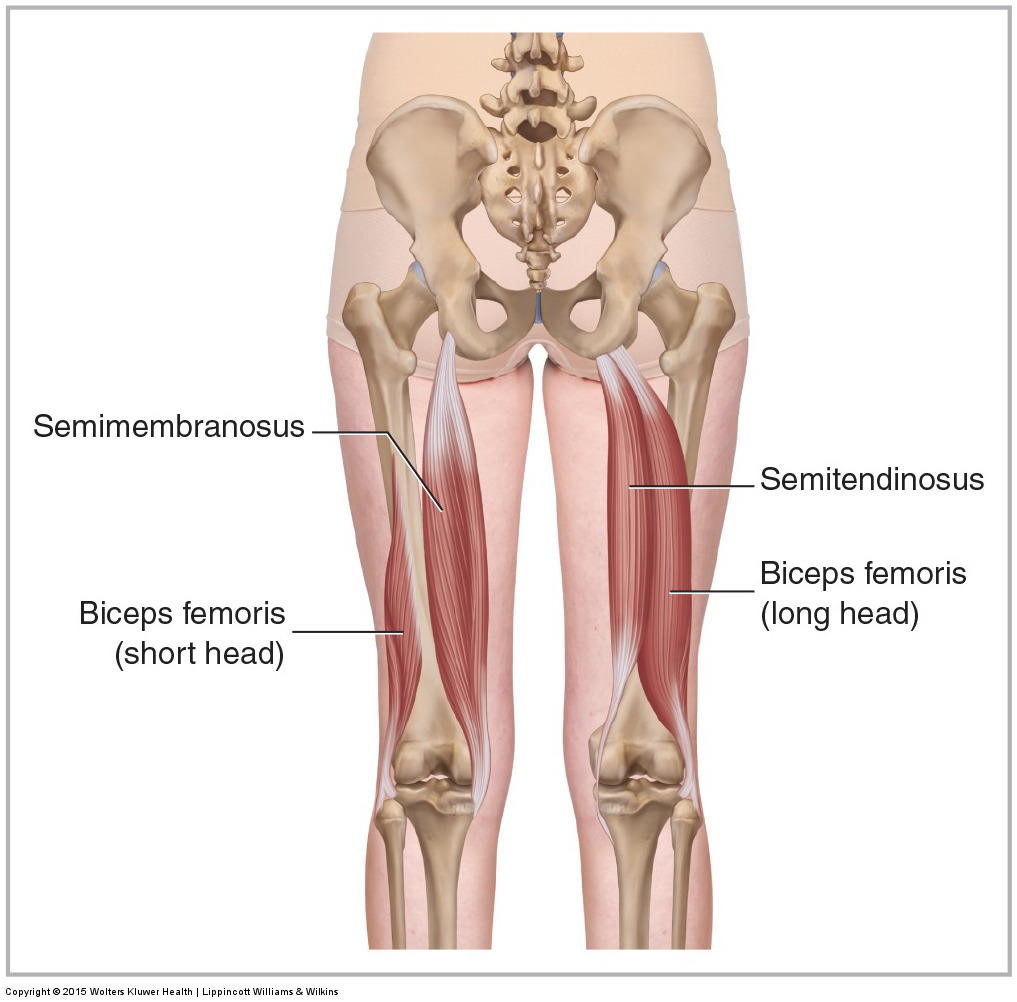
The connection between the hamstrings and the sacroiliac joint is through what is known as the superficial back line myofascial meridian/anatomy train. If the hamstrings are tight, their tension pulling force will be exerted through the sacrotuberous ligament and onto the sacrum.
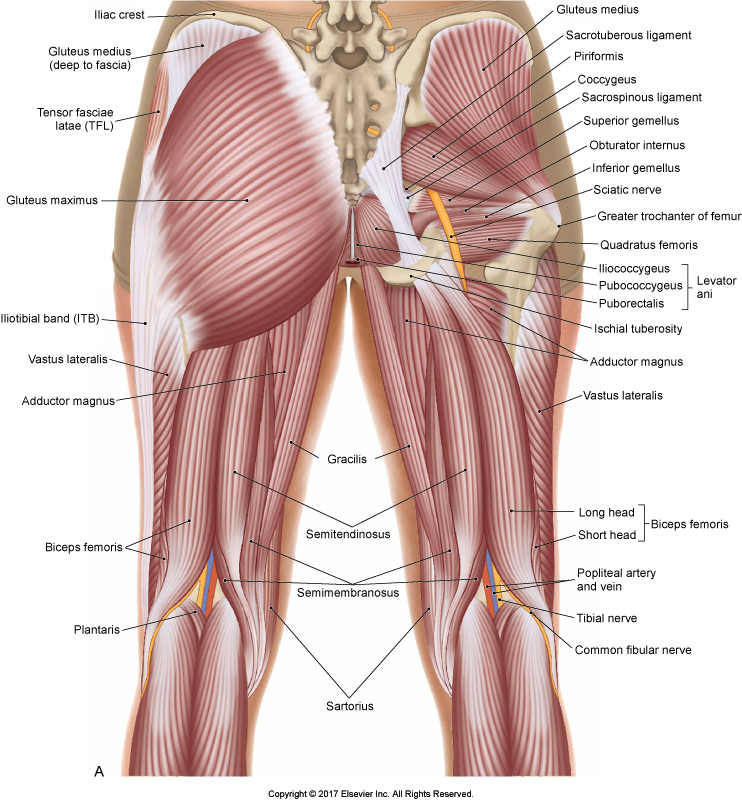
The coccygeus and levator ani are technically muscles of the pelvic floor, however, they are also muscles whose contraction forces cross the sacroiliac joint and therefore often tighten when a sacroiliac joint condition exists. The coccygeus attaches from the sacrum and coccyx to the ischial spine of the pelvic bone.
The sacroiliac joint (SIJ) medley of tests is a series of five assessment tests to determine if the SIJ is the causative agent of the client’s pain.
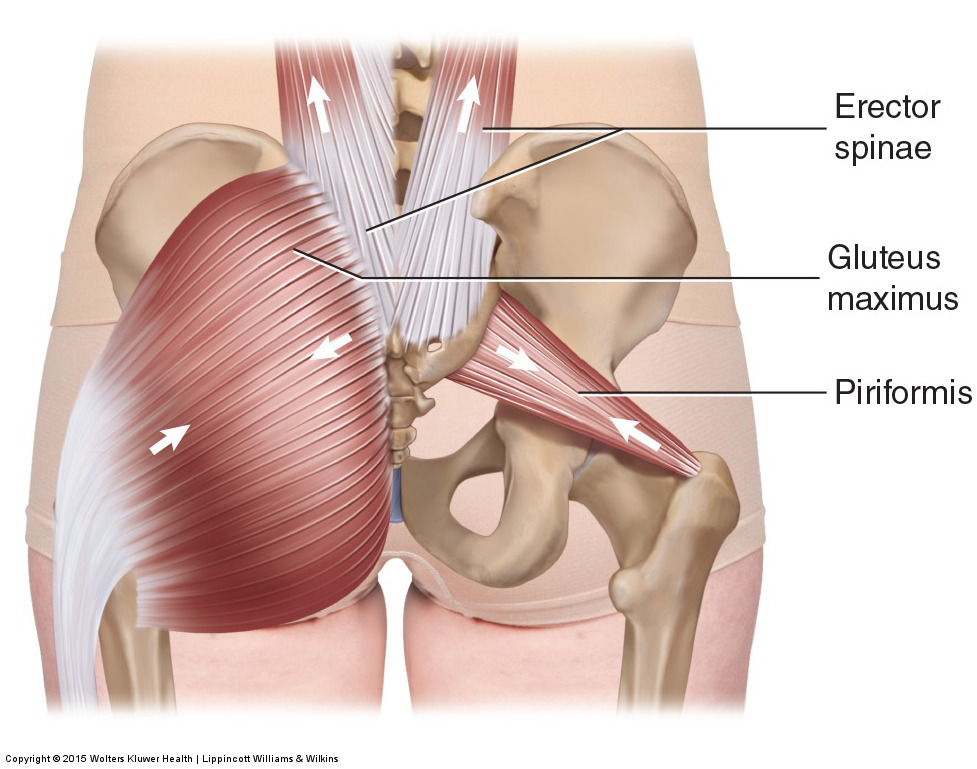
Even when the original reason for the sacroiliac stabilization is valid, often the human body overdoes it and tightens the musculature excessively and/or keeps it tight long after it needs to be, so the musculature becomes stuck in a chronic pattern of hypertonicity.
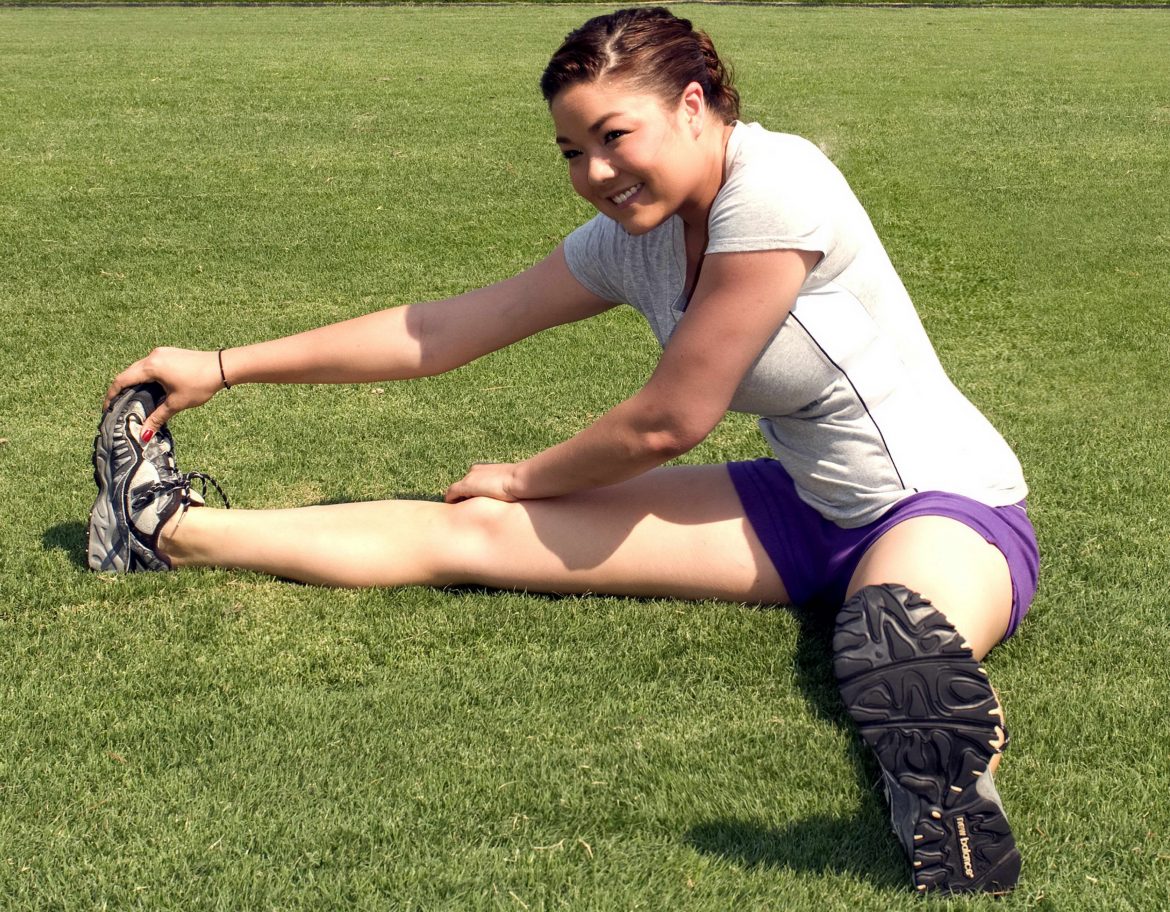
This study validates the efficacy of performing massage before stretching our clients, and recommending self-massage before stretching for client self-care.
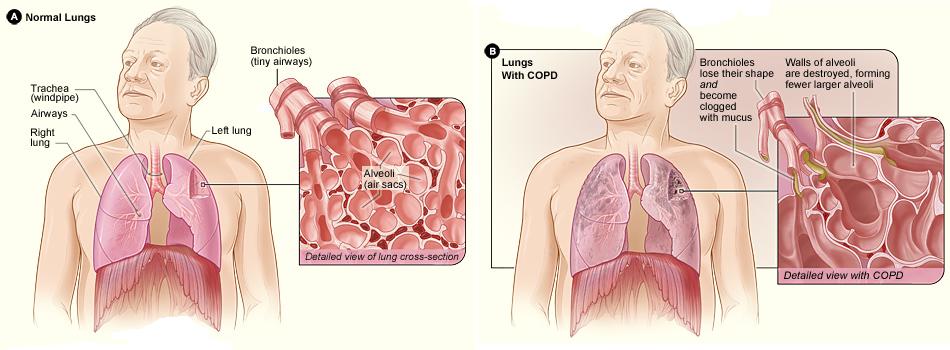
Soft tissue manipulation produced immediate clinically meaningful improvements in lung function in patients with severe and very severe COPD.
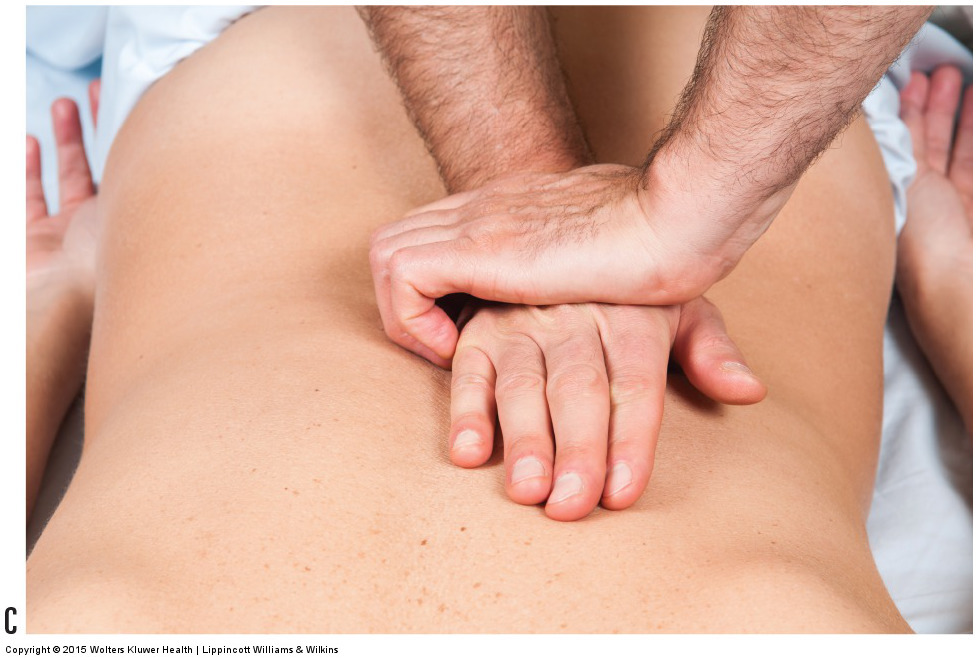
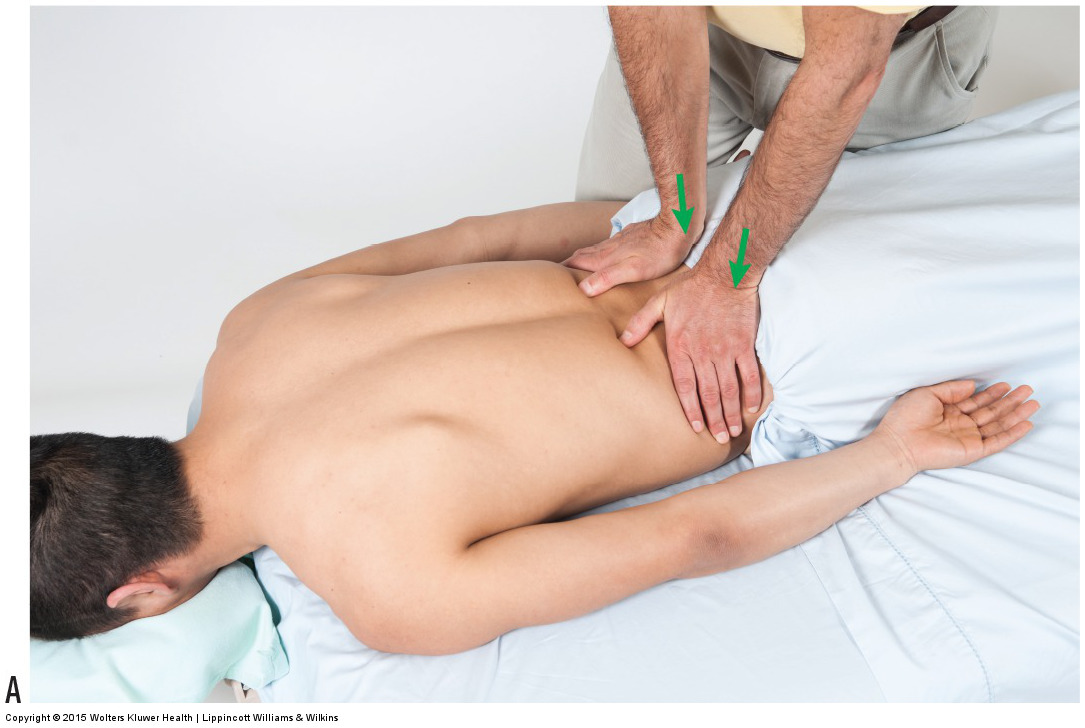
When working the low back, a good strategy is to begin with a smaller treatment contact such as thumb or finger pads to assess and begin treatment of the lumbar region, and then switch to a larger contact such as the palm or elbow to deliver deeper pressure.
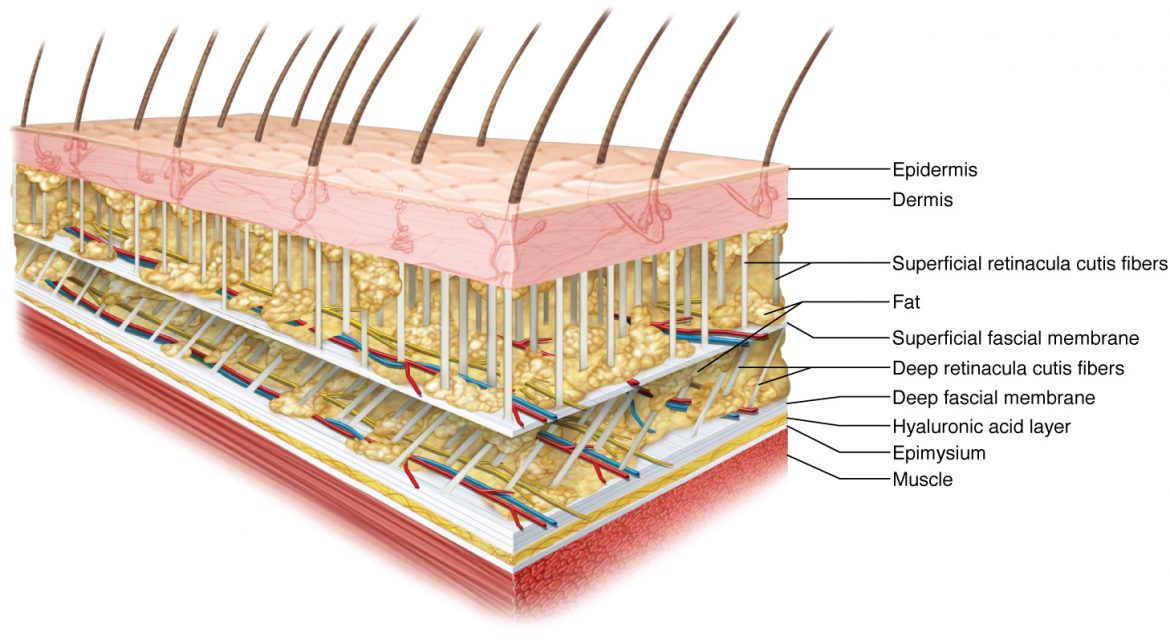
It would seem that taking any theory or ideology too far is dangerous. Certainly, the interfaces of soft tissues of the body are quite slippery…
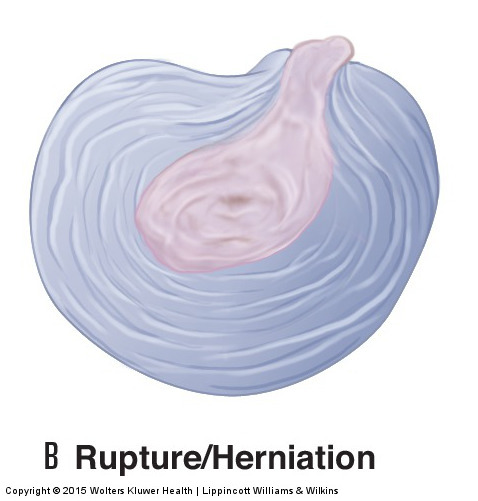
The following is a brief overview that links the low back condition with its corresponding assessment procedure and its corresponding treatment.
