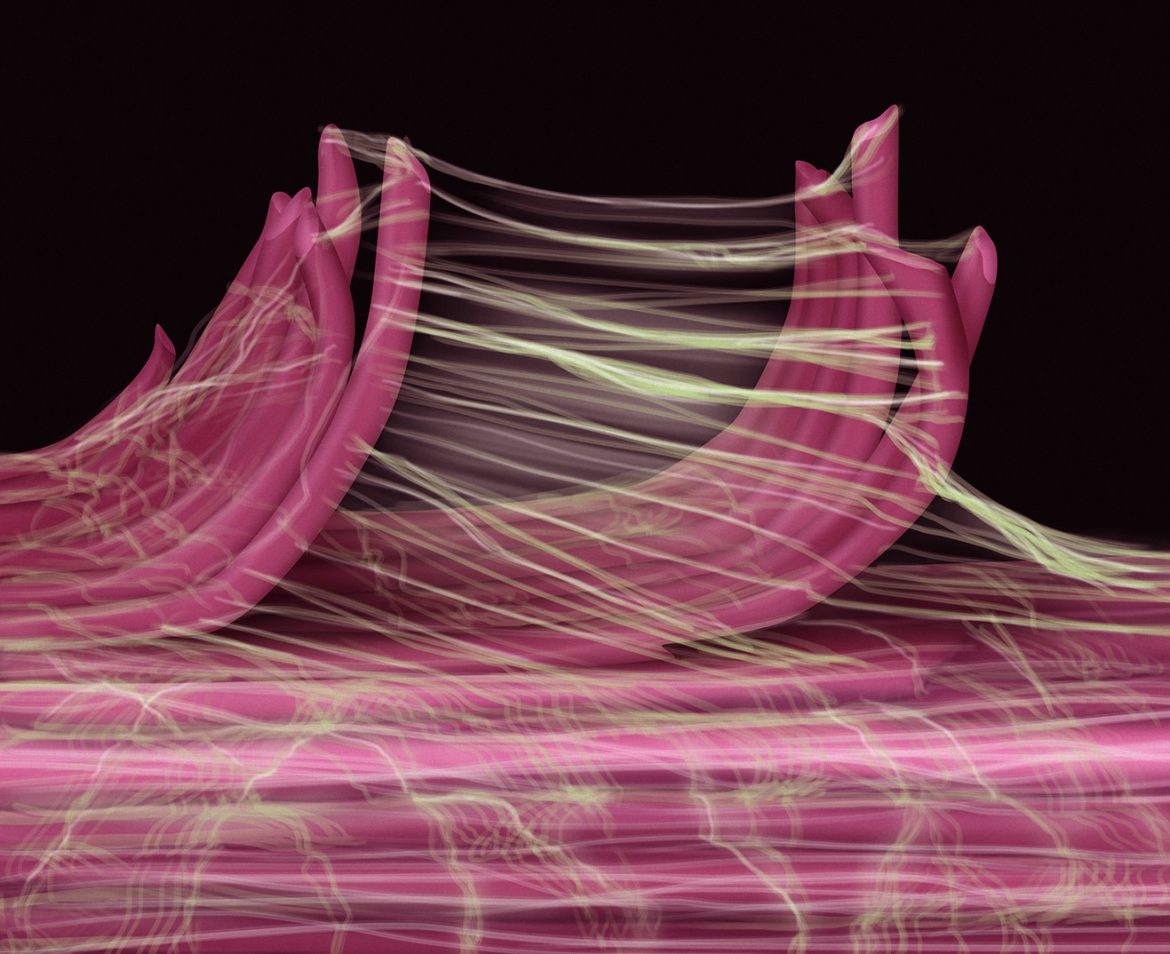
Fascial adhesions may bind together the two opposing surfaces of a soft tissue interface, resulting in restricted mobility.
Below you'll find a list of all posts that have been categorized as “Uncategorized”
Fascial adhesions may bind together the two opposing surfaces of a soft tissue interface, resulting in restricted mobility.

Helping a child to become physically active is one of the best things a parent can do to ensure their child has the physical, mental and emotional tools to succeed in life.
By learning the principles of spinal biomechanics, patients and healthcare professionals can better identify the causes of pain and develop strategies that support lasting relief.
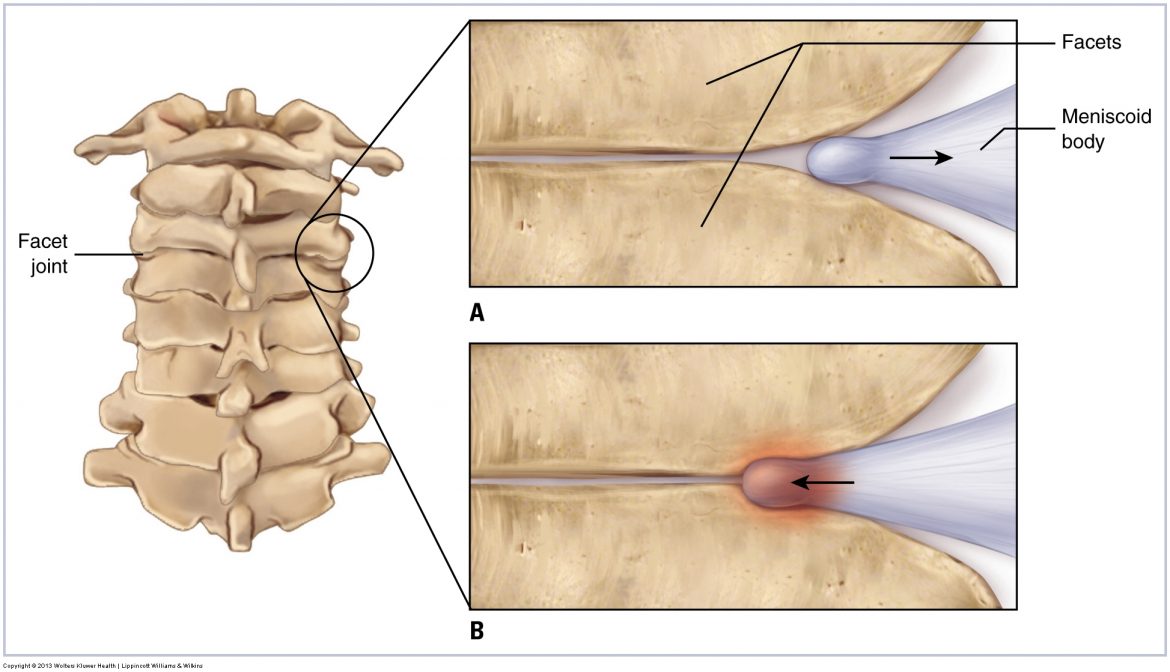
A joint functions to allow motion, so two forms of joint dysfunction exist: Hypomobile joint has restricted motion; Hypermobile joint has excessive motion.
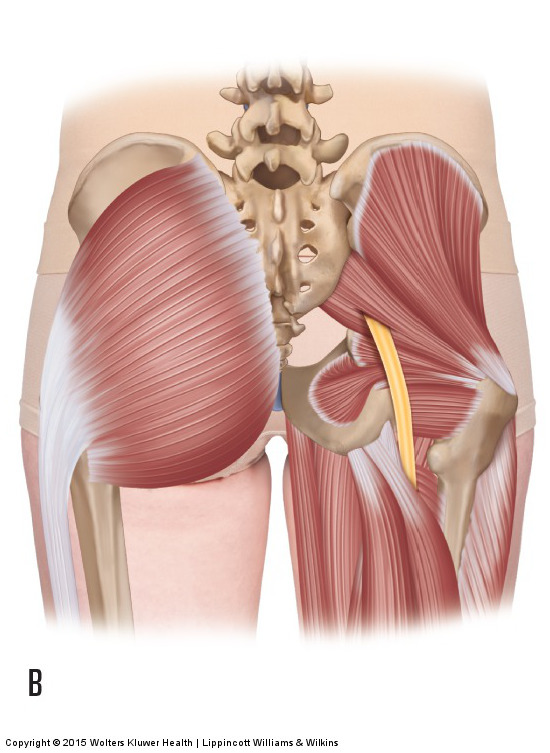
Piriformis syndrome causes compression upon the sciatic nerve; therefore it causes symptoms of sciatica, similar to sciatic nerve entrapment at the spine.

Real well-being is shaped by a combination of physical, mental, and practical support systems that extend into everyday life.
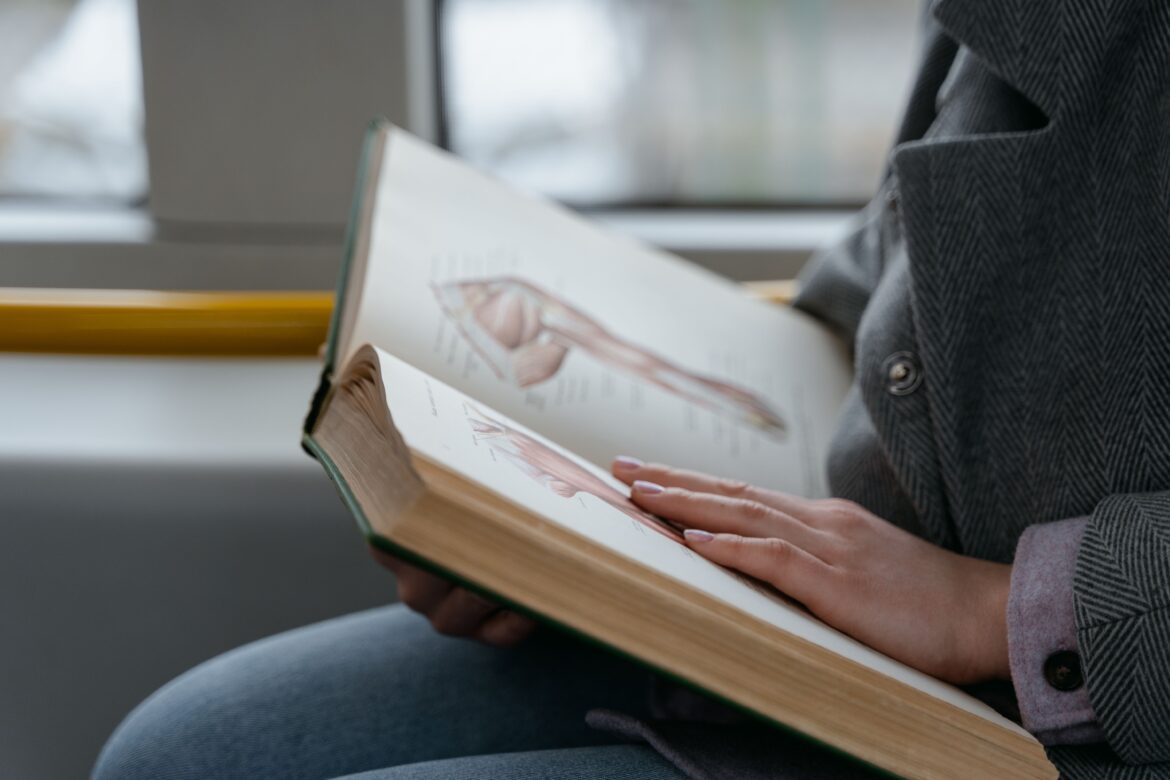
You have to understand how these muscles connect. You have to see how they function, and learn to organize the information so your brain can actually retain it.
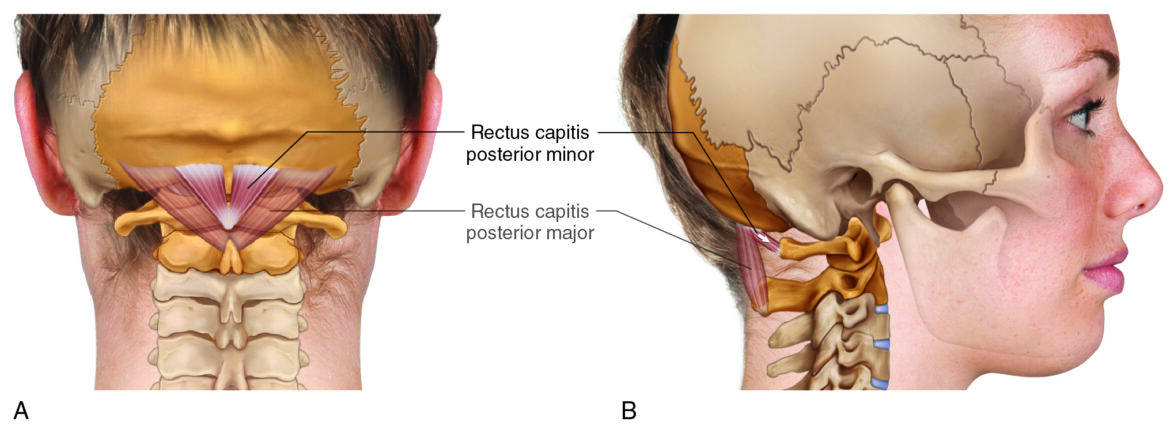
The rectus capitis posterior minor (RCPMin) is, clinically, one of the more important muscles in the human body, so it is especially important for manual therapists to be conversant with this muscle so that effective palpation assessment and massage and stretching treatment can be performed.
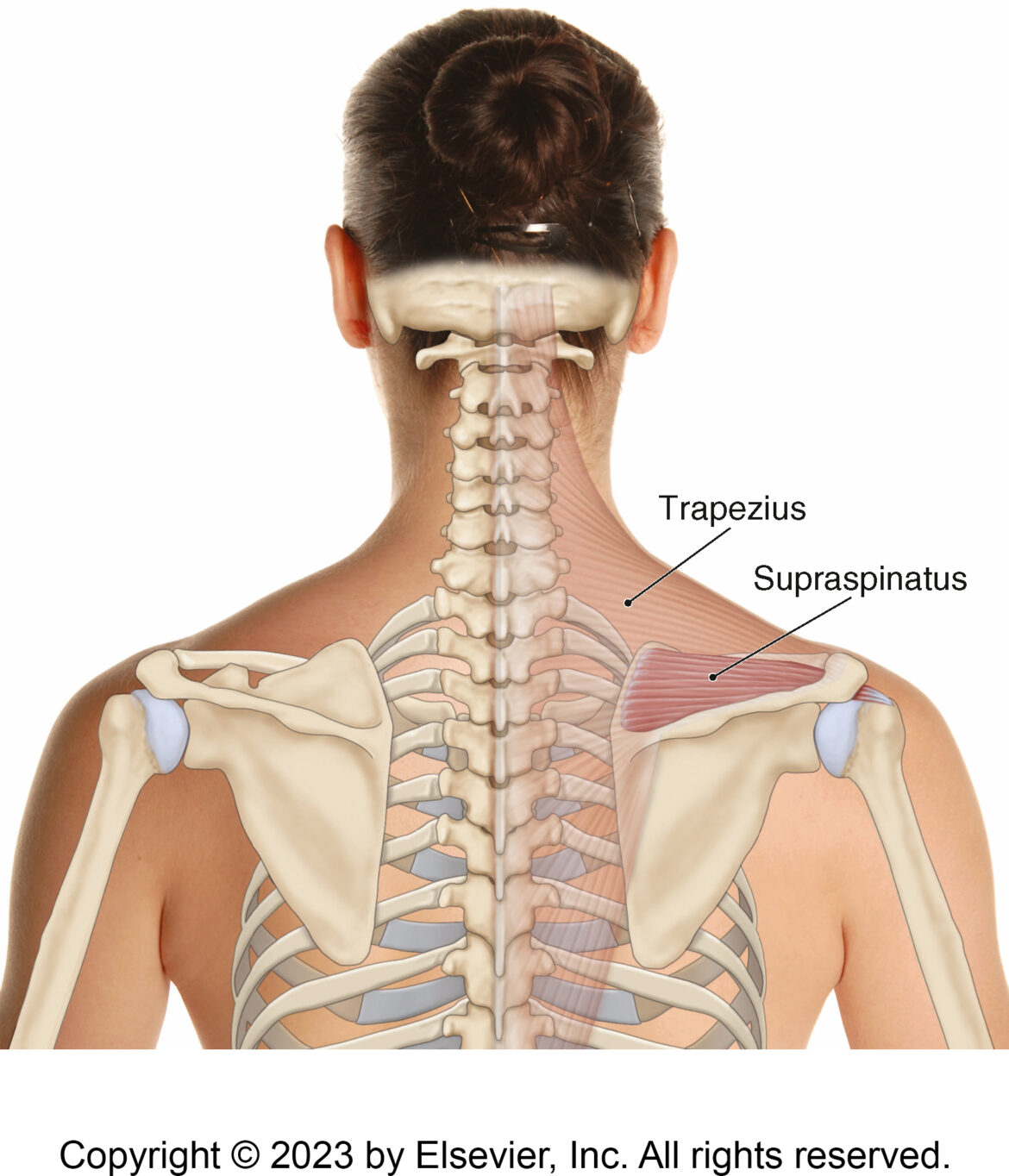
The supraspinatus is an important muscle of the rotator cuff group that is often involved in shoulder impingement syndrome. But for the purpose of this blog article, it is an excellent case study in understanding how joint action terminology can lead students and therapists alike to misunderstand the function of a muscle.
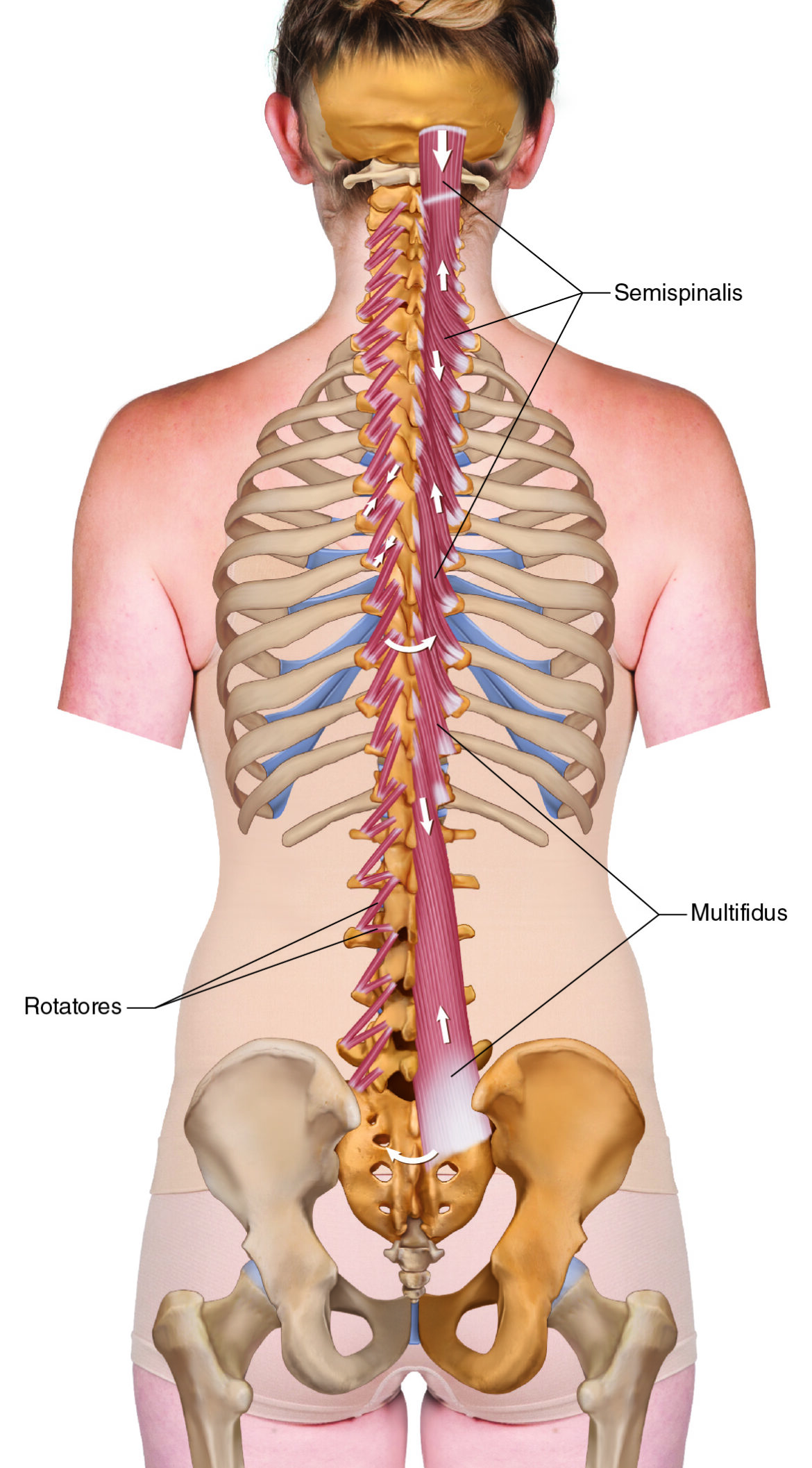
The transversospinalis musculature is extremely important functionally, and important with pain and dysfunction. It includes the multifidus, the thickest muscle of the low back; and the semispinalis capitis, the thickest muscle in the back of the neck. When working this musculature, it is extremely important to work very far medially, over the laminar groove of the spine.
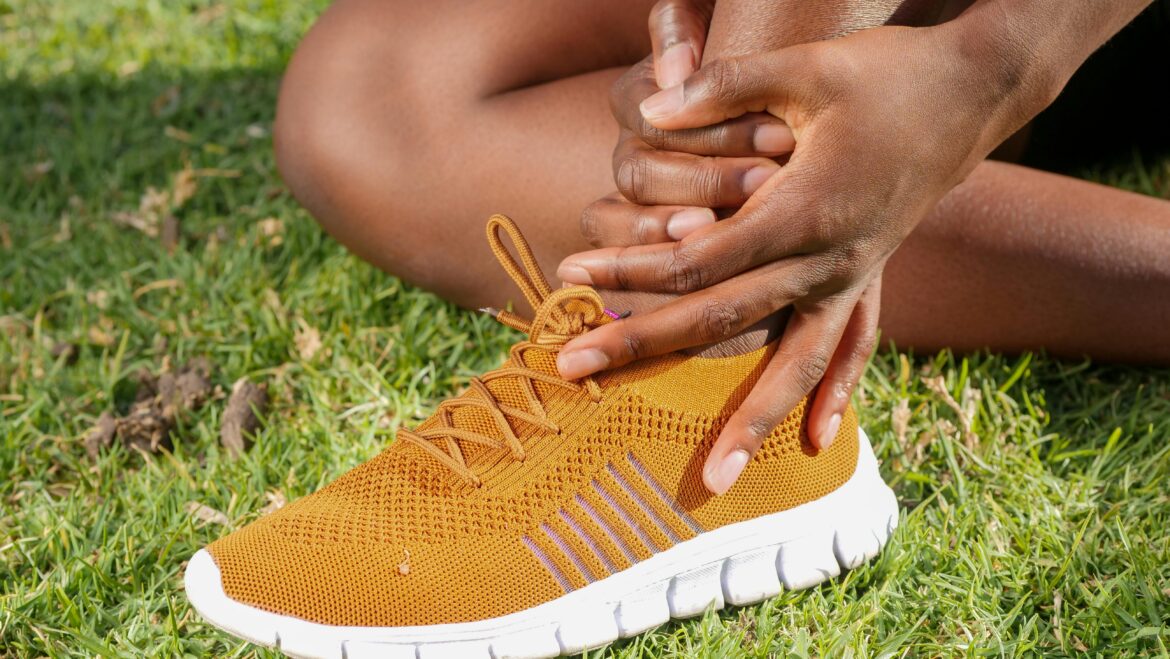
Longevity in sport has less to do with how much punishment the body can absorb and more to do with how consistently it can recover.
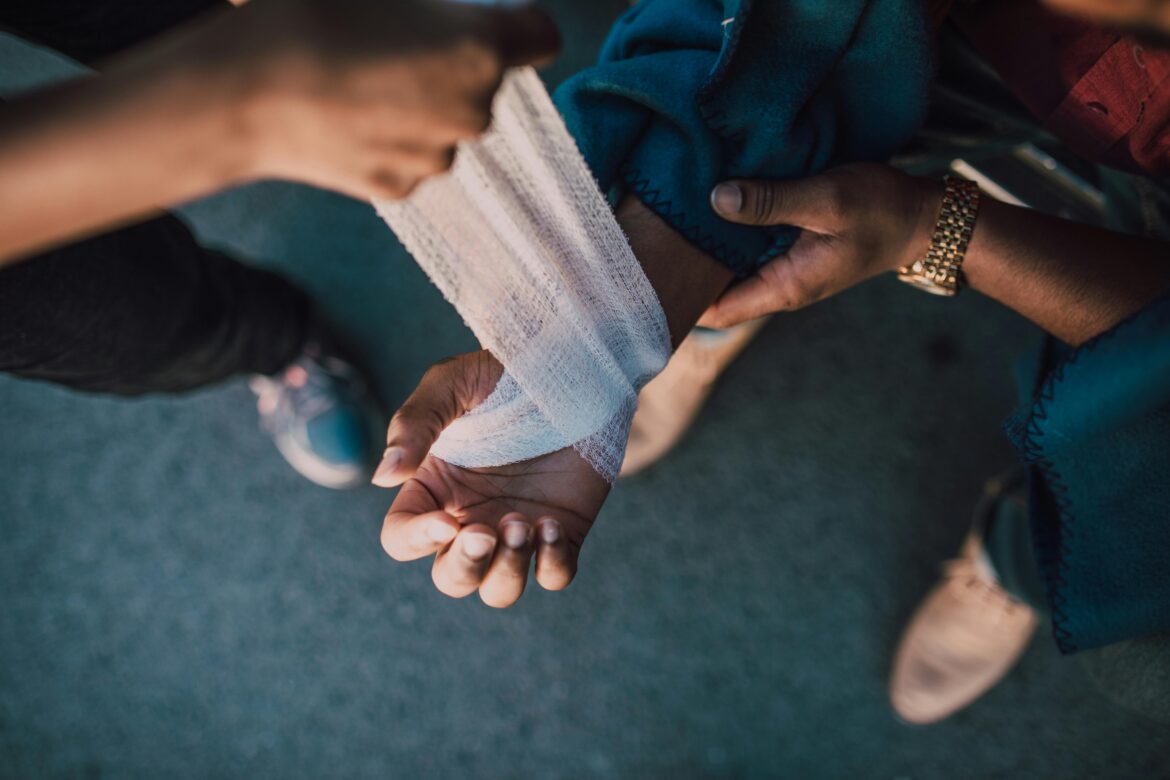
The aftermath of the accident can be just as terrible or even worse as a victim deals with the physical injuries that they have received in the accident, as well as the financial distress.

To feel well daily, we need to take good care of our minds. And this means managing thoughts and emotions, and avoiding addictive behaviors. Here is how they influence us and why we should care.
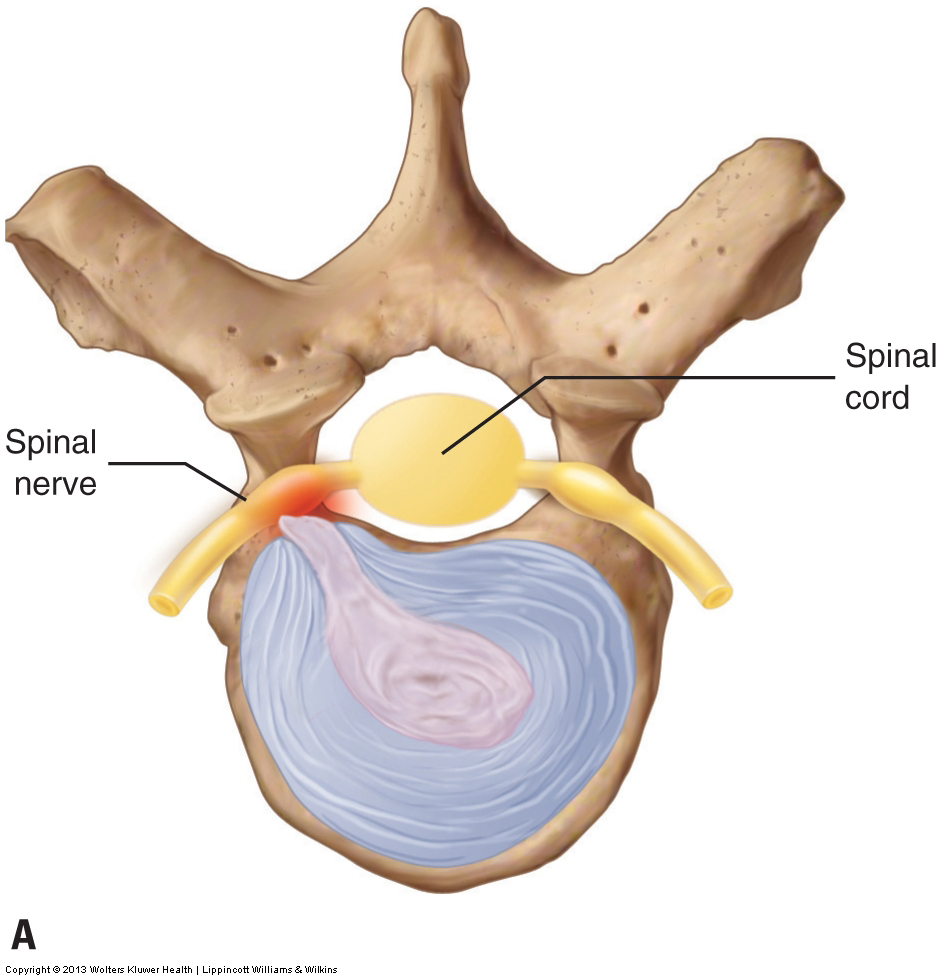
The danger with a disc bulge or herniation is that the disc can compress the spinal nerve within the intervertebral foramen, causing a pinched nerve.
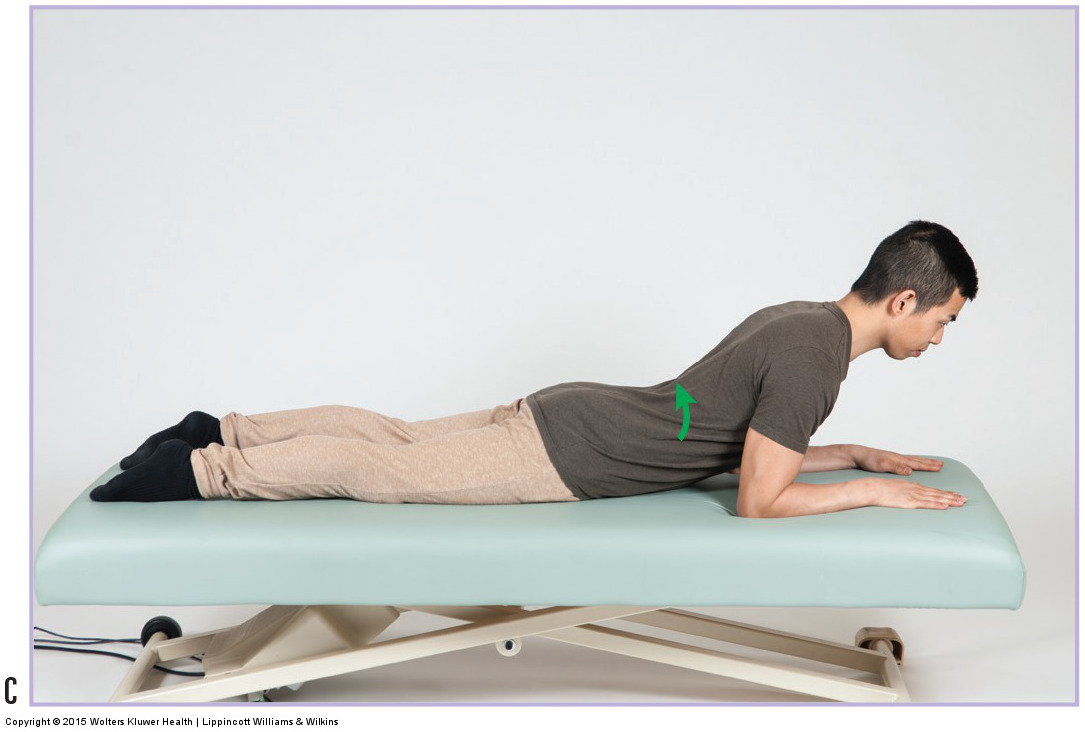
Self care for a herniated disc: avoid postures/activities that increase stress upon the disc and stretching/strengthening the musculature around the disc.
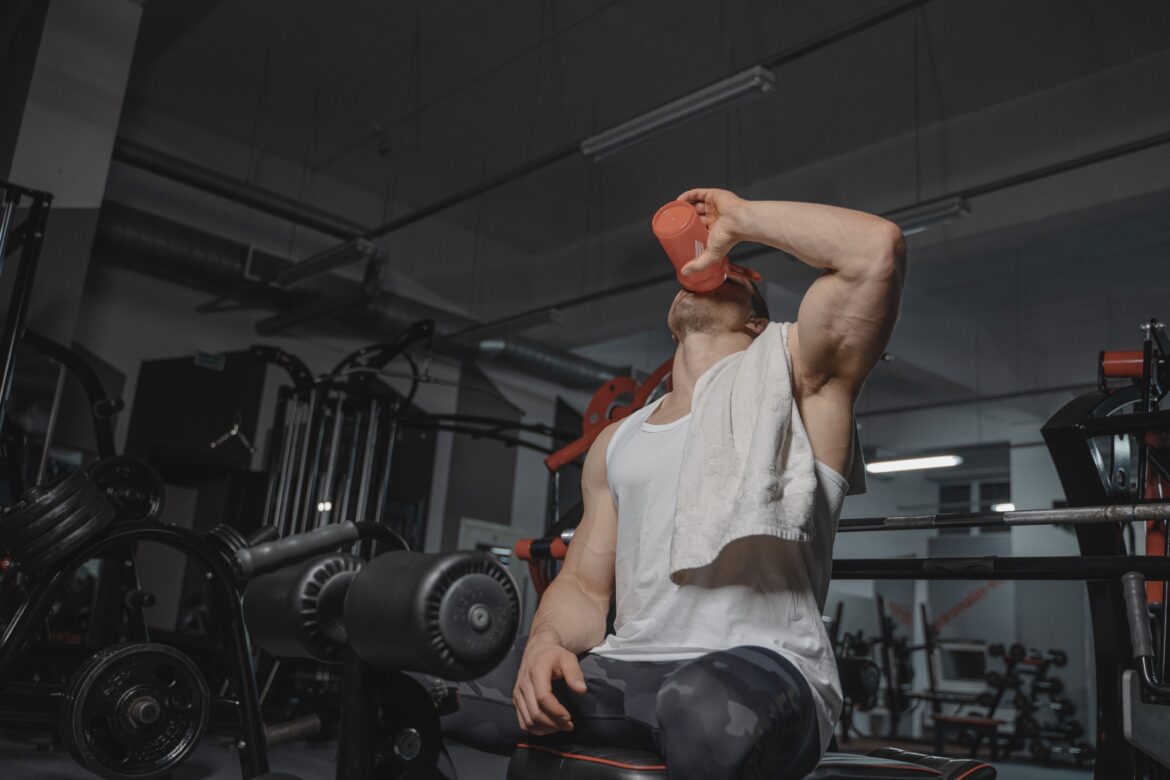
Recovery science doesn’t sit still, and peptides are one of its more interesting frontiers, particularly if your work lands where muscle physiology, tissue healing, and rehab all meet.
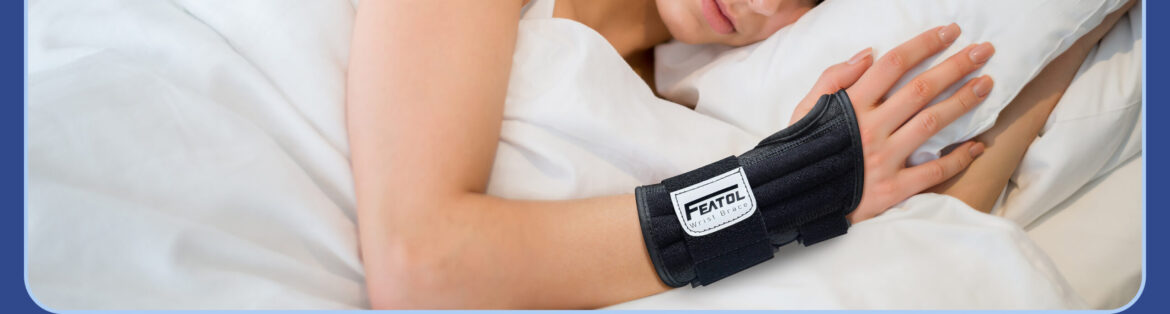
Ergonomic support for sleeping, daily activities, and long-term wrist comfort.
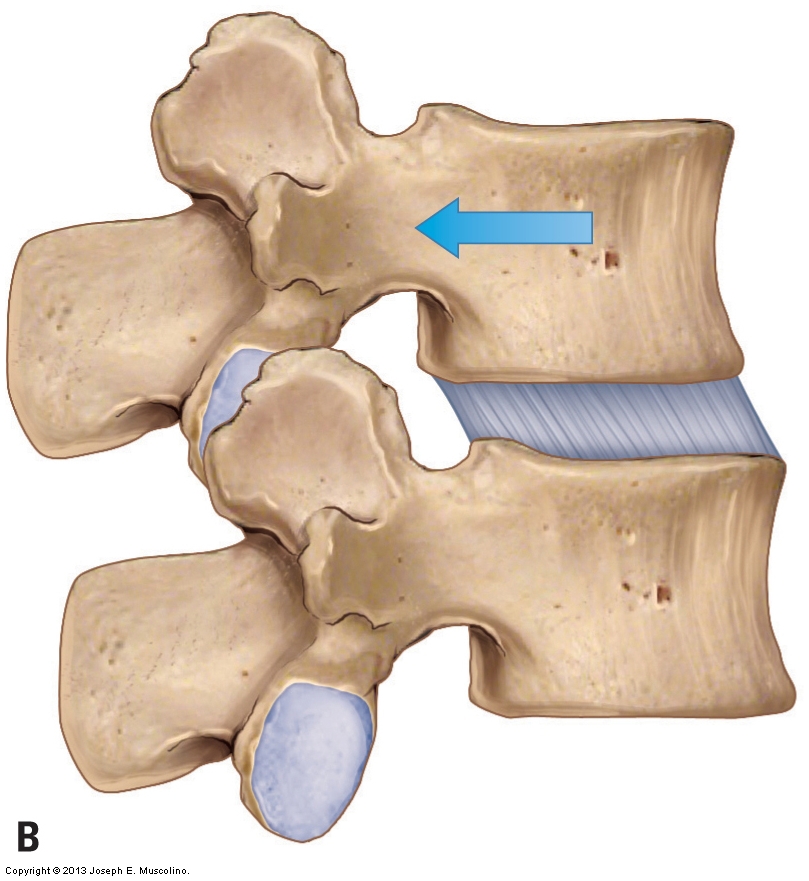
Table 1 shows average healthy ranges of axial motion of the cervical spine (head and neck), from the atlanto-occipital joint through the C7-T1 joint.
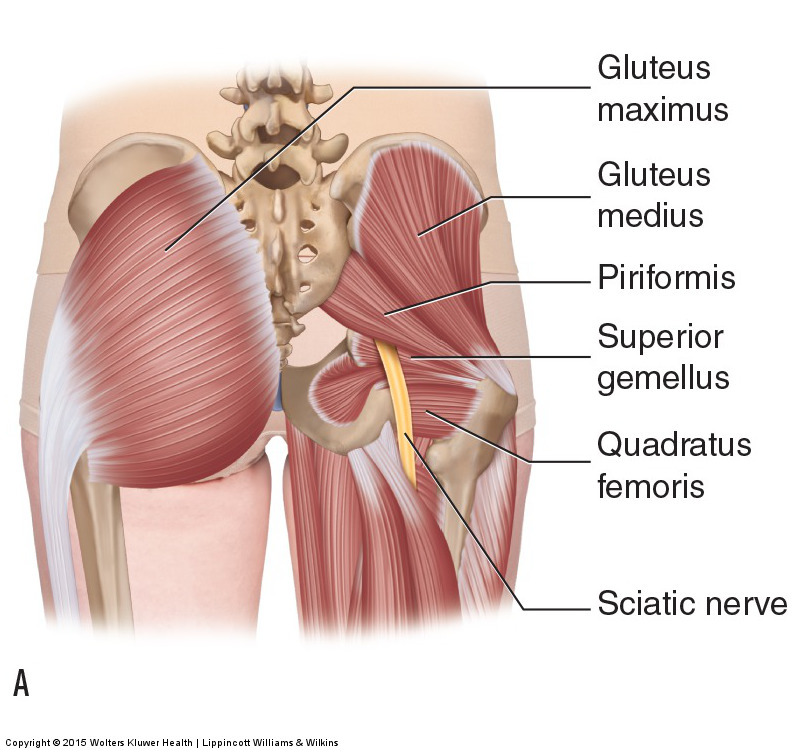
Piriformis syndrome occurs when a tight piriformis muscle compresses against the sciatic nerve, causing symptoms of sciatica into the lower extremity.
Remember that your supplement is only a tool to aid in your pursuit for physical fitness. A healthy and active lifestyle must be adhered to in order to gain and maintain the results you desire.
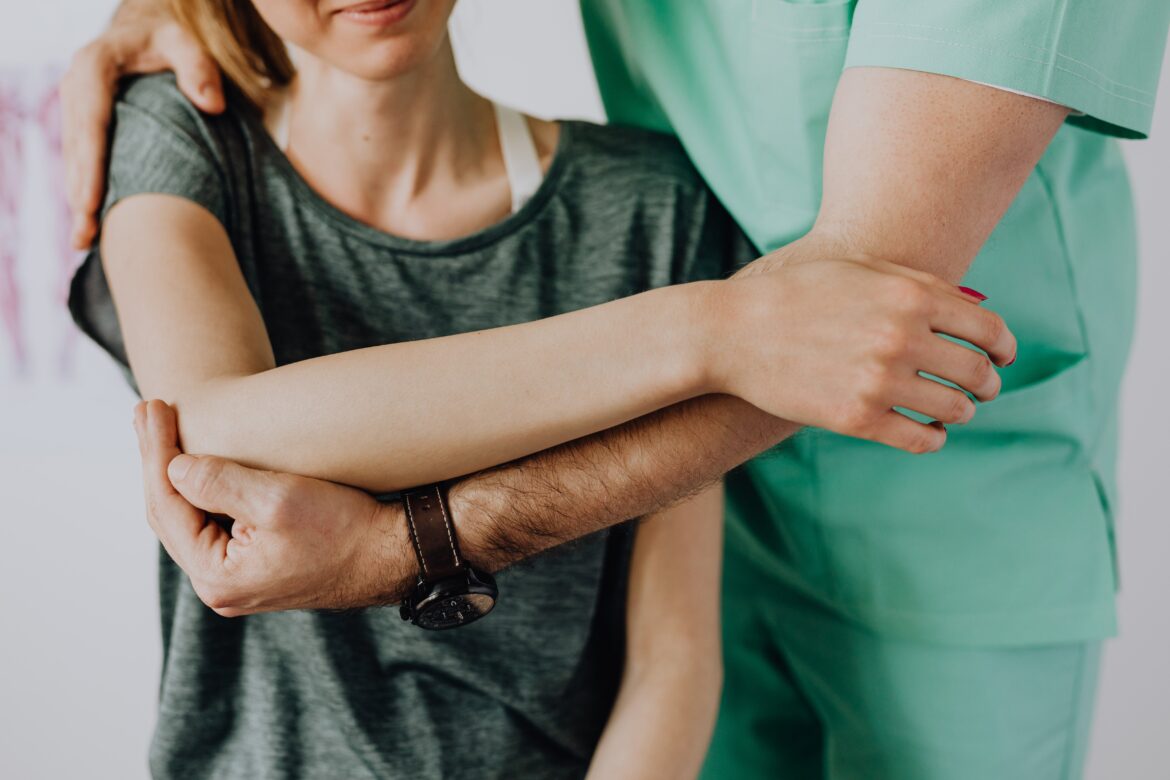
Taking control of your spinal health allows you to get back to doing the things you love without hesitation. Whether you are dealing with a fresh sports injury or years of accumulated tension from sitting at a desk, a personalized approach to recovery makes all the difference.
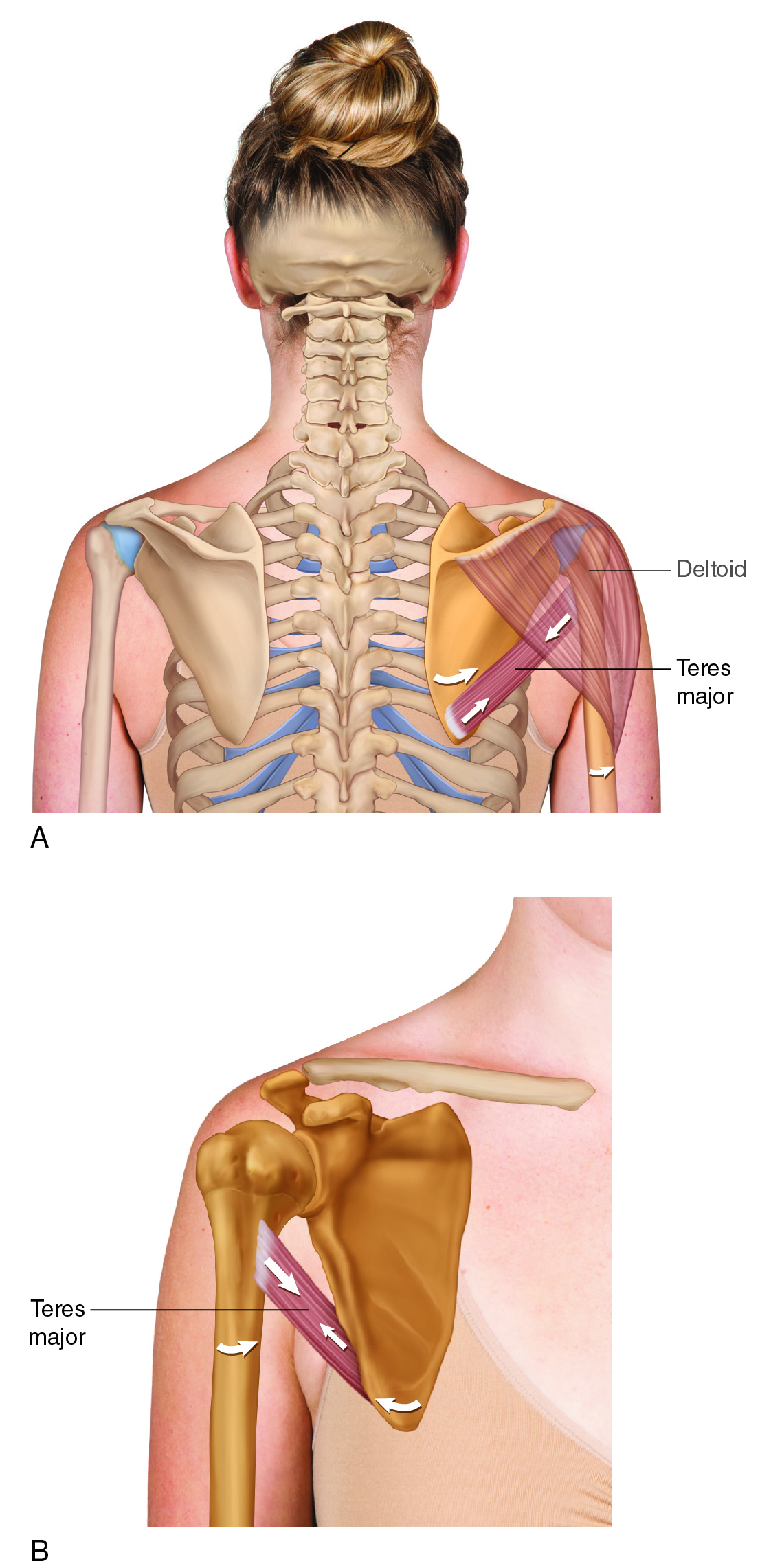
The teres major is a muscle that often does not get the respect it deserves because it is next to the more well-known latissimus dorsi (lat). The lat might cover a larger surface area of the body, but in the posterior axillary fold of tissue, the teres major is actually quite a bit larger than the lat. For this reason, I like to call the teres major “the lat’s big brother”.
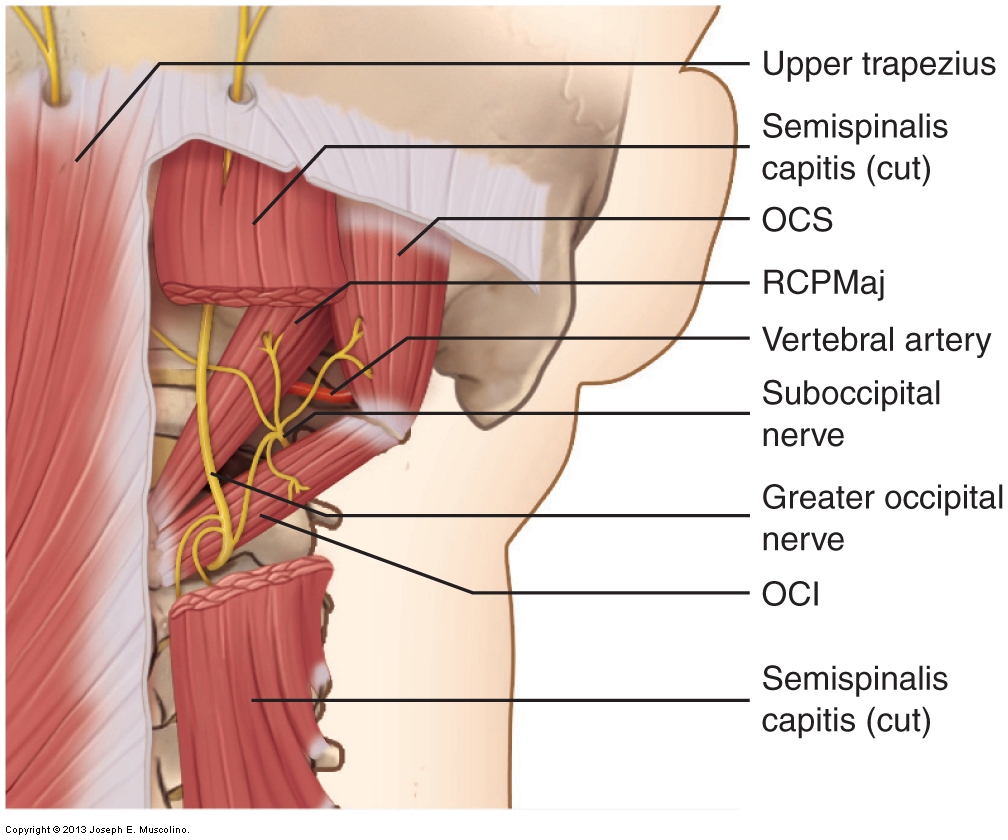
It is essential to exercise caution when working the anterior neck. However, this should not prevent therapeutic manual therapy work to the anterior neck.
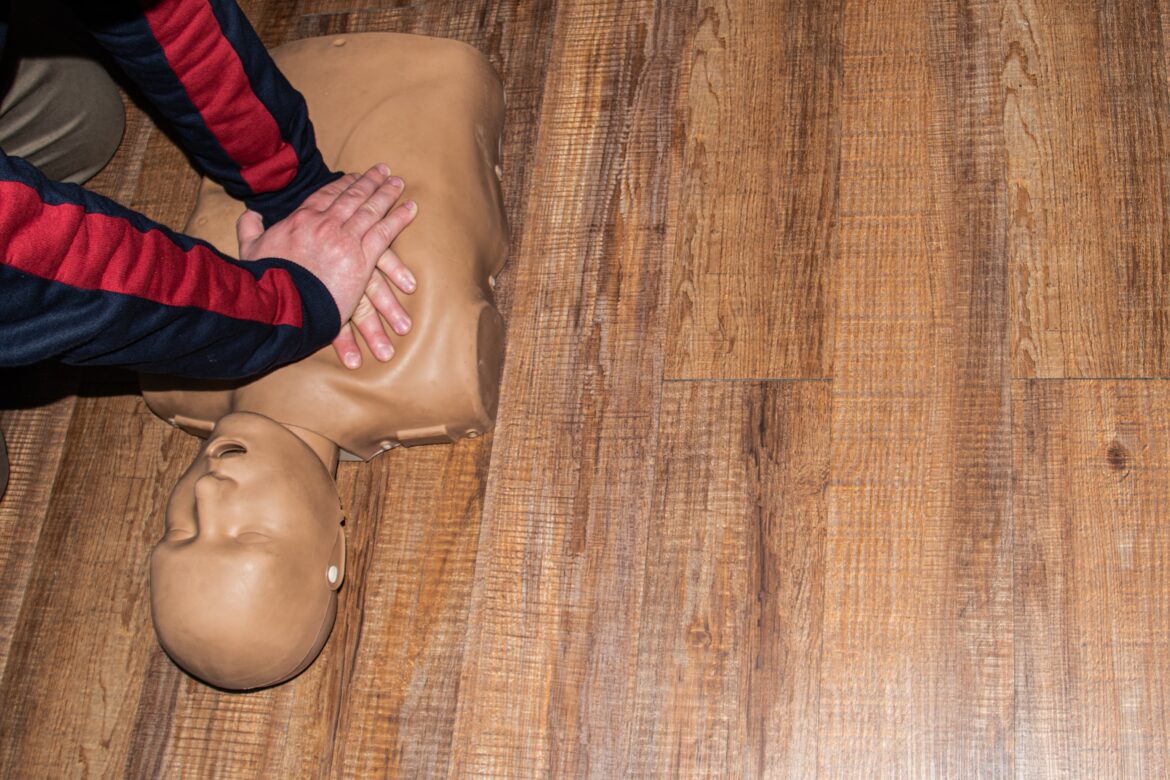
Can it genuinely equip you with the skills needed to implement the right response in an emergency? Here’s all you need to know.
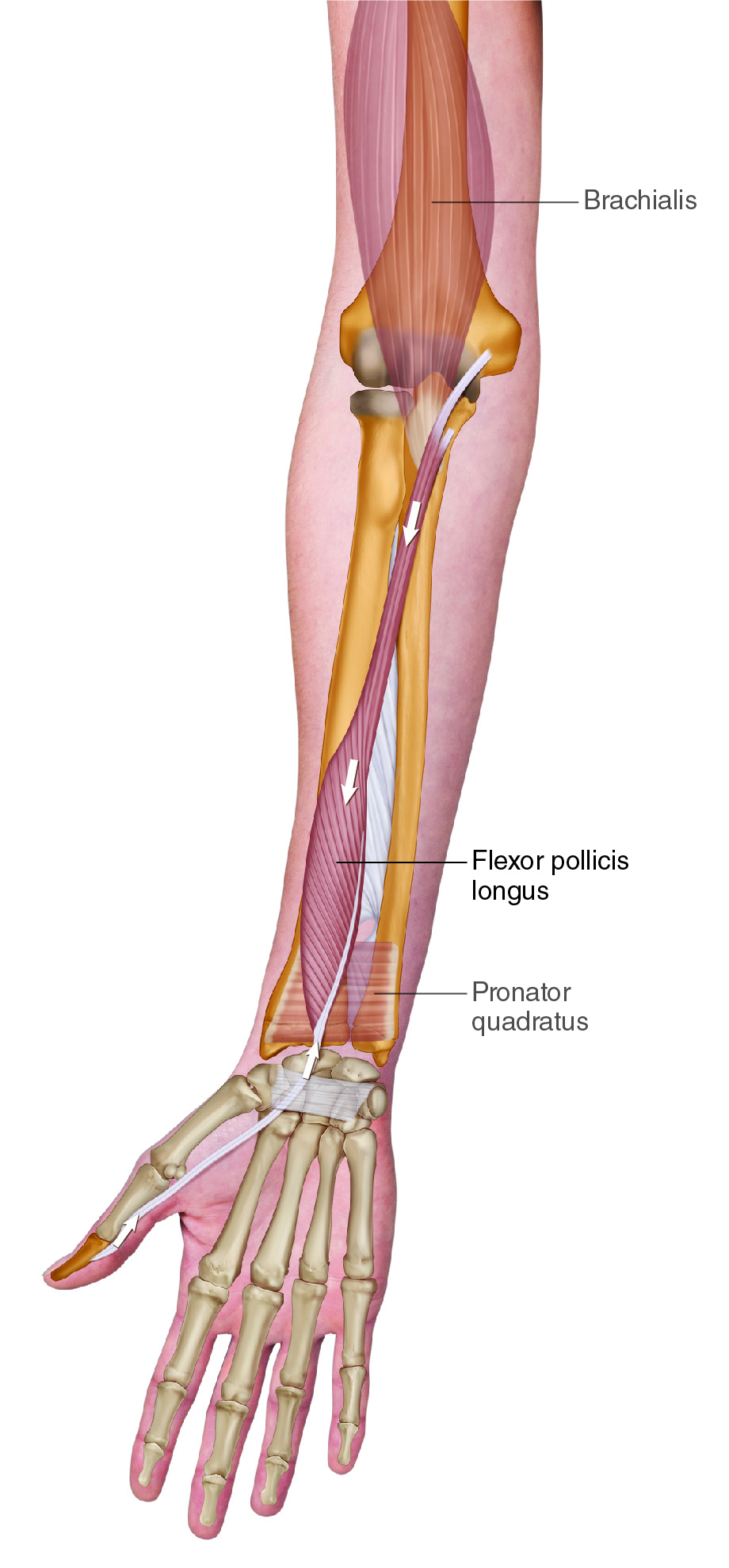
The flexor pollicis longus (FPL) is the only muscle in the human body that flexes the distal phalanx of the thumb at the interphalangeal (IP) joint. It runs from the anterior surface of the radius to the distal phalanx of the thumb, passes through the carpal tunnel alongside nine tendons and the median nerve, and is a key muscle involved in texting thumb and carpal tunnel syndrome.
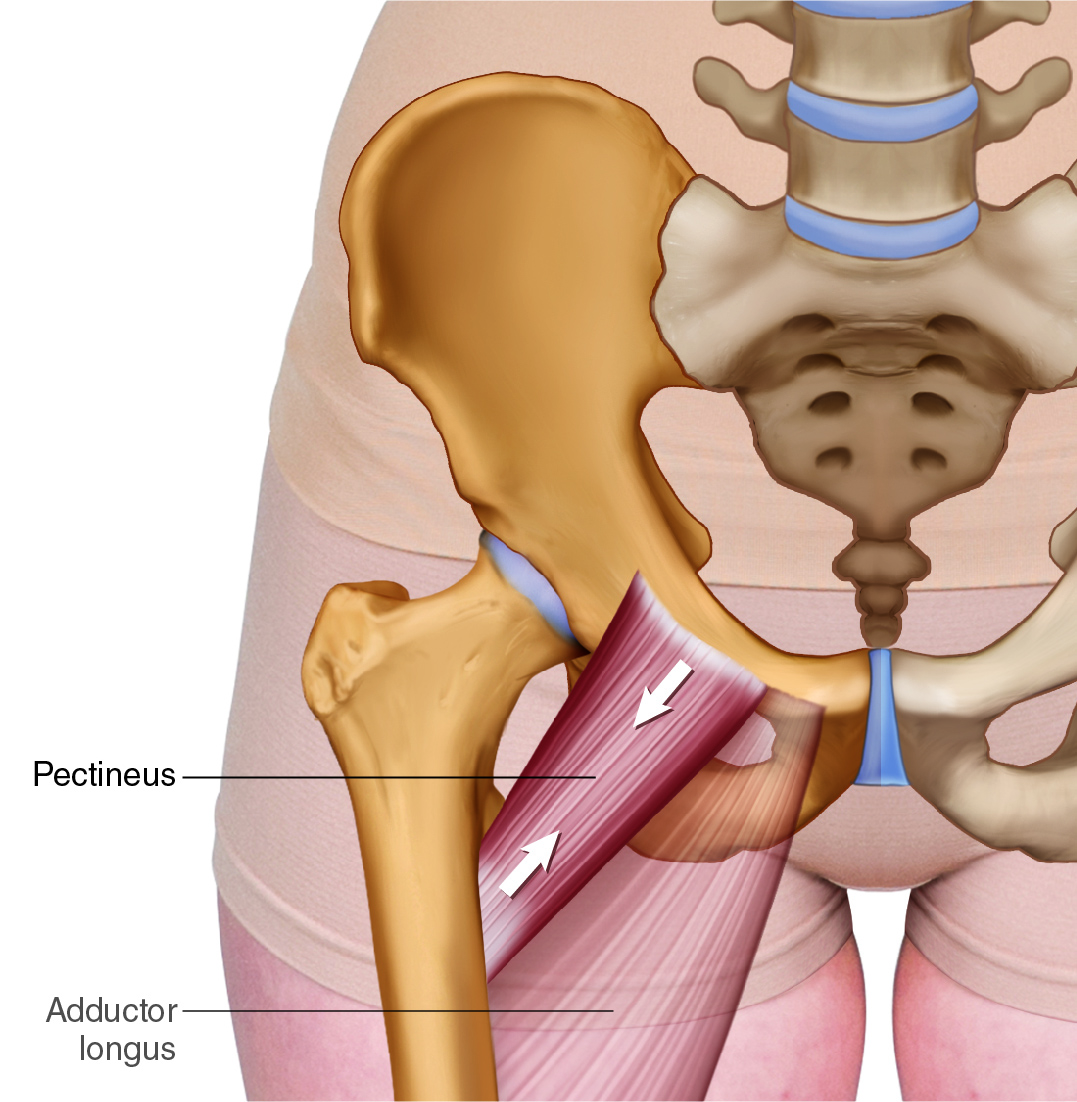
As a hip flexor, the pectineus is an extremely important muscle because of its involvement in the postural distortion pattern known as lower crossed syndrome. Because of the location of the pectineus medially, it is also considered to be part of the adductor group. As such, the pectineus is an excellent example of a transition muscle, being located within two functional groups.
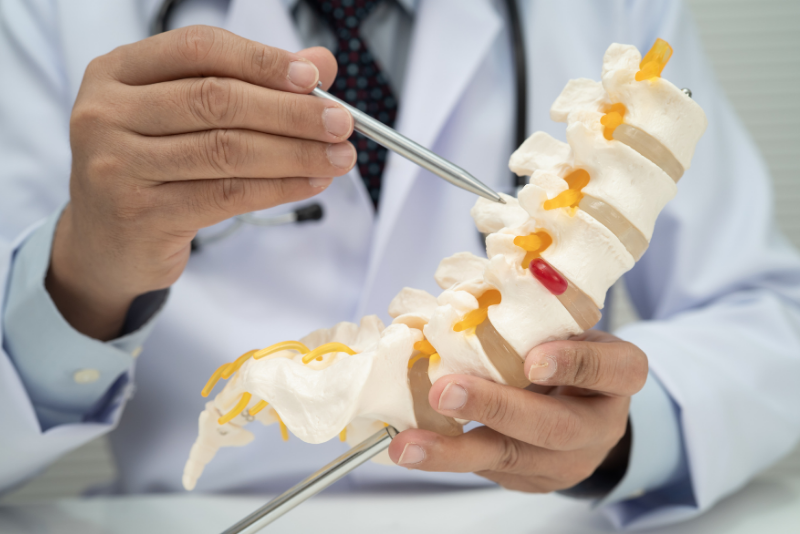
Yes — and the mechanism runs through the spinal cord’s blood supply just as much as it runs through mechanical compression.

The challenge for anyone evaluating options is that on paper, most boutique studios look alike. The differences show up in the details.
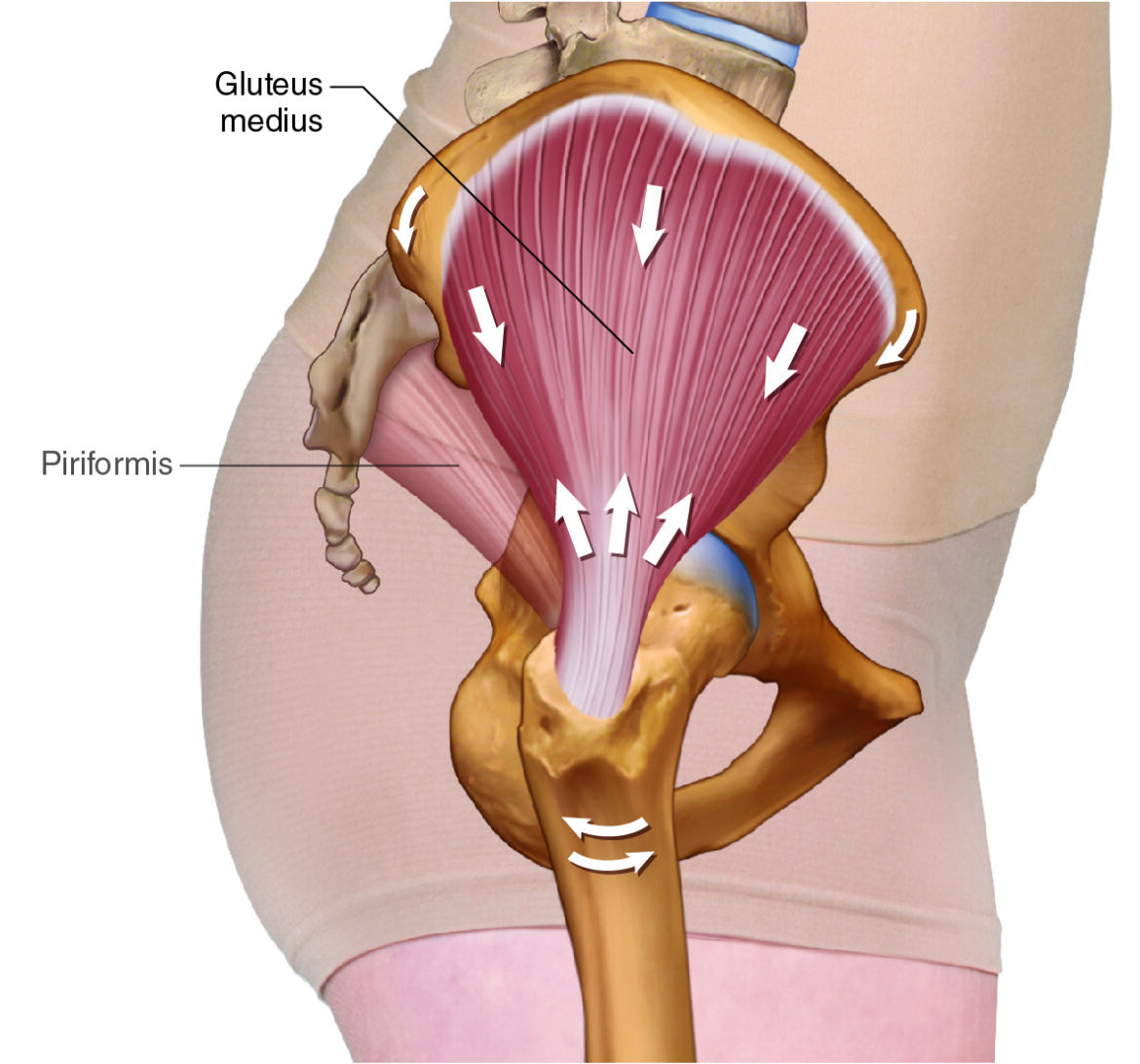
The gluteus medius is an incredibly important muscle. It is functionally important at the hip joint, especially with frontal-plane mechanics. And this can have implications with dysfunctional movement patterns (e.g., Trendelenburg gait) as well as postural distortion patterns of scoliosis. And just as fascinating is to see the relationship between glute medius structure and function at the hip joint and compare it to the structure and function of the deltoid at the shoulder joint. Indeed, the gluteus medius can be described as the deltoid of the hip.
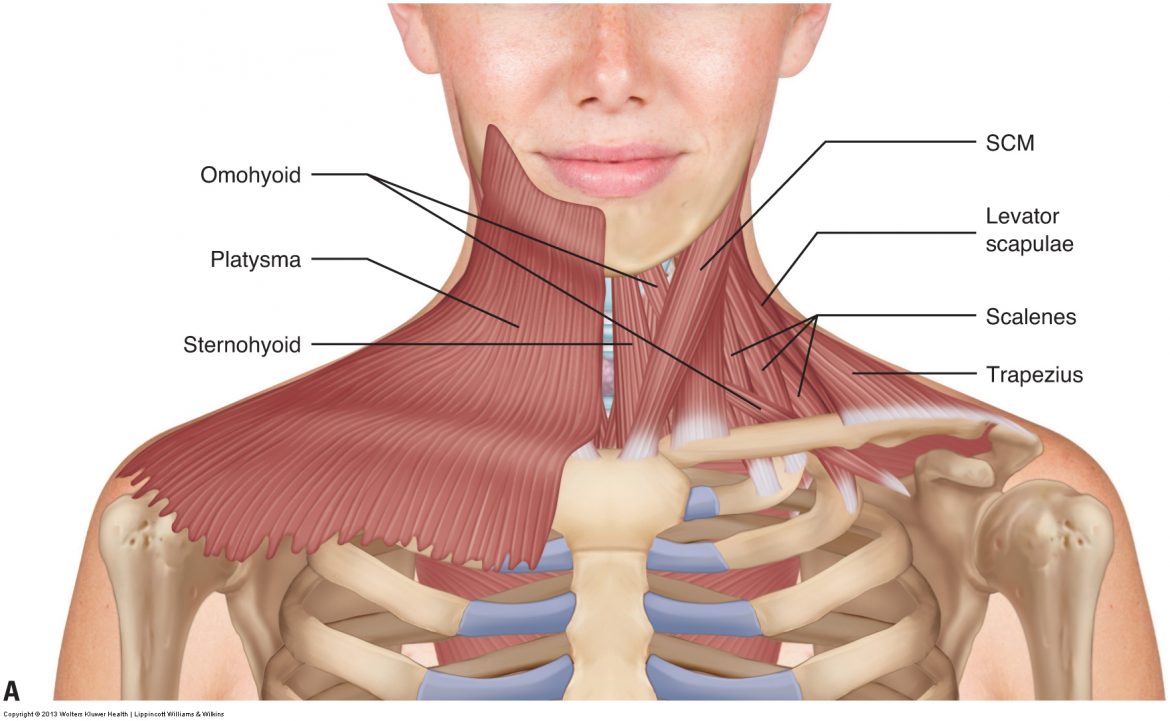
To perform orthopedic manual therapy to the neck that is accurate and specific, we need to know the attachments and actions of the muscles of the neck.
