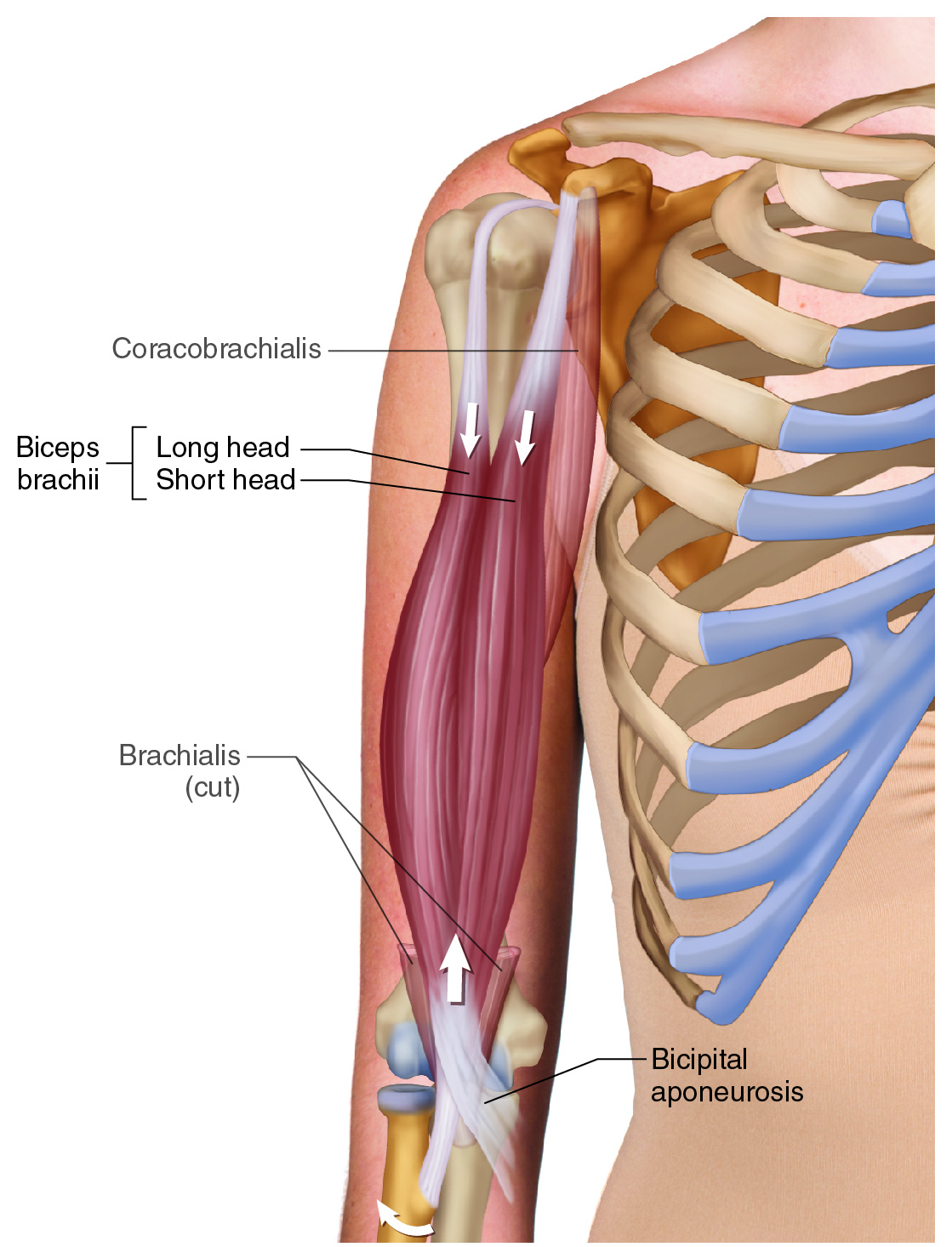
The biceps brachii is a strong and powerful muscle but often seems larger and more powerful than it really is because the underlying brachialis pushes it outward, making it appear larger. Behind every great biceps brachii is a great brachialis.
Below you'll find a list of all posts that have been categorized as “Muscles”
The biceps brachii is a strong and powerful muscle but often seems larger and more powerful than it really is because the underlying brachialis pushes it outward, making it appear larger. Behind every great biceps brachii is a great brachialis.
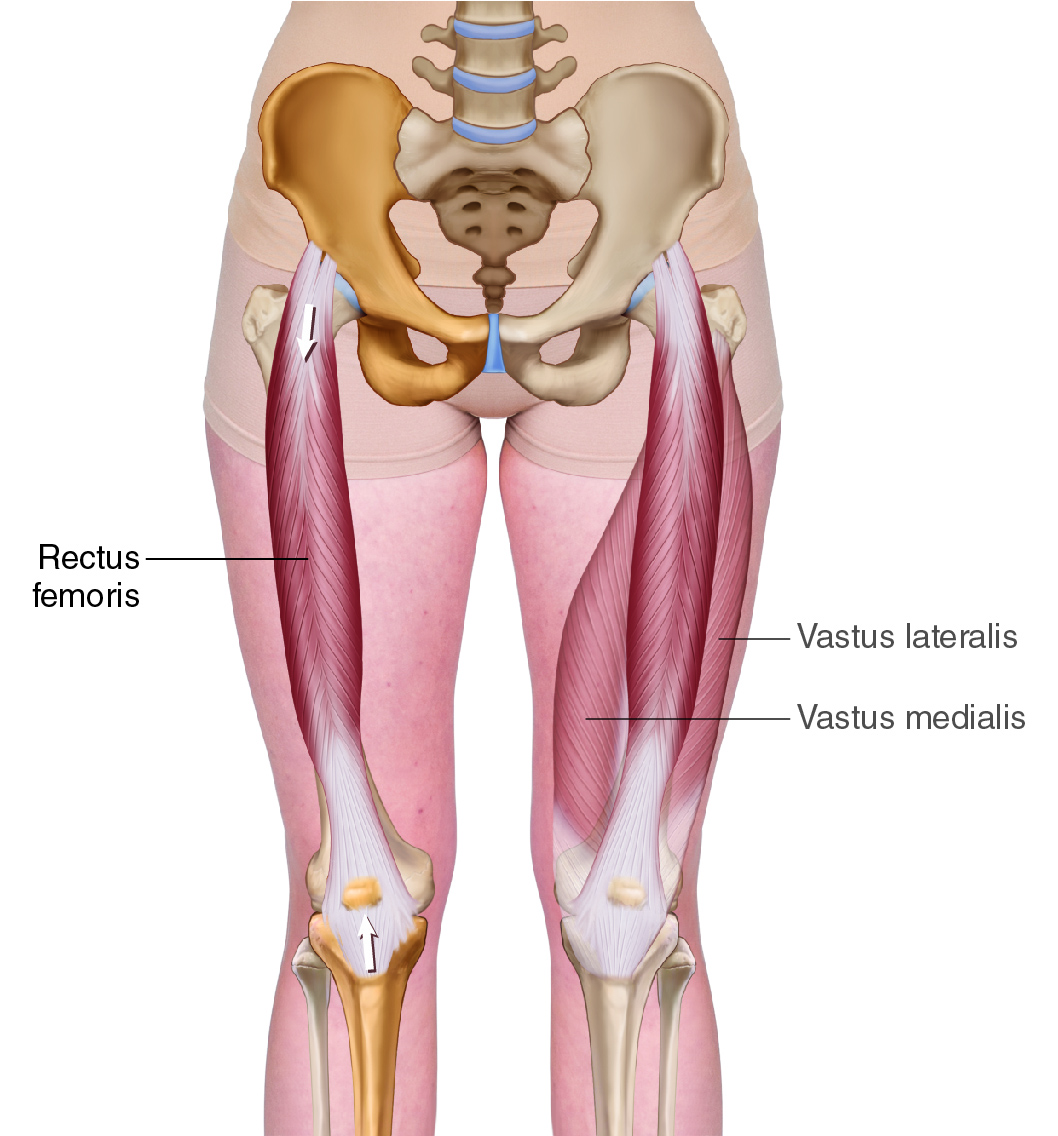
As a hip flexor, it is an extremely important muscle, both functionally and dysfunctionally. When tight, its pull is exerted in closed-chain function with anterior tilt of the pelvis; excessive anterior tilt can then create excessive lumbar lordosis (a postural distortion pattern known as lower crossed syndrome), which often predisposes toward low back pain.
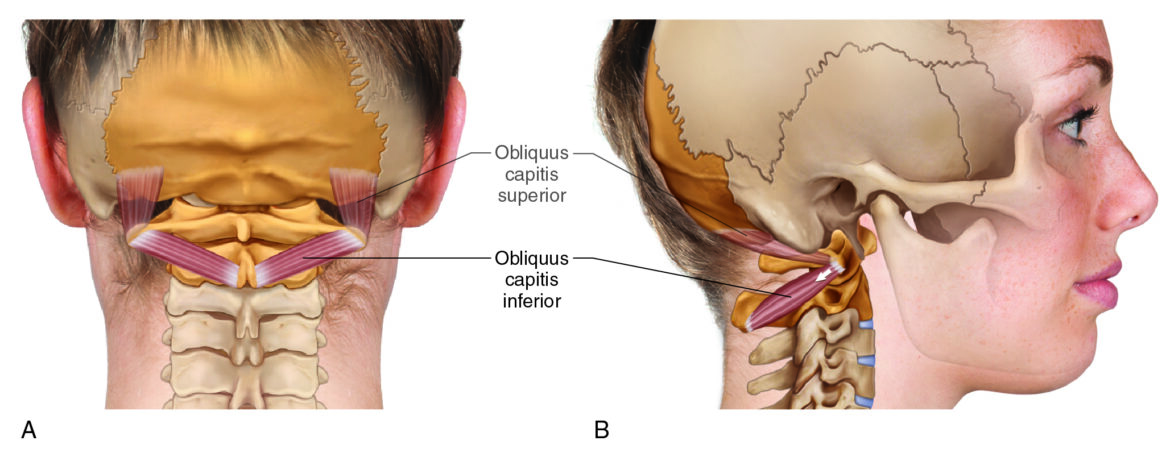
The emphasis of this article is on the importance of the naming of muscles, highlighted by the fact that the obliquus capitis inferior (OCI) is misnamed. However, the OCI is an important muscle in its own right. Given the prevalence of locked-short musculature in the posterior neck, especially in the supoccipital (upper neck) region, the OCI is extremely important clinically.
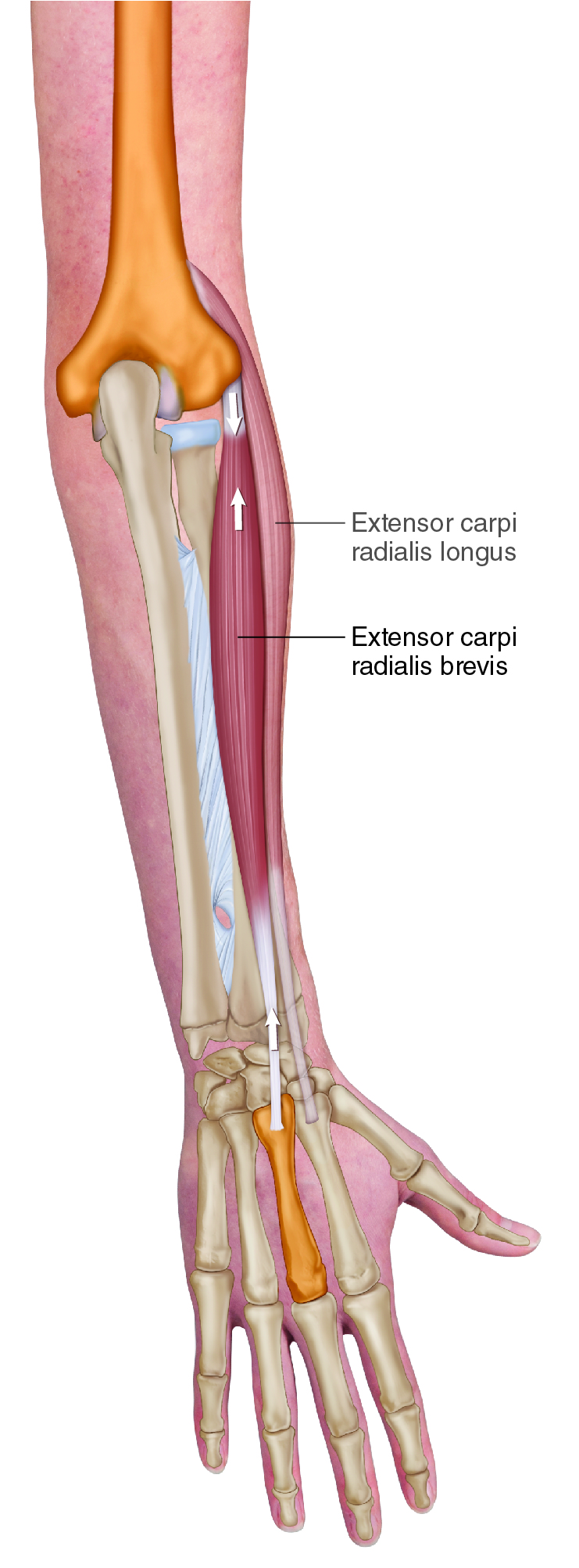
As one of the muscles of the common wrist extensor belly/tendon group, the ECRB is often involved with tennis elbow, so the therapist should be conversant with its assessment and treatment.
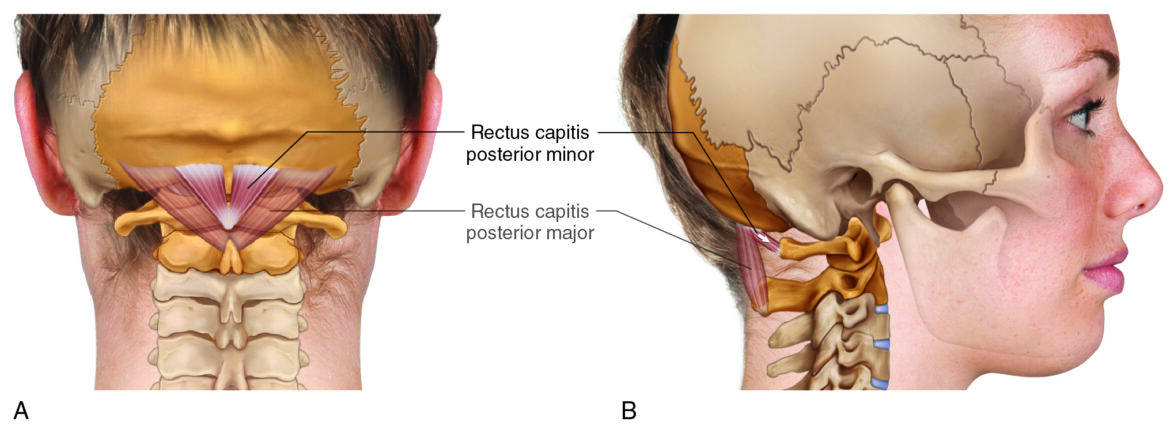
The rectus capitis posterior minor (RCPMin) is, clinically, one of the more important muscles in the human body, so it is especially important for manual therapists to be conversant with this muscle so that effective palpation assessment and massage and stretching treatment can be performed.
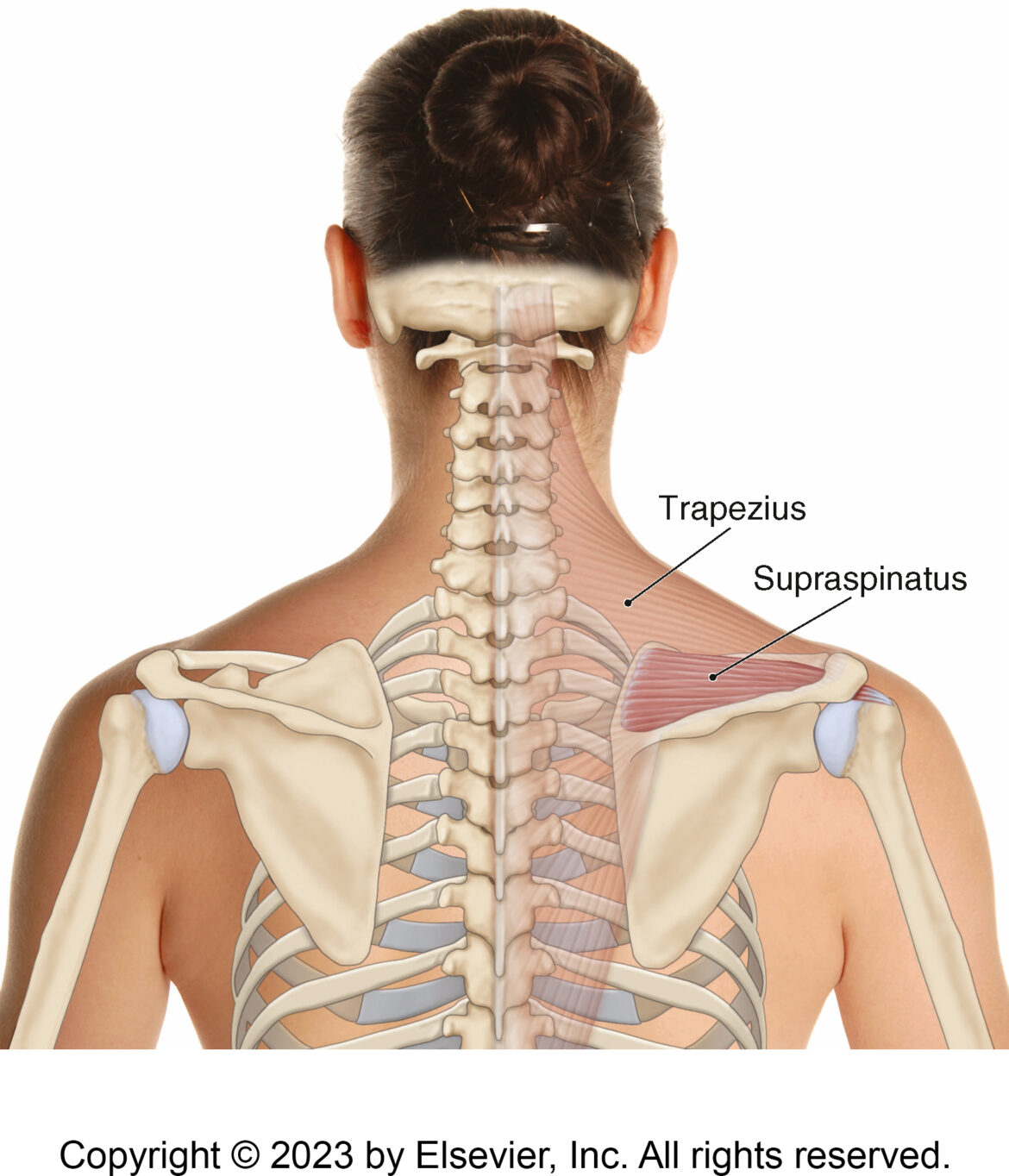
The supraspinatus is an important muscle of the rotator cuff group that is often involved in shoulder impingement syndrome. But for the purpose of this blog article, it is an excellent case study in understanding how joint action terminology can lead students and therapists alike to misunderstand the function of a muscle.
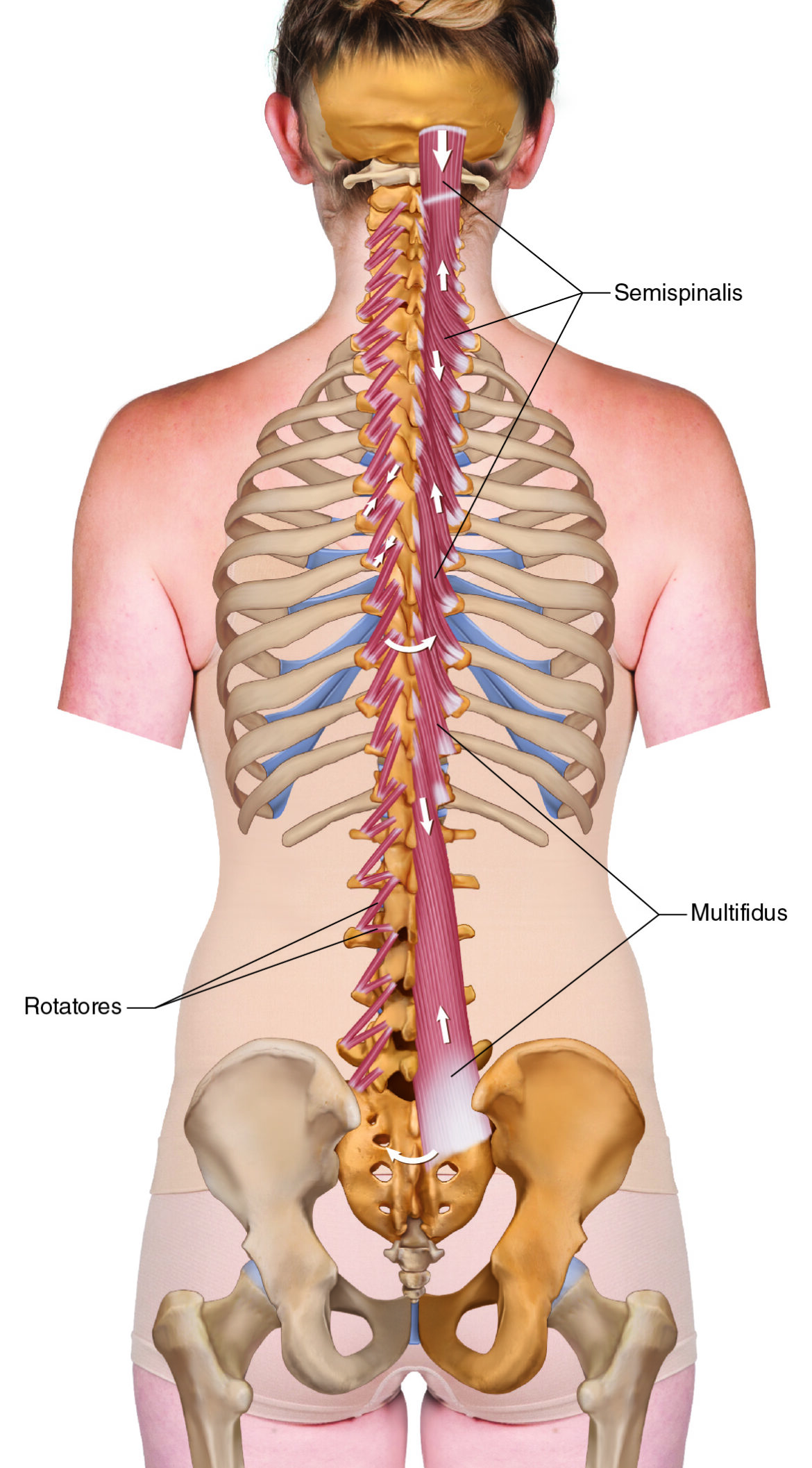
The transversospinalis musculature is extremely important functionally, and important with pain and dysfunction. It includes the multifidus, the thickest muscle of the low back; and the semispinalis capitis, the thickest muscle in the back of the neck. When working this musculature, it is extremely important to work very far medially, over the laminar groove of the spine.
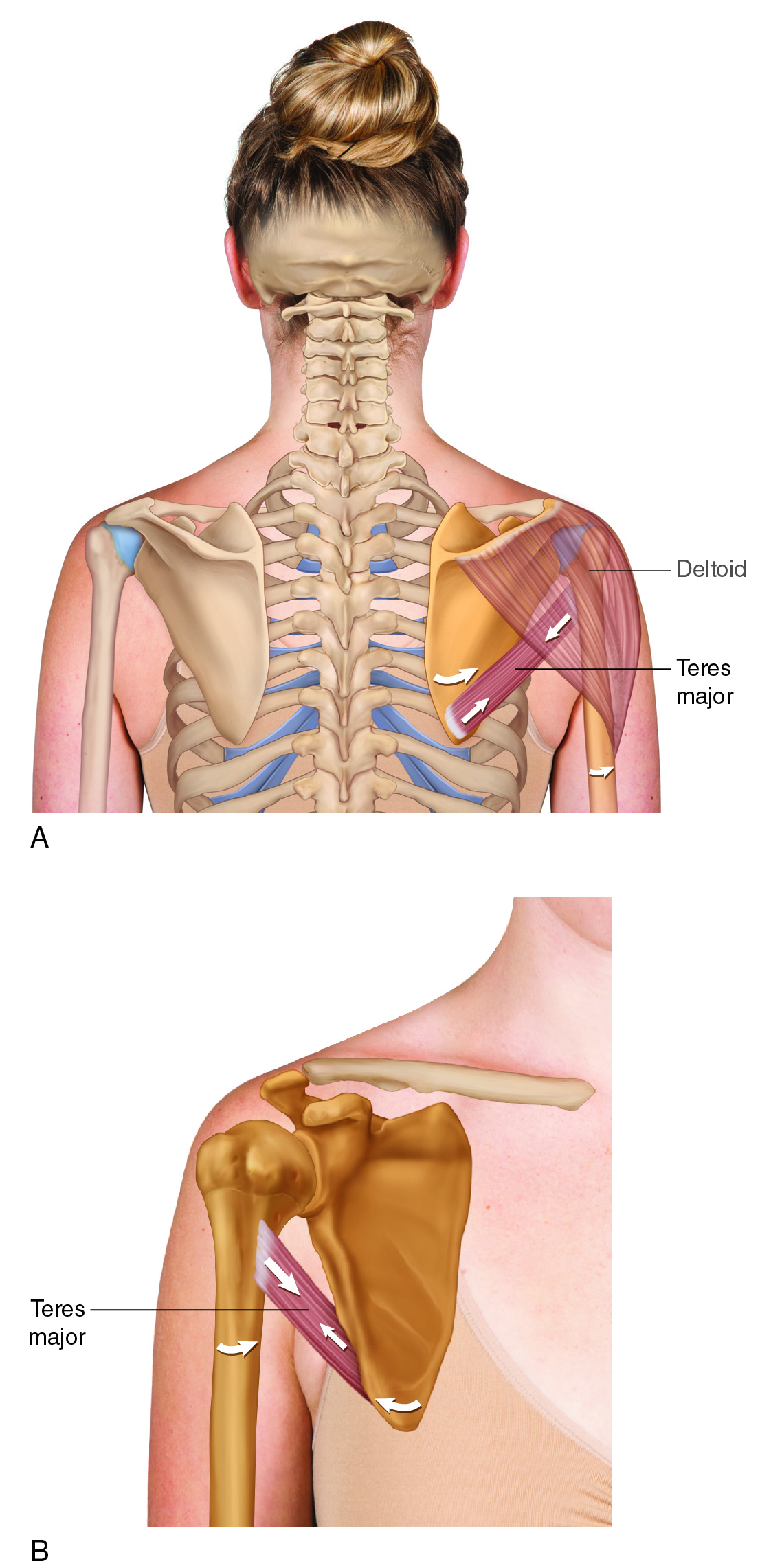
The teres major is a muscle that often does not get the respect it deserves because it is next to the more well-known latissimus dorsi (lat). The lat might cover a larger surface area of the body, but in the posterior axillary fold of tissue, the teres major is actually quite a bit larger than the lat. For this reason, I like to call the teres major “the lat’s big brother”.
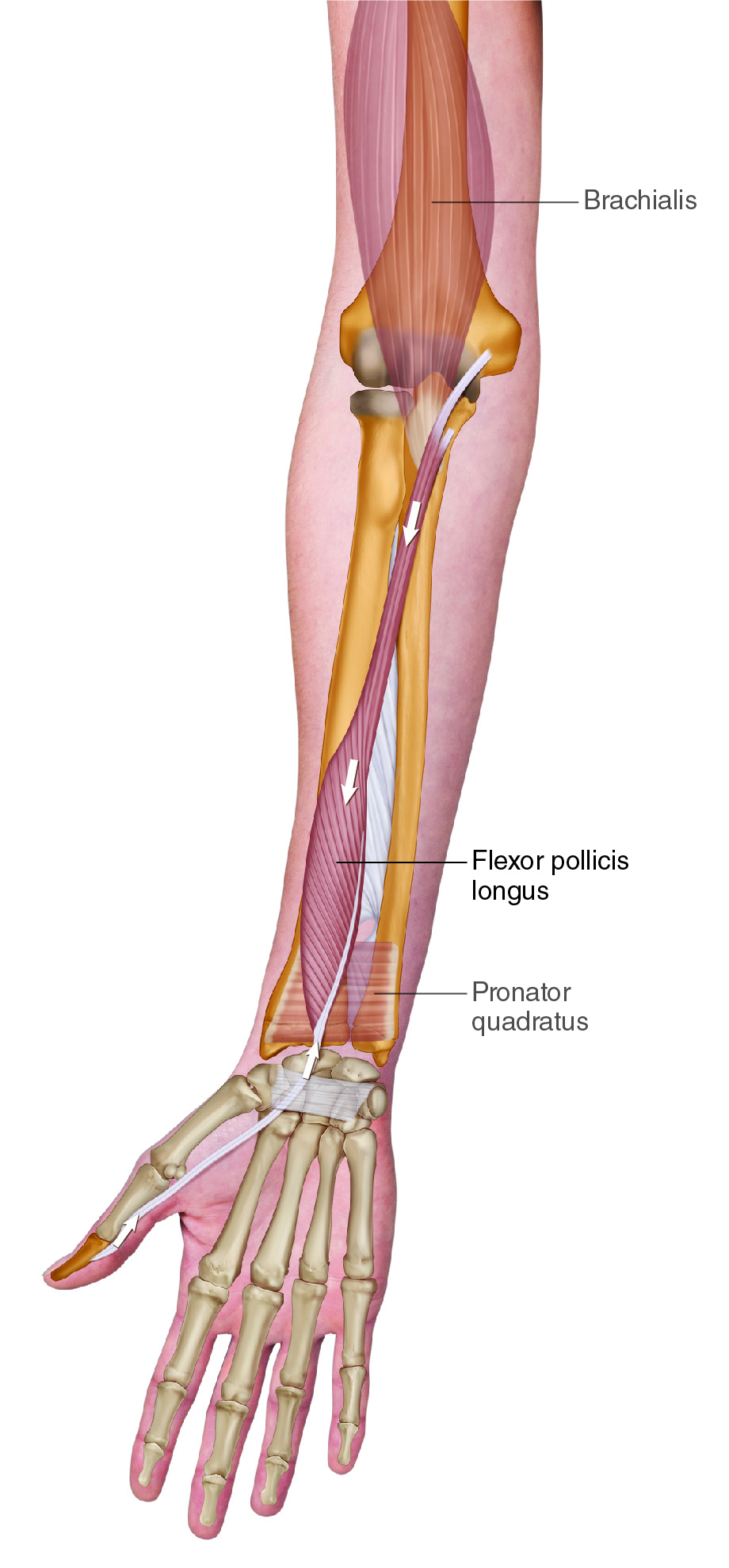
The flexor pollicis longus (FPL) is the only muscle in the human body that flexes the distal phalanx of the thumb at the interphalangeal (IP) joint. It runs from the anterior surface of the radius to the distal phalanx of the thumb, passes through the carpal tunnel alongside nine tendons and the median nerve, and is a key muscle involved in texting thumb and carpal tunnel syndrome.
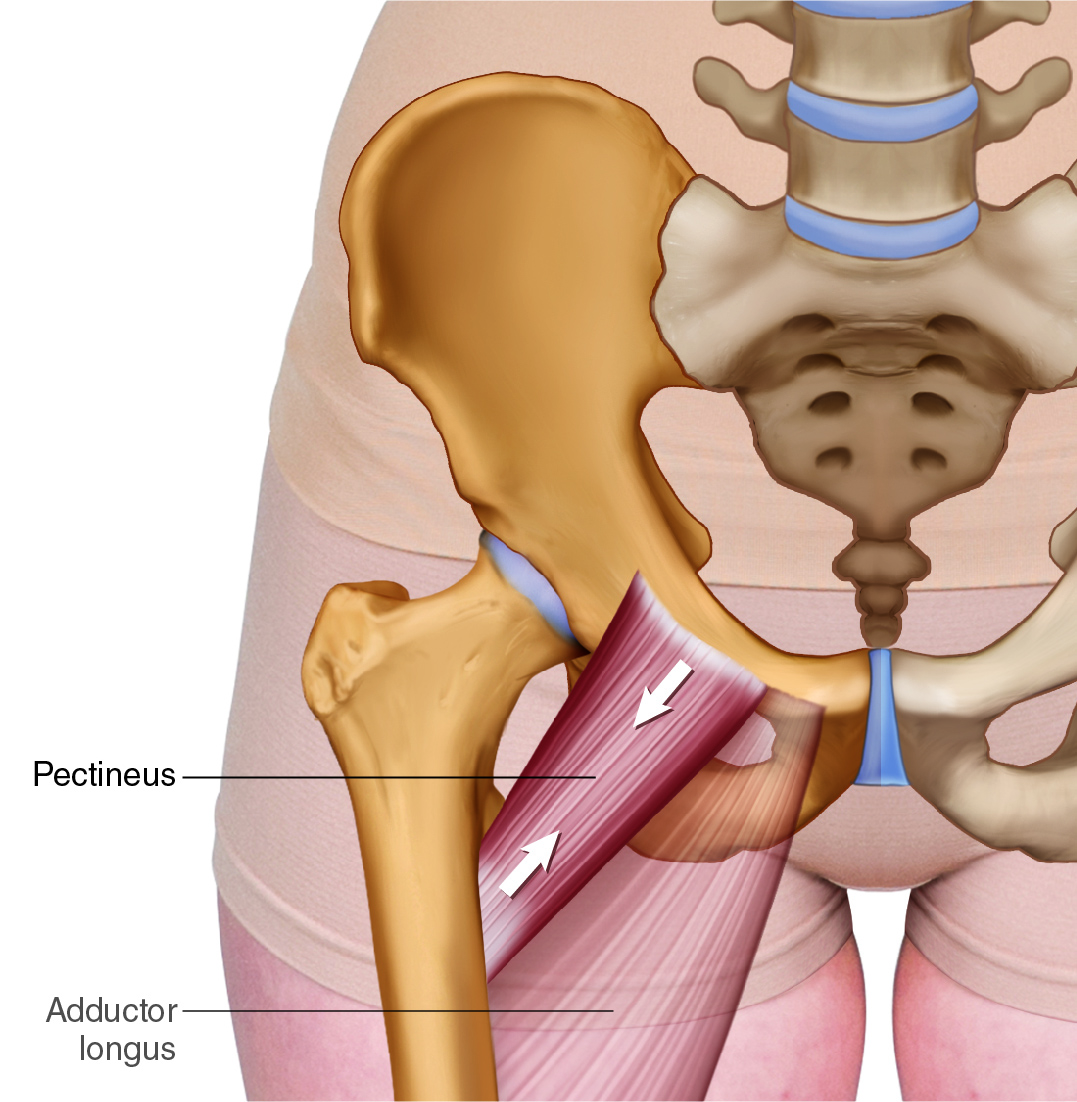
As a hip flexor, the pectineus is an extremely important muscle because of its involvement in the postural distortion pattern known as lower crossed syndrome. Because of the location of the pectineus medially, it is also considered to be part of the adductor group. As such, the pectineus is an excellent example of a transition muscle, being located within two functional groups.
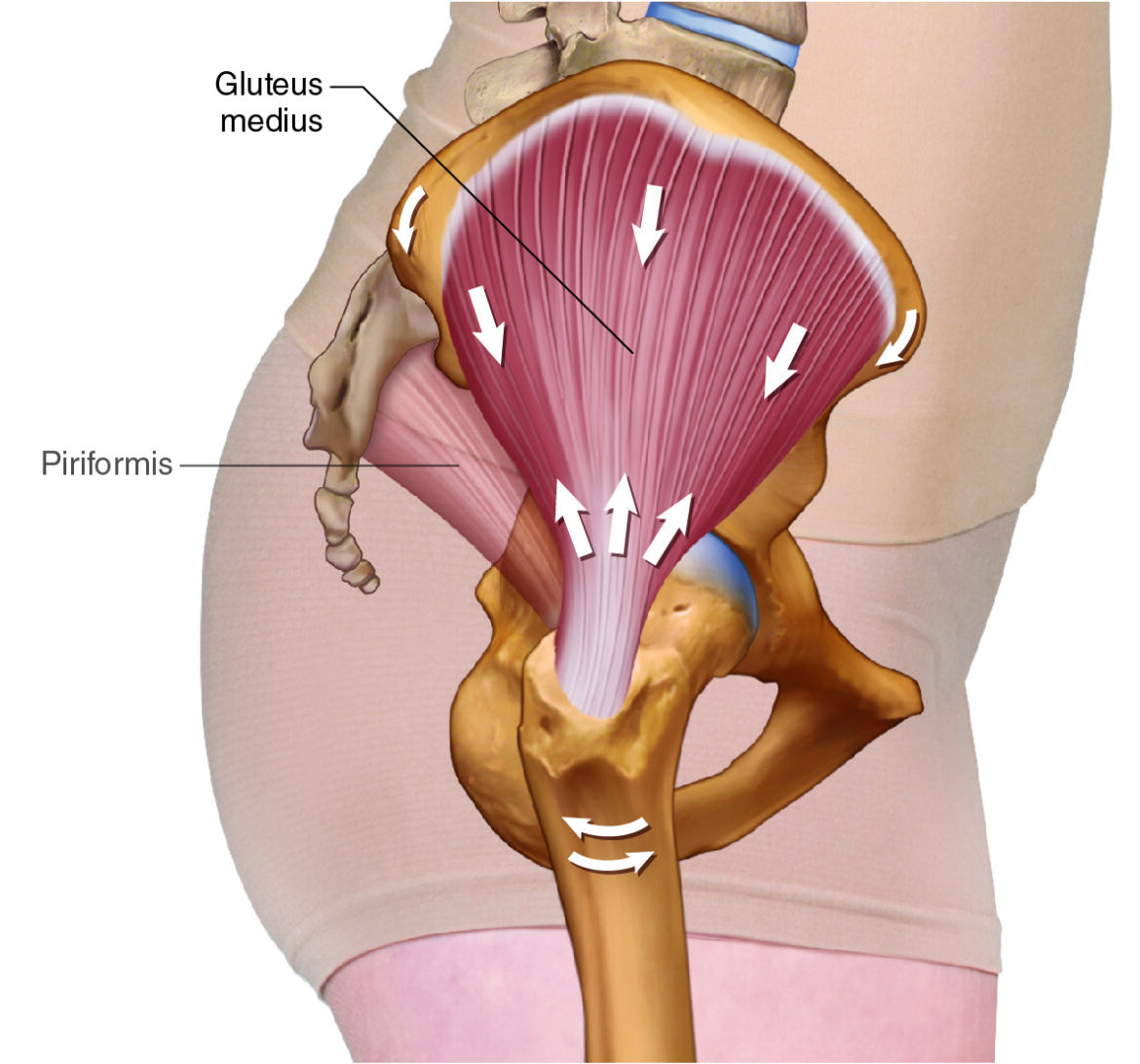
The gluteus medius is an incredibly important muscle. It is functionally important at the hip joint, especially with frontal-plane mechanics. And this can have implications with dysfunctional movement patterns (e.g., Trendelenburg gait) as well as postural distortion patterns of scoliosis. And just as fascinating is to see the relationship between glute medius structure and function at the hip joint and compare it to the structure and function of the deltoid at the shoulder joint. Indeed, the gluteus medius can be described as the deltoid of the hip.
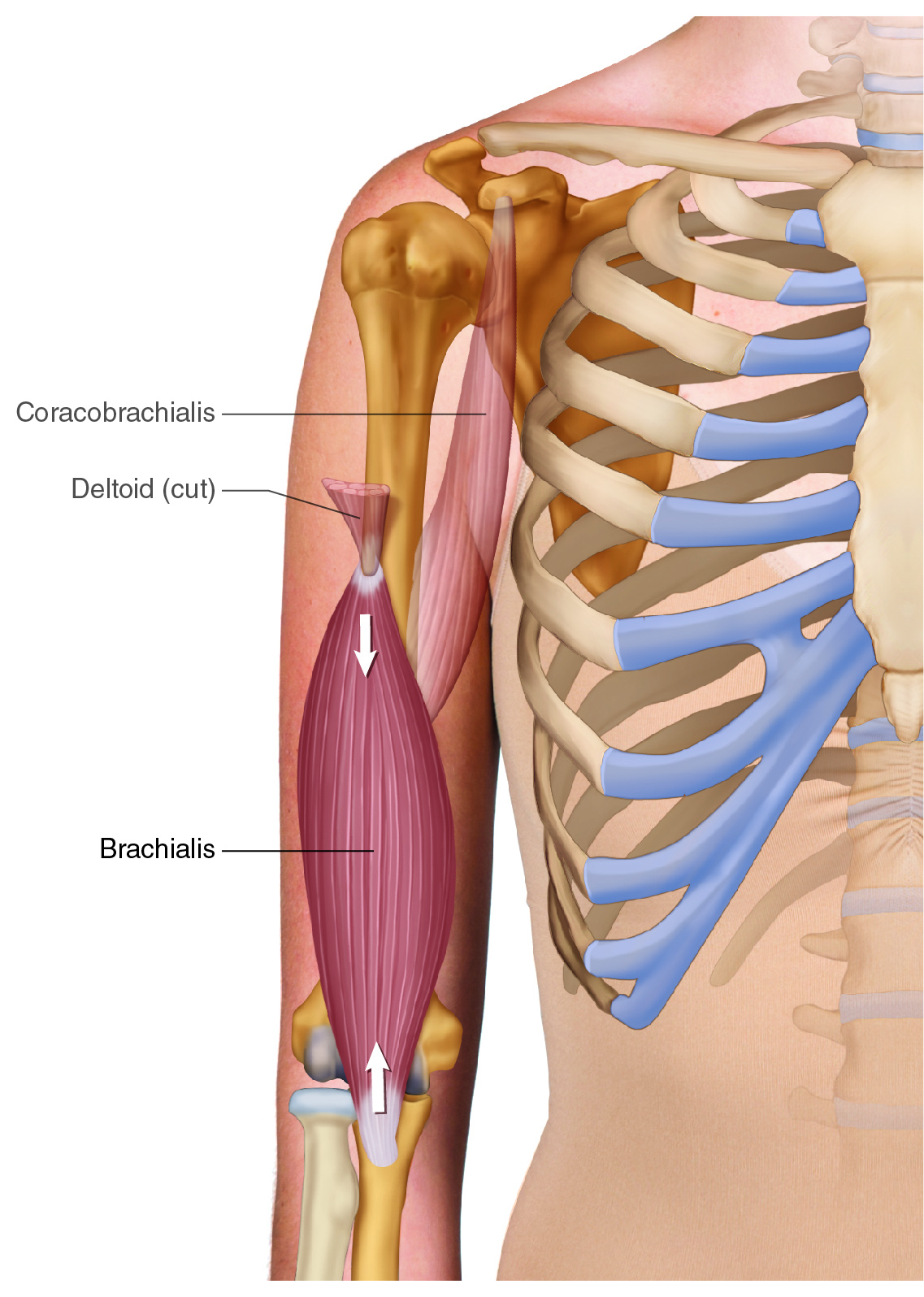
Learn everything about the brachialis muscle — its attachments, open- and closed-chain functions, how to palpate, stretch, and massage it. The perfect muscle for teaching kinesiology biomechanics.
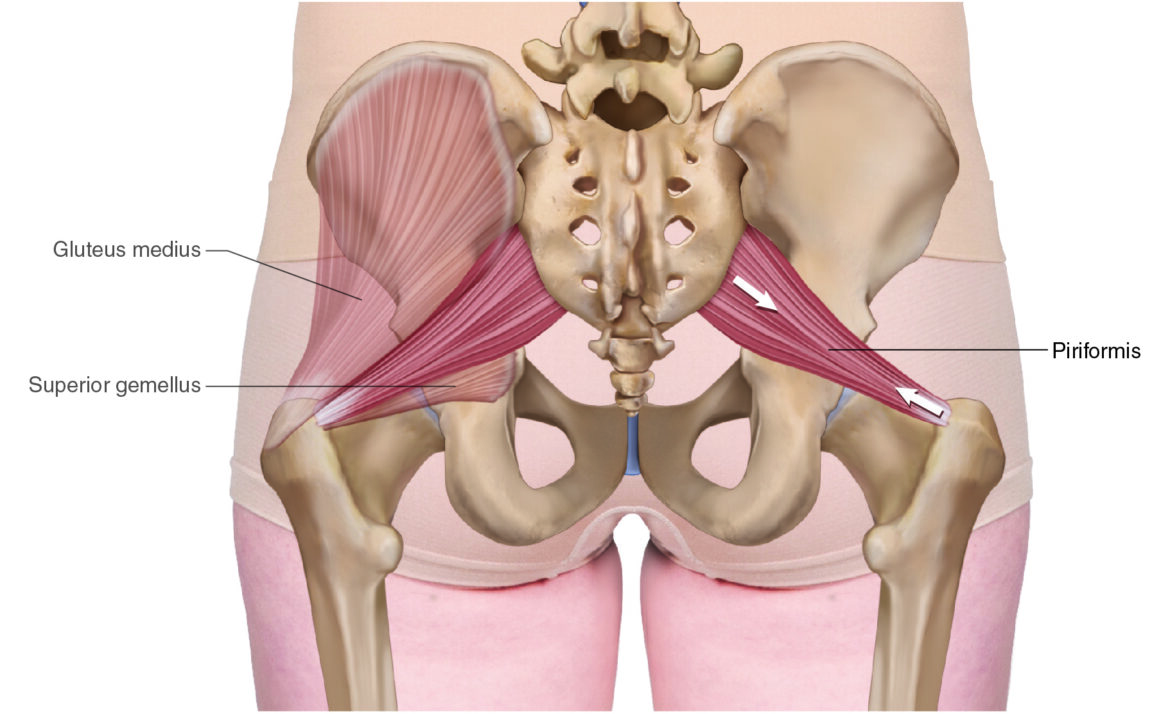
Learn everything about the piriformis muscle — attachments, open- and closed-chain functions, piriformis syndrome, palpation, stretching, and massage techniques for manual therapists.
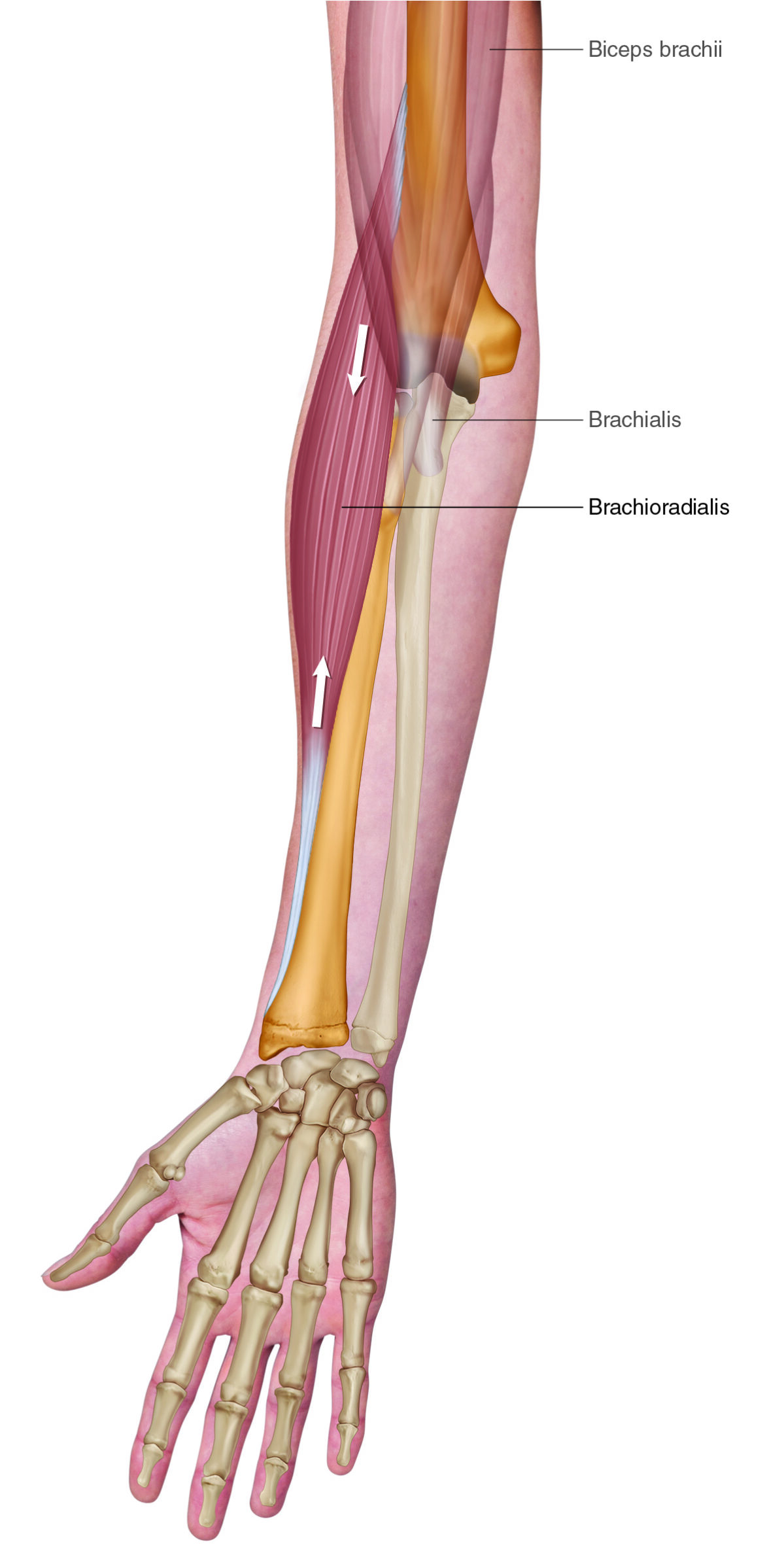
Learn the brachioradialis muscle’s attachments, open- and closed-chain functions, palpation technique, and why it’s the ultimate example of a muscle that changes its joint action with joint position.
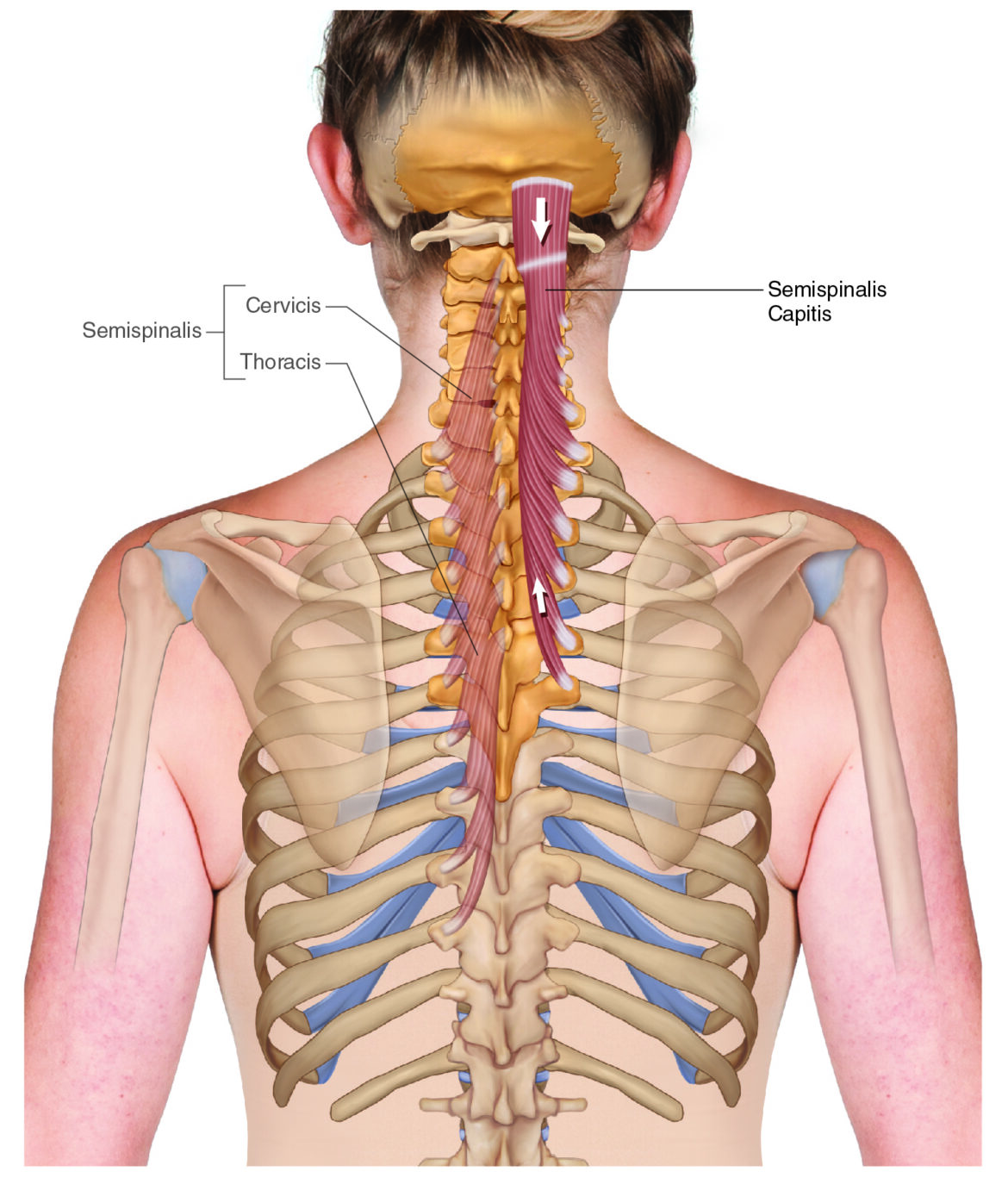
The semispinalis capitis is the largest muscle in the back of the neck — and the most overlooked cause of posterior neck pain. Learn how to assess, palpate, stretch, and massage it.
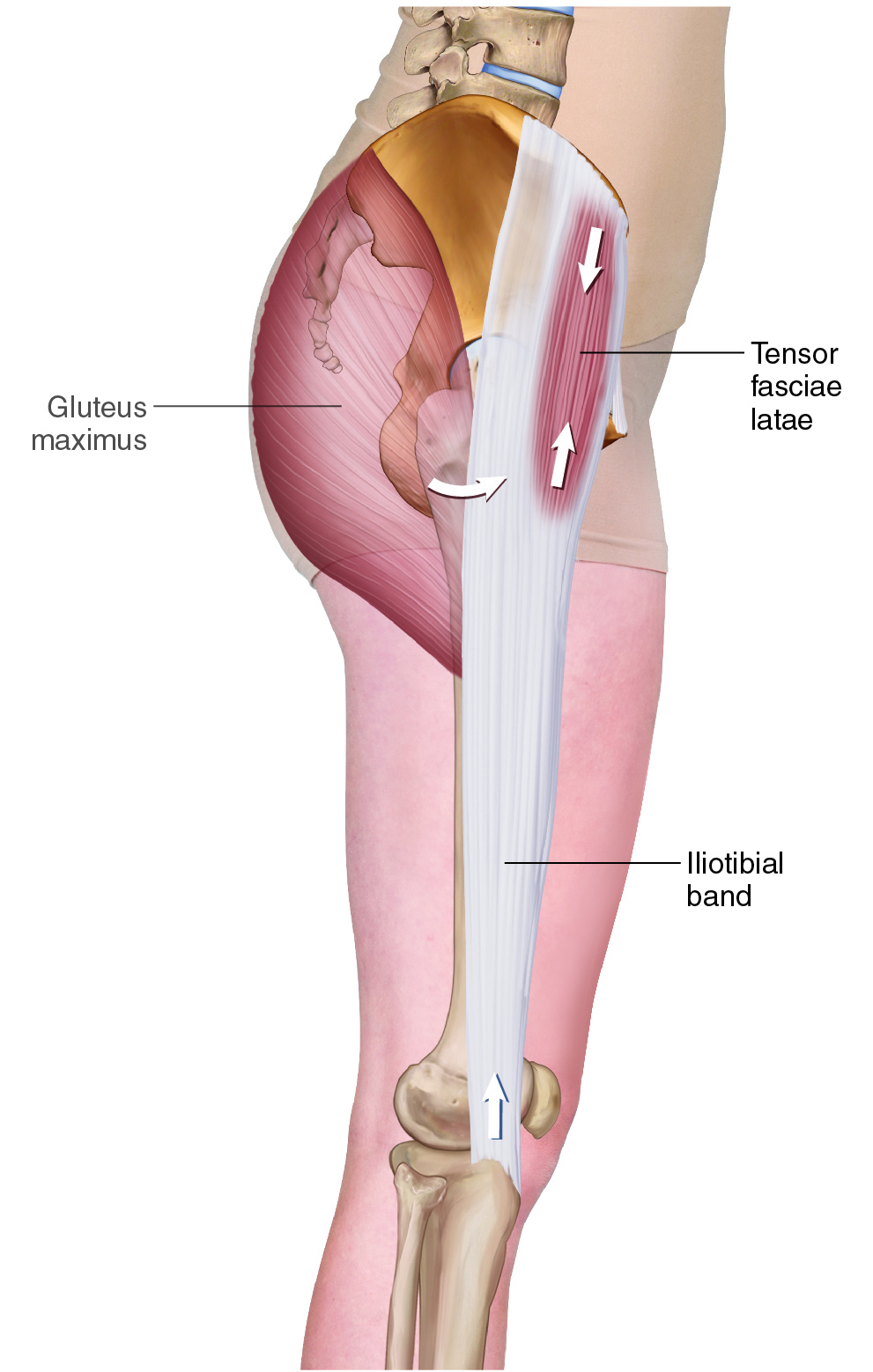
The tensor fasciae latae (TFL) is a hip flexor that is commonly tight, and strongly linked to lower crossed syndrome, and is a key target for massage and stretching.
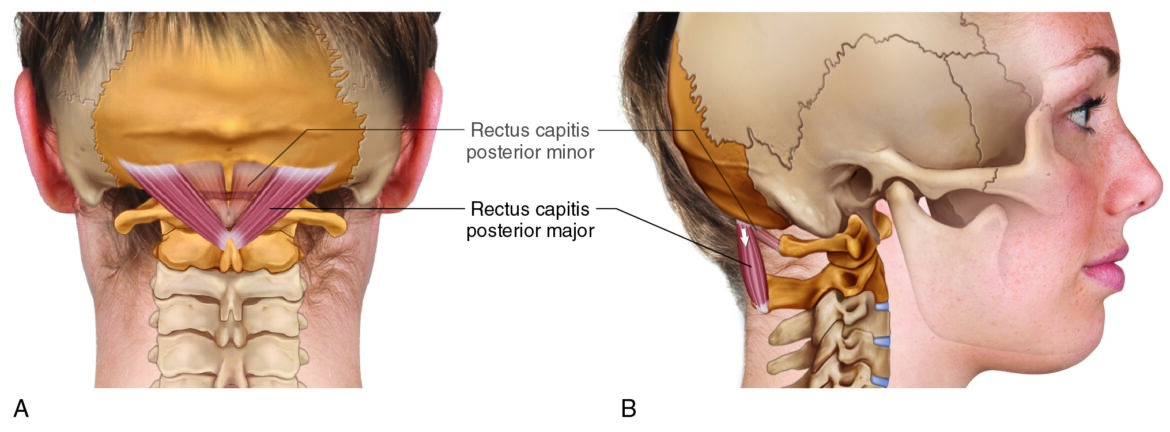
The rectus capitis posterior major (RCPMaj) of the suboccipital group musculature is a small muscle located deep in the superior aspect of the posterior neck, directly inferior to the occiput (hence the name suboccipital). It is an extremely important muscle to know and be able to assess and treat because it is often responsible for clients’ tension headaches.
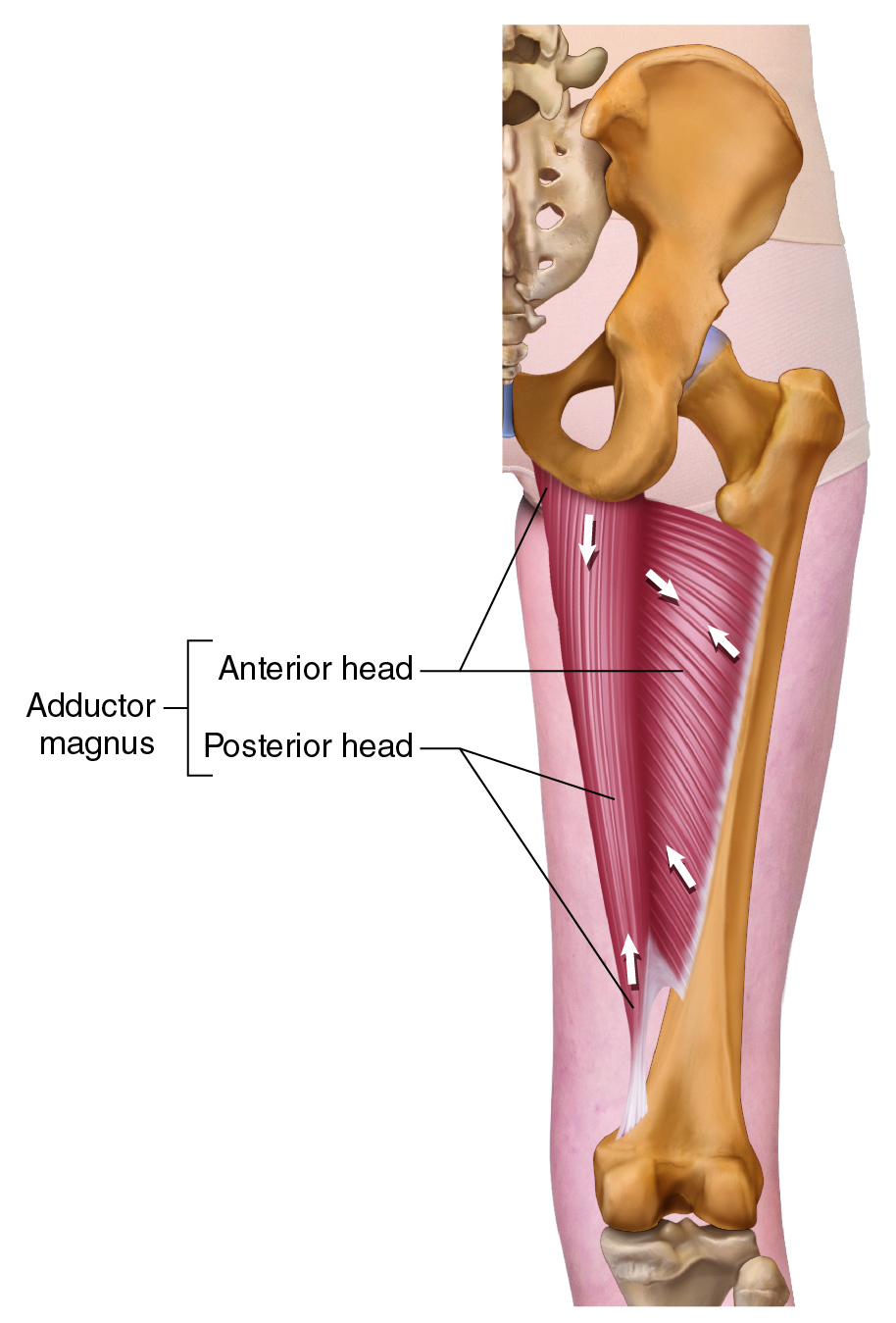
Introduction The adductor magnus is one of the most under-appreciated muscles in the human body. I believe this is because it is essentially deep from both the anterior and posterior views. To truly appreciate this grand muscle, it must be …
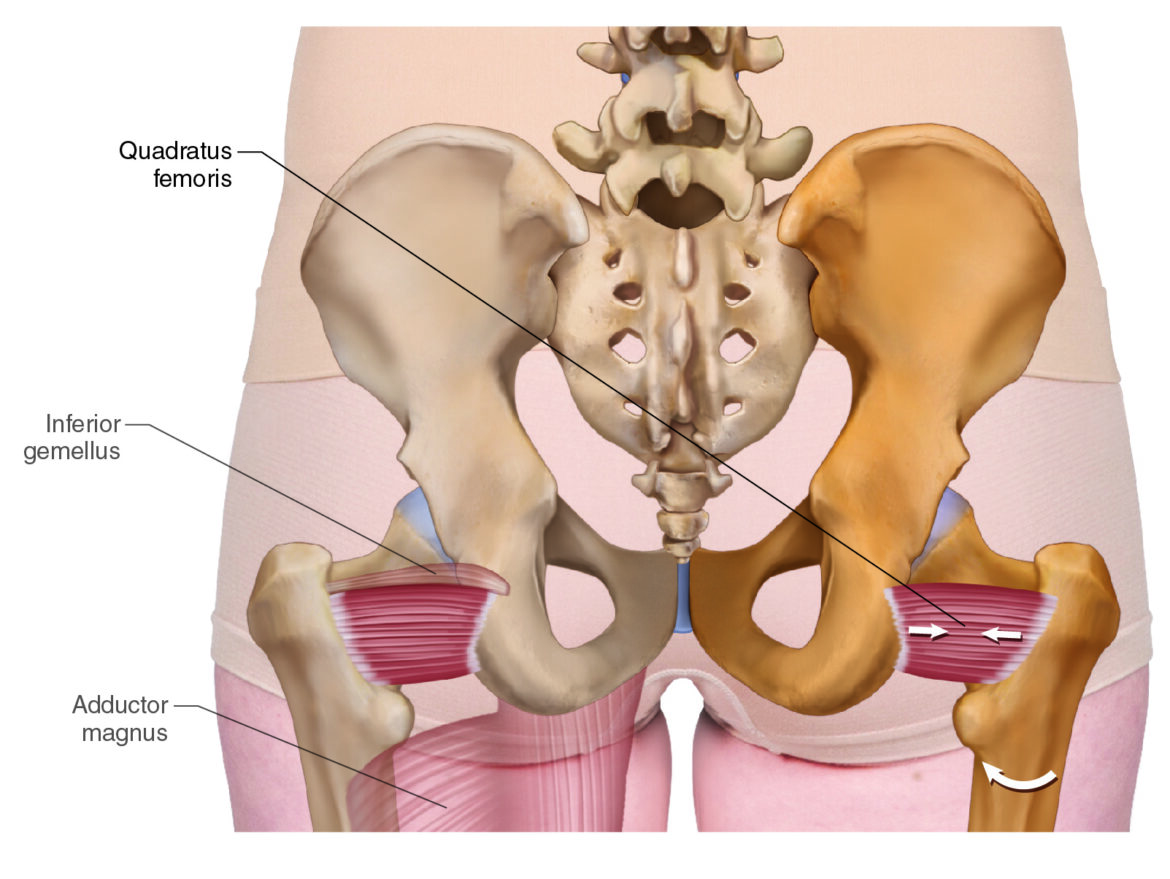
Learn about the quadratus femoris (QF): attachments, open- and closed-chain functions, palpation, stretching, and its overlooked role in gluteal pain.
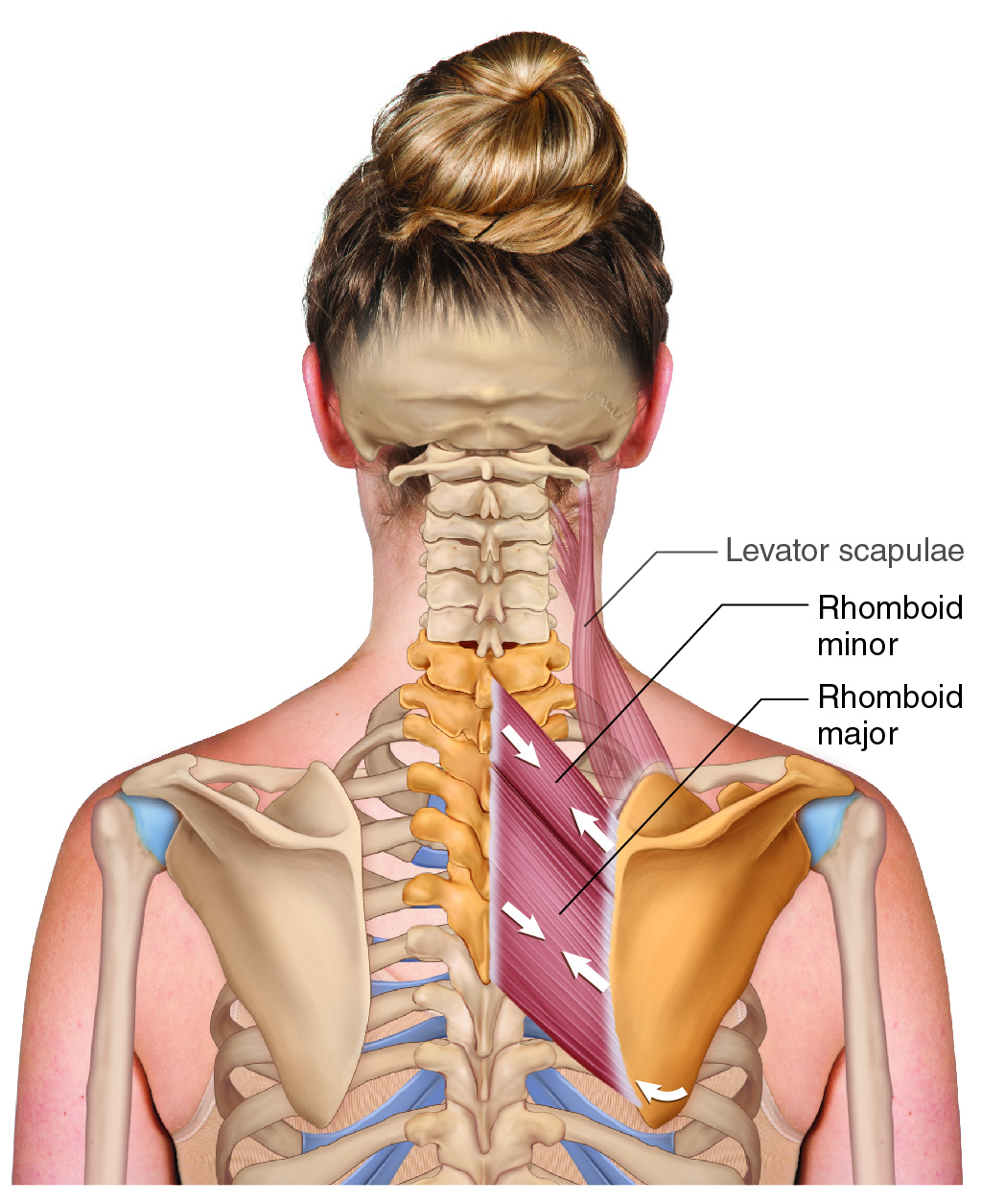
The rhomboids are unusually important to be assessed and appropriately treated because of their involvement in what is likely the most common postural distortion pattern in the human body, upper crossed syndrome.
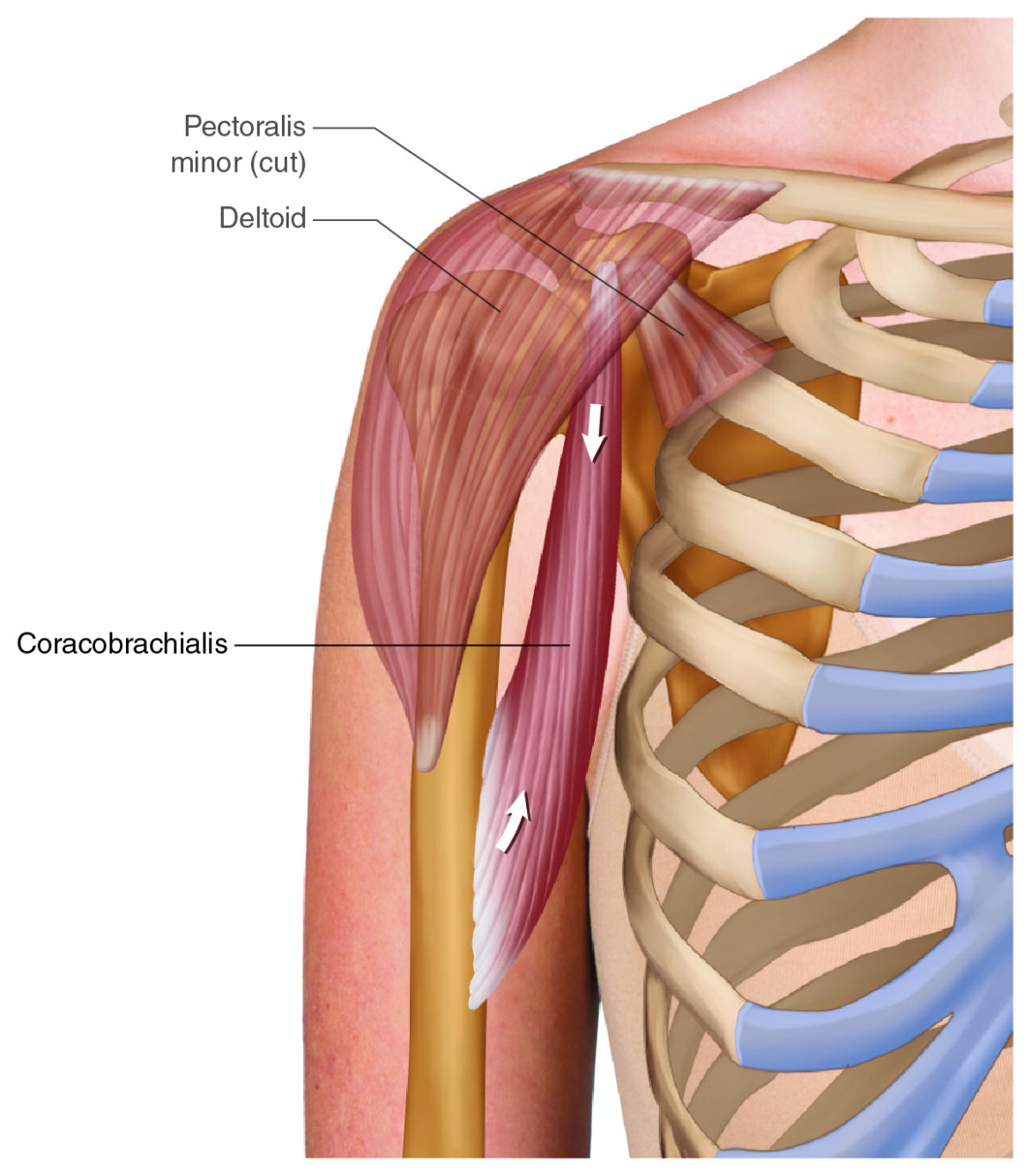
The coracobrachialis is a muscle in the anterior compartment of the upper arm. It originates on the coracoid process of the scapula and inserts on the medial shaft of the humerus. It performs flexion and adduction at the glenohumeral joint and serves as a key teaching muscle for core kinesiology concepts including open-chain vs. closed-chain movement, cardinal-plane vs. oblique-plane motion, and anatomic vs. non-anatomic actions.
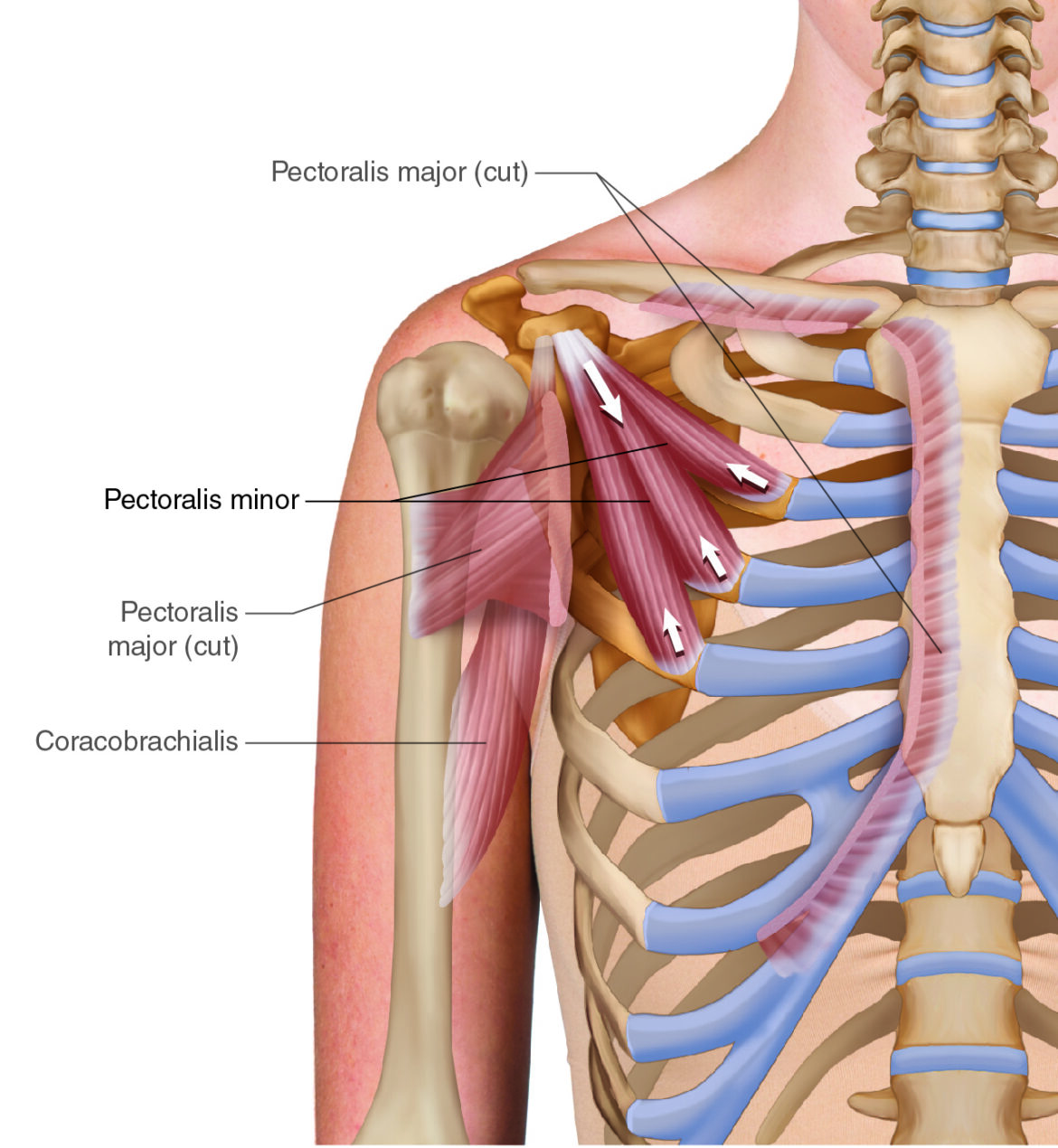
Learn everything about the pectoralis minor muscle — its anatomy, attachments, scapular functions, role in upper crossed syndrome, pectoralis minor syndrome (thoracic outlet syndrome), palpation technique, and stretching. Essential for massage therapists and manual therapy clinicians.
