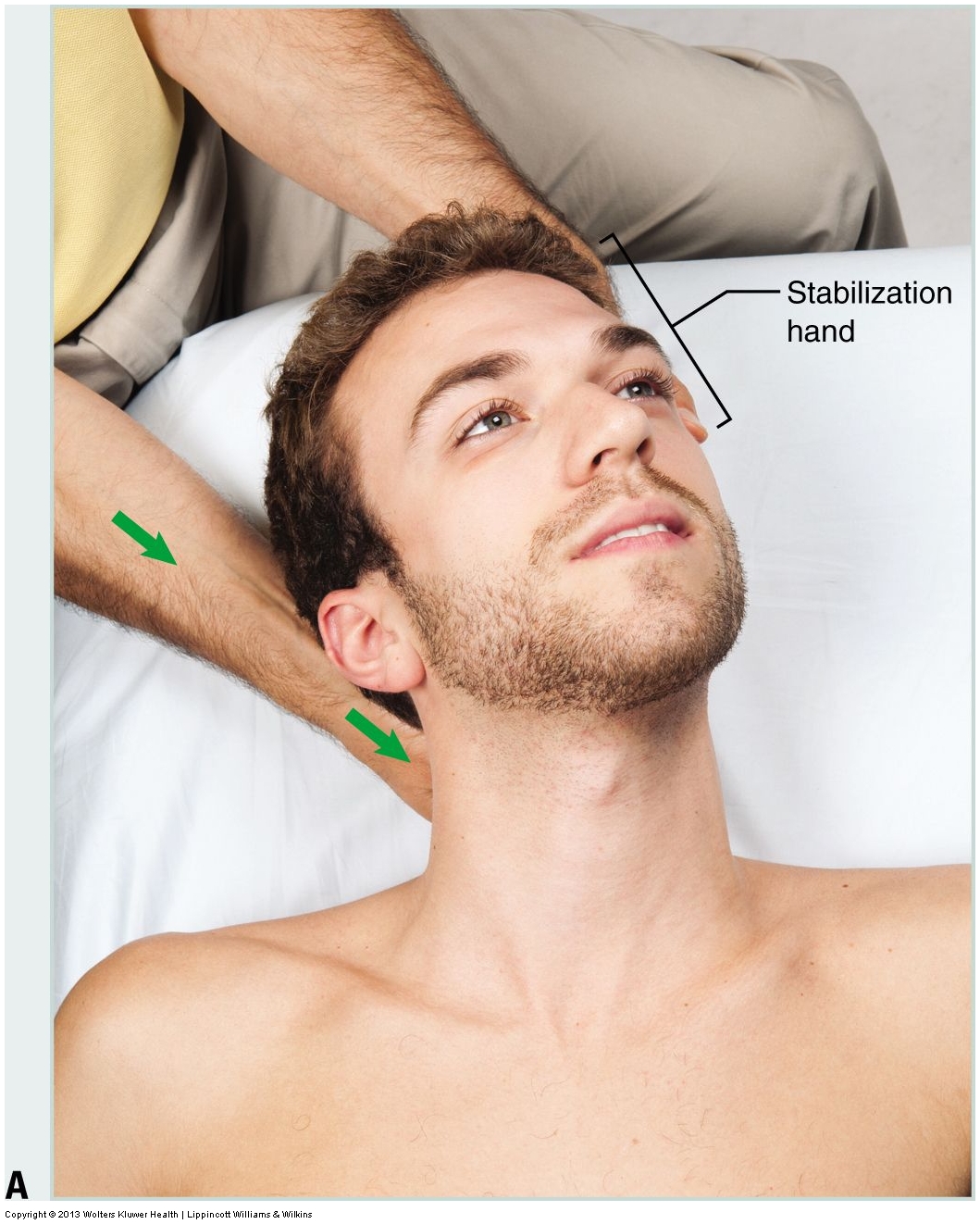
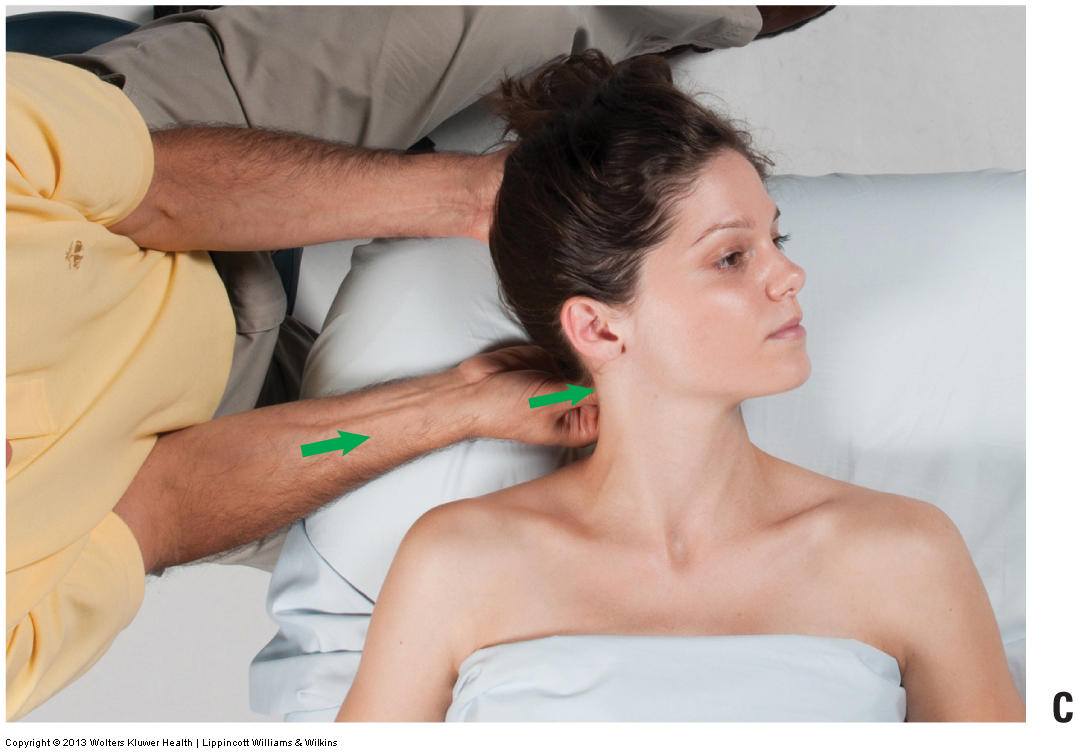
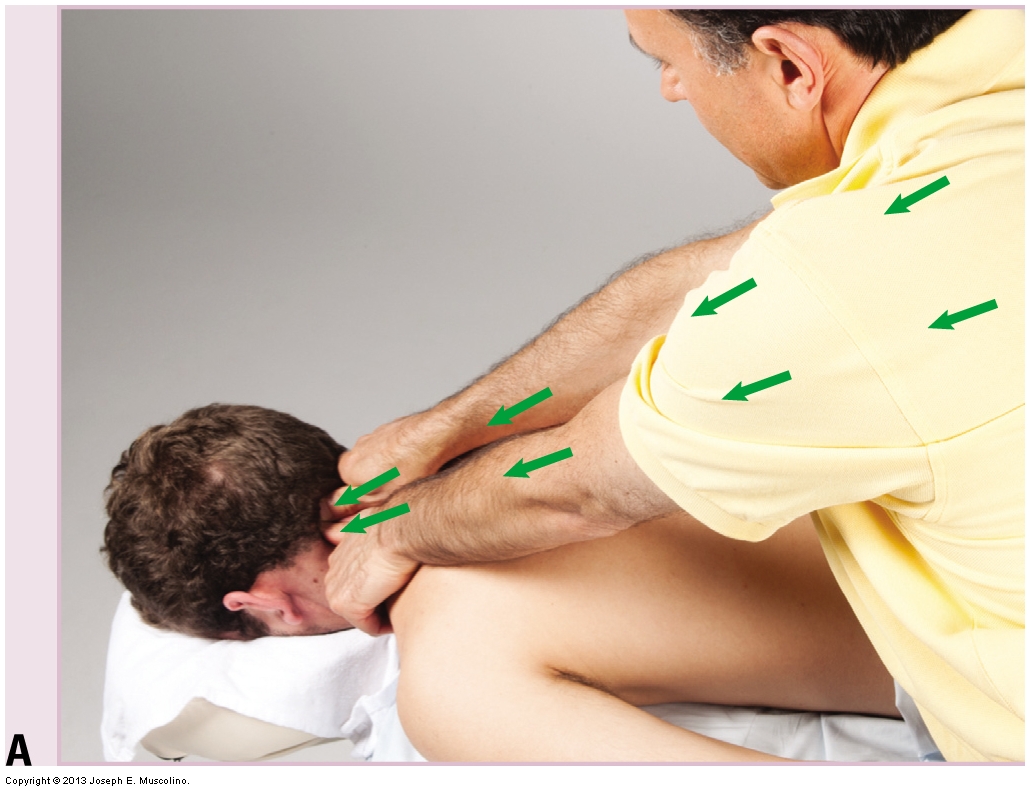
Bracing the contact means that the two hands must work together instead of each contacting the client separately. Less area of the client’s body will be covered this way, but stronger and more efficient pressure will be created at the area that is being worked, which is more important when deep pressure is needed.
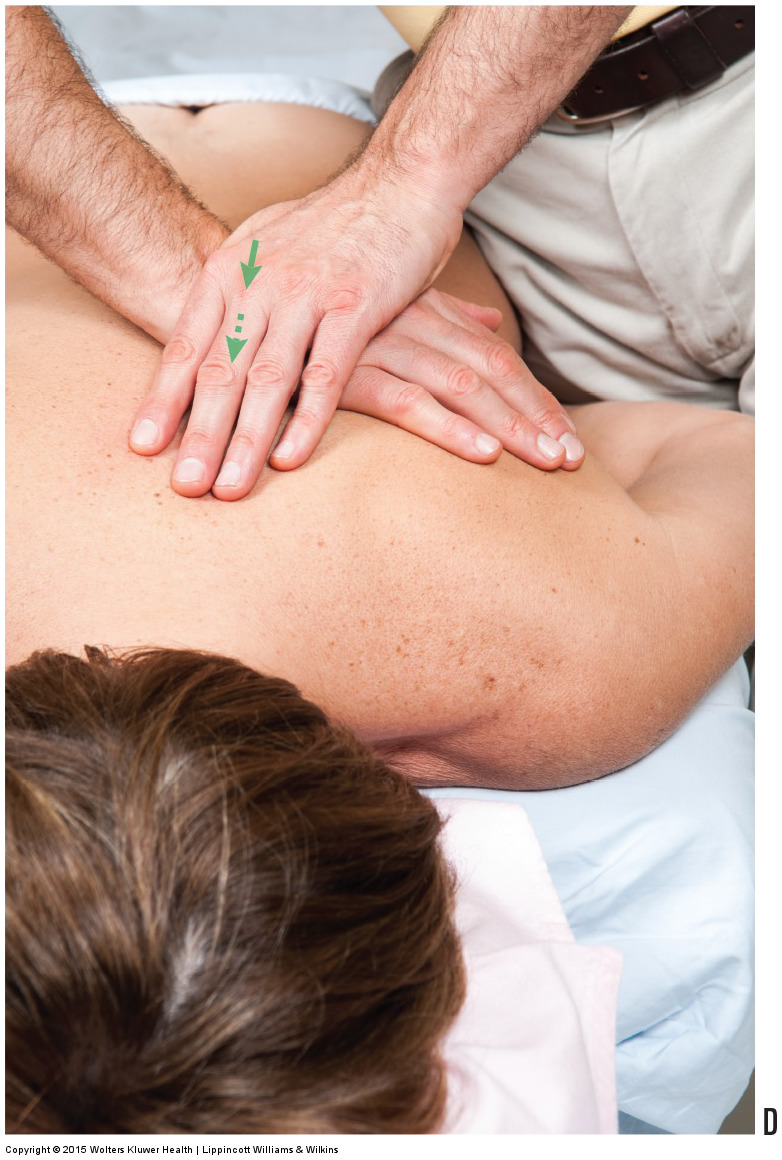
Deep Pressure Massage to the Low Back – Apply Pressure Perpendicularly
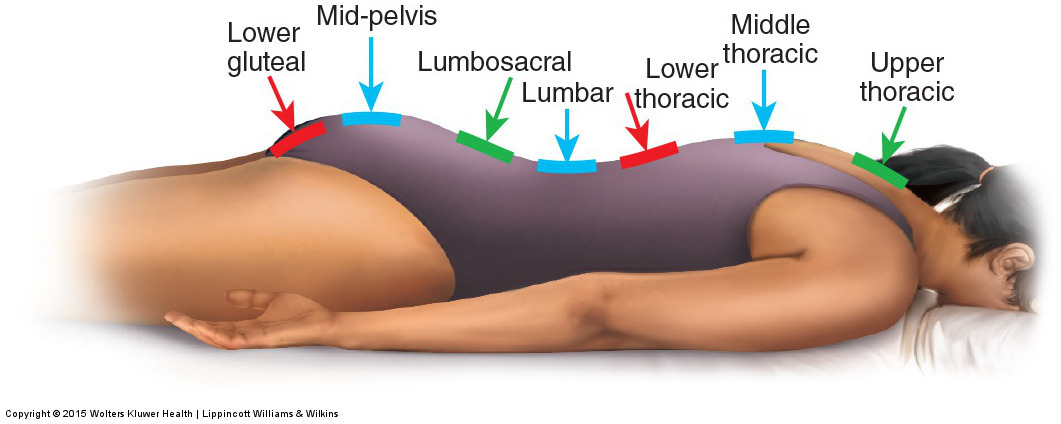
Maximal pressure for the effort used is achieved if the angle of your force into the client is perpendicular to the contour of the region being worked. To apply this concept of working perpendicularly, the client’s back and pelvis can be divided into separate regions based on the curve of each region.
Neck Deep Pressure Massage: Step by Step – Engage the Tissues
Being able to feel tissue tension barrier is the one most crucial aspect for a clinical orthopedic manual therapist performing deep pressure massage. From a mechanical standpoint, it is only pressure beyond the tissue tension barrier that effects therapeutic change (this is not necessarily true neurally).
Neck Deep Pressure Massage: Step by Step – Deep Stroking Massage
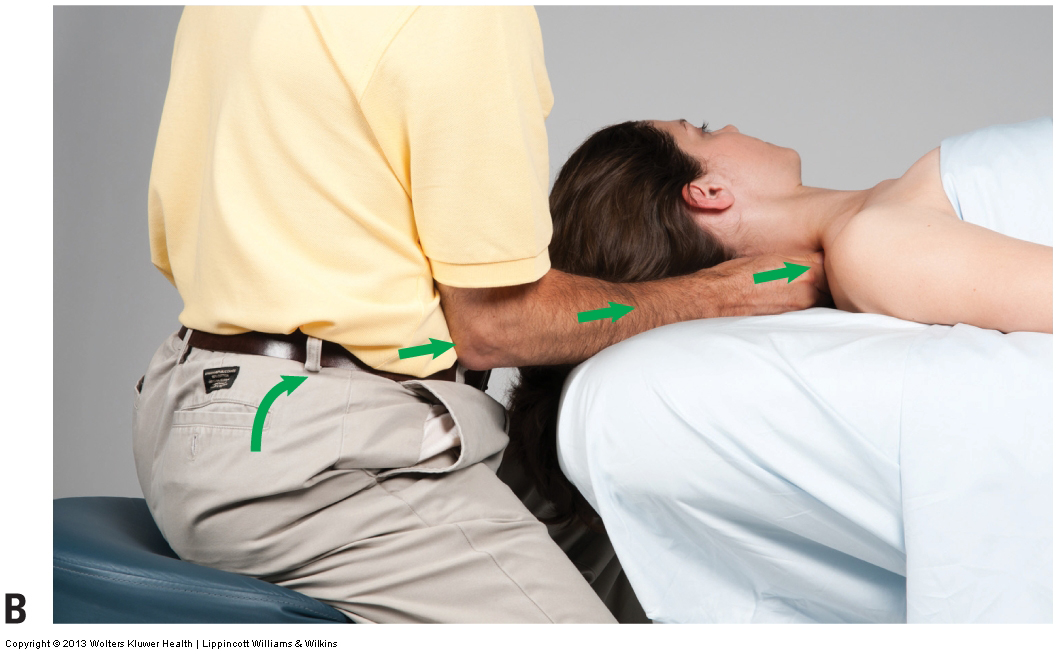
When performing deep pressure massage, deep stroking massage must originate from your core by further rocking your pelvis and extending your spine forward. Short deep strokes to the neck between 1 and 2 inches (2-5 centimeters) in length allow you to preserve optimal body mechanics.
Does the Condition Text Neck Exist?
That people aged 18-21 in this study have not yet begun to experience pain as a result of text neck posture does not surprise me at all. They are simply still too young to experience what the physical stress of the overuse of text neck posture will eventually do to them.
Ten Things to Avoid if You Have Lower Limb Tendon Pain
In summary, exercise-based rehabilitation is the best treatment for tendon pain. A progressive program that starts with a strength program and then progresses through to more spring-like exercises, and endurance aspects will give the right loads on the tendon and the best long-term results.
Previous Leg Injury Increases Risk of Other Leg Injuries
Once one joint/structure/tissue is injured, compensation patterns usually occur in which the individual offloads physical stress to other areas of the body. This would logically lead to an increased risk of use/overuse/misuse/abuse to these other areas, likely eventually leading to injury.
Neck Deep Pressure Massage: Step by Step – Apply Pressure Perpendicularly
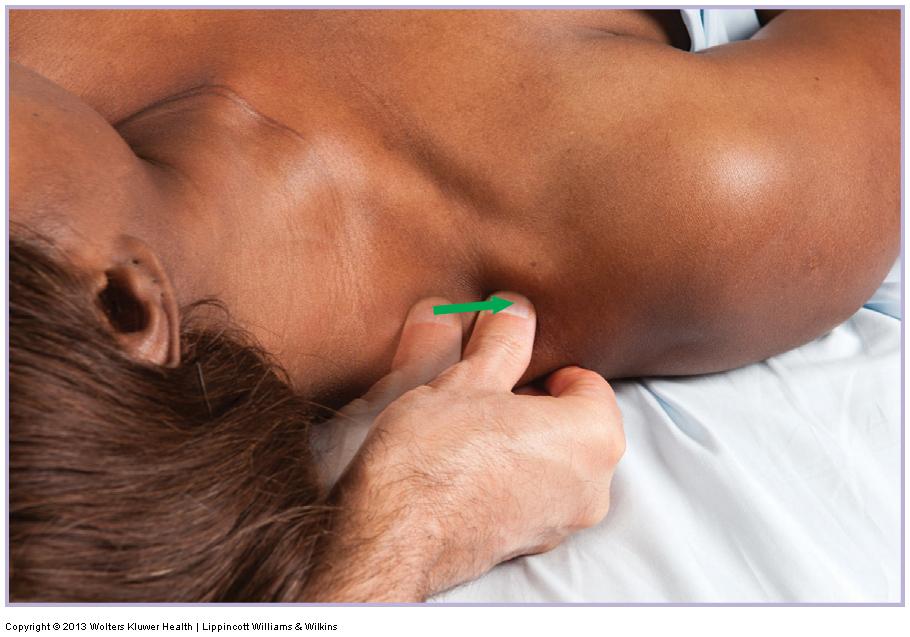
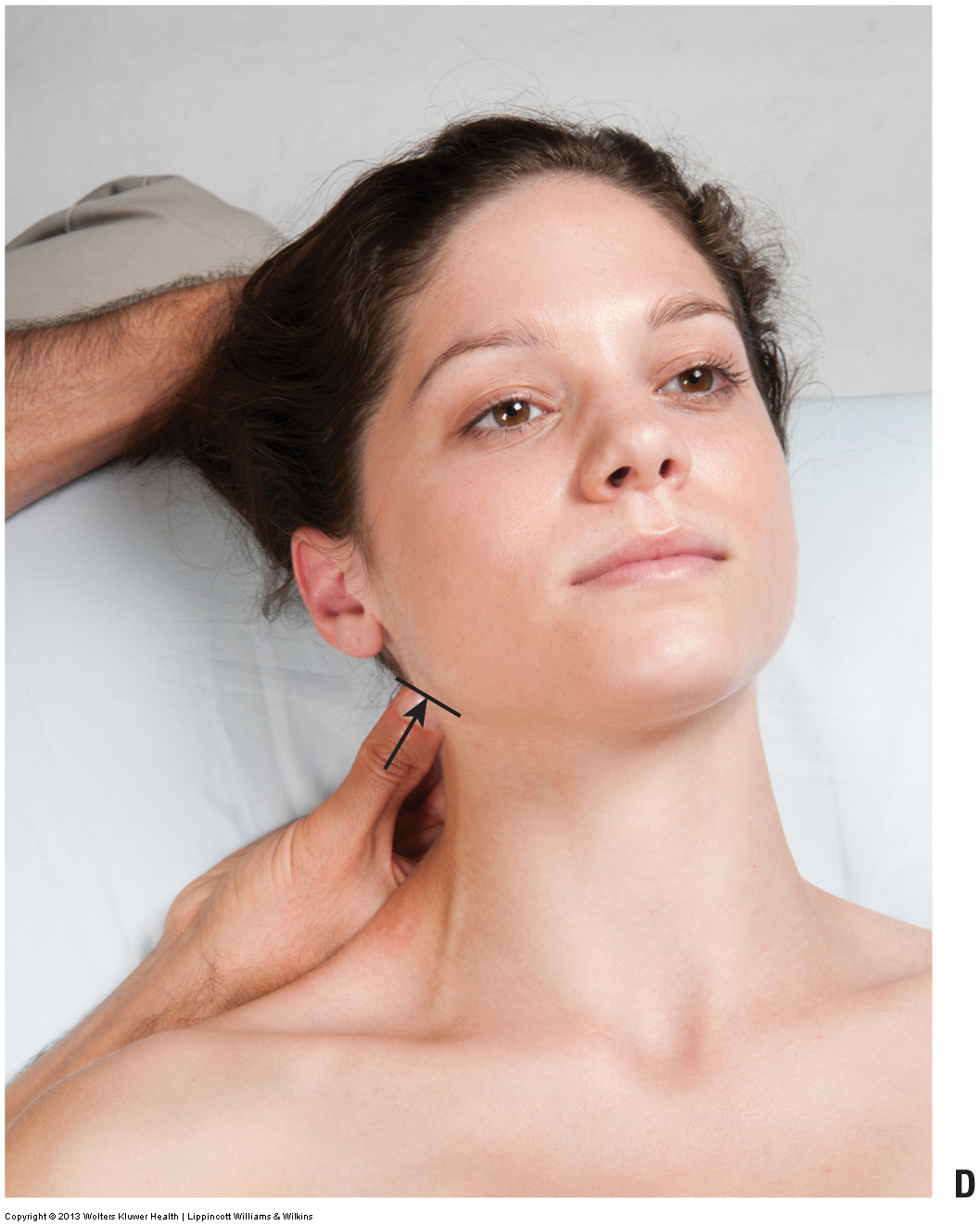
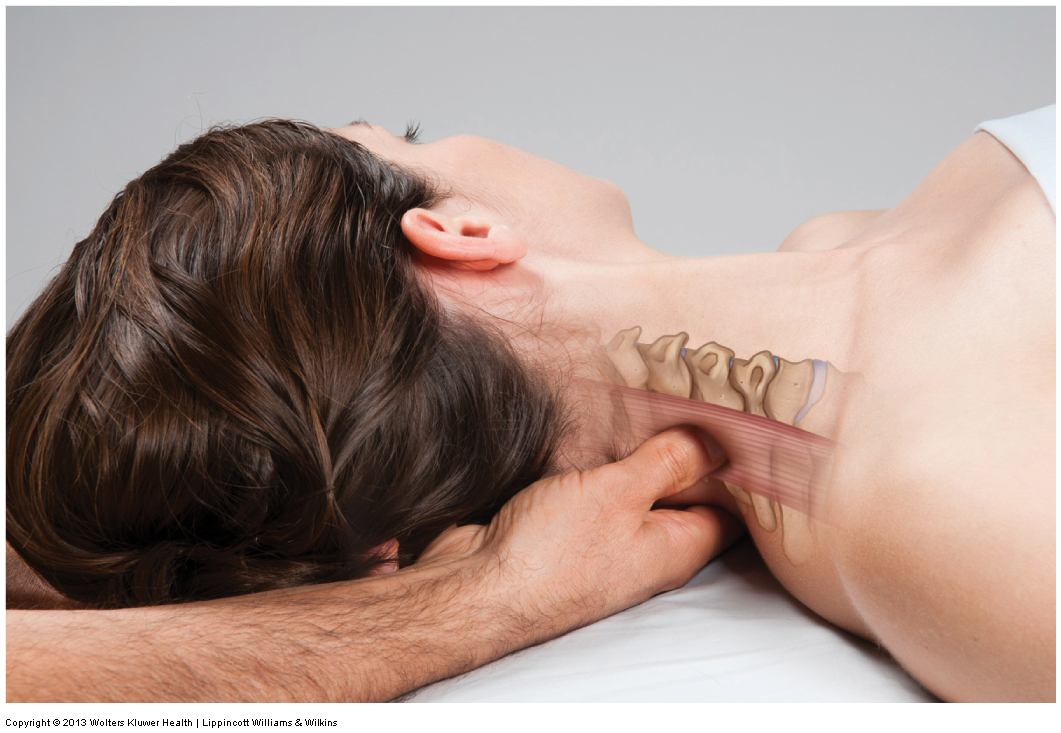
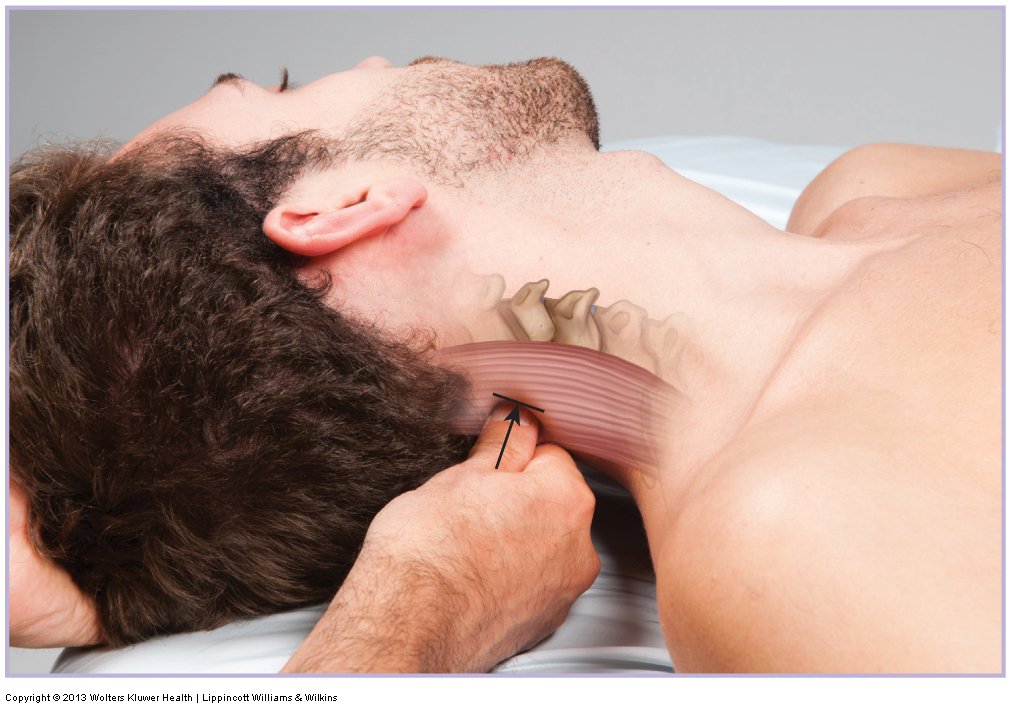
When performing deep pressure massage into the neck, maximal pressure for minimal effort is achieved if the angle of your pressure into the client is perpendicular to the contour of the neck where you are working.
Neck Deep Pressure Massage: Step by Step – Use Your Core
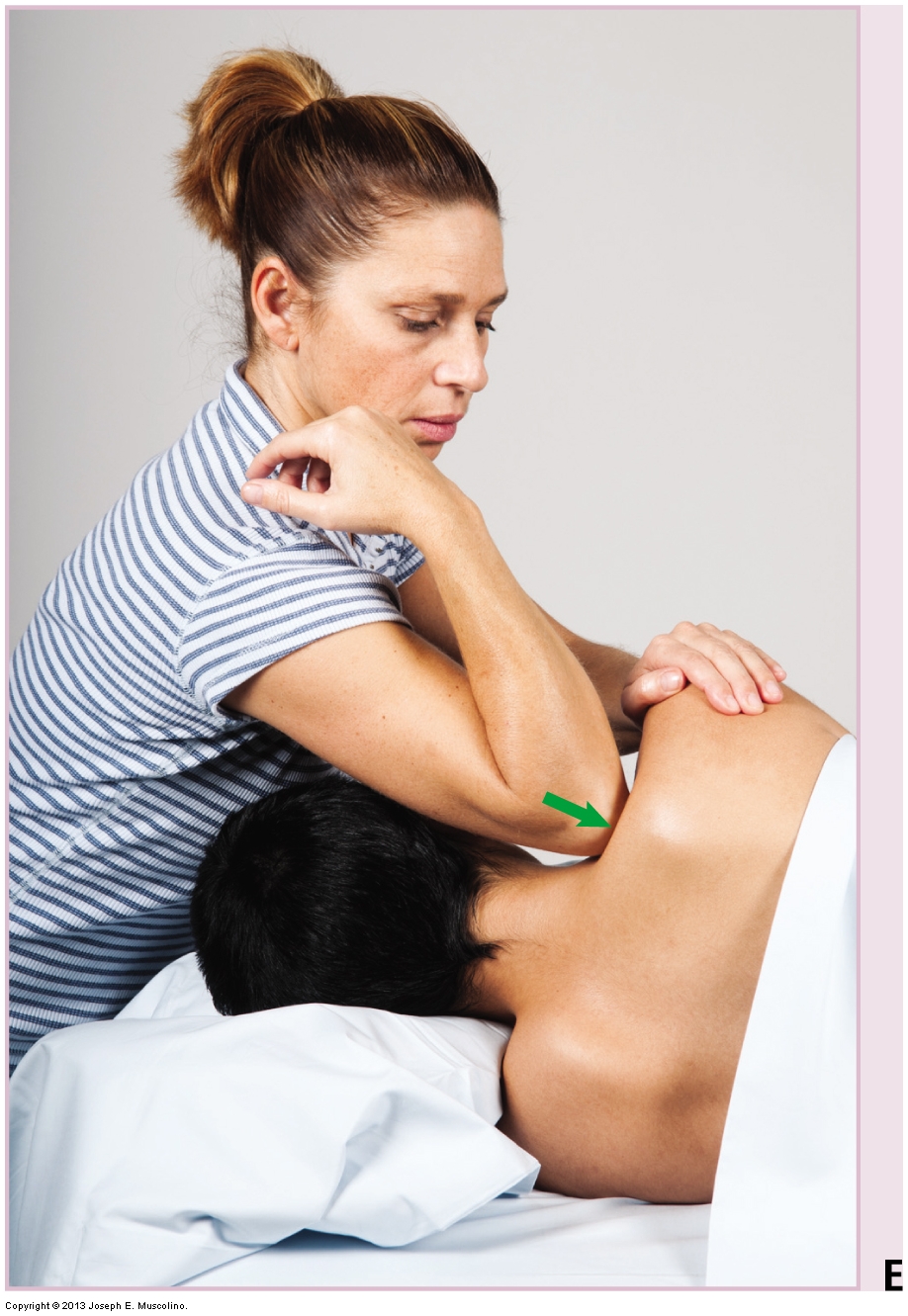
For deep pressure massage to the neck, align your core with your stroke by laterally (externally) rotating your arm at the shoulder joint so that your elbow is positioned in front of your core. Now lock your elbow into your core just inside (and usually slight above) your anterior superior iliac spine.
Neck Deep Pressure Massage: Step by Step –Â Contacts
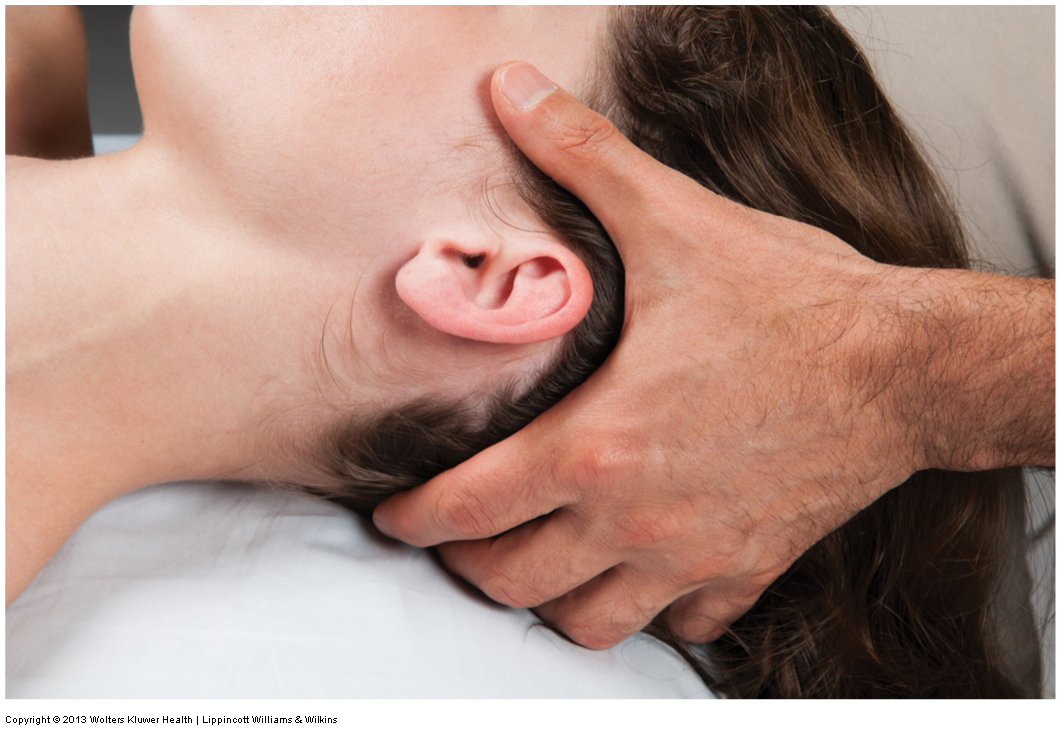
Even perfect body mechanics cannot eliminate all physical stress to your body when doing massage. Ideal body mechanics merely minimize the stress. For this reason, when doing massage, especially deep pressure massage, it is wise to alternate which treatment hand contact you use during a session.
Neck Deep Pressure Massage: Step by Step – Positioning
When performing deep pressure massage for the neck with the client supine, it is typical for the therapist to sit, centered at the head of the table. However, this does not allow for efficient body mechanics because it is difficult or impossible to position your core in line with the stroke.
Neck Deep Pressure Massage: Overview
The science of performing deep tissue work to the neck follows the laws of physics and, whenever possible, involves the use of body weight and the contraction of larger muscles instead of smaller ones. The art of performing deep tissue work lies in exactly how these guidelines are carried out and applied.
Neck Deep Pressure Massage: Using Bodyweight and Muscular Effort
We can take advantage of our body weight to generate deep pressure massage into the client’s tissues by simply leaning into the client. Pressure derived this way is effectively free because it takes no effort on our part. For this reason, it should be used whenever possible.
Neck Deep Pressure Massage: Step by Step – Prone and Side-Lying
Side-lying position for deep pressure massage into the neck can be very effective and can allow for effective longitudinal as well as transverse cross-fiber strokes; however, it is important to avoid exerting deep pressure too far anteriorly onto the transverse processes of the client’s neck.
What Makes Kenyan Distance Runners the World’s Best?
Running economy for distance runners is a complex multi-factorial measure of running efficiency, which reflects the combined functioning of biomechanical, neuromuscular, metabolic, and cardio-respiratory factors, some of which are hereditary and some of which adapt to coaching.
Introduction to Deep Pressure Massage Technique for the Neck
Force for deep pressure can be generated in two ways: externally or internally. The external generation of force comes from the force of gravity by using our body weight. The internal generation of force comes from the contraction of our muscles.
DCOMT Introduction Walkthrough
As you know, we’ve been working very hard on Leanrmuscles.com to make our Digital COMT video streaming subscription service for manual and movement therapists, the best that it can be! That’s why we’re the #1 place for NCBTMB-approved CE Credits …
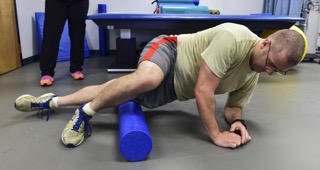
Foam Rolling the Posterior Leg Decreases Spinal Excitability of the Soleus
This study showed evidence that foam rolling induced modulation of spinal nervous system excitability (in other words, change in the sensitivity of the muscle spindle reflex).
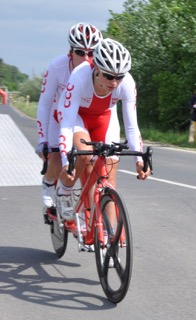
Massage Therapy Improves Training of Elite Para-Athletes
The results showed that massage therapy afforded significant improvement for sleep, muscle tone (tightness), and recovery from workout while in training for paracyclists.
Walking as a Rehabilitation Exercise for Patients with Chronic Low Back Pain
The question should be asked: Why might walking be helpful for patients with low back pain? Although many mechanisms might be proposed, some likely scenarios are that walking strengthens, stretches, and mobilizes the myofascial tissues/joints of the lumbosacral-hip joint region.
Manual Therapy Case Study for Upper Crossed Syndrome
The therapist performed a static assessment of the client’s posture and noted the typical upper crossed syndrome with a hyperkyphotic thoracic spine, a hypolordotic lower cervical spine, a hyperlordotic upper cervical spine, protracted head, protracted scapulae, and medially (internally) rotated arms.
Self-Care and Medical Approaches to Upper Crossed Syndrome
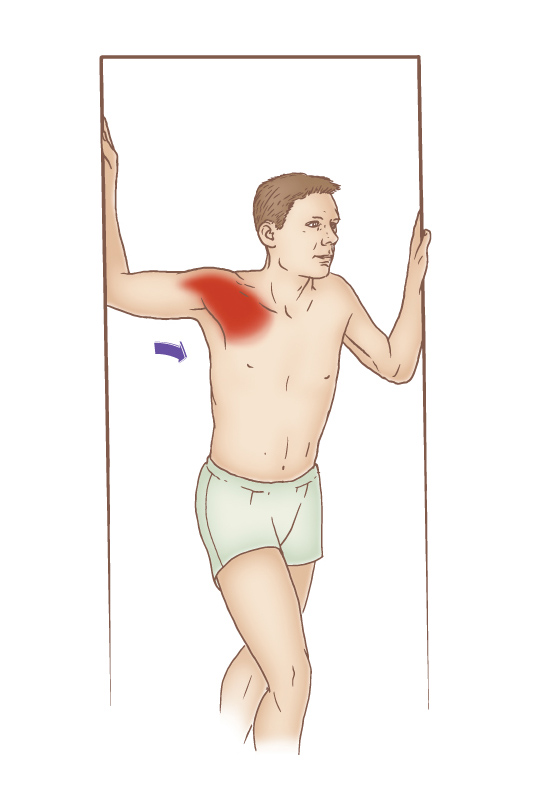
When stretching the pectoralis musculature in a doorway, it is helpful to place the hand/forearm against the doorframe at various heights so that different aspects of the pectoralis musculature are preferentially stretched.
How do we Treat Upper Crossed Syndrome with Manual Therapy?
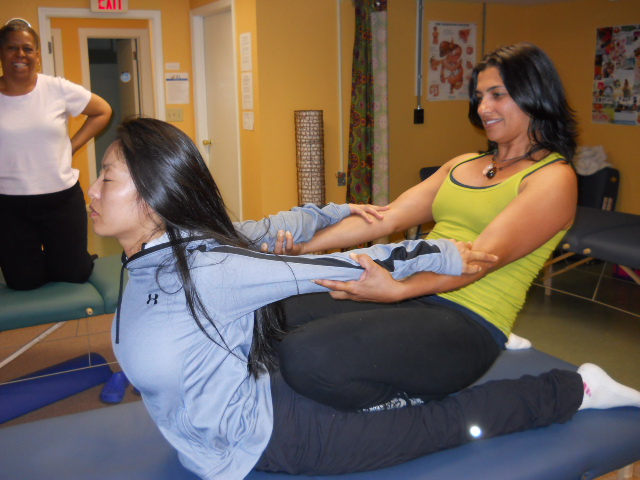
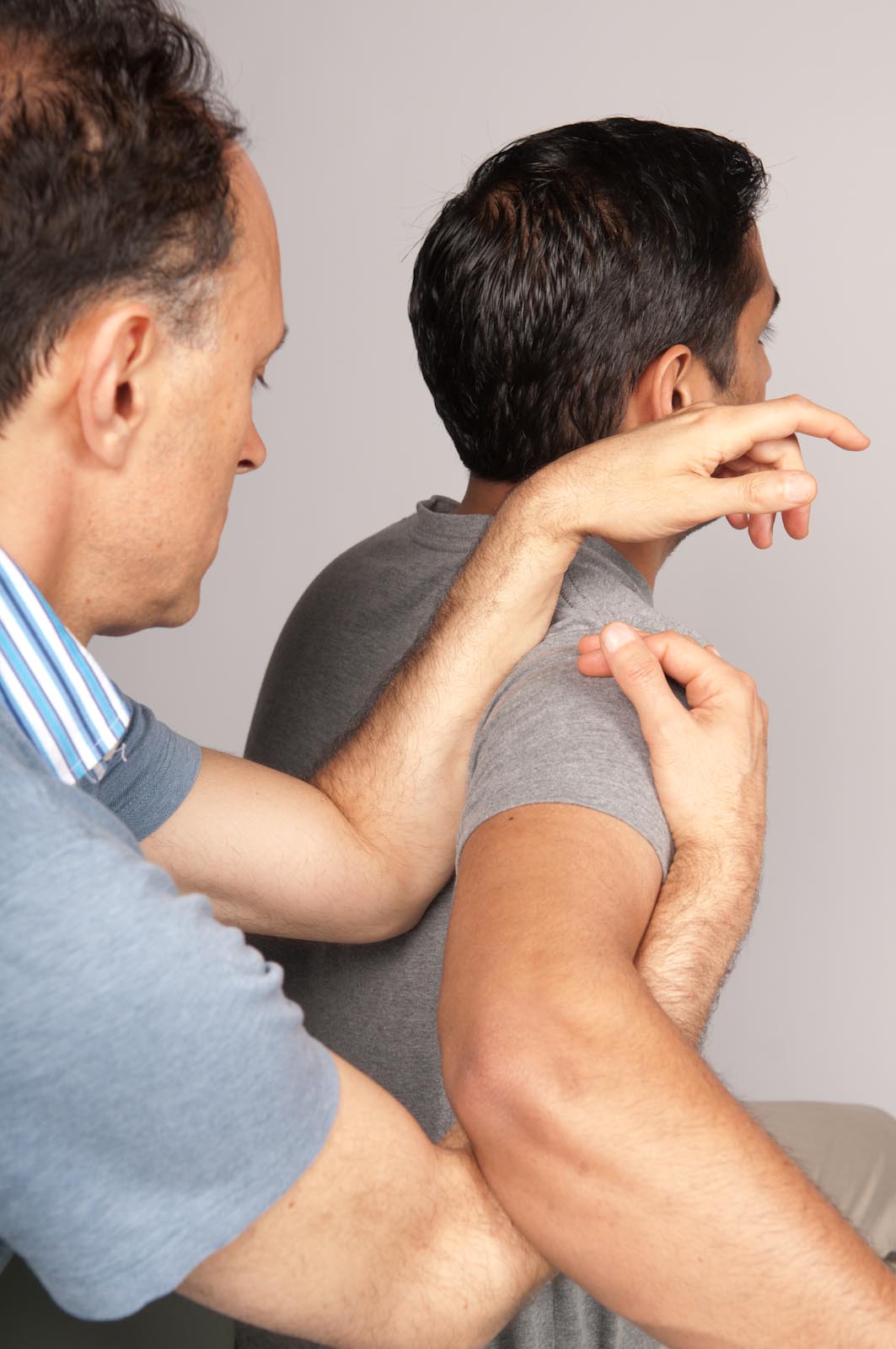
Especially effective for the pectoralis musculature is to use pin and stretch technique. With the client/patient supine and positioned toward the side of the table, pin the musculature with your finger pads as you bring the client/patient’s abducted arm off the side of the table and down into horizontal extension.
Manual therapy case study for sciatica.
The therapist’s session consisted of moist heat, soft tissue manipulation, and stretching to the low back with double knee to chest stretch performed with agonist contract technique and stretching the left side of the low back with Armin side-lying on his right side.
John Harvey Kellogg and The Art of Massage and massage myths
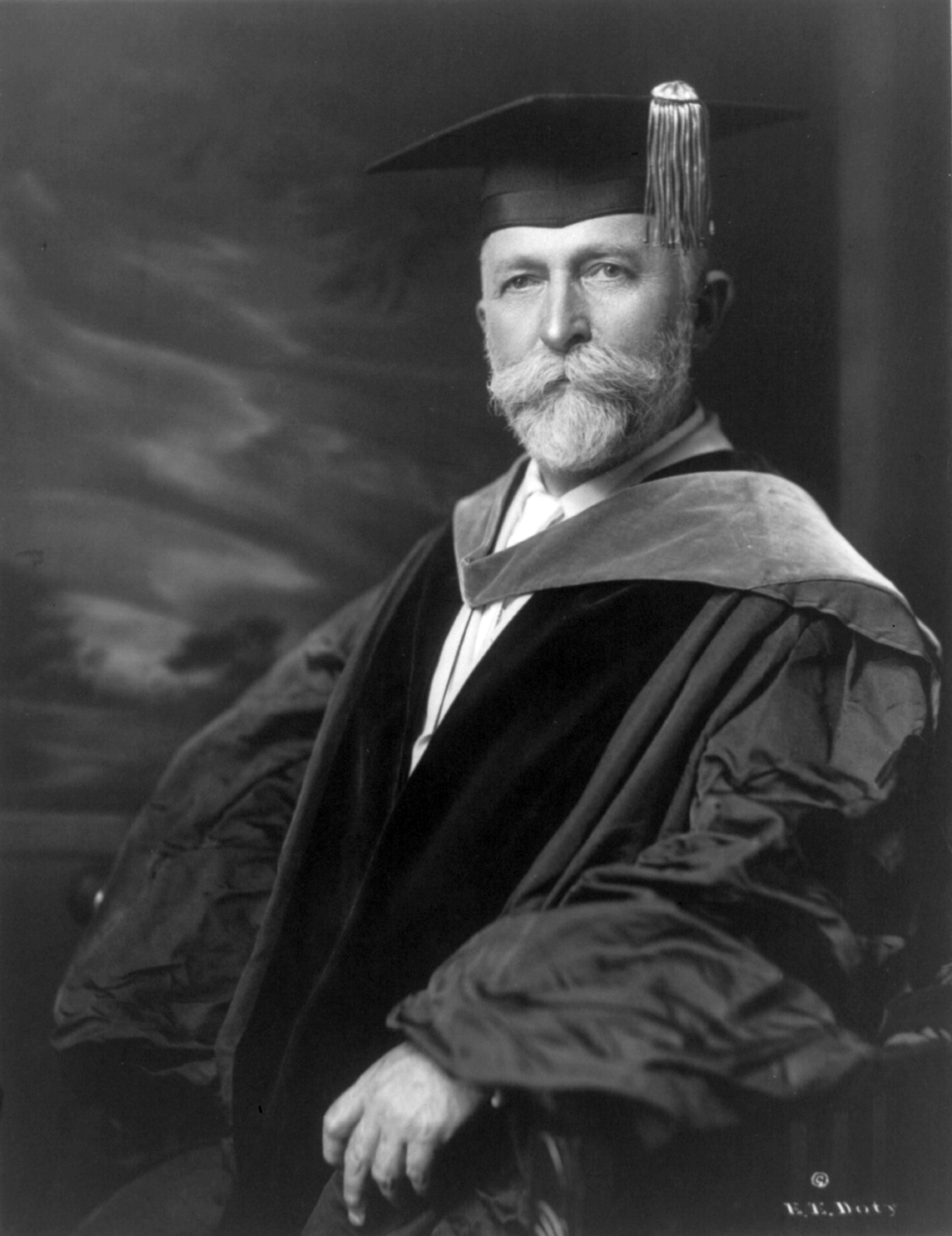
John Harvey Kellogg (1852-1943), best known for his corn flakes, was an American physician who pioneered health food movement in the late 19th century, and also wrote a book on The Art of Massage.
How do we assess (diagnose) a client with sciatica?
Successful assessment/diagnosis of sciatica depends upon successfully assessing the underlying cause of the sciatic nerve compression.
What is sciatica?
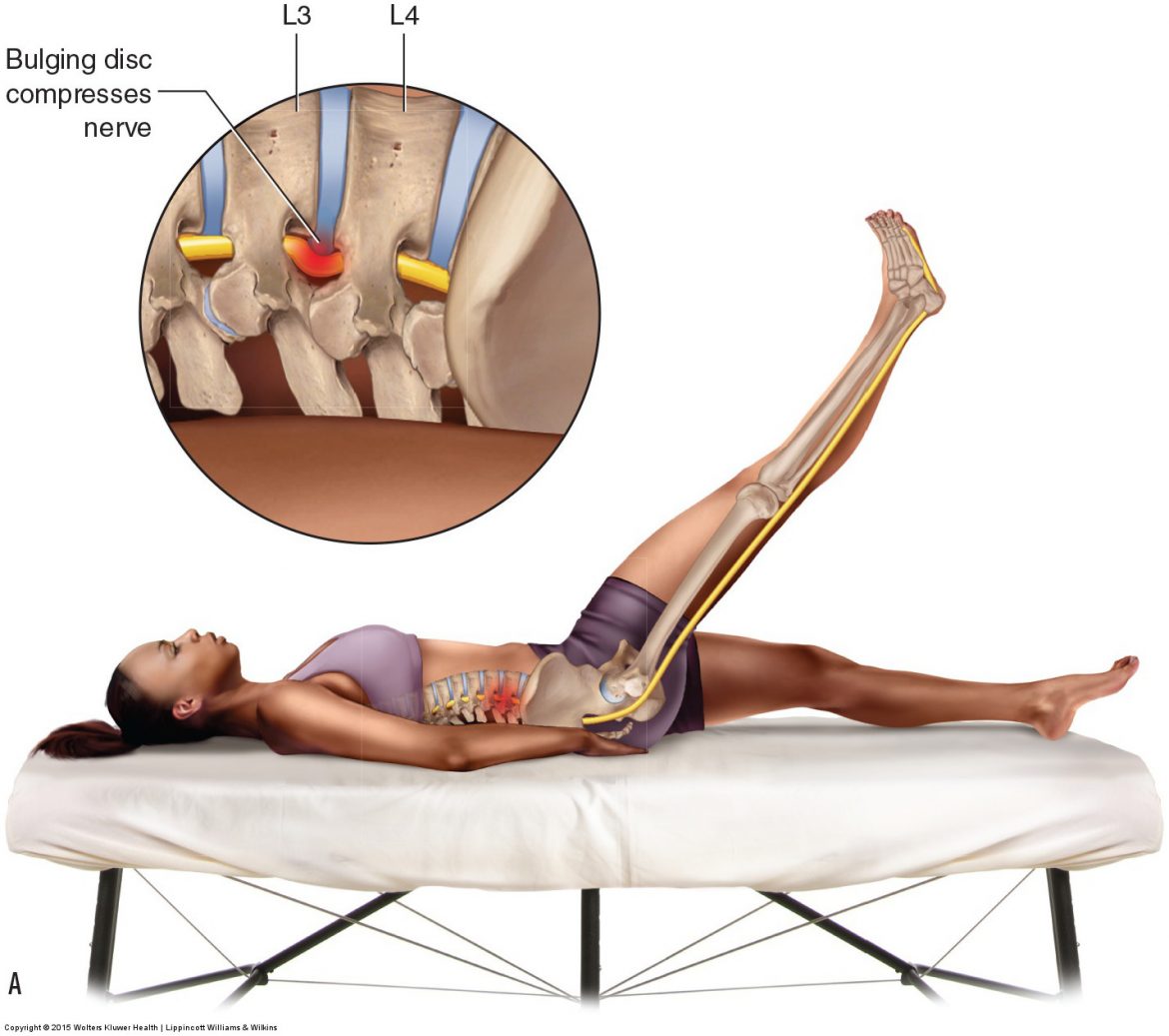
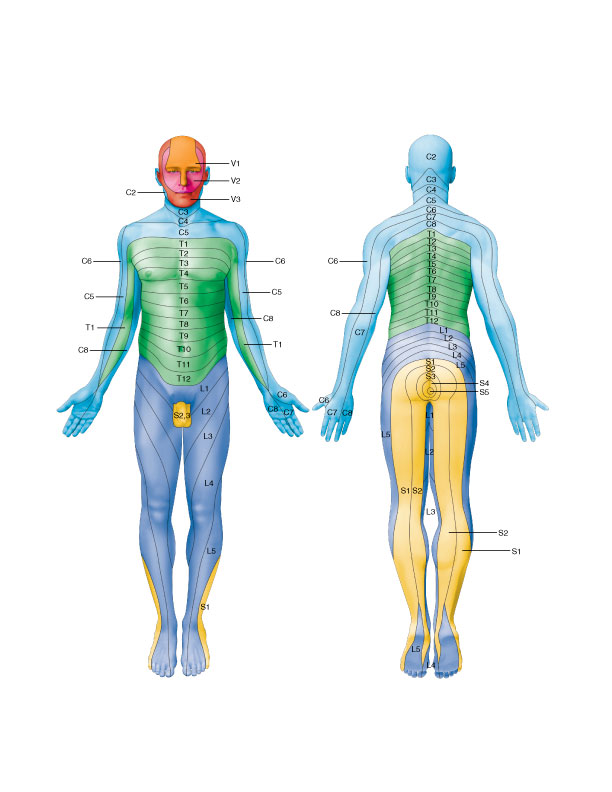
Sciatica is a condition in which the sciatic nerve is compressed, causing referral symptoms (often pain or numbness) into the lower extremity. The referral symptoms can be sensory and/or motor depending on whether sensory or motor neurons are compressed.
What are the self-care and medical approaches to shin splints?
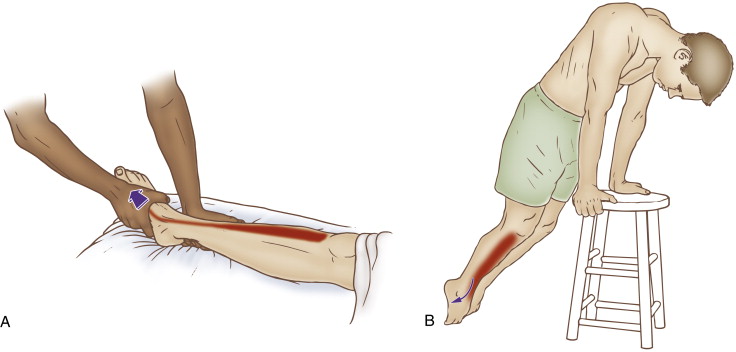
Self-care for shin splints begins with RICE: rest, ice, compression, and elevation. If the client/patient has anterior shin splints that is caused by running or some other physical activity that involves running, the client/patient should stop the activity until the condition is resolved.
Marjorie Brook – Proactive Ways to Prevent Postoperative Adhesion Formation
Gentle appropriate movement helps to prevent excessive scar tissue and keep scar tissue from limiting future movement.
Muscle Strengthening Helps Decrease Neck Pain in the Workplace
The researchers found that the only intervention to clearly improve neck pain that was supported by the evidence in these studies was targeted neck and shoulder musculature strengthening exercise.