These findings lend further evidence to suggest that treatment belief and the placebo effect may be largely responsible for the beneficial effects of cryotherapy on recovery following a marathon.
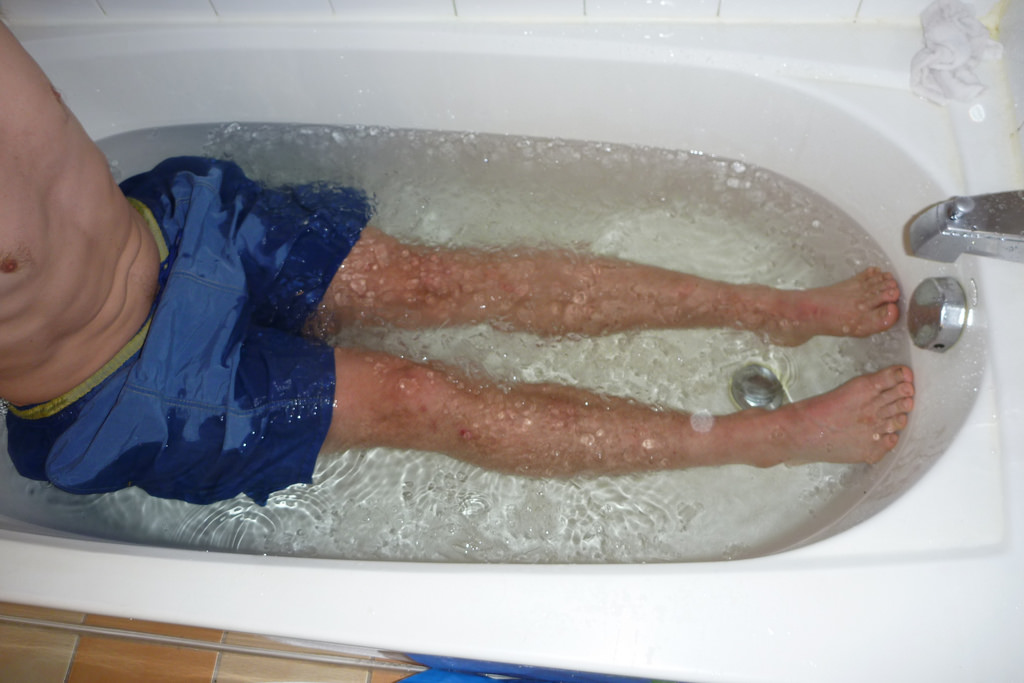

These findings lend further evidence to suggest that treatment belief and the placebo effect may be largely responsible for the beneficial effects of cryotherapy on recovery following a marathon.
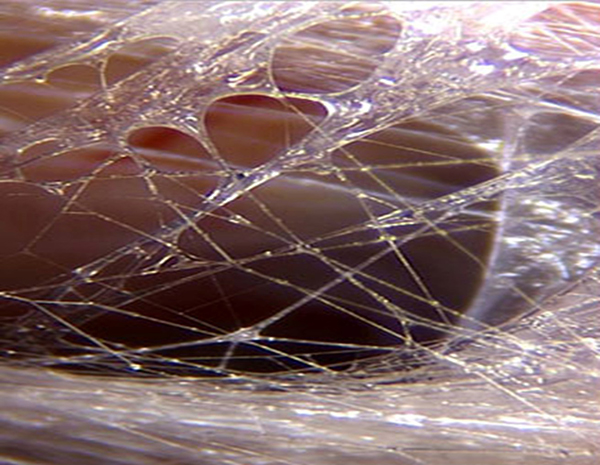
It is ironic and bittersweet that this article recognizing the importance of the interstitium, reveals its ignorance of any research already published about that very soft tissue. By describing it as “previously unrecognized,” this demonstrates the long-standing bias against soft tissues by the Western Medicine.

Yoga’s health benefits, including decreased pain, are likely in part due to a change in internal spatial awareness (proprioception).
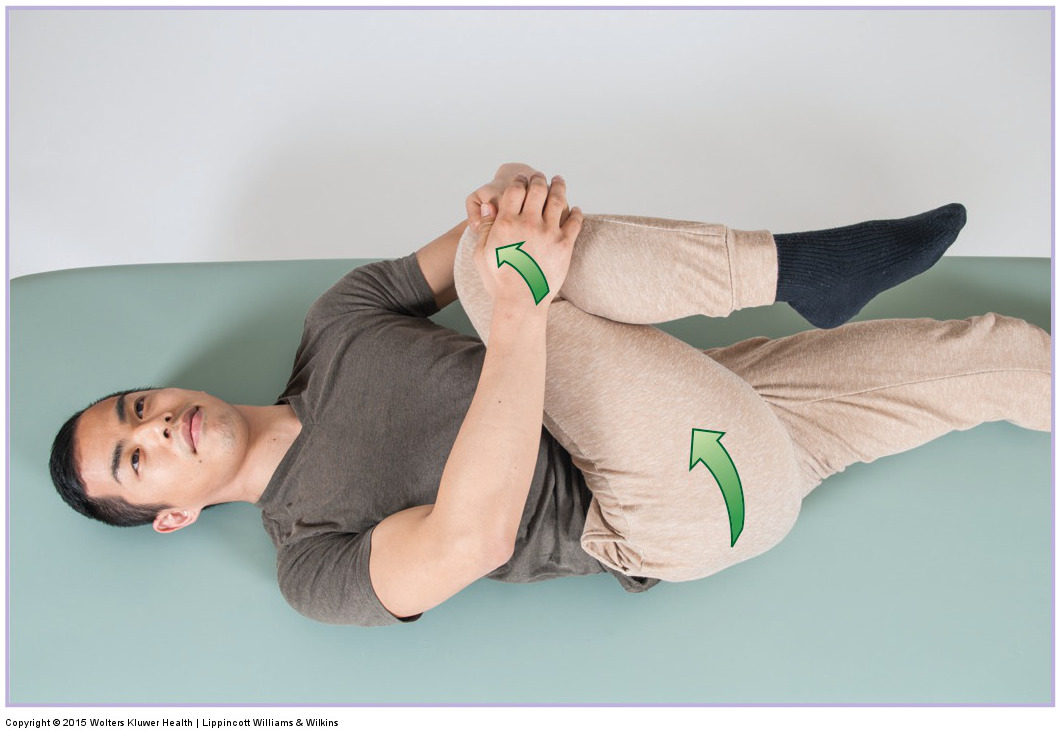
Results showed that there were significant shoulder joint ROM increases following both lower body static stretching and lower body dynamic stretching.
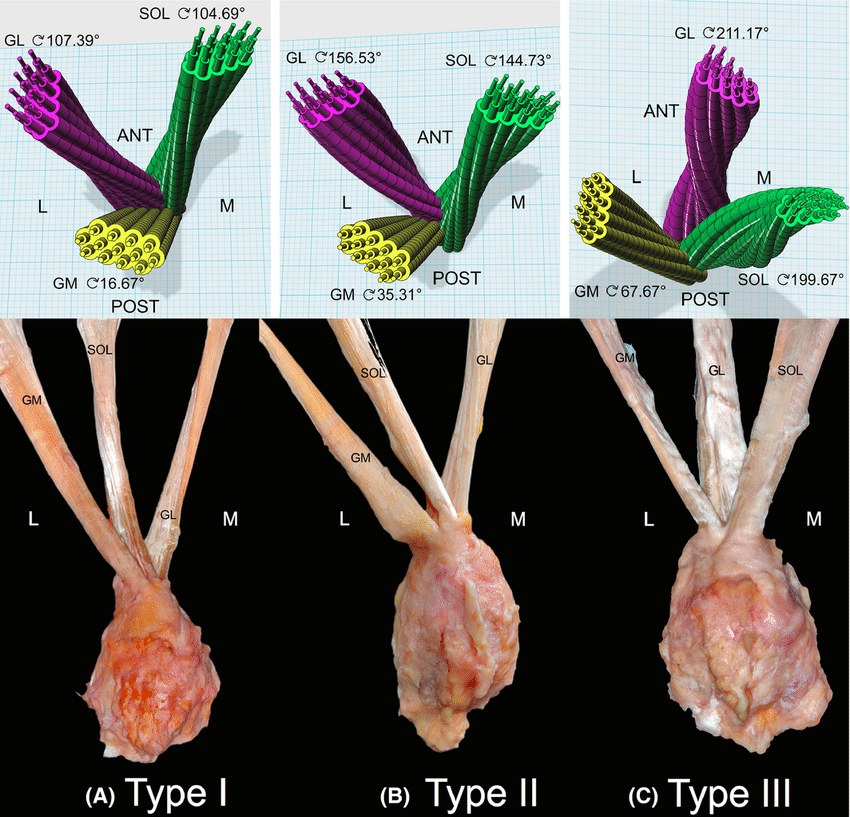
A study from Belgium also showed that the Achilles tendon displayed a twisted structure, with the greatest twisting found in the deep (anterior) layer of the tendon (lateral gastrocnemius and soleus).
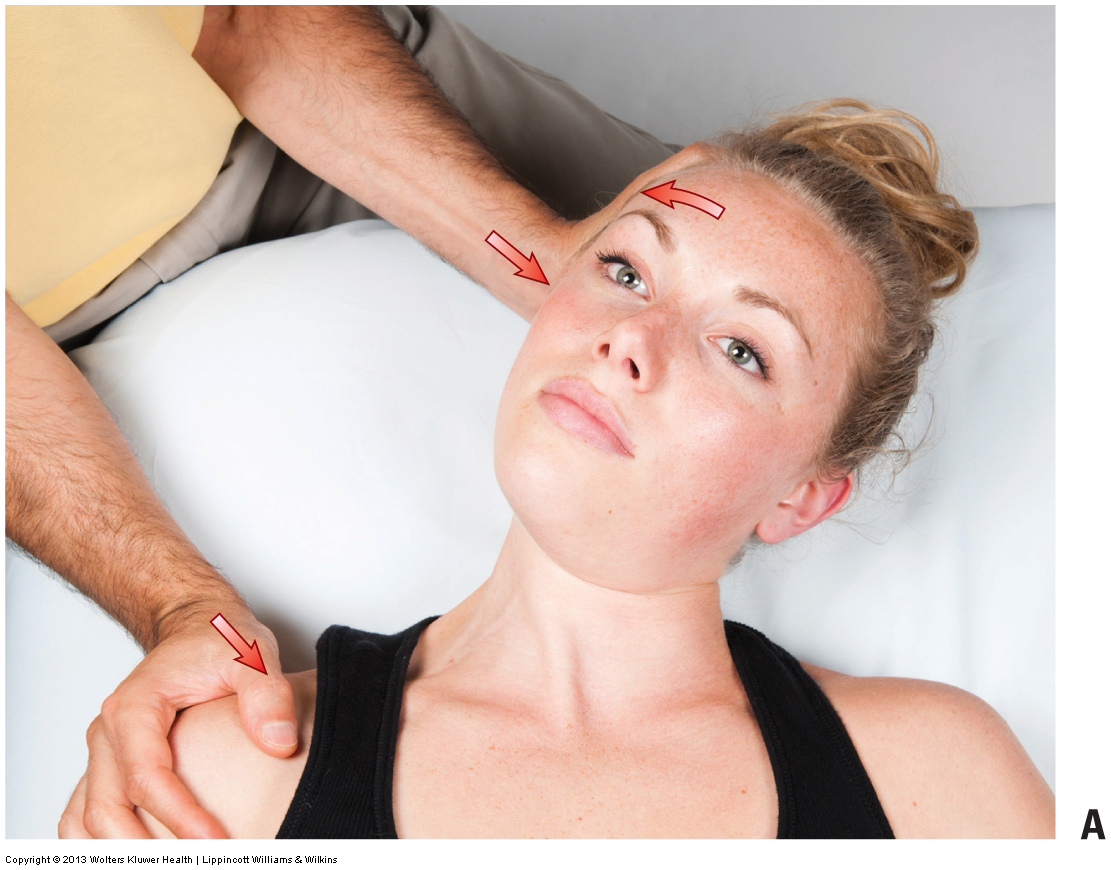
Advanced stretching technique include pin and stretch technique as well as neural inhibition techniques (CR, AC, PIR, PNF) that relax / inhibit musculature.
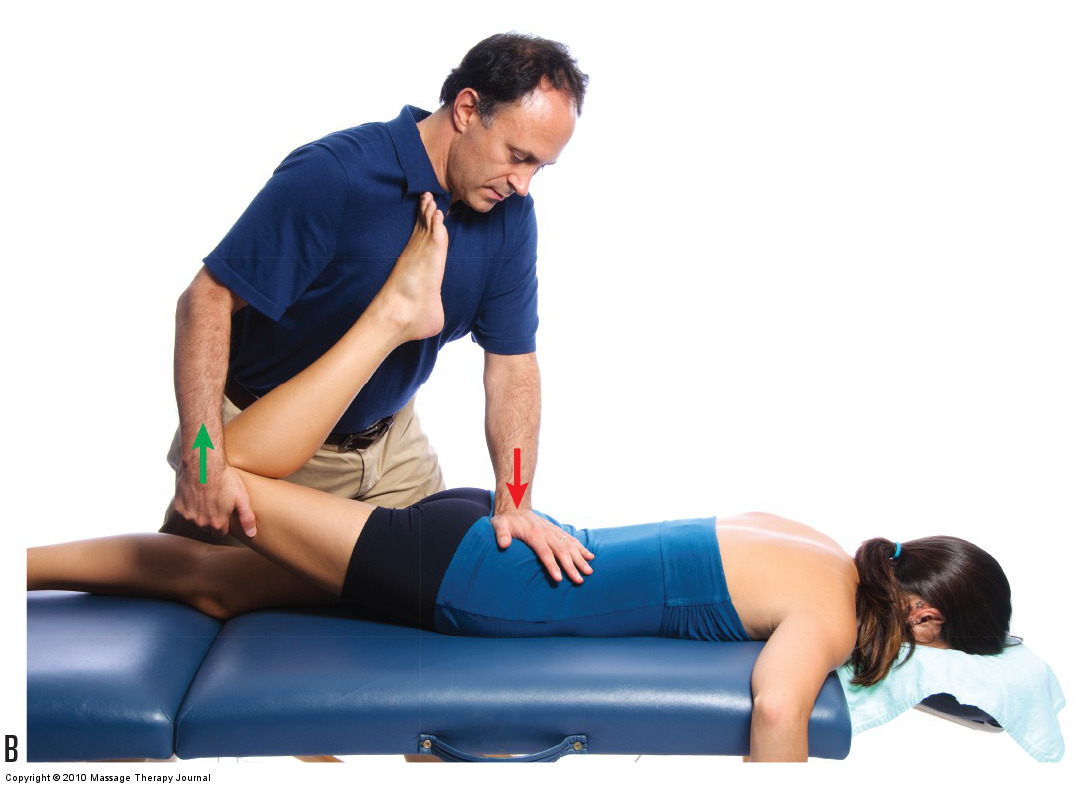
This blog post article is part of a series of articles on assessment of the low back and pelvis. Scroll to the end of this article to see the others in this series. Nachlas and Yeoman’s Tests Nachlas’ test and …
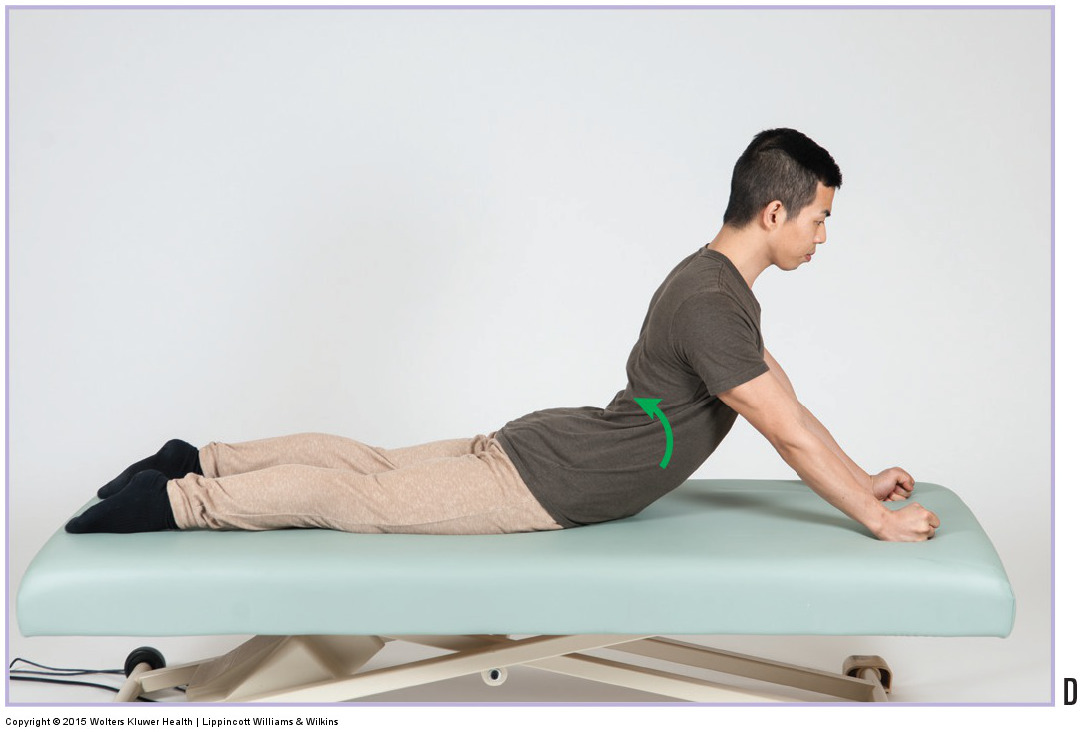
The authors concluded that little evidence was found supporting the hypothesis that extension McKenzie exercises affect disc fluid content.
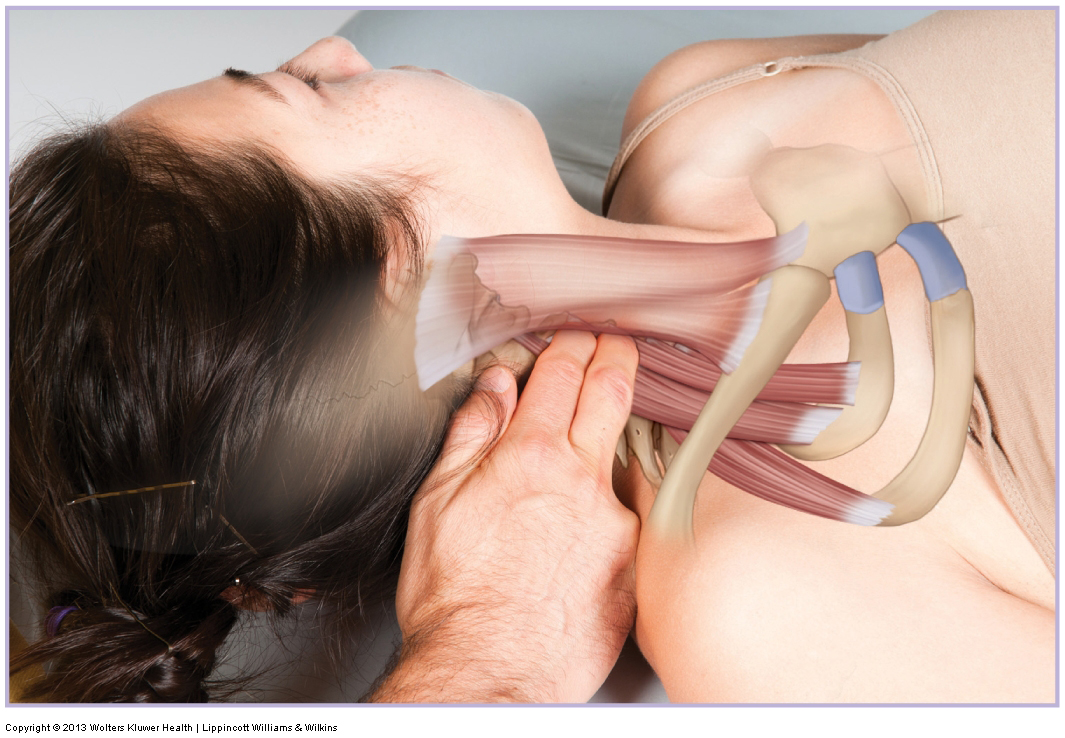
What is most important in any Manual Therapy Certification program is marrying together the underlying science with the hands-on manual therapy skills.
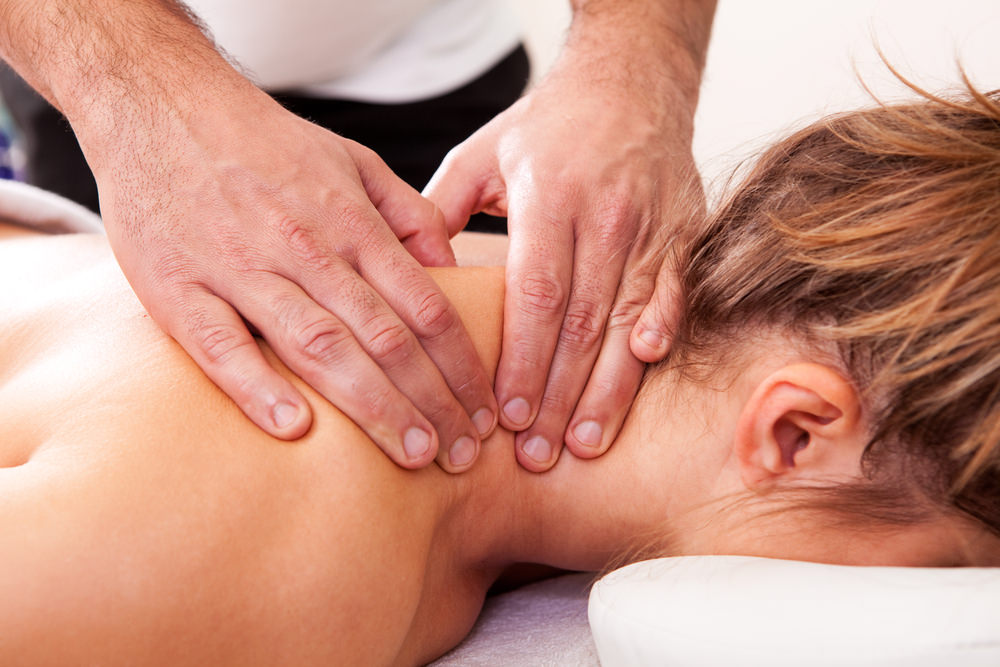
These evidence-based studies explain the physiology and suggest that post-exercise massage reduces tissue damage and accelerates muscle recovery.
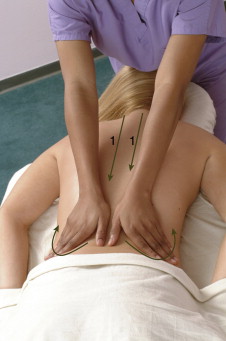
After 12 weeks, more than half of the patients reported improved outcomes in terms of pain reduction, and meaningful physical and mental improvement.
This study found that remote stretching via self-myofascial release using foam roller massage of the plantar fascia does increase hamstring extensibility.
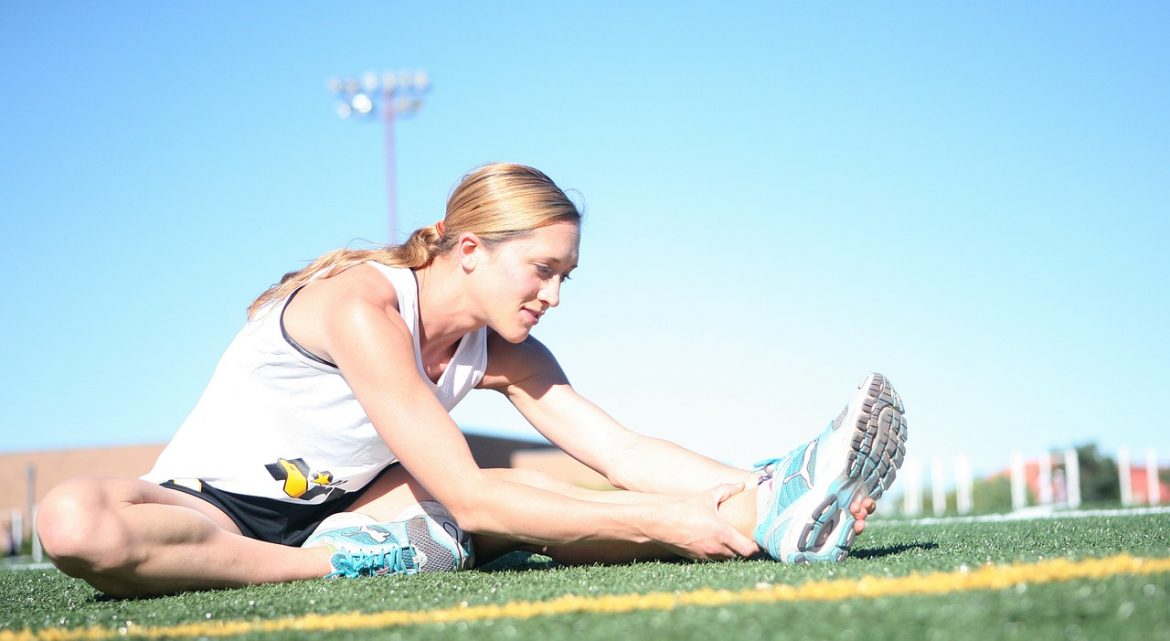
All types of stretching showed joint range of motion improvements over the long term, however, static stretching technique showed the greatest improvement.
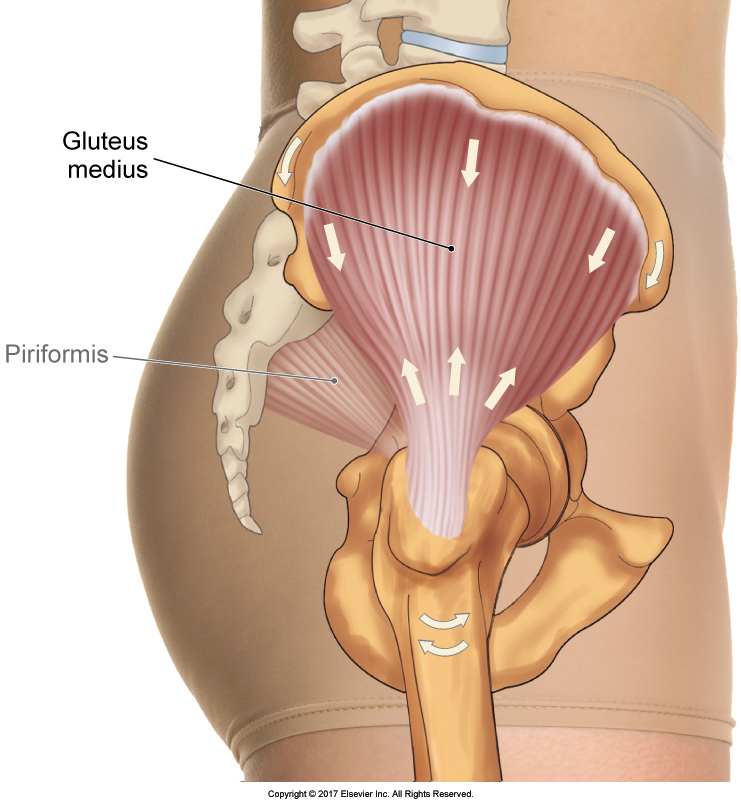
Patients with lateral hip pain on Single Leg Stance and who are not palpably tender over the greater trochanter are unlikely to have gluteal tendinopathy.
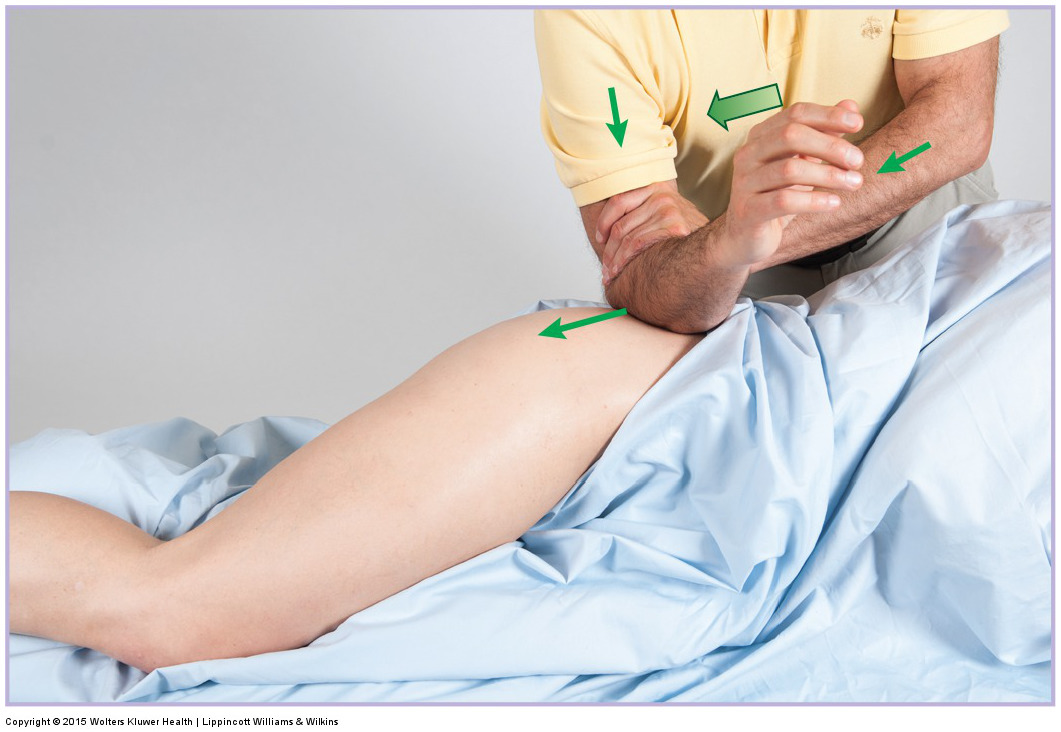
This is not a list of precautions or contraindications for massage therapy. Rather it is list of miscellaneous, somewhat random, “dos and don’ts” that I believe would improve massage therapy sessions with clients.

Eccentric-concentric-isometric contractions produced the largest effect in the reduction of pain and improvement of function for lateral elbow tendinopathy.
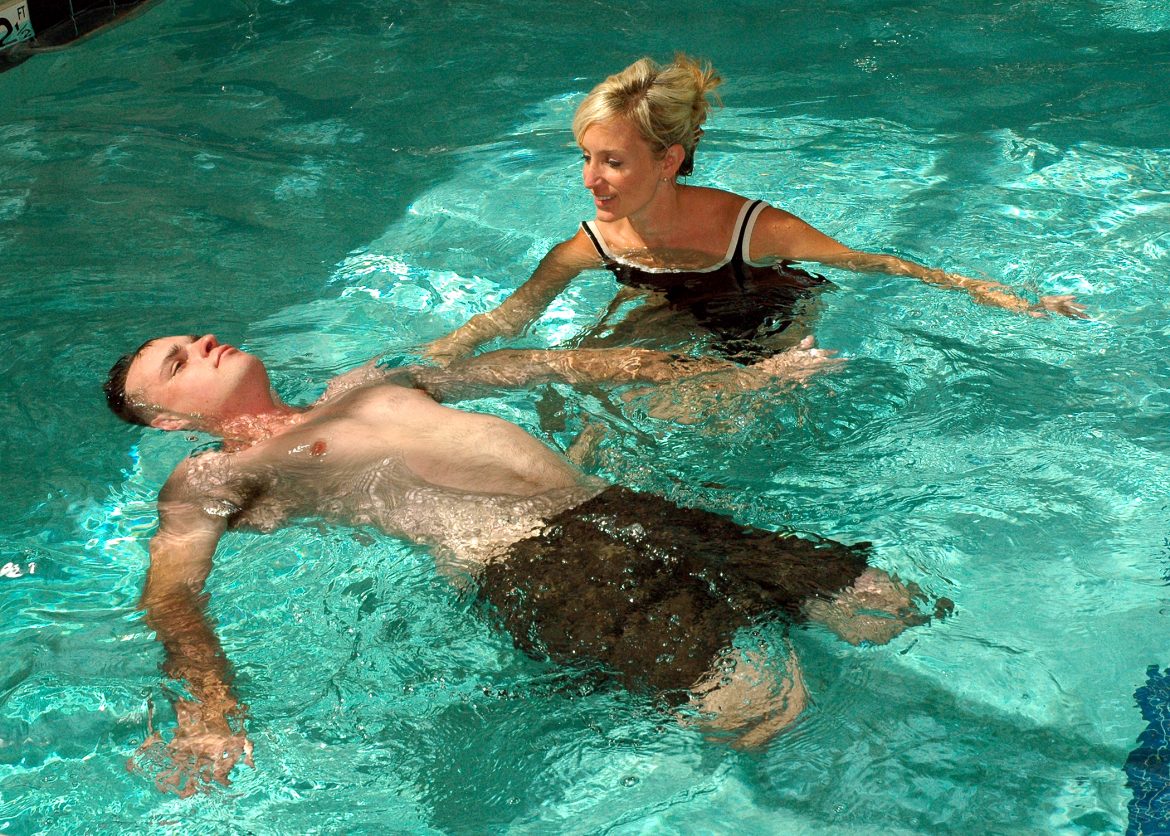
An Occupational Therapist (OT) is concerned with and addresses how a patient’s injury or illness is impairing the functioning of his/her life.

Physical inactivity is a risk factor for the development of chronic muscle pain and may create hyperalgesia (hypersensitivity to pain) in the nervous system.
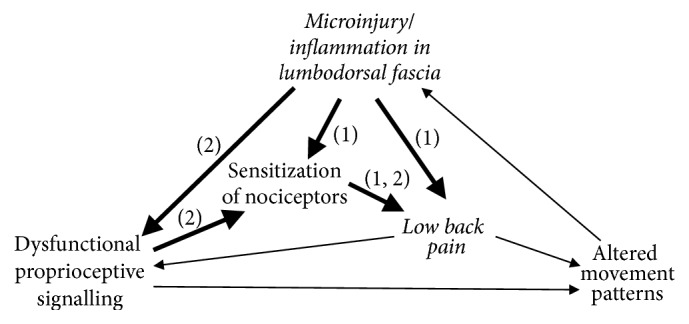
In histological studies, the lumbodorsal fascia has been found to be densely innervated with nociceptive afferent pain fibers.
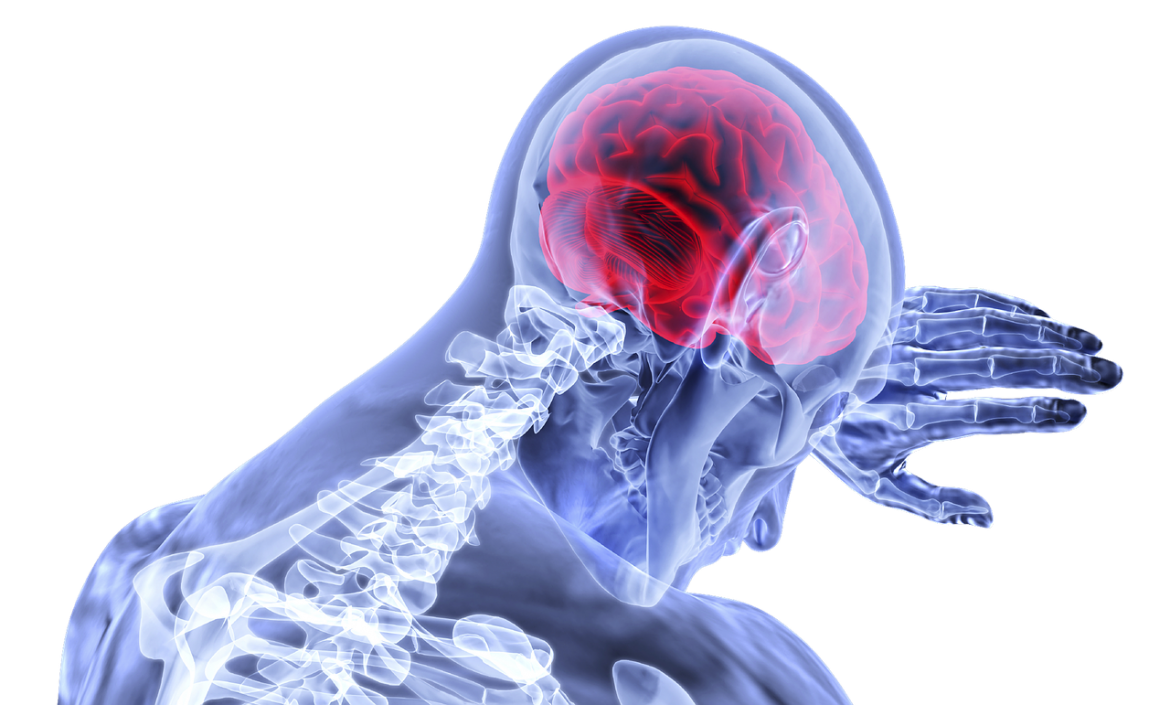
Tight hip flexor musculature causes excessive anterior tilt of the pelvis… hyperlordosis of the lumbar spine… hyperkyphosis of the thoracic spine… hypolordosis of the lower neck with hyperextension of the head at the atlanto-occipital joint… forward head carriage… tight posterior neck muscles… headache.
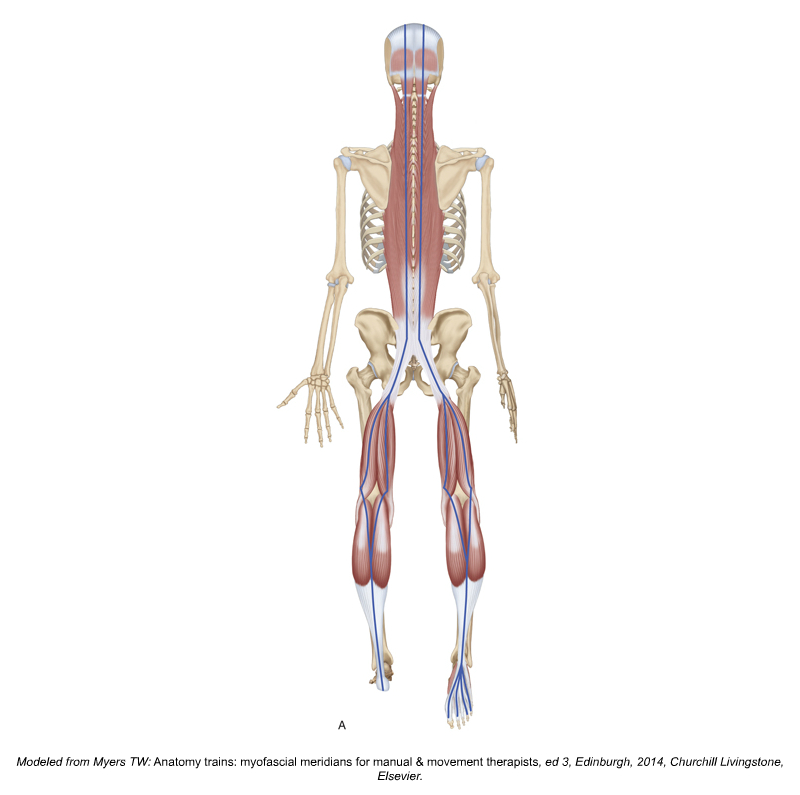
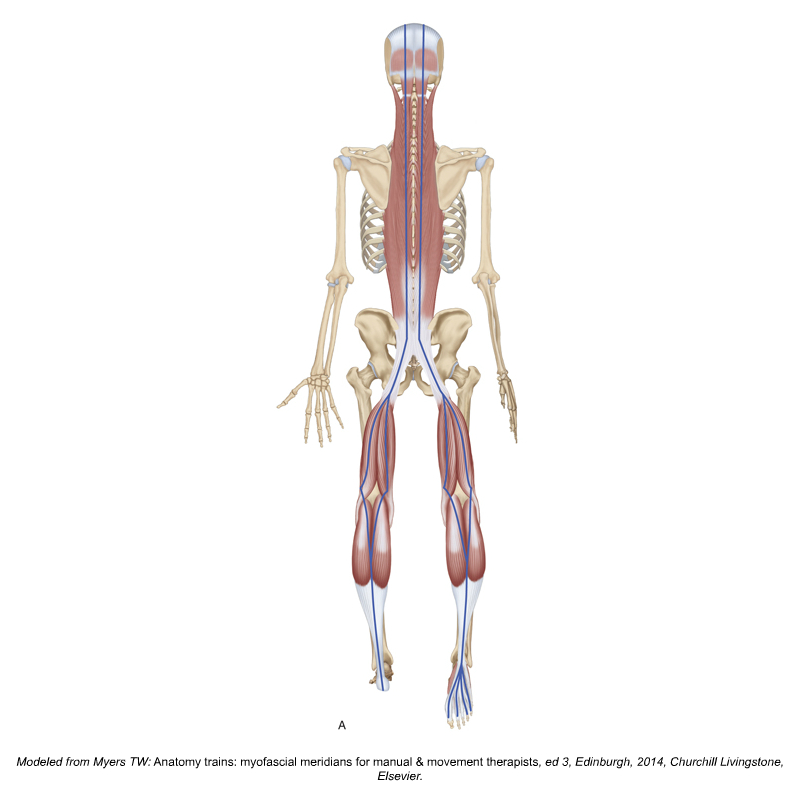
Strain transmission along myofascial meridians might explain referred pain and offer a rationale for the development of more body-wide holistic approaches.
Massage therapy, cryotherapy, and acupuncture are great non-addictive ways to approach pain therapy for patients with a cancer diagnosis.
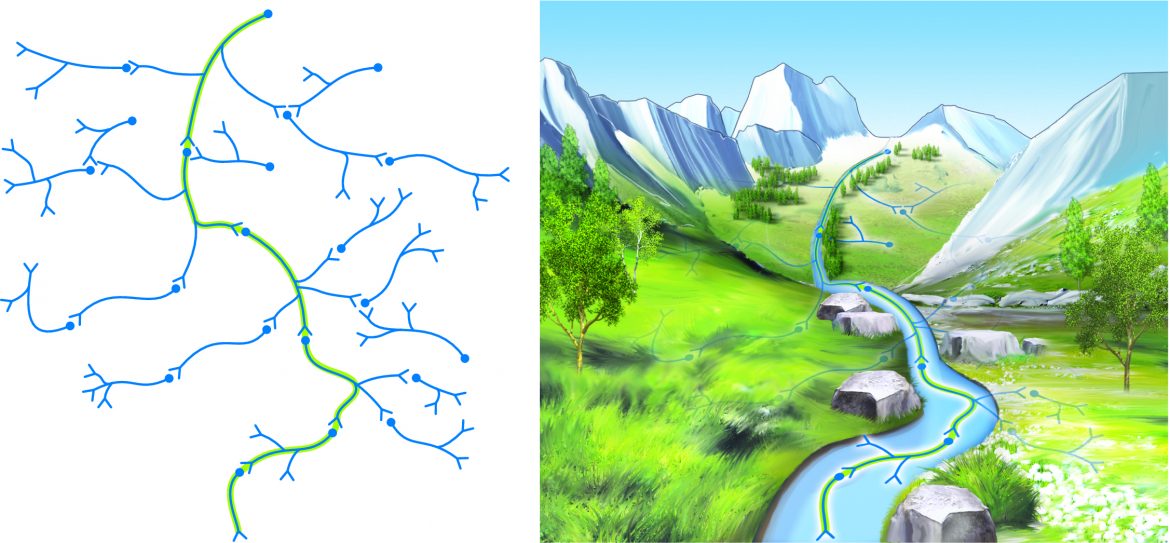
Neural Plasticity explains how the nervous system learns and patterns our postures and movement patterns, as well as our memories and sensitivity to pain.
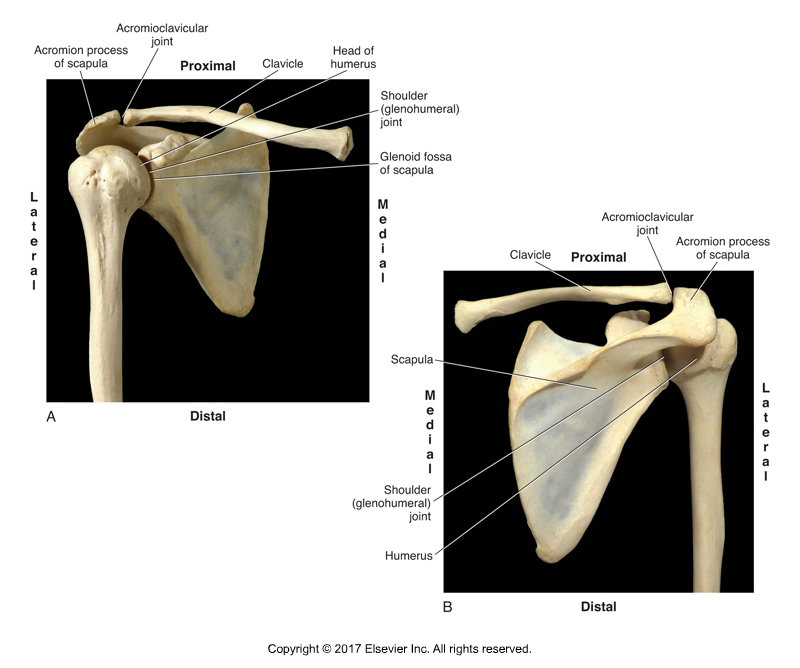
Another reason for shoulder impingement syndrome to occur is insufficient elevation of the clavicle. Most of scapular upward rotation is actually caused by elevation of the clavicle at the sternoclavicular joint, so if clavicular elevation is prevented for any reason, shoulder impingement syndrome can occur.
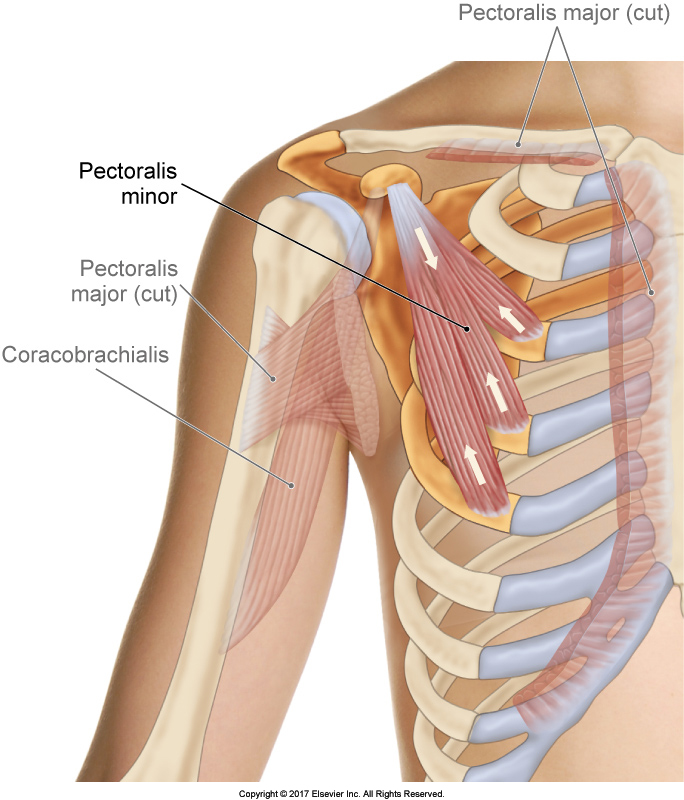
For scapular upward rotation to occur, scapular downward rotator musculature must lengthen. If scapular downward rotation muscles are tight, they might not be flexible enough to allow for scapular upward rotation, thereby causing shoulder impingement syndrome to occur.
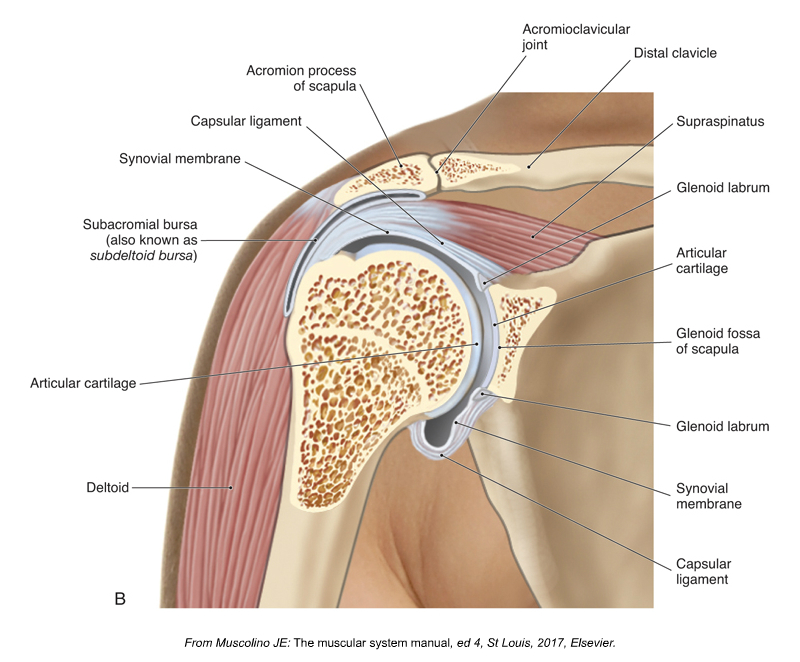
Shoulder impingement syndrome is a condition in which the distal tendon of the supraspinatus and the subacromial bursa become impinged between the head of the humerus and the acromion process of the scapula. Following are the six major causes of shoulder impingement syndrome.
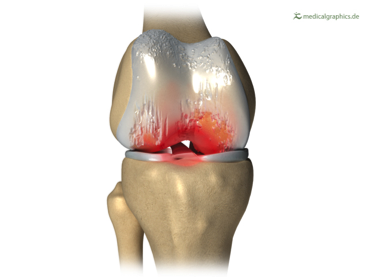
The study published shows that even correcting for body mass index and age, osteoarthritis of the knee is twice as common now as it was before the 1950s.
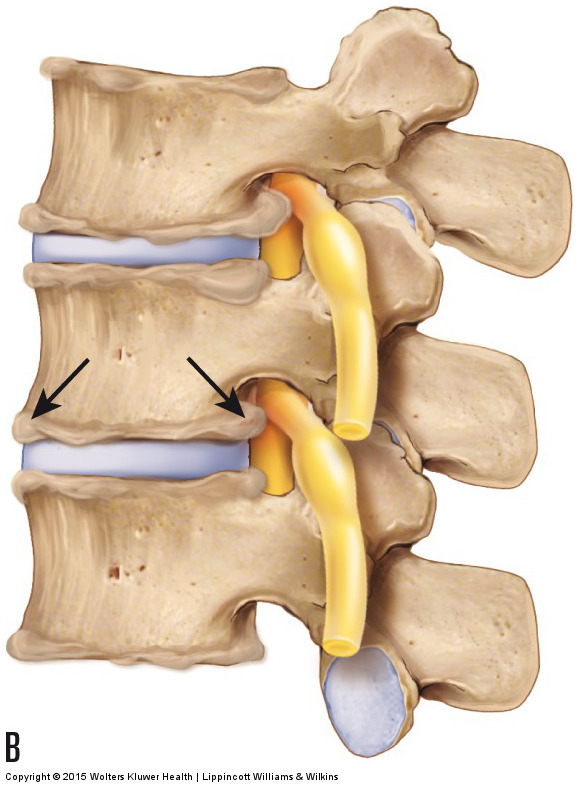
Degenerative joint disease (DJD) is also known as osteoarthritis (OA); when this condition occurs in the spine, it may also be called spondylosis.

This study provides a concrete evidence for an extensive inflammatory profile in fibromyalgia patients. This dispels the myth that it is all psychogenic.
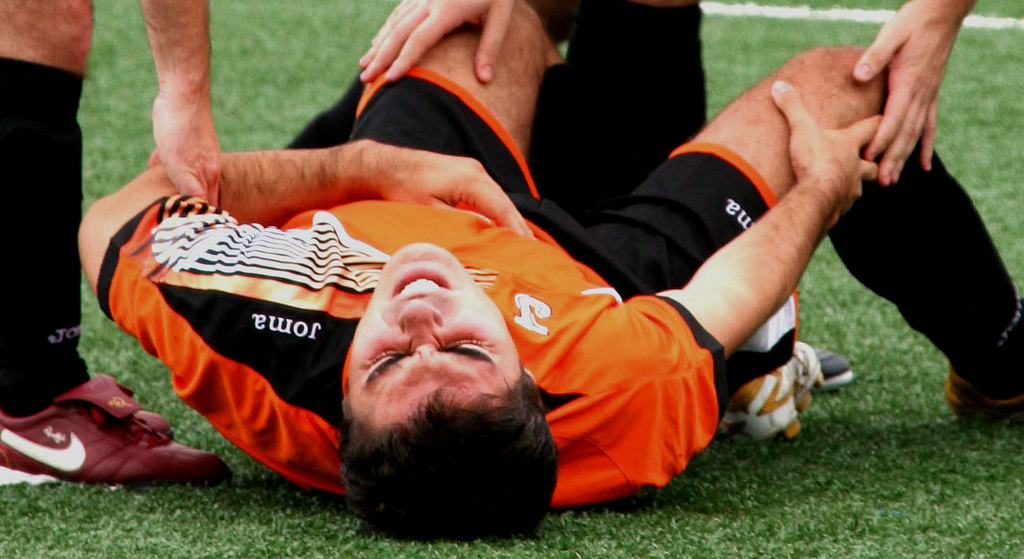
Early loading after a muscle strain injury is important because immobilization can swiftly and adversely affect muscle and tendon structure and function.
