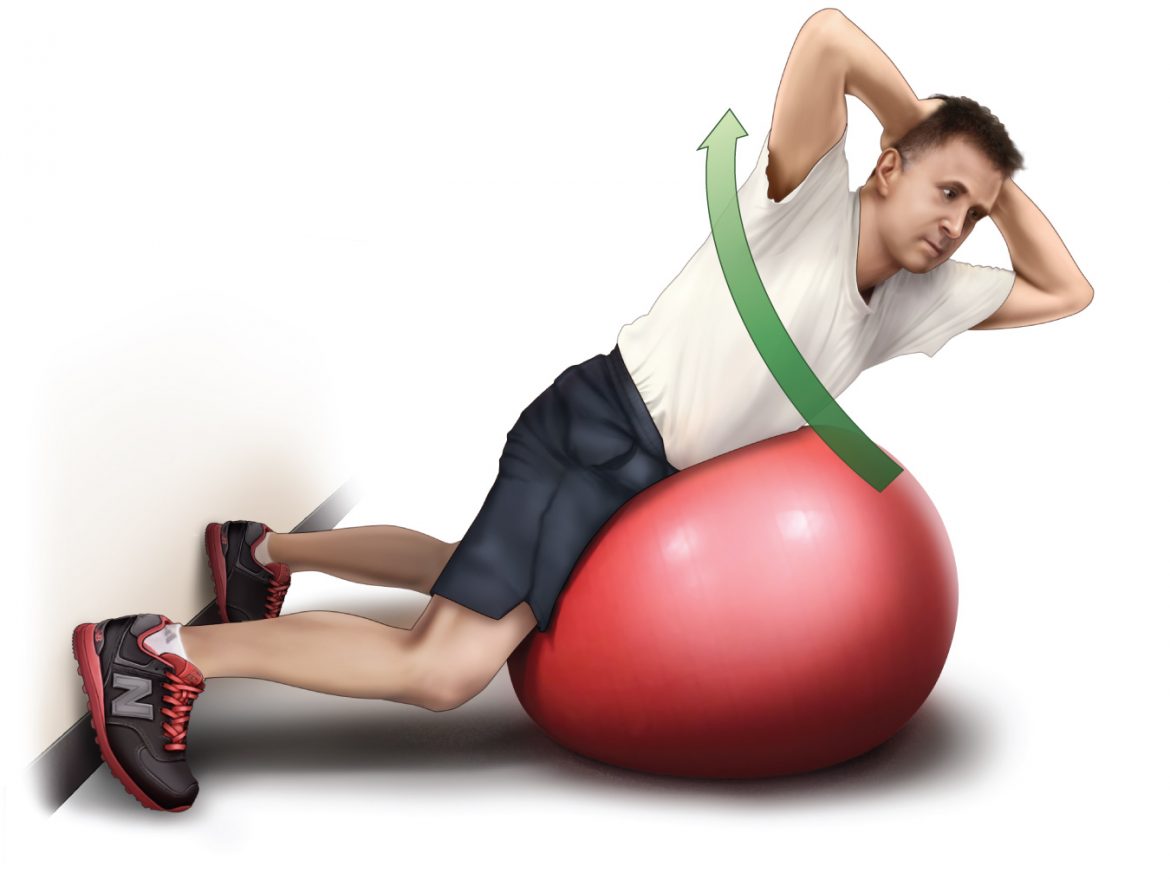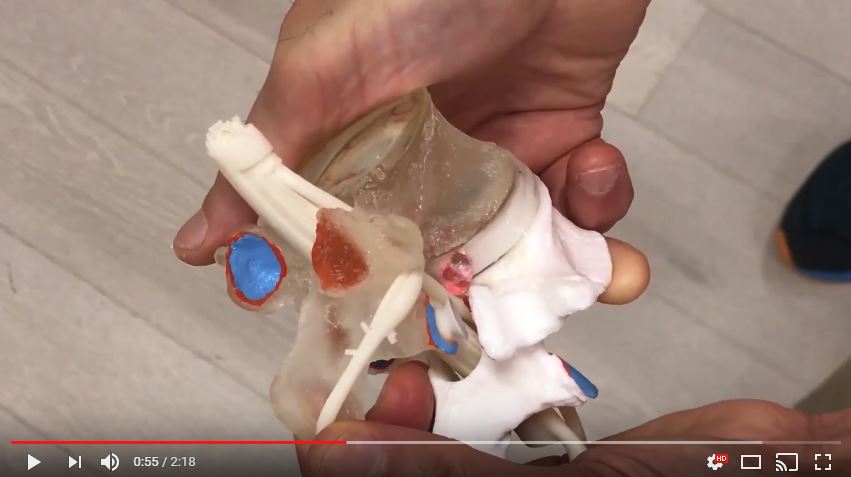
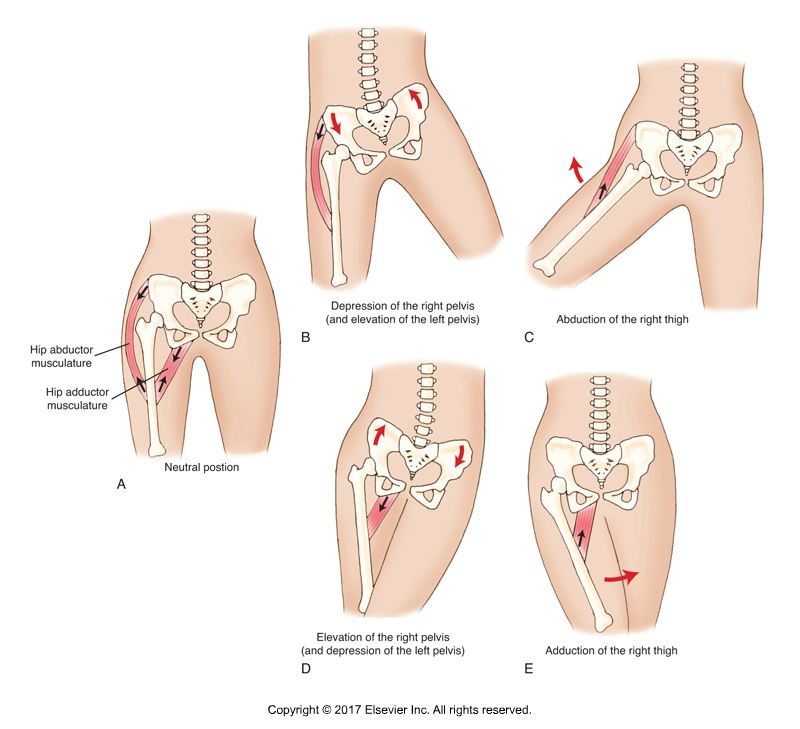
So, if hip abductor group on one side is tighter at baseline tone than the hip adductor group on that side, the pelvis will be pulled into depression on that side, resulting in a lumbar scoliosis that is convex on that side. Similarly, tight opposite-side hip adductor musculature can cause the same scoliotic curve.
Absence of Evidence – Do Parachutes Actually Help Skydivers?
Absence of evidence is not evidence of the absence. Following is how a research review of the effectiveness of parachutes might be concluded: “There is no conclusive evidence that parachutes are effective at helping skydivers.” Ridiculous? Yes. Yet accurate and absurd!
Does Carrying a Backpack Cause Back Pain in Adolescents?
And perhaps the biggest problem I have with this study about backpacks and adolescent back pain is that an overuse syndrome usually does NOT cause pain in the early stages. When the body is physically stressed by something like carrying a backpack, it often requires many years before the overuse results in pain.
Acute Effects of Dynamic Stretching on Muscle Flexibility and Performance
Dynamic stretching’s improvement seems to be related to the increased tissue temperature and increased neural facilitation. Therefore, if the goal of a warm-up is to increase joint ROM and to enhance muscle force and/or power, dynamic stretching seems to be a preferable alternative to static stretching.
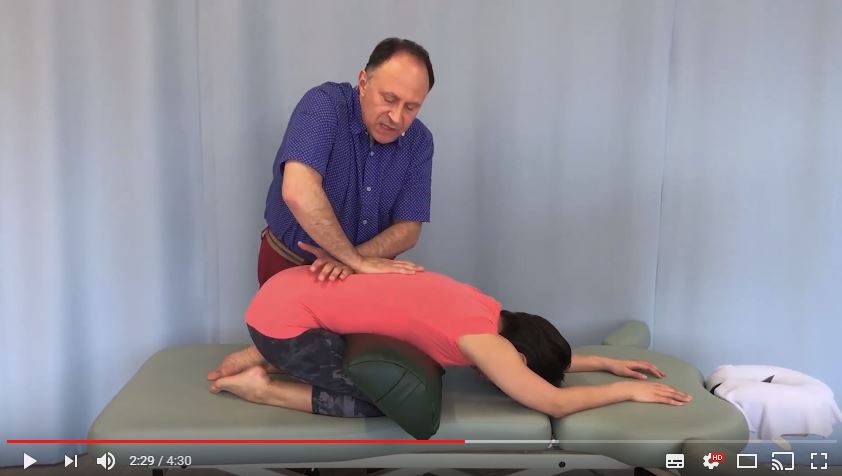
FREE DCOMT video – Childs Restorative Pose with Lumbar Flexion Joint Mobilization
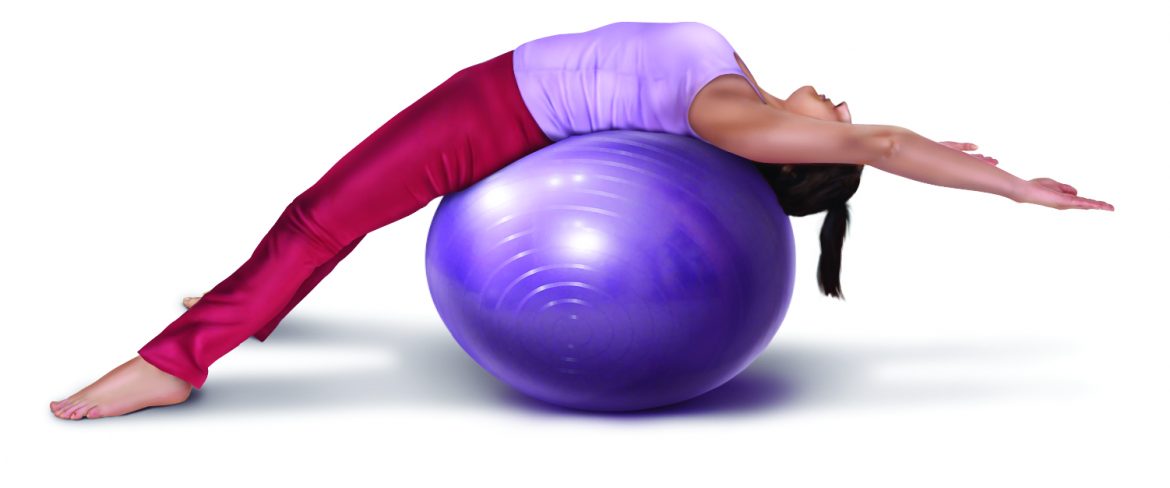
In today’s video, let’s have a look at Childs Restorative Pose with Lumbar Flexion Joint Mobilization. Enjoy! This video plus 100s more are available on DCOMT: learnmuscles.com/product/digital-comt-subscription/
The Effect of Massage Therapy on Blood Pressure in Prehypertensive Women
The results indicated that the mean systolic and diastolic blood pressures in the massage group were significantly lower in comparison with the control group. The results also showed that the lowered blood pressure was still observed 72 hours after the treatment.
Healthy at Home: Maintaining a Balanced Lifestyle with Diabetes
Diabetes is no longer a dreaded condition that confines people to a life of bland foods, self-injections and the constant monitoring of glucose and insulin levels. By observing some basic dietary rules, individuals with diabetes can lead perfectly happy and normal lives.
Thoracic Hyperkyphosis – The Critical Component of Upper Crossed Syndrome
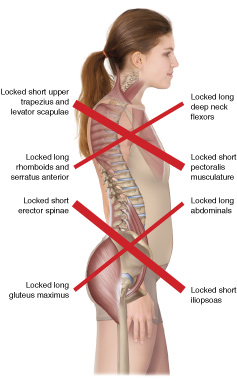
For most of our clients who present with the postural distortion pattern known as upper crossed syndrome, it is important, perhaps absolutely necessary, to include thoracic spinal joint mobilization technique into extension as part of the treatment plan to address the thoracic hyperkyphosis.
FREE DCOMT video – Anterior and Posterior Loading of a Herniated Disc
Spinal flexion loads the anterior aspect of the spinal disc, driving the nucleus pulposus posteriorly against the stretch-taut annular fibers. This can increase a bulging or herniated disc pathology. In today’s video, let’s have a look at Anterior and Posterior …
Battle Obesity: The War Against the #1 Killer in America
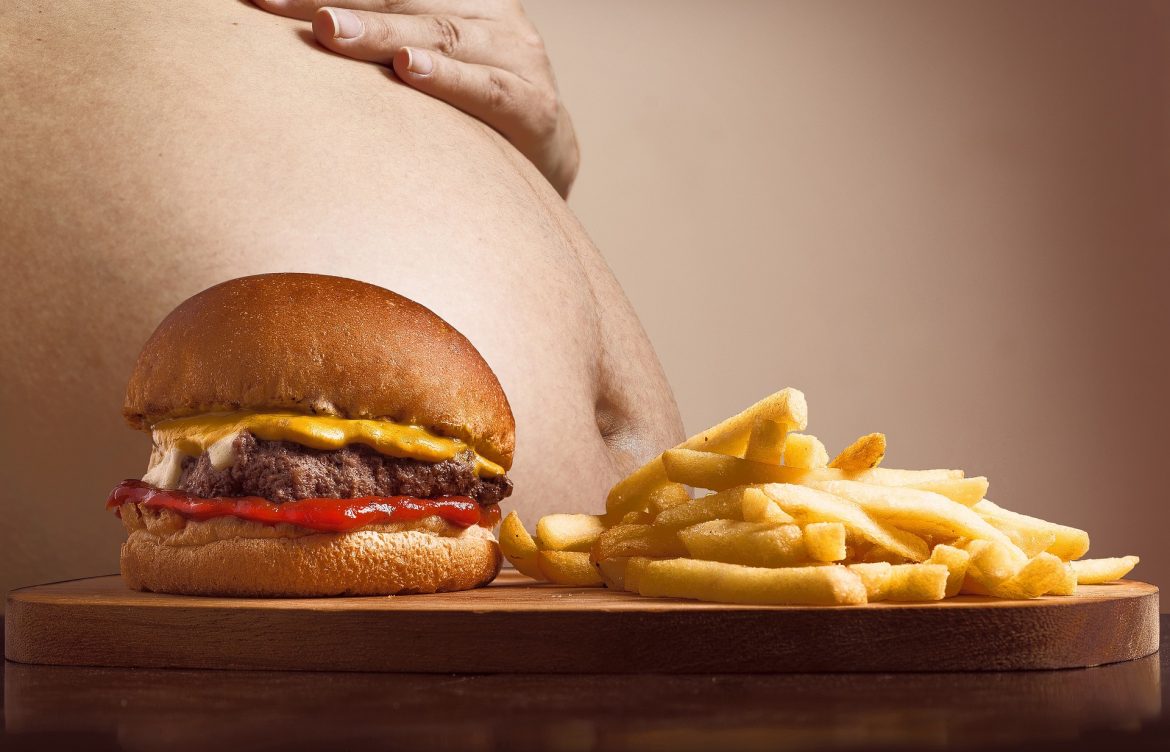
According to NBC News, nearly 18 percent of all deaths in the US can be directly contributed to the obesity epidemic. While a little extra weight may offer some protective benefits for senior citizens, everyone else — children, adolescents, and adults — should strive for a healthy weight.
FREE DCOMT video – The Shoulder Corset
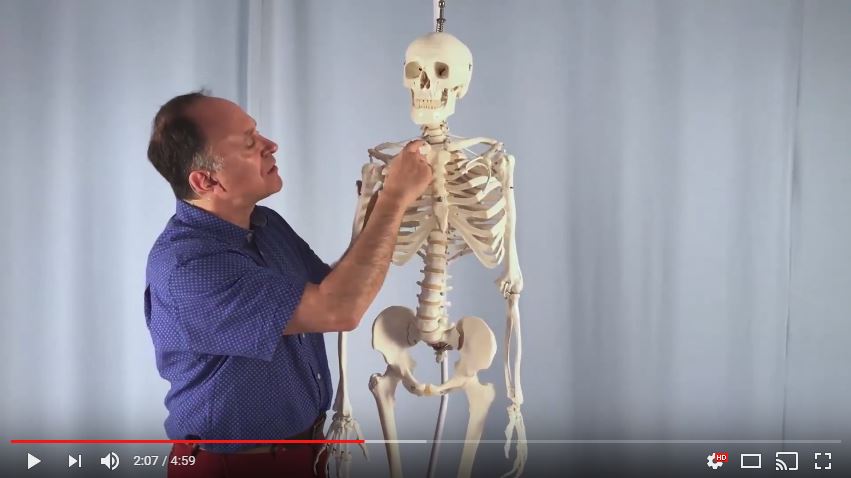
The scapula and clavicle are usually referred to as the shoulder girdle, but do they really comprise a “girdle”? In this free Digital COMT video, I make the case that the shoulder girdle would be better termed the shoulder corset. This video plus 100s more are available on DCOMT.
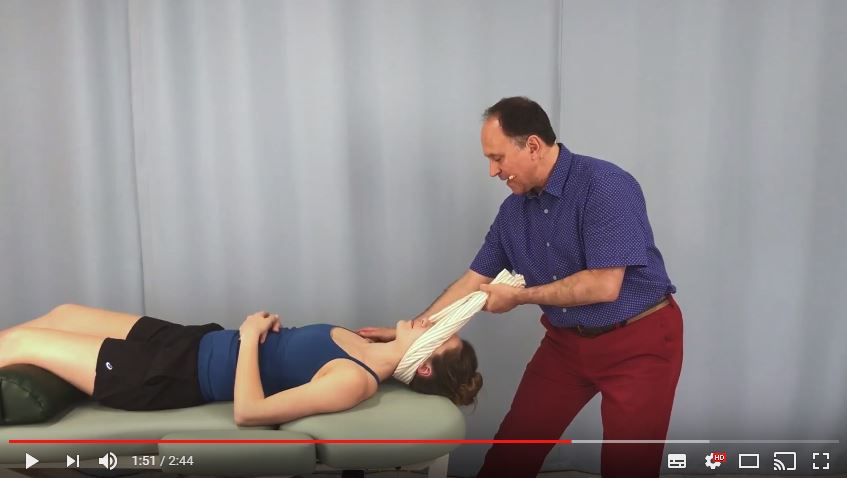
FREE DCOMT video – One Handed Towel Traction for the Neck with Shoulder Girdle Stabilization
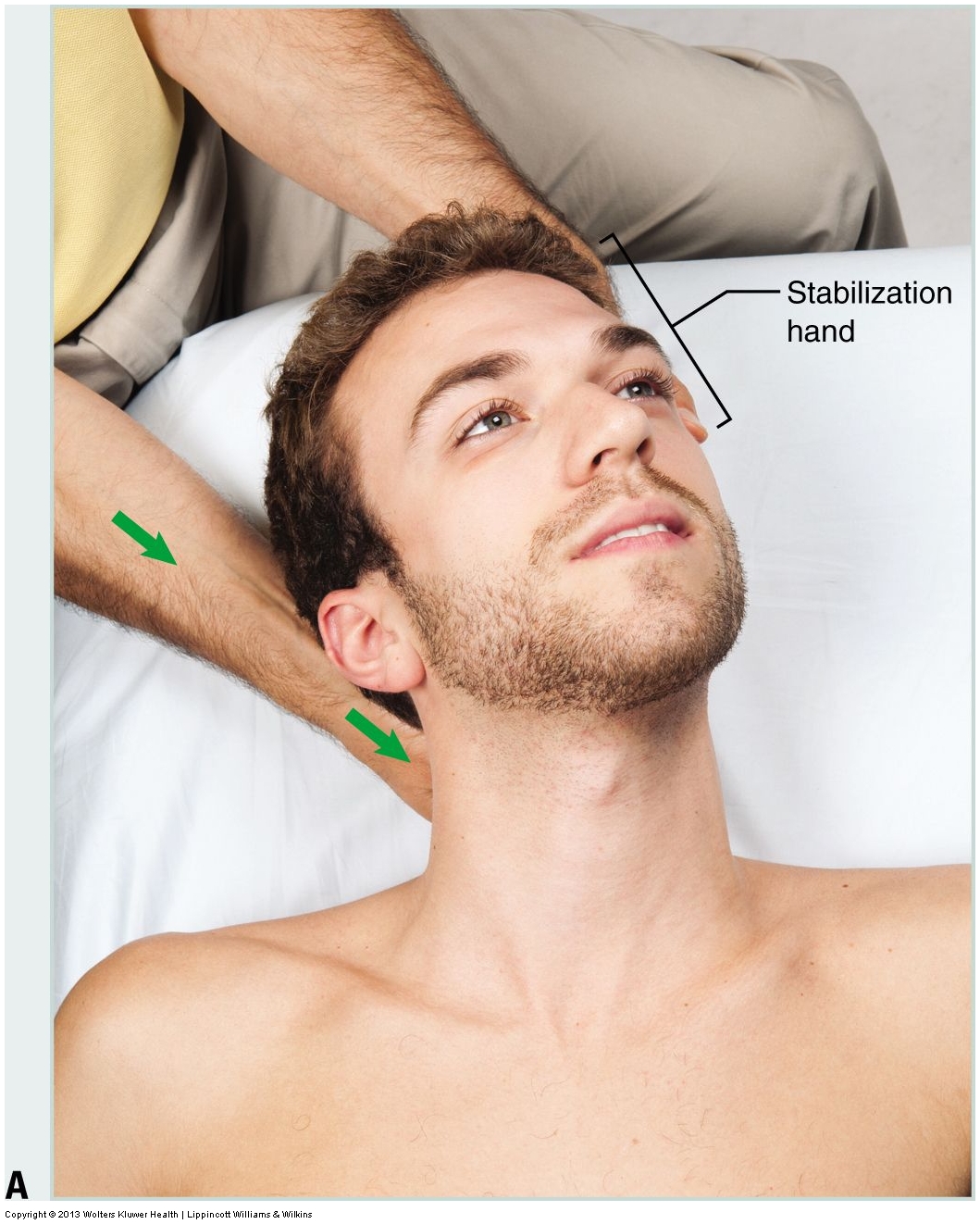
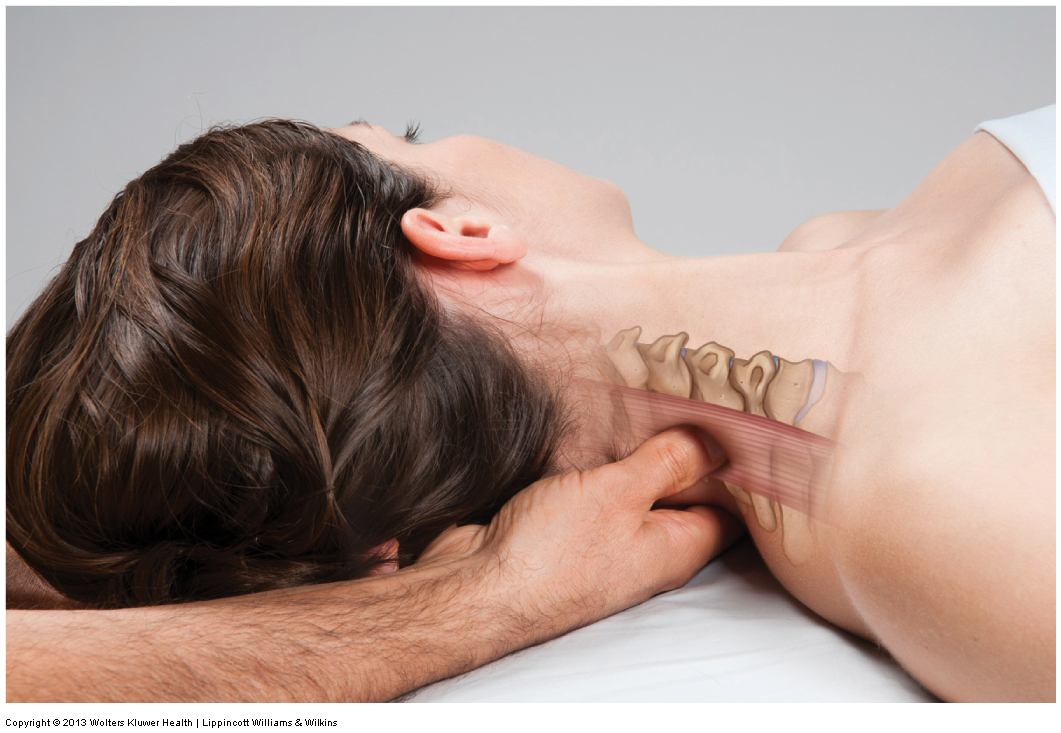
Traction for the cervical spine is indicated for the client with a pinched nerve in the neck because it opens up the intervertebral foramina to decompress the spinal nerves. Dr. Joe Muscolino demonstrates how to easily perform neck traction using a towel.
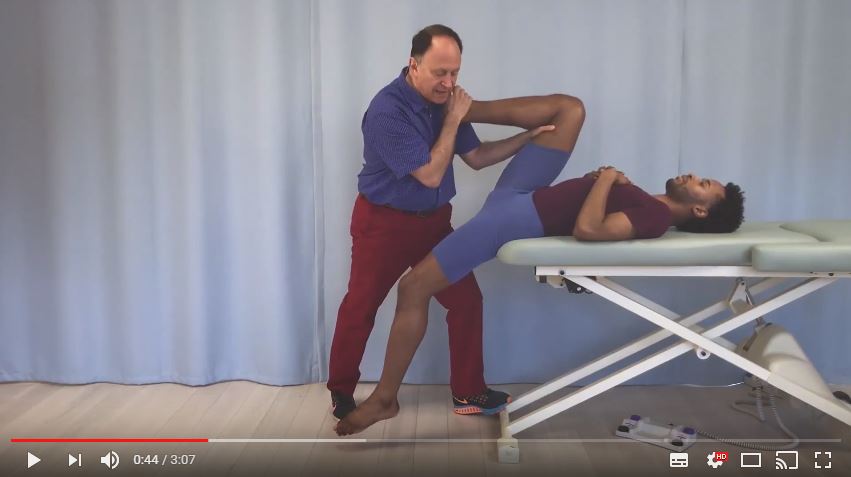
FREE DCOMT video – Stretching the Rectus Femoris Hip Flexor
Stretching the rectus femoris of the quadriceps femoris group. The rectus femoris is the only quadricep muscle that crosses the hip joint. It crosses it anteriorly with a vertical direction to its fibers, so it flexes the thigh at the hip joint and it anteriorly tilts the pelvis at the hip joint.
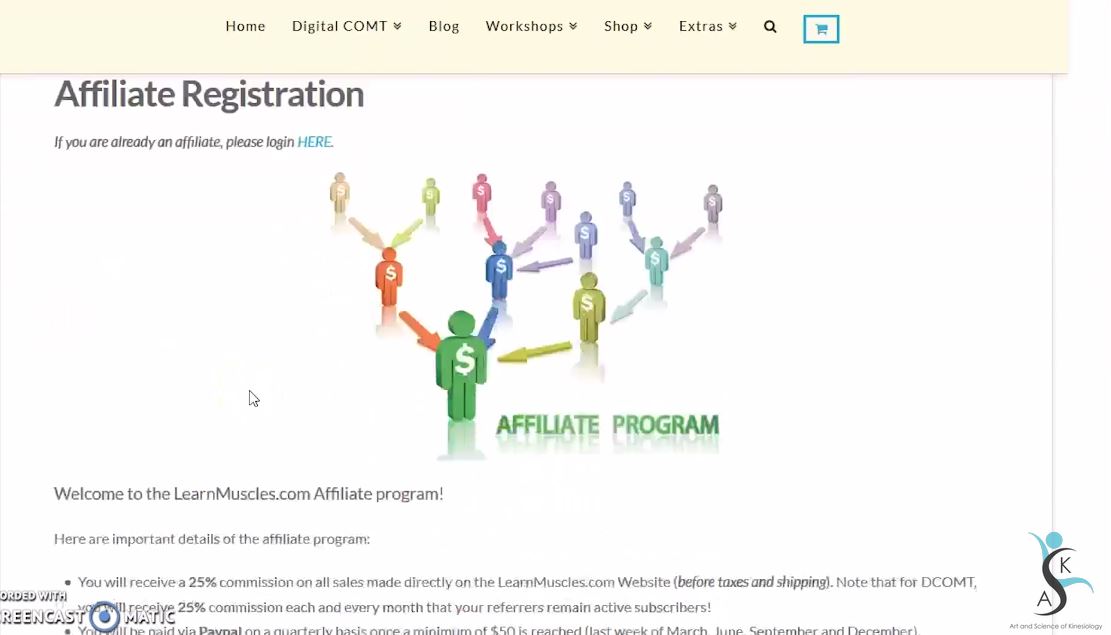
Digital COMT Affiliate Introduction Walkthrough
Welcome Learnmuscles.com affiliates! It’s time for you to spread the love about the #1 online video streaming subscription service for manual & movement therapists: DCOMT! 🙂 We are the “NETFLIX” of online continuing education! Here’s your introduction walkthrough of your …
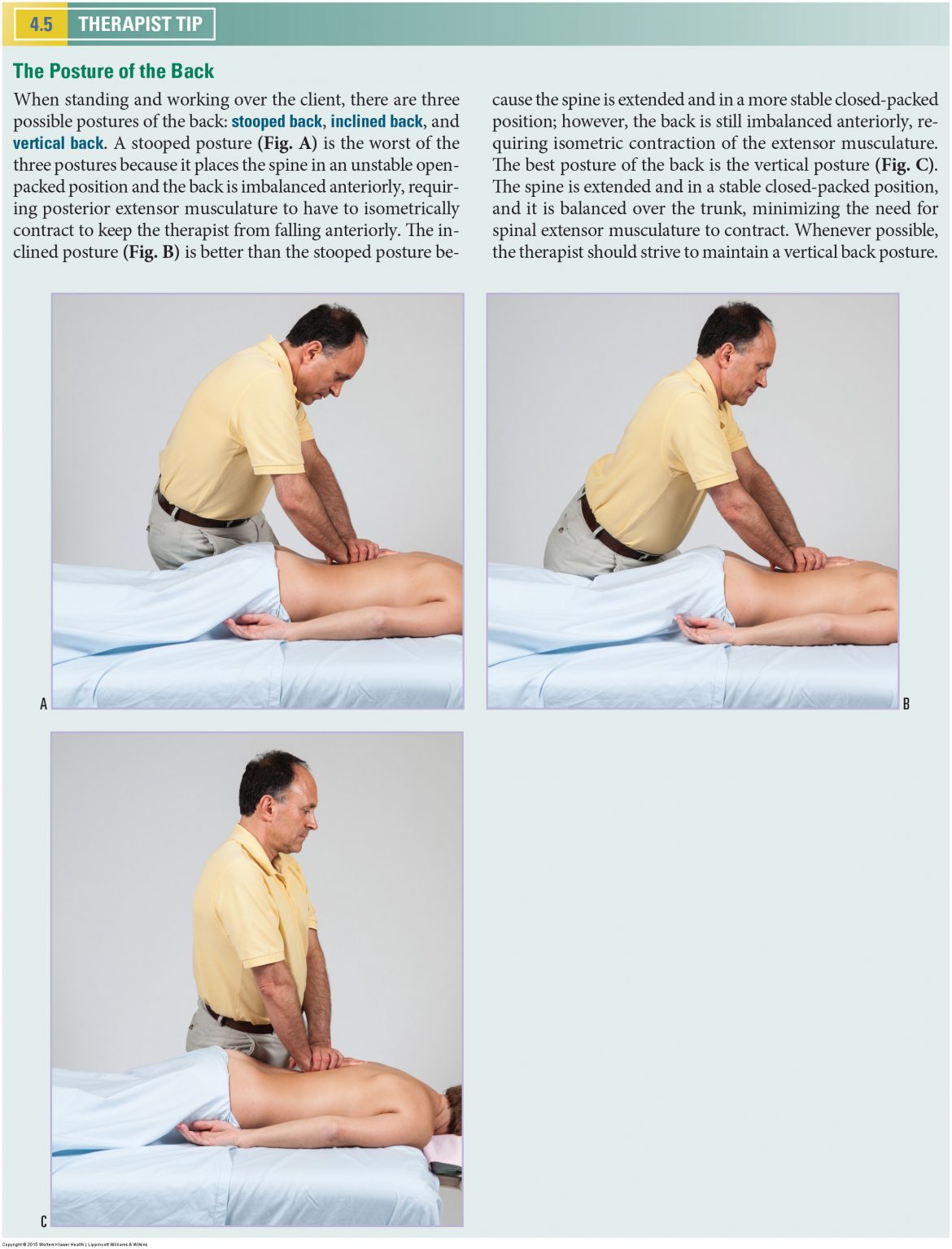
Deep Pressure Massage to the Low Back – Use Body Weight
An excellent demonstration of the force that can be generated by using body weight is to lean down onto a bathroom weight scale that is placed on a table that is positioned as various heights. Simply relax and lean into the scale with your body weight and notice the force that you generate.
Deep Pressure Massage to the Low Back – Use Stacked Joints
Stacked joints are aligned in a straight line; in other words, the joints are extended as in anatomic position. This allows for the force from your core to travel through your upper extremity and into the client with little or no loss of strength.
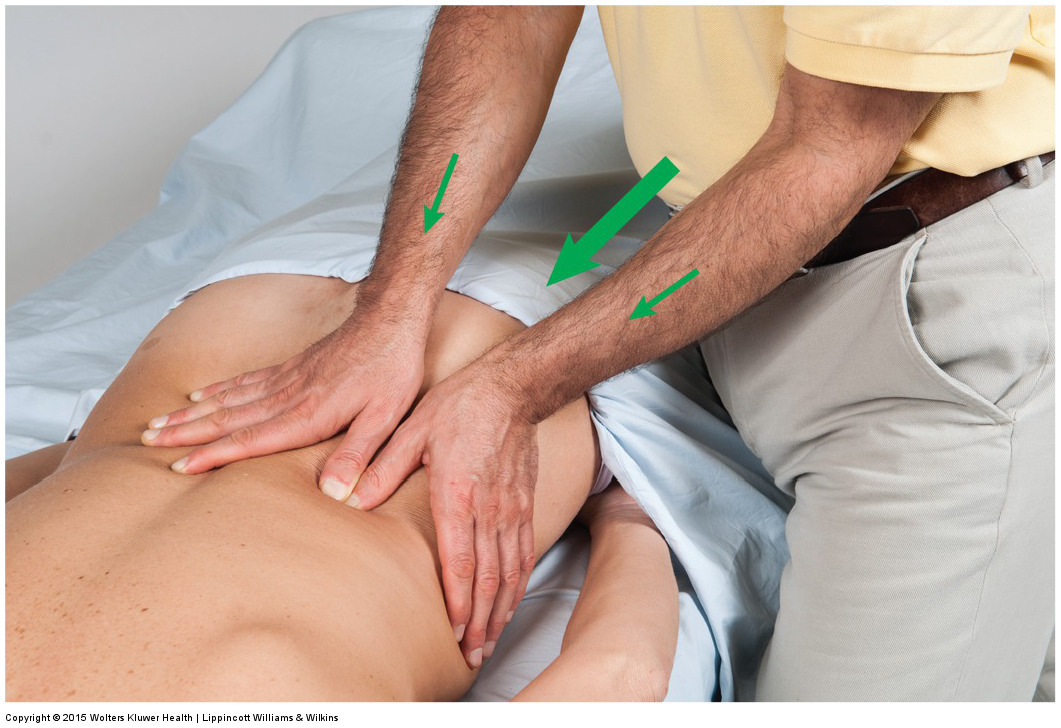
Deep Pressure Massage to the Low Back – Support Your Treatment Contact
Bracing the contact means that the two hands must work together instead of each contacting the client separately. Less area of the client’s body will be covered this way, but stronger and more efficient pressure will be created at the area that is being worked, which is more important when deep pressure is needed.
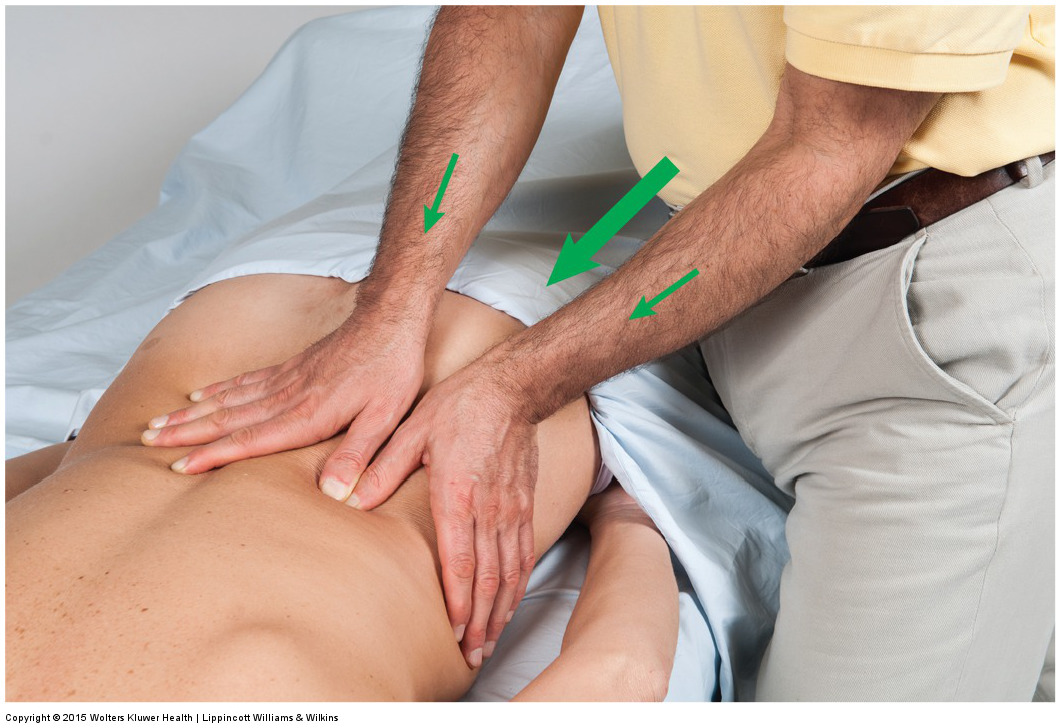
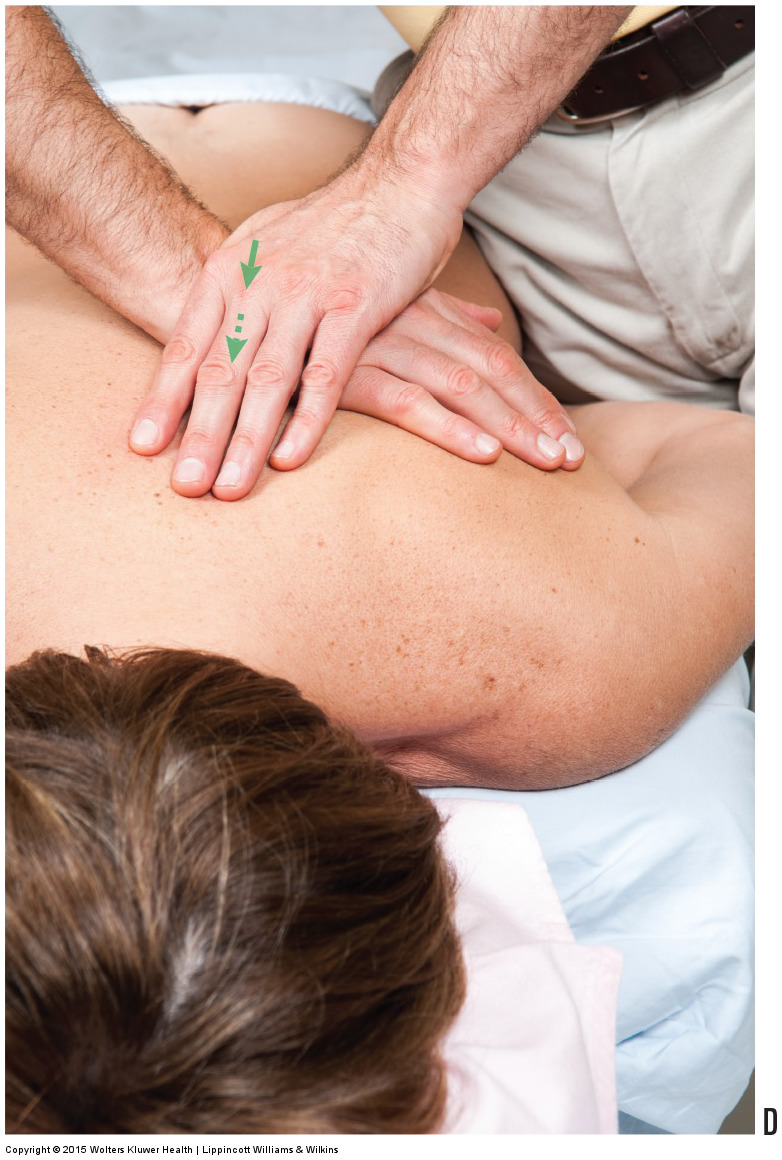
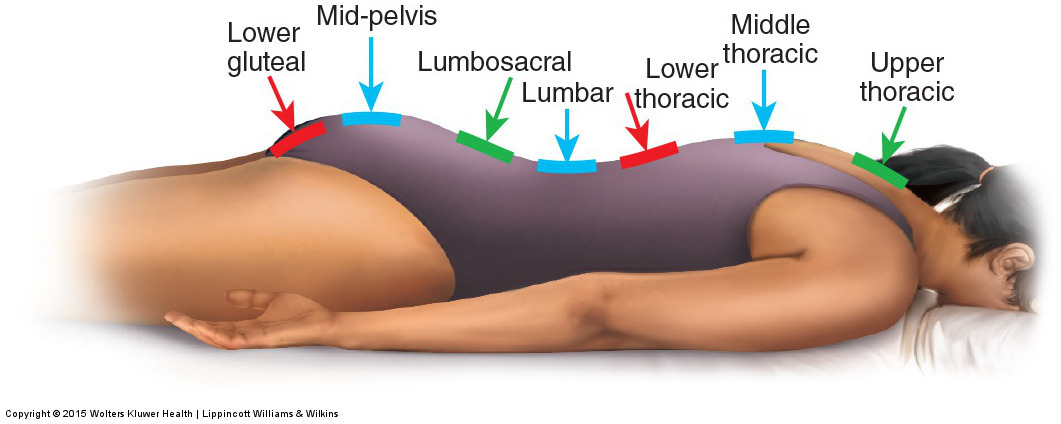
Deep Pressure Massage to the Low Back – Apply Pressure Perpendicularly
Maximal pressure for the effort used is achieved if the angle of your force into the client is perpendicular to the contour of the region being worked. To apply this concept of working perpendicularly, the client’s back and pelvis can be divided into separate regions based on the curve of each region.
Neck Deep Pressure Massage: Step by Step – Engage the Tissues
Being able to feel tissue tension barrier is the one most crucial aspect for a clinical orthopedic manual therapist performing deep pressure massage. From a mechanical standpoint, it is only pressure beyond the tissue tension barrier that effects therapeutic change (this is not necessarily true neurally).
Neck Deep Pressure Massage: Step by Step – Deep Stroking Massage
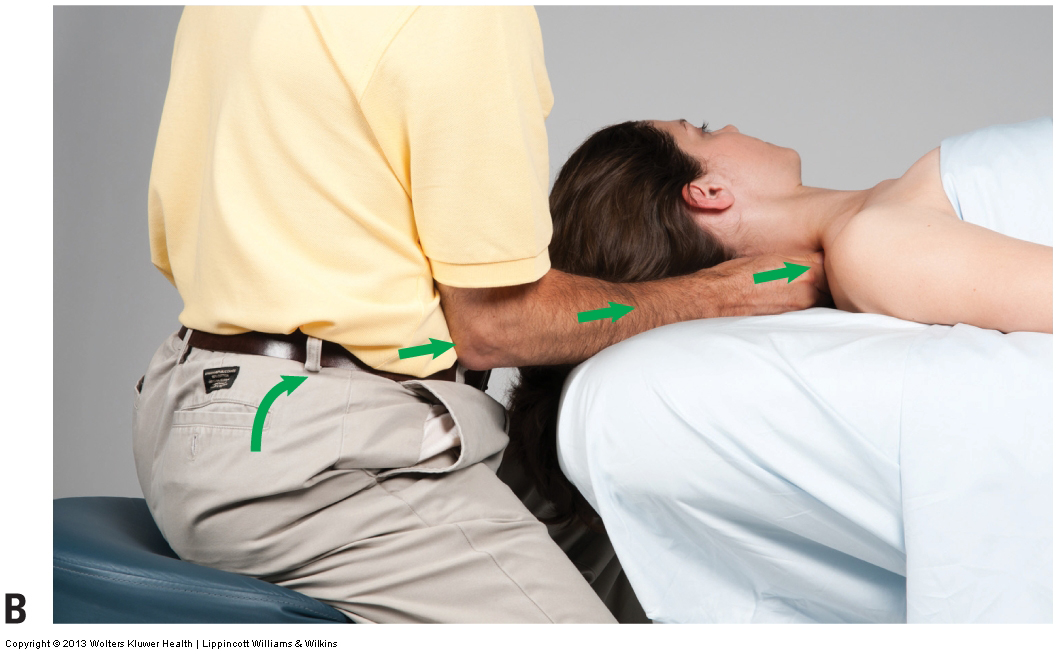
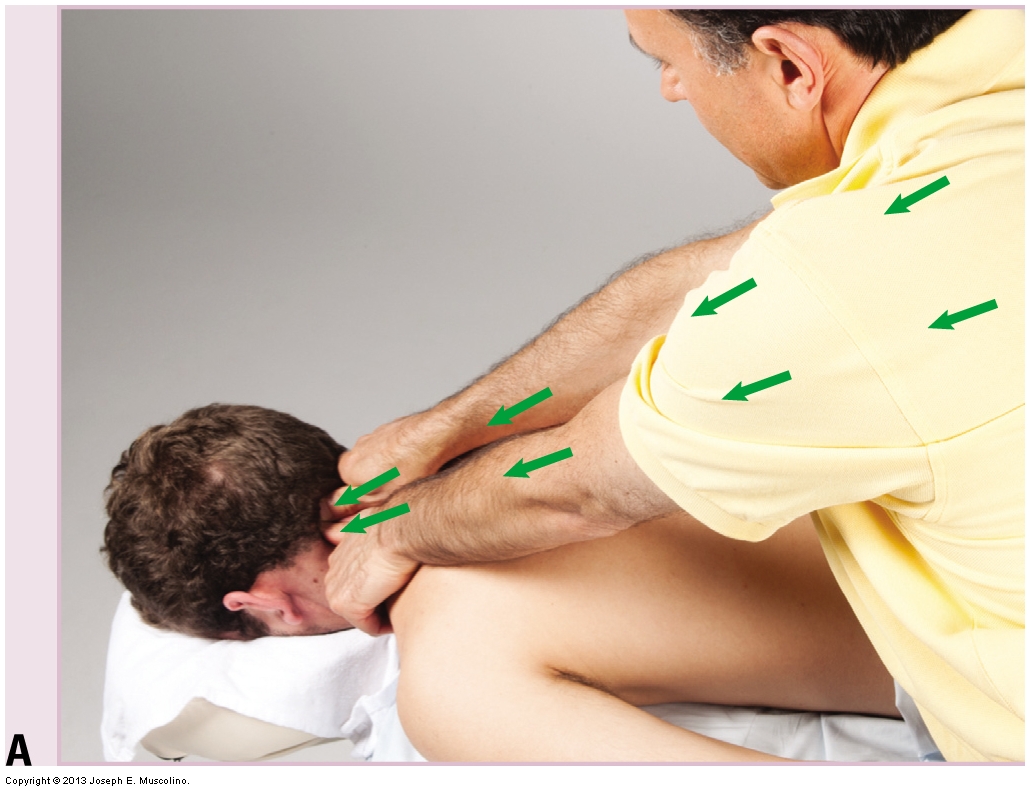
When performing deep pressure massage, deep stroking massage must originate from your core by further rocking your pelvis and extending your spine forward. Short deep strokes to the neck between 1 and 2 inches (2-5 centimeters) in length allow you to preserve optimal body mechanics.
Does the Condition Text Neck Exist?
That people aged 18-21 in this study have not yet begun to experience pain as a result of text neck posture does not surprise me at all. They are simply still too young to experience what the physical stress of the overuse of text neck posture will eventually do to them.
Ten Things to Avoid if You Have Lower Limb Tendon Pain
In summary, exercise-based rehabilitation is the best treatment for tendon pain. A progressive program that starts with a strength program and then progresses through to more spring-like exercises, and endurance aspects will give the right loads on the tendon and the best long-term results.
Previous Leg Injury Increases Risk of Other Leg Injuries
Once one joint/structure/tissue is injured, compensation patterns usually occur in which the individual offloads physical stress to other areas of the body. This would logically lead to an increased risk of use/overuse/misuse/abuse to these other areas, likely eventually leading to injury.
Neck Deep Pressure Massage: Step by Step – Apply Pressure Perpendicularly
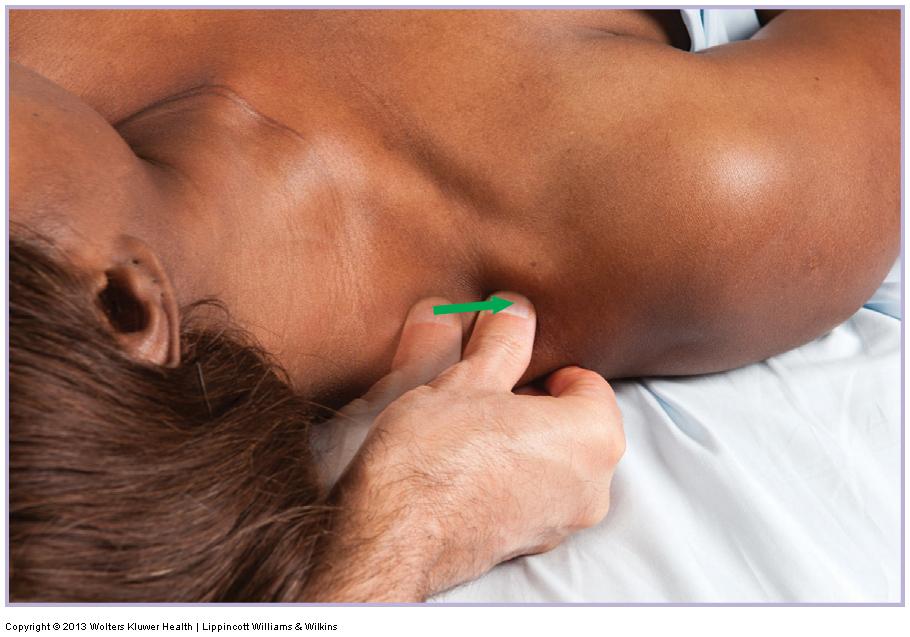
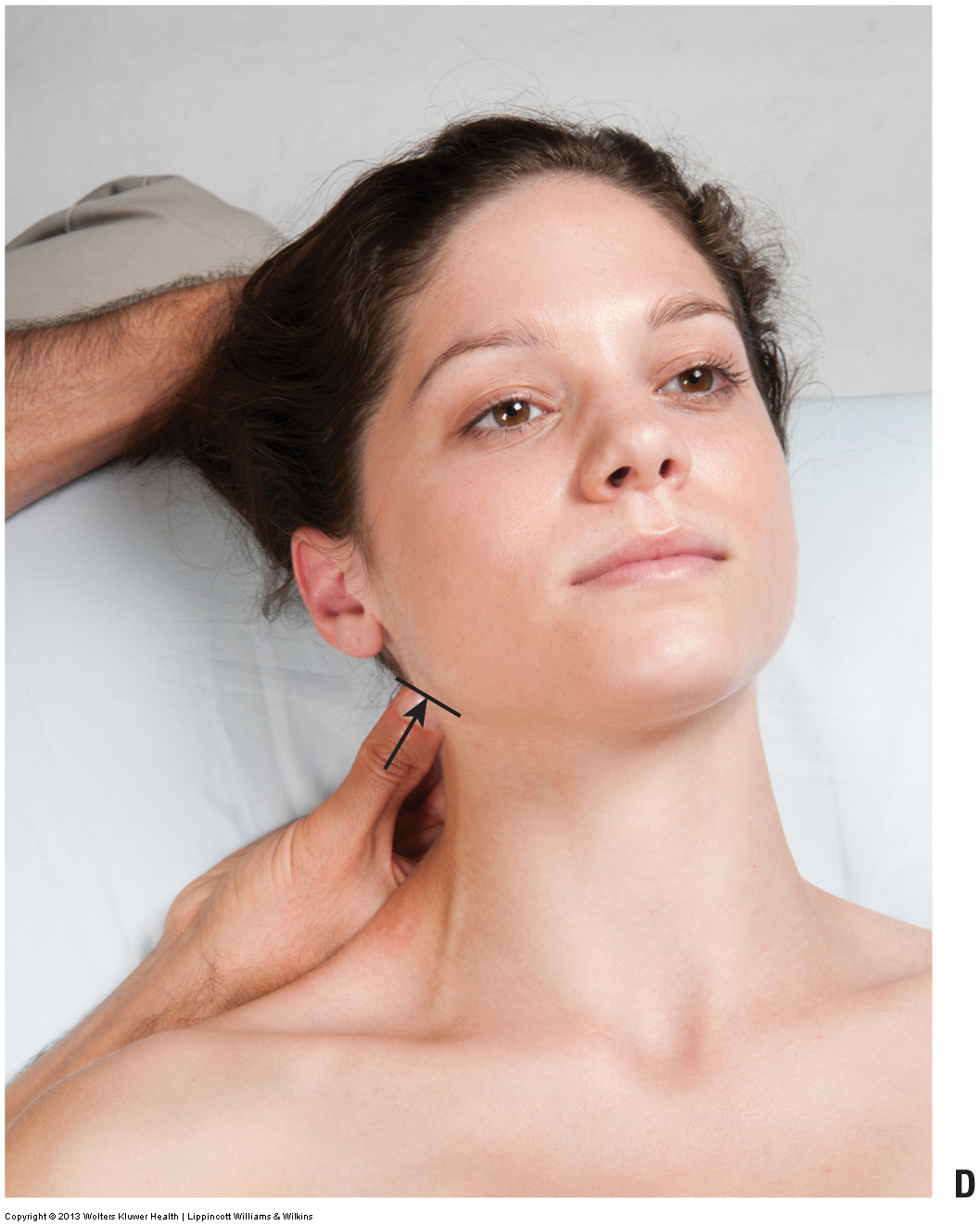
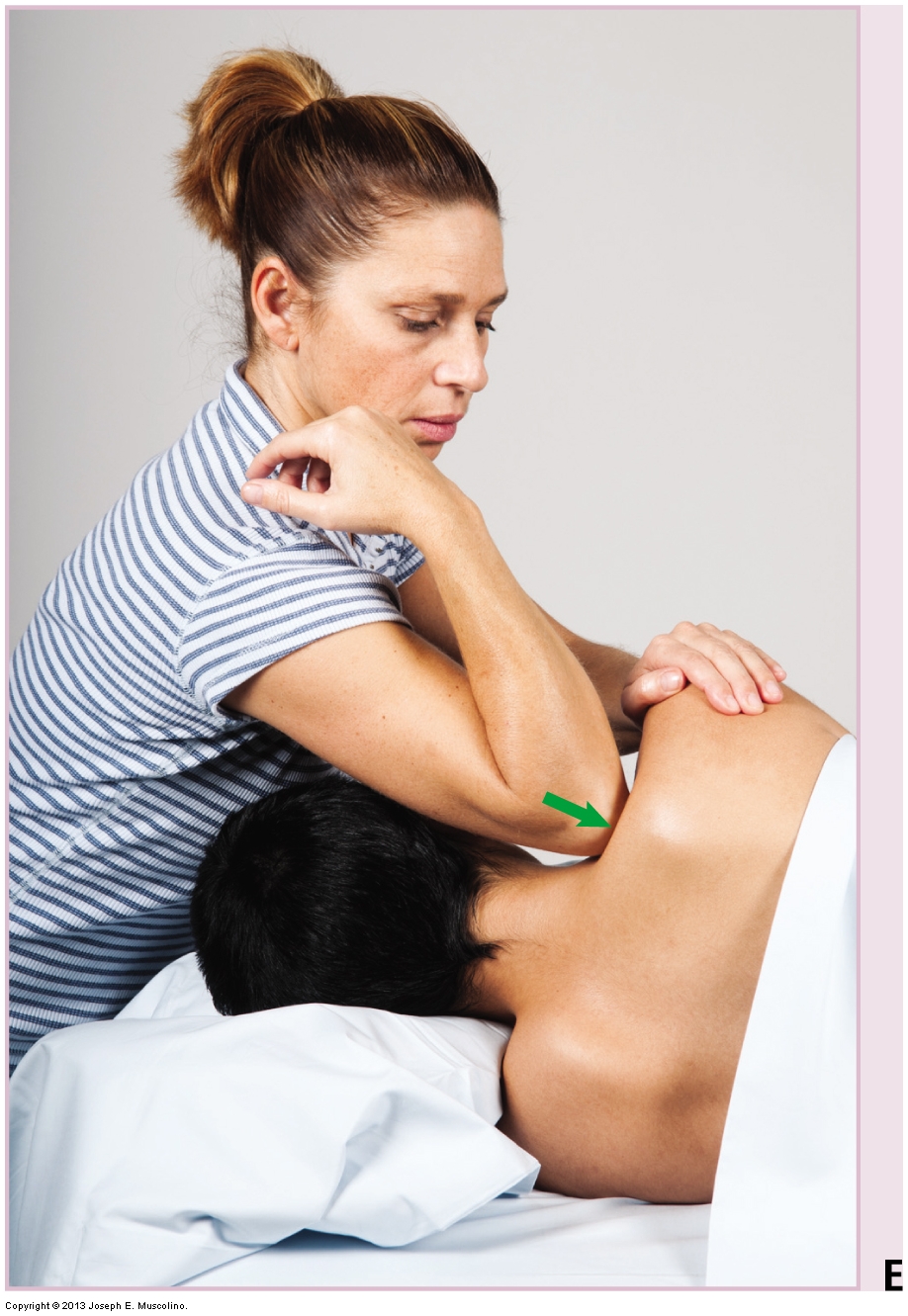
When performing deep pressure massage into the neck, maximal pressure for minimal effort is achieved if the angle of your pressure into the client is perpendicular to the contour of the neck where you are working.
Neck Deep Pressure Massage: Step by Step – Use Your Core
For deep pressure massage to the neck, align your core with your stroke by laterally (externally) rotating your arm at the shoulder joint so that your elbow is positioned in front of your core. Now lock your elbow into your core just inside (and usually slight above) your anterior superior iliac spine.
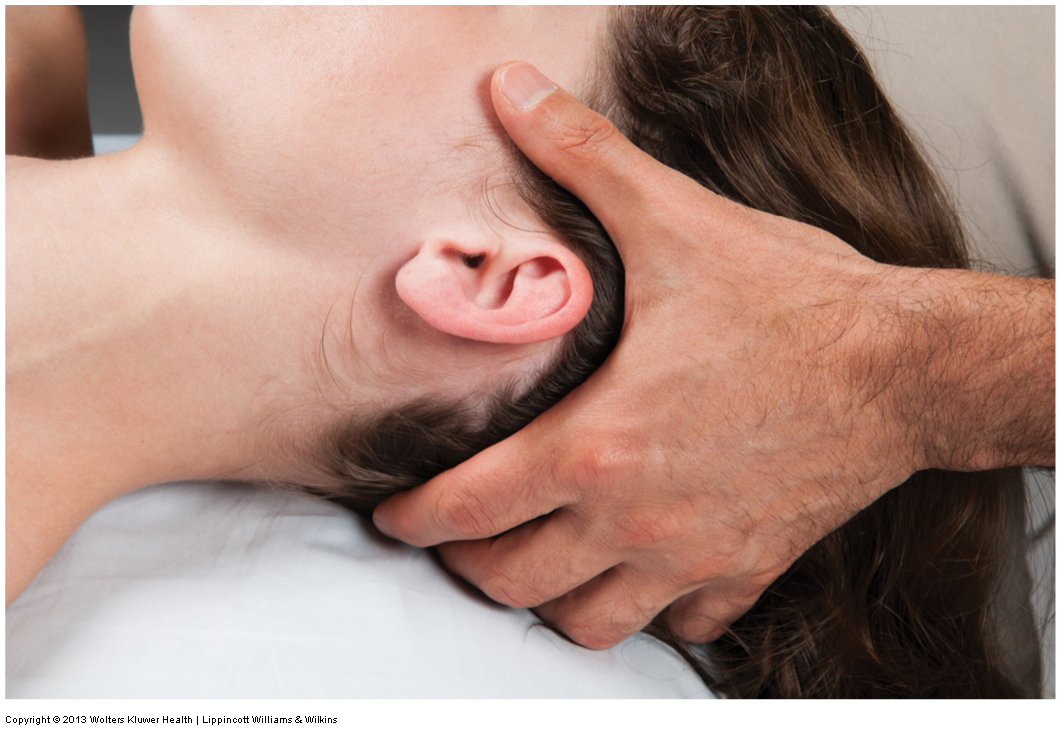
Neck Deep Pressure Massage: Step by Step –Â Contacts
Even perfect body mechanics cannot eliminate all physical stress to your body when doing massage. Ideal body mechanics merely minimize the stress. For this reason, when doing massage, especially deep pressure massage, it is wise to alternate which treatment hand contact you use during a session.
Neck Deep Pressure Massage: Step by Step – Positioning
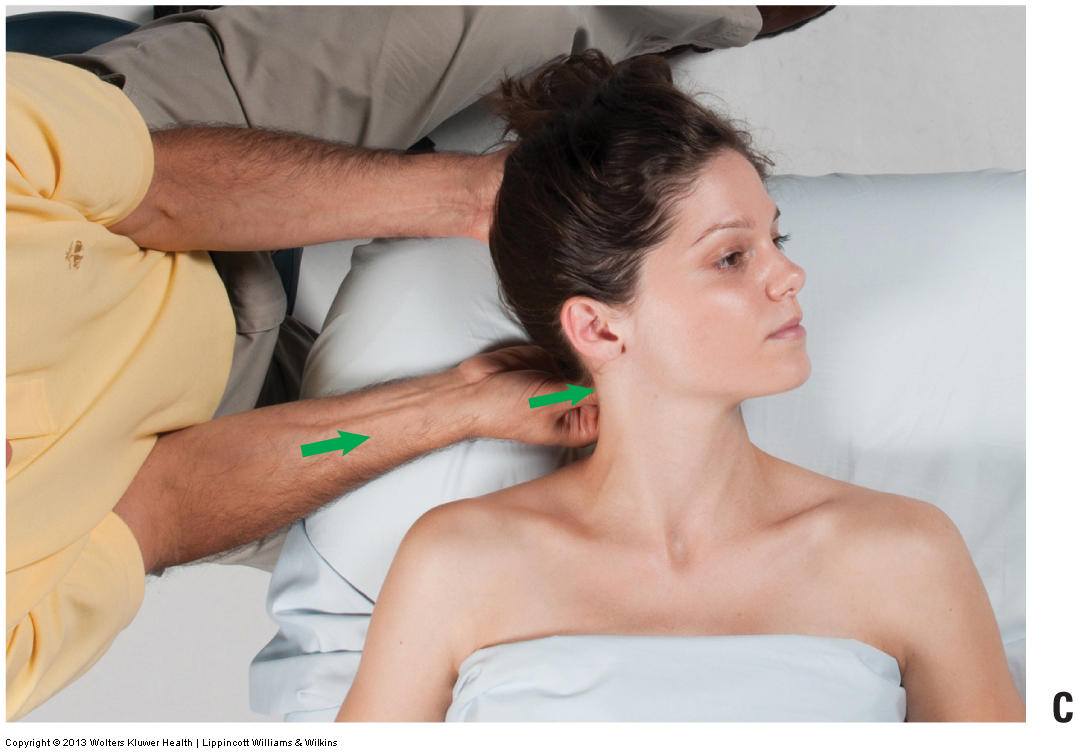
When performing deep pressure massage for the neck with the client supine, it is typical for the therapist to sit, centered at the head of the table. However, this does not allow for efficient body mechanics because it is difficult or impossible to position your core in line with the stroke.
Neck Deep Pressure Massage: Overview
The science of performing deep tissue work to the neck follows the laws of physics and, whenever possible, involves the use of body weight and the contraction of larger muscles instead of smaller ones. The art of performing deep tissue work lies in exactly how these guidelines are carried out and applied.
Neck Deep Pressure Massage: Using Bodyweight and Muscular Effort
We can take advantage of our body weight to generate deep pressure massage into the client’s tissues by simply leaning into the client. Pressure derived this way is effectively free because it takes no effort on our part. For this reason, it should be used whenever possible.
Neck Deep Pressure Massage: Step by Step – Prone and Side-Lying
Side-lying position for deep pressure massage into the neck can be very effective and can allow for effective longitudinal as well as transverse cross-fiber strokes; however, it is important to avoid exerting deep pressure too far anteriorly onto the transverse processes of the client’s neck.