Four of the most common causes of tight muscles of the low back (or anywhere in the body) are: overuse, splinting, adaptive shortening, and overstretching.
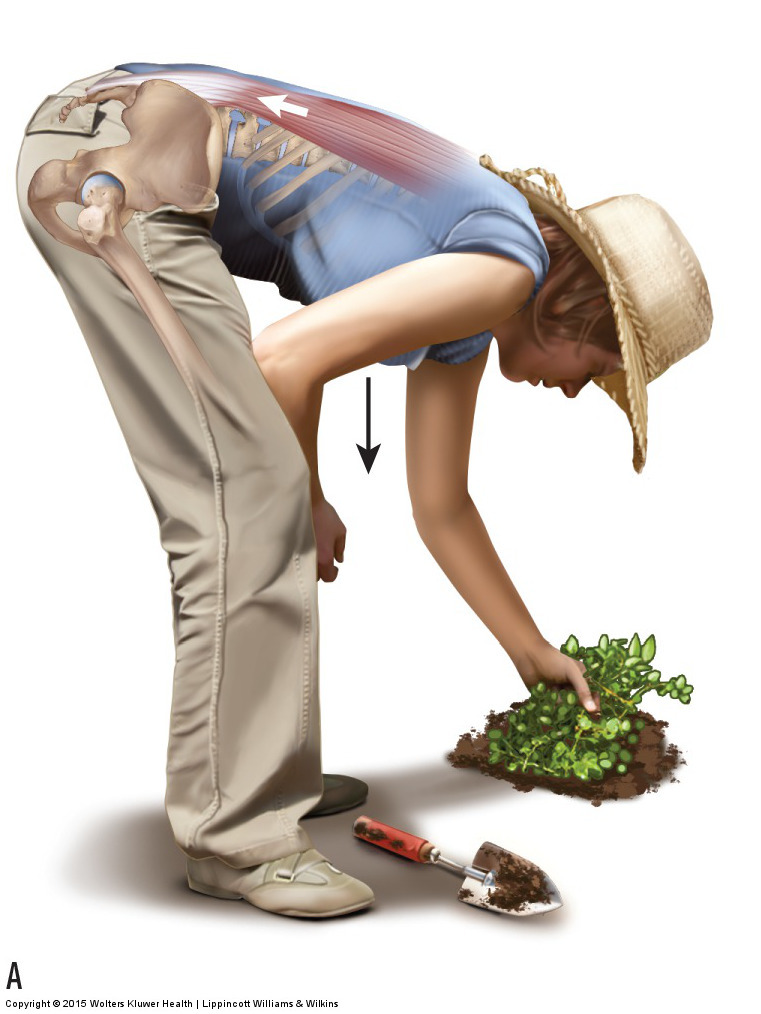
Four of the most common causes of tight muscles of the low back (or anywhere in the body) are: overuse, splinting, adaptive shortening, and overstretching.
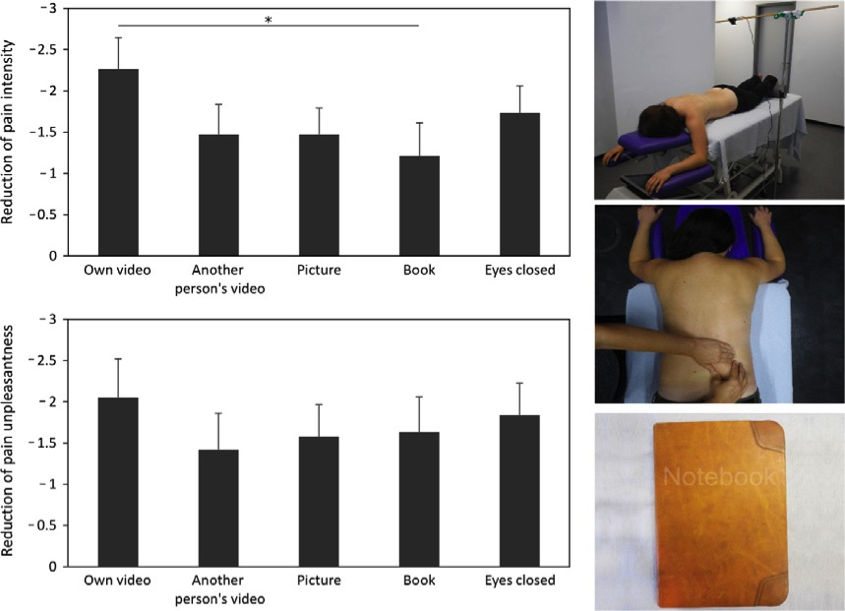
A study from Germany investigated whether watching one’s back during massage increases the analgesic effect of this treatment for lower back pain patients.
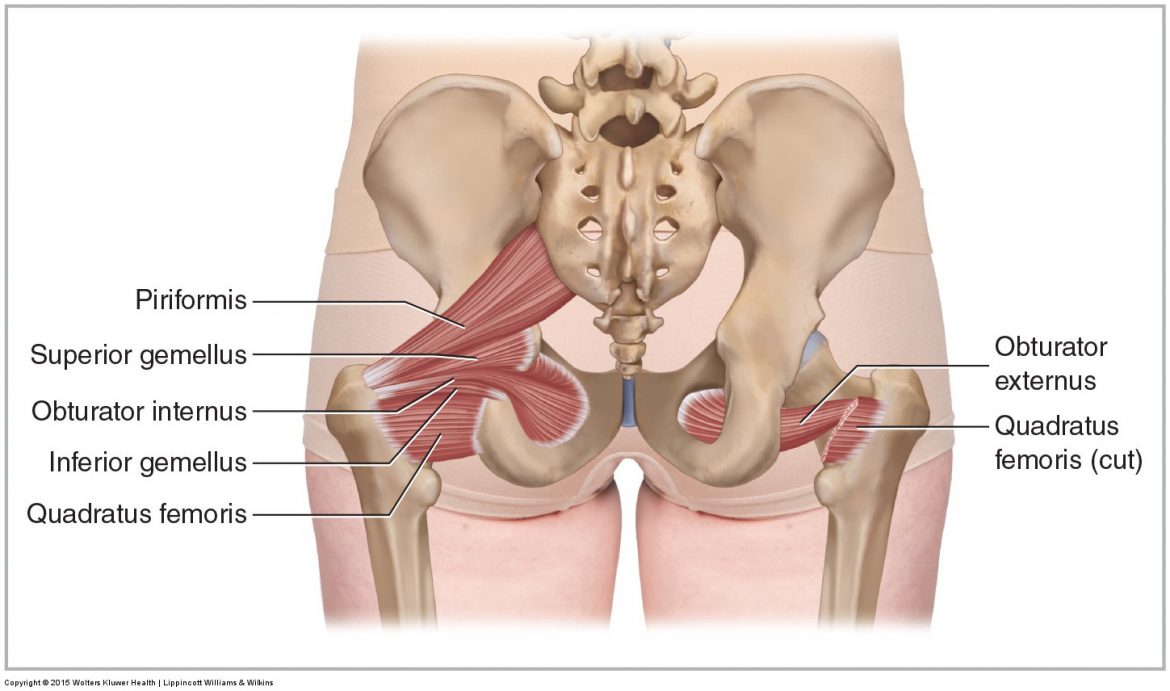
Pelvic musculature: 1. cross the LS joint onto the trunk 2. cross the hip joint onto the thigh/leg 3. pelvic floor muscles located wholly within the pelvis
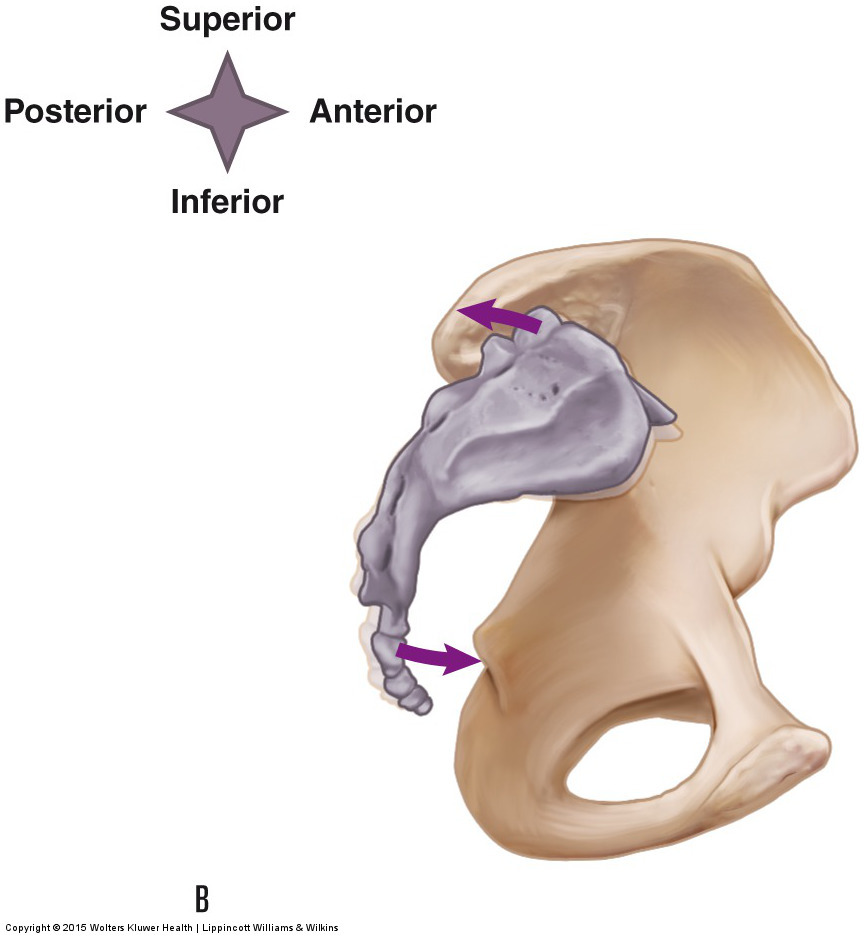
Motions of the Joints of the Pelvis This blog post article is an overview of the motions of the joints of the pelvis: the paired left and right sacroiliac joints and the symphysis pubis joint. For more complete coverage of …
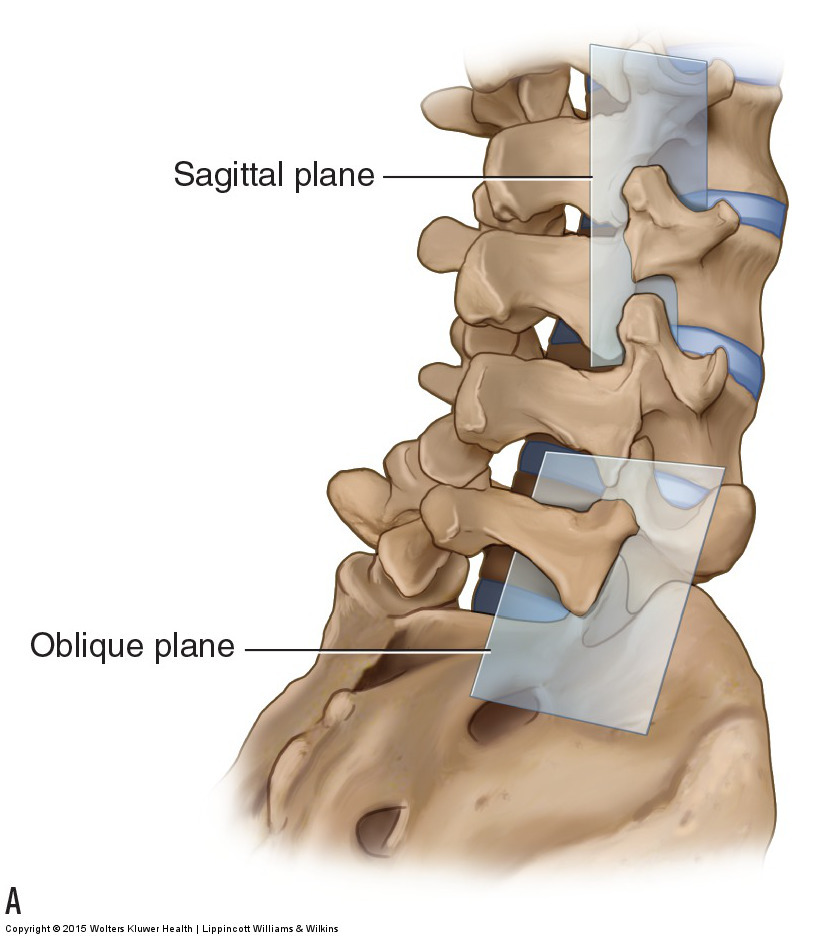
In the lumbar spine, three joints are located between each two adjacent vertebrae: one disc joint and two paired (left and right) facet joints.
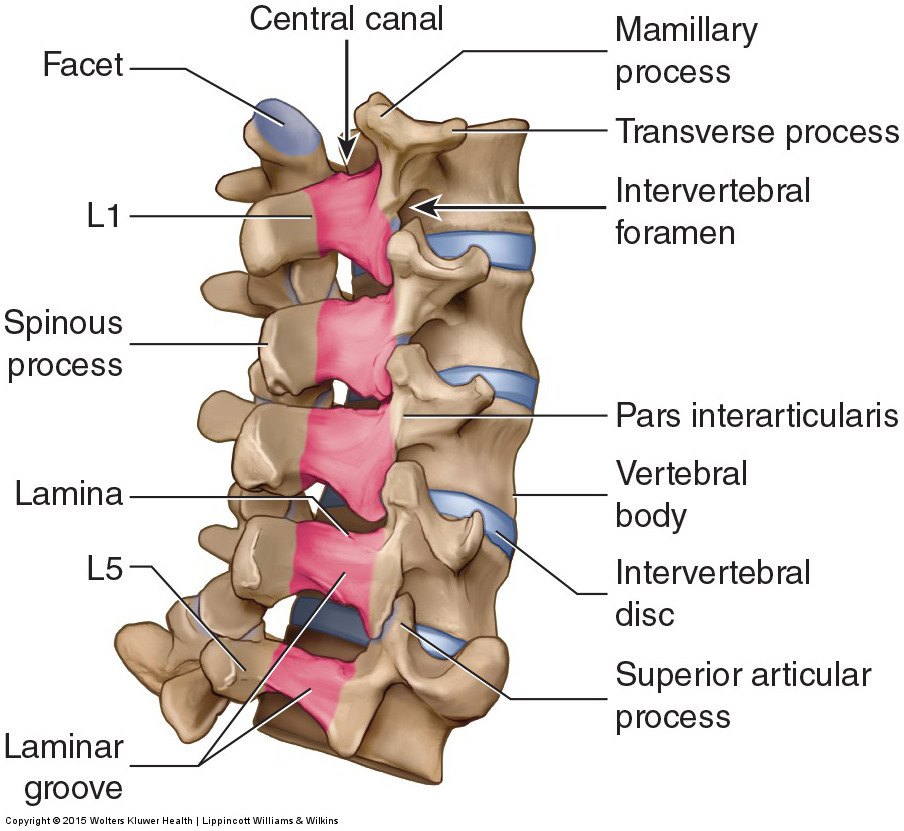
The low back is defined by the lumbar spine, composed of 5 vertebrae, named L1-L5. The pelvis is defined by the bones of the pelvic girdle.

Two main points for improving memory: Memory is the residue of thought. A cue is needed to recall something that has been successfully committed to memory.
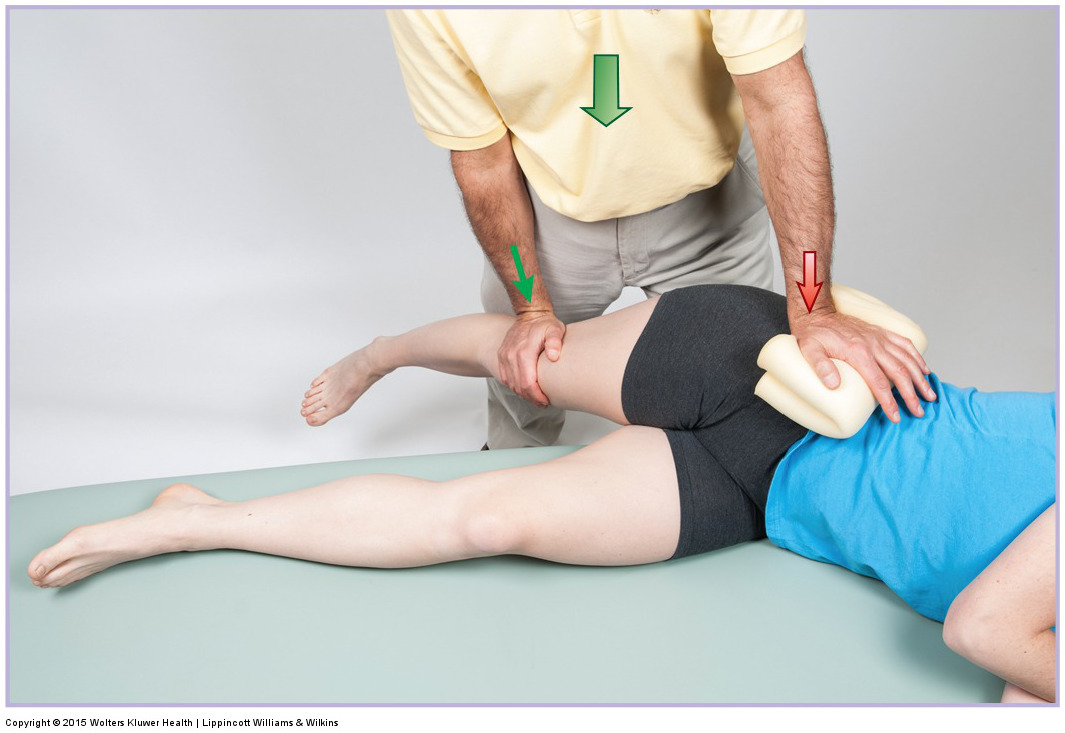
The major function of the gluteus medius is its “reverse” closed-chain action of pelvic depression at the hip joint to stabilize the pelvis when walking.
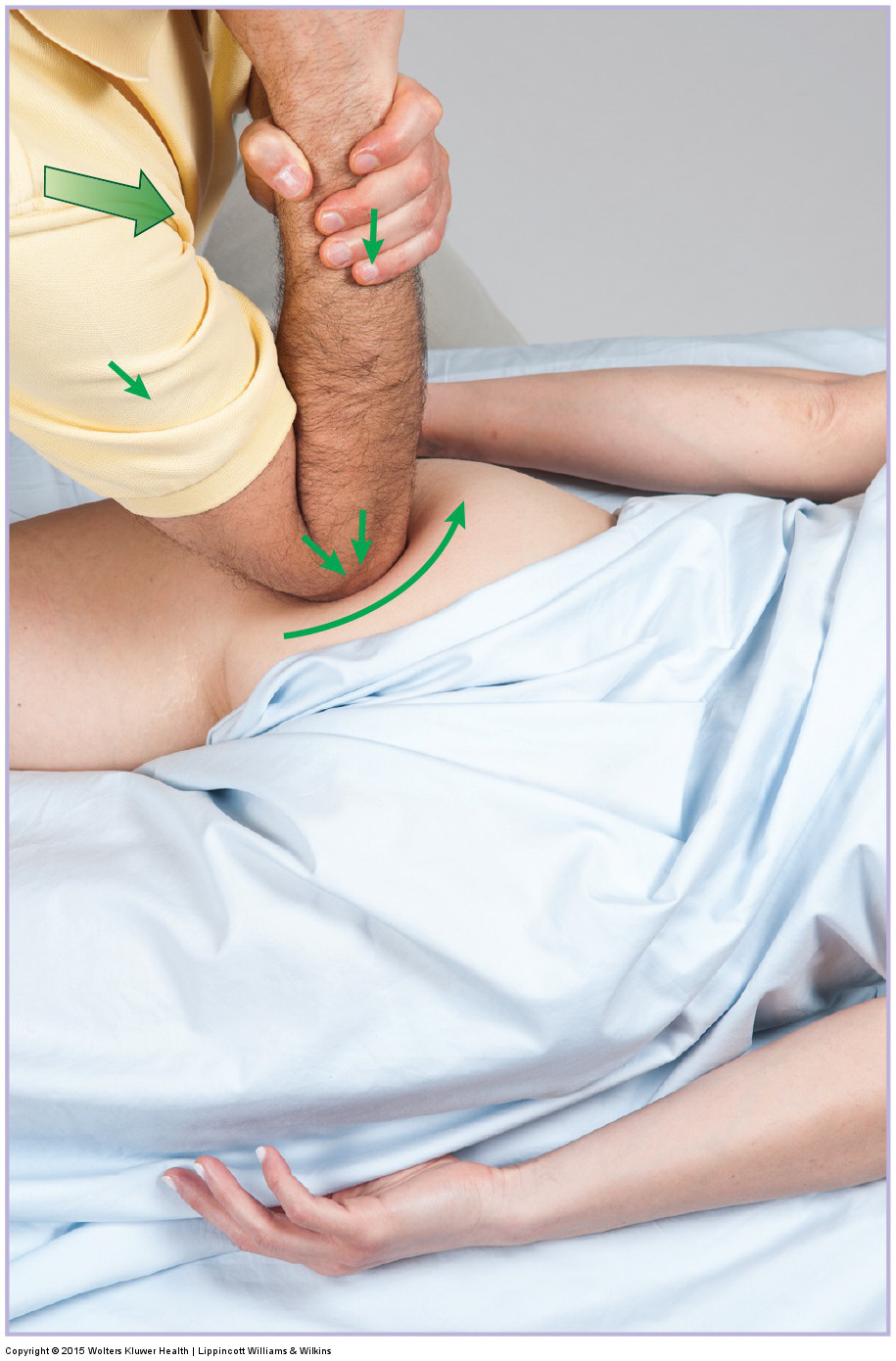
The most common question from a therapist to the client is: “How is the pressure?” The usual response is “Fine”, whether it is or not.
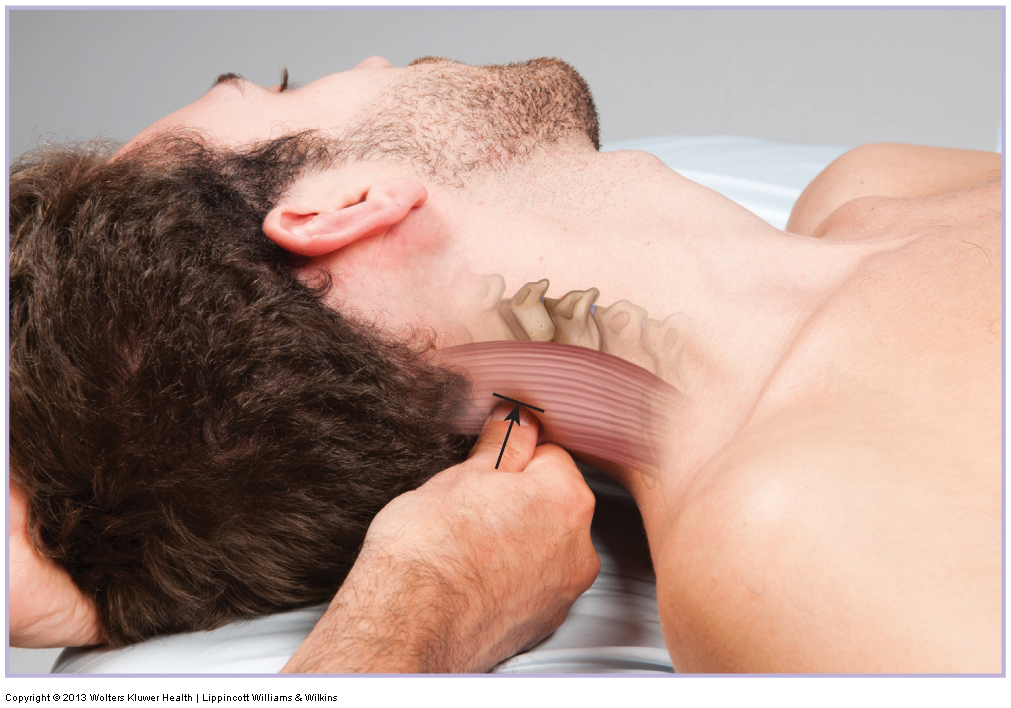
Tip for Therapists: Massage on stretch for superficial tissues like the trapezius. Massage on slack for deeper tissues like the suboccipitals.

People become happier when they think fast. It does not matter what was, the simple act of generating thoughts quickly made the participants happier.
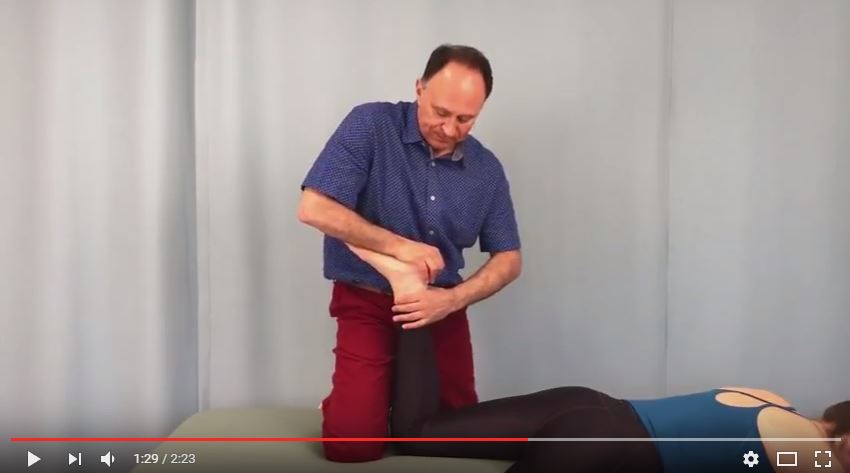
Neck traction performed with a towel, along with stabilization of the shoulder girdle, thereby increasing the strength of the traction force.

Muscle memory describes the concept that musculature contracts in patterns for both posture and motion, and these patterns reside in the nervous system.
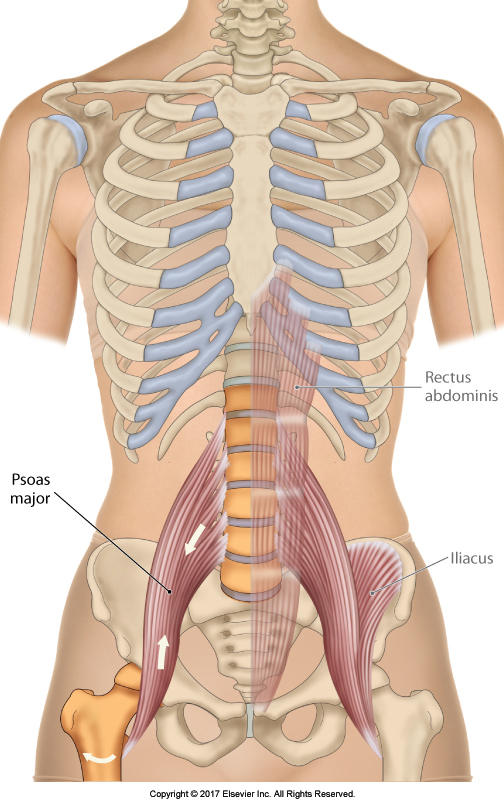
This blog post contains the cited research references for the eleven-part blog post series on Psoas Major Function that is found on Learnmuscles.com.
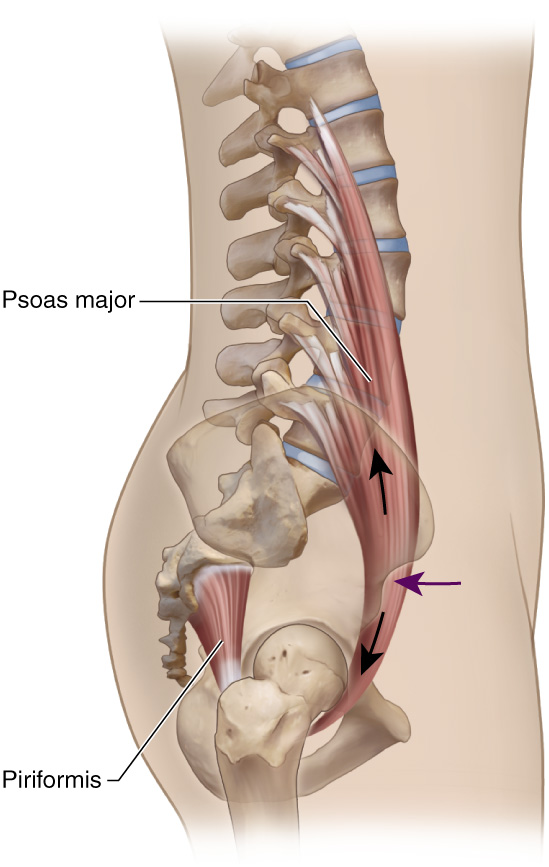
Looking at the psoas major from a biomechanical perspective might be the key to understanding this elusive and controversial muscle.

The psoas major’s has extensive fascial connections. The psoas major is part of the deep front line myofascial meridian (anatomy train).
The psoas major crosses the hip and spinal joints. However, it is often overlooked that the psoas major also crosses the sacroiliac joint.
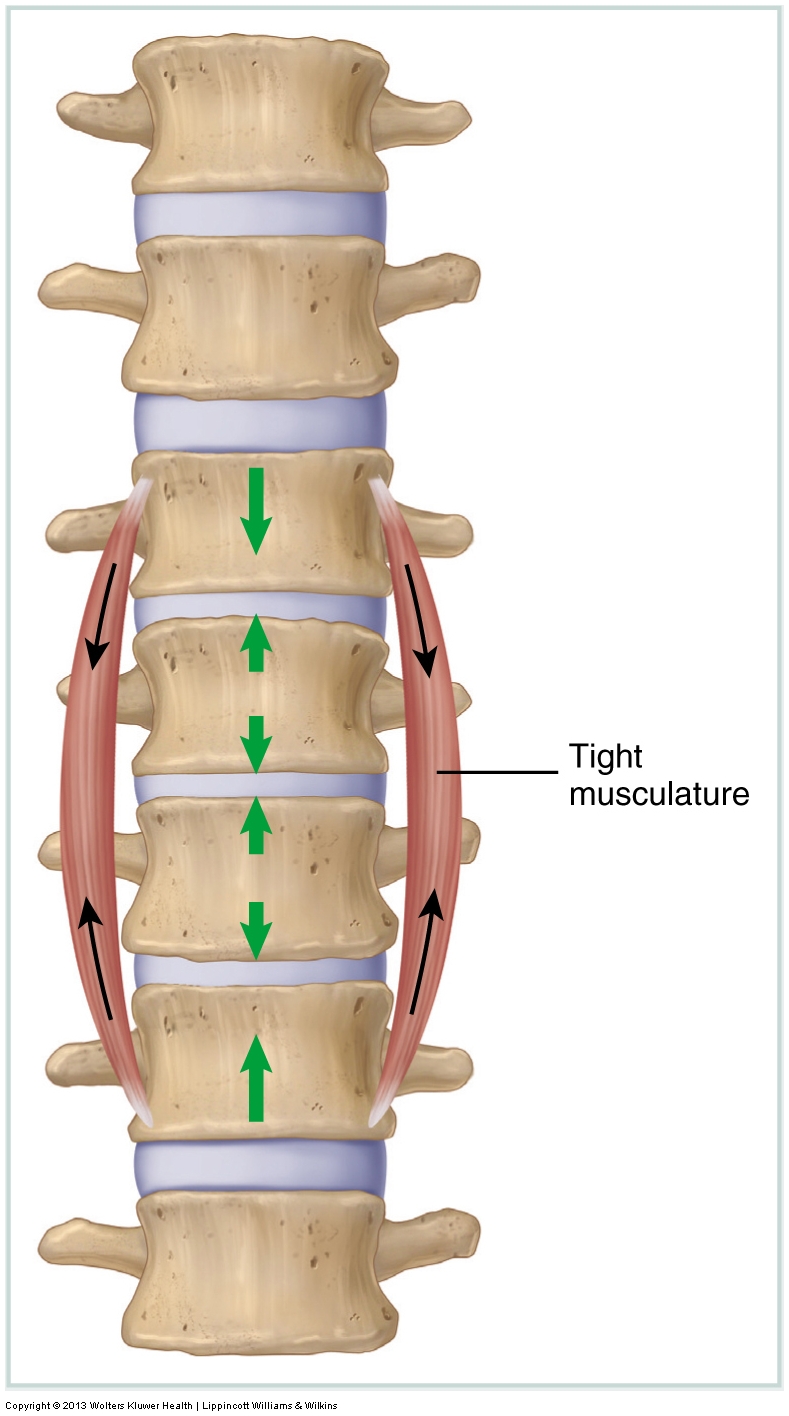
A healthy joint is both mobile and stable. However, some sources are concerned about the psoas major’s compression/stabilization effect upon the spine.
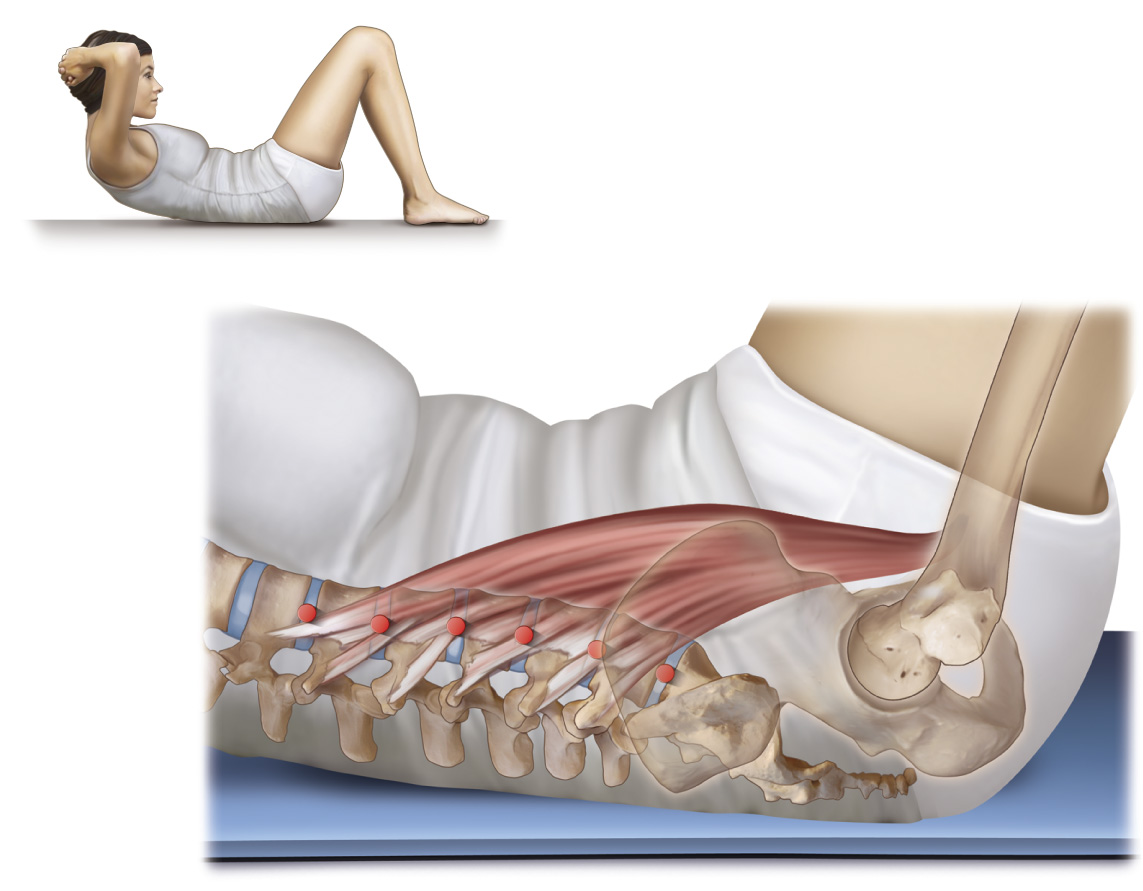
The psoas major’s sagittal plane lumbar spine joint action is by far its most controversial function. The term “psoas paradox” describes this controversy.
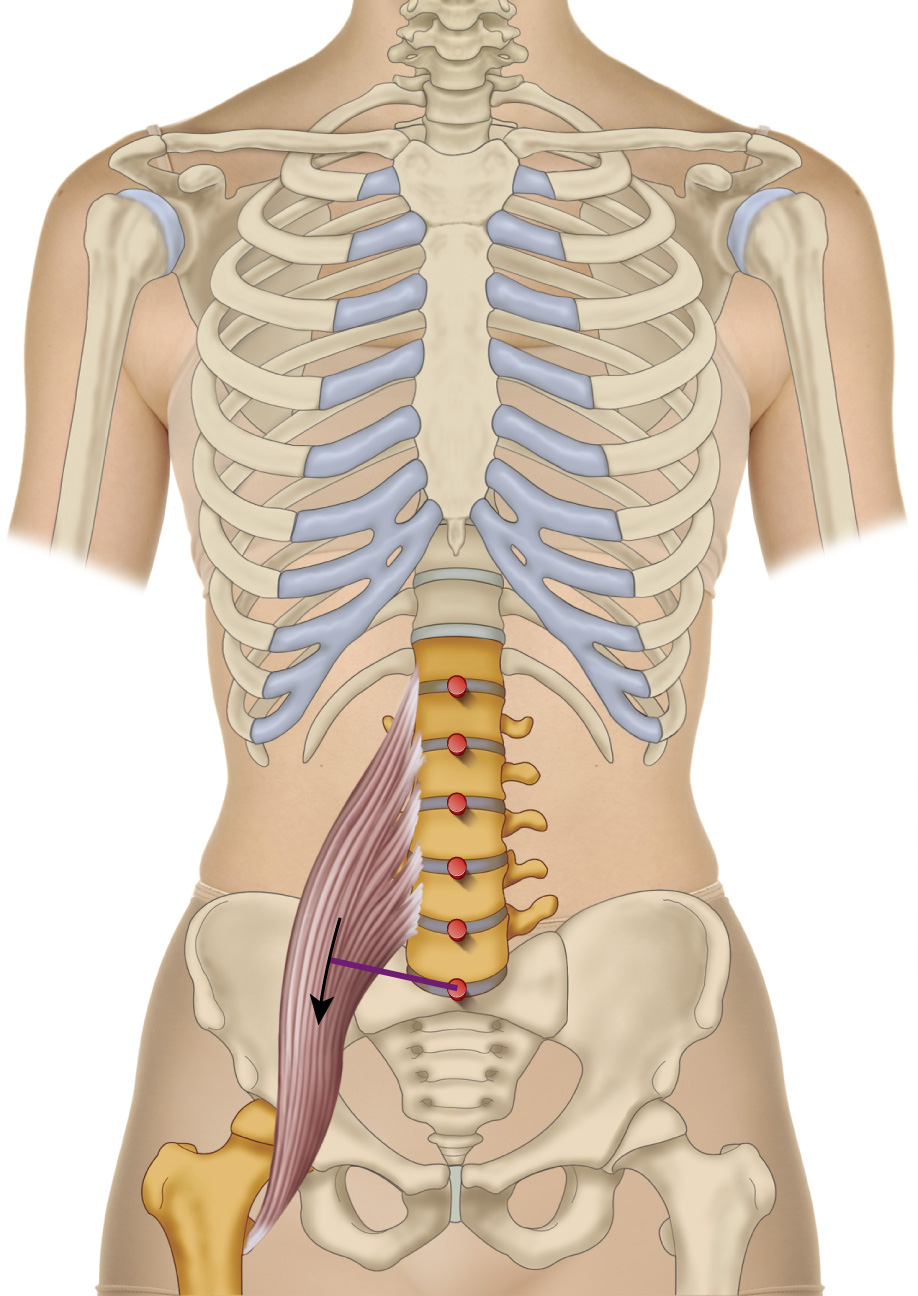
The frontal plane spinal action of the psoas major is fairly clear; it crosses the spinal joints laterally, so it lateral flexes the spine to that side.
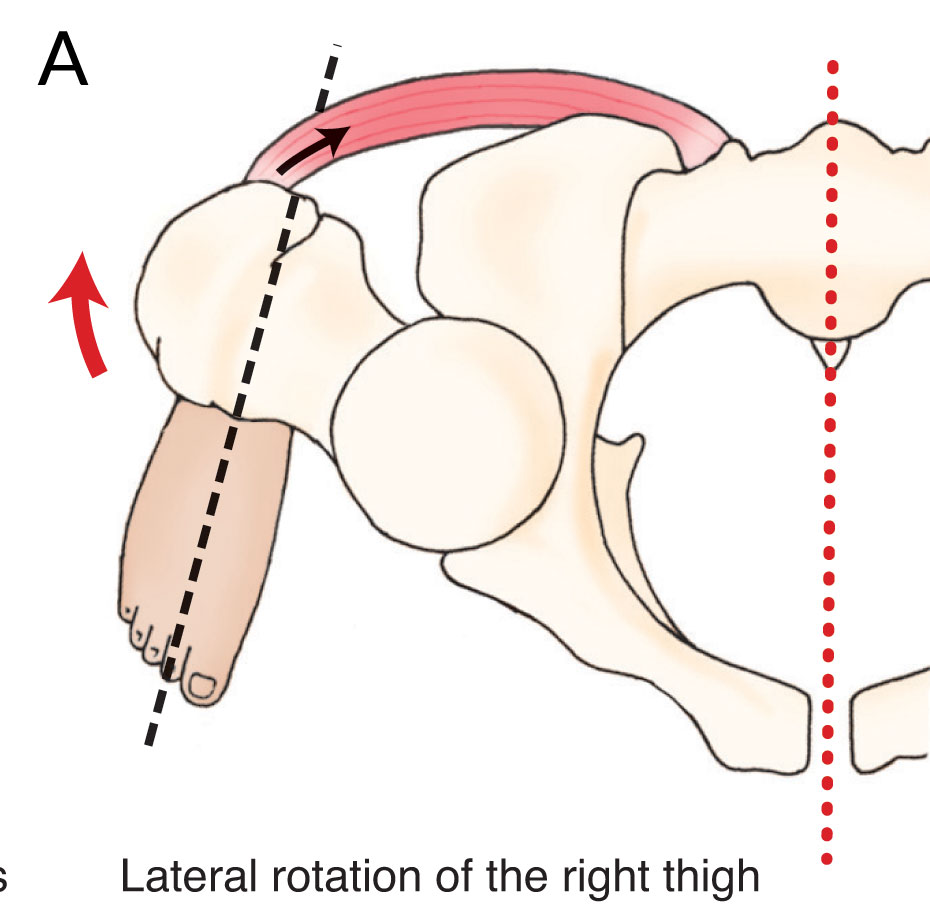
The function of the psoas major has been claimed to be both medial rotation and lateral rotation. However, most sources agree that it is a lateral rotator.
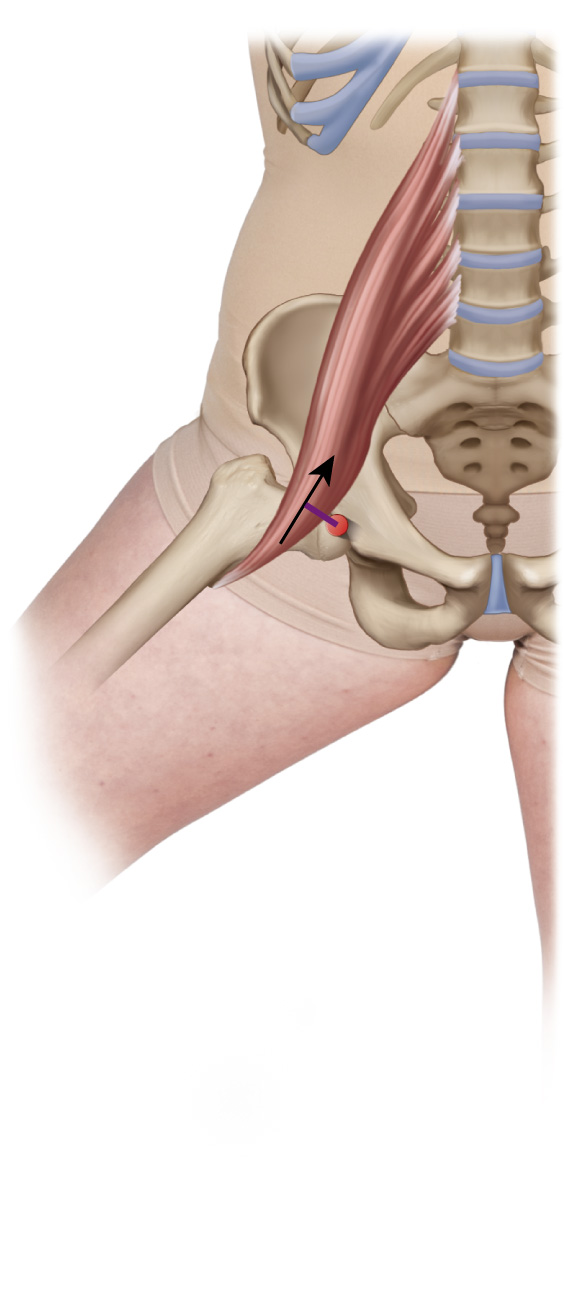
If the psoas major frontal plane open-chain action is abduction of the thigh at the hip joint, the closed-chain action is depression of the pelvis.
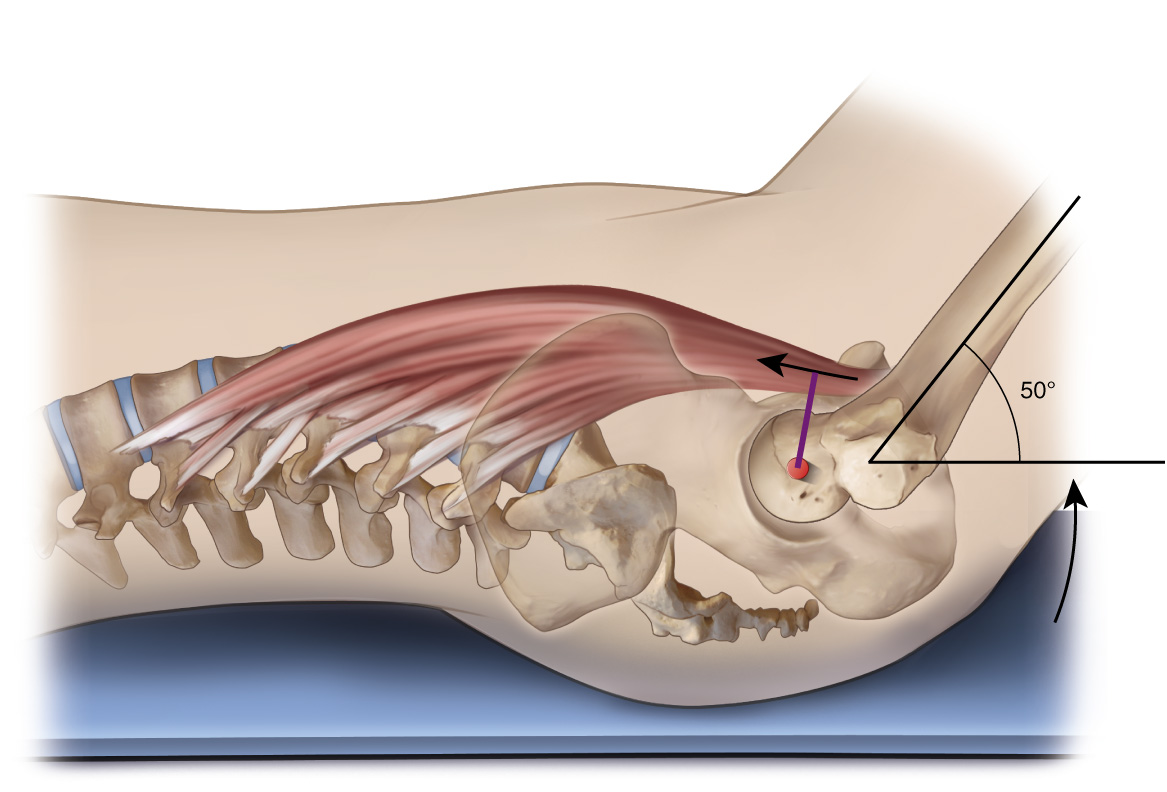
Note: This is the third blog post article in a series of 11 articles on Psoas Major Function. See below for the other articles in this series on psoas major function. The hip joint is a triaxial joint that allows …
The psoas major is first and foremost, a muscle of the hip joint; however it is more complicated because it also crosses the spinal joints.
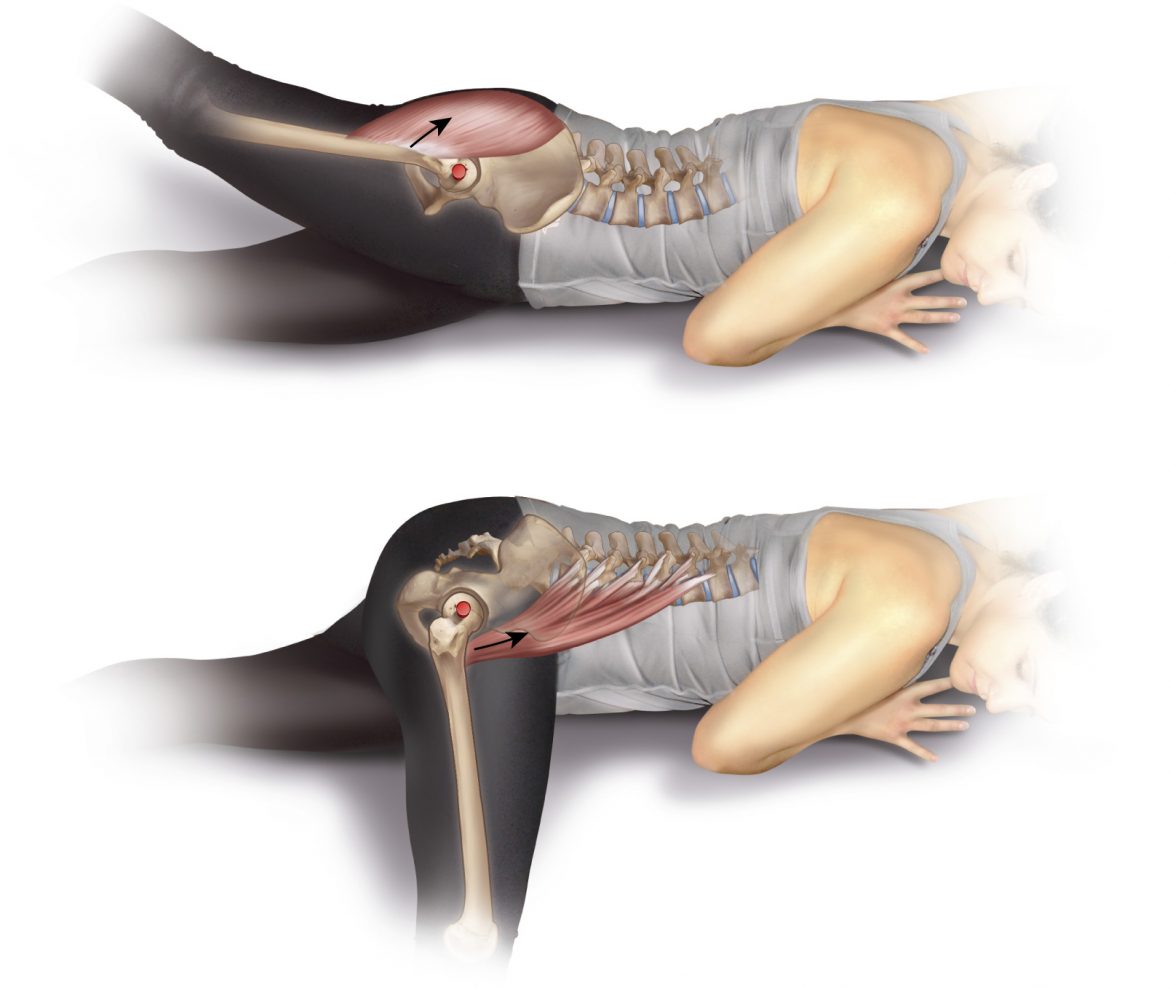
The Psoas Major may hold the distinction of being the most important as well as the most misunderstood muscle in the human body.
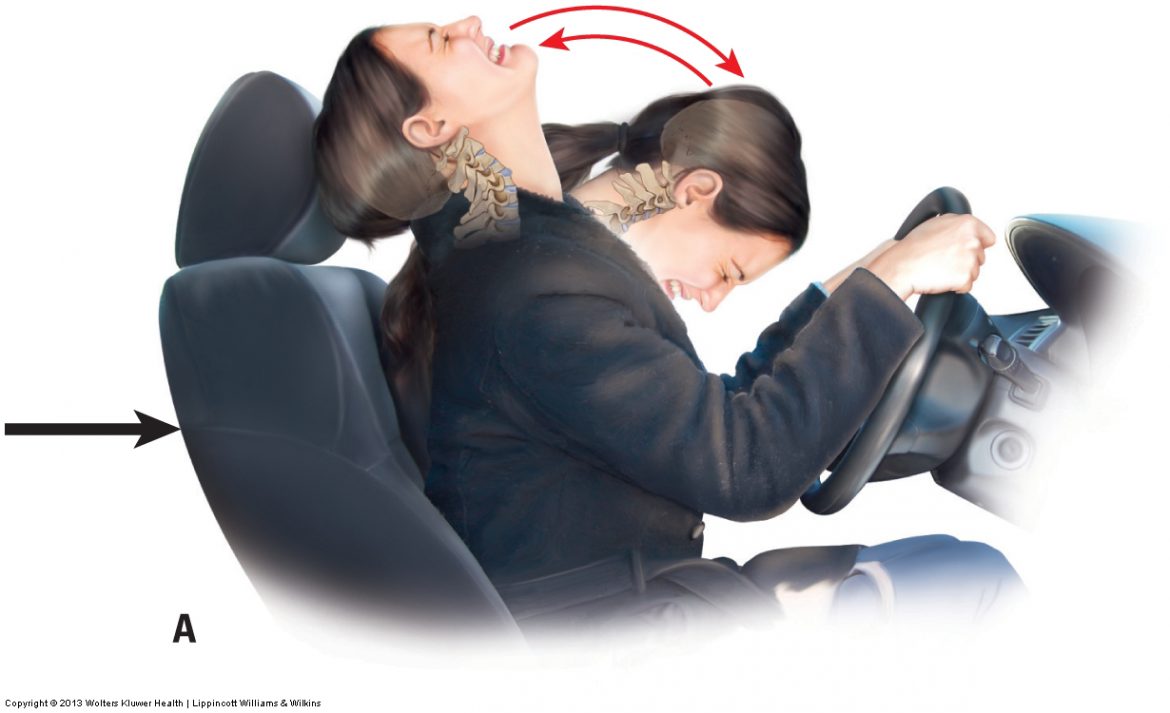
This blog post introduces and explains how the manual therapist can perform assessment and treatment for specific musculoskeletal conditions of the neck.
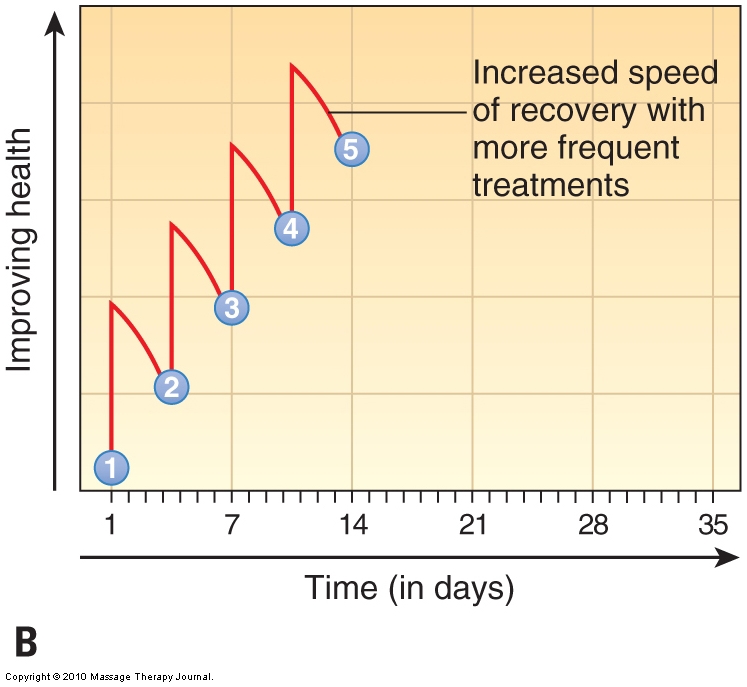
Sound Treatment Strategy: To perform effective manual therapy, frequency of care should be structured as in every other world of rehab: 2-3 x per week.
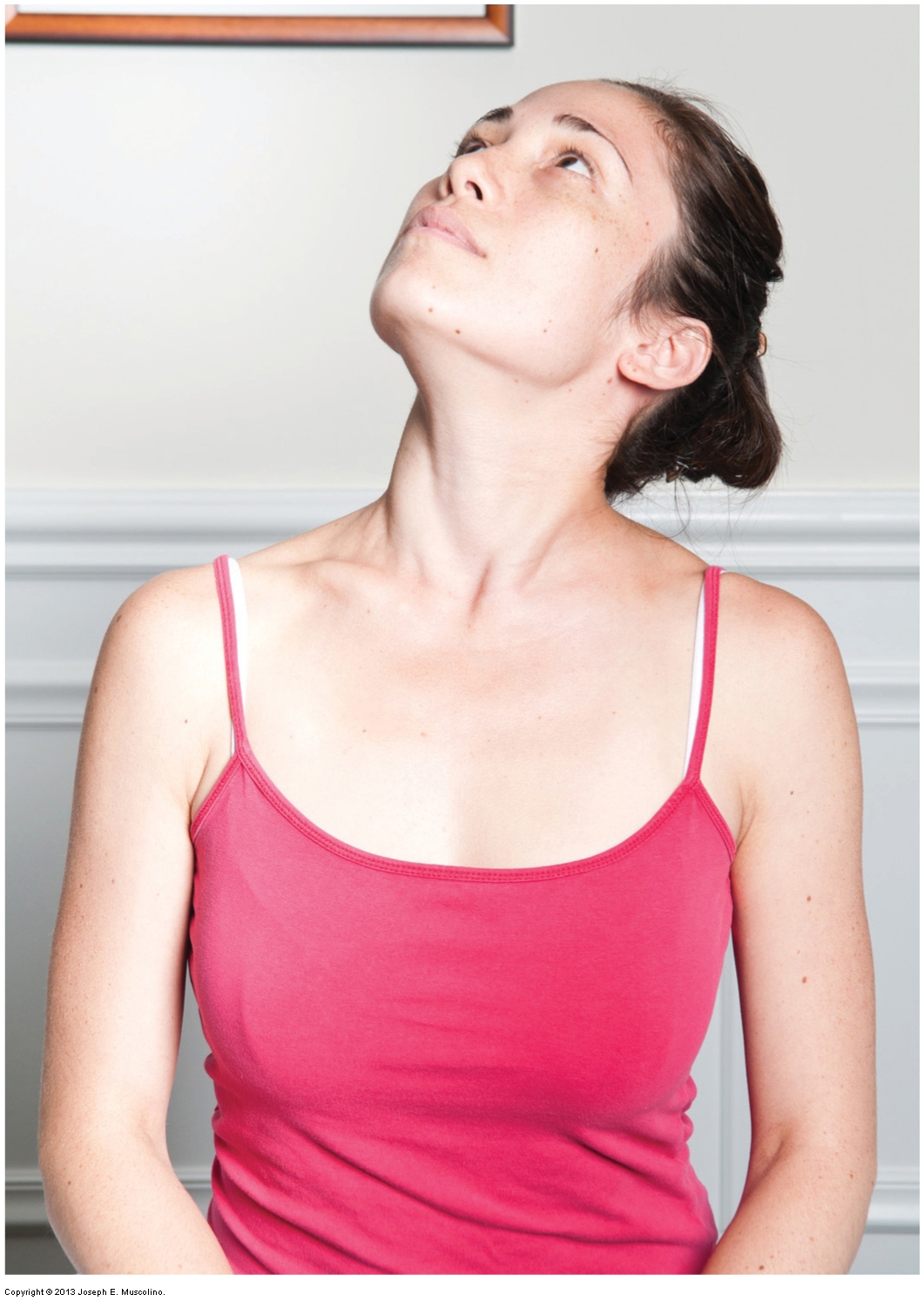
Vertebral artery competency test assessment is critically important to be performed if the neck will be stretched or mobilized during treatment.
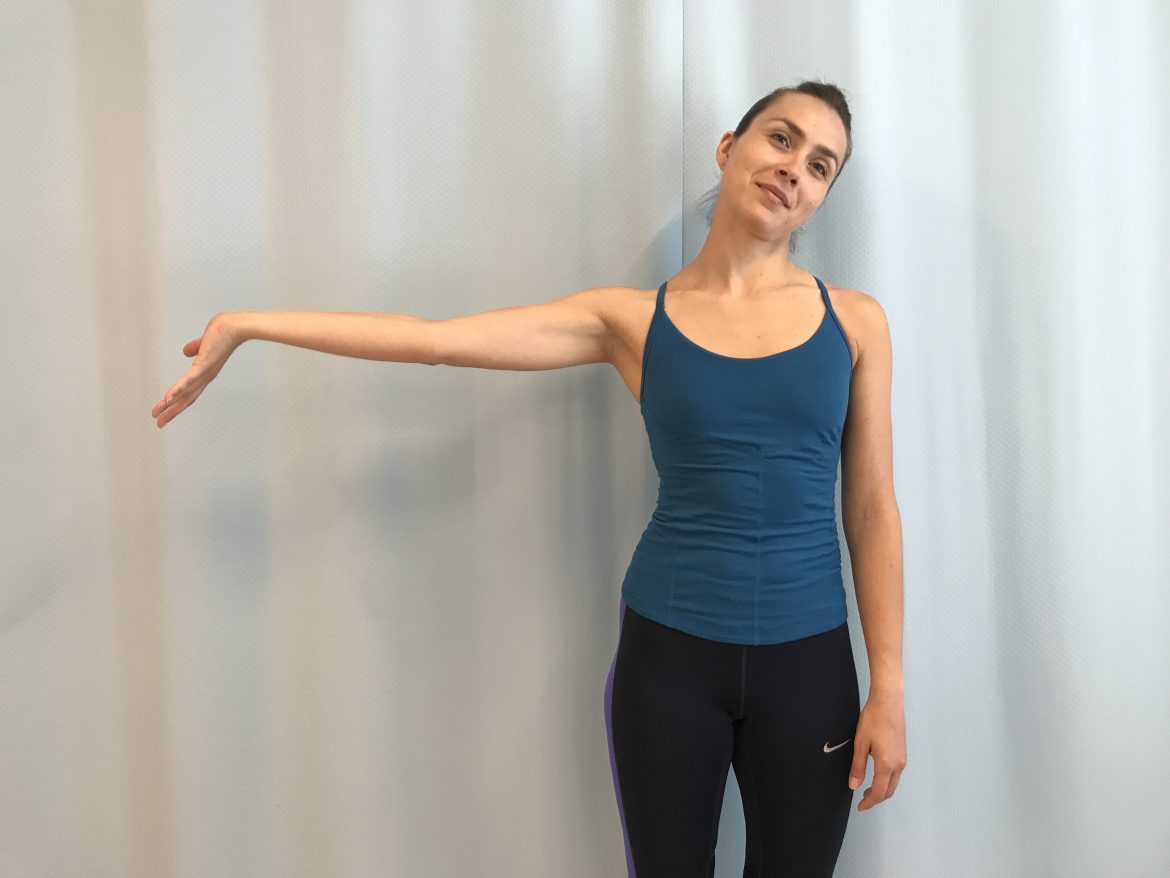
The brachial plexus tension test (BPTT) is actually a series of three tests, each one designed to assess one of the three major nerves that enter the hand.
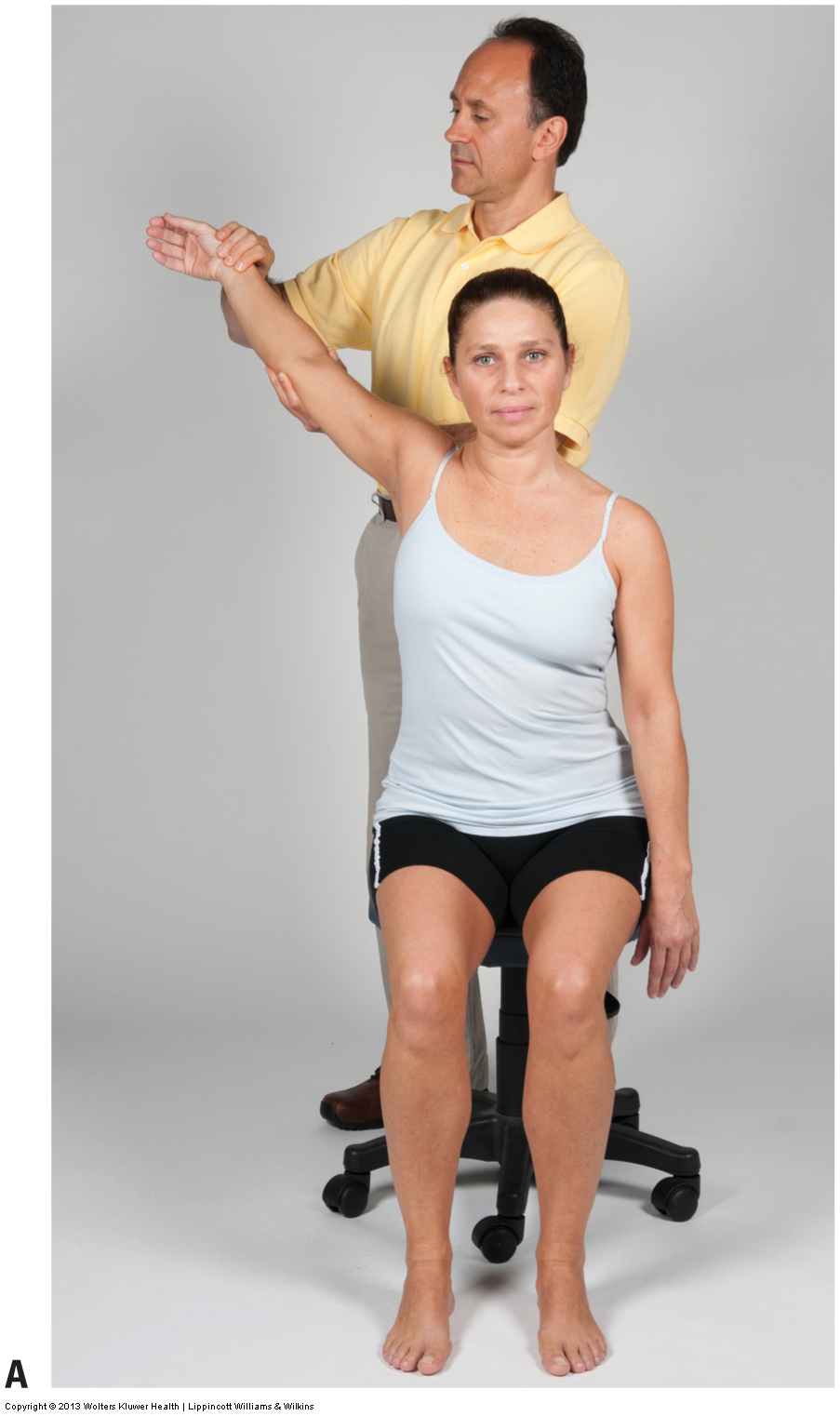
Thoracic Outlet Syndrome (TOS) is a very common set of posture dysfunctional patterns. Adson’s, Eden’s, & Wright’s tests are designed to assess TOS.
