Sometimes it is an unusual suspect, a less well-known muscle, that is the underlying cause of our client’s pain and dysfunction pattern.

Below you'll find a list of all posts that have been categorized as “Uncategorized”
Sometimes it is an unusual suspect, a less well-known muscle, that is the underlying cause of our client’s pain and dysfunction pattern.
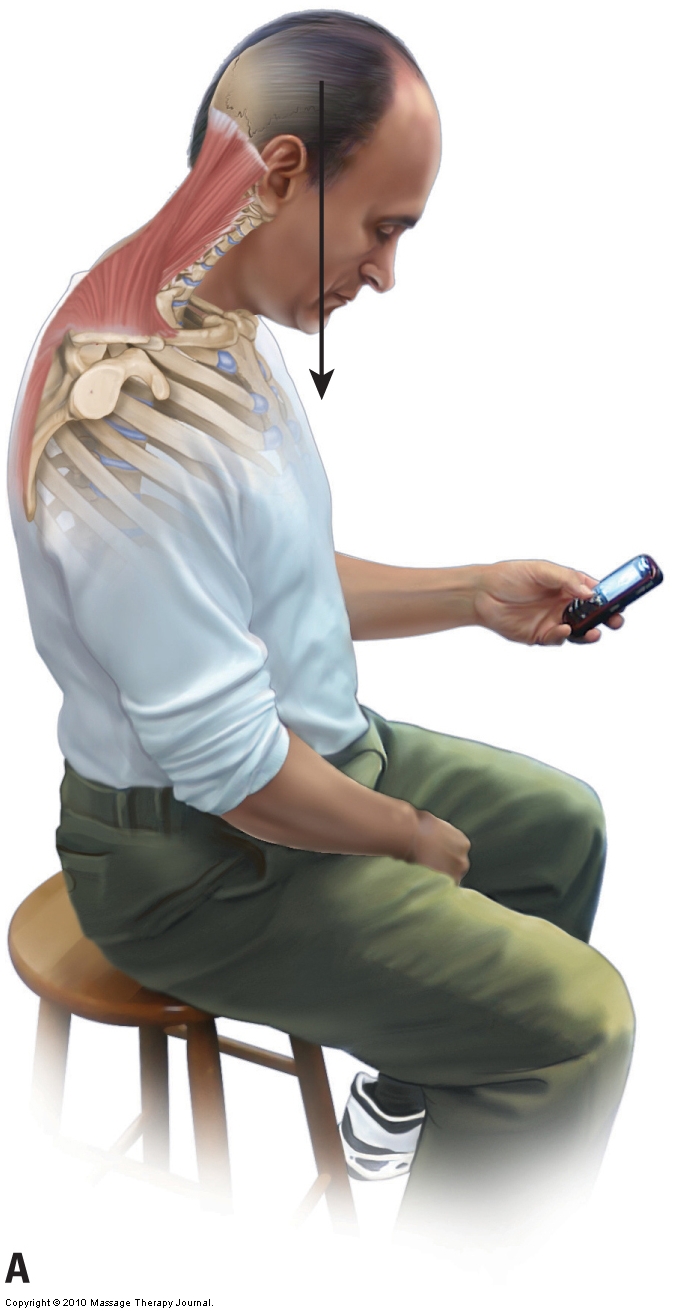
A tension headache is caused by excessive pulling force of tight muscles in the back of the neck that exert tension on their attachments on the head.
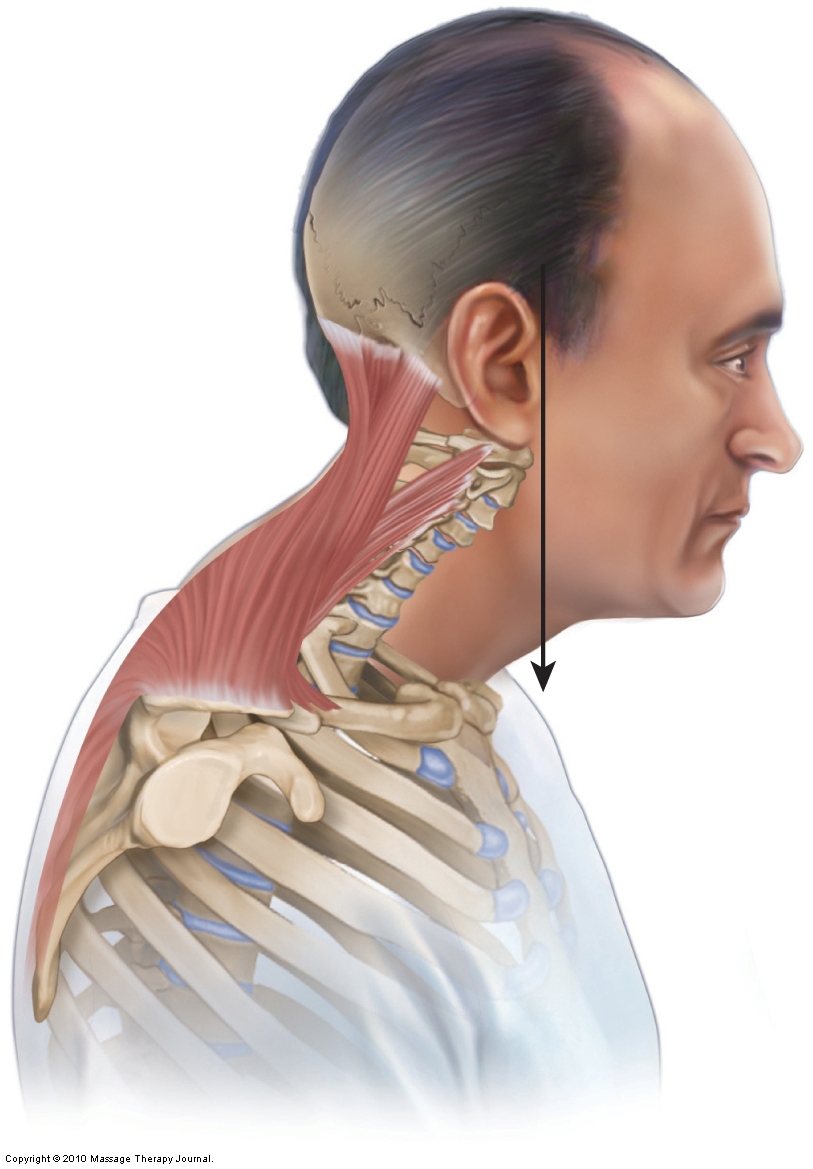
Forward head posture is extremely common, especially as we age. It is part of a larger posture dysfunctional pattern known as upper crossed syndrome.
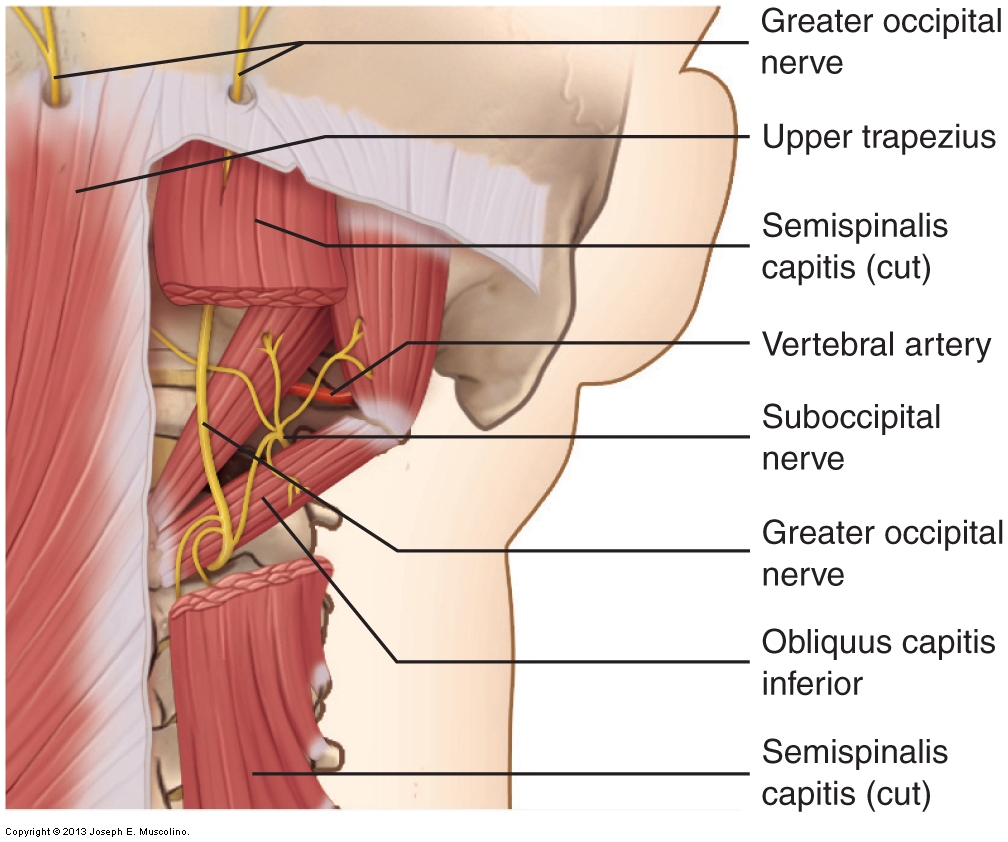
Greater occipital neuralgia is caused by compression of the greater occipital nerve, usually by a tight upper trapezius or semispinalis capitis muscle.
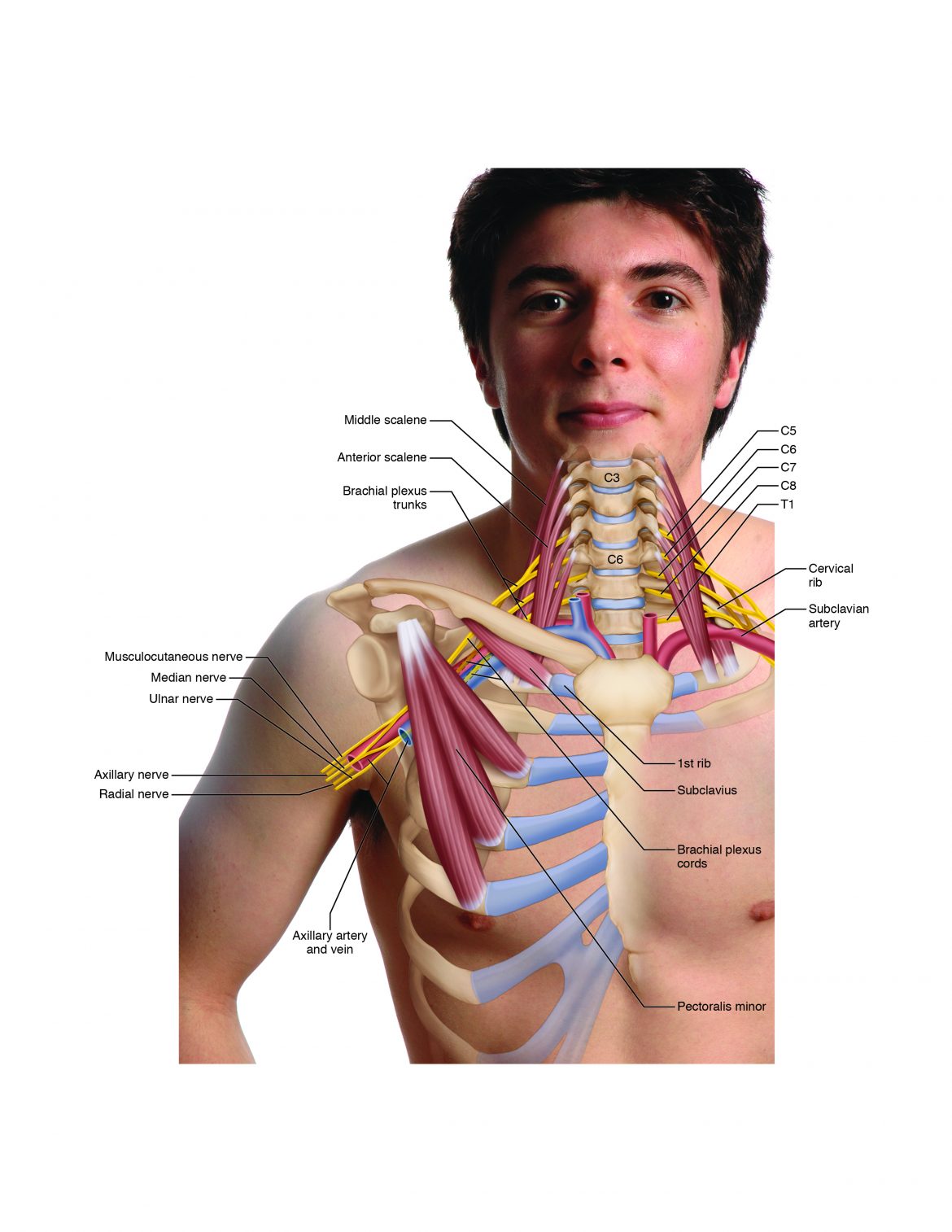
Thoracic outlet syndrome is a condition that causes compression of nerves and/or blood vessels where the thorax outlets into the upper extremity.
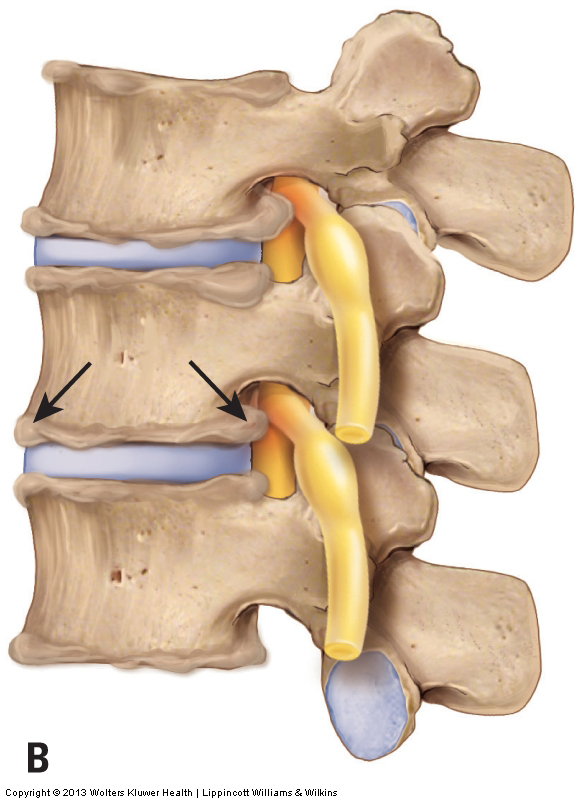
The causative mechanism of osteoarthritis is excessive physical stress placed on the joint, resulting in cartilage and then bony degeneration.
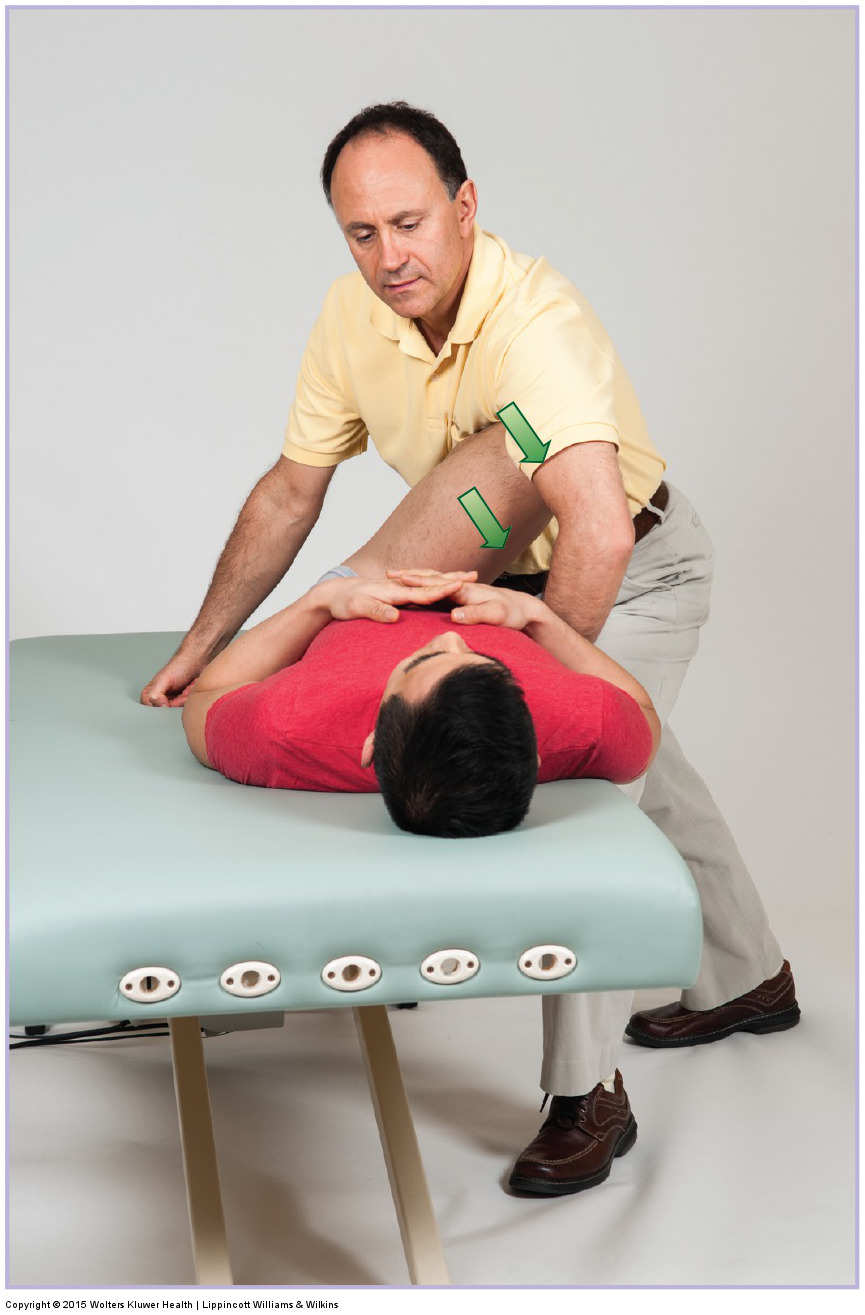
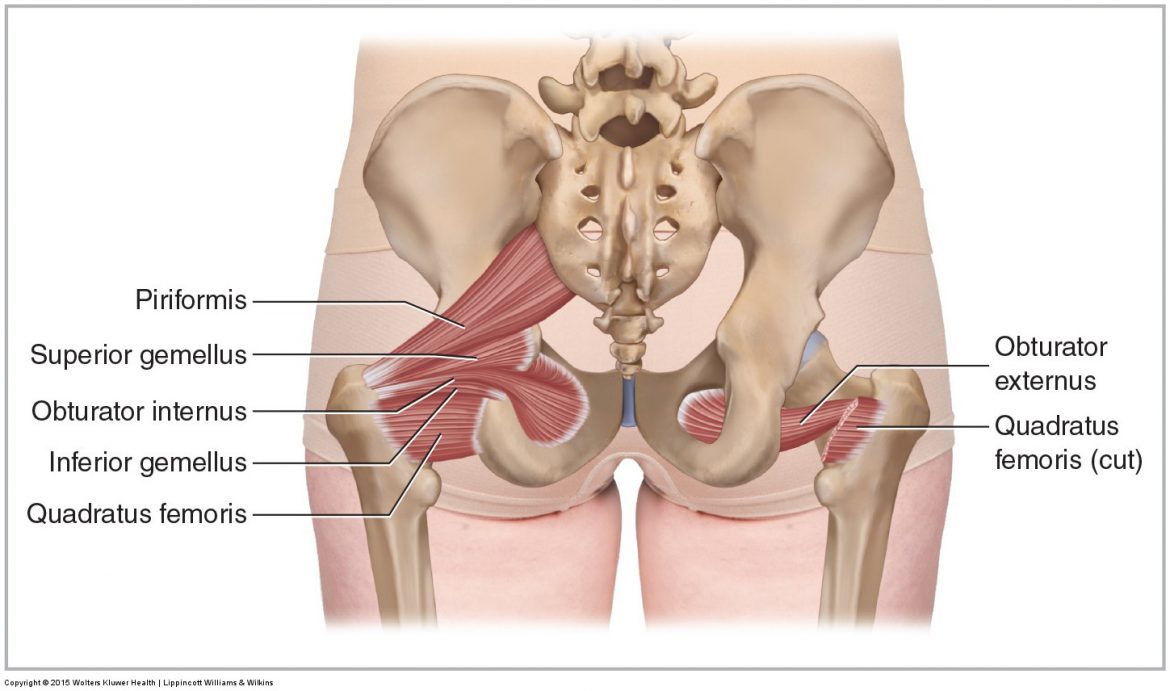
Manual therapy treatment for a tight piriformis (that can cause piriformis syndrome) involves moist heat, soft tissue manipulation, and stretching.
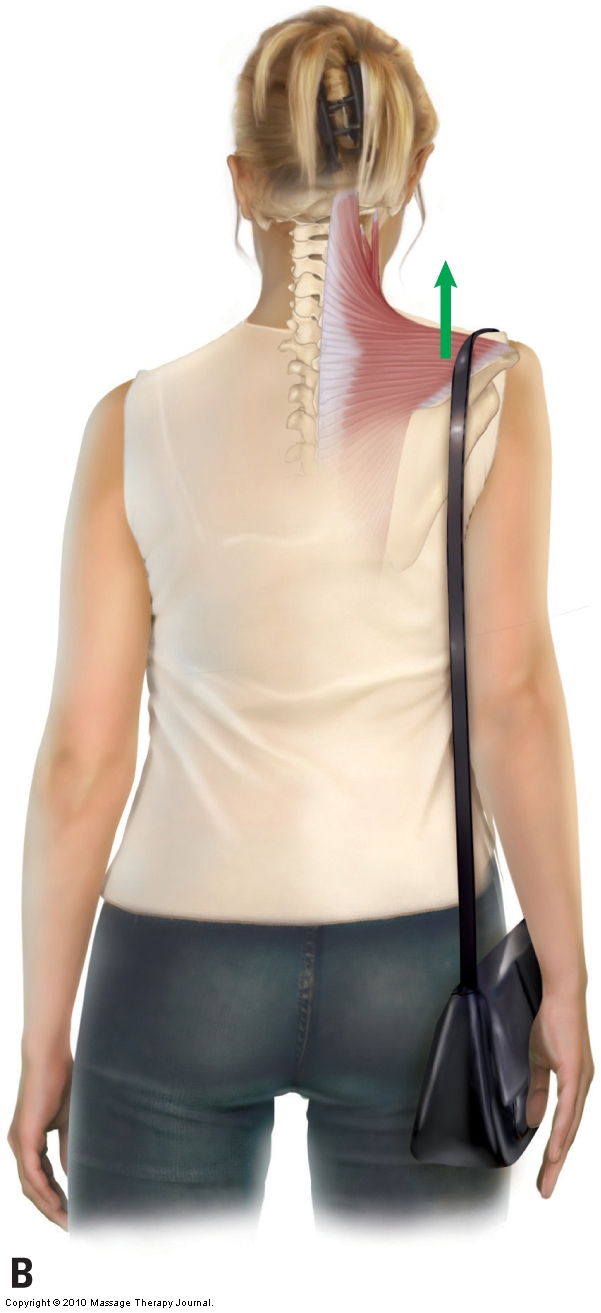
Tight musculature is the most common presenting complaint that a manual therapist will confront and is a component of every neck musculoskeletal condition.
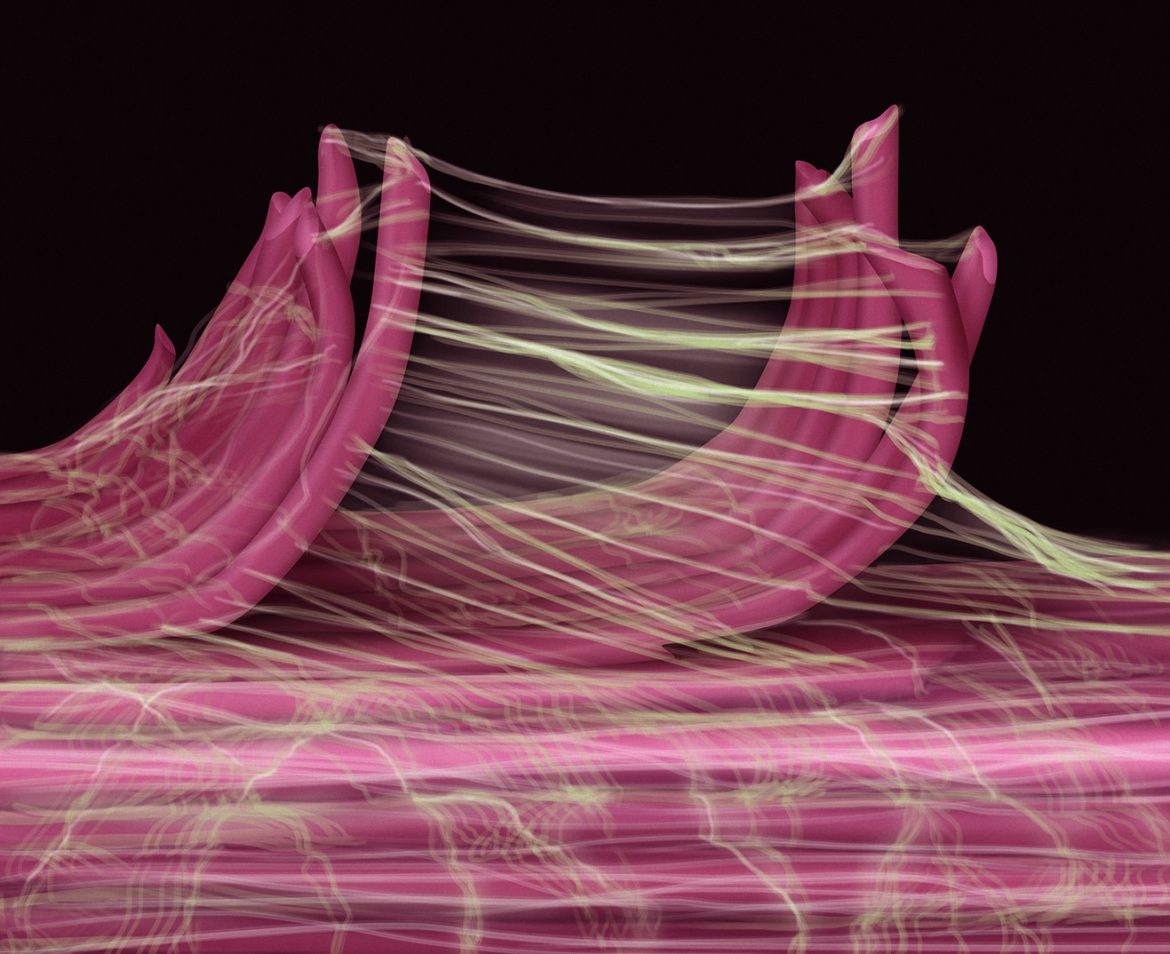
Fascial adhesions may bind together the two opposing surfaces of a soft tissue interface, resulting in restricted mobility.
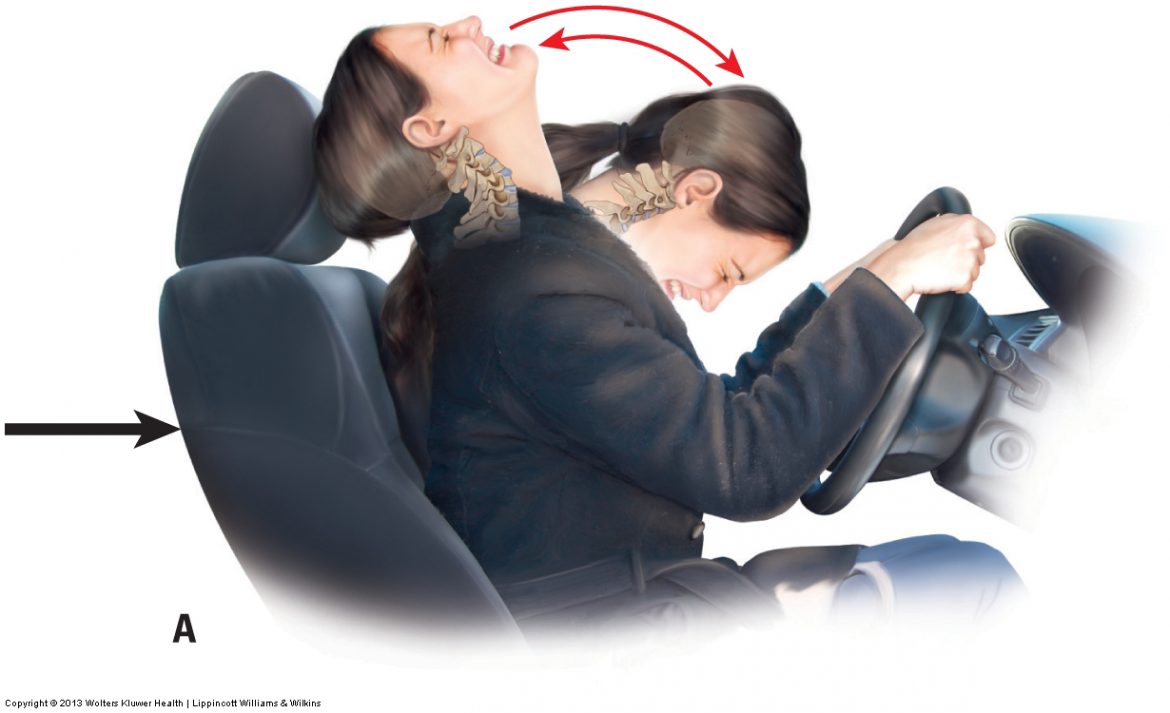
A whiplash is named for the characteristic whiplike motion of the person’s head/neck during a car accident, usually resulting in strain/sprain of the neck.
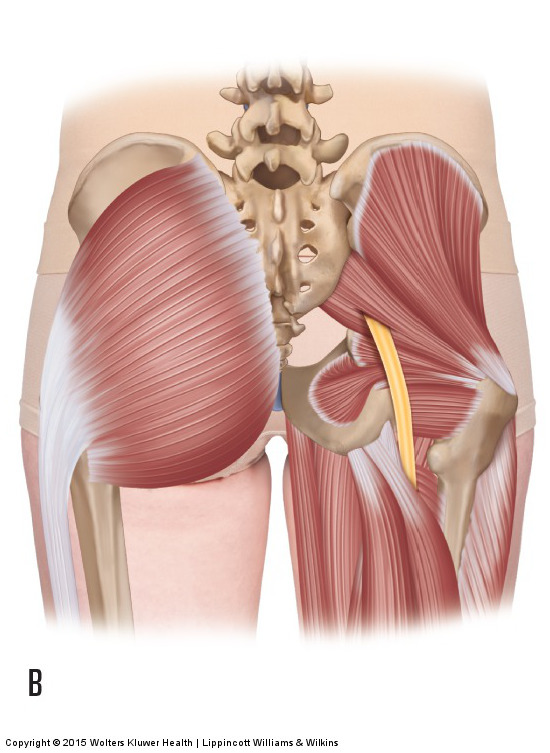
Piriformis syndrome causes compression upon the sciatic nerve; therefore it causes symptoms of sciatica, similar to sciatic nerve entrapment at the spine.
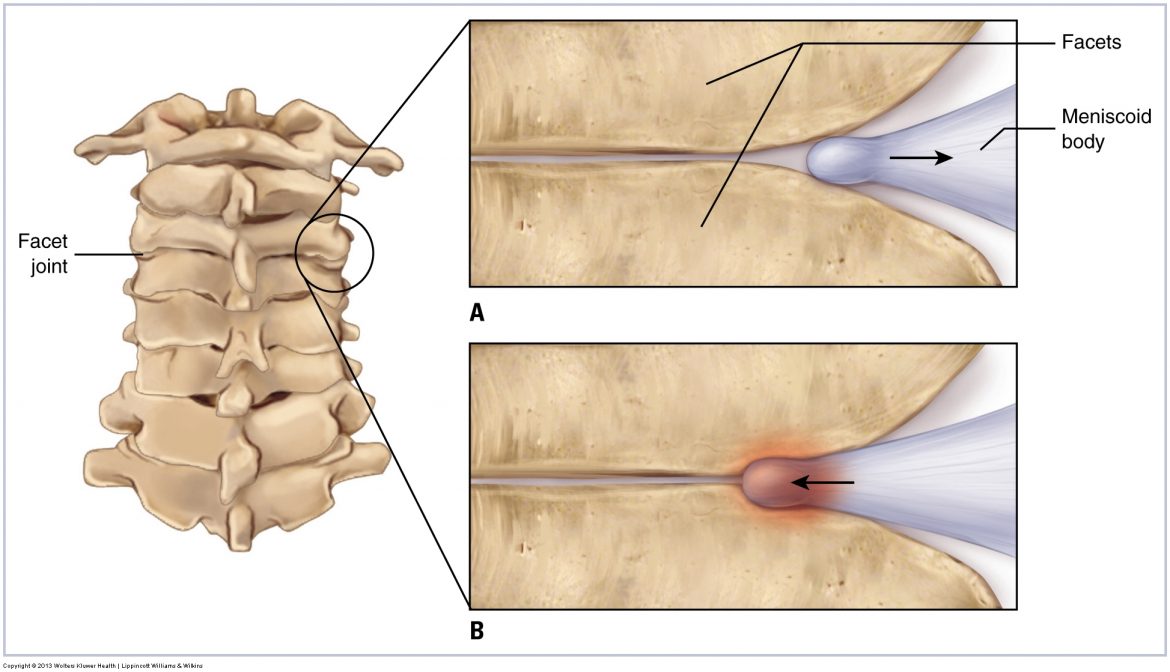
A joint functions to allow motion, so two forms of joint dysfunction exist: Hypomobile joint has restricted motion; Hypermobile joint has excessive motion.
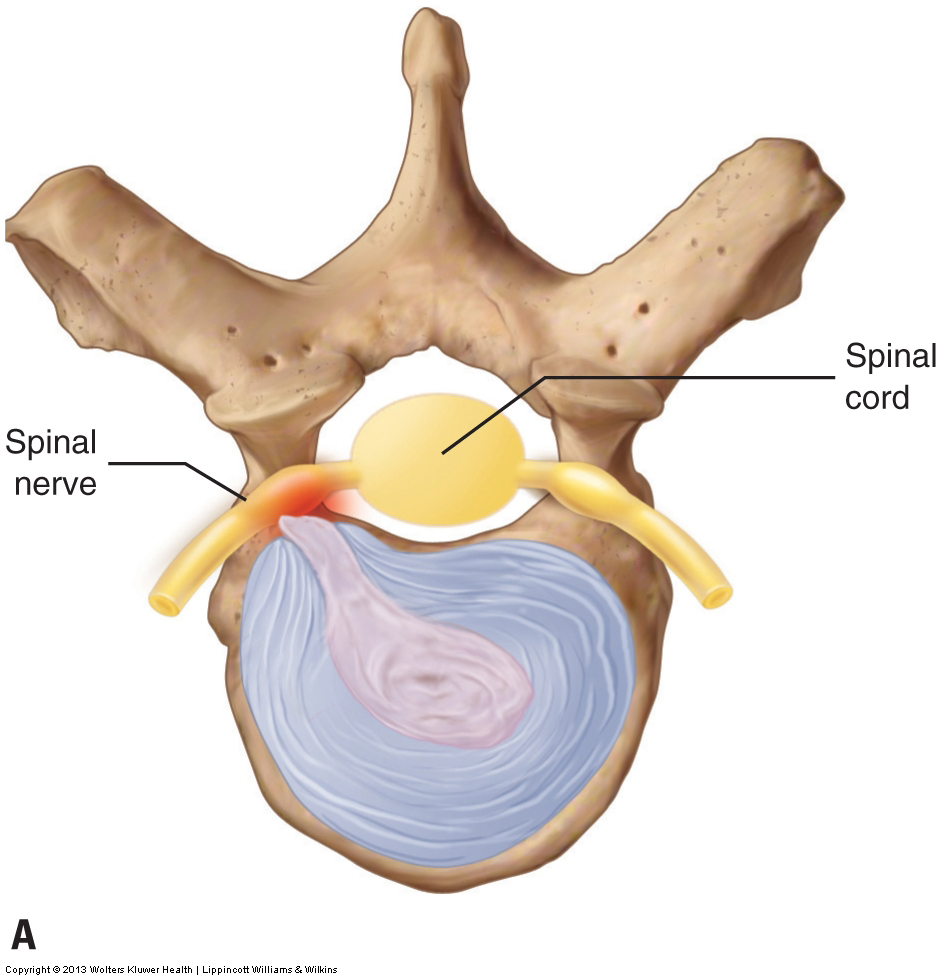
The danger with a disc bulge or herniation is that the disc can compress the spinal nerve within the intervertebral foramen, causing a pinched nerve.
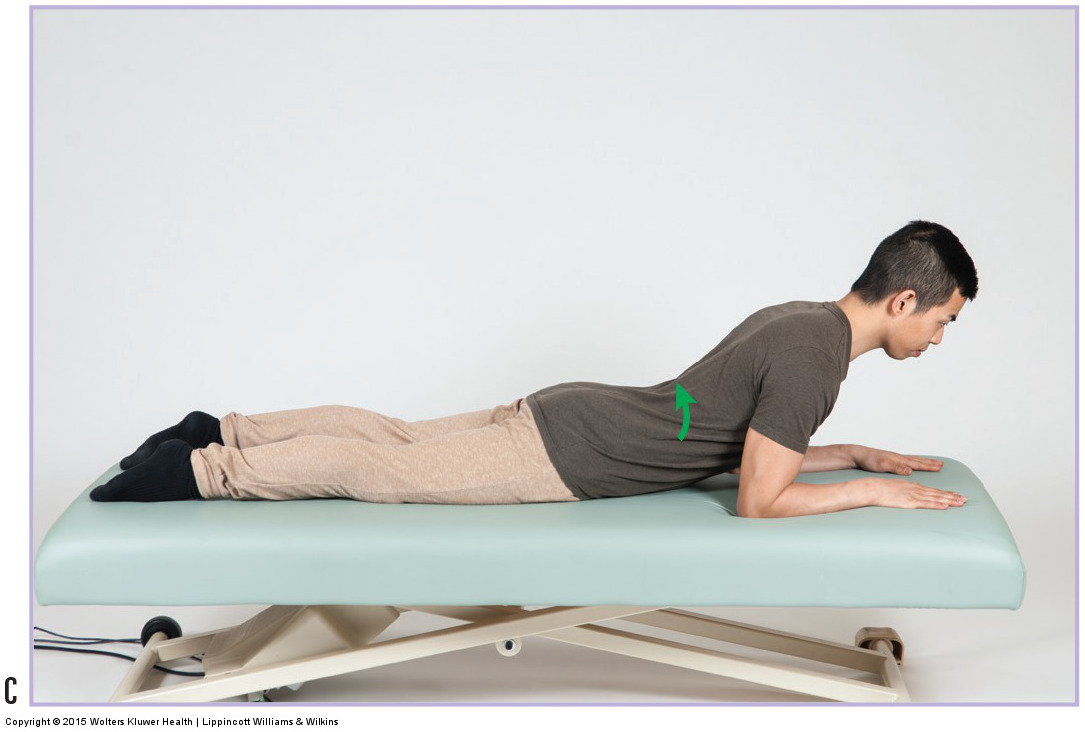
Self care for a herniated disc: avoid postures/activities that increase stress upon the disc and stretching/strengthening the musculature around the disc.
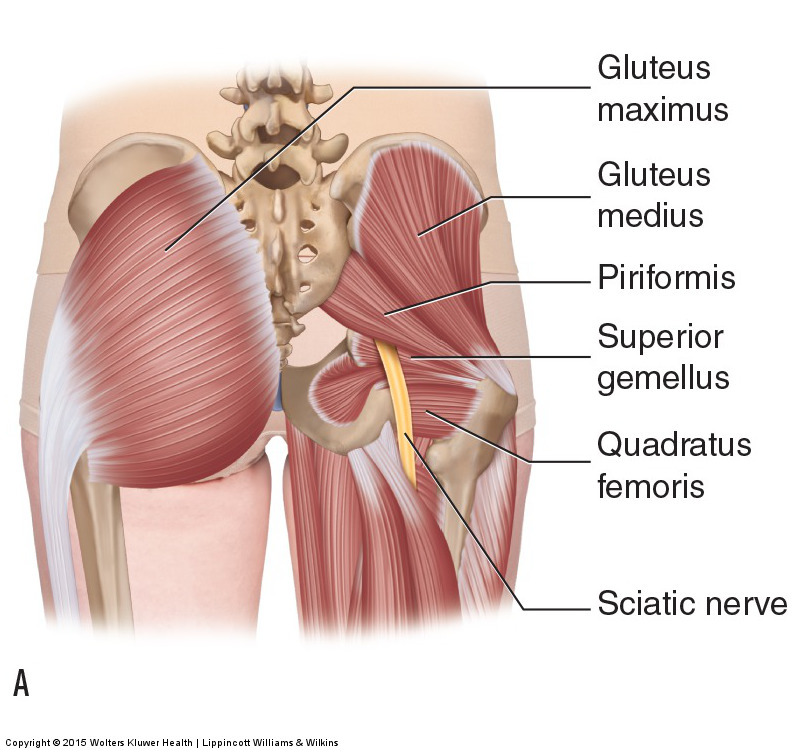
Piriformis syndrome occurs when a tight piriformis muscle compresses against the sciatic nerve, causing symptoms of sciatica into the lower extremity.
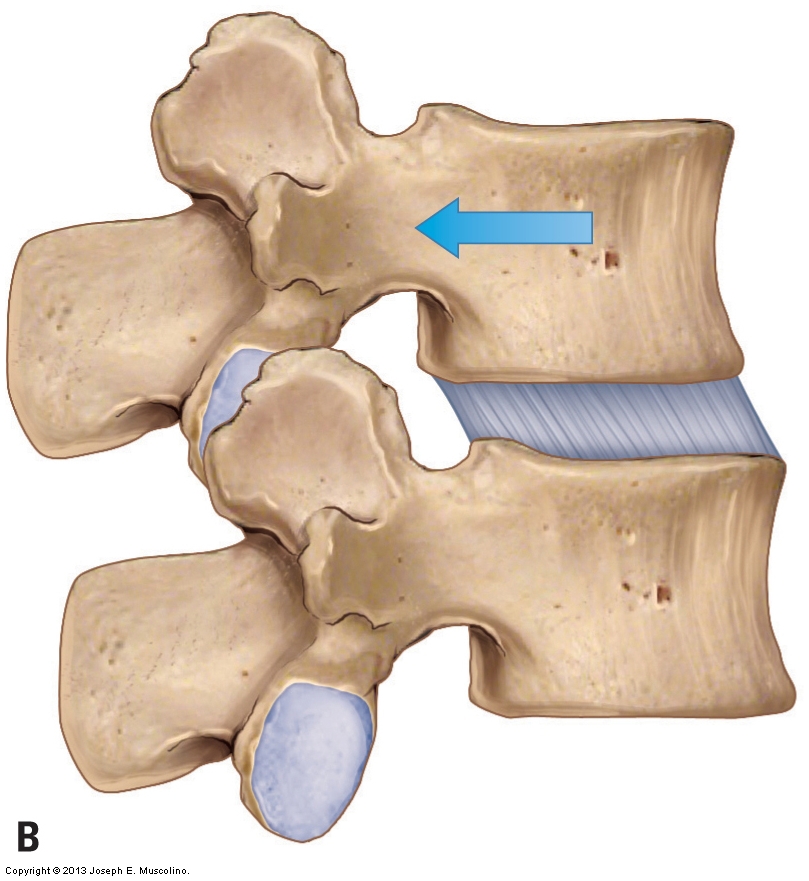
Table 1 shows average healthy ranges of axial motion of the cervical spine (head and neck), from the atlanto-occipital joint through the C7-T1 joint.
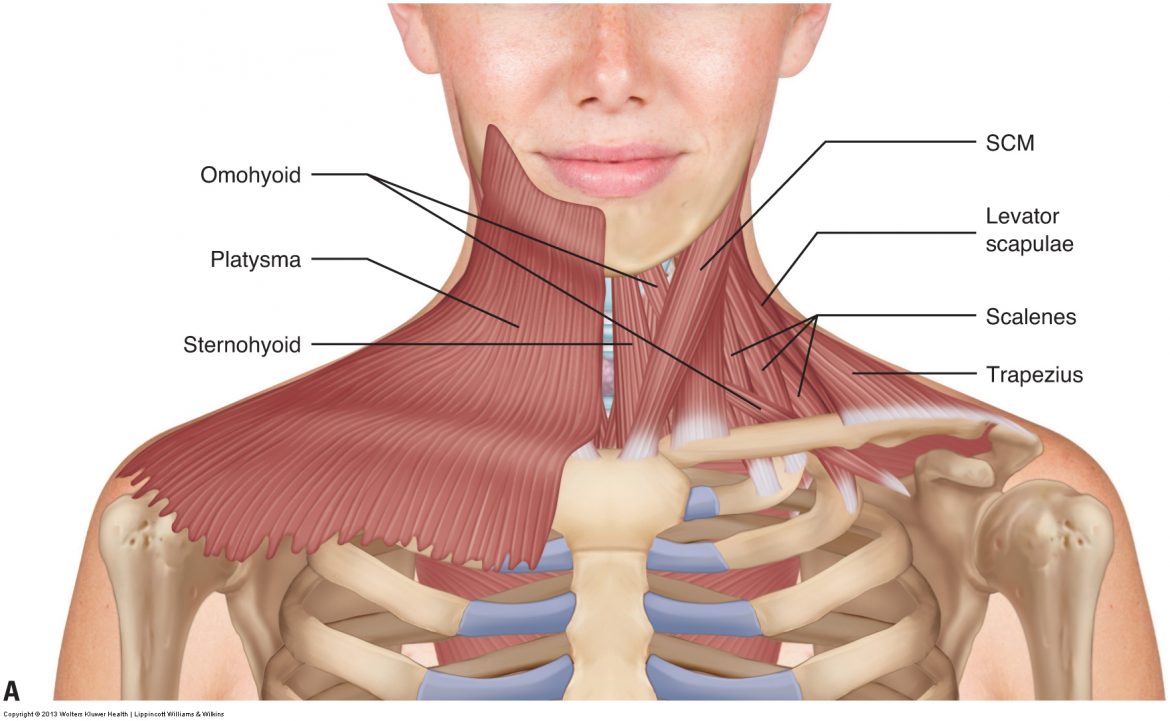
It is essential to exercise caution when working the anterior neck. However, this should not prevent therapeutic manual therapy work to the anterior neck.
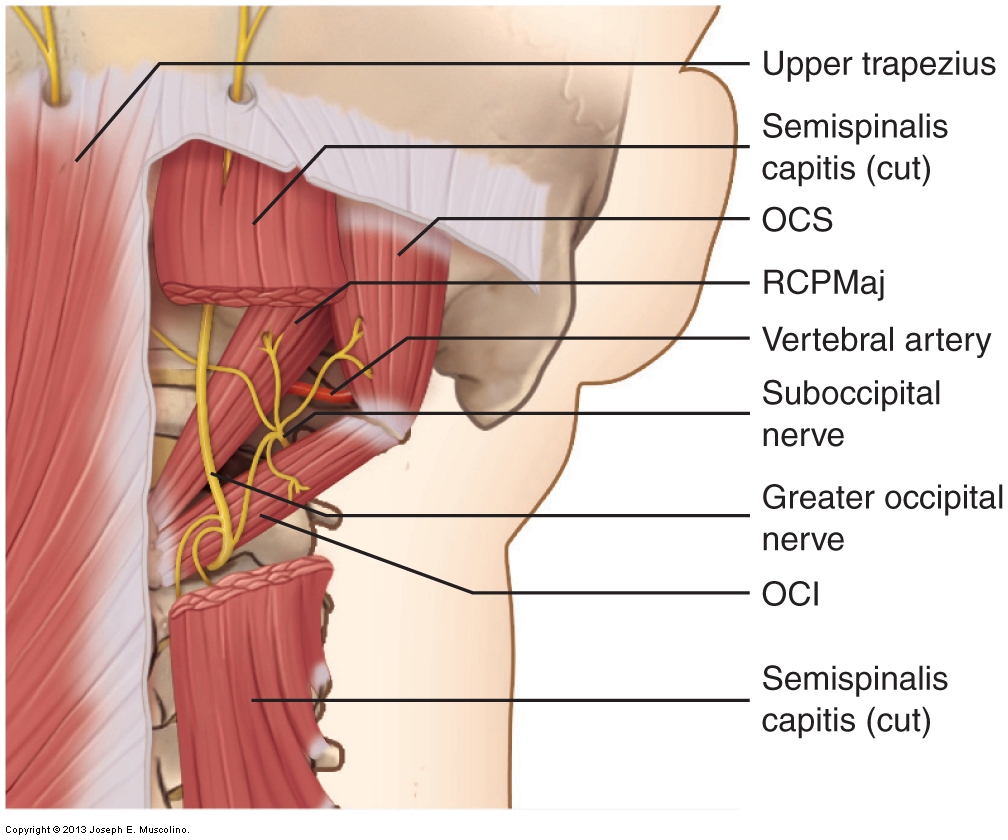
To perform orthopedic manual therapy to the neck that is accurate and specific, we need to know the attachments and actions of the muscles of the neck.
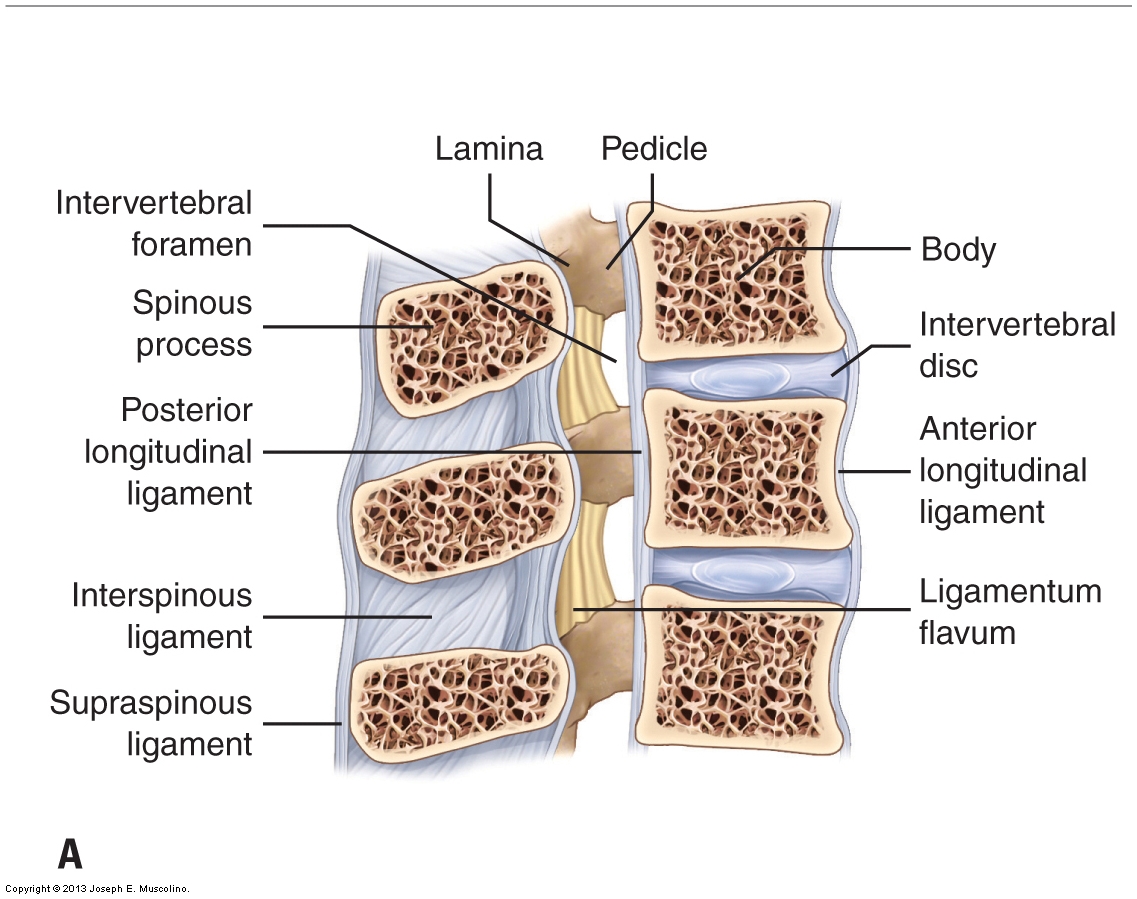
The “action” of a ligament is similar to that of an antagonist muscle. If either is tight/taut, it restricts motion in the opposite direction.
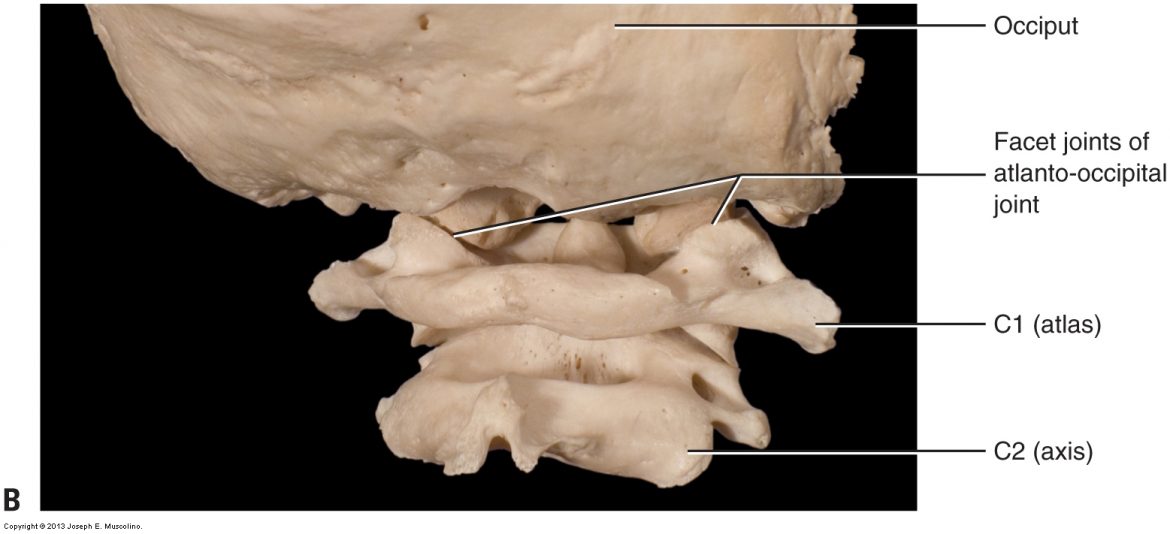
The disc joint is a cartilaginous joint that is composed of outer fibers called the annulus fibrosus that encircle the inner nucleus pulposus.
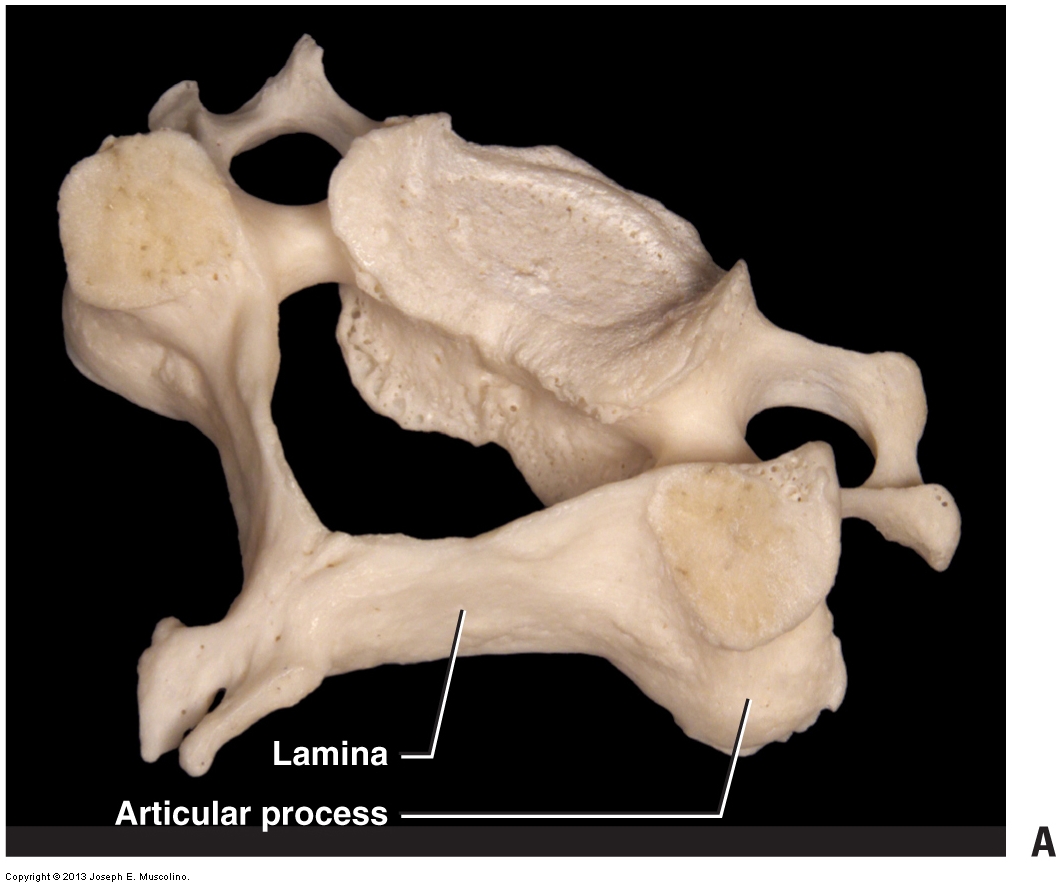
It is extremely important to be able to locate and palpate the laminar groove of the cervical spine because the thickest musculature is located there.
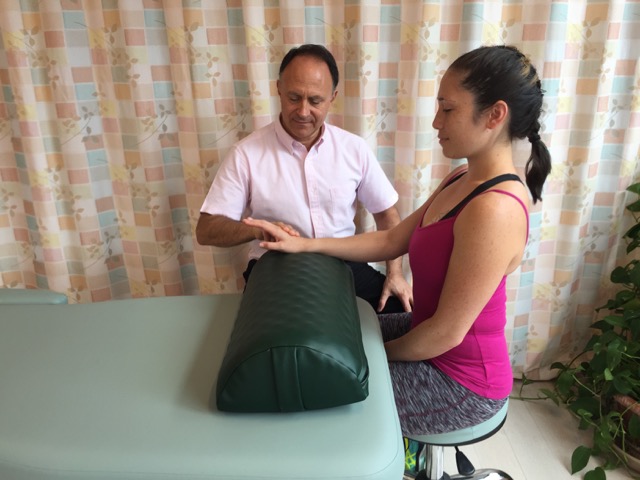
Assessment (diagnosis) of tennis elbow is done with active and passive range of motion, manual resistance, and palpation.
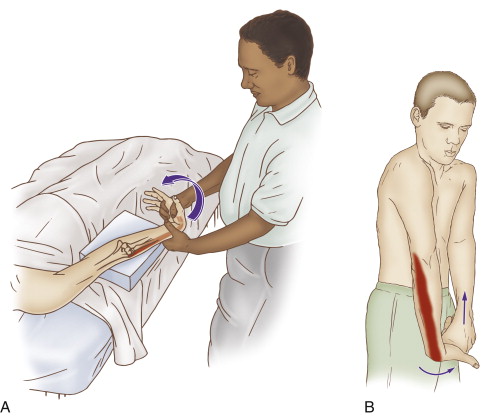
Self-care for tennis elbow should include frequent stretching of the hand and fingers into flexion. If inflammation is present, icing should be done.
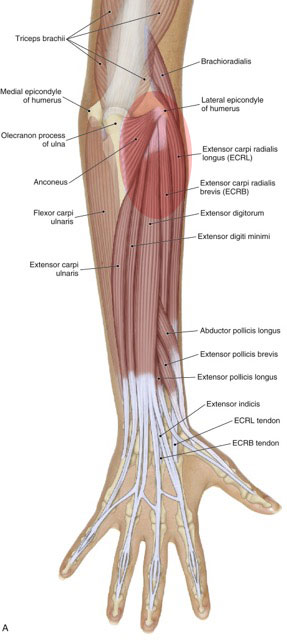
Symptoms of tennis elbow include pain and tightness at the common extensor belly/tendon, directly distal to the lateral epicondyle of the humerus.
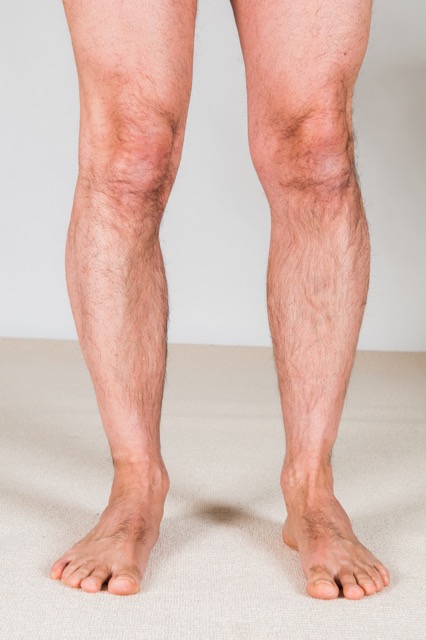
Case Study: Kerrati came in for wellness massage, but during the postural examination, the therapist noticed that her right arch drops markedly.
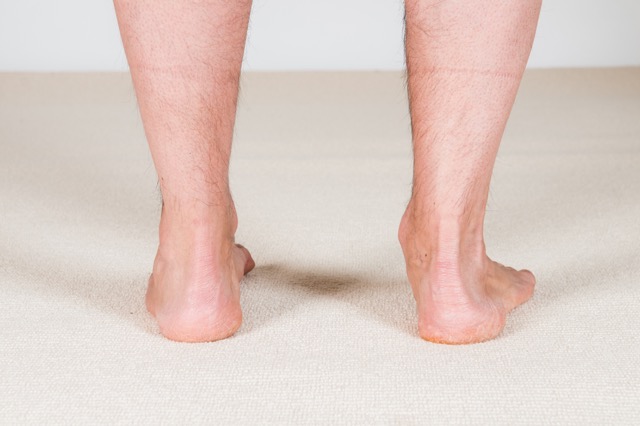
The first and most obvious sign of overpronation is a flat foot / dropped arch. A supple flat foot loses the arch only when weight bearing.
