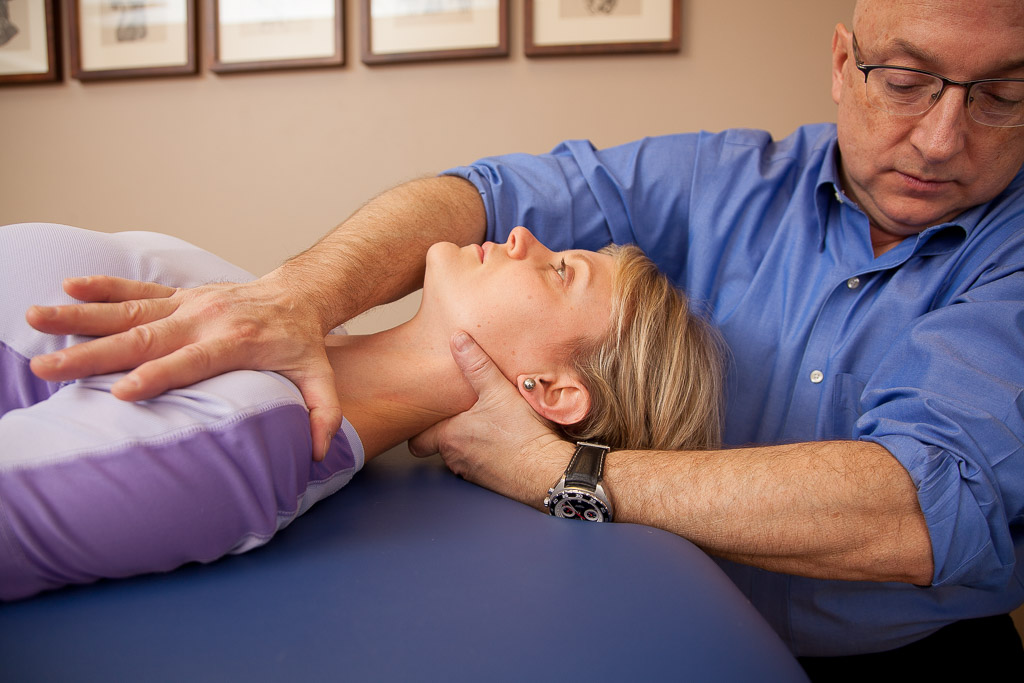
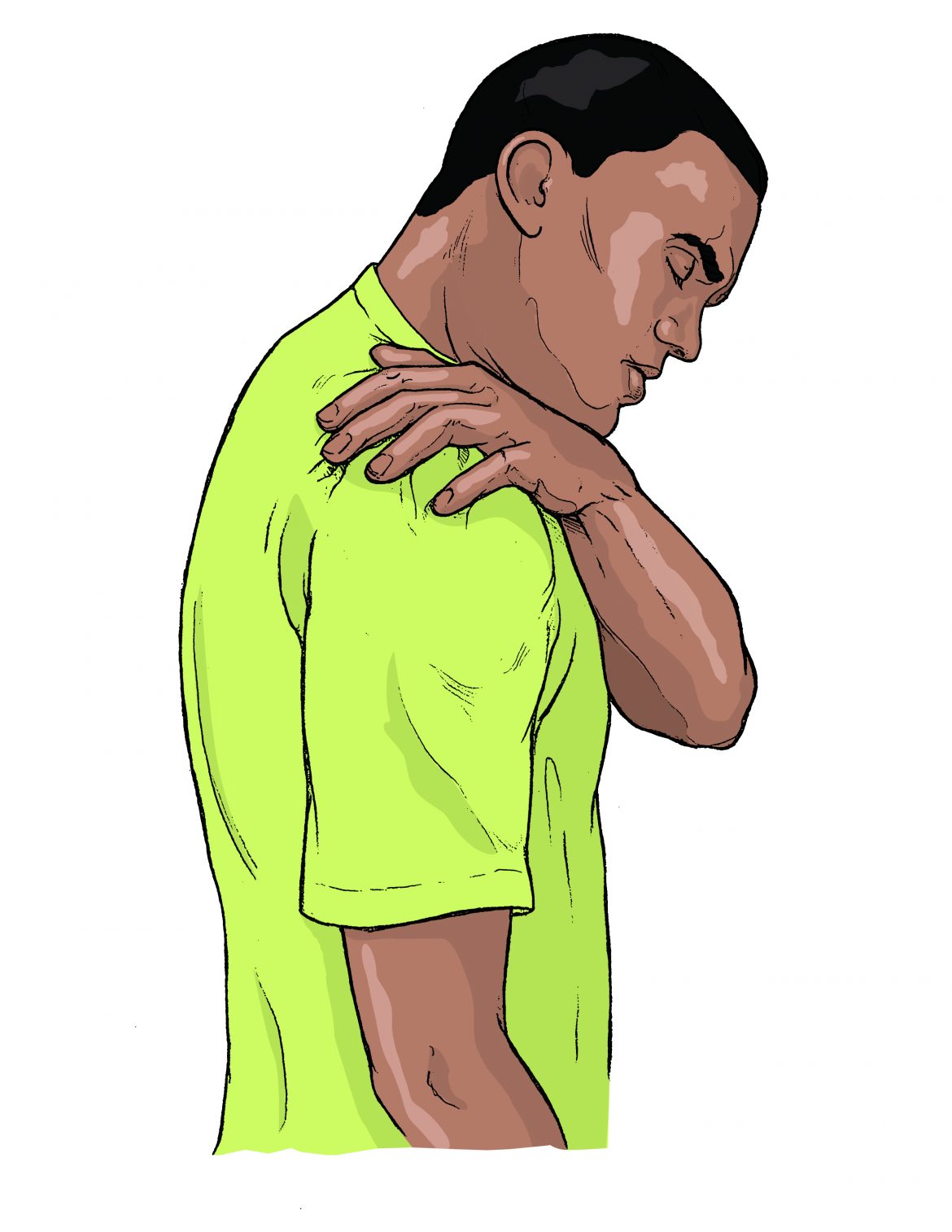
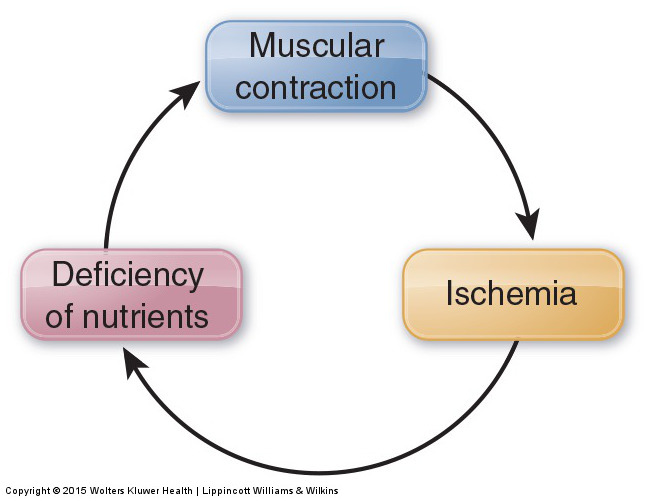
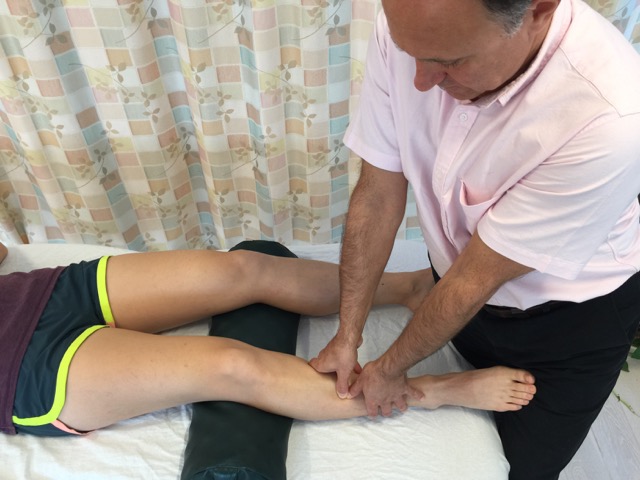
The first goal of manual therapy treatment for shin splints is to relieve the tension of the involved musculature by lessening baseline muscle tone and eliminating any trigger points that might be present. The second goal is to treat swelling, if present.
Preventing Aching Muscles and Toxin Exposure This Holiday Season
Pulmonary fibrosis and mesothelioma cancer are just two examples of disease that can occur as a result of environmental or occupational toxin exposure.
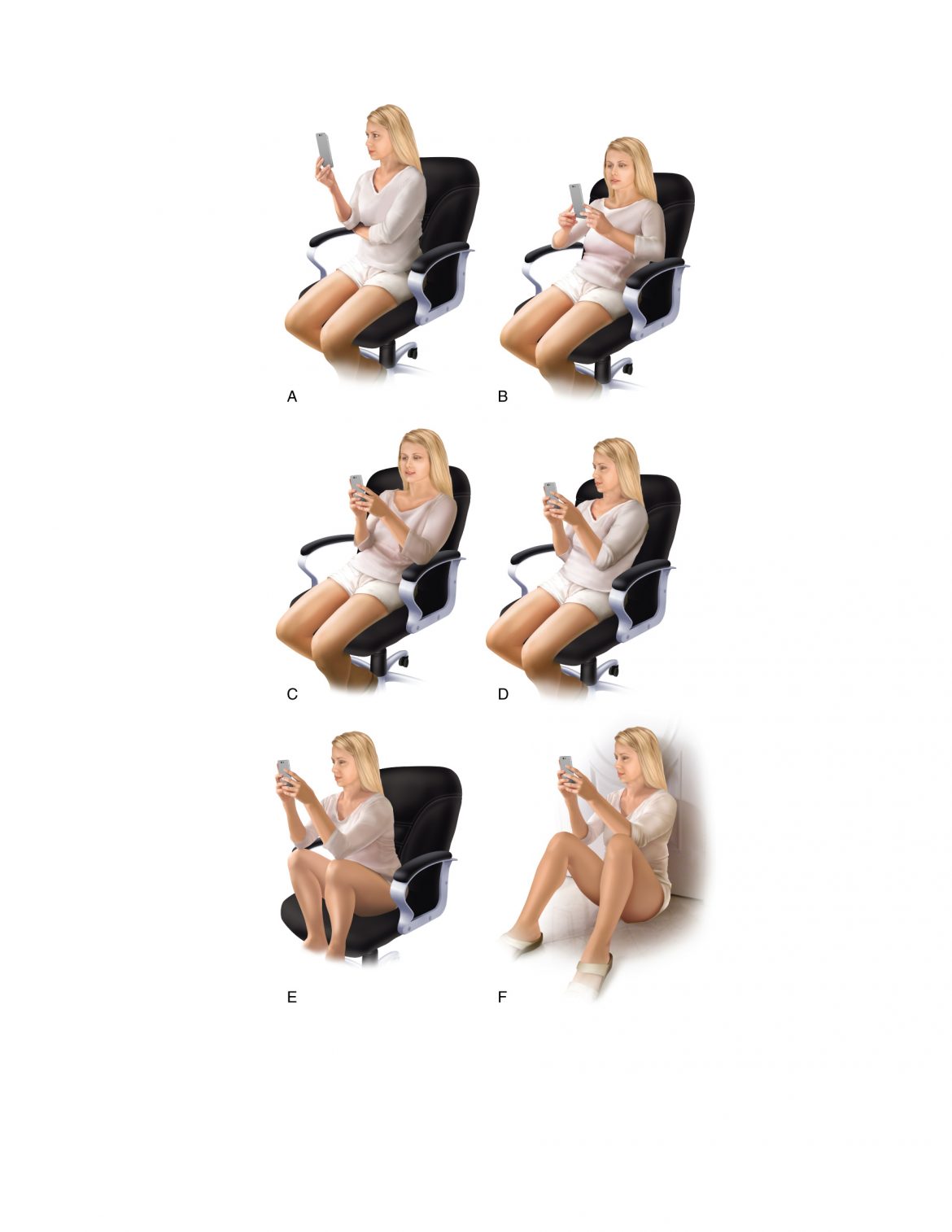
The Price of Smart Phones – Ten Conditions Caused by Smart Phone Use
Following are ten of the most common dysfunctional postural patterns and injuries that may occur with smart phone (cell/mobile phone) use.
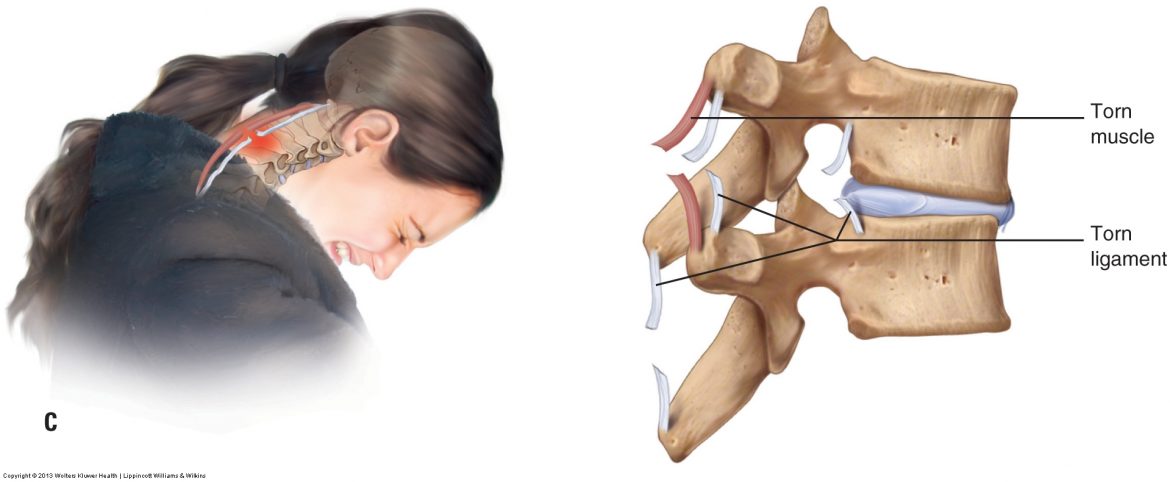
What are the signs and symptoms of whiplash?
Acute whiplash injuries may result in dizziness due to irritation of the proprioceptors around the cervical spinal joints and muscles of the neck.
An Interview with Walt Fritz, Manual Therapy Continuing Education Instructor
Are we really able to singularly and specifically isolate fascia…, to the exclusion of all other tissue… to create change? To that I am quite uncertain.
Dr. Tasha Stanton Lecture – New Insights from Pain Neuroscience
Our brain produces sensations according to the credible believable evidence that is present, not just from the sensory information from that body part.
Digital COMT Introduction Walkthrough
Digital COMT (DCOMT) is the “Netflix of online learning for manual and movement therapists.” This means tons of streaming video lessons!
What are the signs and symptoms of and how do we assess (diagnose) rotator cuff pathology?
Signs and symptoms of rotator cuff pathology include pain, joint crepitus, weakness, and decreased range of motion when moving the shoulder (glenohumeral) joint.
Lumbar Spine Joint Dysfunction
The two most common causes of a hypomobile joint dysfunction are tight muscles, especially smaller, deeper intrinsic muscles, and fibrous adhesions.
Myofascial Trigger Points (Muscle Knots)
The four most common causes of a myofascial trigger point are: overuse of the muscle, chronic stretch, prolonged immobility, and trauma to the muscle.
Hypertonic / Tight Muscles of the Low Back and Pelvis
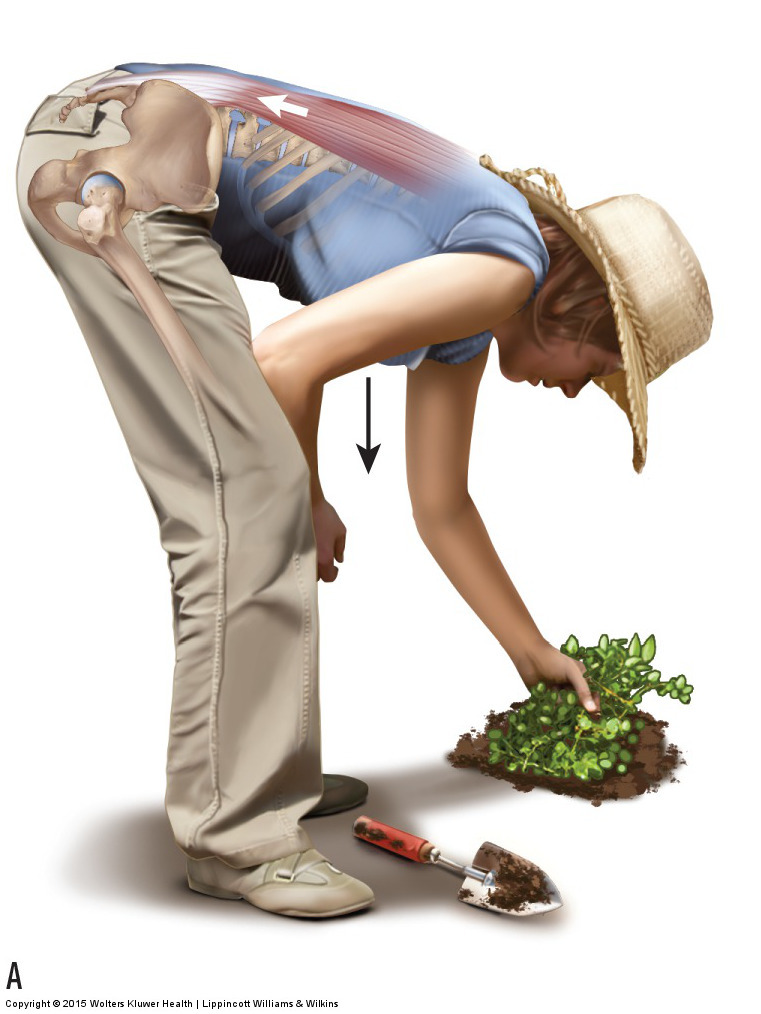
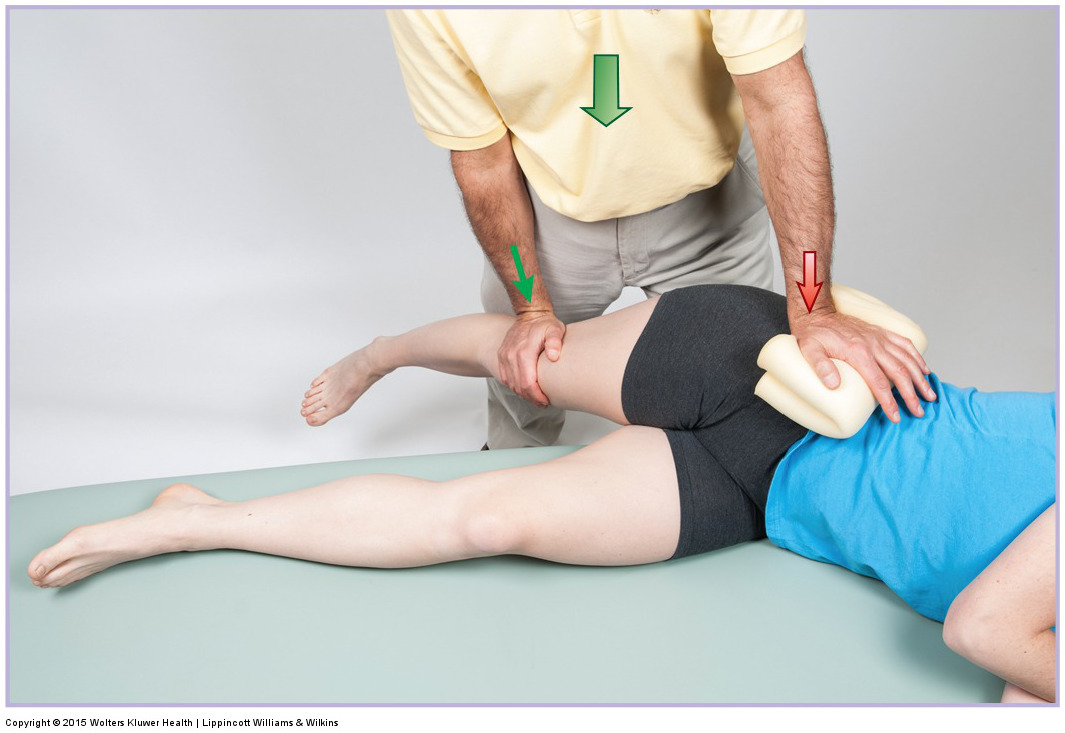
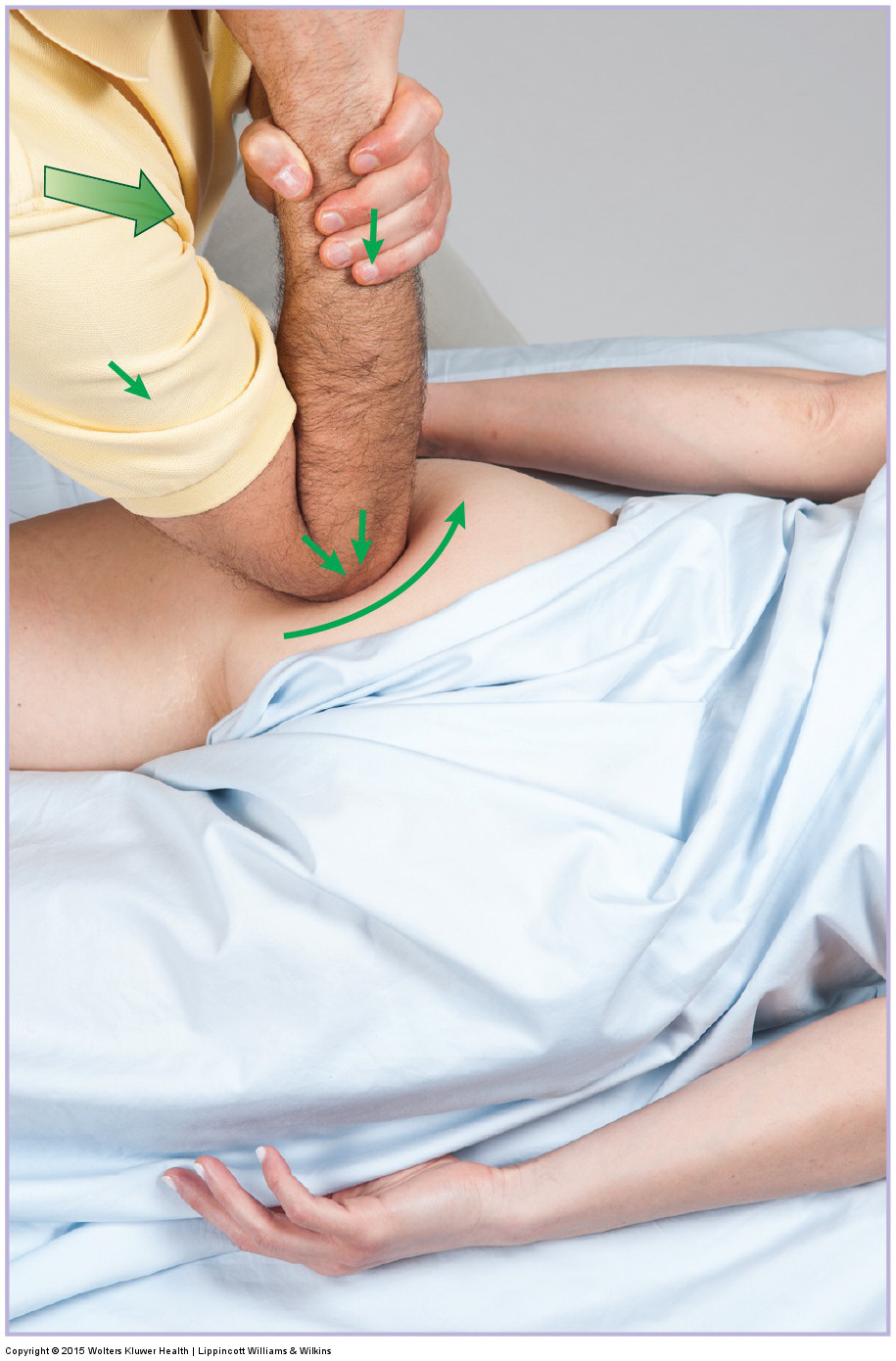
Four of the most common causes of tight muscles of the low back (or anywhere in the body) are: overuse, splinting, adaptive shortening, and overstretching.
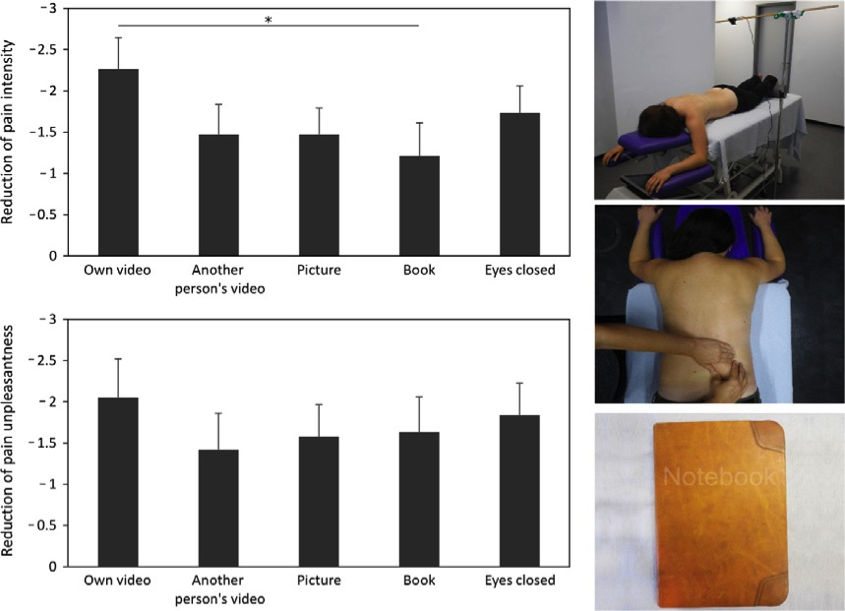
Watching your back being massaged improves outcomes
A study from Germany investigated whether watching one’s back during massage increases the analgesic effect of this treatment for lower back pain patients.
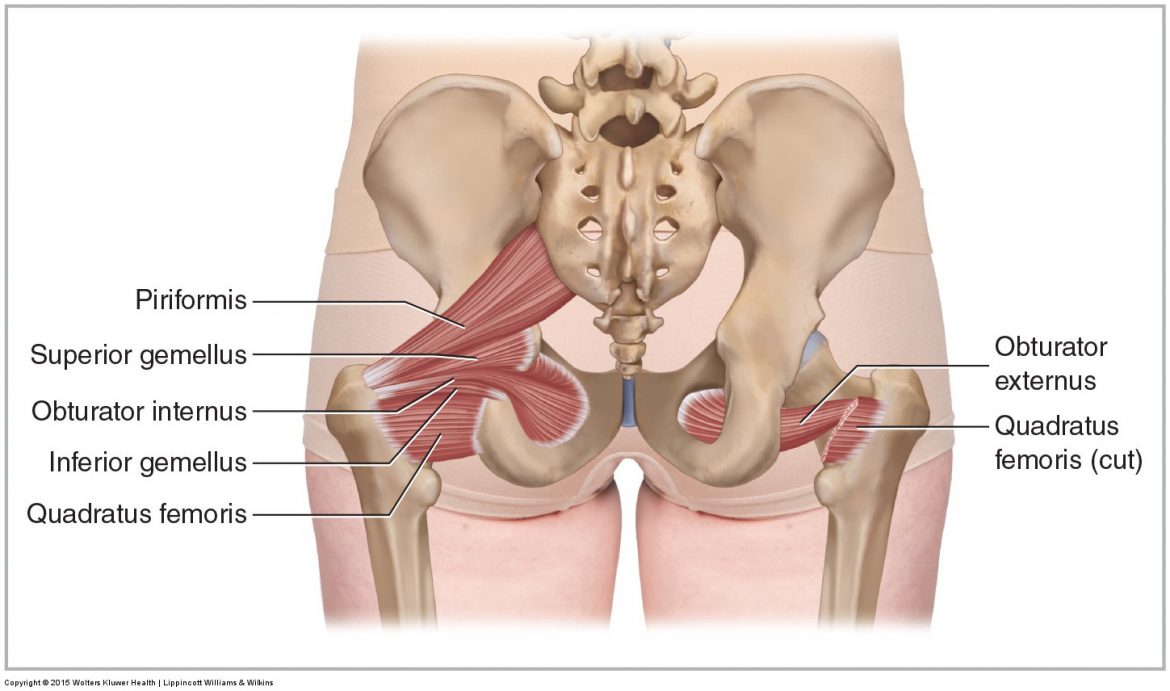
Muscles of the Pelvis
Pelvic musculature: 1. cross the LS joint onto the trunk 2. cross the hip joint onto the thigh/leg 3. pelvic floor muscles located wholly within the pelvis
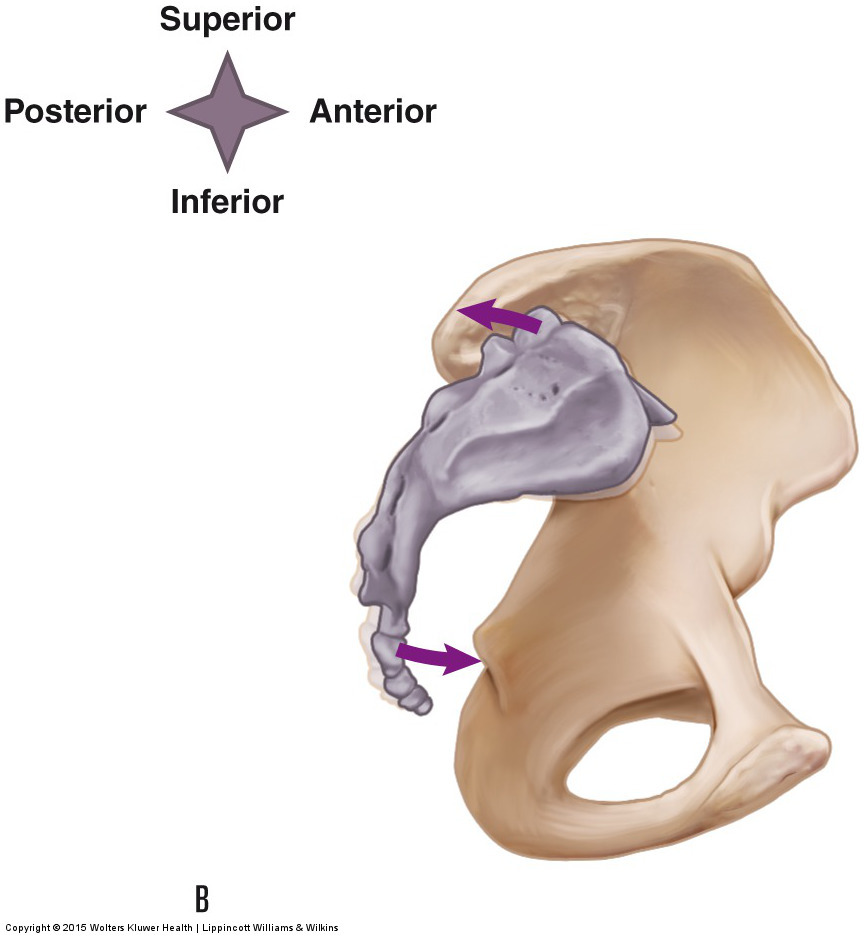
Motions of the Joints of the Pelvis (sacroiliac joints)
Motions of the Joints of the Pelvis This blog post article is an overview of the motions of the joints of the pelvis: the paired left and right sacroiliac joints and the symphysis pubis joint. For more complete coverage of …
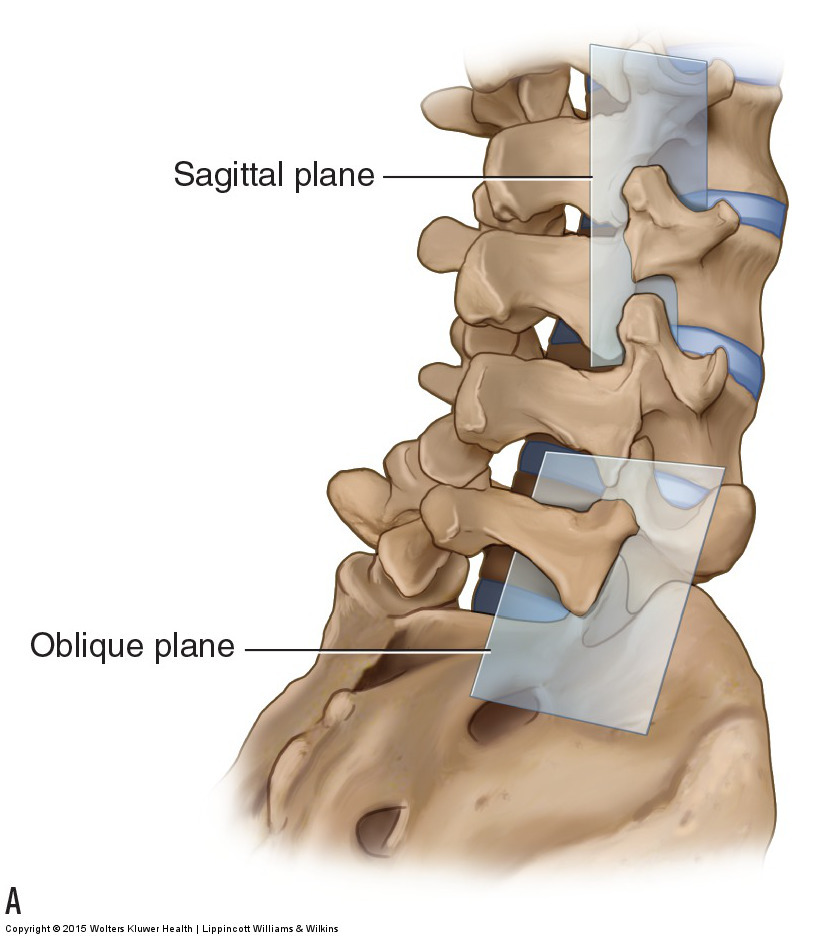
Joints of the Lumbar Spine (disc & facet) and Pelvis
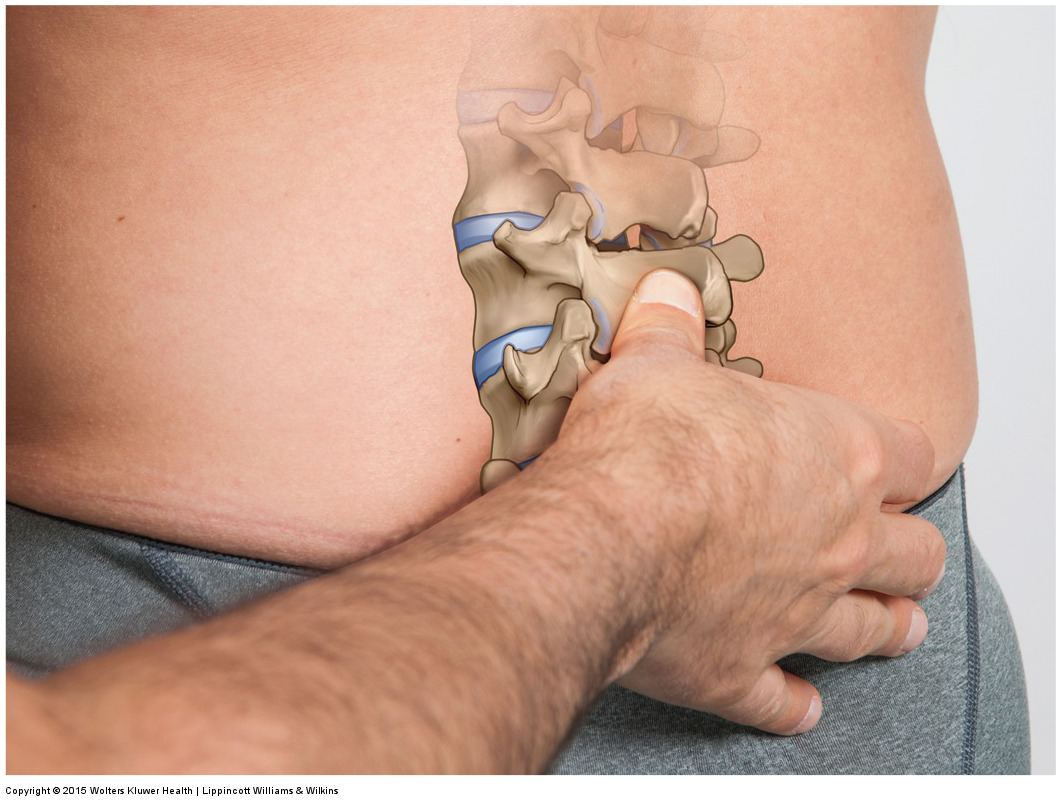
In the lumbar spine, three joints are located between each two adjacent vertebrae: one disc joint and two paired (left and right) facet joints.
Bones of the Lumbar Spine and Pelvis
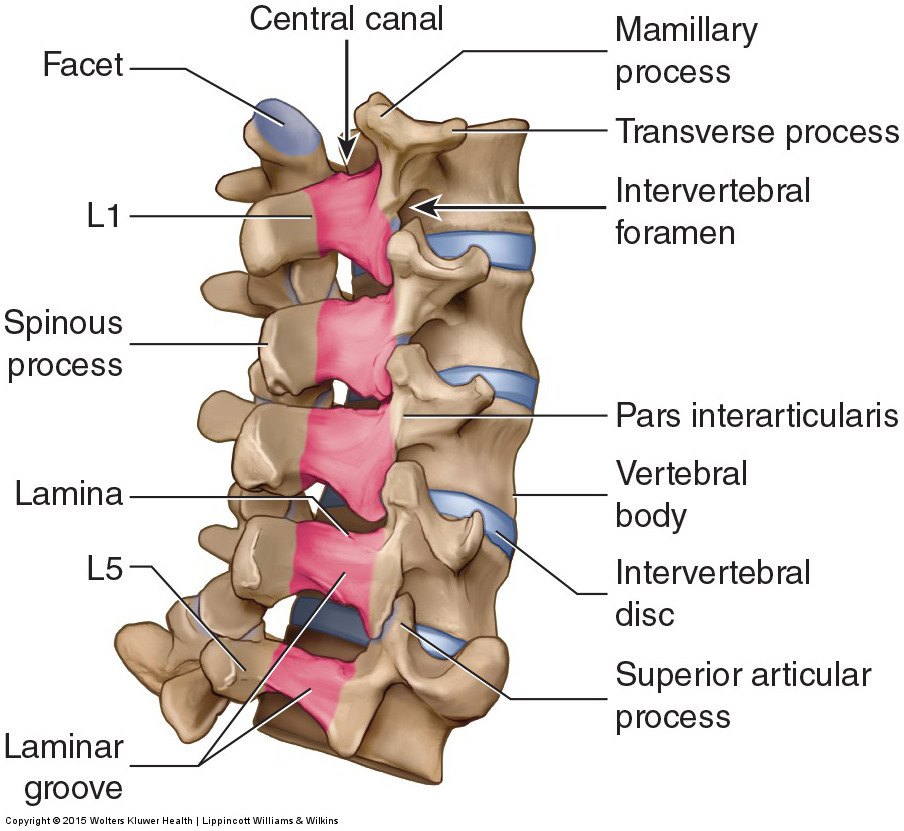
The low back is defined by the lumbar spine, composed of 5 vertebrae, named L1-L5. The pelvis is defined by the bones of the pelvic girdle.
How do we treat plantar fasciitis with manual therapy?
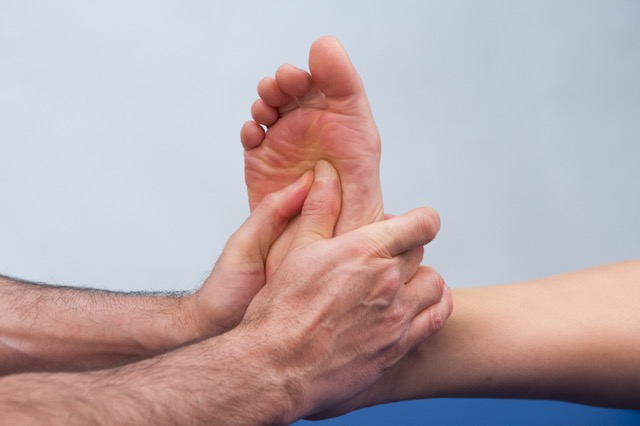
Manual therapy for plantar fasciitis is aimed at reducing inflammation & loosening any tautness/tightness of the plantar fascia & associated musculature.
Student Tip for Improving Memory – Memory is the residue of thought…
Two main points for improving memory: Memory is the residue of thought. A cue is needed to recall something that has been successfully committed to memory.
What is the “True” Function of the Gluteus Medius?
The major function of the gluteus medius is its “reverse” closed-chain action of pelvic depression at the hip joint to stabilize the pelvis when walking.
Client Communication – How is the pressure?
The most common question from a therapist to the client is: “How is the pressure?” The usual response is “Fine”, whether it is or not.
Signs, Symptoms, and Assessment of Plantar Fasciitis
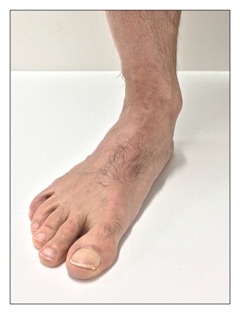
The most common symptom of plantar fasciitis is pain, usually worst in the morning, on the plantar side of the foot, located near the calcaneal attachment.
Massage on Stretch or Massage on Slack? Tips for Therapists & Teachers
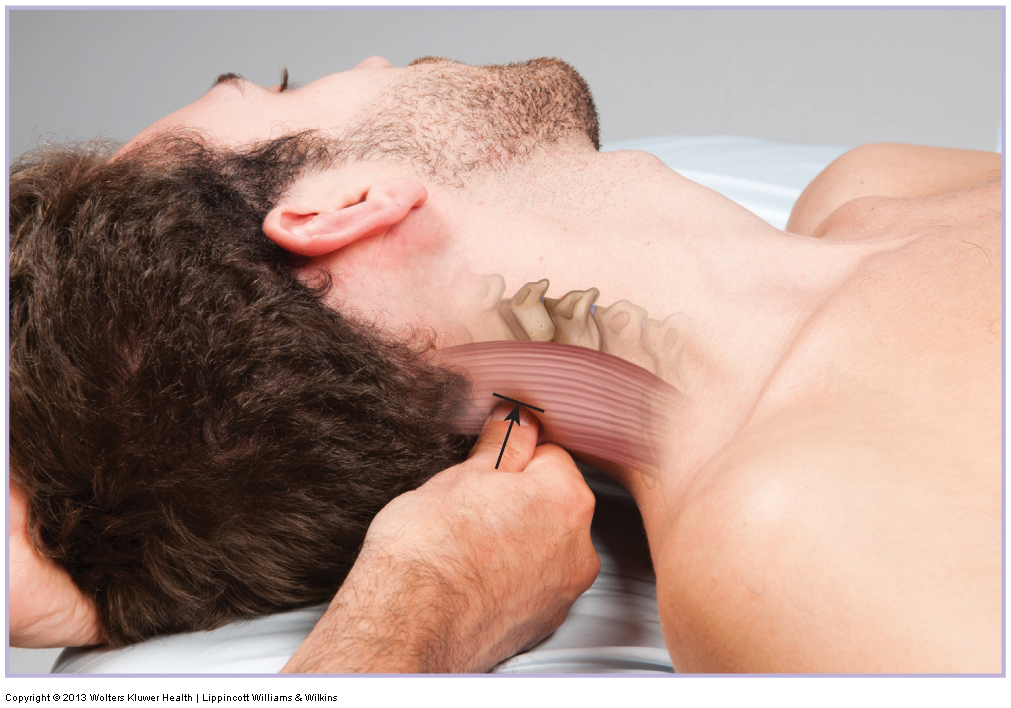
Tip for Therapists: Massage on stretch for superficial tissues like the trapezius. Massage on slack for deeper tissues like the suboccipitals.
Thinking Fast Makes you Happier! – Tip for Teachers and Students
People become happier when they think fast. It does not matter what was, the simple act of generating thoughts quickly made the participants happier.
Heel spur and its relationship to plantar fasciitis
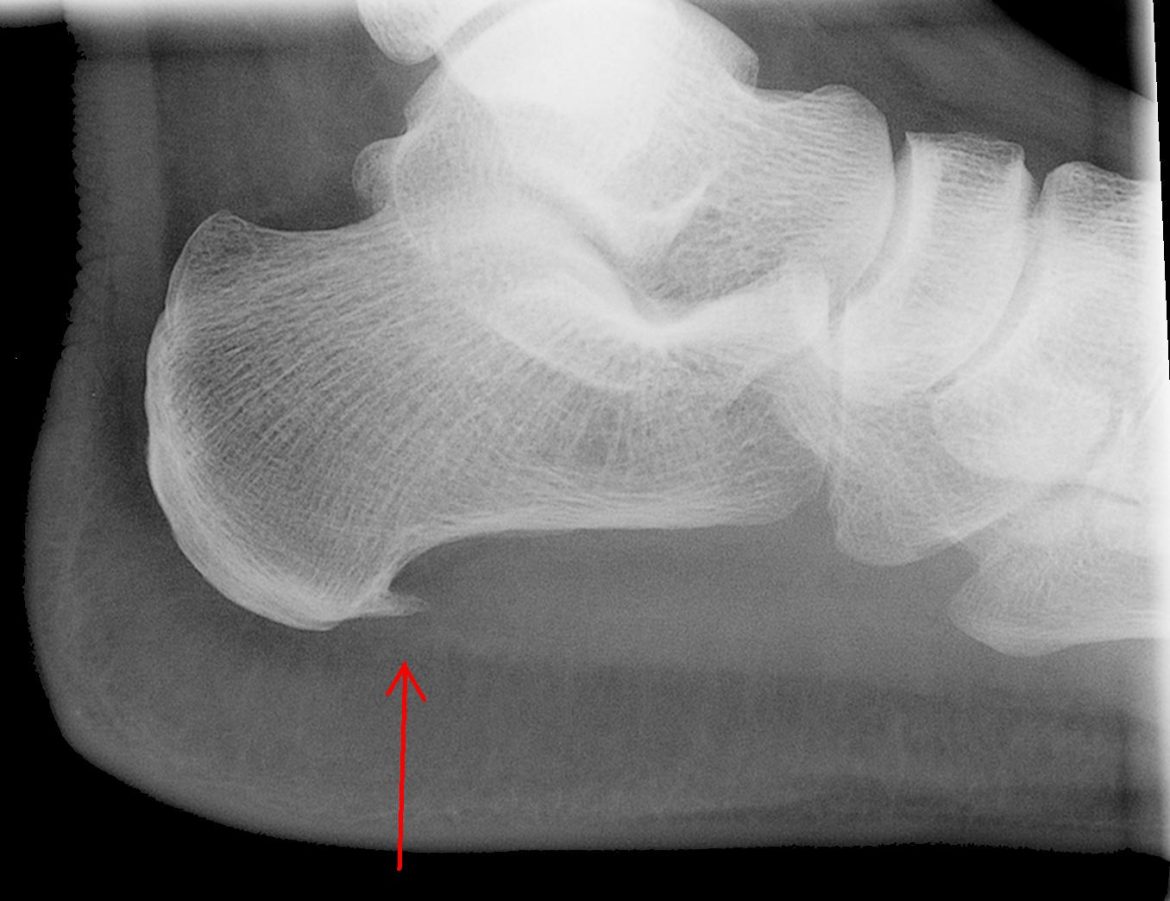
Plantar fasciitis and heel spur: Once the mechanism of plantar fasciitis is understood, the development of a heel spur is easy to understand. A heel spur is a bone spur that forms on the calcaneal tuberosity along the line of …
What is Muscle Memory?
Muscle memory describes the concept that musculature contracts in patterns for both posture and motion, and these patterns reside in the nervous system.
What is plantar fasciitis and what are its causes?
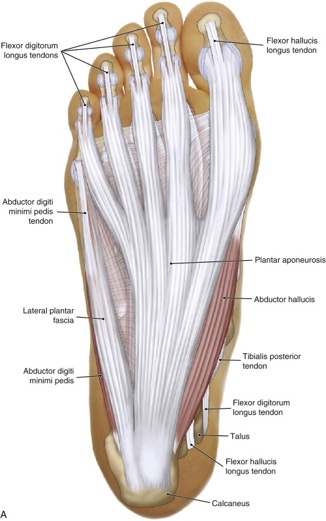
Plantar fasciitis is a condition in which the plantar fascia (plantar aponeurosis) of the foot becomes irritated and inflamed.
Psoas Major Function: References
This blog post contains the cited research references for the eleven-part blog post series on Psoas Major Function that is found on Learnmuscles.com.
Psoas Major Function: Summary of Psoas Major Function
Looking at the psoas major from a biomechanical perspective might be the key to understanding this elusive and controversial muscle.
Psoas Major Function: Psoas Major and Fascial Pulls
The psoas major’s has extensive fascial connections. The psoas major is part of the deep front line myofascial meridian (anatomy train).
Psoas Major Function: Psoas Major and the Sacroiliac Joint
The psoas major crosses the hip and spinal joints. However, it is often overlooked that the psoas major also crosses the sacroiliac joint.