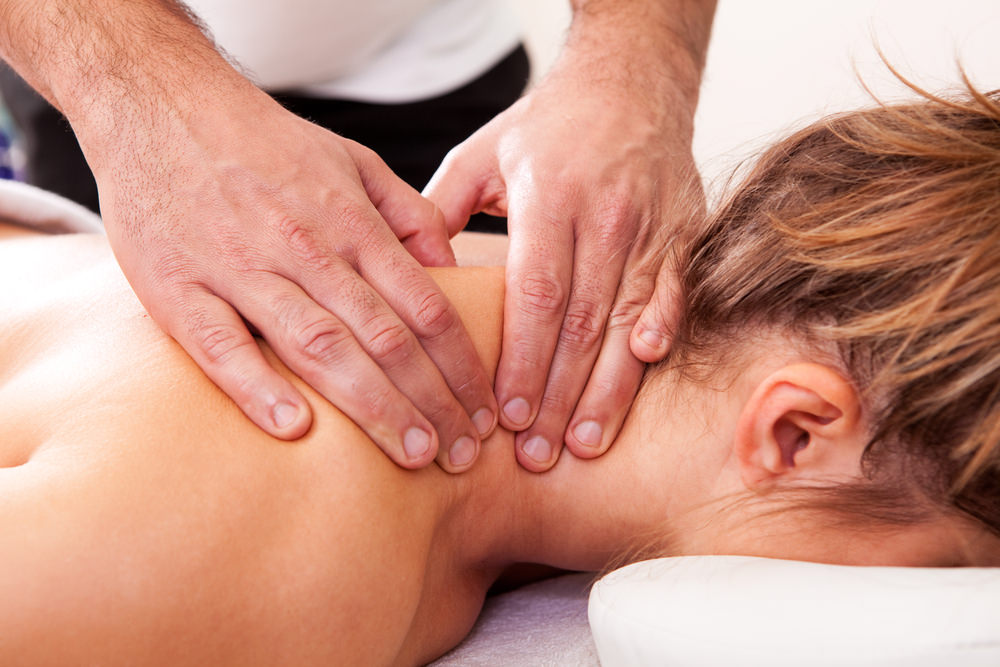
Multiple 60-minute massages per week were more effective than fewer or shorter sessions for individuals with chronic neck pain.
Below you'll find a list of all posts that have been categorized as “Uncategorized”
Multiple 60-minute massages per week were more effective than fewer or shorter sessions for individuals with chronic neck pain.
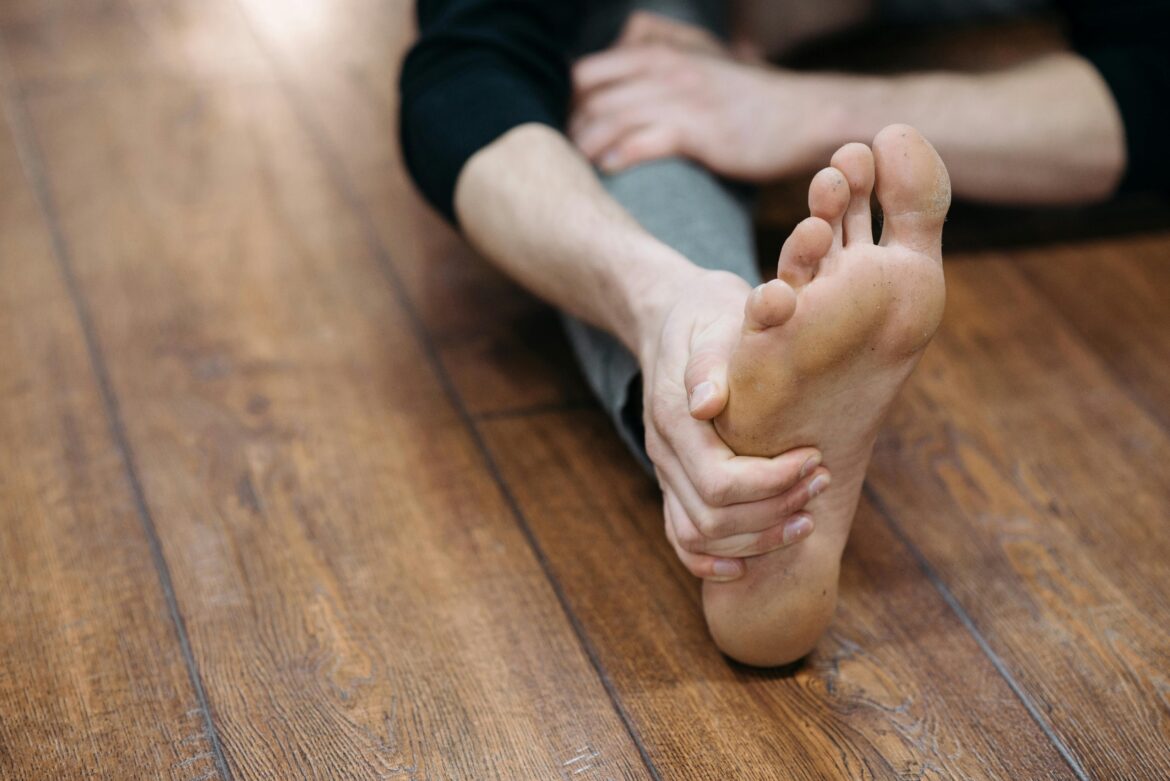
This article explores some of the current methods of treatment for chronic heel pain and highlights the benefits of a gentle chiropractic approach to managing pain and increased mobility.
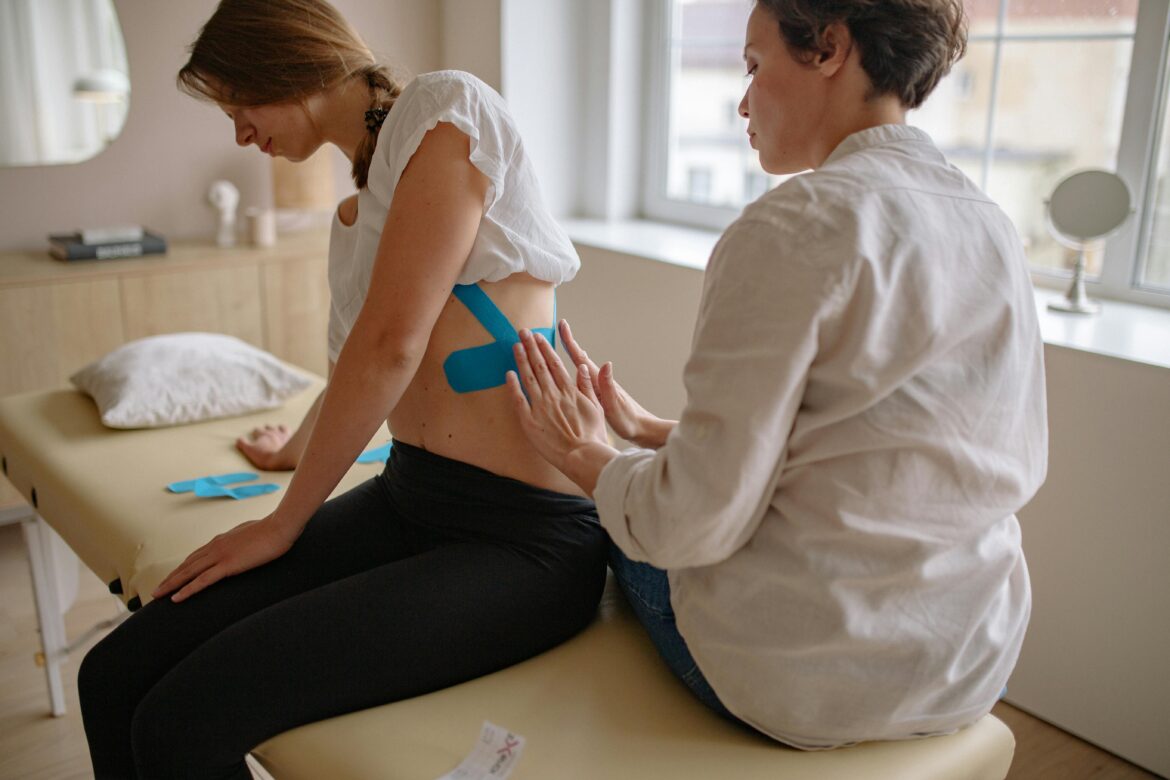
No matter which disorder you suffer from, starting your treatment plan, which should include exercise, flexibility training, and proper education, will make your life easier and healthier
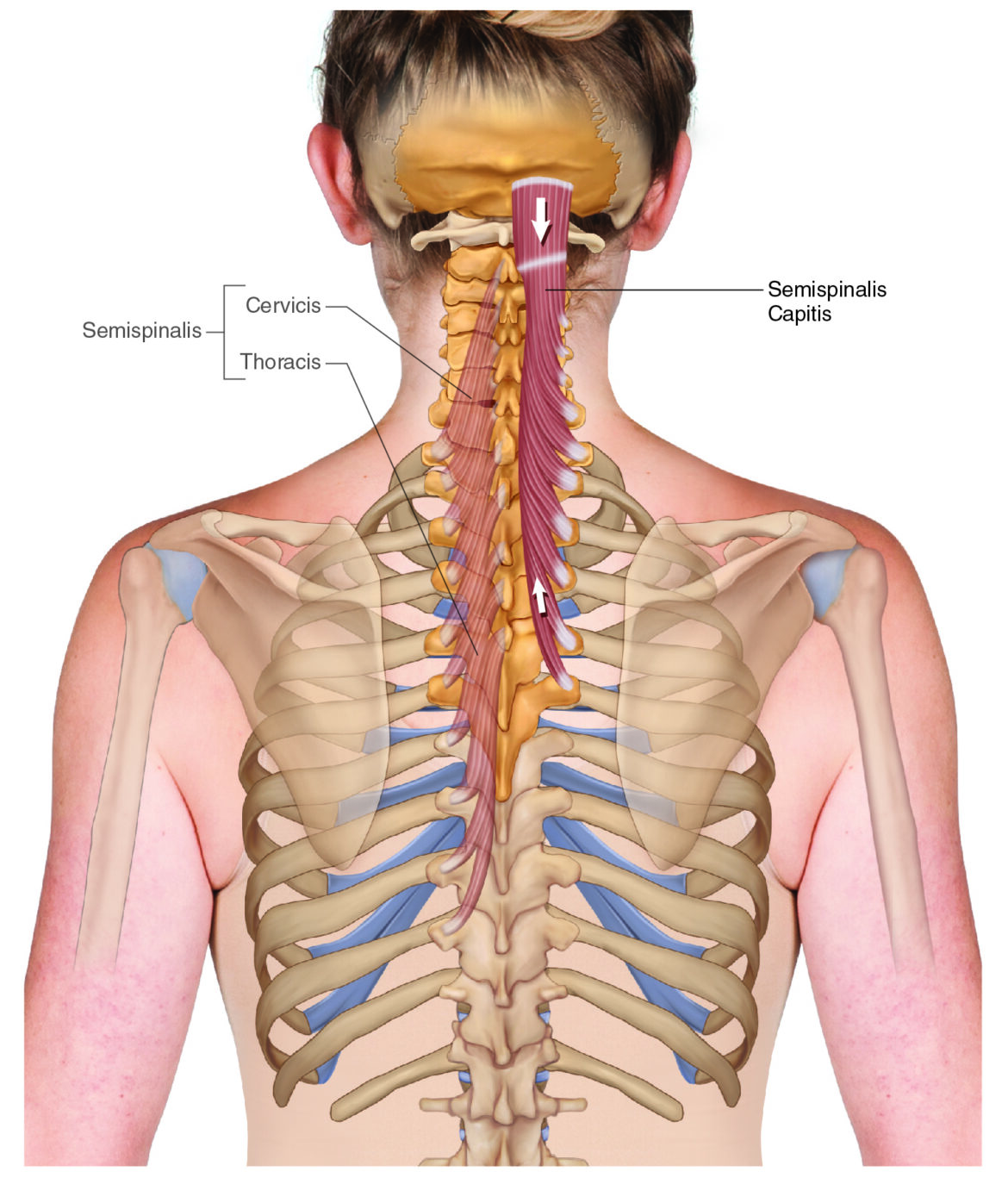
The semispinalis capitis is the largest muscle in the back of the neck — and the most overlooked cause of posterior neck pain. Learn how to assess, palpate, stretch, and massage it.
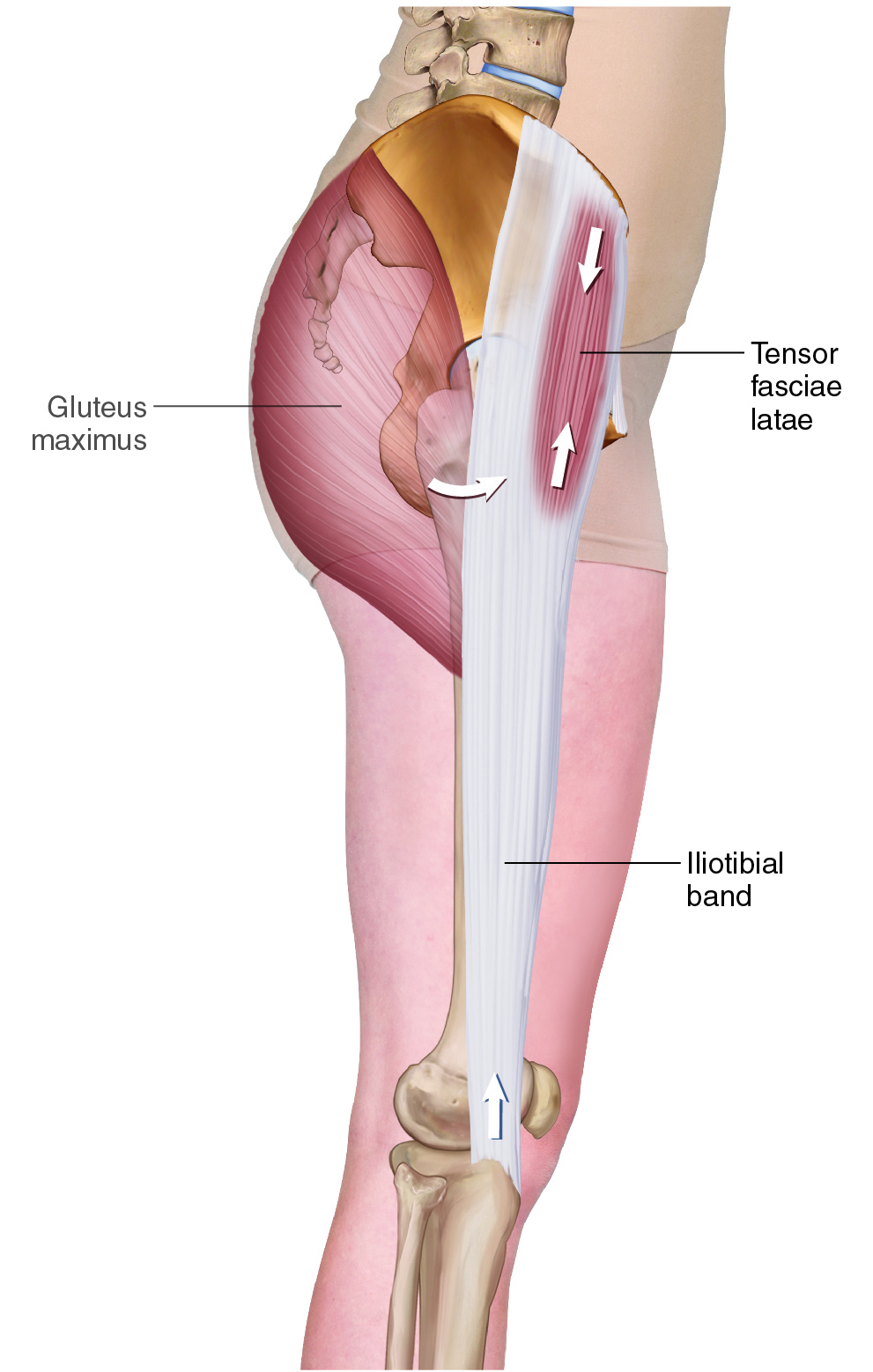
The tensor fasciae latae (TFL) is a hip flexor that is commonly tight, and strongly linked to lower crossed syndrome, and is a key target for massage and stretching.
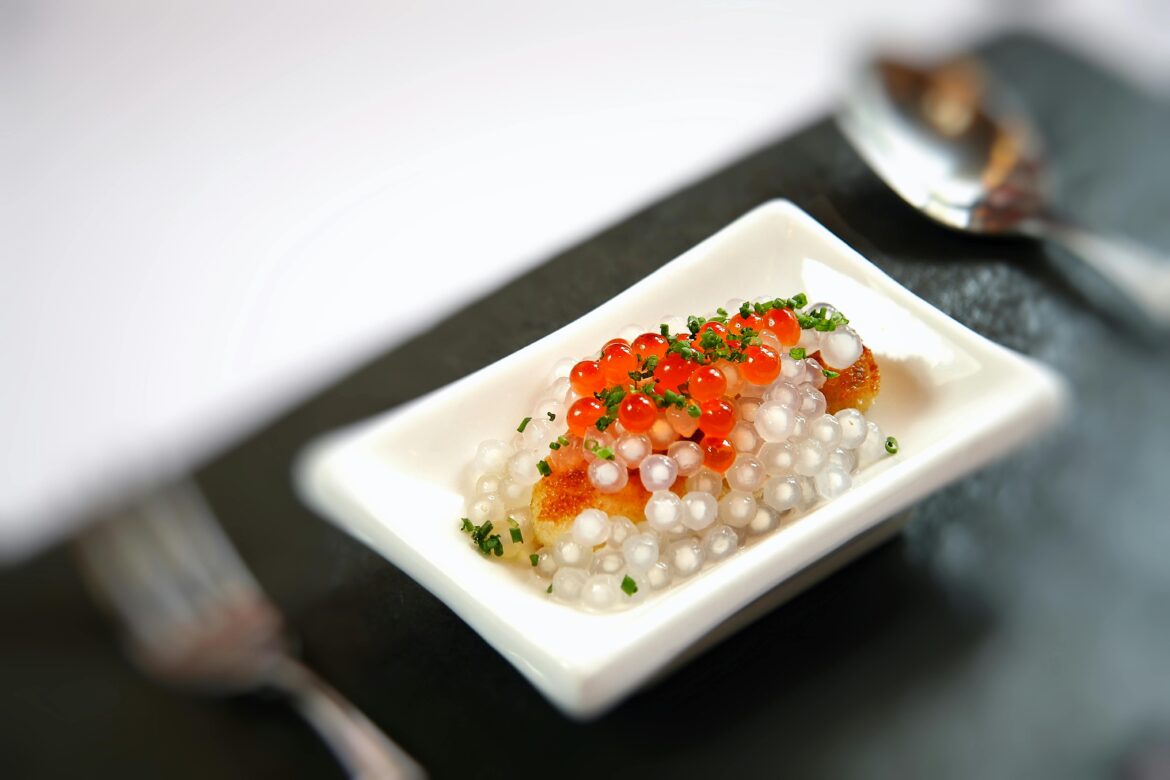
Even though caviar is often used as an indulgent food for special occasions, the nutrients found in caviar are very dense and provide many healthy nutrients in this salty, oily food.

This guide explores what separates a truly therapeutic mattress from one that’s just comfortable enough to ignore the problem.

If you are struggling with anxiety, depression, stress, relationship problems or personal growth goals, therapy can provide the help needed to make meaningful and lasting changes.
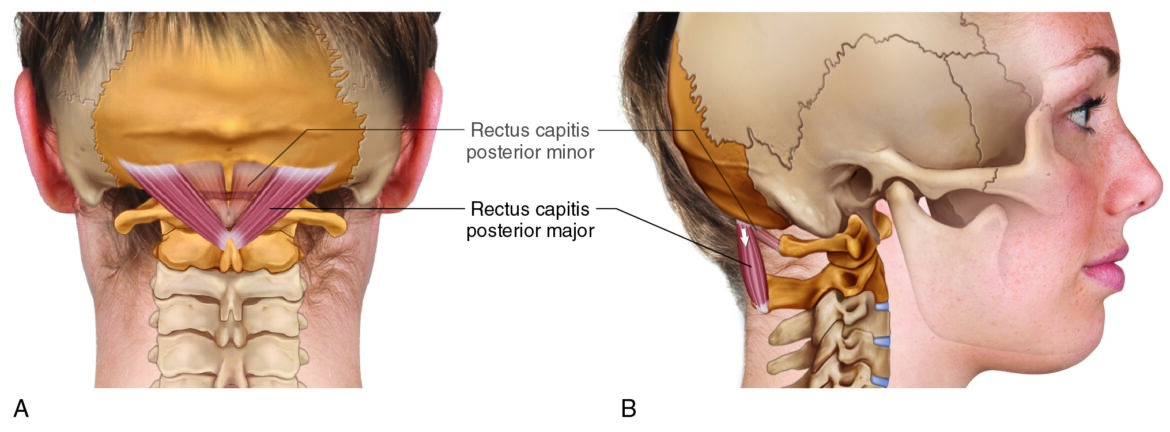
The rectus capitis posterior major (RCPMaj) of the suboccipital group musculature is a small muscle located deep in the superior aspect of the posterior neck, directly inferior to the occiput (hence the name suboccipital). It is an extremely important muscle to know and be able to assess and treat because it is often responsible for clients’ tension headaches.
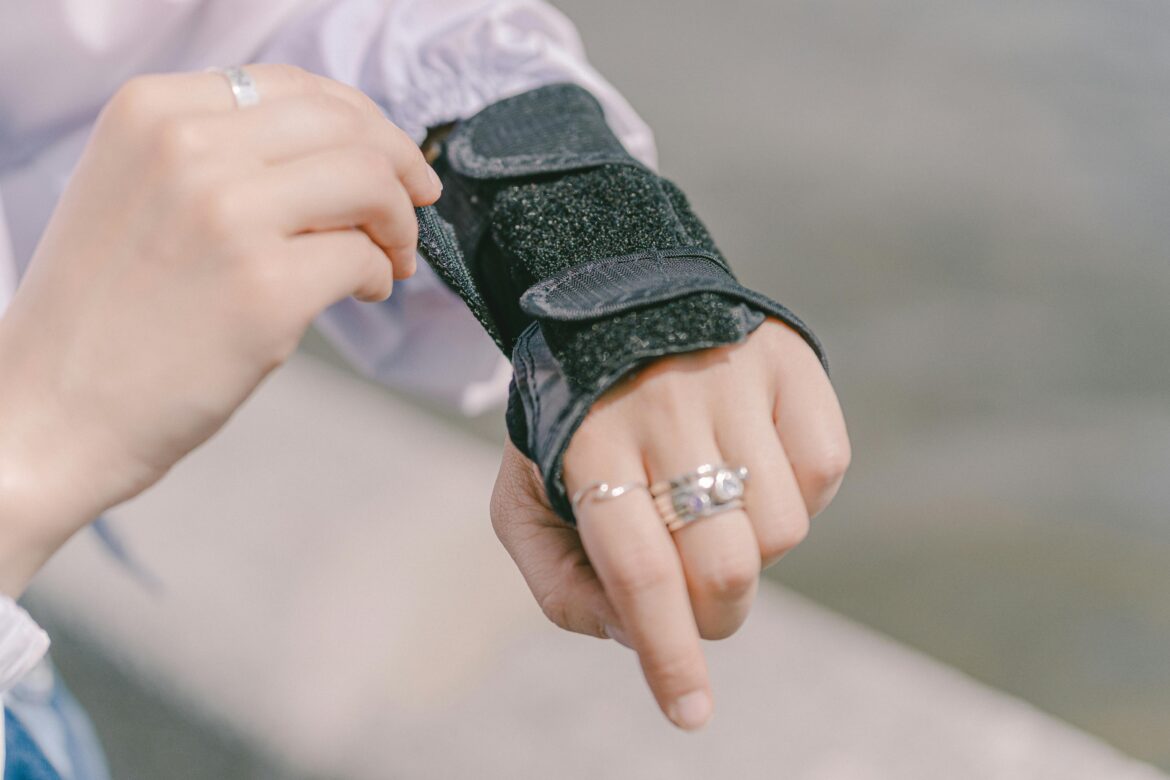
A proper warm-up, less grip pressure, stronger forearms and proper equipment, are all key to long-term comfort and minimizing injuries.
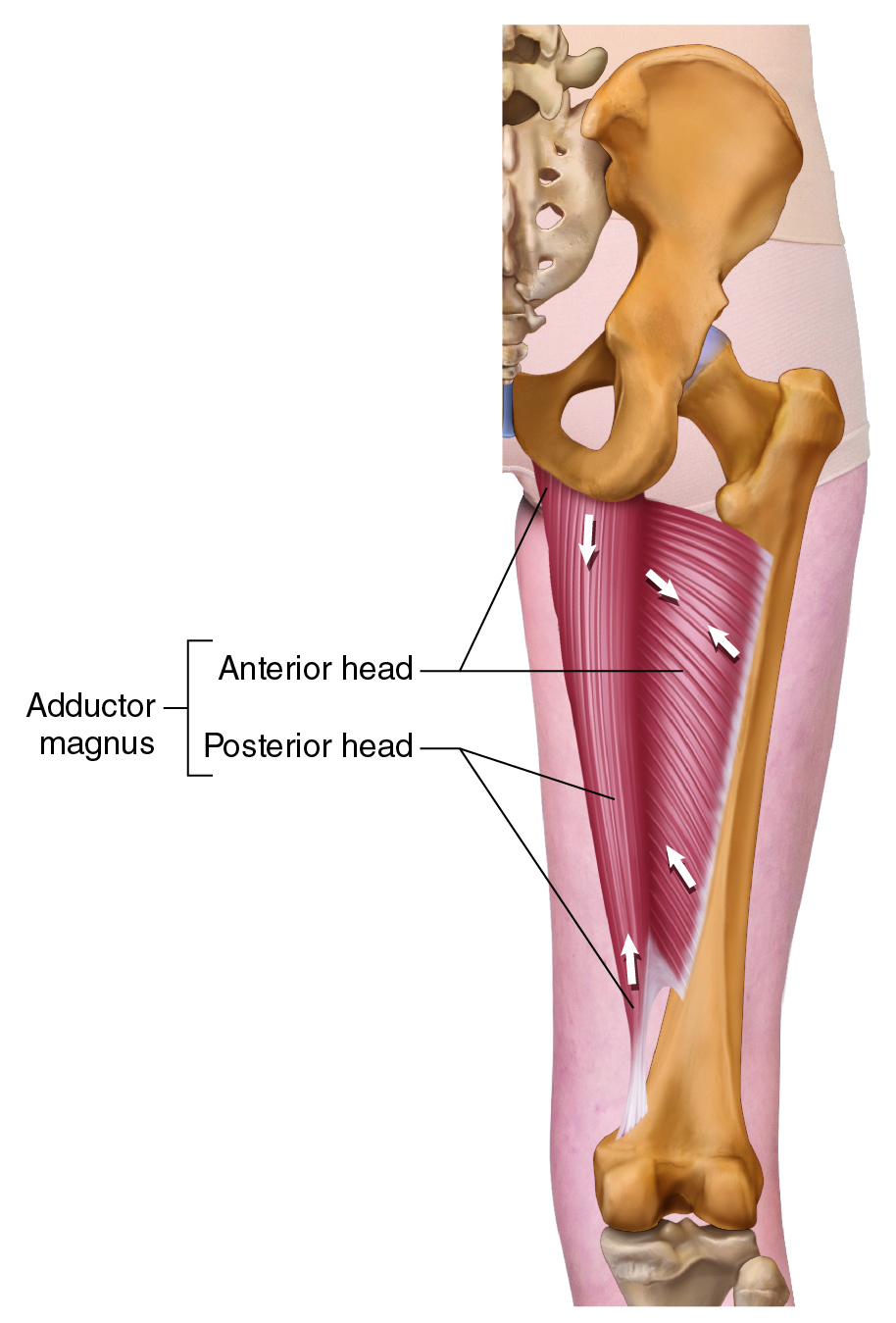
Introduction The adductor magnus is one of the most under-appreciated muscles in the human body. I believe this is because it is essentially deep from both the anterior and posterior views. To truly appreciate this grand muscle, it must be …
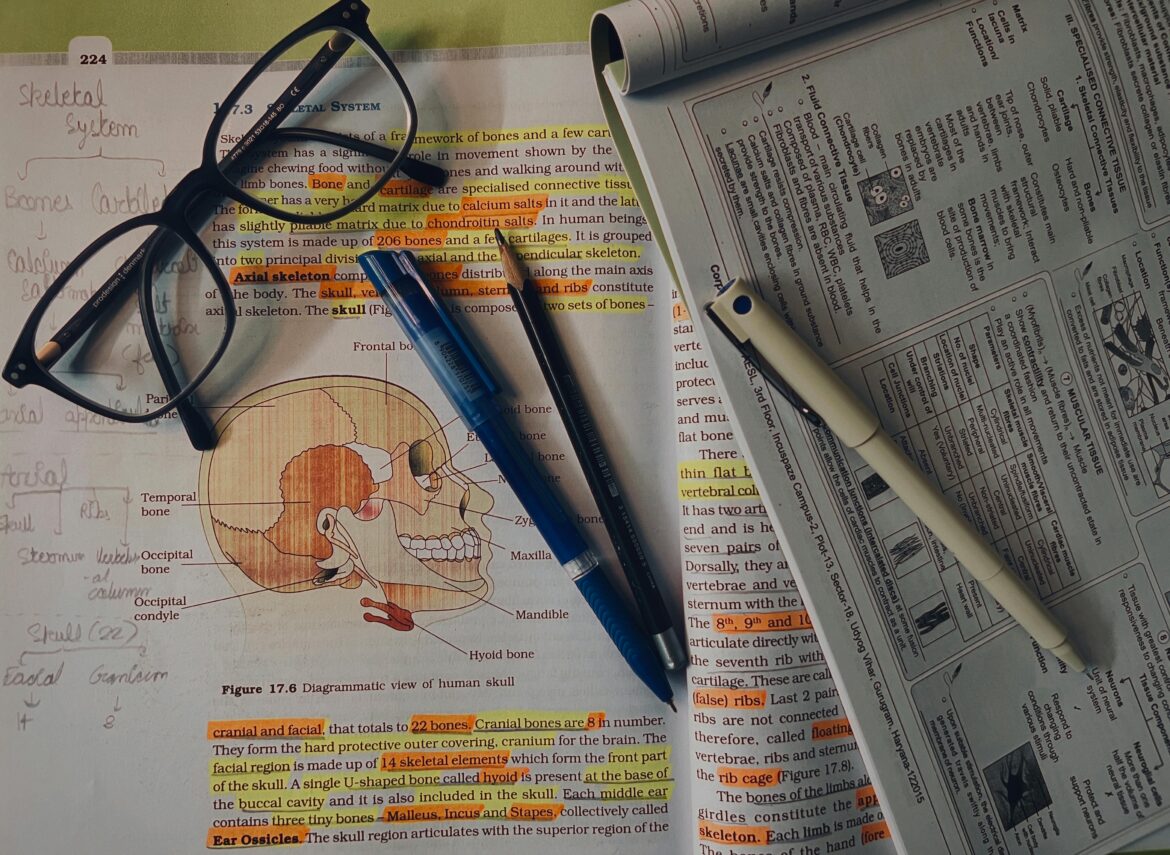
Interested in how the body works? Want to work with patients too? After Anatomy, Nursing could be a future option for you!
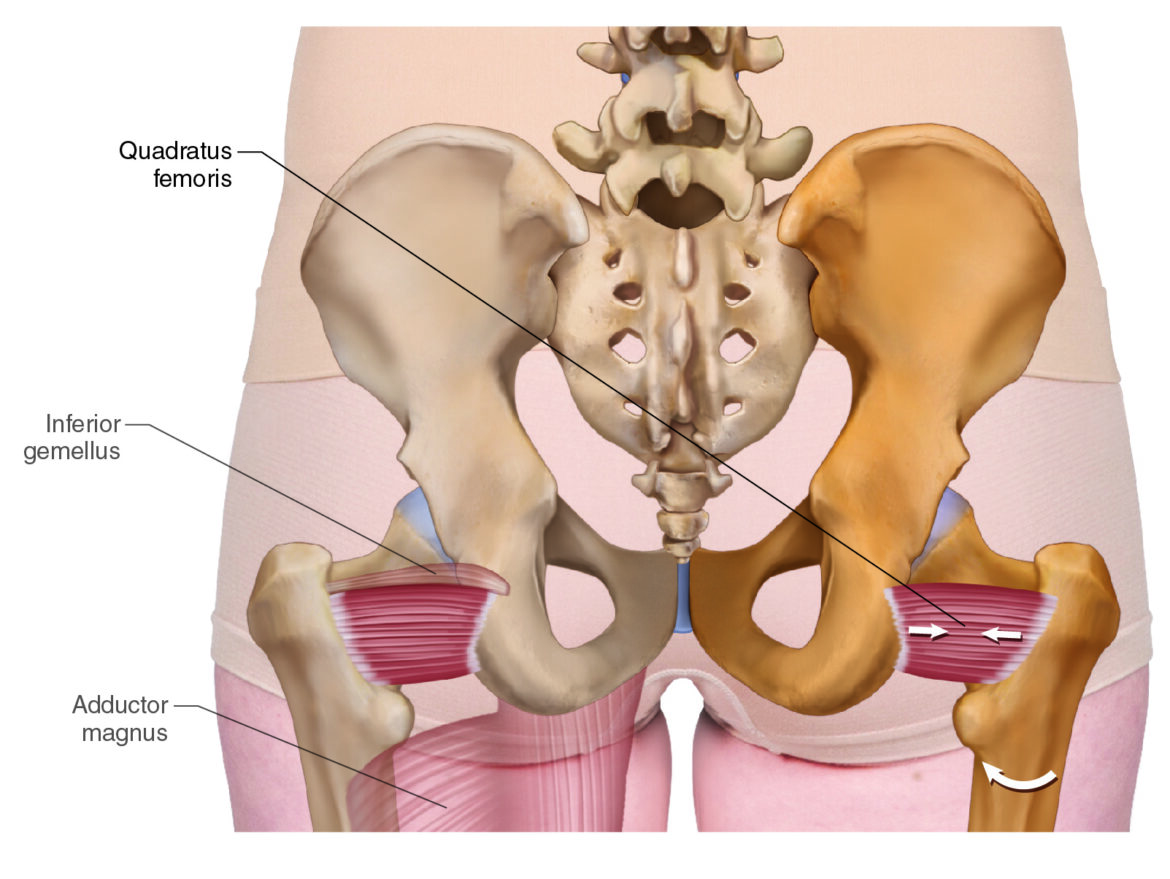
Learn about the quadratus femoris (QF): attachments, open- and closed-chain functions, palpation, stretching, and its overlooked role in gluteal pain.
Grasping the significance of these standards and knowing what to observe can significantly impact the quality and reproducibility of your efforts.
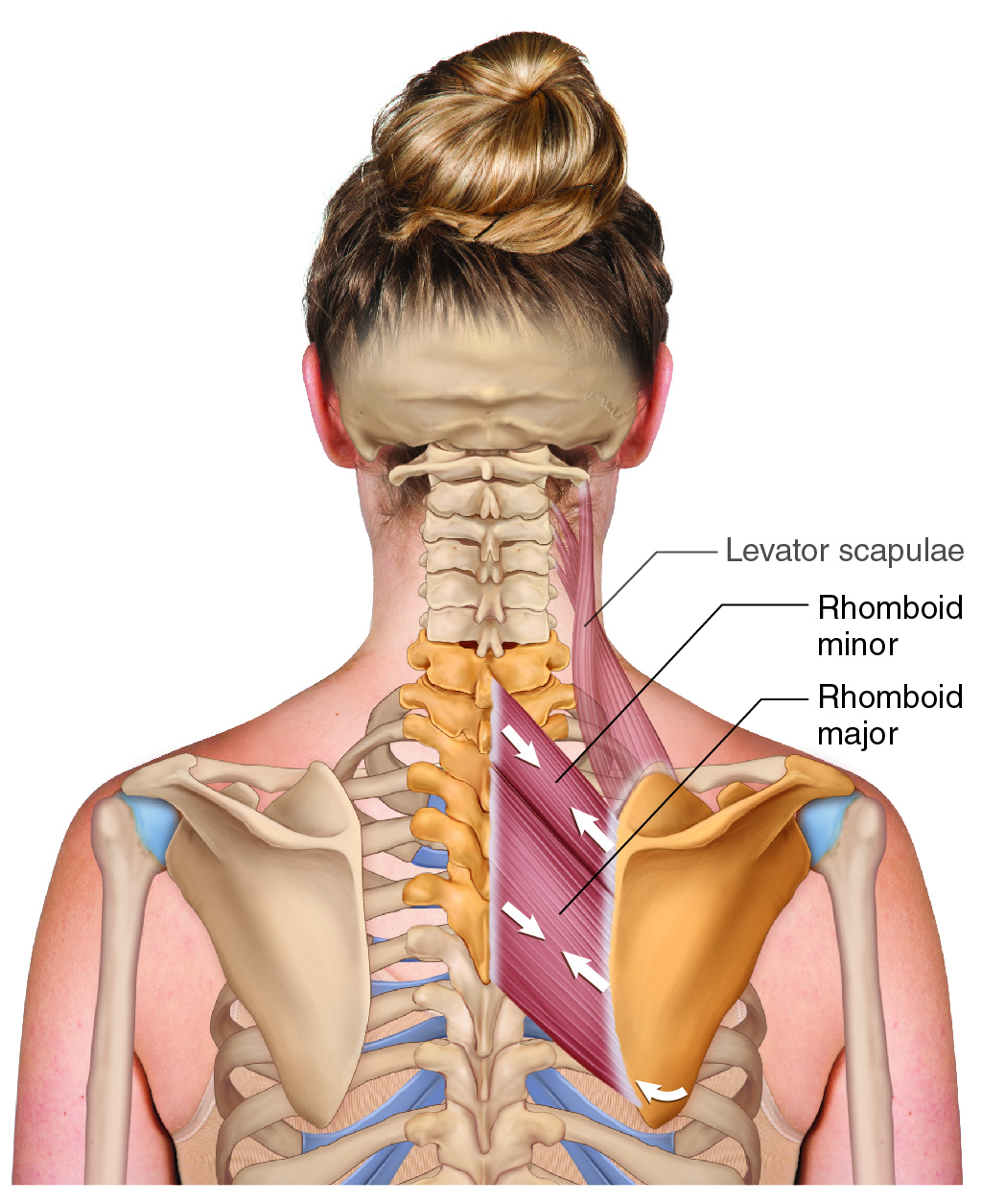
The rhomboids are unusually important to be assessed and appropriately treated because of their involvement in what is likely the most common postural distortion pattern in the human body, upper crossed syndrome.
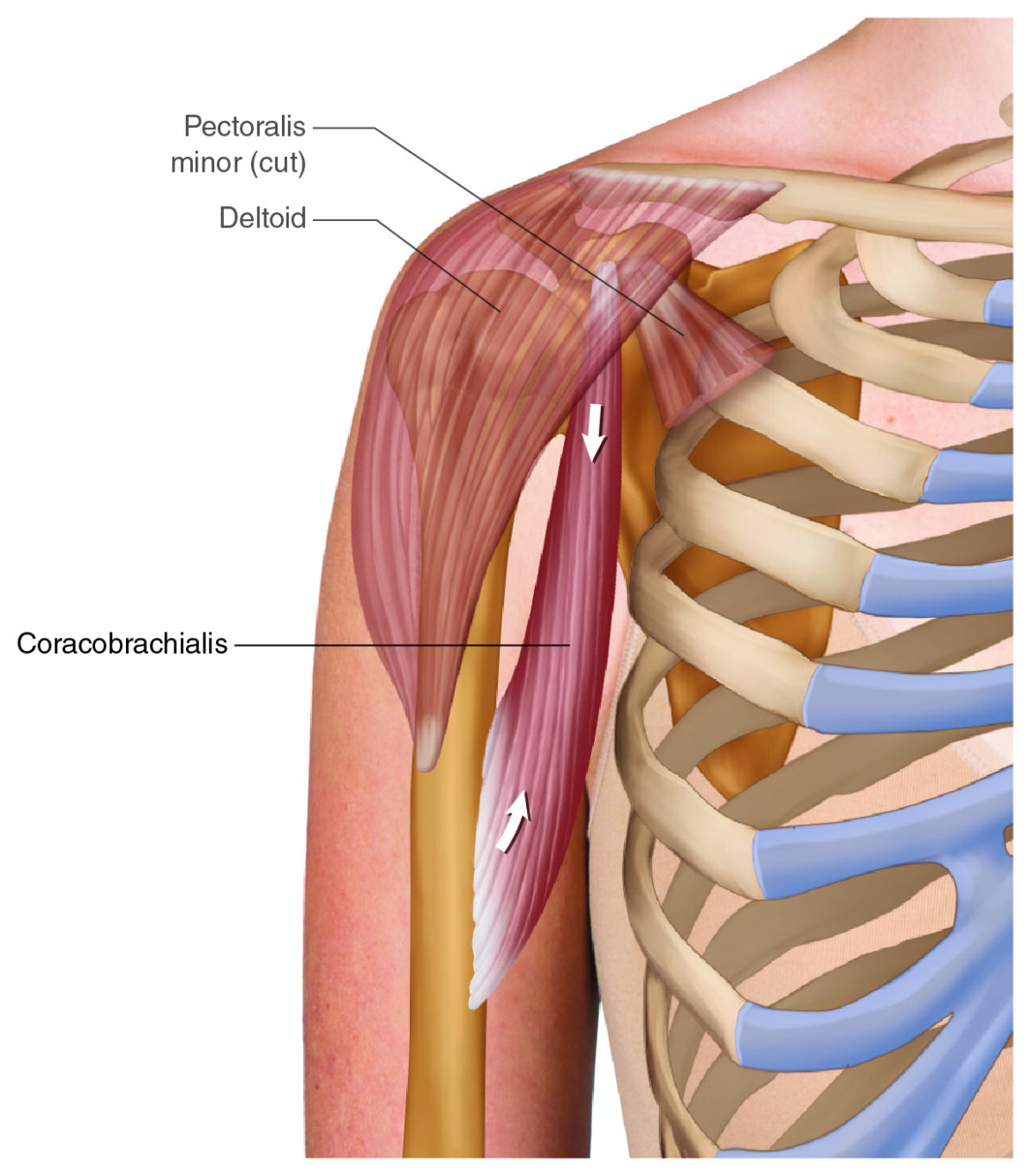
The coracobrachialis is a muscle in the anterior compartment of the upper arm. It originates on the coracoid process of the scapula and inserts on the medial shaft of the humerus. It performs flexion and adduction at the glenohumeral joint and serves as a key teaching muscle for core kinesiology concepts including open-chain vs. closed-chain movement, cardinal-plane vs. oblique-plane motion, and anatomic vs. non-anatomic actions.

Anxiety, depression, low self-esteem, and past trauma affect intimacy. Learn how to improve emotional and physical connection and when to seek help.
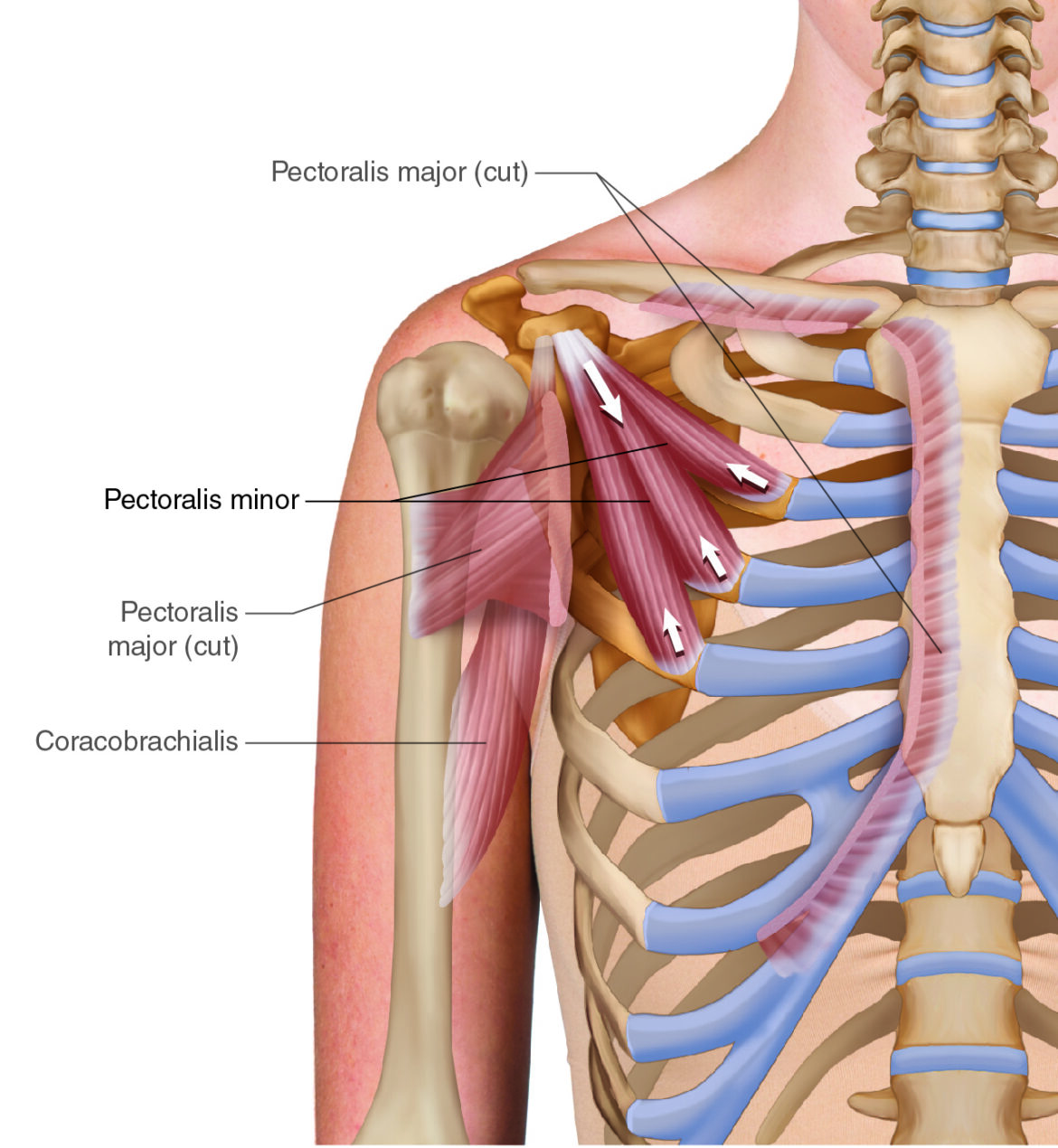
Learn everything about the pectoralis minor muscle — its anatomy, attachments, scapular functions, role in upper crossed syndrome, pectoralis minor syndrome (thoracic outlet syndrome), palpation technique, and stretching. Essential for massage therapists and manual therapy clinicians.

When strength declines and coordination becomes less reliable, even ordinary tasks can become less steady than they once were.
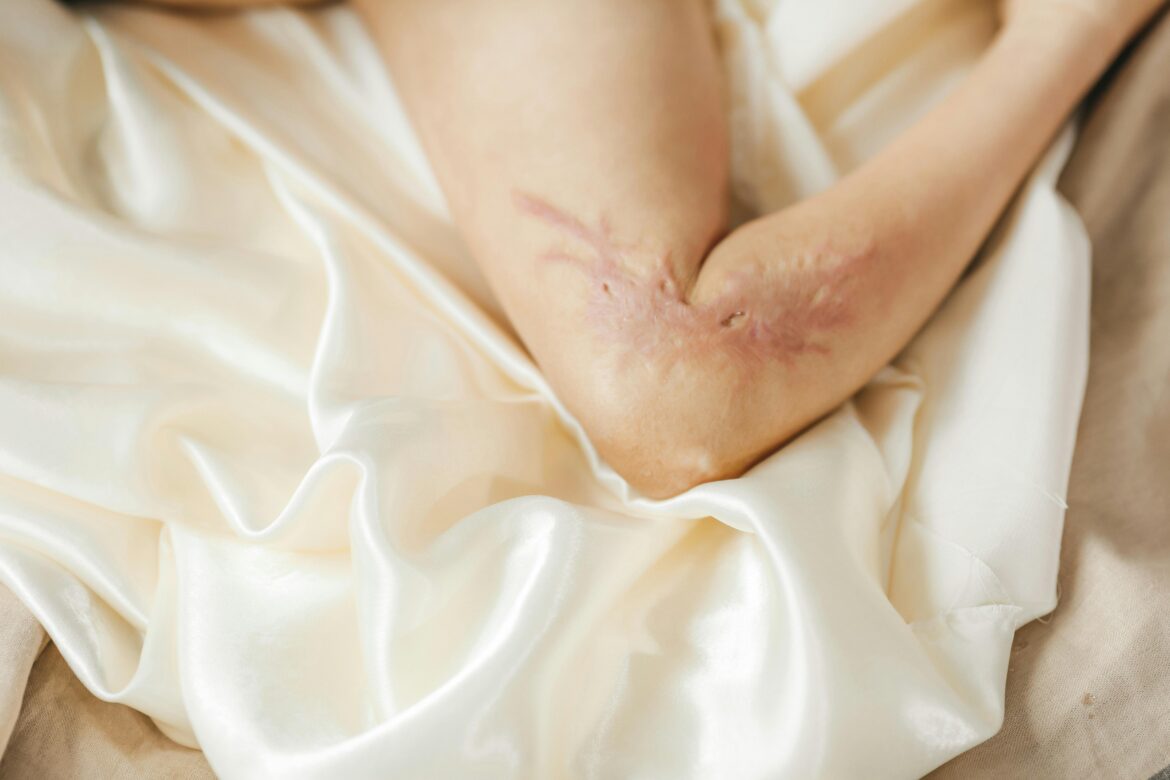
Careful observation, clear communication, appropriate pressure, and a function-focused approach can help support more comfortable movement.
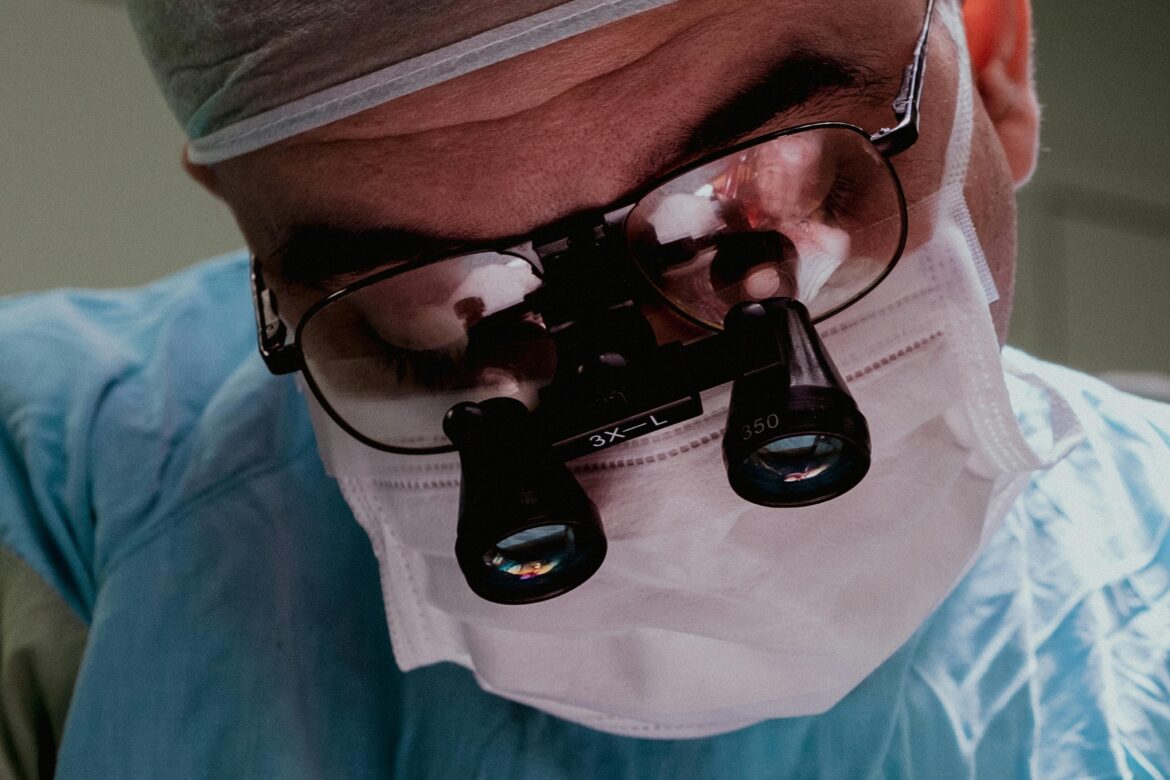
Learn how general surgeons approach surgical risk management before, during, and after procedures through assessment, consent, OR safety, follow-up, and documentation.
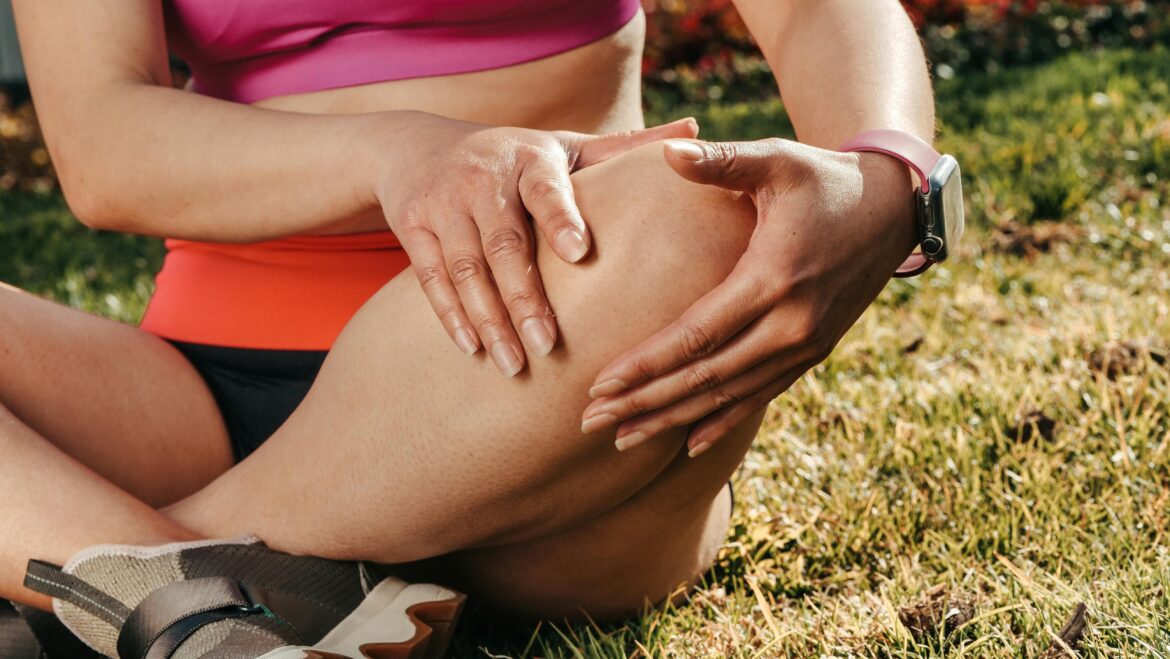
Learn why fasting clients may experience muscle cramps or tightness, how hydration and electrolyte balance affect muscle function, and what manual therapists should know.
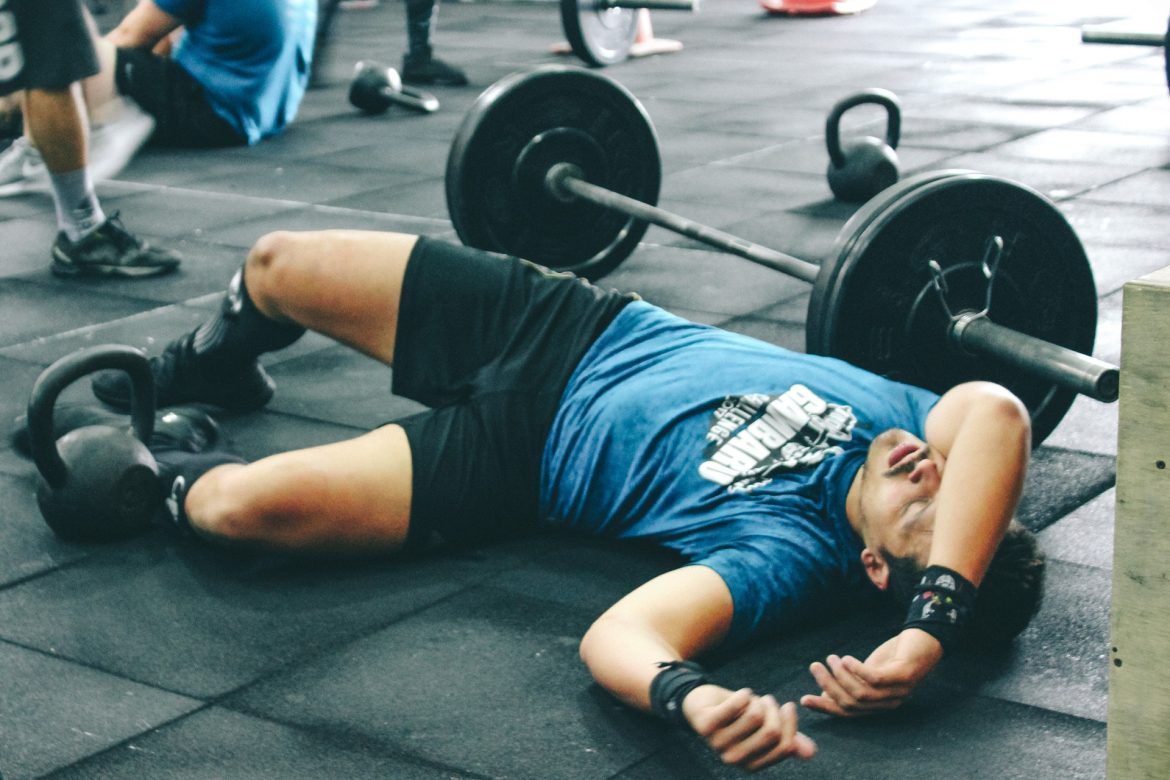
The authors concluded that massage appears to be the most effective method that was studied for reducing DOMS and perceived fatigue.
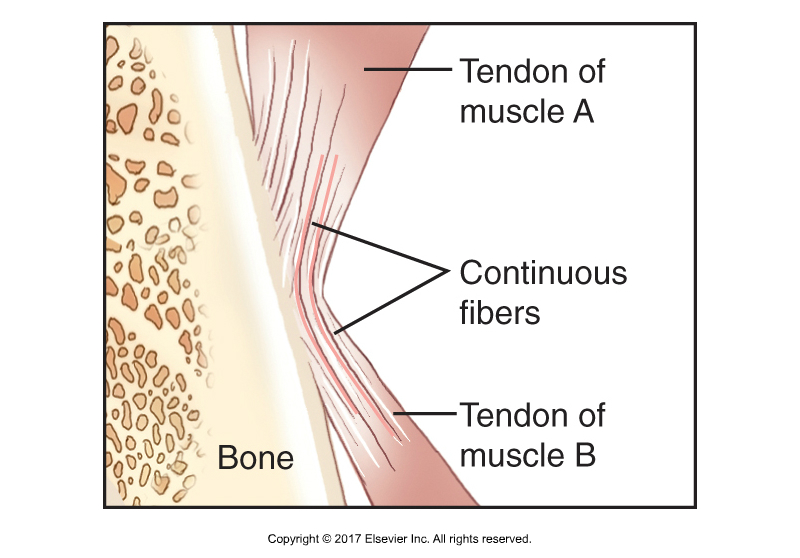
There is a very simple exercise you can do to illustrate the continuity in the Superficial Back Line myofascial chain between gastrocnemius and hamstrings.
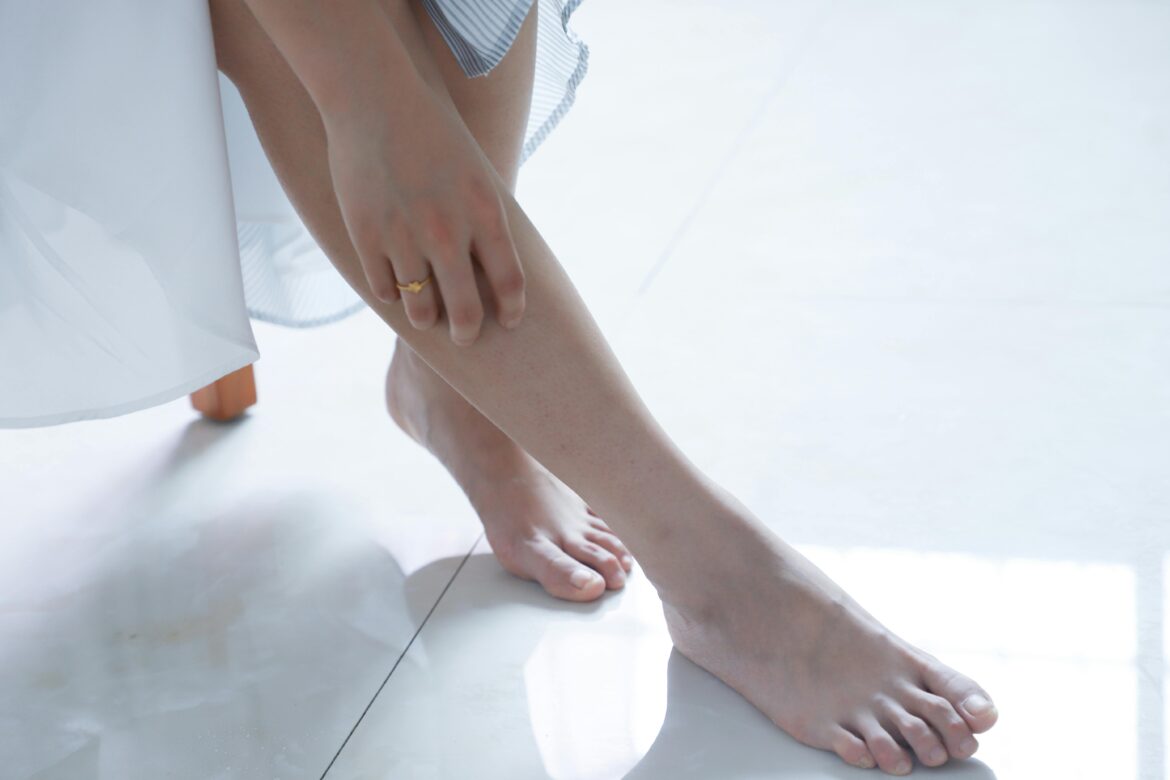
Top-rated H-Varicose Veins Formula, compression stockings, Diosmin, Horse Chestnut & more.

A silent factor significantly influences either the care patients get or the lack thereof: the administrative process behind all doctor visits and hospital stays.
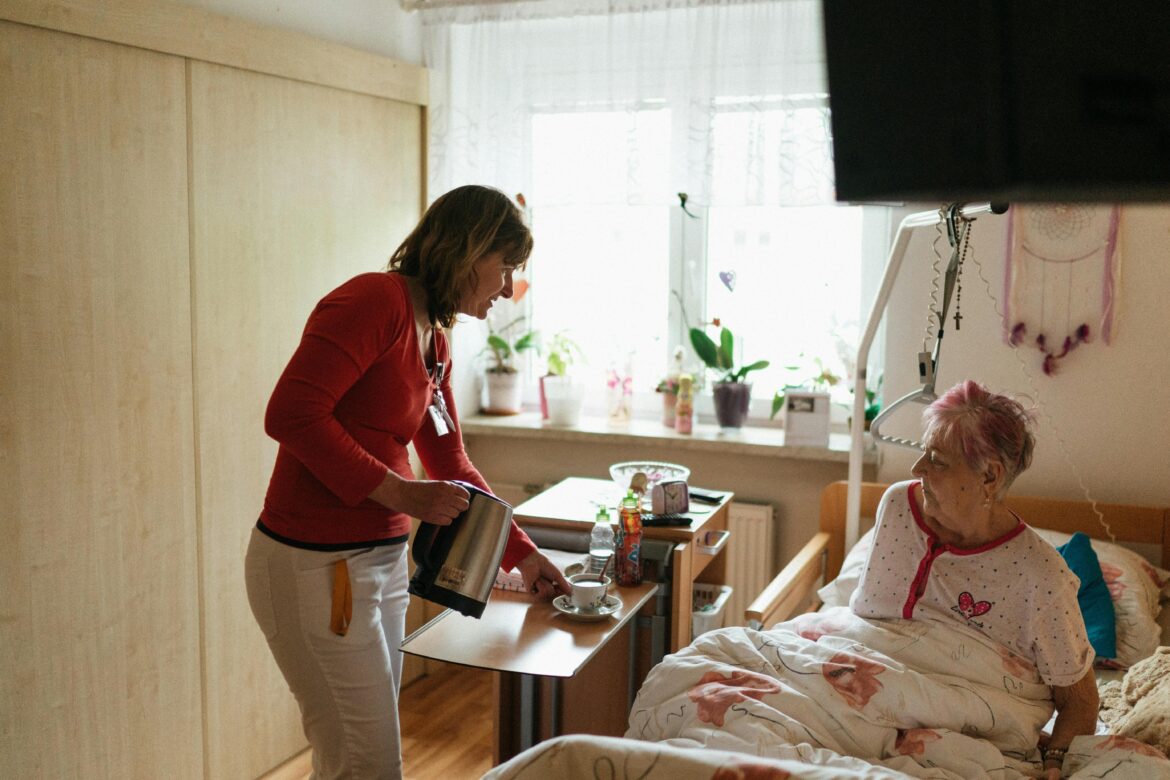
By treating the physical toll with the same seriousness as the emotional toll, we can ensure that compassion doesn’t come at the cost of your own physical health.
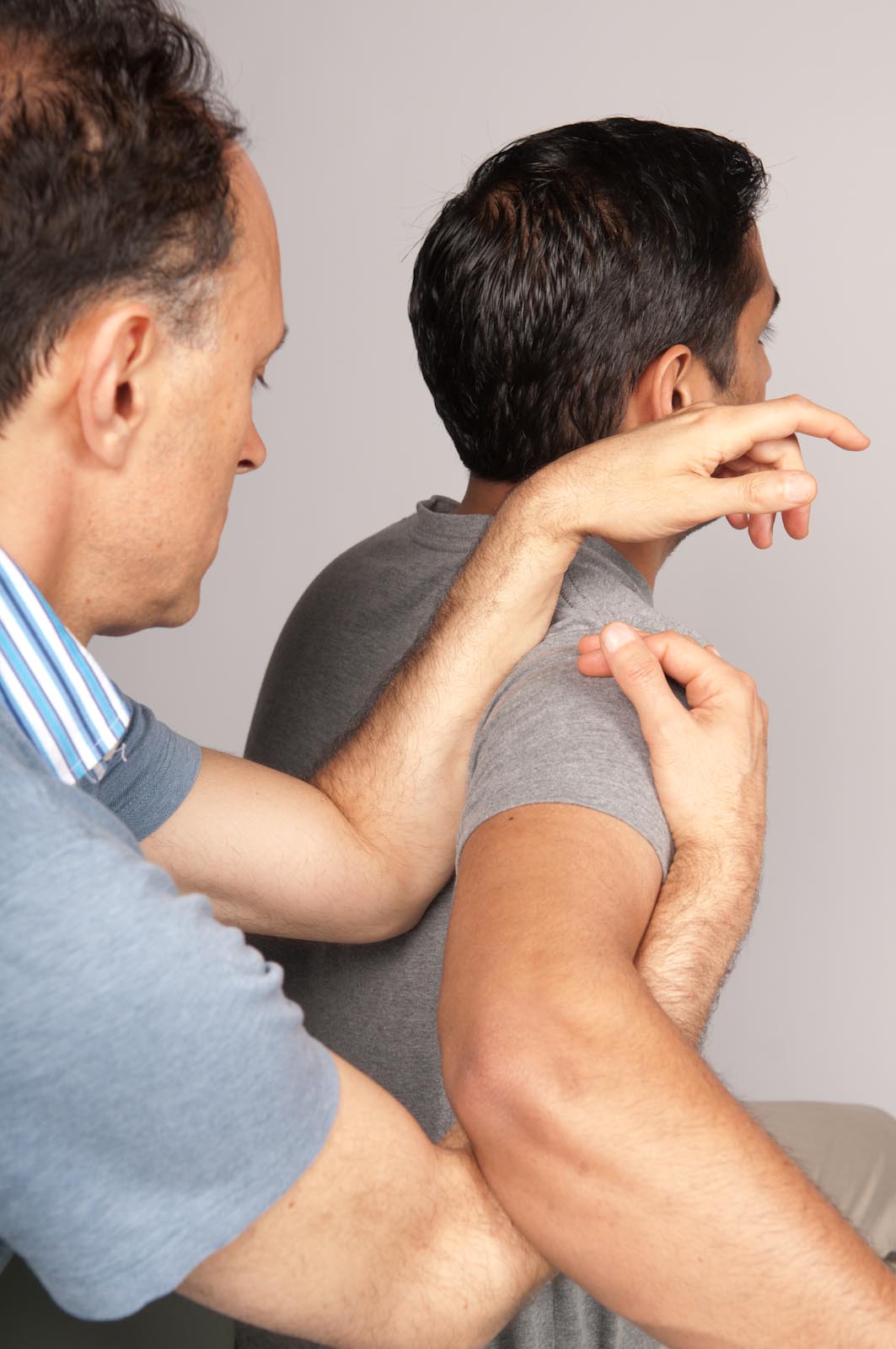
Especially effective for the pectoralis musculature is to use pin and stretch technique. With the client/patient supine and positioned toward the side of the table, pin the musculature with your finger pads as you bring the client/patient’s abducted arm off the side of the table and down into horizontal extension.
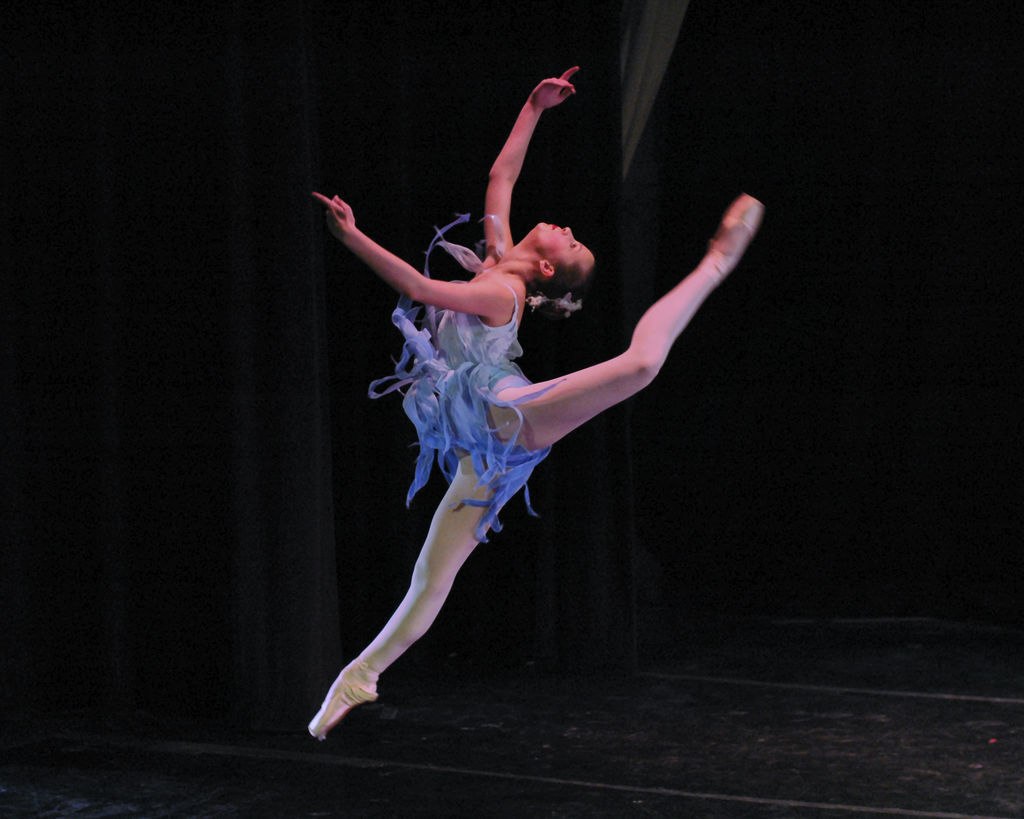
The authors suggested that experienced dancers demonstrate safer landing strategies compared to recreational athletes. Dance training experience may provide protection against high-risk movement patterns. And thus, dance training may be modeled to prevent ACL injuries.
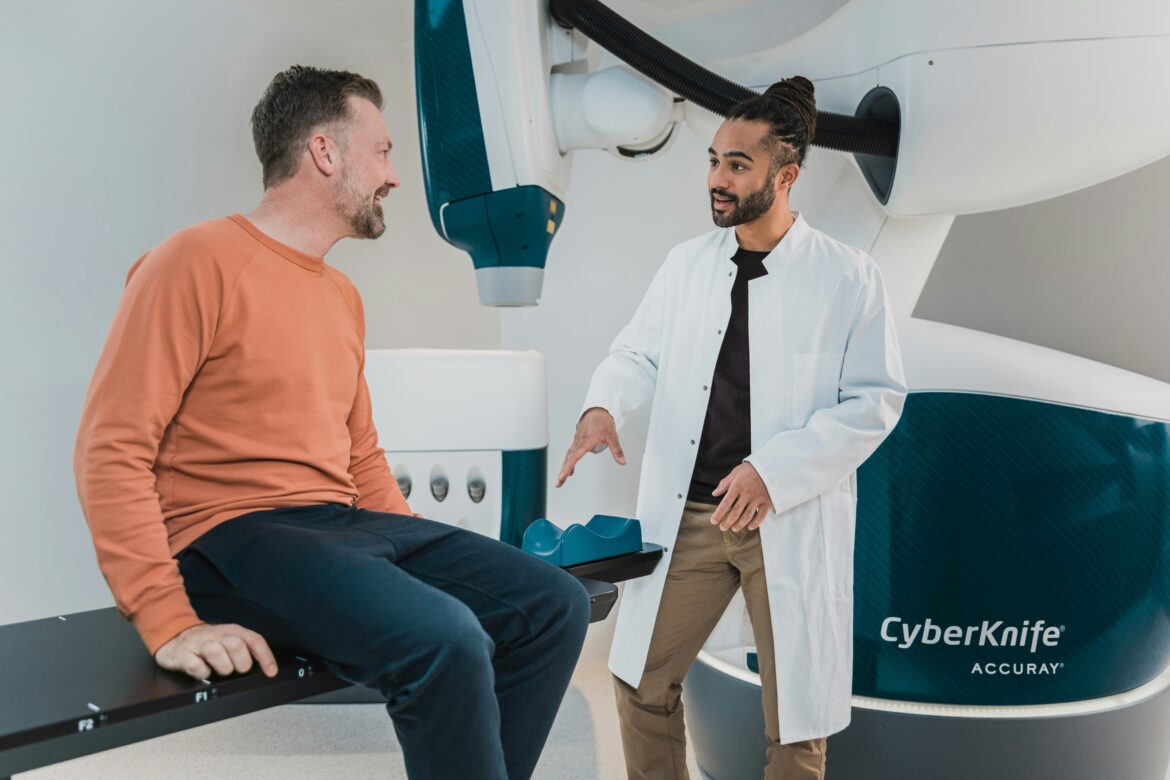
Learn how robotic radical prostatectomy compares to traditional open surgery, including nerve-sparing precision, recovery benefits, and cancer control outcomes.
