In today’s video, let’s have a look at Client Stable on the Table. Enjoy! This video plus 100s more are available on DCOMT: learnmuscles.com/product/digital-comt-subscription/
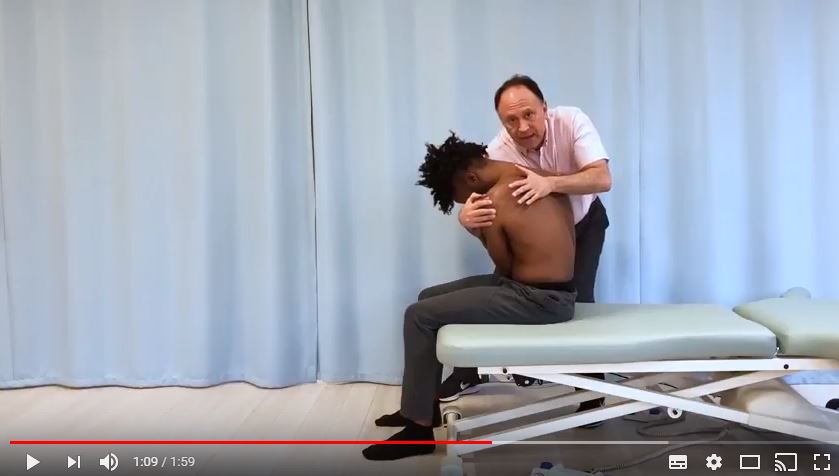
In today’s video, let’s have a look at Client Stable on the Table. Enjoy! This video plus 100s more are available on DCOMT: learnmuscles.com/product/digital-comt-subscription/
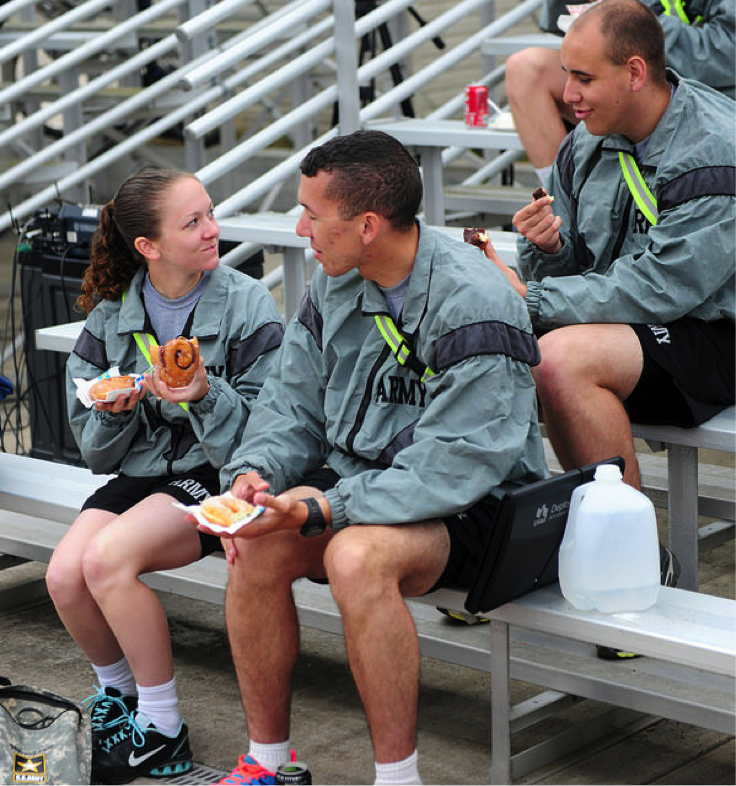
Healthy Lifestyle – Engaging in physical activity does wonders for your mental health. You stimulate the release chemicals such as endorphins and serotonin.
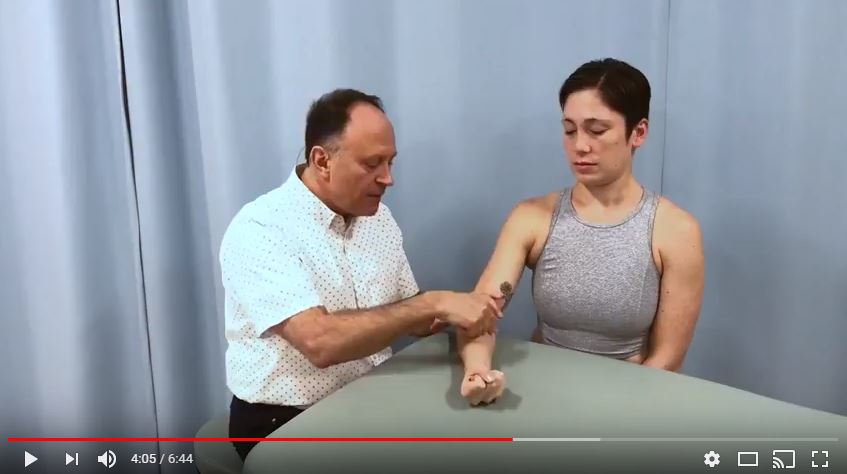
In today’s video, let’s have a look at Causes of Tennis Elbow. Enjoy! This video plus 100s more are available on DCOMT: learnmuscles.com/product/digital-comt-subscription/

Here are five things you can do starting today to change your lifestyle and keep your mind and body healthy, happy, and whole.
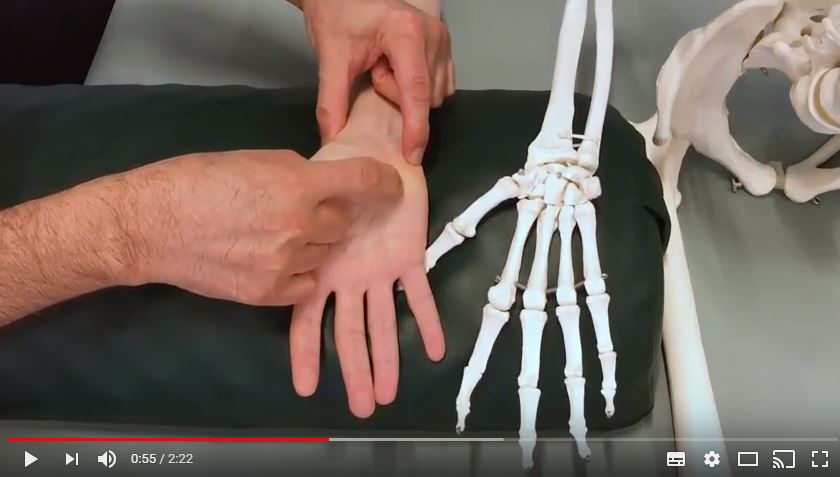
In today’s video, let’s have a look at Bony Landmarks of the Anterior Wrist. Enjoy! This video plus 100s more are available on DCOMT: learnmuscles.com/product/digital-comt-subscription/
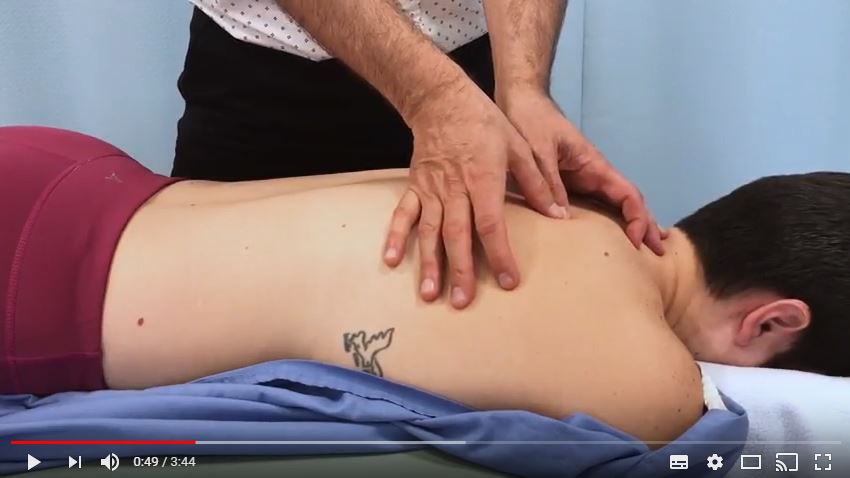
In today’s video, let’s have a look at Body Mechanics Protecting the Metacarpophalangeal Joint of the Thumb. Enjoy! This video plus 100s more are available on DCOMT: learnmuscles.com/product/digital-comt-subscription/
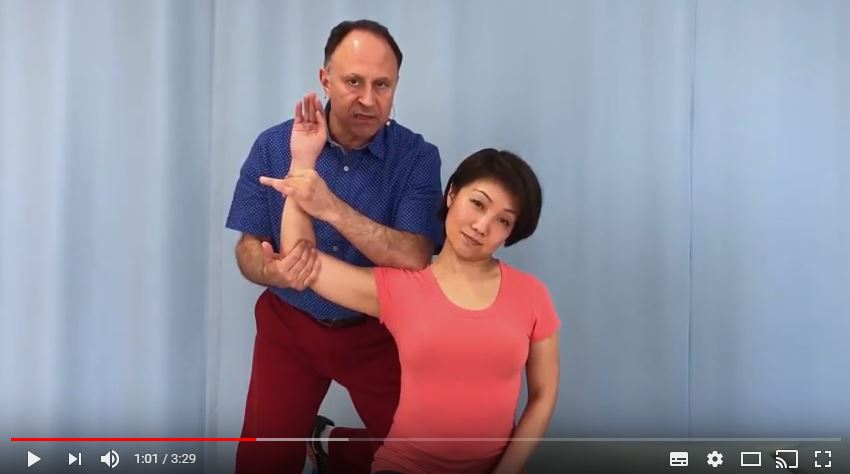
In today’s video, let’s have a look at Seated Thai Elbow Move with Active Pin and Stretch. Enjoy! This video plus 100s more are available on DCOMT: learnmuscles.com/product/digital-comt-subscription/
The most exciting places in the world are also places where you can contract disease. This article presents health recommendation tips for travelers.
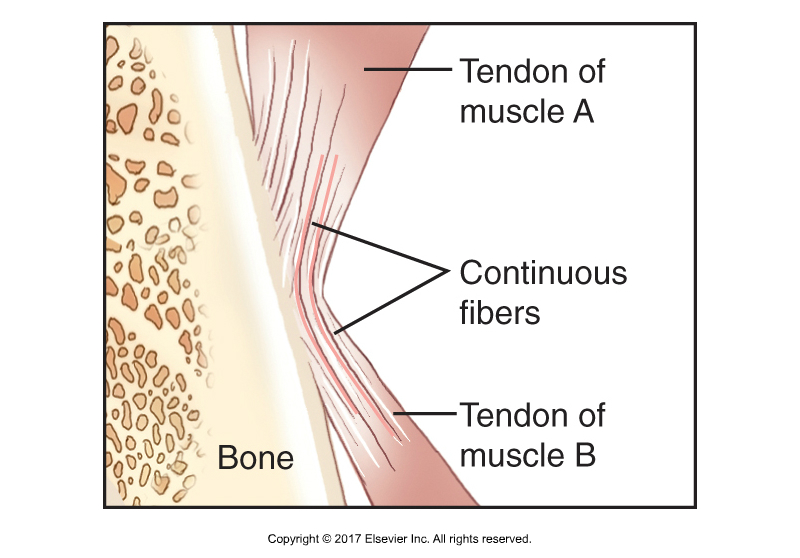
There is a very simple exercise you can do to illustrate the continuity in the Superficial Back Line myofascial chain between gastrocnemius and hamstrings.

The sleep debt you accumulate… If you don’t get the minimum requirement of hours for your personal needs, you will accumulate a sleep debt.
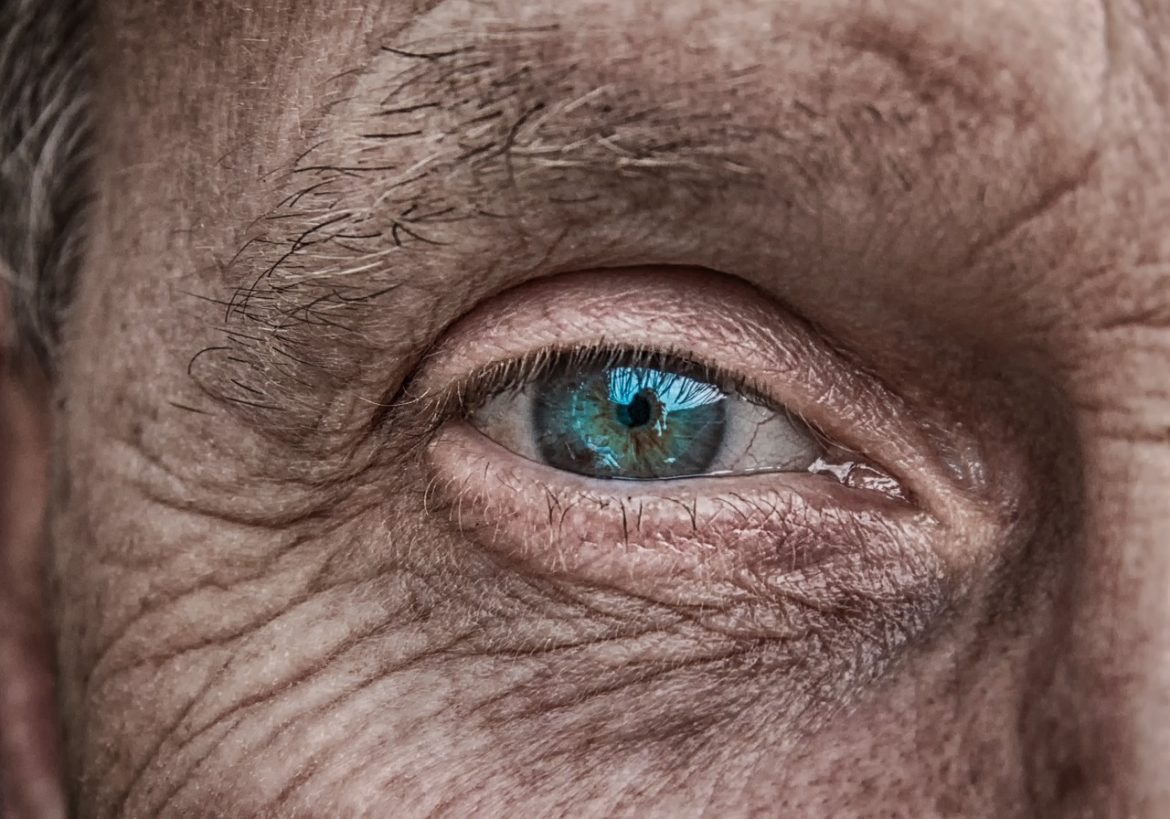
Massage is commonly promoted to enhance skin health by increasing its ability to regenerate and improving its elasticity and resilience. However…
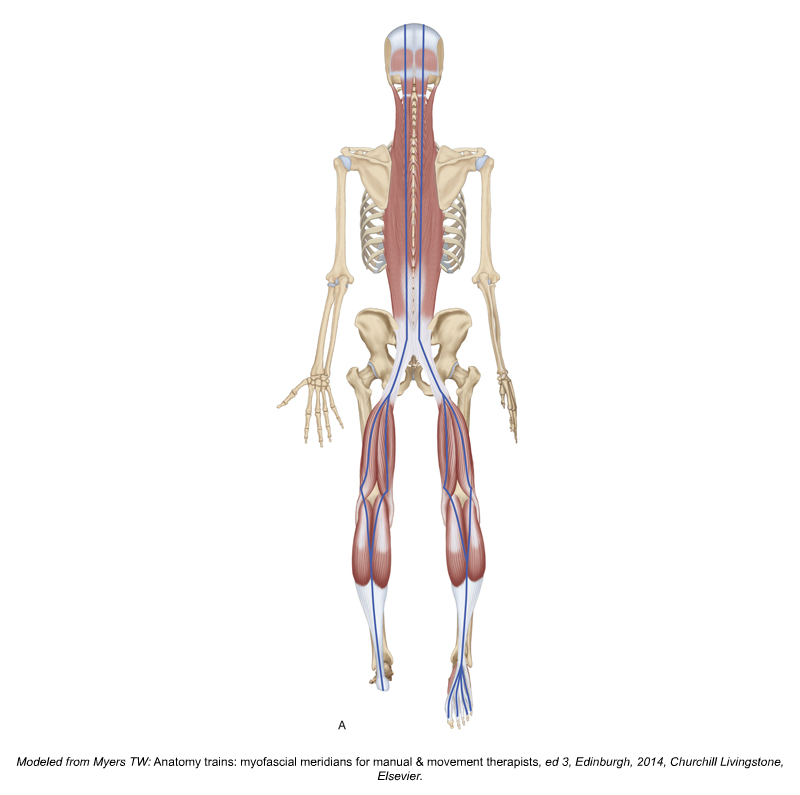
The authors concluded that low back pain may cause activation of the low back musculature elsewhere along the Superficial Back Line Myofascial Continuity.
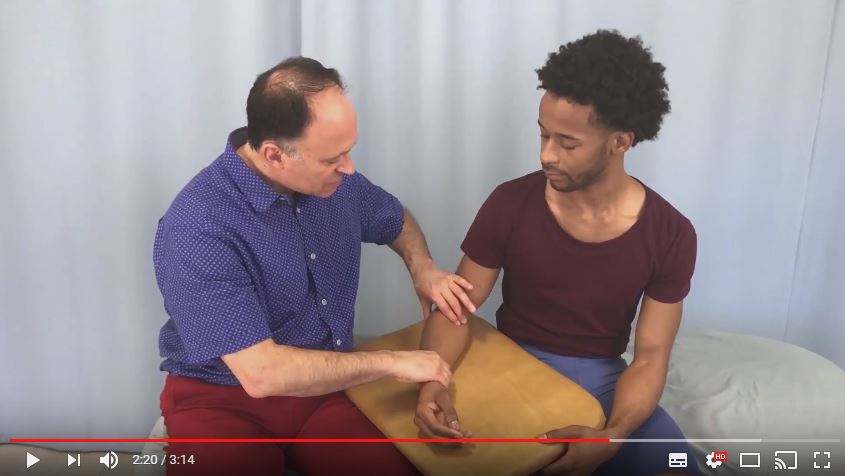
In today’s video, let’s have a look at Muscle Palpation: Strum Perpendicular. Enjoy! This video plus 100s more are available on DCOMT: learnmuscles.com/product/digital-comt-subscription/
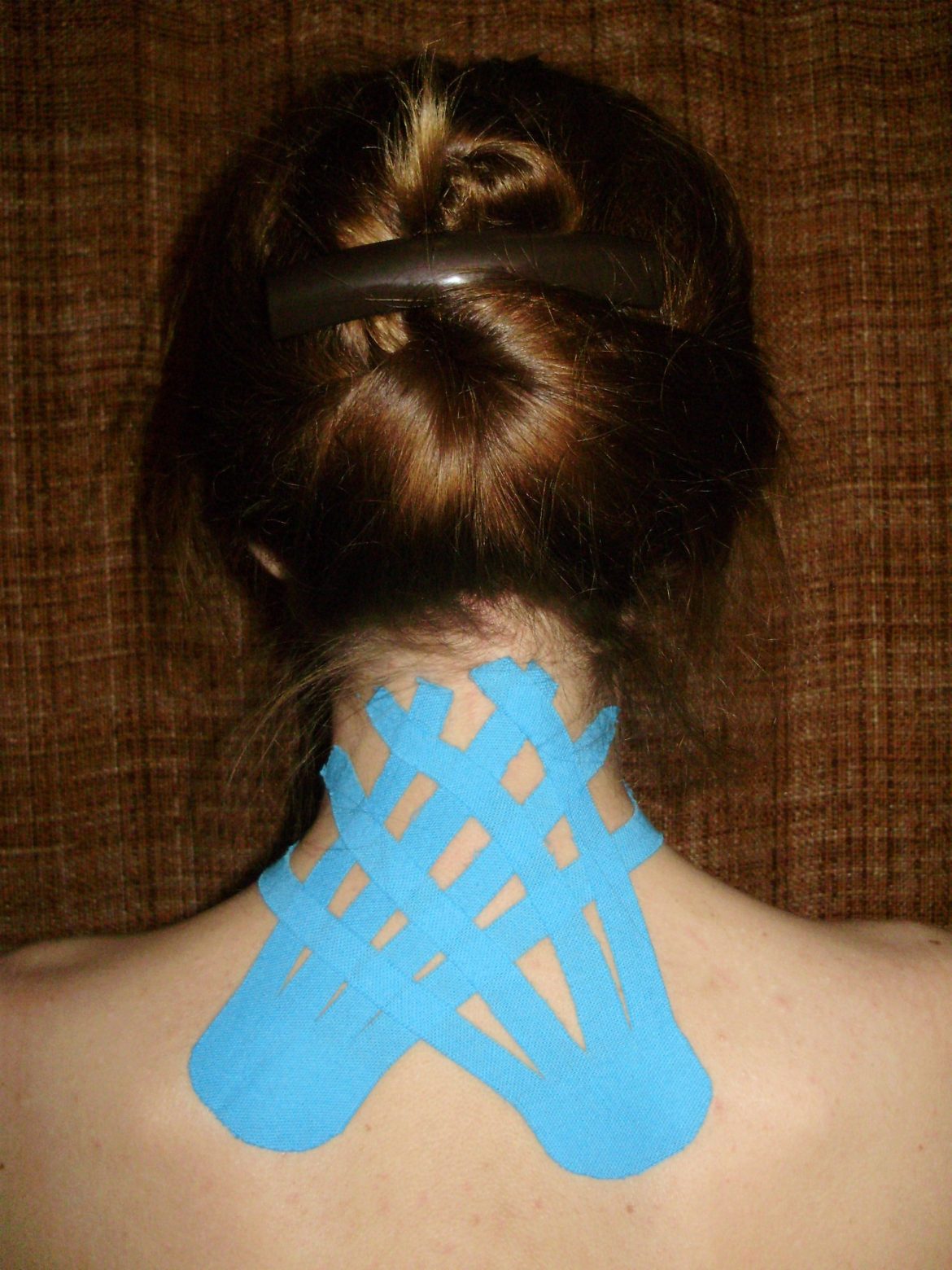
This study found that neuromuscular taping was associated with a decrease in mean systolic blood pressure, mean diastolic pressure, and cardiac vagal tone.
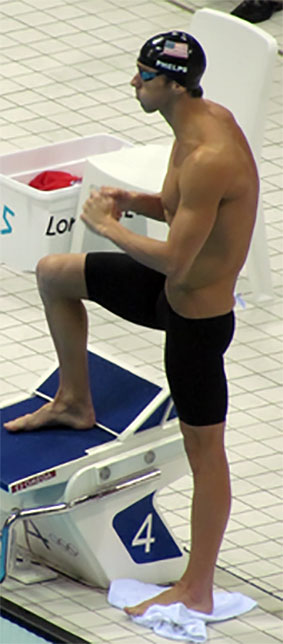
Swimmer’s shoulder can include several different pathologies, including rotator cuff tendinitis, shoulder instability, and shoulder impingement.
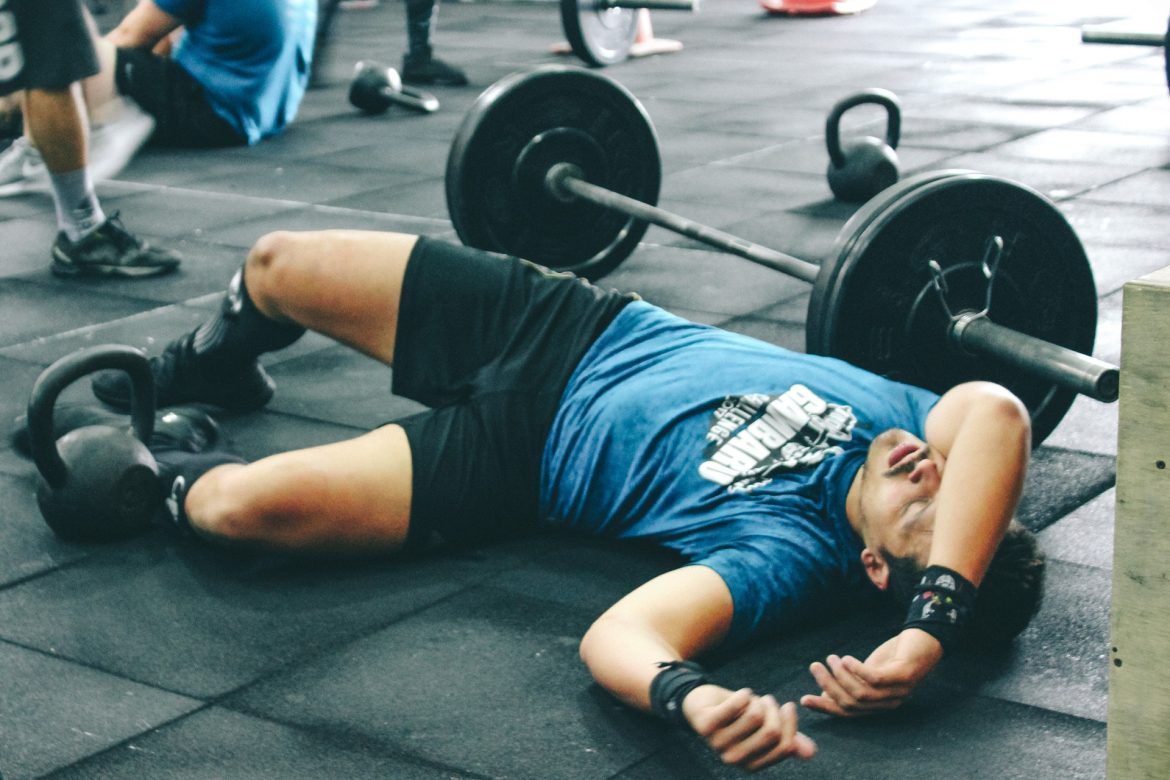
The authors concluded that massage appears to be the most effective method that was studied for reducing DOMS and perceived fatigue.
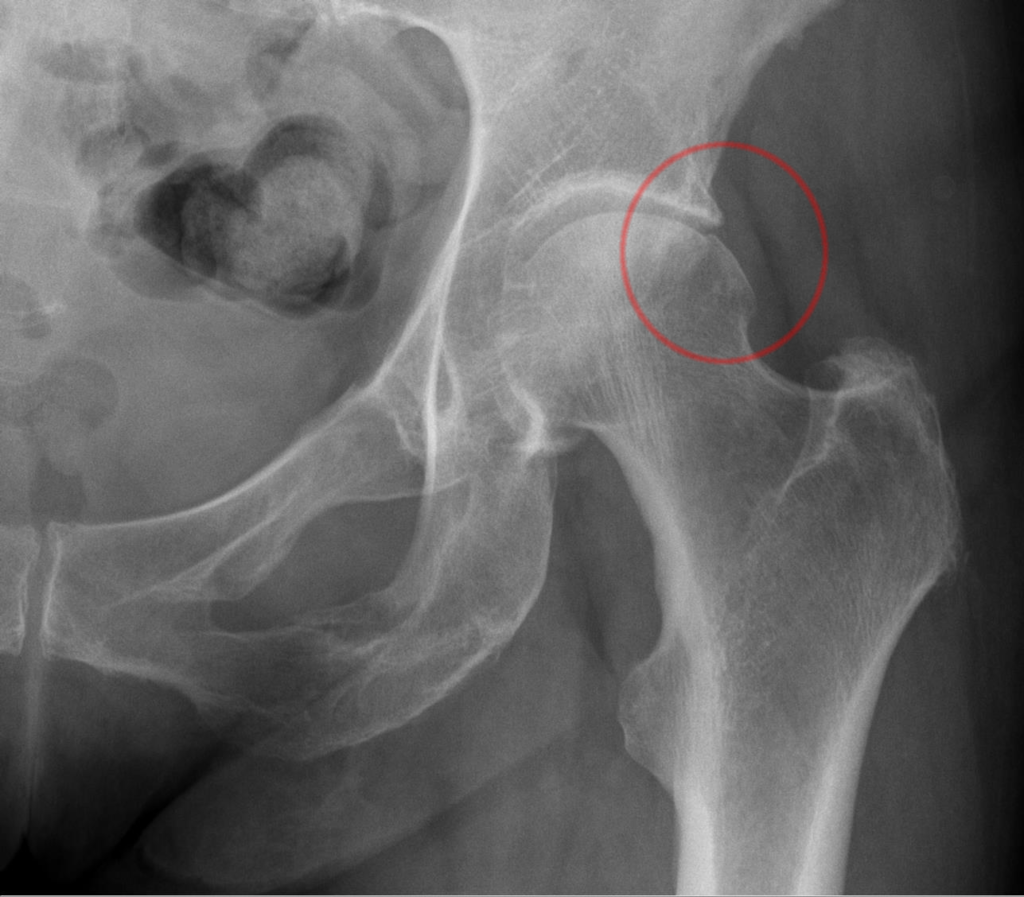
Femoroacetabular impingement syndrome is a movement-related condition, usually caused by abnormal bone formation of the femoral head and/or acetabulum.
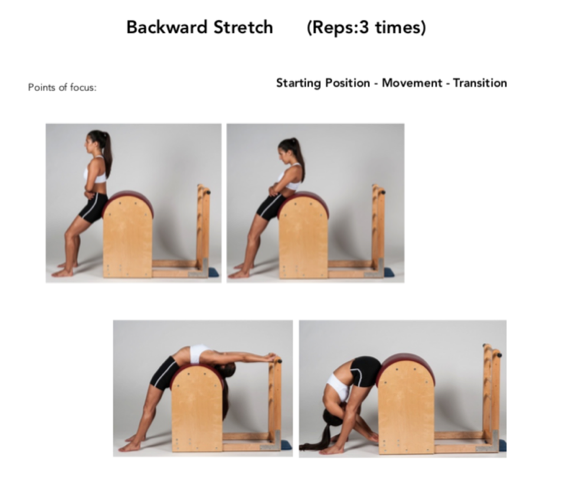
When a client presents with thoracic hyperkyphosis (rounded back), there are many approaches for how Pilates can treat thoracic hyperkyphosis. And for each of these approaches, many Pilates exercises can be utilized. Before addressing these approaches, let’s briefly review thoracic hyperkyphosis…
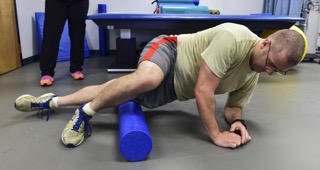
Foam roller massage is quite popular nowadays among athletes and being recommended to patients by many health rehabilitation professionals as an intervention to augment other manual therapies or as a warm-up before an athletic activity, or as a recovery after athletic activity.
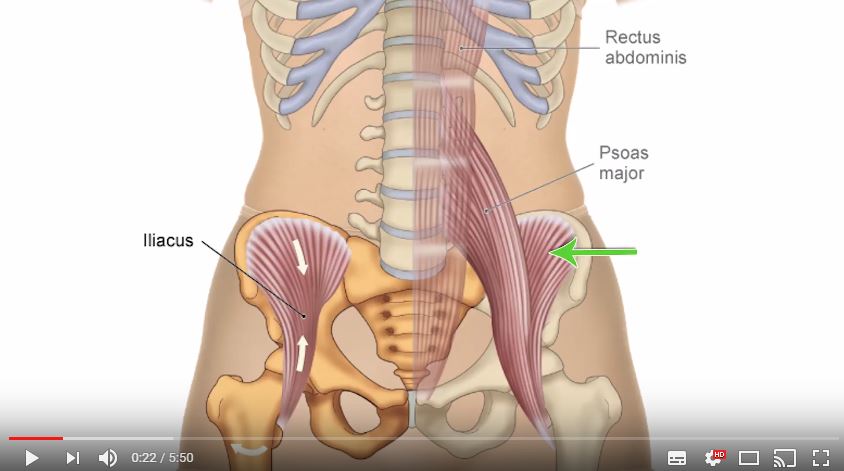
In today’s video, let’s have a look at Muscle Action Series: Iliacus. Enjoy! This video plus 100s more are available on DCOMT: learnmuscles.com/product/digital-comt-subscription/

Here is a fun exercise to help you practice your body language reading skills. Turn on a movie or tv show, but turn the sound off. It is amazing when there are no words to distract us, how much better we can read the body language and understand the feelings and emotions of the communication.
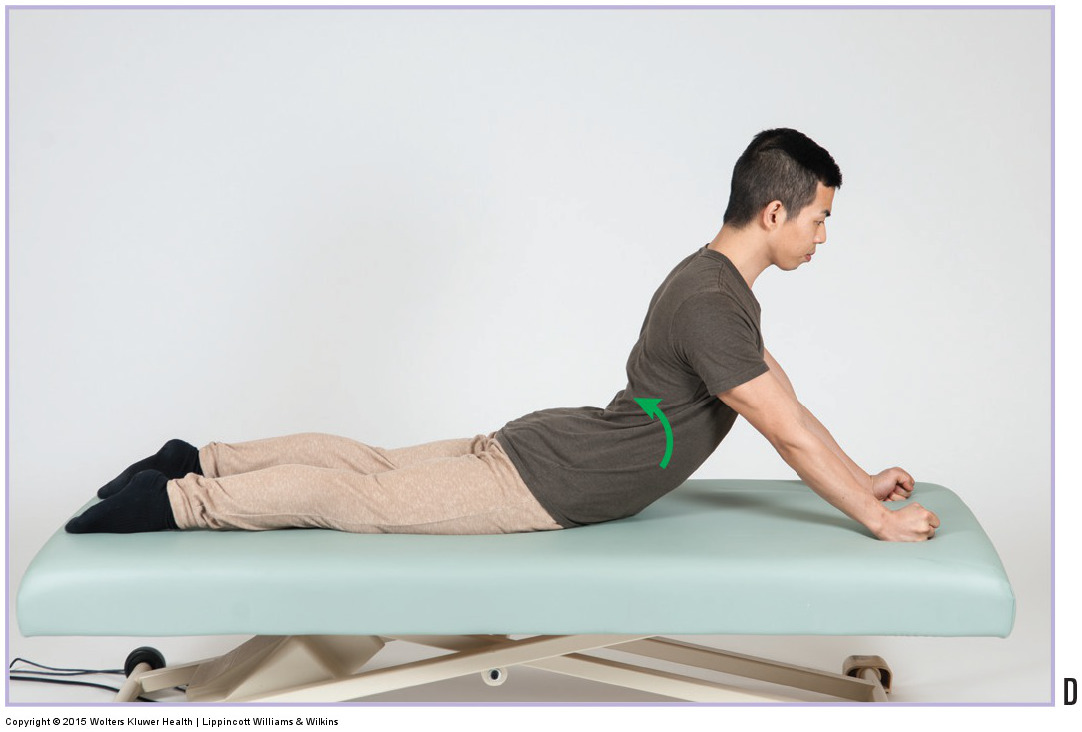
The fact that simple stretching for only 10 minutes per day could reduce cancer tumor growth by 52% in this study involving mice is pretty amazing! Being a manual and movement therapy physician, author, and educator, it is clear to me that the human body needs movement. But to see a 52% improvement was incredible!

The following is a blog post article contributed to us from Daisy May Hartwell. In this blog post article, Daisy discusses 20 simple and straight-forward tips that we can employ to improve our memory and improve our learning!
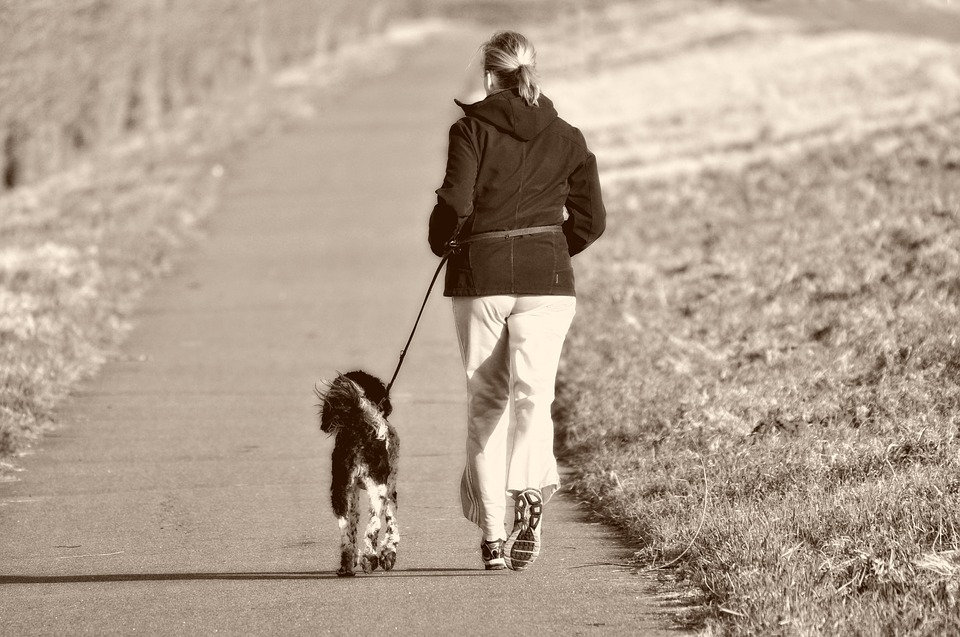
Once your life is more balanced, it will be easier to maintain a workout routine for the long-term. Not to mention, you won’t be missing out on other aspects of your life — or compromising your health. There’s no one-size-fits-all approach to self-care and achieving a healthy lifestyle as everyone has different needs.
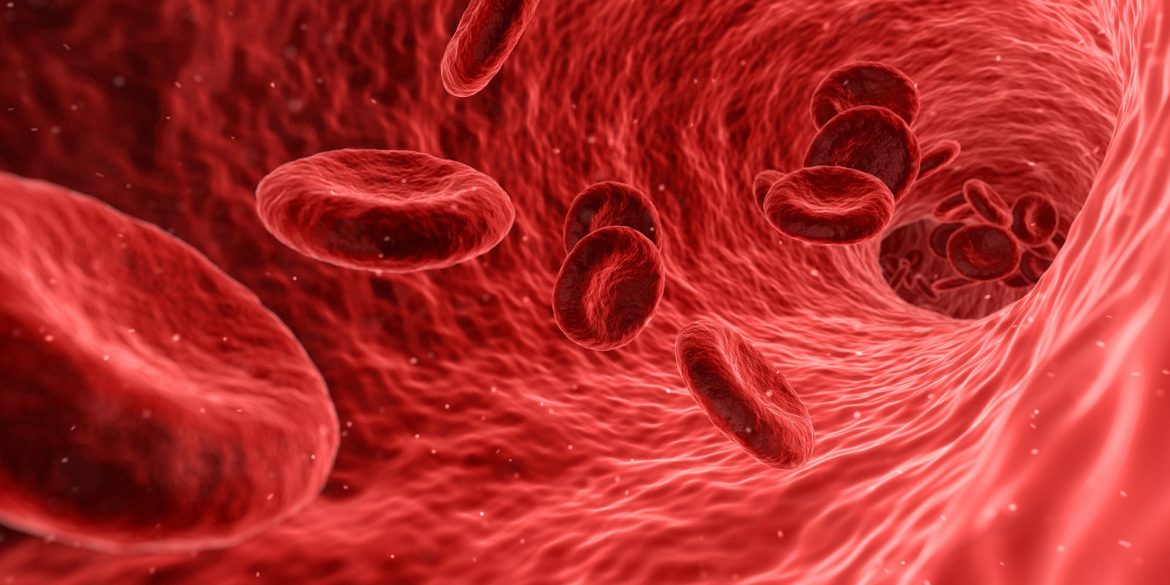
Regardless of the underlying mechanism, there seems to be a growing number of studies that do show a correlation between massage therapy and blood circulation. Although these studies at present seem to be inconsistent in their findings, the fact that many of them do show a causal relationship is encouraging.

When working, we place a demand on the body and the body responds by adapting to meet those demands. However, every tissue, has a limit to the mechanical stress that it can accept during physical activity without injury. It would seem likely that the demands of some professions are too great for the human body.
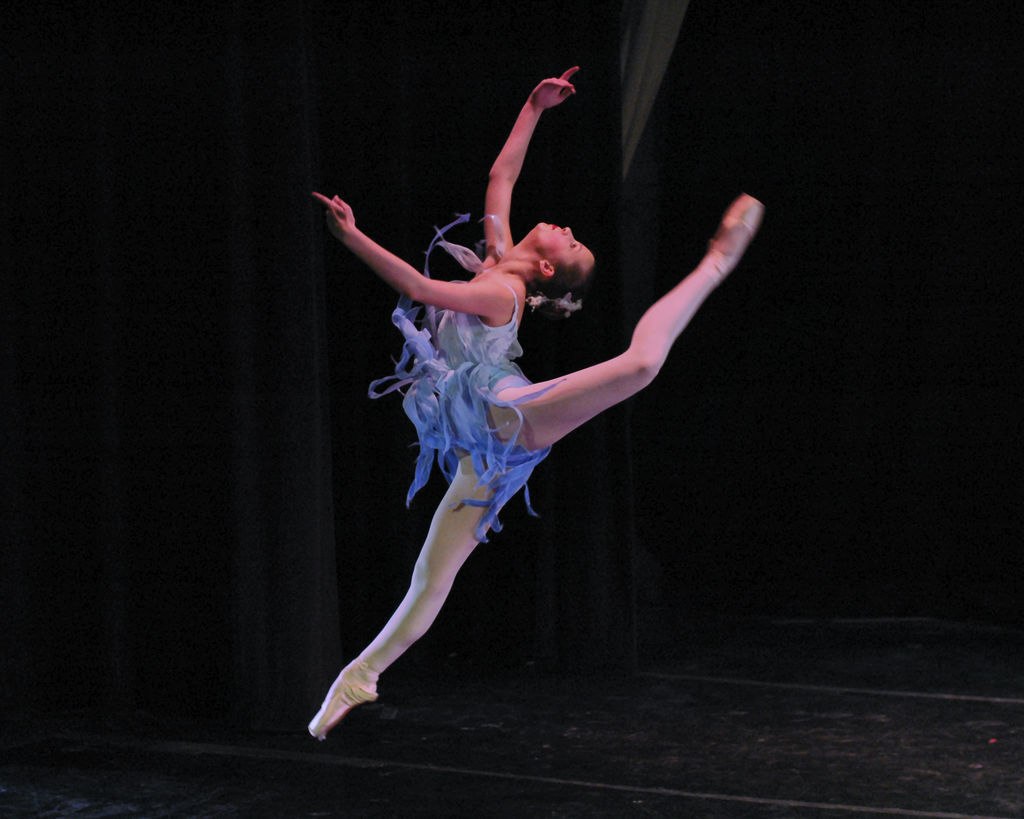
The authors suggested that experienced dancers demonstrate safer landing strategies compared to recreational athletes. Dance training experience may provide protection against high-risk movement patterns. And thus, dance training may be modeled to prevent ACL injuries.
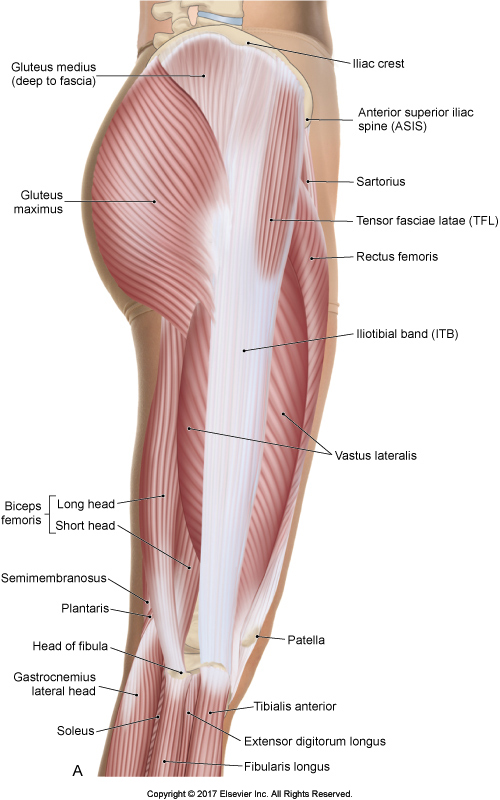
This study seems to show a relationship between iliotibial band (ITB) syndrome and knee adduction (genu varum) and the activation of the TFL. A relationship can be two incidents that occur together, termed a “coincidence.” Or there can be a causal relationship between them; i.e., one causes the other to occur.
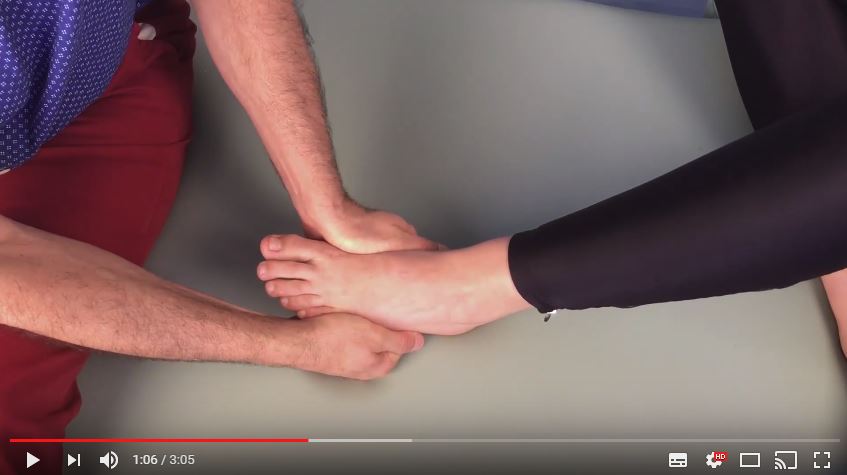
In today’s video, let’s have a look at Mortons Test for Mortons Neuroma. Enjoy! This video plus 100s more are available on DCOMT: learnmuscles.com/product/digital-comt-subscription/
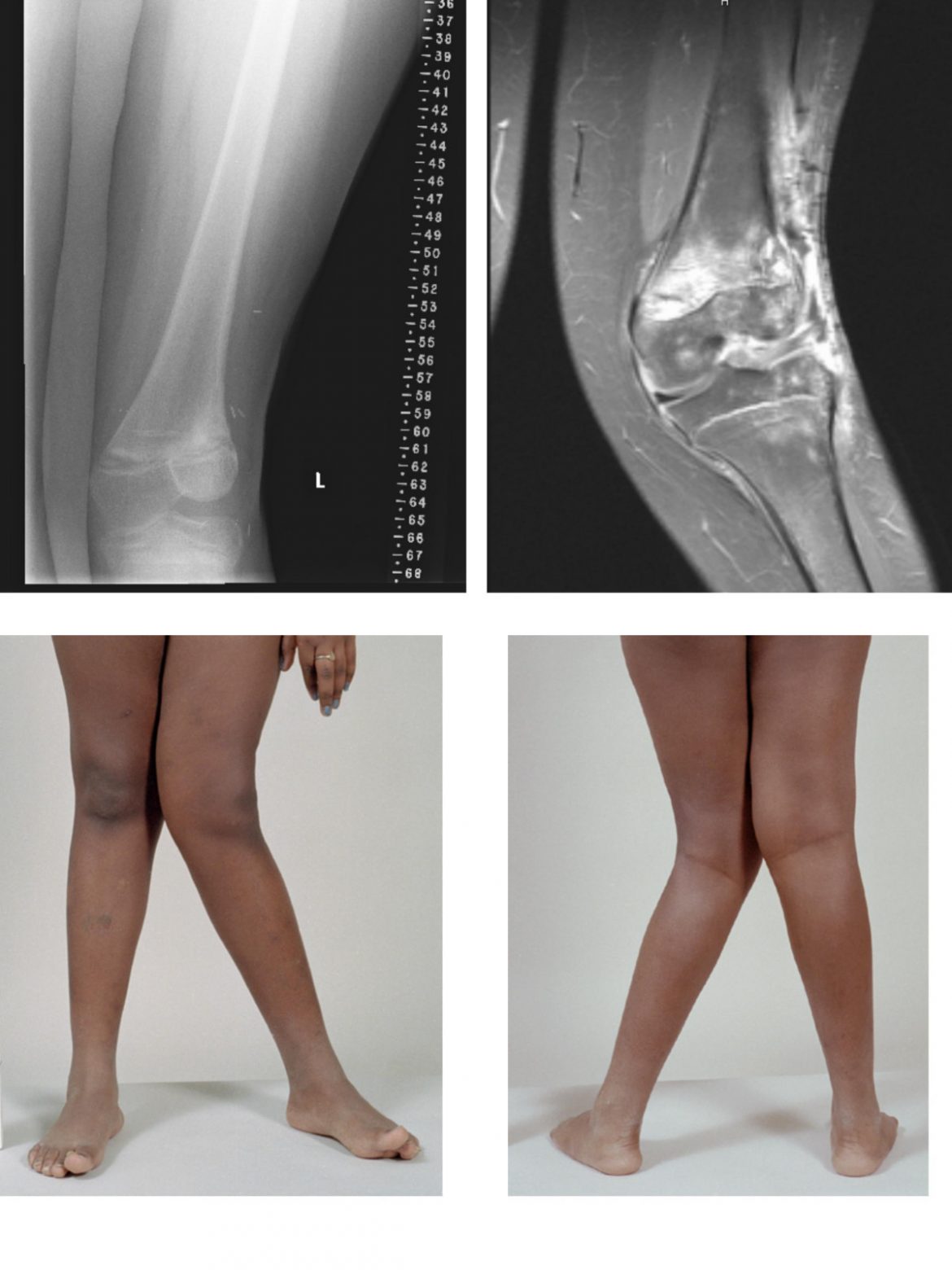
A proposed biomechanical explanation is that restricted ankle joint dorsiflexion directly results in overpronation of the foot, which causes internal rotation of the lower extremity, which strains the external/abductor musculature, which can then no longer prevent femoral adduction; hence genu valgus.
