Think of the health history as a written and verbal conversation between the therapist and the client about the client’s health.

Think of the health history as a written and verbal conversation between the therapist and the client about the client’s health.
For me, fascia is the big picture. It’s a tissue and a system and it has connections from each individual cell all the way to the brain.
The survey found that all-cause mortality risk (including cardiovascular disease and cancer) was approximately 30% lower in the three “active” groups compared to “inactive” group.
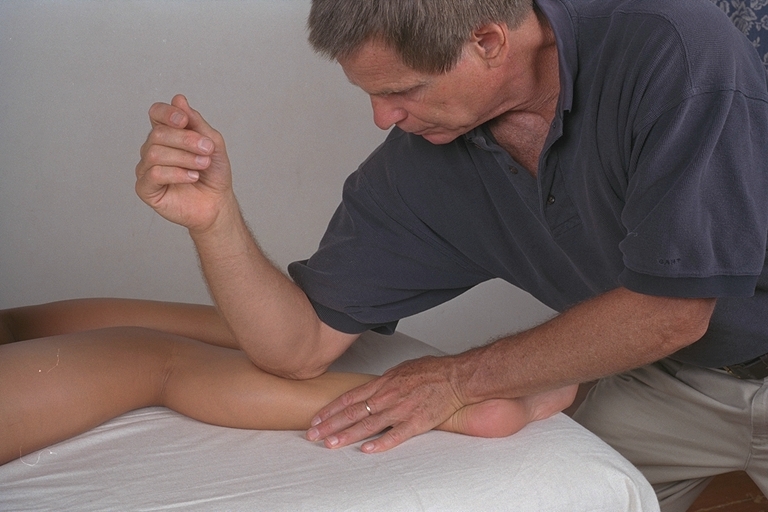
The line along the continuum between “regular” and deep tissue massage is not sharp and can’t be clarified by a list of techniques.
Massage and bodywork can trigger this state-dependent recall of the sensations and emotions of traumatic events, particularly if touch is itself a stimulus associated with the trauma. Manual therapists often refer to memory “locked in the tissue” and “released” when that part is worked.
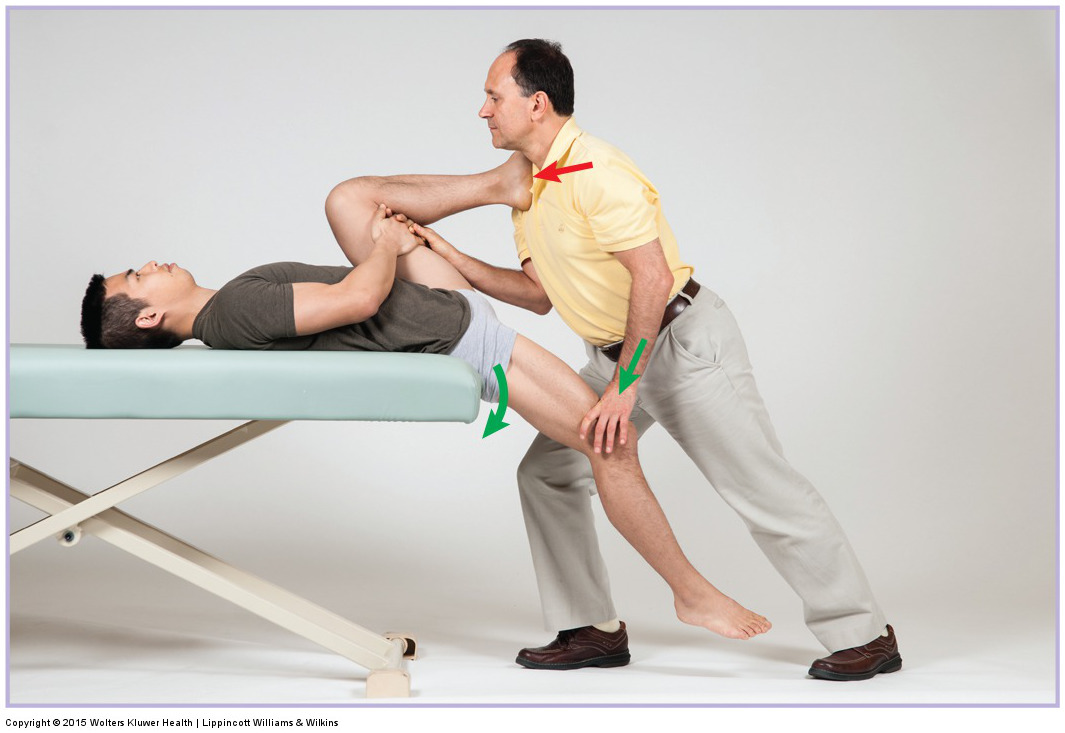
If the test creates signs/symptoms, but not the signs/symptoms of the condition for which the test is designed, then the test is considered to be negative.
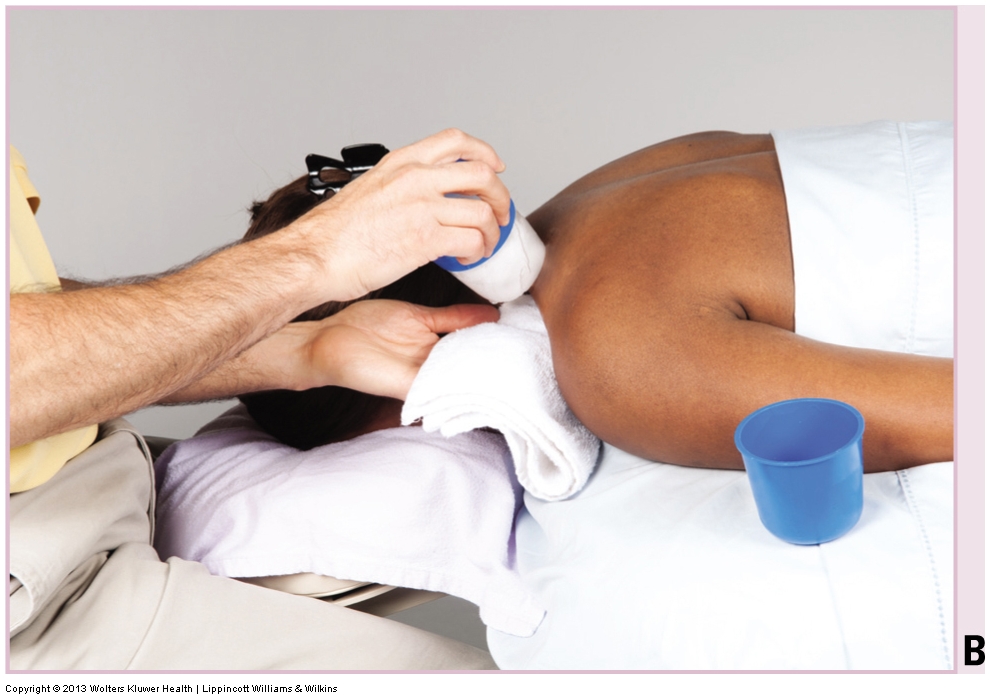
Both dry and moist heat application resulted in pain relief from DOMS, but moist heat resulted in a greater pain reduction, and in only 25% of the time.
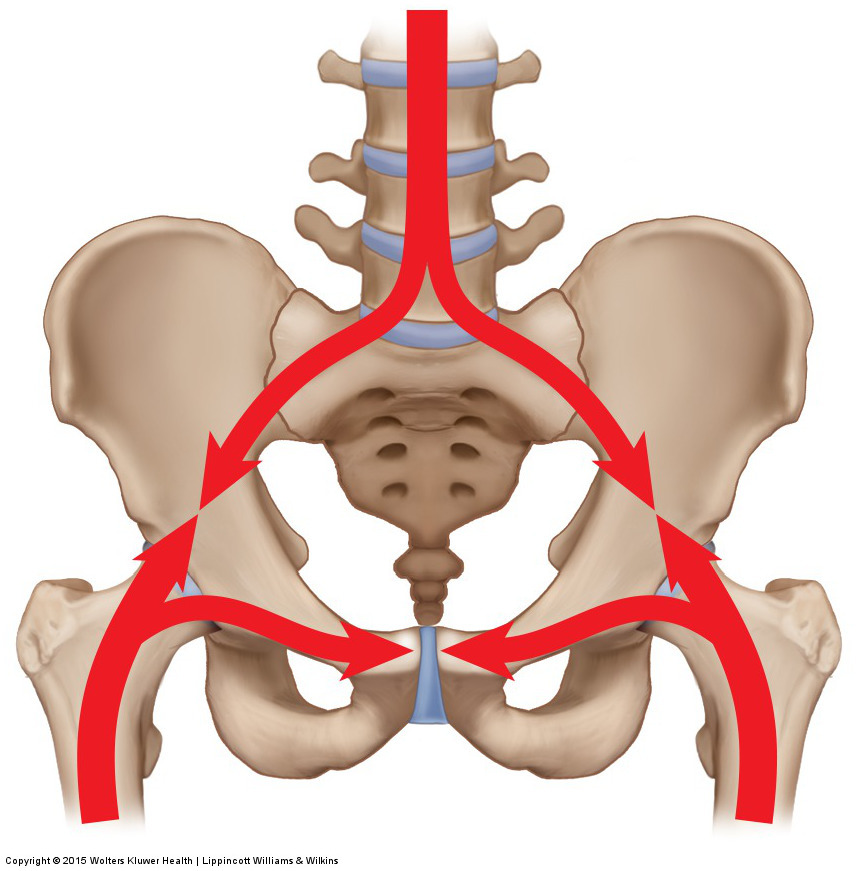
The SIJ is subjected to a great deal of physical stresses both from below and above. A sacroiliac joint injury can be inflammation, sprain, and/or strain.
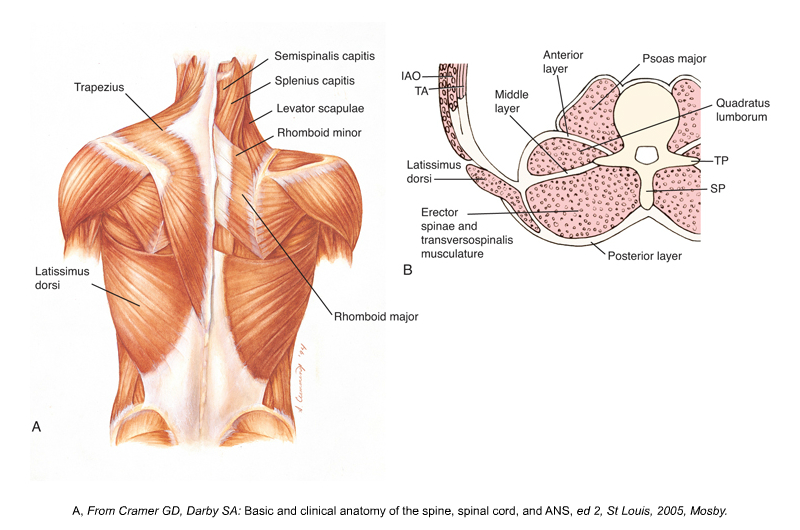
To believe that manual therapy cannot affect the structure of thoracolumbar fascia is to deny the fundamental characteristic of soft tissue known as creep!
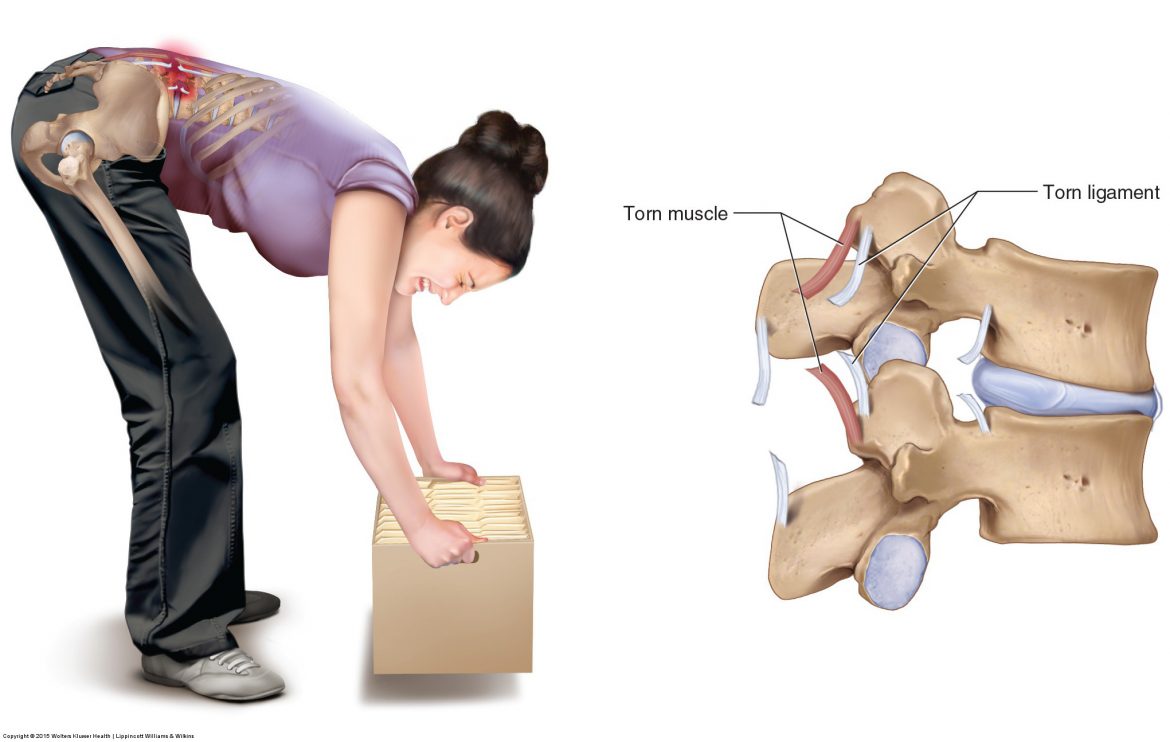
Sprains and strains are similar in nature. When a ligament or joint capsule is torn, it is termed a sprain; when a muscle is torn, it is termed a strain.

The authors of this study concluded that foam rolling and running are better than resting at clearing blood lactose after strenuous exercise.
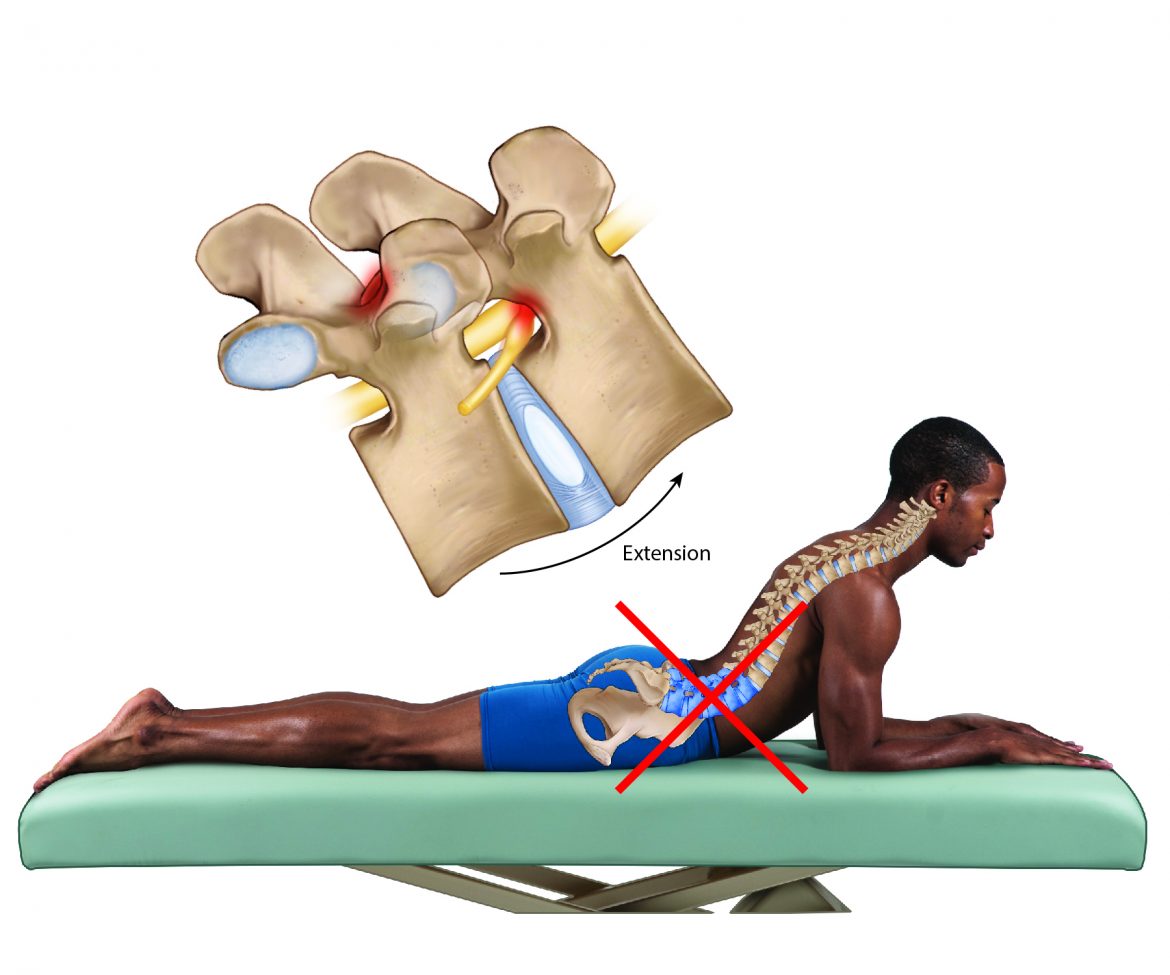
Treatment should never be administered without a diagnosis. In the world of manual therapy, treatment should only be performed if an assessment is made.
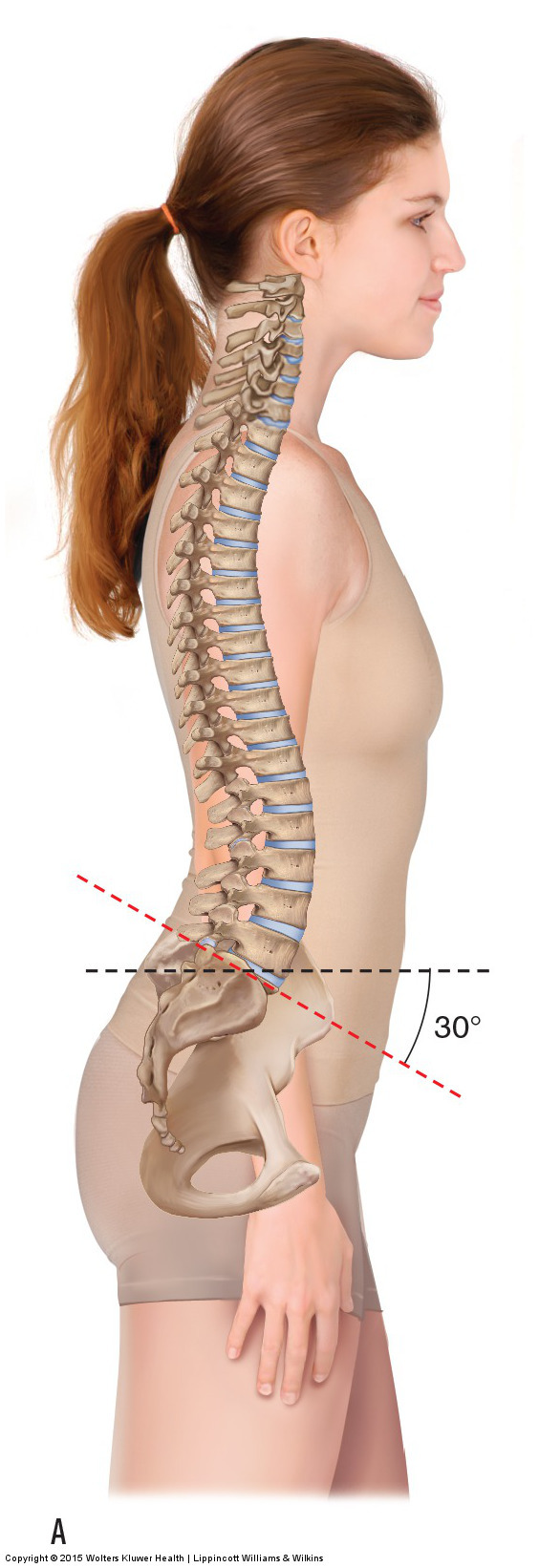
Good posture is defined as a balanced posture that is symmetrical and does not place excessive stress on the tissues of the body.
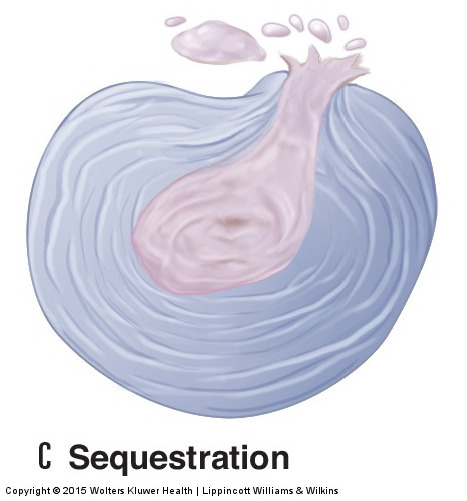
A pathologic disc can compress the sciatic nerve resulting in sciatica. Although any pathologic disc is potentially serious.
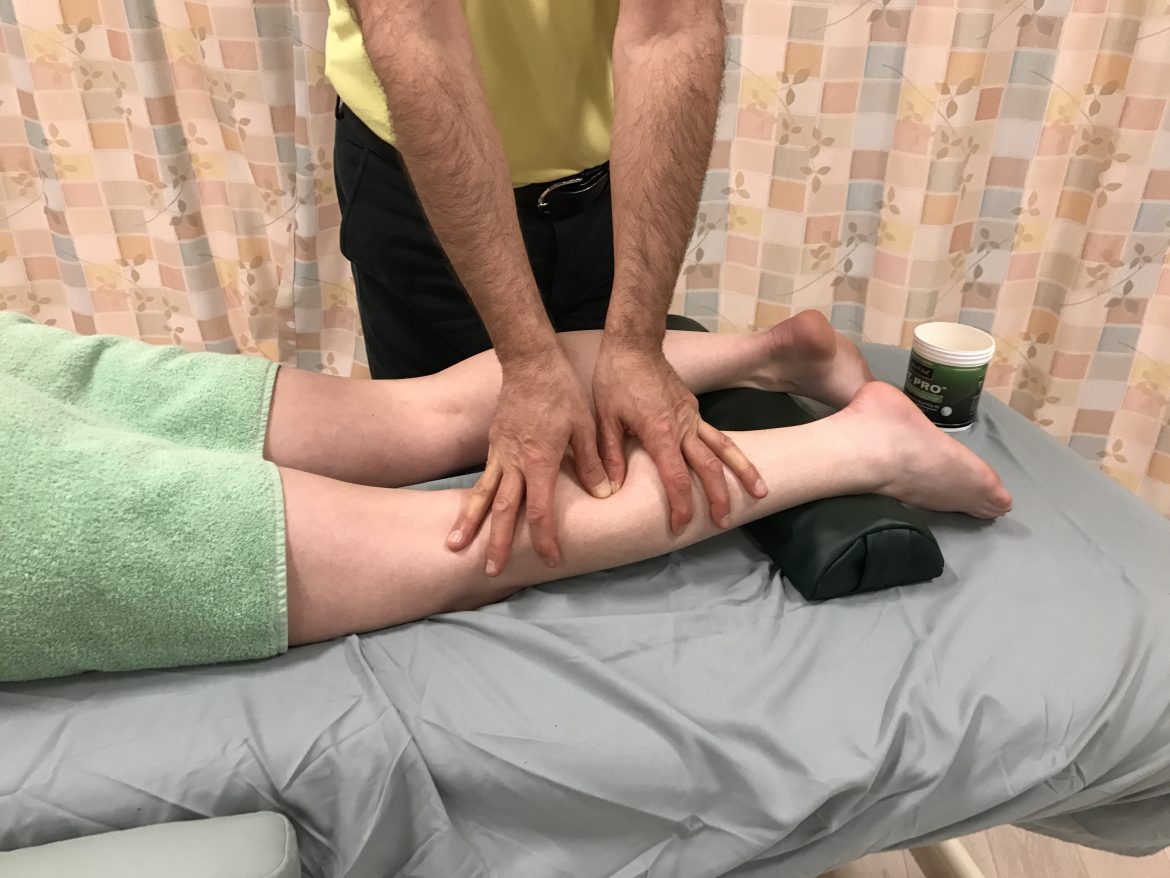
A research study has shown that massage therapy increases growth of muscle tissue after an injury, even on the opposite, non-massaged side of the body.
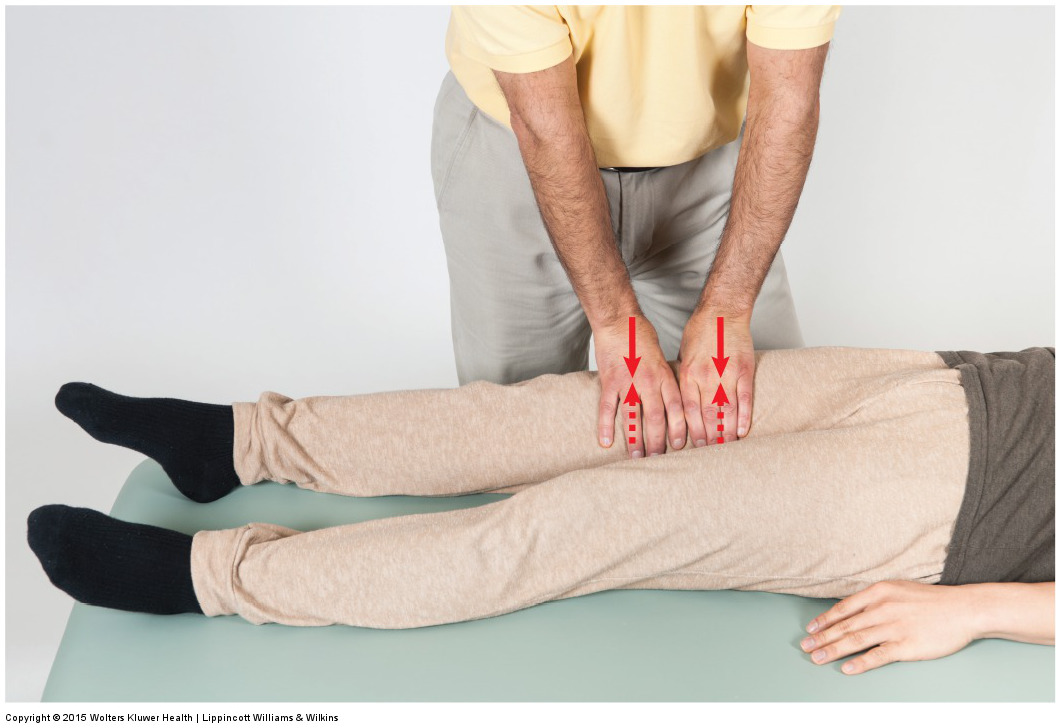
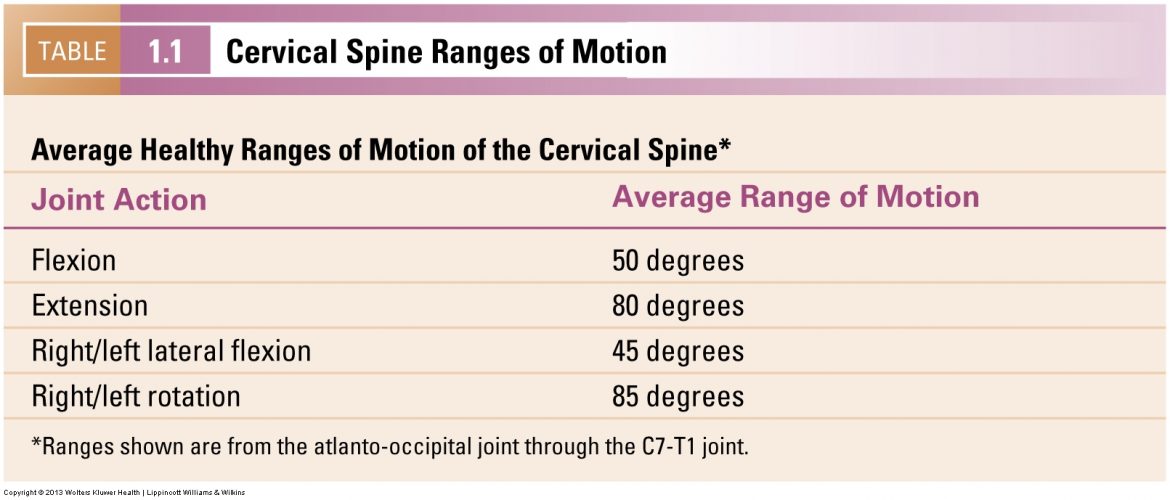
This blog post article is part of a series of articles on assessment of the low back and pelvis. Scroll to the end of this article to see the others in this series. Range of Motion Range of motion (ROM) …
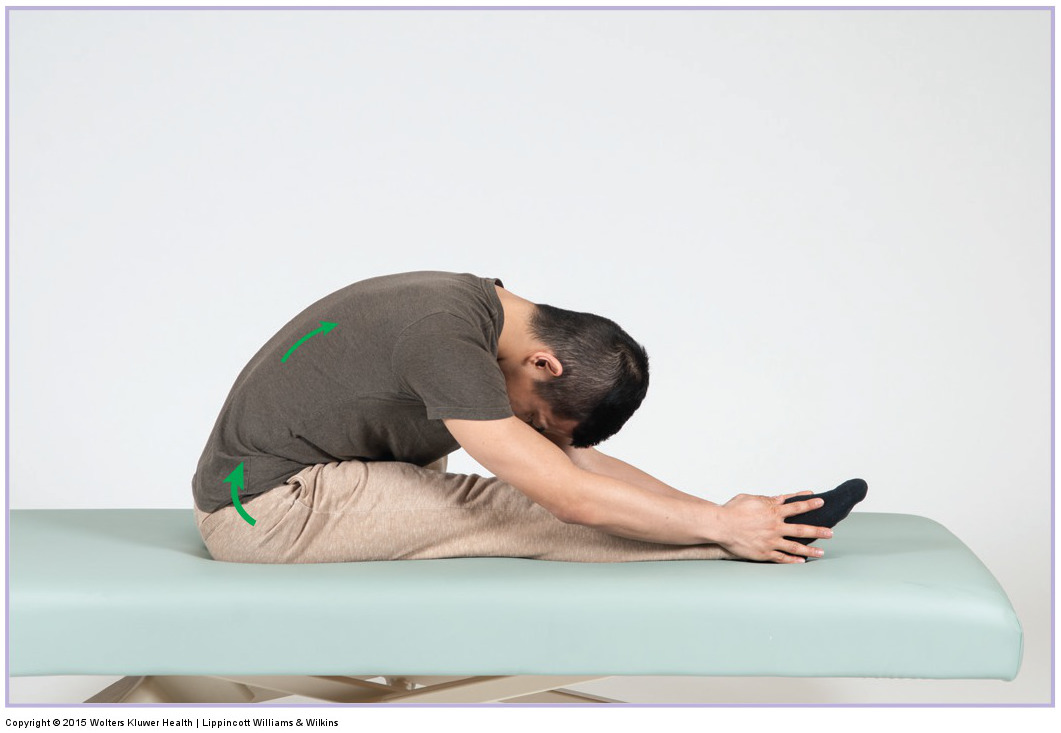
Feelings of back stiffness may be a subjective protective construct of the mind, rather than reflecting objective biomechanical properties of the back.
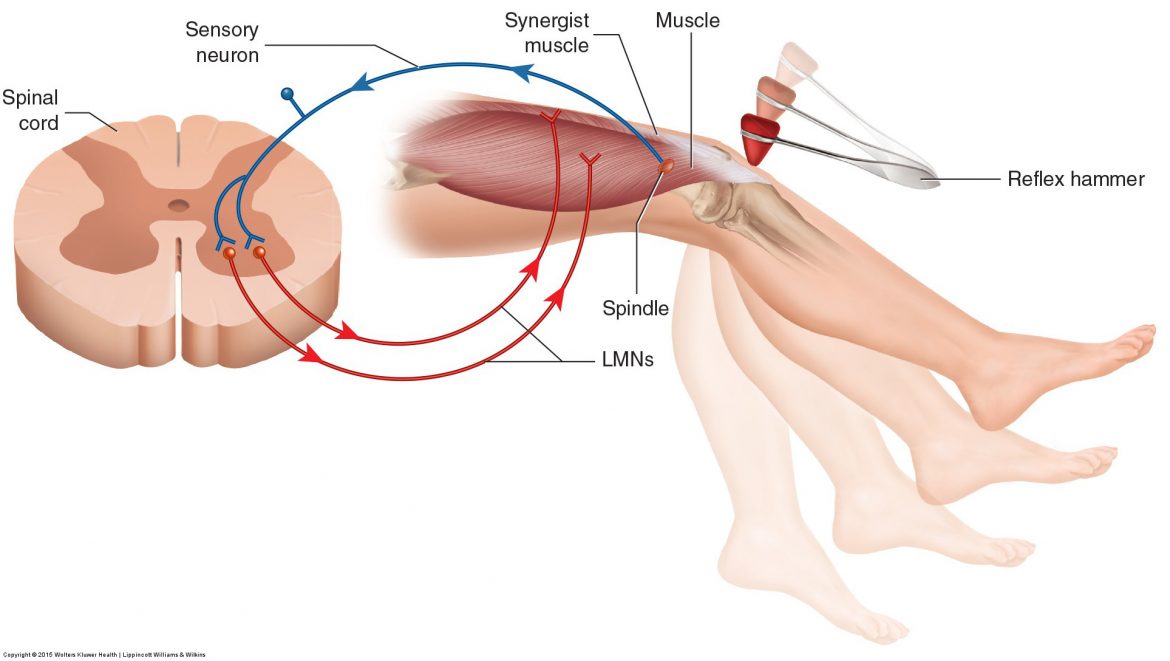
This study proposes that static stretching causes a central nervous system neurophysiological response that results in diminished muscle strength.
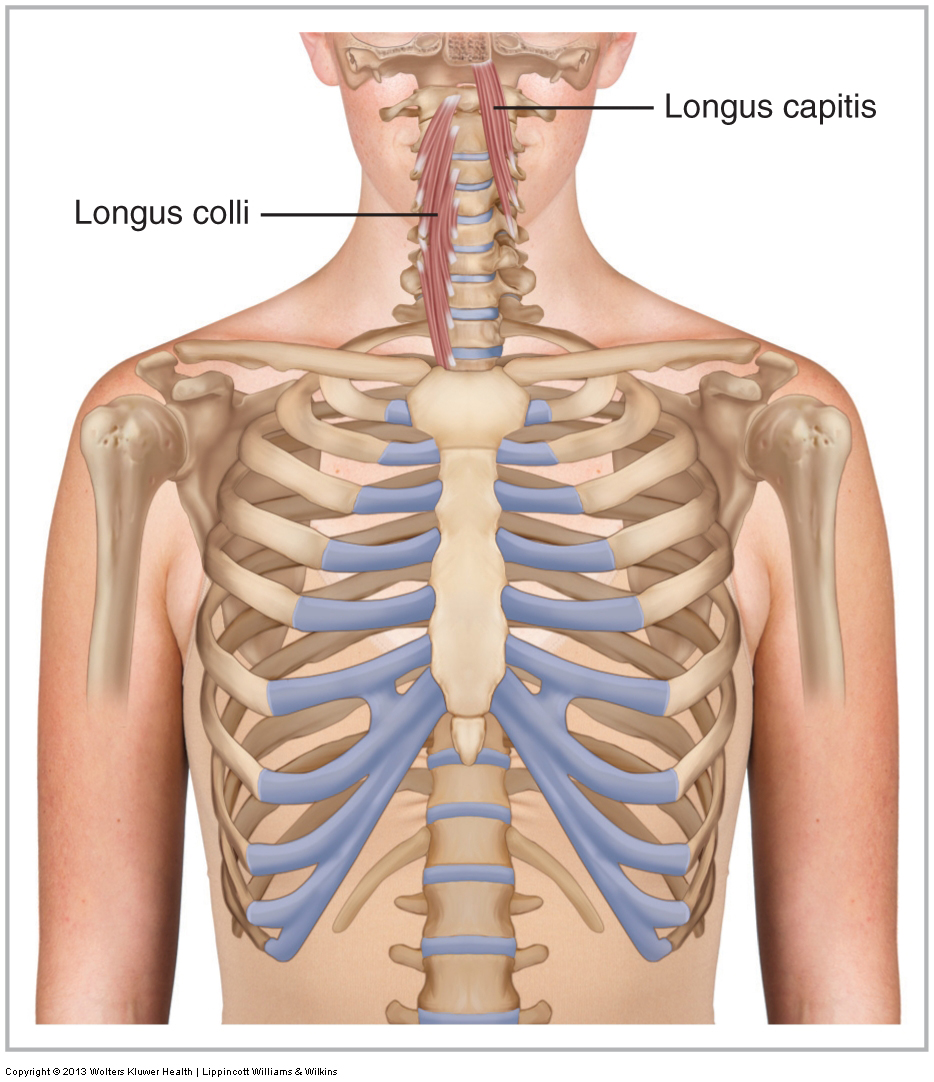
Could it be that longus muscles act as length-variable sensors, contributing to stability and adaptability, via their rich mechanoreceptor capabilities…
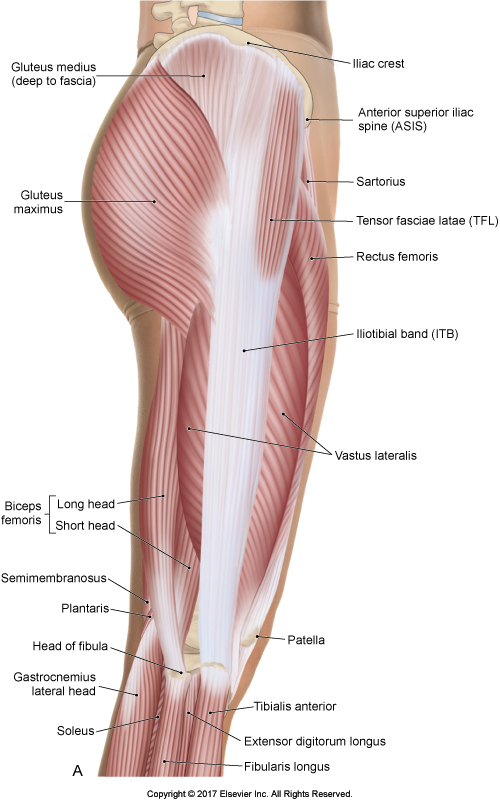
It is not generally known that the iliotibial band (ITB) actually has three layers: a superficial, intermediate, and deep layer.
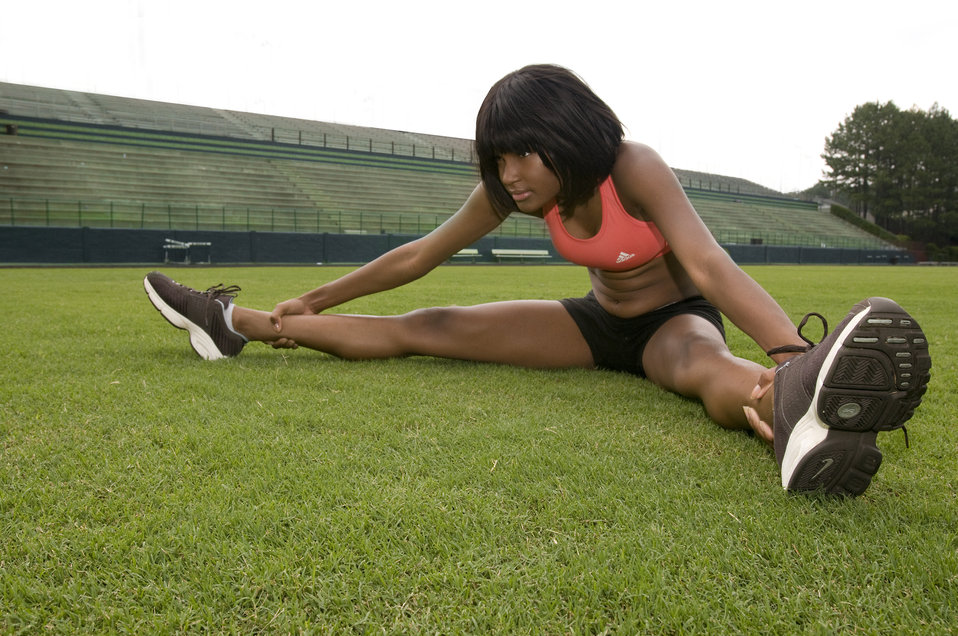
The authors concluded that decreased hip ROM in professional soccer players is associated with more hip pain and groin pain and is associated with previous injuries, independent of the presence of a cam deformity.
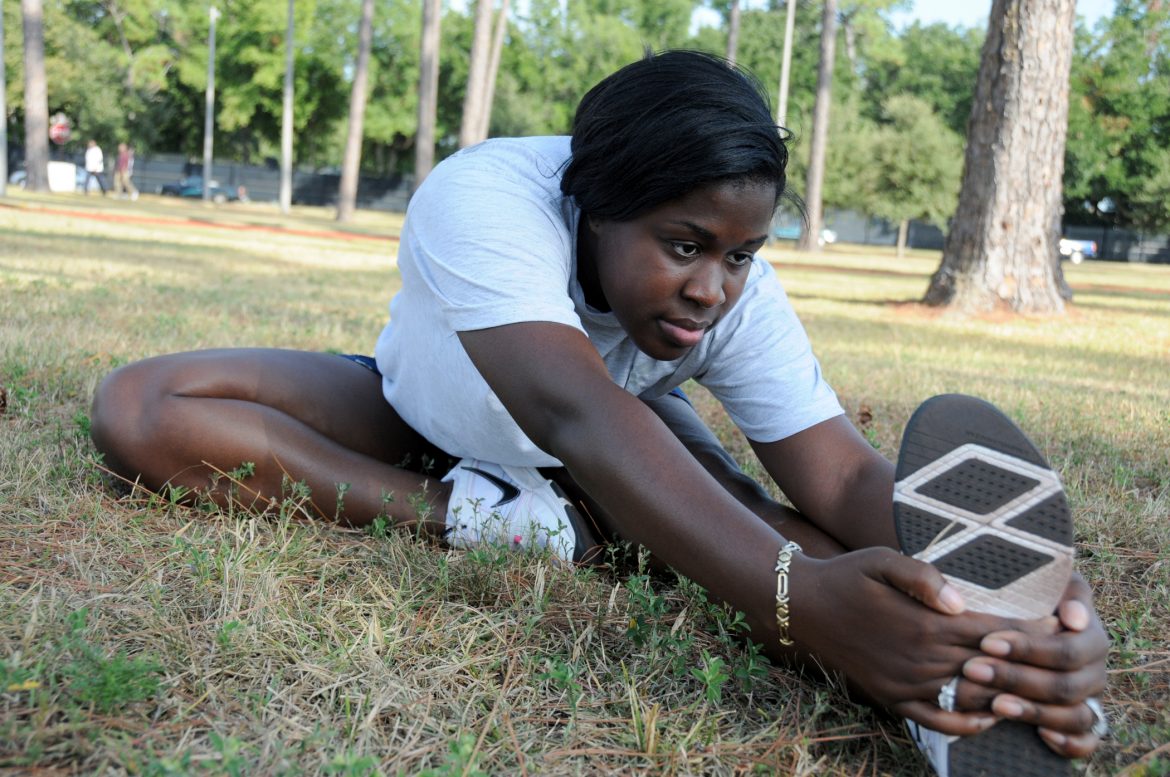
Muscle stretching has inhibitory effects on spinal cord stretch reflexes in both stretched muscles and also non-local non-stretched muscles of the same leg.
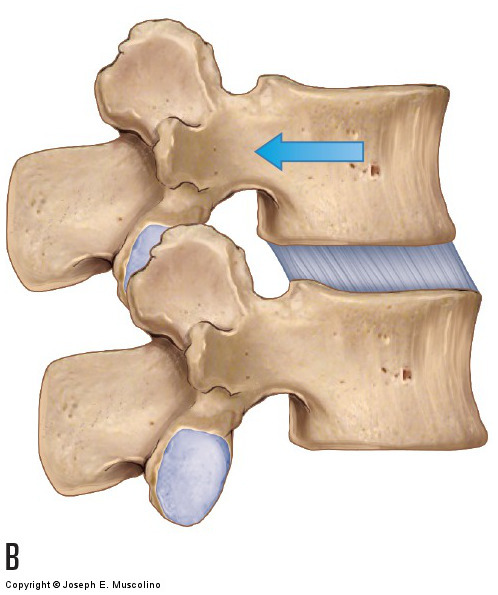
Motions of the lumbar spine: The lumbar spine can move axially and nonaxially in all three cardinal planes (sagittal, frontal, and transverse).
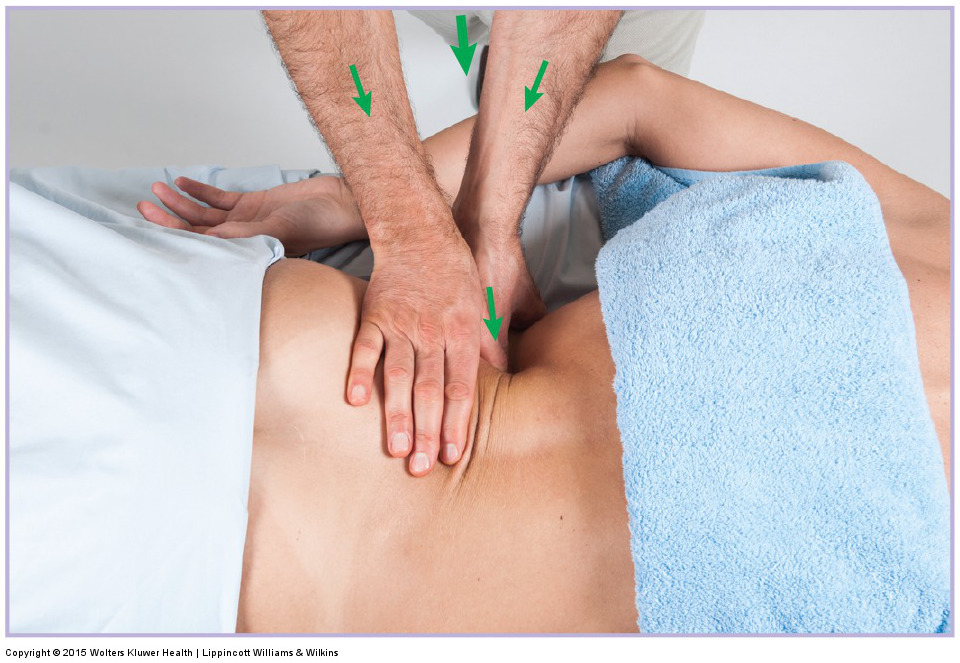
The authors concluded that single and multiple massage treatment applications can decrease a client’s pain at myofascial trigger points.
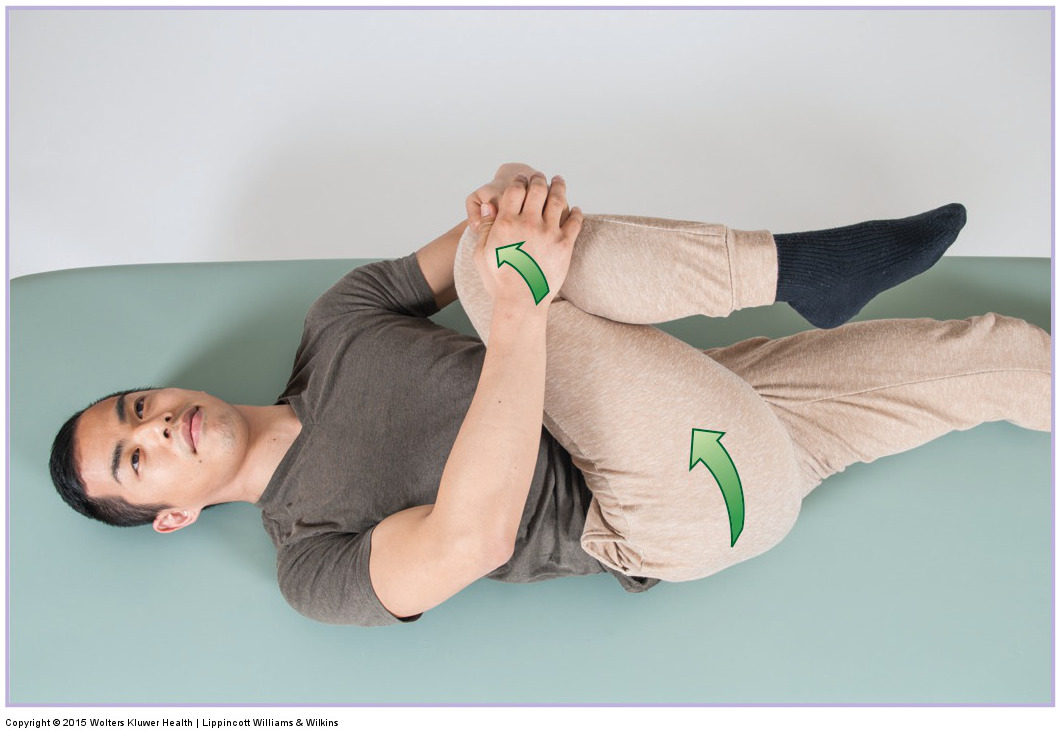
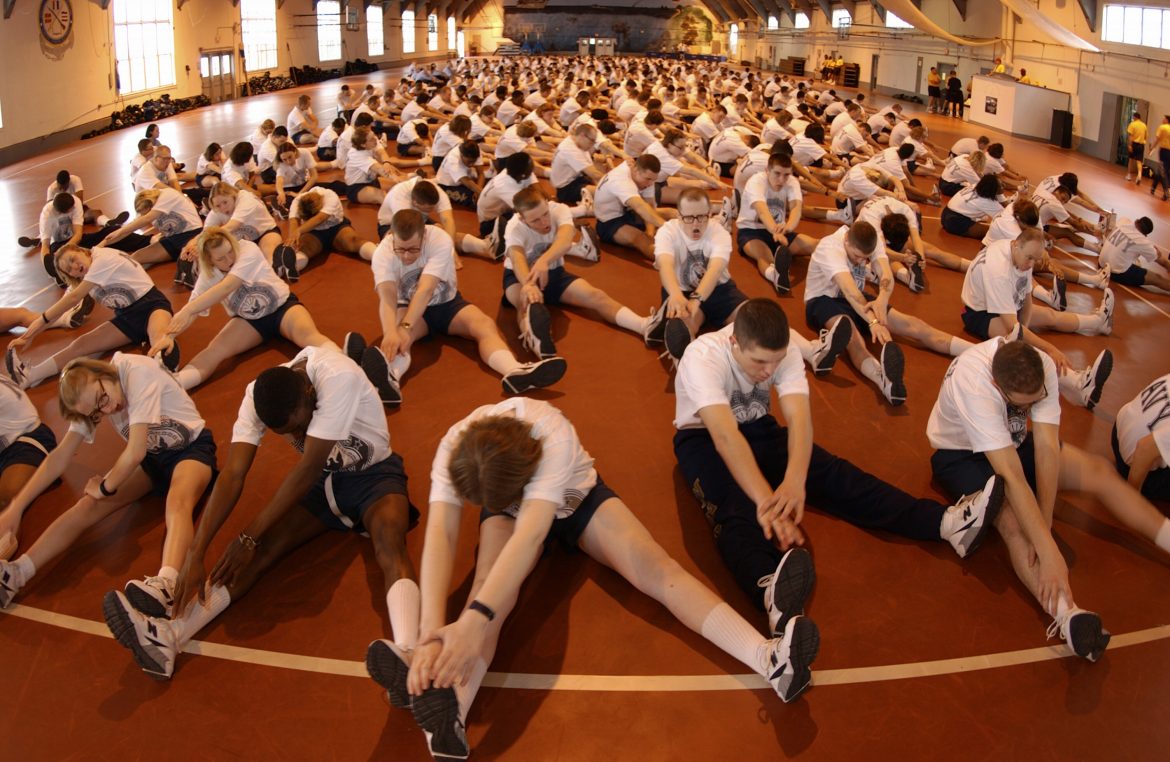
Emerging evidence suggests that short-term or long-term stretching exercise may have beneficial cardiovascular responses.
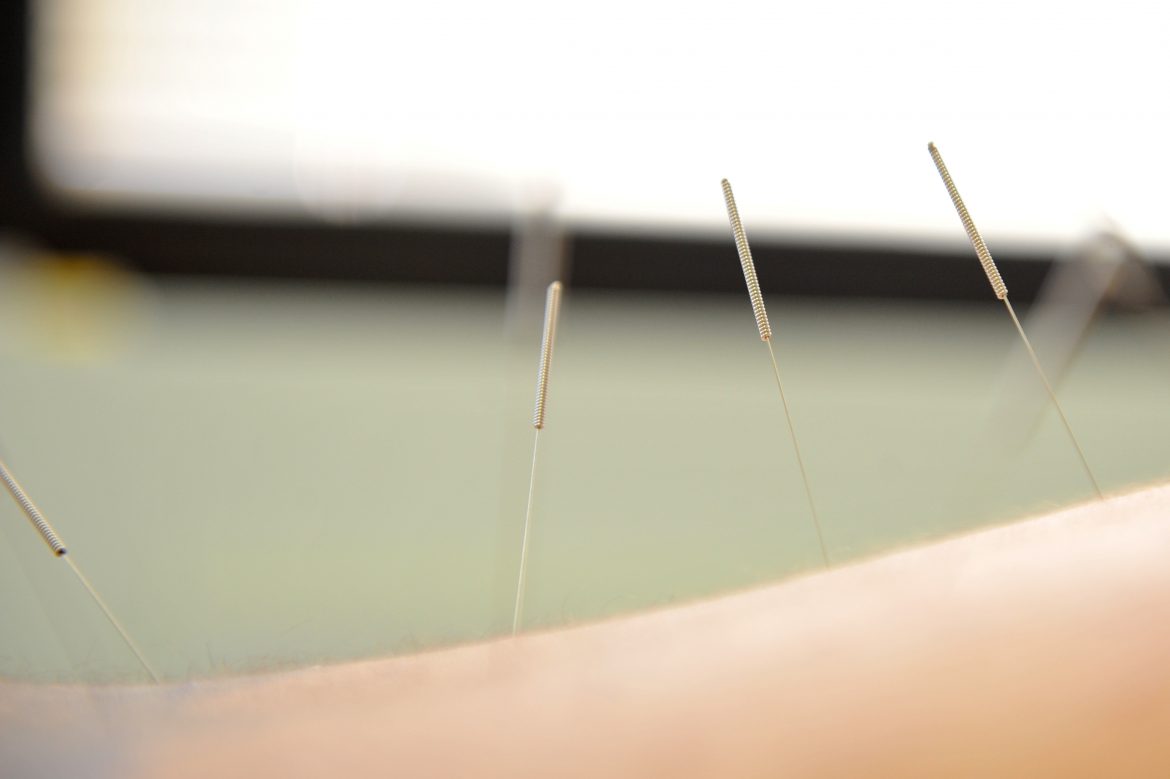
Acupuncture for carpal tunnel syndrome not only improves median nerve conduction at the wrist, it also rewires the brain.
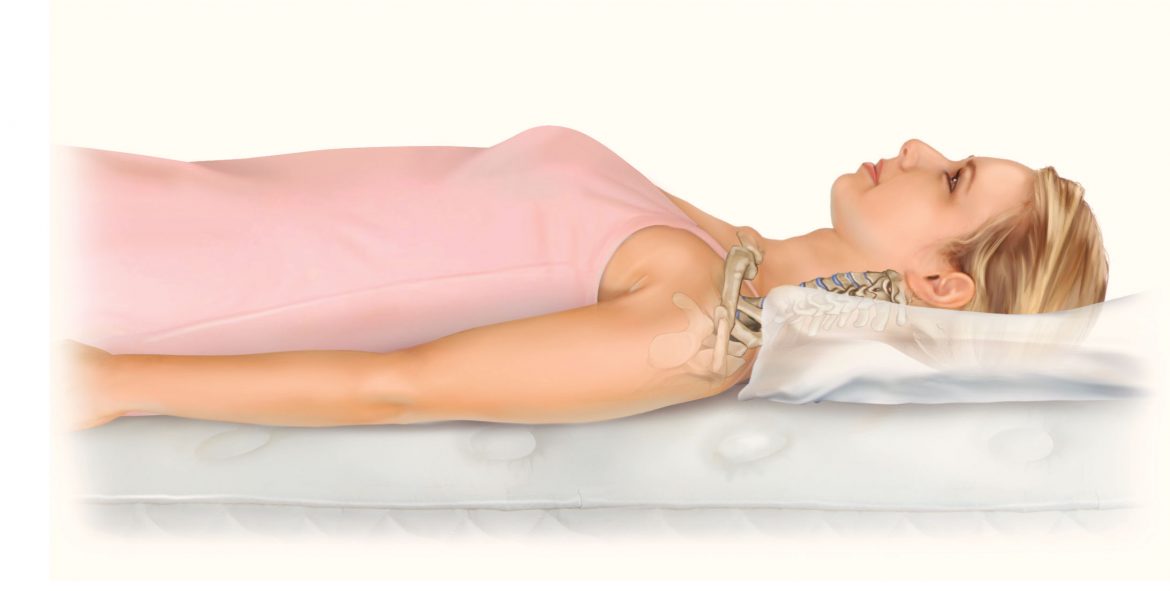
Following are the seven most common postural self-care advice tips for the neck that we should give our clients/patients.
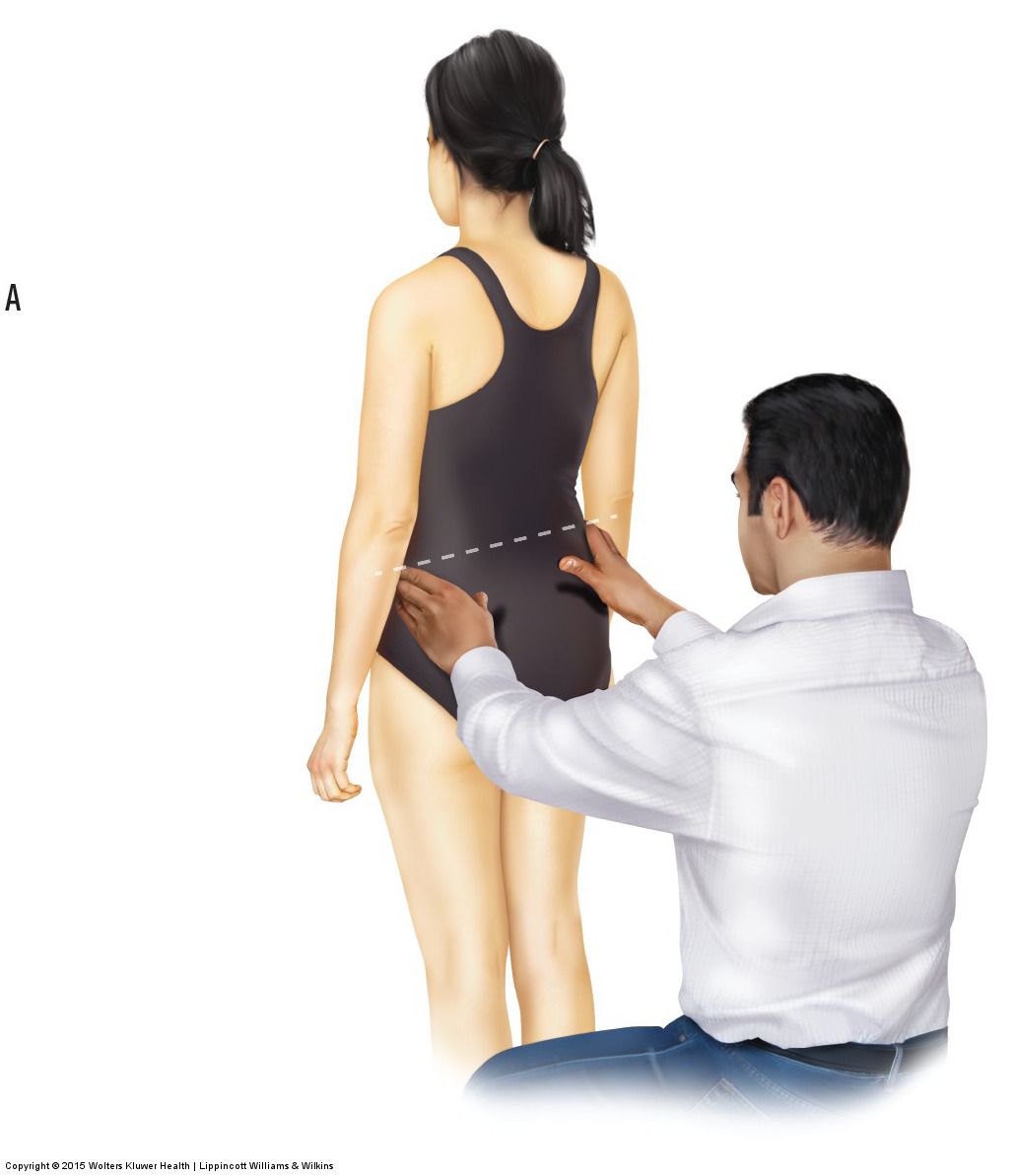
No assessment procedure is more important to the manual therapist than bone and muscle (myofascial) palpation.
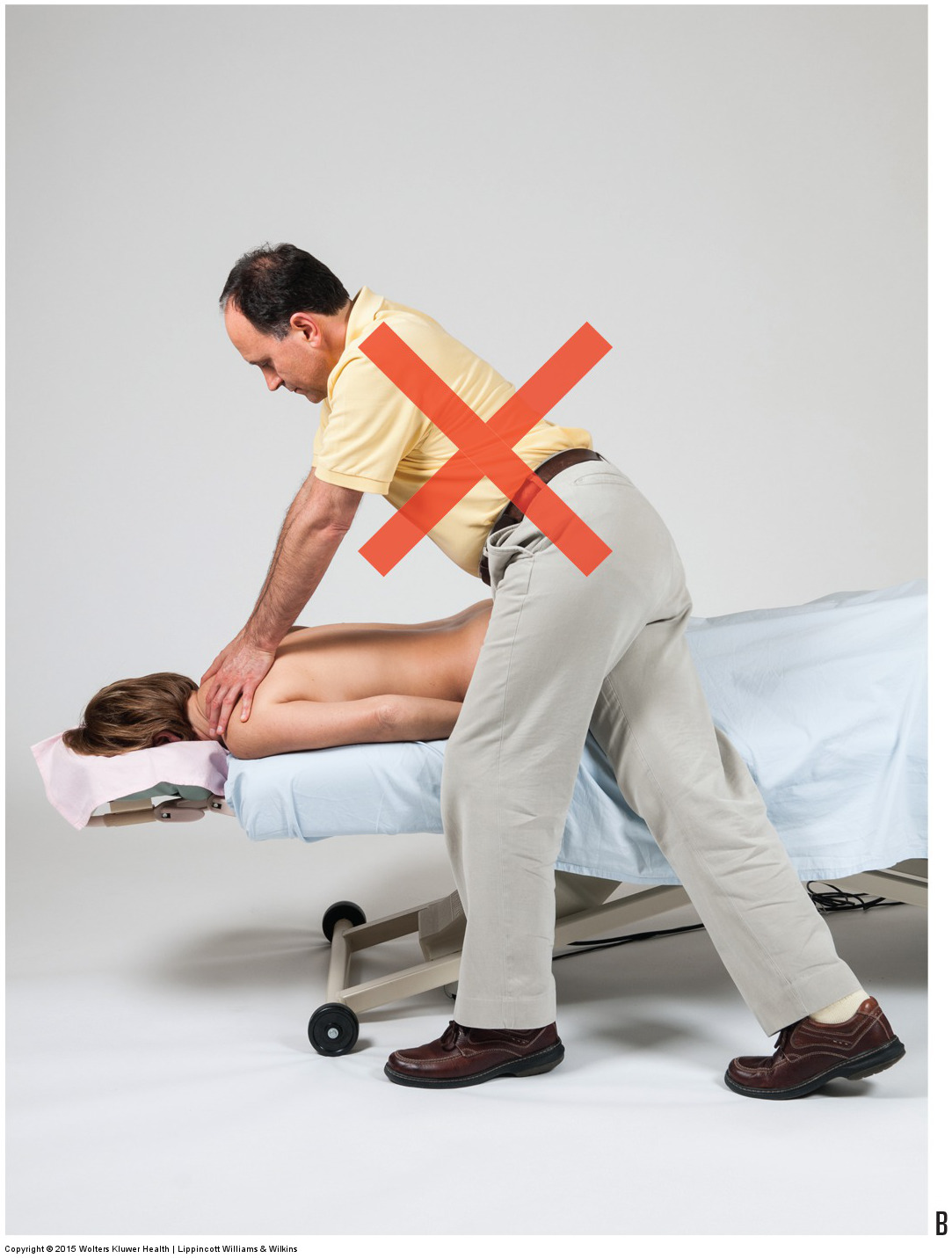
To transition to perform deep strokes and maintain proper body mechanics, it is necessary to transition from being perpendicular to be slightly horizontal to glide along the client’s body. However, minimize the horizontal direction or pressure into the client’s tissues will be lost.
Long-term stretching seems to occur mostly at a sensory level of the nervous system versus the mechanical properties of the muscle-tendon complex itself.
