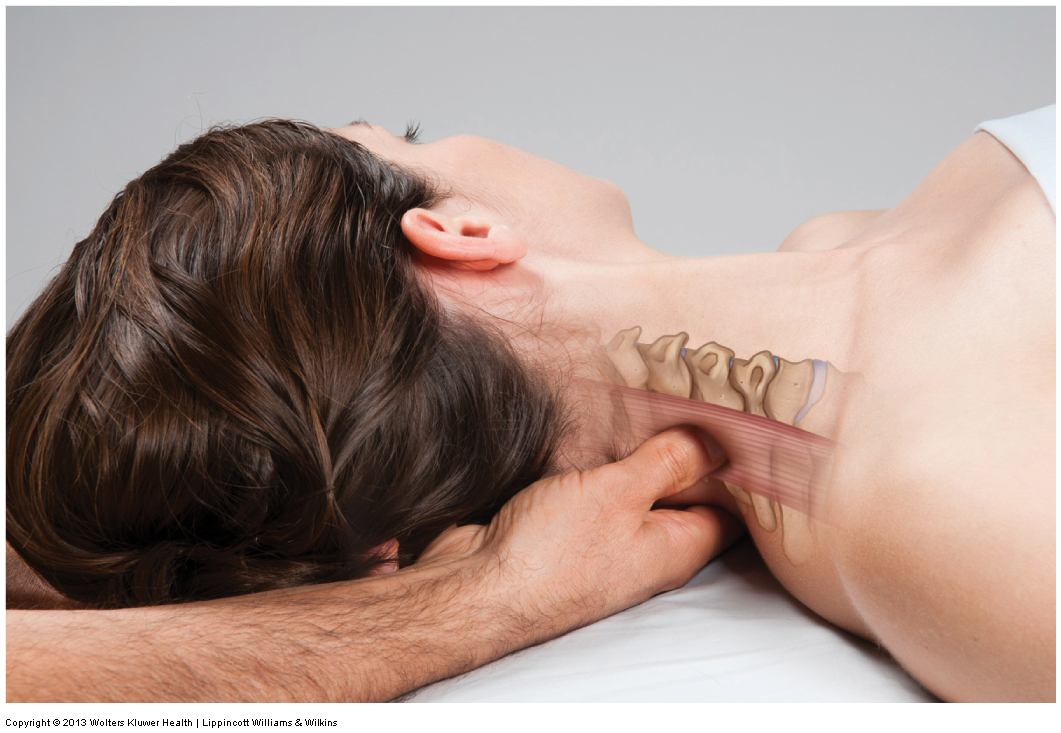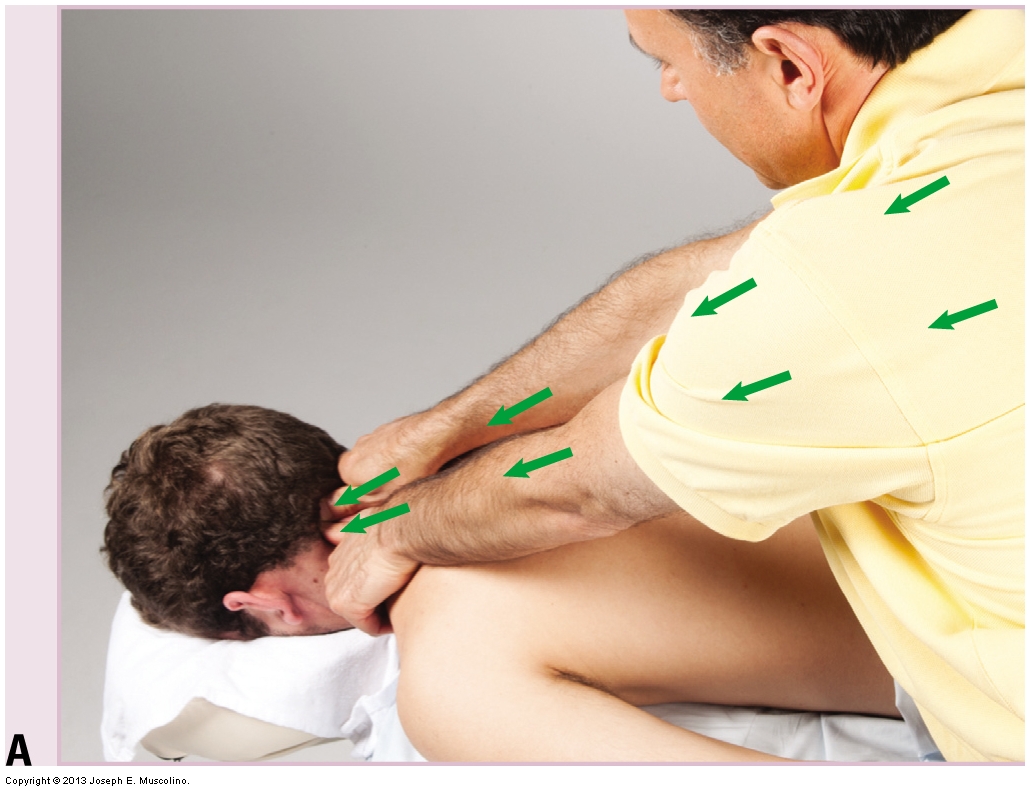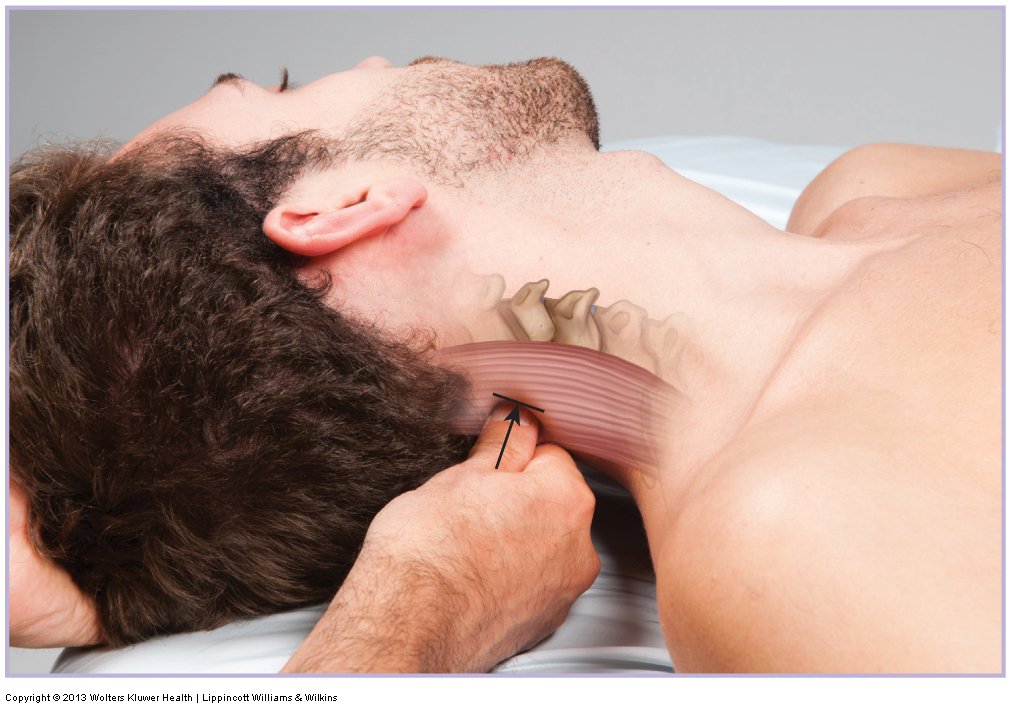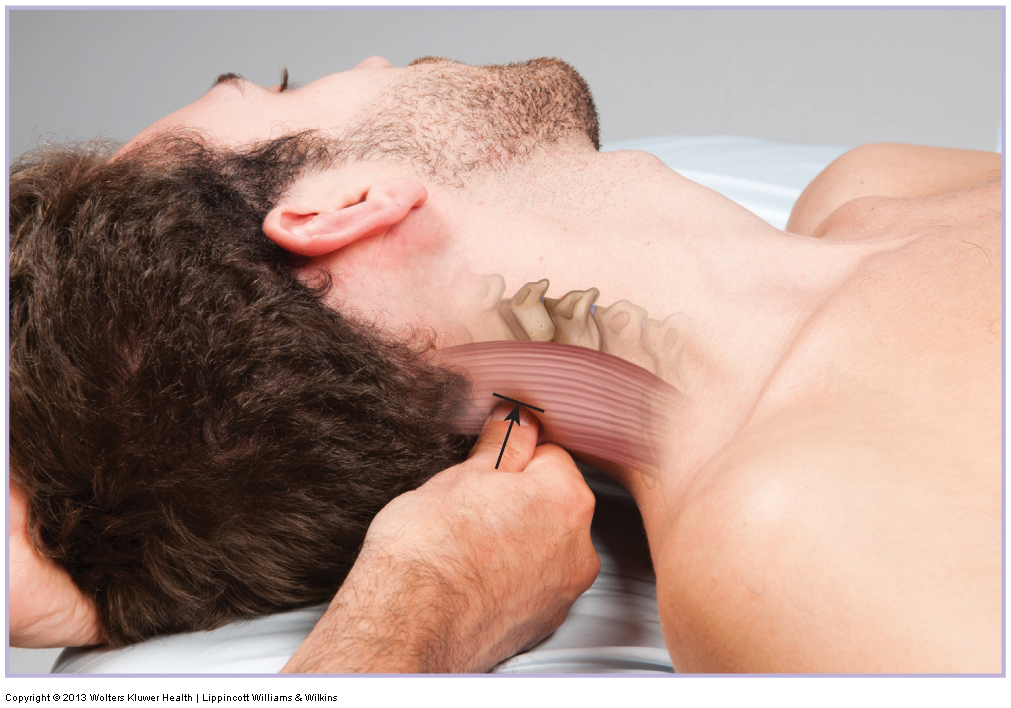
When performing deep pressure massage for the neck with the client supine, it is typical for the therapist to sit, centered at the head of the table. However, this does not allow for efficient body mechanics because it is difficult or impossible to position your core in line with the stroke.
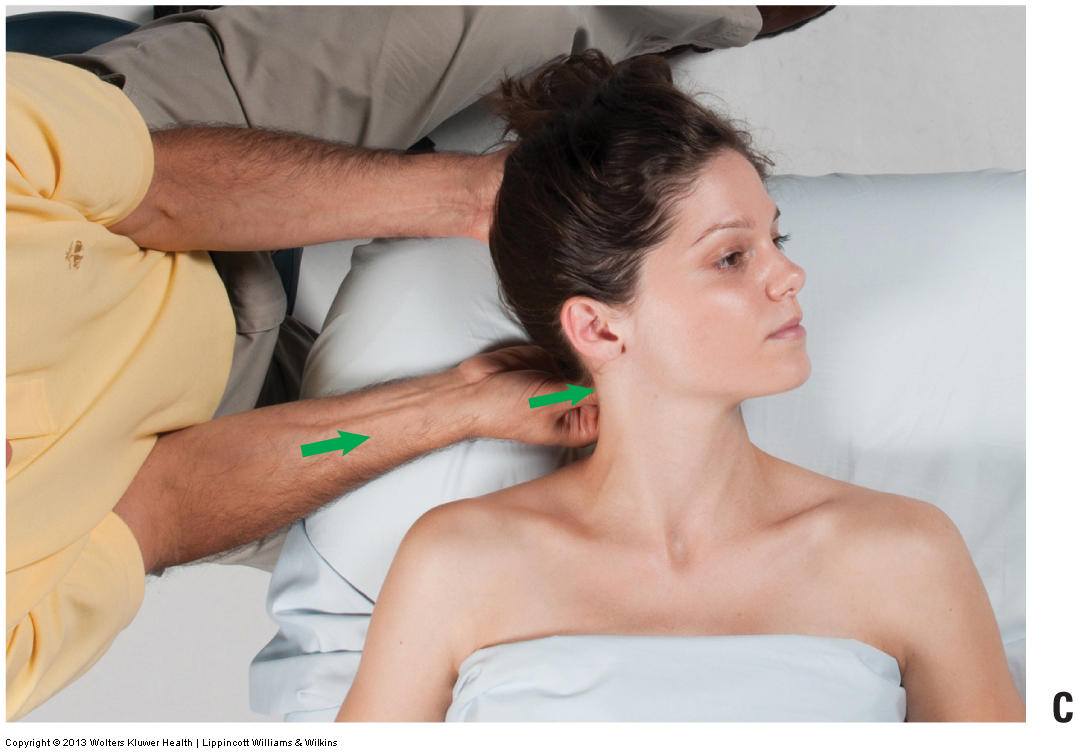
Neck Deep Pressure Massage: Overview
The science of performing deep tissue work to the neck follows the laws of physics and, whenever possible, involves the use of body weight and the contraction of larger muscles instead of smaller ones. The art of performing deep tissue work lies in exactly how these guidelines are carried out and applied.
Neck Deep Pressure Massage: Using Bodyweight and Muscular Effort
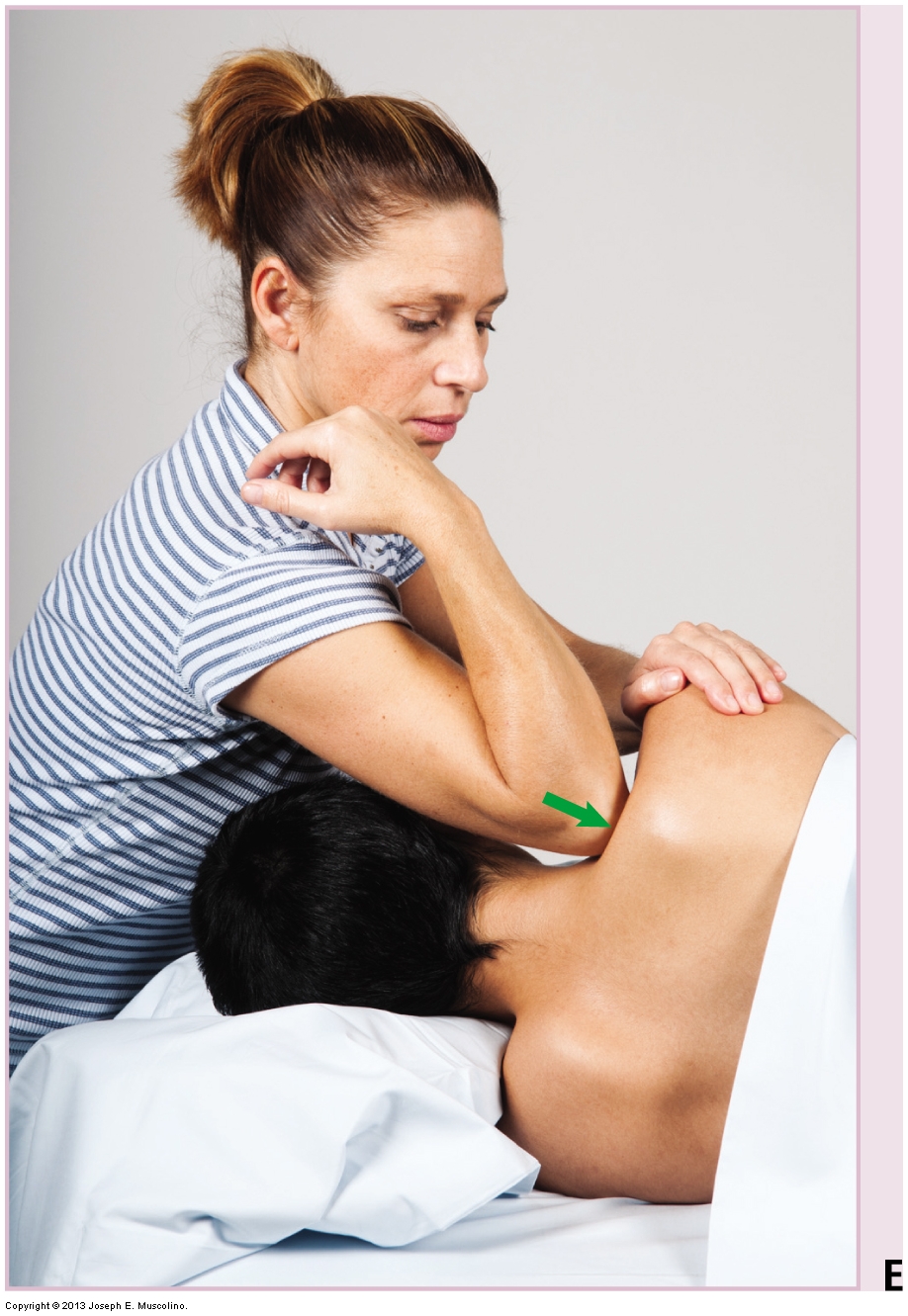
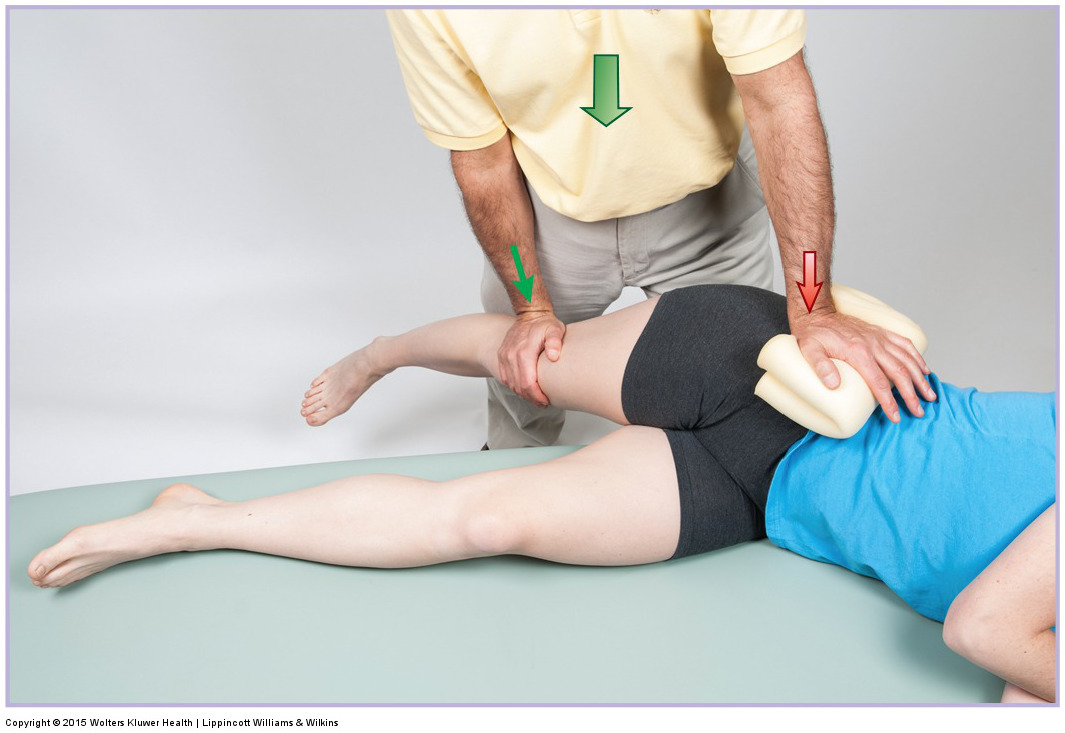
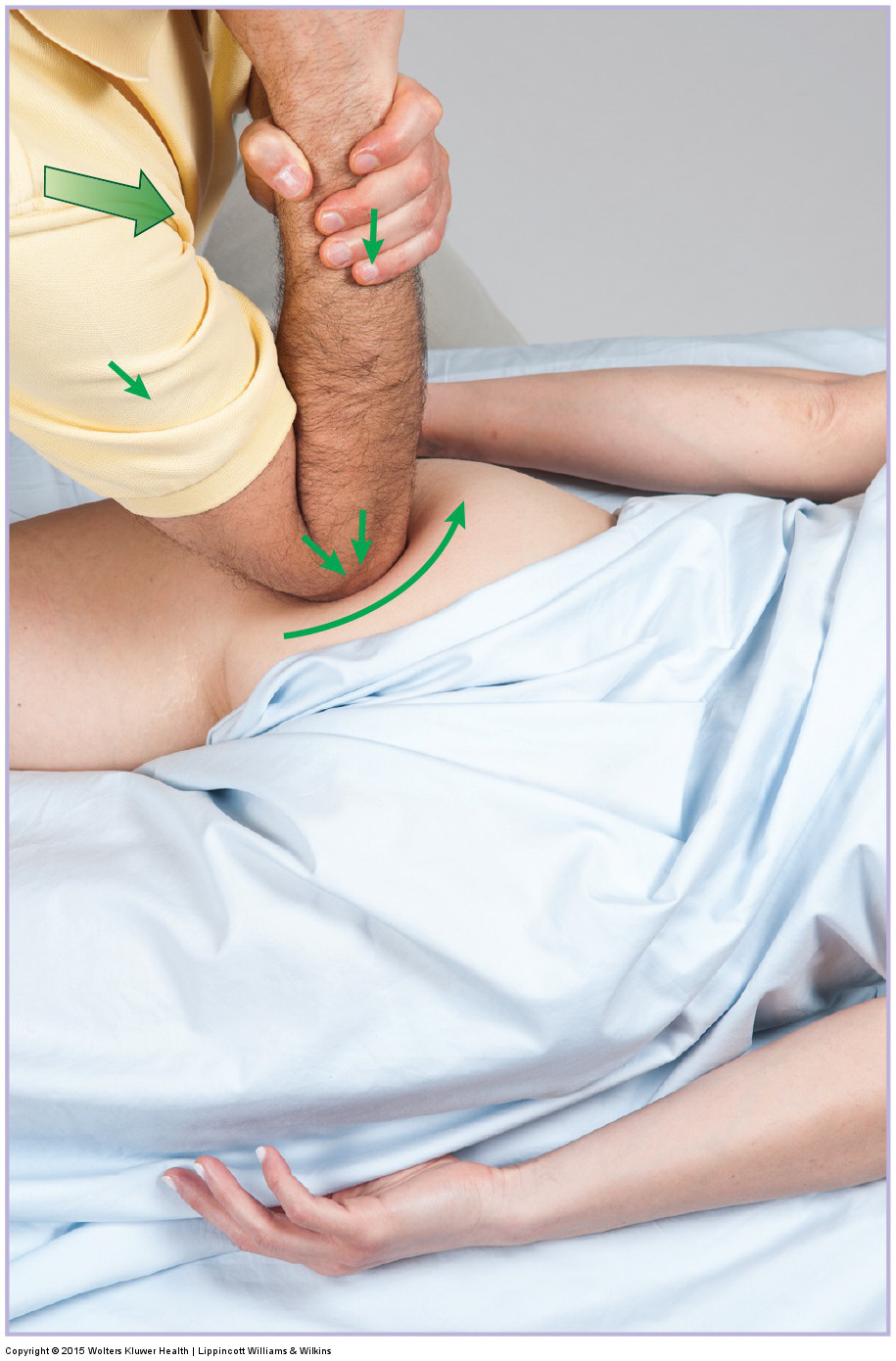
We can take advantage of our body weight to generate deep pressure massage into the client’s tissues by simply leaning into the client. Pressure derived this way is effectively free because it takes no effort on our part. For this reason, it should be used whenever possible.
Neck Deep Pressure Massage: Step by Step – Prone and Side-Lying
Side-lying position for deep pressure massage into the neck can be very effective and can allow for effective longitudinal as well as transverse cross-fiber strokes; however, it is important to avoid exerting deep pressure too far anteriorly onto the transverse processes of the client’s neck.
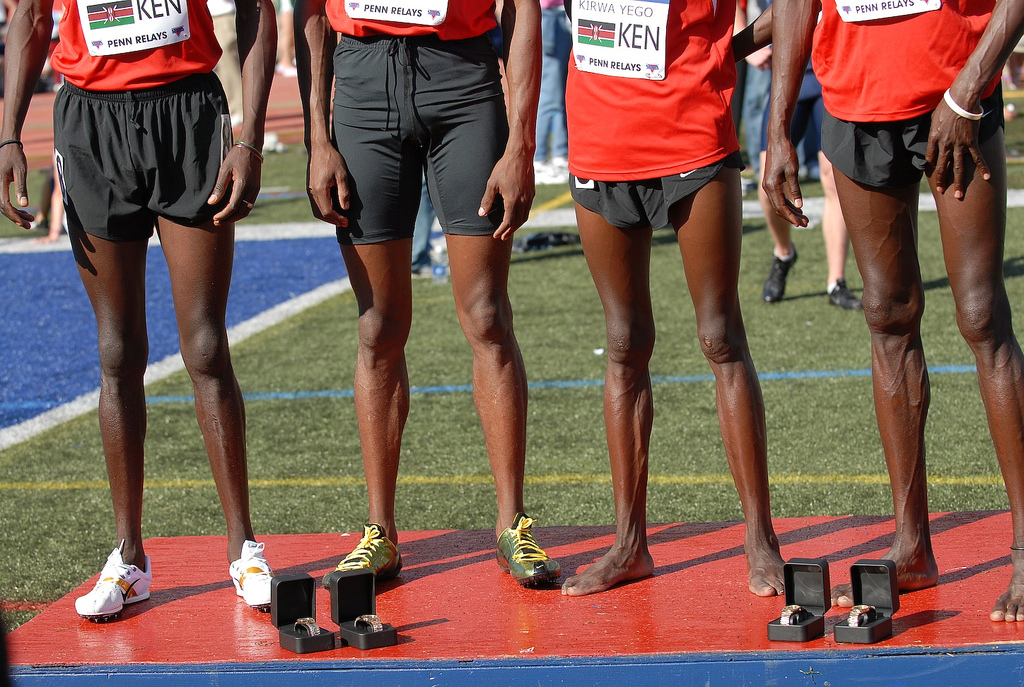
What Makes Kenyan Distance Runners the World’s Best?
Running economy for distance runners is a complex multi-factorial measure of running efficiency, which reflects the combined functioning of biomechanical, neuromuscular, metabolic, and cardio-respiratory factors, some of which are hereditary and some of which adapt to coaching.
Introduction to Deep Pressure Massage Technique for the Neck
Force for deep pressure can be generated in two ways: externally or internally. The external generation of force comes from the force of gravity by using our body weight. The internal generation of force comes from the contraction of our muscles.
DCOMT Introduction Walkthrough
As you know, we’ve been working very hard on Leanrmuscles.com to make our Digital COMT video streaming subscription service for manual and movement therapists, the best that it can be! That’s why we’re the #1 place for NCBTMB-approved CE Credits …
Manual Therapy Case Study for Upper Crossed Syndrome
The therapist performed a static assessment of the client’s posture and noted the typical upper crossed syndrome with a hyperkyphotic thoracic spine, a hypolordotic lower cervical spine, a hyperlordotic upper cervical spine, protracted head, protracted scapulae, and medially (internally) rotated arms.
Manual therapy case study for sciatica.
The therapist’s session consisted of moist heat, soft tissue manipulation, and stretching to the low back with double knee to chest stretch performed with agonist contract technique and stretching the left side of the low back with Armin side-lying on his right side.
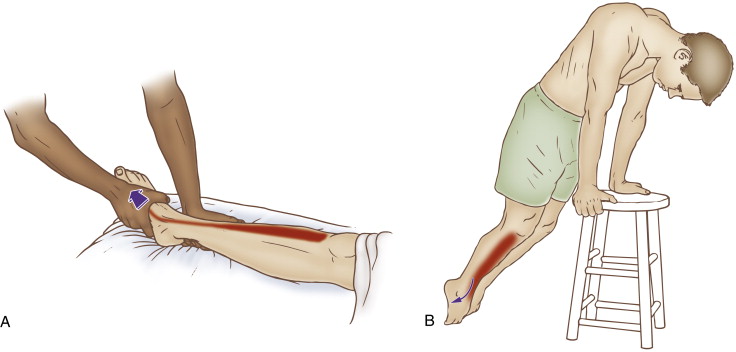
What are the self-care and medical approaches to shin splints?
Self-care for shin splints begins with RICE: rest, ice, compression, and elevation. If the client/patient has anterior shin splints that is caused by running or some other physical activity that involves running, the client/patient should stop the activity until the condition is resolved.
Marjorie Brook – Proactive Ways to Prevent Postoperative Adhesion Formation
Gentle appropriate movement helps to prevent excessive scar tissue and keep scar tissue from limiting future movement.
Preventing Aching Muscles and Toxin Exposure This Holiday Season
Pulmonary fibrosis and mesothelioma cancer are just two examples of disease that can occur as a result of environmental or occupational toxin exposure.
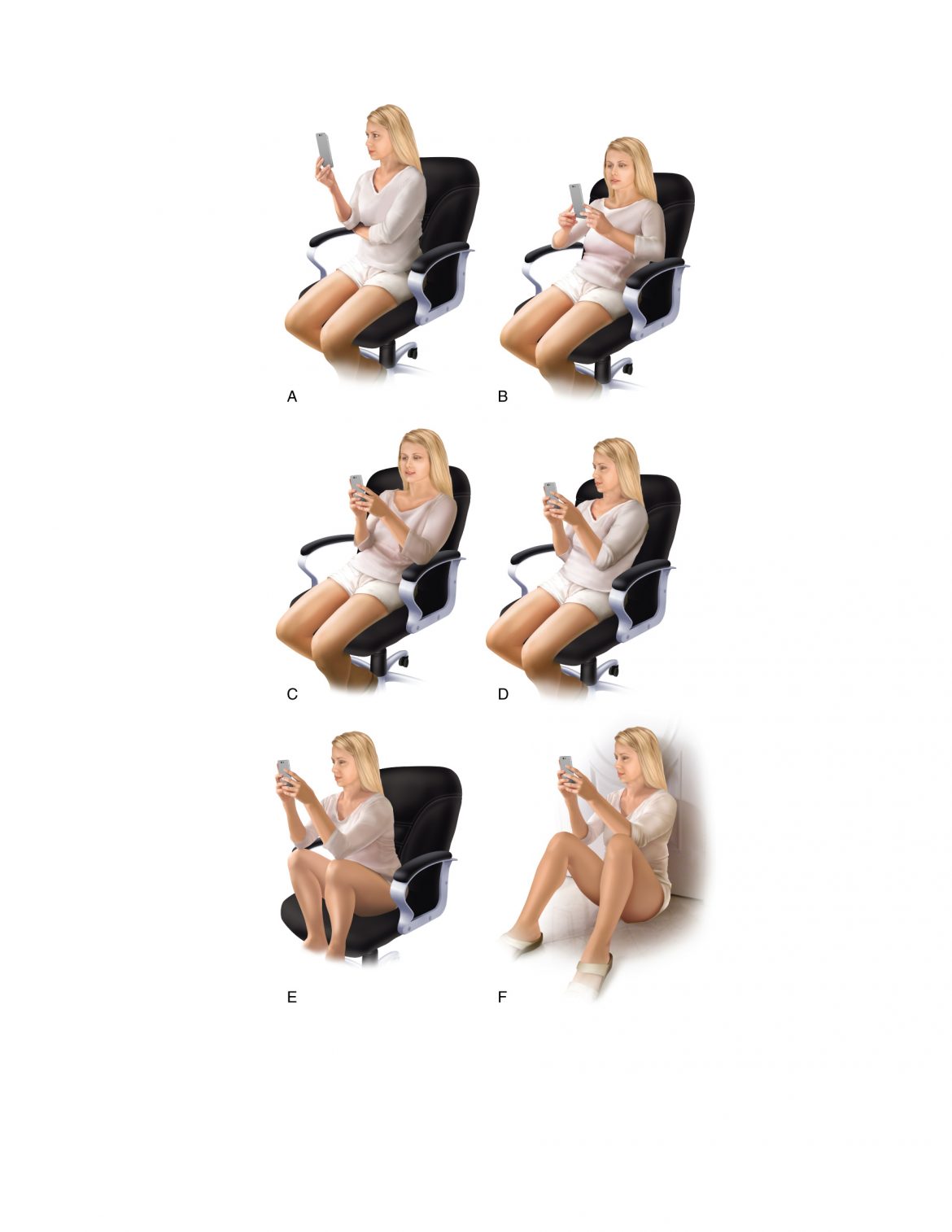
The Price of Smart Phones – Ten Conditions Caused by Smart Phone Use
Following are ten of the most common dysfunctional postural patterns and injuries that may occur with smart phone (cell/mobile phone) use.
Digital COMT Introduction Walkthrough
Digital COMT (DCOMT) is the “Netflix of online learning for manual and movement therapists.” This means tons of streaming video lessons!
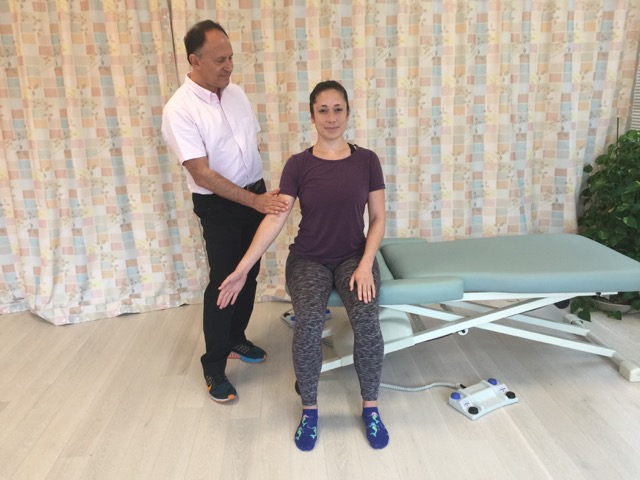
What are the signs and symptoms of and how do we assess (diagnose) rotator cuff pathology?
Signs and symptoms of rotator cuff pathology include pain, joint crepitus, weakness, and decreased range of motion when moving the shoulder (glenohumeral) joint.
Lumbar Spine Joint Dysfunction
The two most common causes of a hypomobile joint dysfunction are tight muscles, especially smaller, deeper intrinsic muscles, and fibrous adhesions.
Myofascial Trigger Points (Muscle Knots)
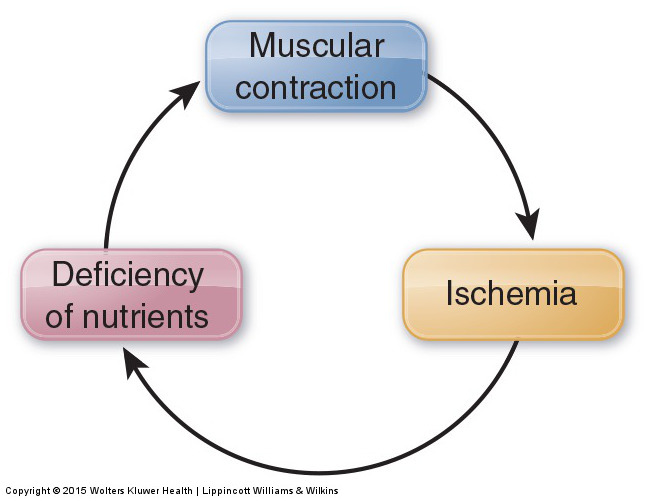
The four most common causes of a myofascial trigger point are: overuse of the muscle, chronic stretch, prolonged immobility, and trauma to the muscle.
Hypertonic / Tight Muscles of the Low Back and Pelvis
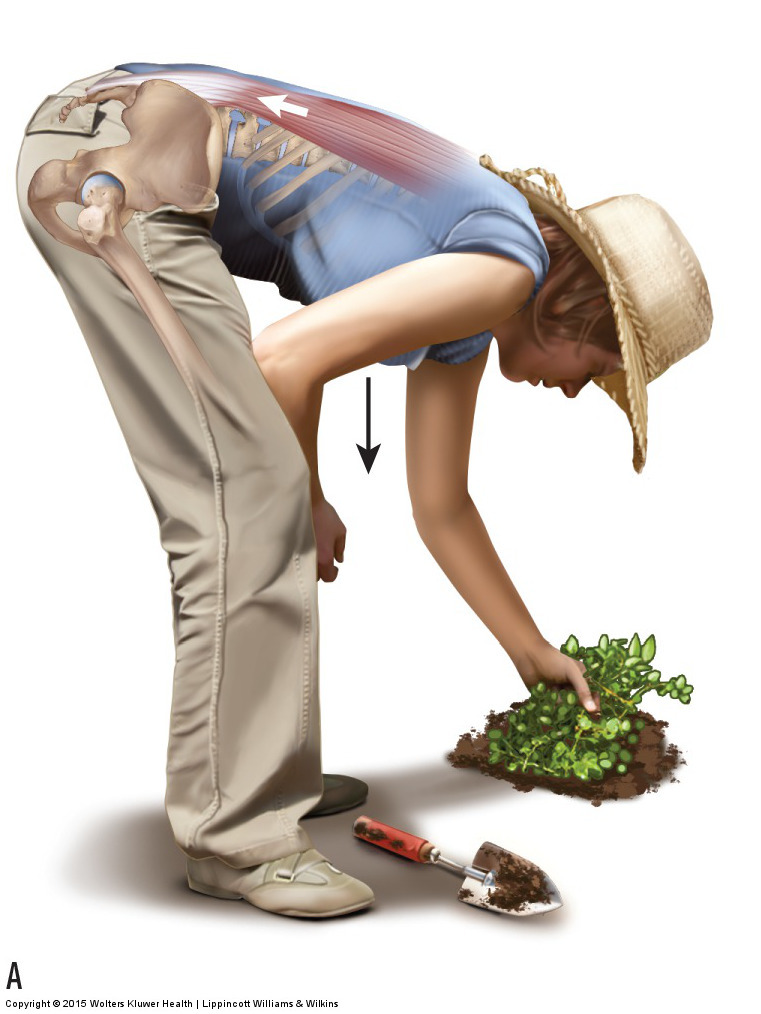
Four of the most common causes of tight muscles of the low back (or anywhere in the body) are: overuse, splinting, adaptive shortening, and overstretching.
Watching your back being massaged improves outcomes
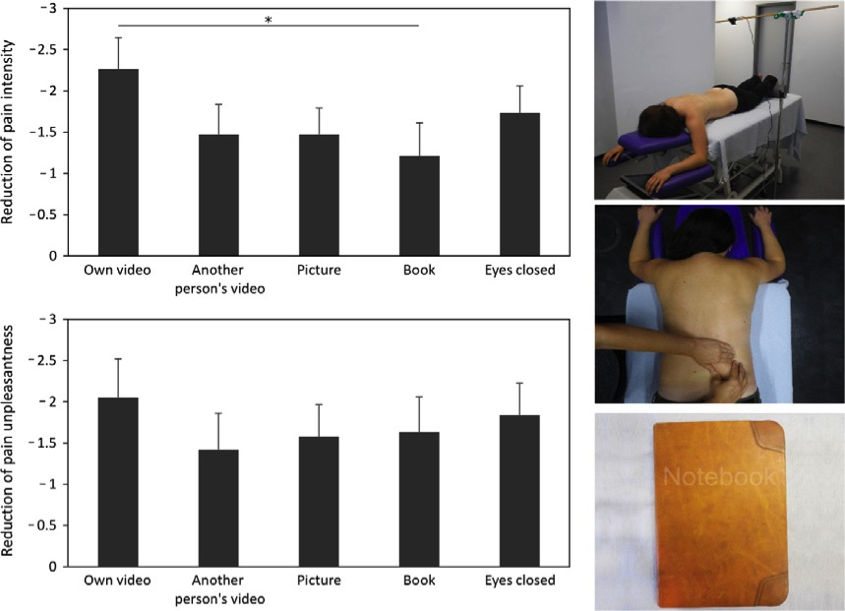
A study from Germany investigated whether watching one’s back during massage increases the analgesic effect of this treatment for lower back pain patients.
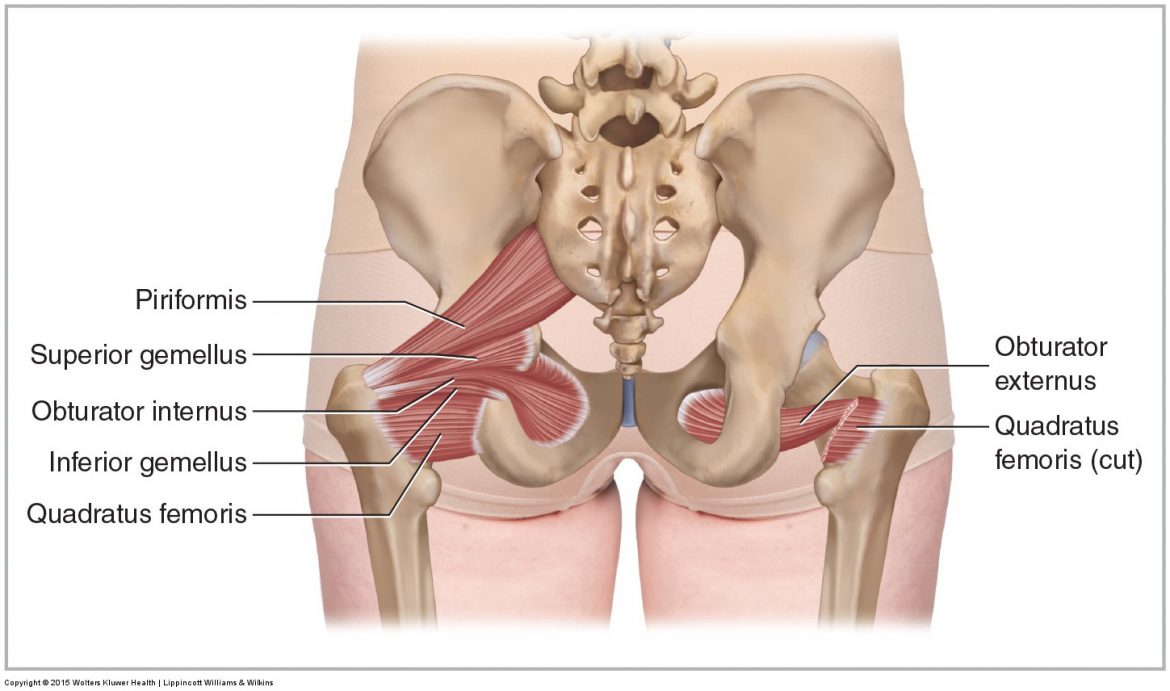
Muscles of the Pelvis
Pelvic musculature: 1. cross the LS joint onto the trunk 2. cross the hip joint onto the thigh/leg 3. pelvic floor muscles located wholly within the pelvis
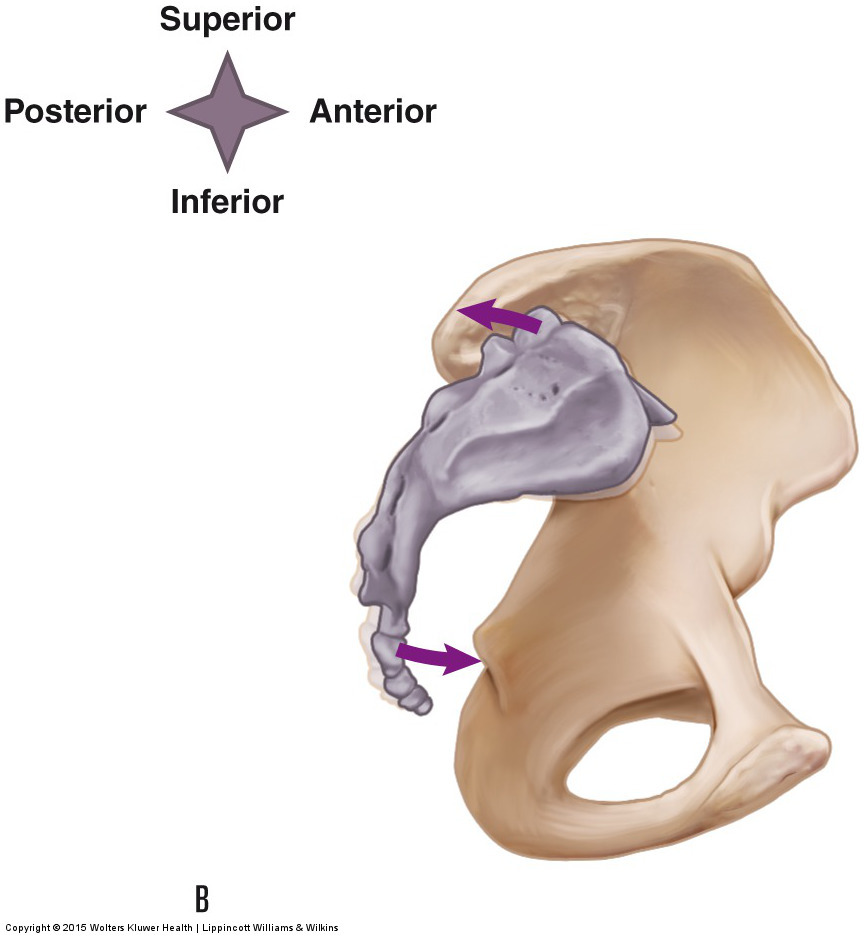
Motions of the Joints of the Pelvis (sacroiliac joints)
Motions of the Joints of the Pelvis This blog post article is an overview of the motions of the joints of the pelvis: the paired left and right sacroiliac joints and the symphysis pubis joint. For more complete coverage of …
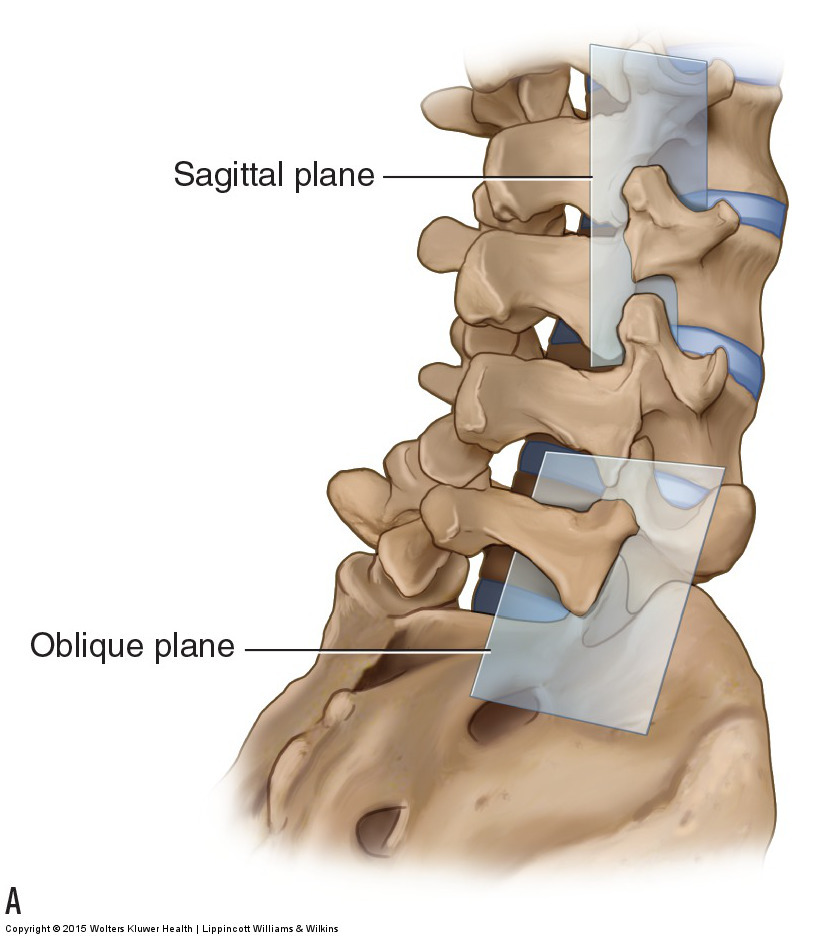
Joints of the Lumbar Spine (disc & facet) and Pelvis
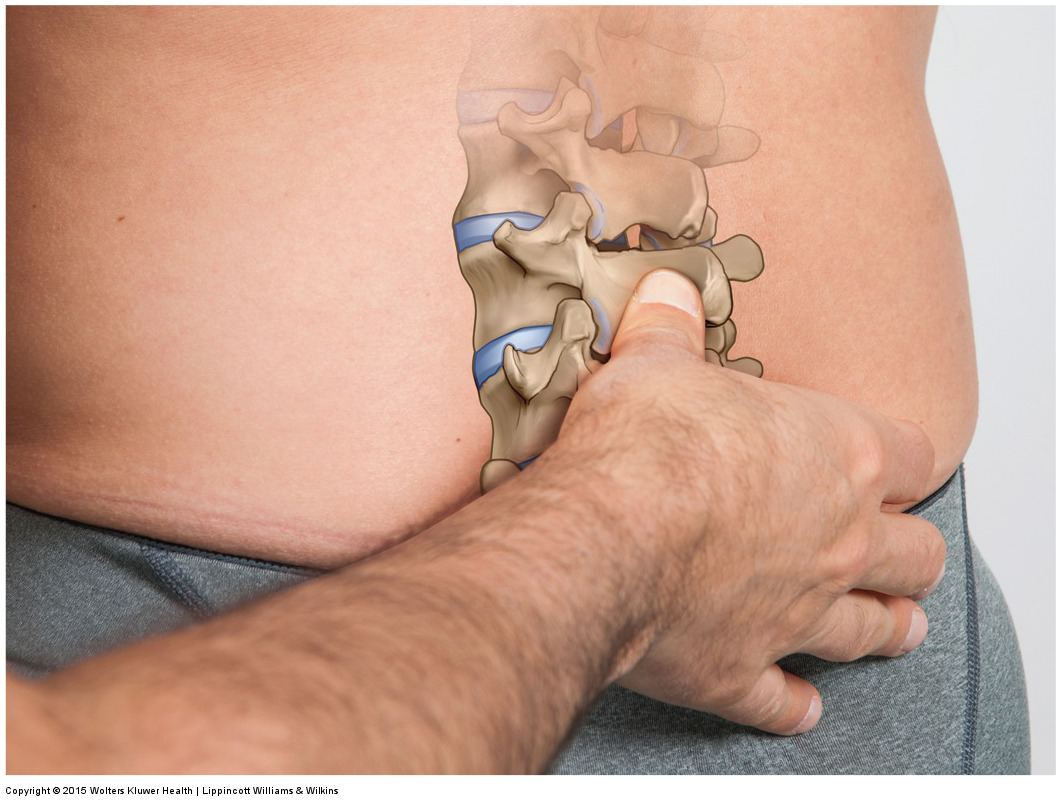
In the lumbar spine, three joints are located between each two adjacent vertebrae: one disc joint and two paired (left and right) facet joints.
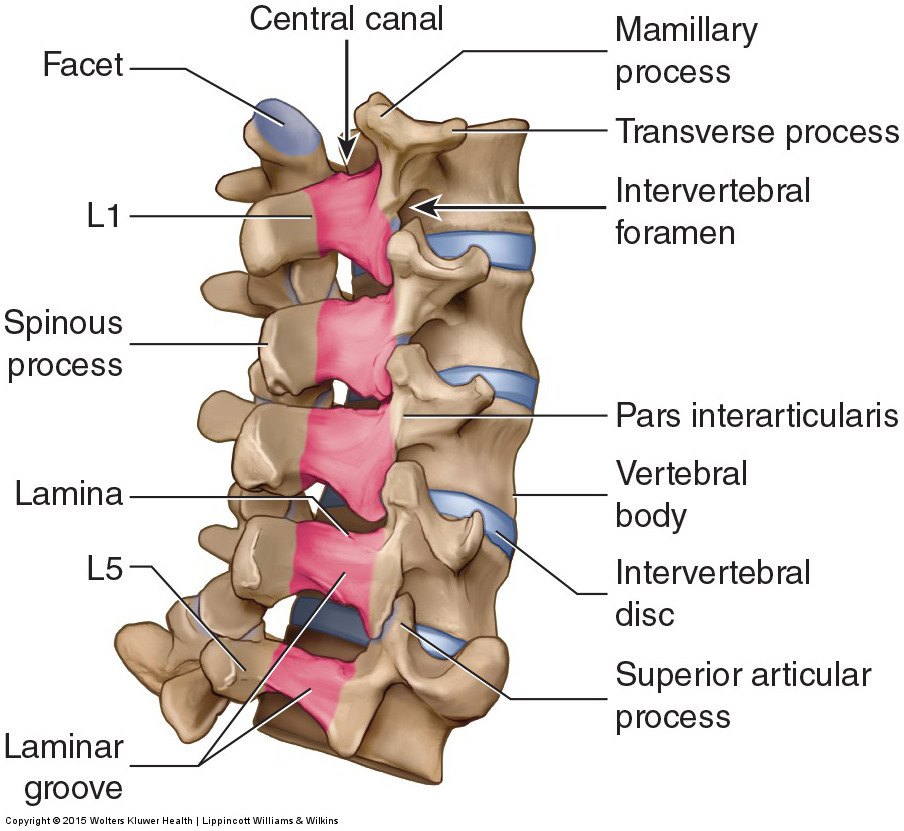
Bones of the Lumbar Spine and Pelvis
The low back is defined by the lumbar spine, composed of 5 vertebrae, named L1-L5. The pelvis is defined by the bones of the pelvic girdle.
How do we treat plantar fasciitis with manual therapy?
Manual therapy for plantar fasciitis is aimed at reducing inflammation & loosening any tautness/tightness of the plantar fascia & associated musculature.
Student Tip for Improving Memory – Memory is the residue of thought…
Two main points for improving memory: Memory is the residue of thought. A cue is needed to recall something that has been successfully committed to memory.
What is the “True” Function of the Gluteus Medius?
The major function of the gluteus medius is its “reverse” closed-chain action of pelvic depression at the hip joint to stabilize the pelvis when walking.
Client Communication – How is the pressure?
The most common question from a therapist to the client is: “How is the pressure?” The usual response is “Fine”, whether it is or not.
Signs, Symptoms, and Assessment of Plantar Fasciitis
The most common symptom of plantar fasciitis is pain, usually worst in the morning, on the plantar side of the foot, located near the calcaneal attachment.
Massage on Stretch or Massage on Slack? Tips for Therapists & Teachers
Tip for Therapists: Massage on stretch for superficial tissues like the trapezius. Massage on slack for deeper tissues like the suboccipitals.
Thinking Fast Makes you Happier! – Tip for Teachers and Students
People become happier when they think fast. It does not matter what was, the simple act of generating thoughts quickly made the participants happier.