Self-care for the client/patient with rotator cuff pathology depends on the specific muscle that is affected and the specific pathology that is present.

Below you'll find a list of all posts that have been tagged as “massage”
Self-care for the client/patient with rotator cuff pathology depends on the specific muscle that is affected and the specific pathology that is present.
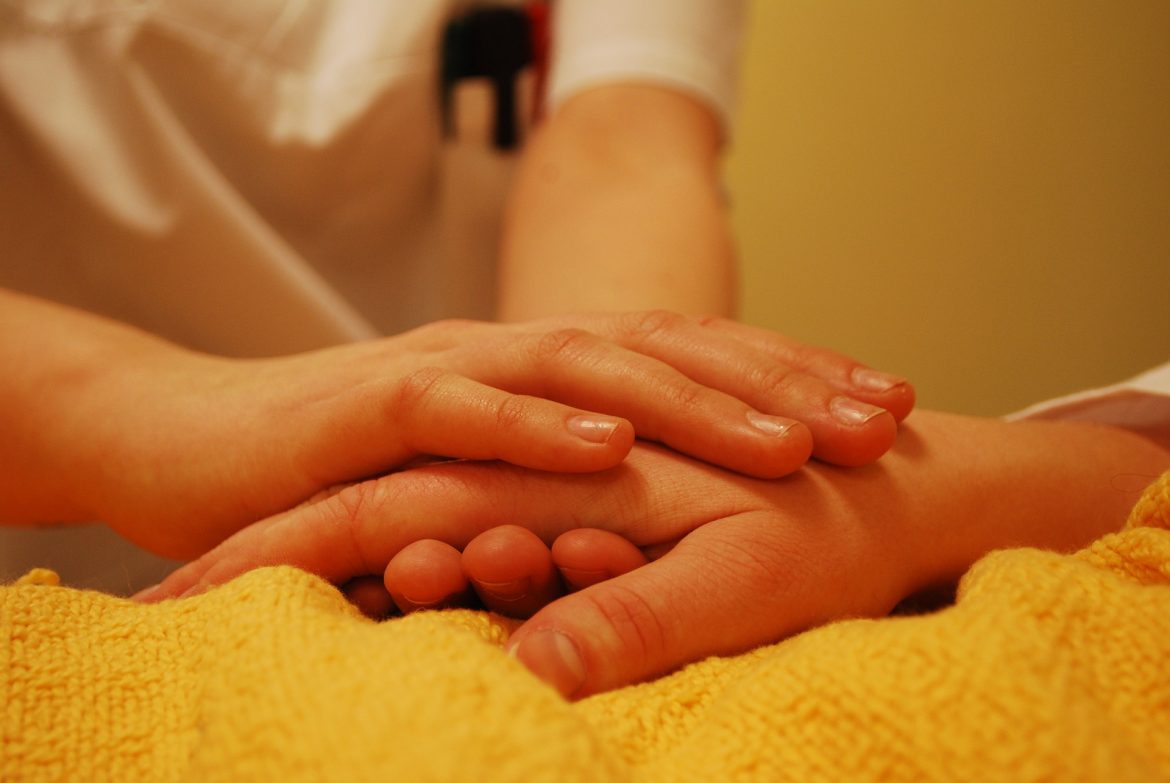
The results of this study should bolster the value of including massage therapy as an integral part of oncology treatment programs.
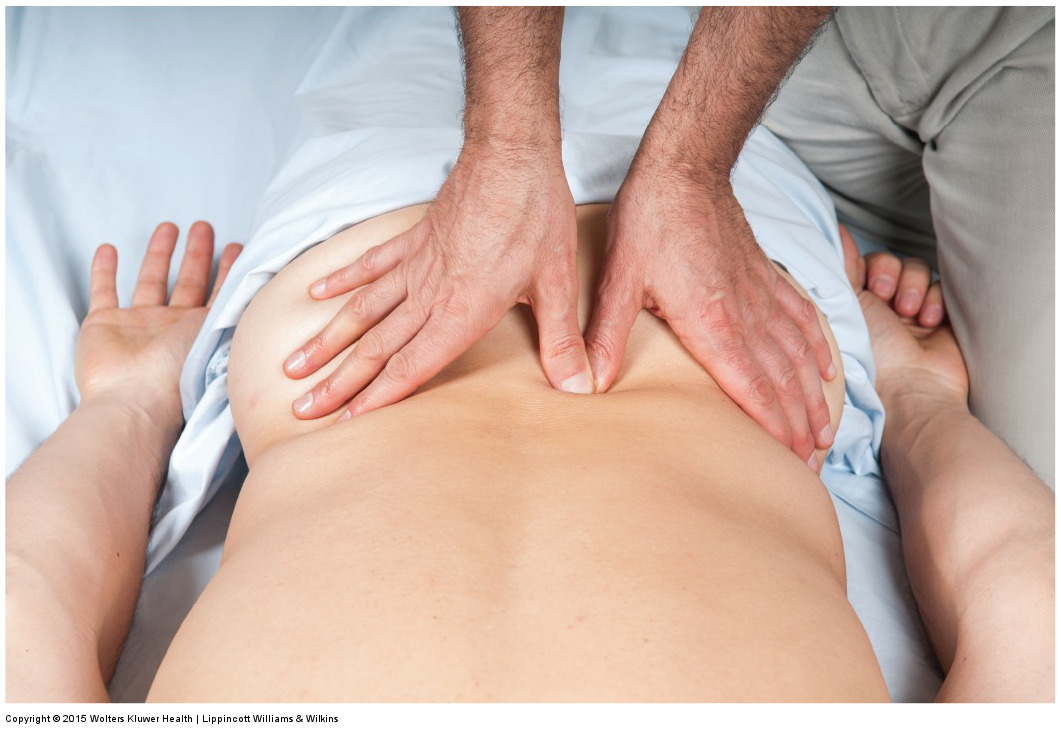
For proper body mechanics, it is important to support your contact. Place the thumb pad of your right hand over the thumb pad contact of the left hand to brace/support it. Proper location of the brace is to place the right thumb pad on the dorsal surface of the distal phalanx of the thumb.
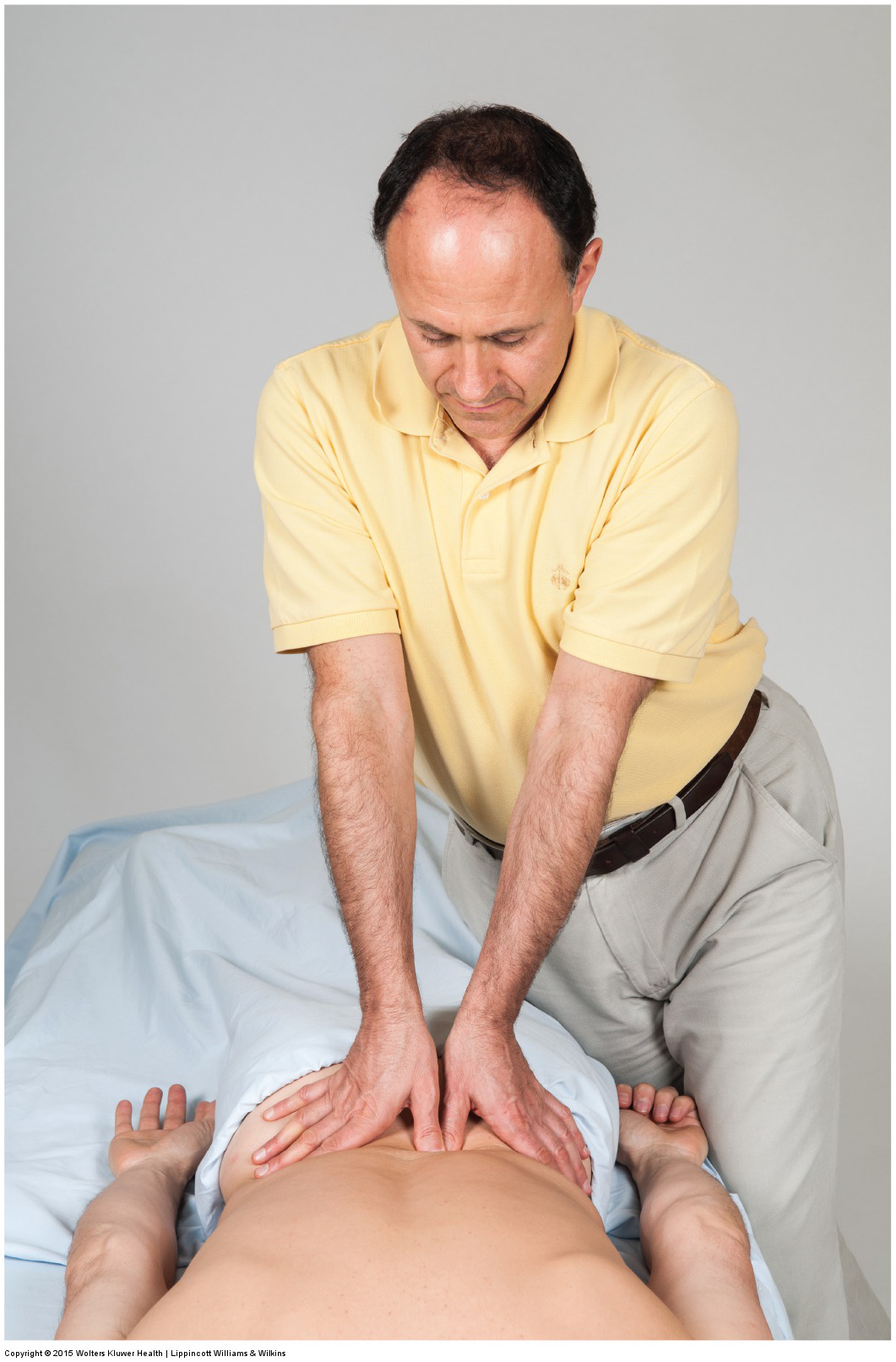
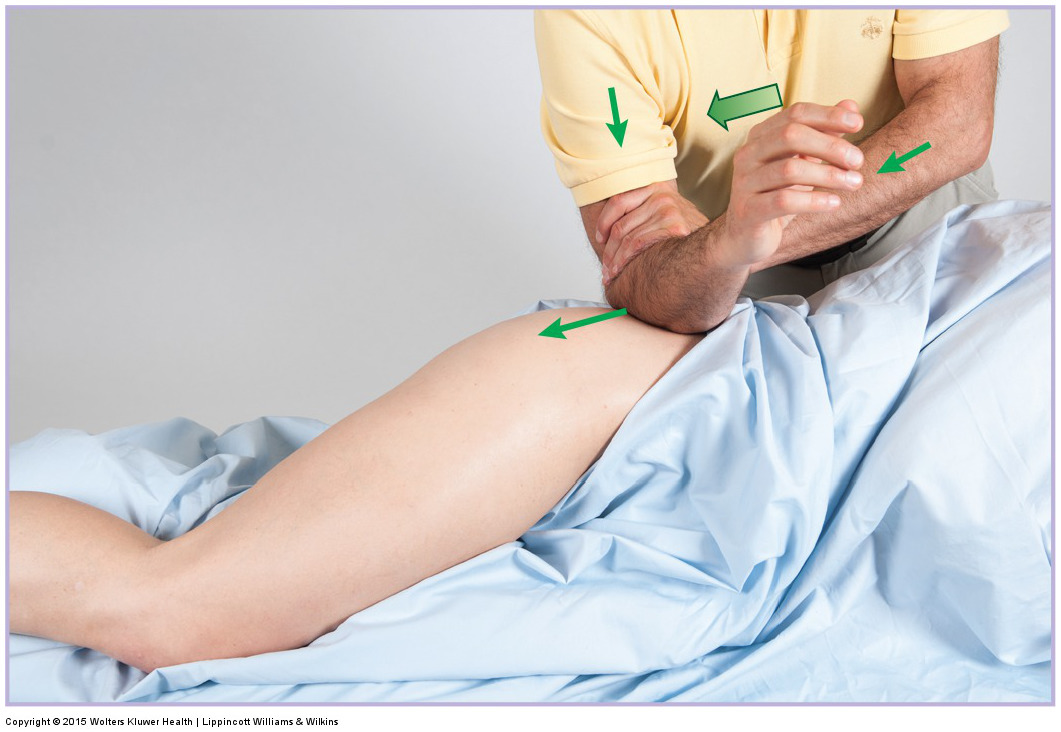
Even more important than table width is table height. As a rule, when generating deep pressure, you want the table to be as low as possible so that you can more easily position your body above the client to take advantage of gravity and body weight.
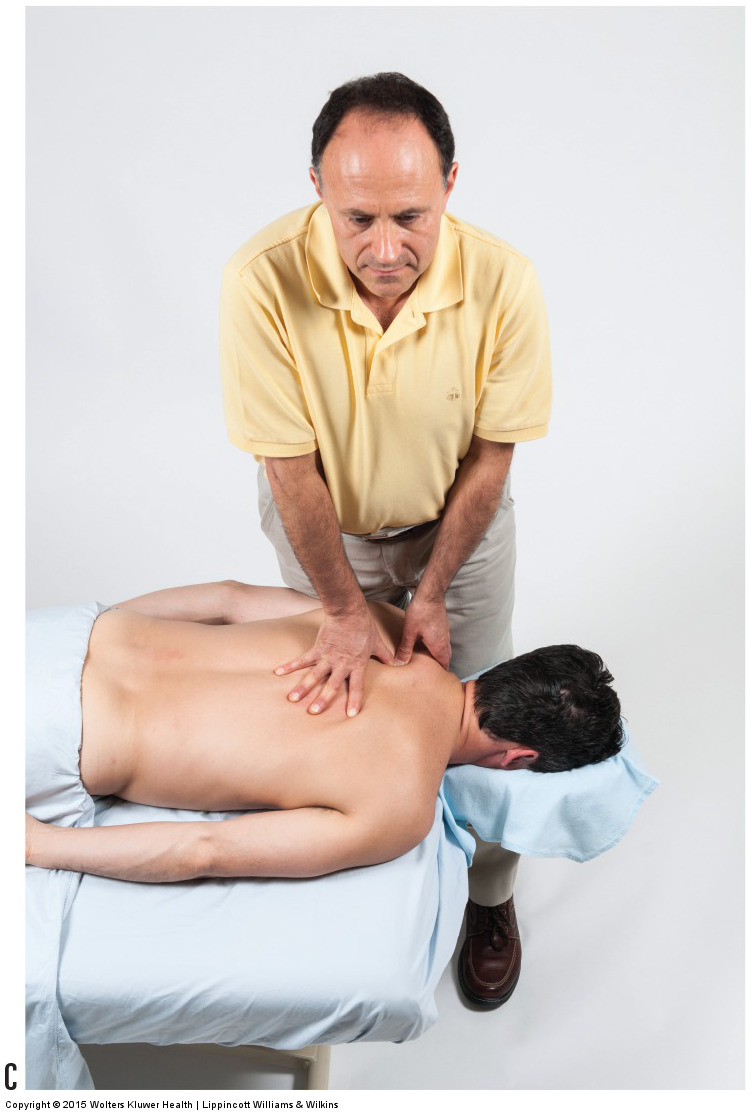
A common body mechanics error is for the therapist to stand above the face cradle at the head end of the table. Standing here only distances you from the client, causing you to lean over the client to reach the low back; this compromises body mechanics and does not allow for the efficient use of body weight.
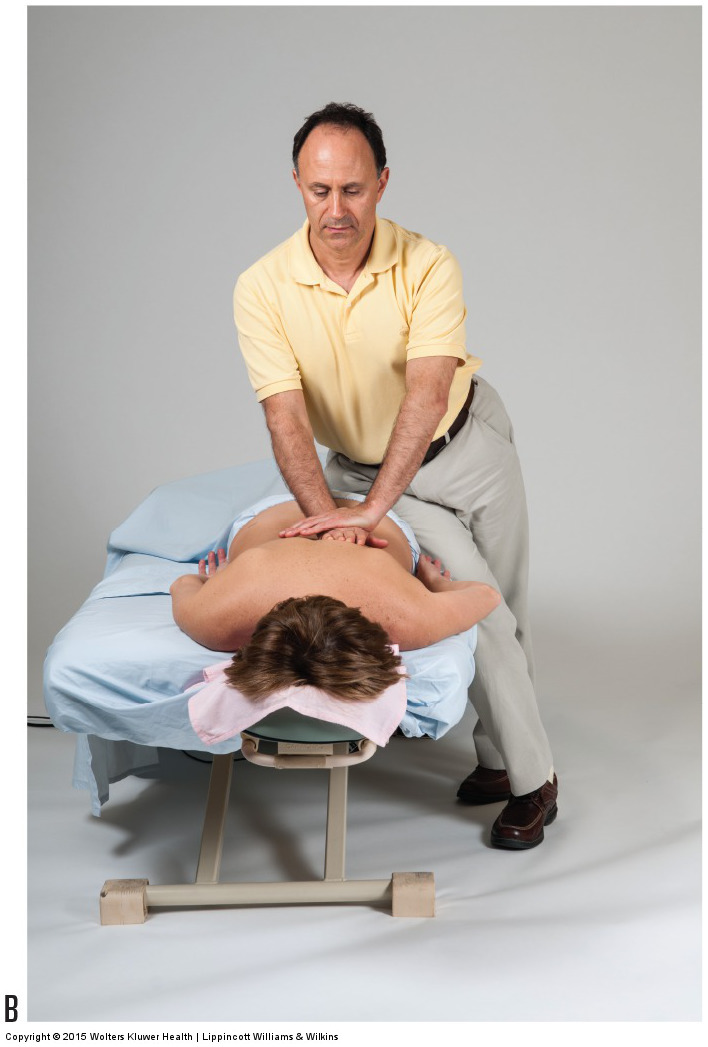
Make sure that the feet are not too far apart. A wide stance may feel more stable but creates a static position that makes it difficult to transfer weight from one foot to the other. With a narrower stance, it is easier to shift the center of weight of the body from one foot to the other as a stroke is done.
These findings of altered movement and glide support the concept that altered mechanics of the sacroiliac joint are correlated with the presence of pain.
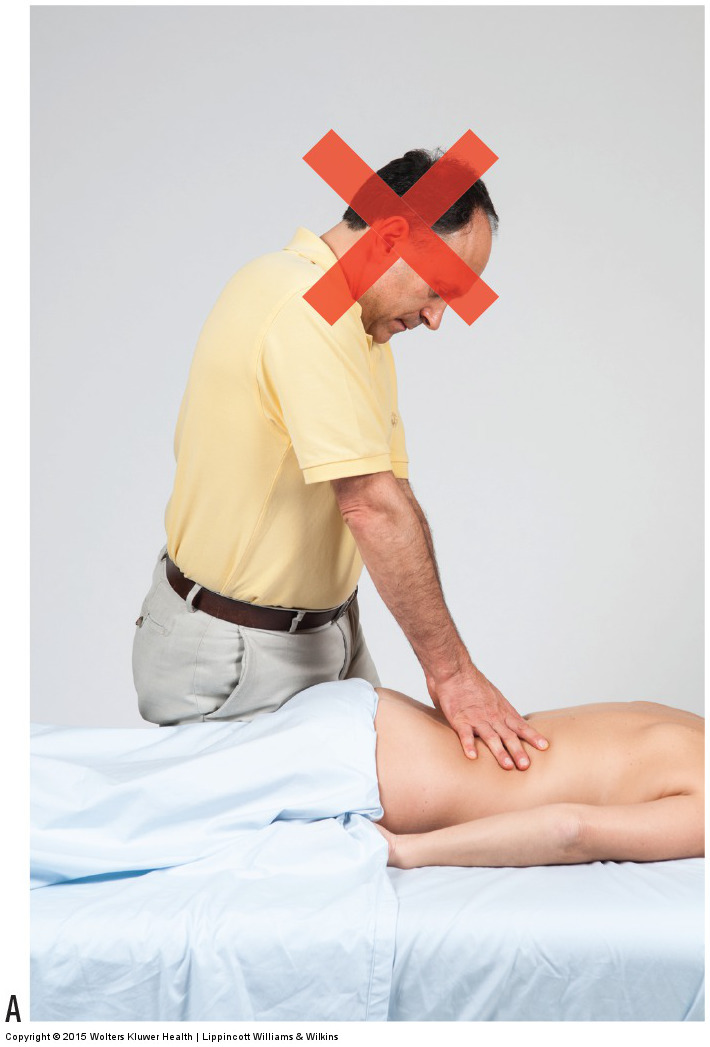
The neck and head do not contribute to the generation of pressure, so head and neck posture should be whatever is most comfortable and least stressful. Forward head posture, a common postural distortion imbalance pattern that occurs is caused by a flexion of the head and neck.
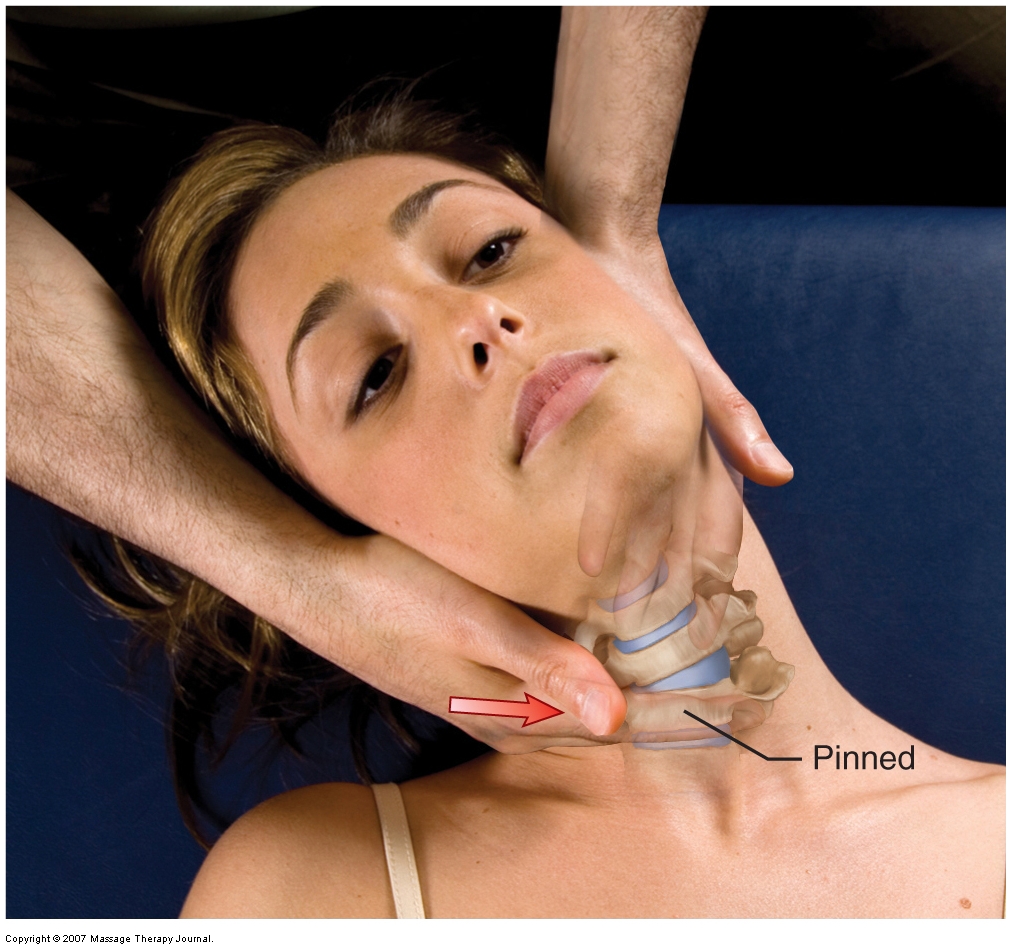
A whiplash/neck sprain is problematic to treat because it involves overstretching of ligaments, which causes joint instability.
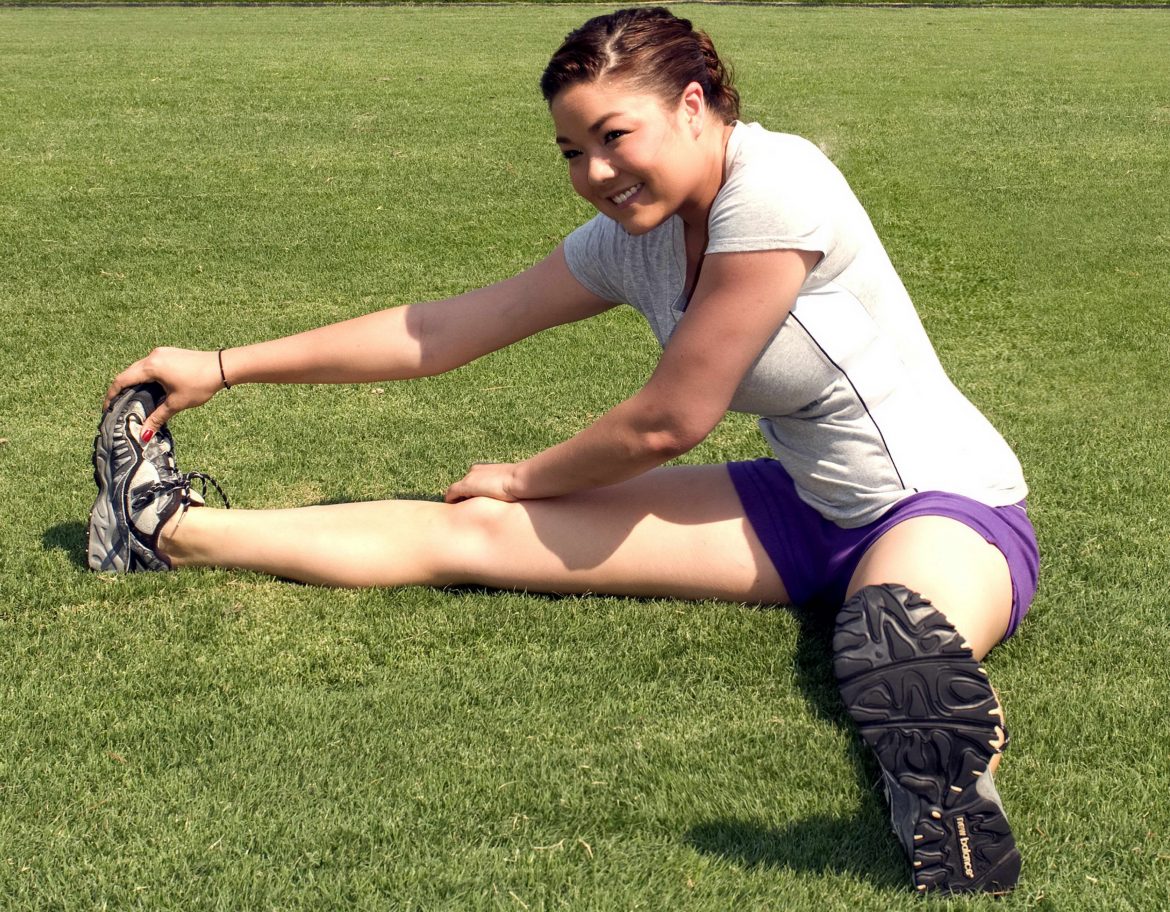
This study validates the efficacy of performing massage before stretching our clients, and recommending self-massage before stretching for client self-care.
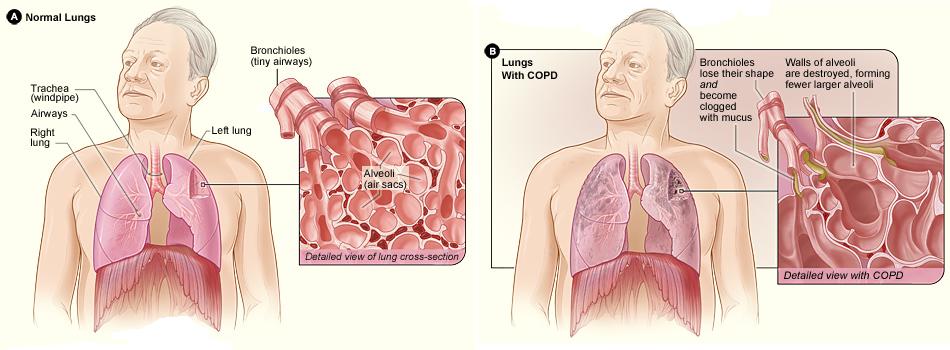
Soft tissue manipulation produced immediate clinically meaningful improvements in lung function in patients with severe and very severe COPD.
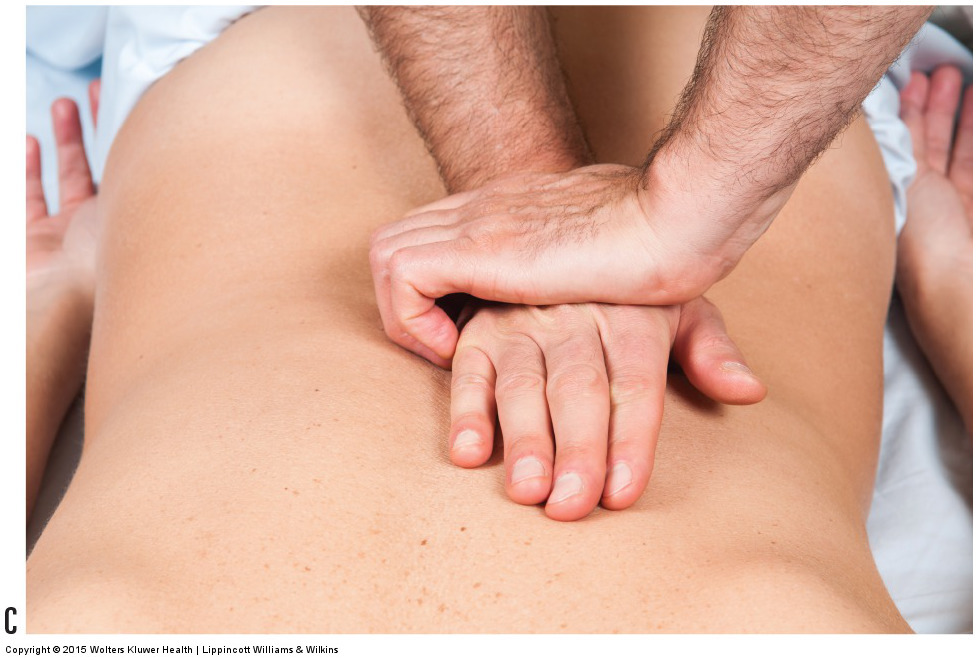
When working the low back, a good strategy is to begin with a smaller treatment contact such as thumb or finger pads to assess and begin treatment of the lumbar region, and then switch to a larger contact such as the palm or elbow to deliver deeper pressure.
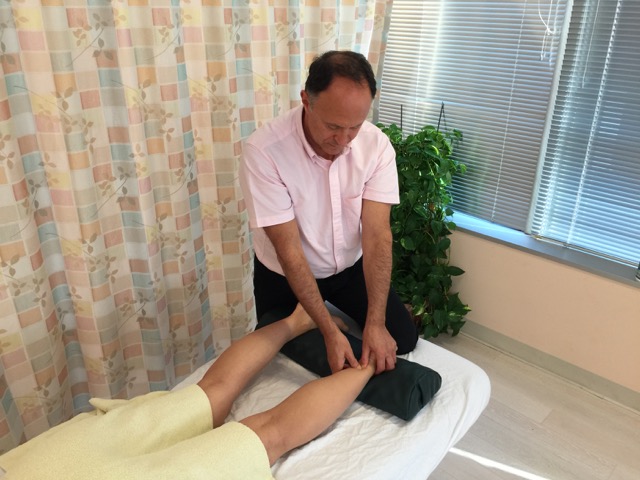
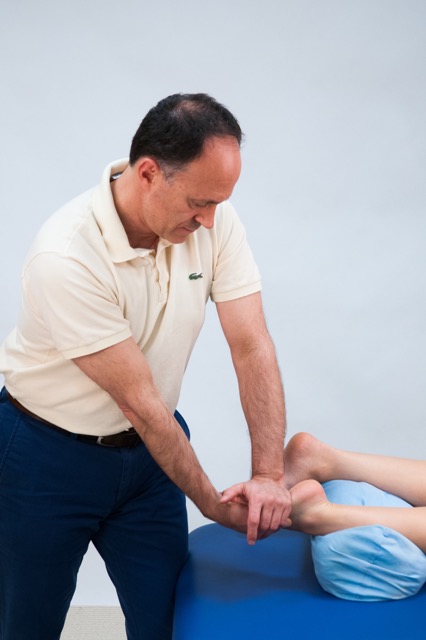
Manual therapy for a chronic Achilles tendon disorder is aimed at decreasing plantarflexor tightness and breaking up excessive fascial adhesion scar tissue.
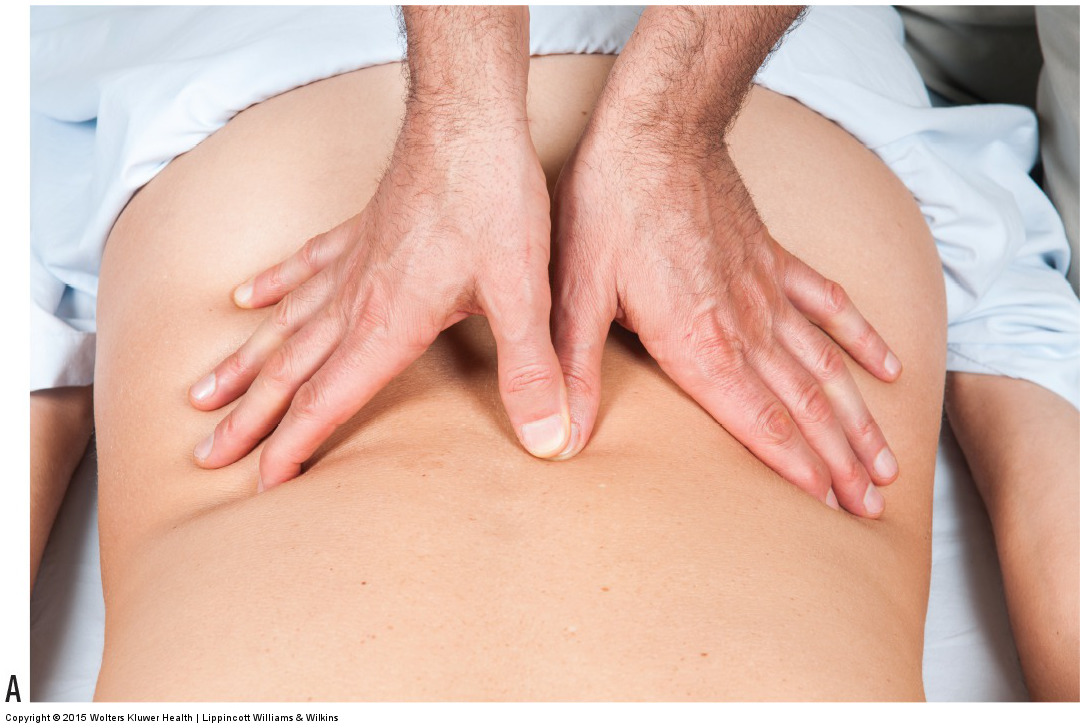
Being able to feel tissue tension barriers is the one most important hands-on skill that an orthopedic manual therapist needs. Clinical orthopedic manual therapy (massage and stretching) only effects change if we reach tissue tension and then apply slightly more force beyond it.
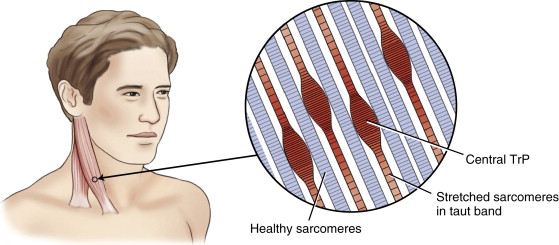
Massage therapy might reduce a myofascial trigger point by increasing lactate levels, not by directly increasing arterial blood flow.
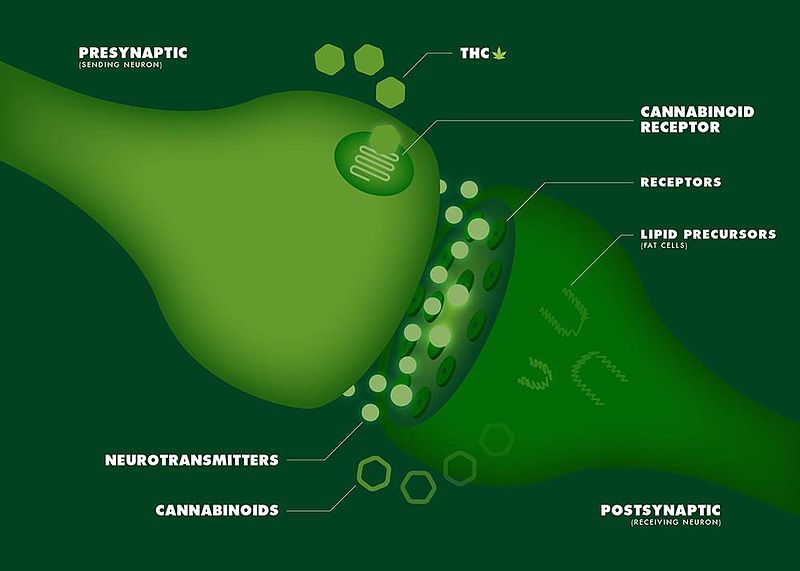
Confirmation of endocannabinoid receptors in fascial tissue greatly bolsters our understanding of the mechanism of how manual and movement therapies work.
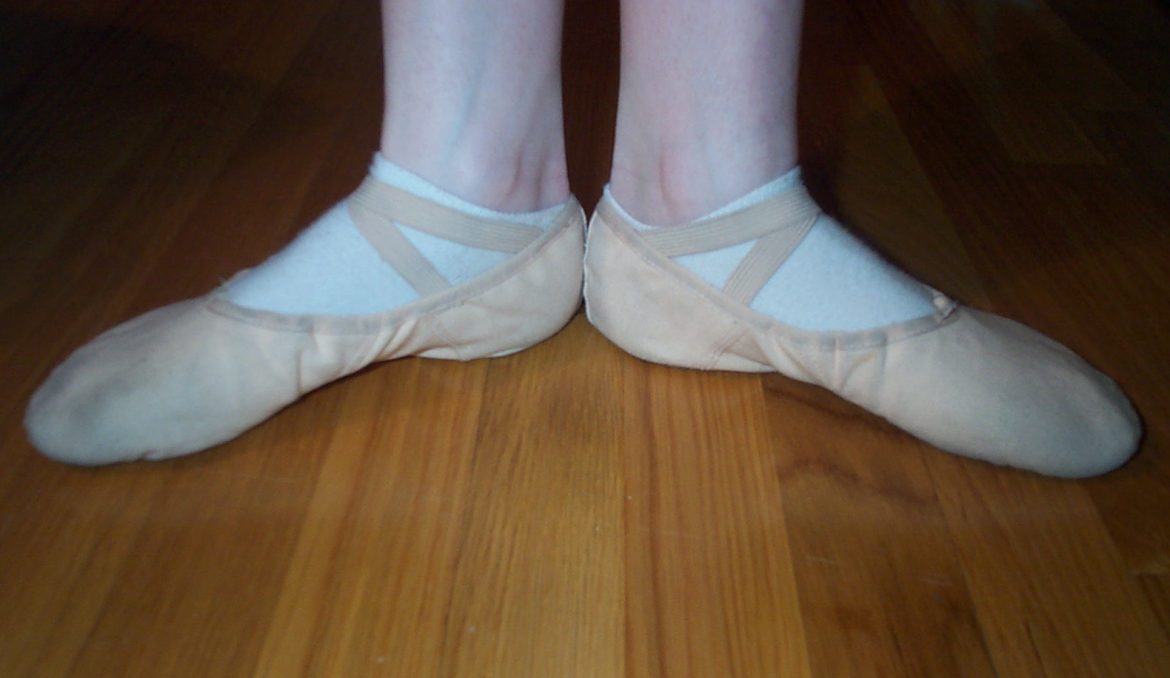
The role of manual therapy for a rigid flat foot (overpronation) is to loosen fascial adhesions that are locking the bones in a position of pronation.
The study demonstrated that four sessions of MFR of the lower limb can induce an improvement in the isolated external hip joint rotation. The authors hypothesized that the improvement in the hip joint’s ROM was due to reduced myofascial stiffness after the MFR treatments.
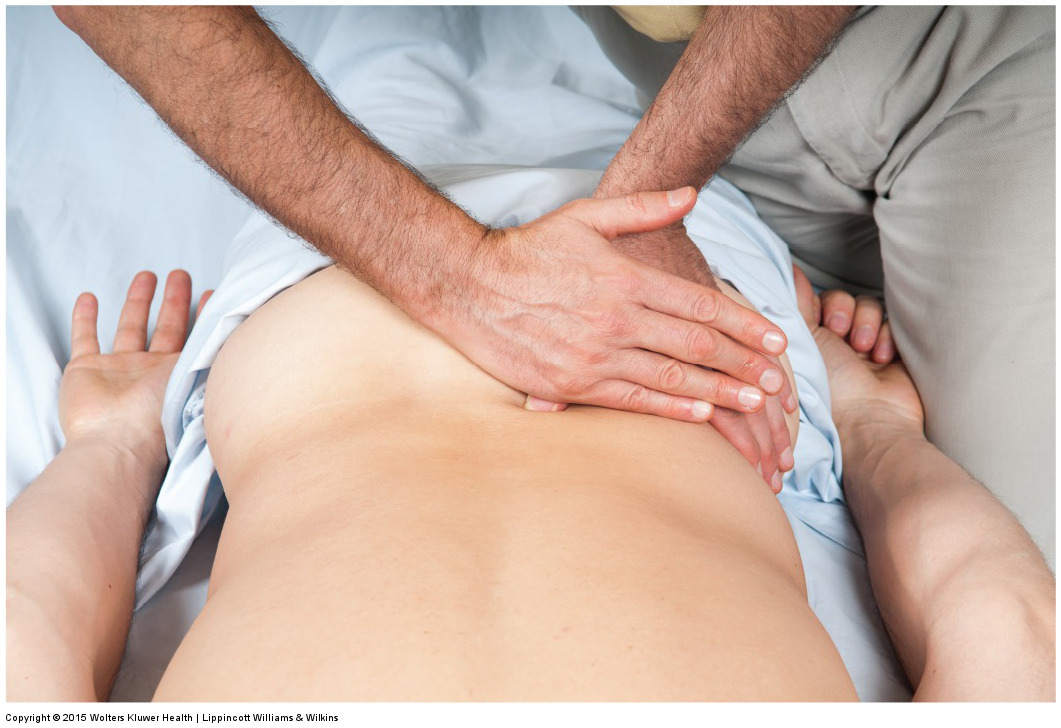
When deep pressure is needed, it is important to be able to generate it with the least amount of effort and physical stress to your body. In essence, this blog post article is about learning how to employ proper body mechanics so that you work smart instead of working hard.
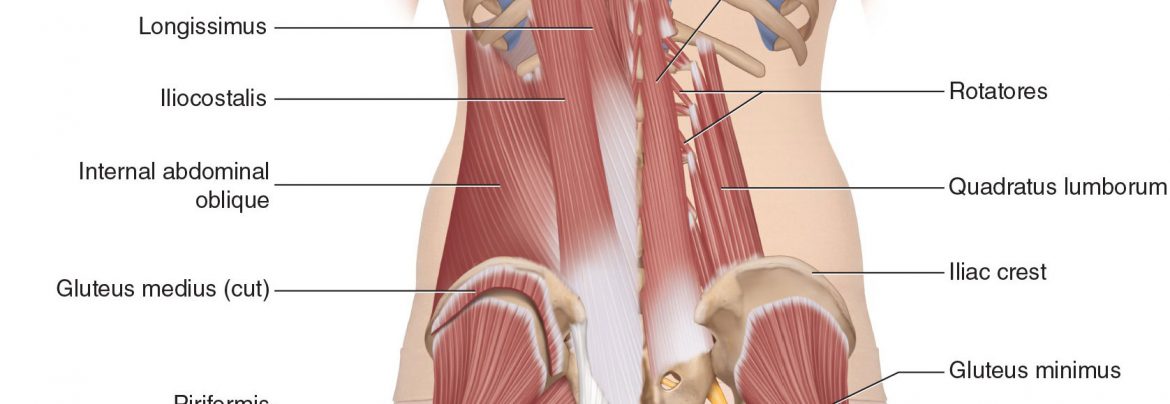
So if we say that the cause of most low back pain is not understood, it should mean that we do not know what mechanism is causing the low back pain most of the time. But that is not true. We can often palpate tight myofascial tissue or a dysfunctional joint that is causing back pain.
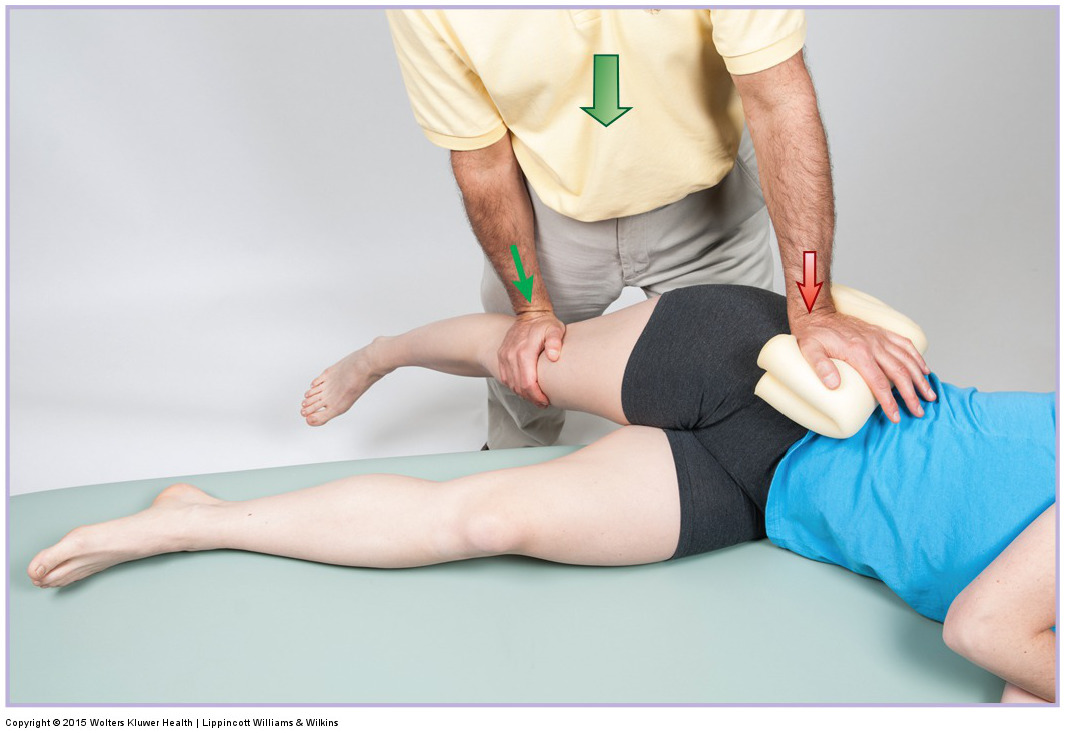
The following techniques are considered to be Manual Therapy techniques: Massage (Soft Tissue Manipulation), Stretching, Joint Mobilization, Hydrotherapy.
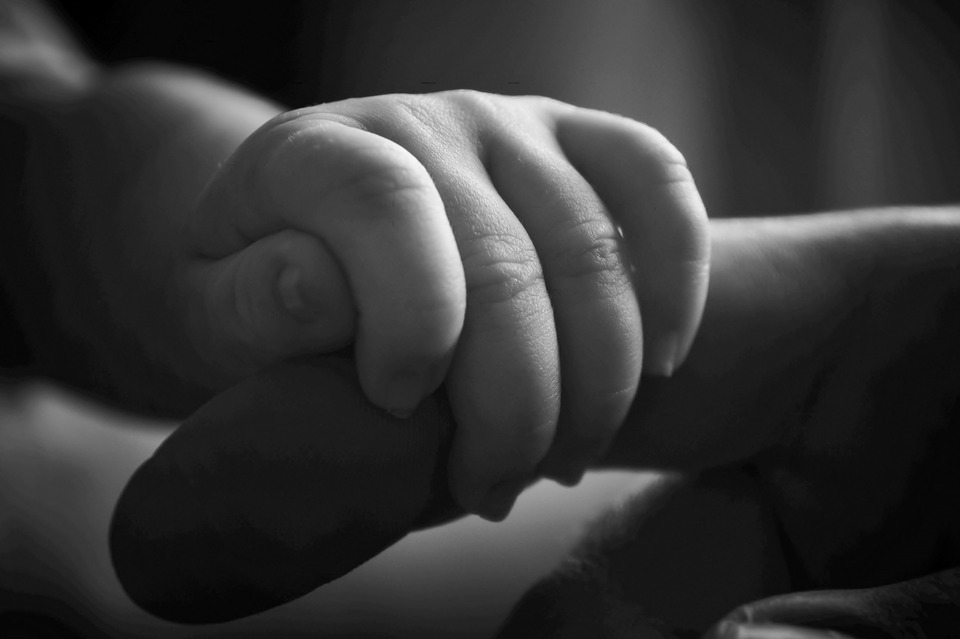
The major take-home points regarding infant touch from this study are: 1. Touch can be beneficial toward lessening pain; and 2. The quality of touch matters.
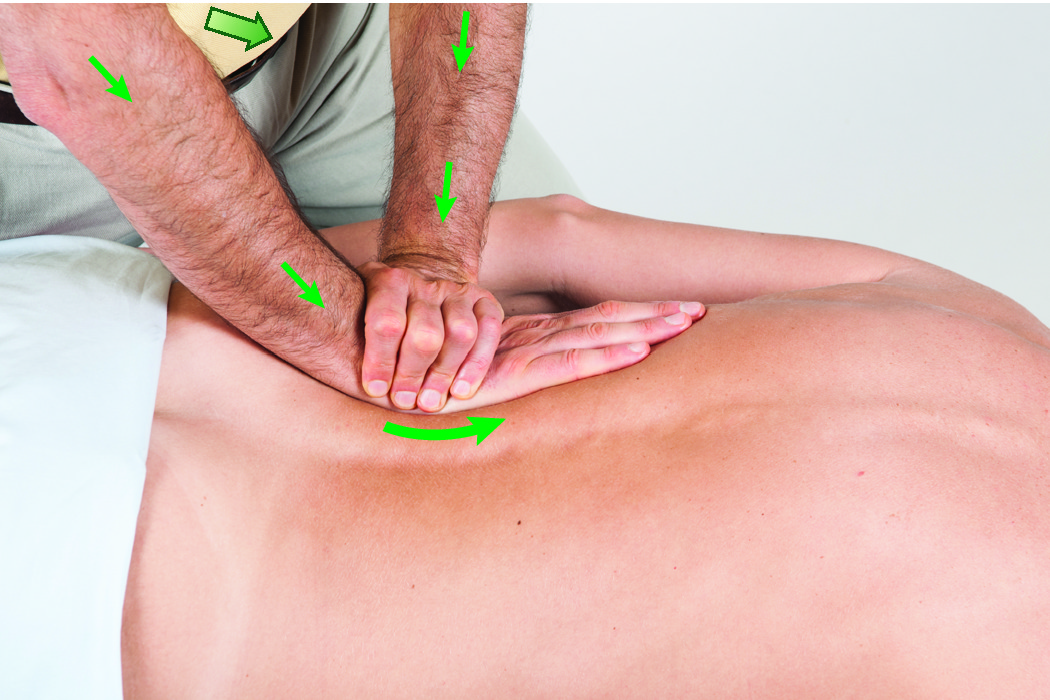
For patients with chronic low back pain, clinicians and patients should initially select nonpharmacologic treatment with exercise and manual therapies (such as massage).
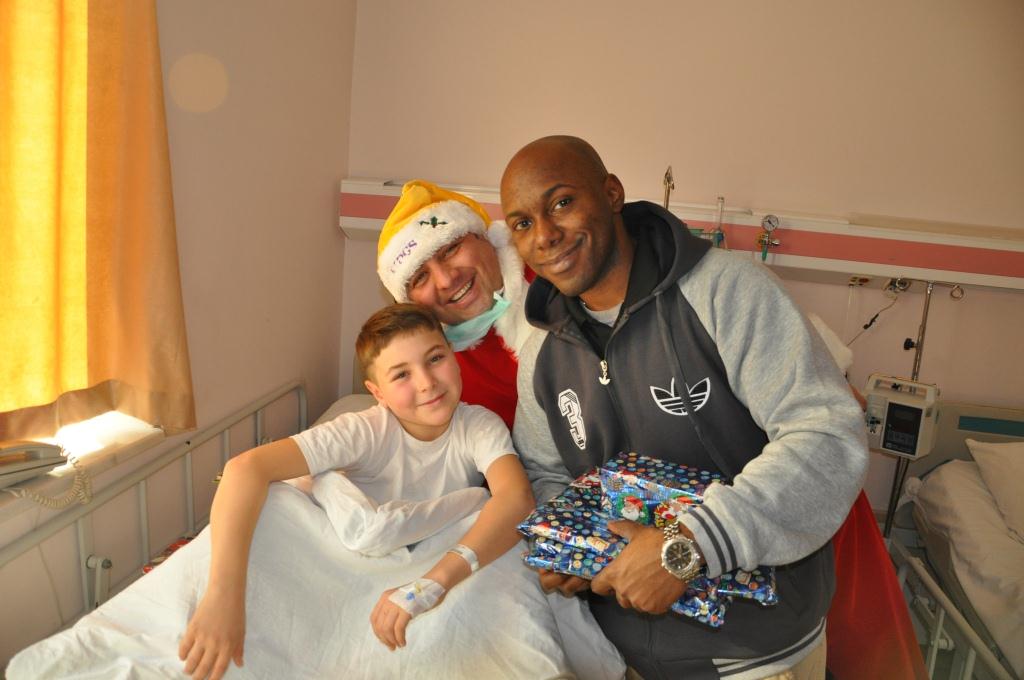
Children receiving postoperative massage therapy had significantly lower anxiety and lower exposure to benzodiazepines than the standard of care group.
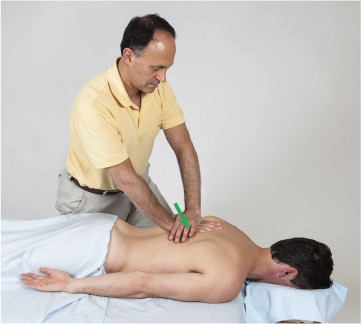
When performing soft tissue manipulation/massage, it is always wise to begin with light to medium pressure, and then transition to deeper pressure.
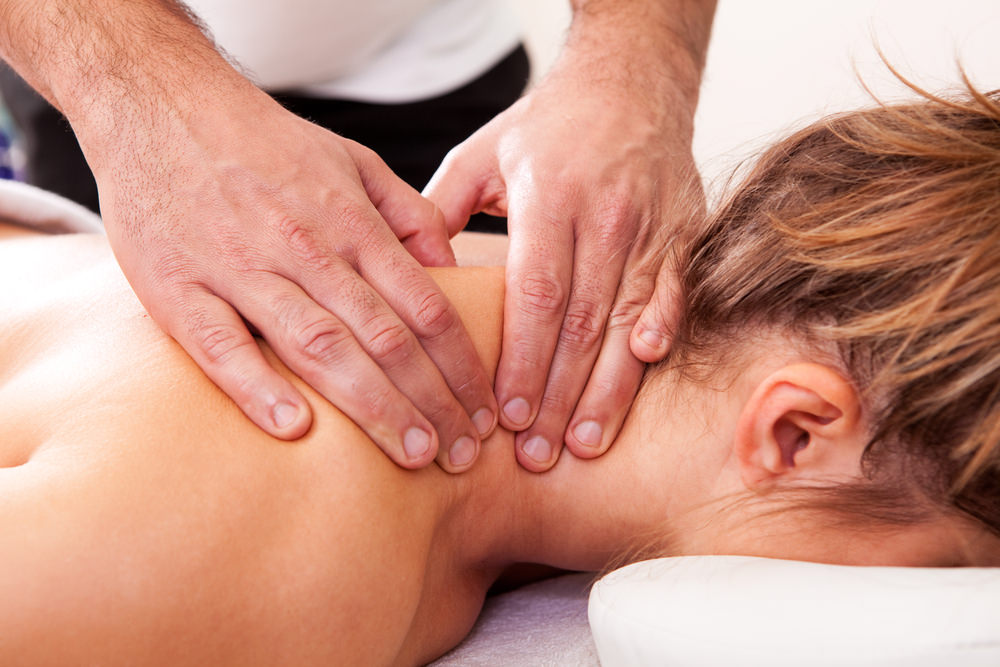
These evidence-based studies explain the physiology and suggest that post-exercise massage reduces tissue damage and accelerates muscle recovery.
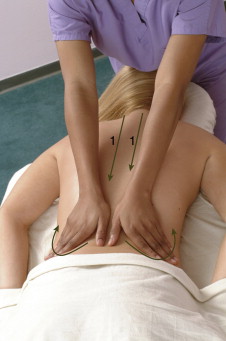
After 12 weeks, more than half of the patients reported improved outcomes in terms of pain reduction, and meaningful physical and mental improvement.
This is not a list of precautions or contraindications for massage therapy. Rather it is list of miscellaneous, somewhat random, “dos and don’ts” that I believe would improve massage therapy sessions with clients.
Massage therapy, cryotherapy, and acupuncture are great non-addictive ways to approach pain therapy for patients with a cancer diagnosis.
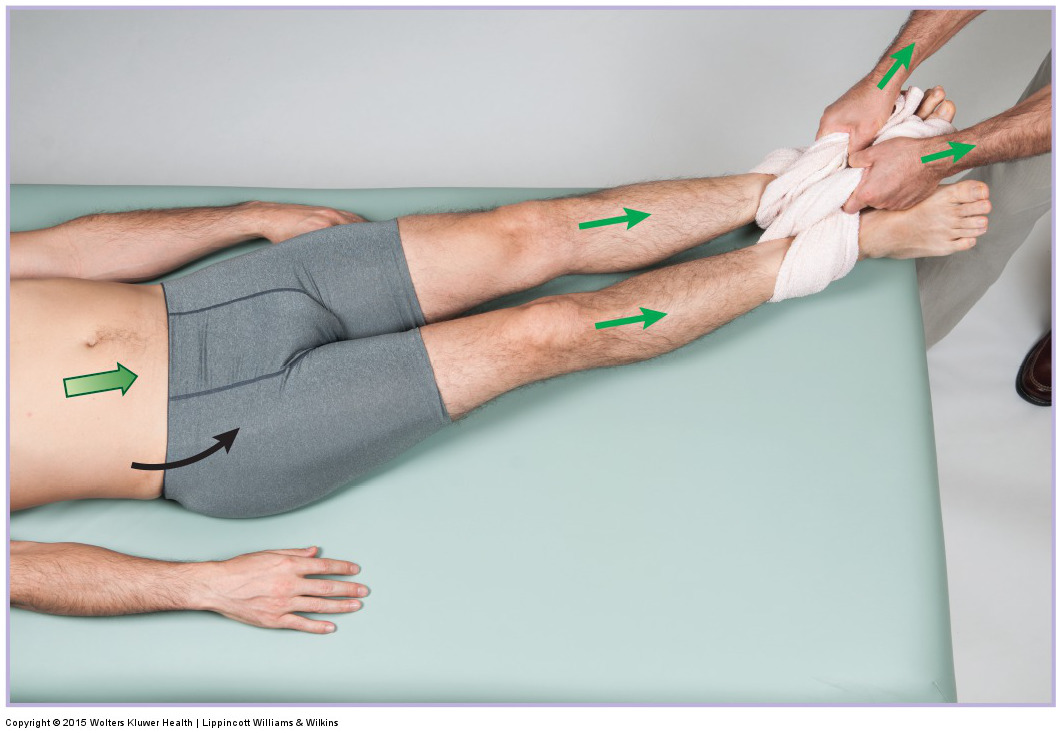
Traction can be beneficial for the client/patient with a pathologic disc because it opens up the intervertebral foramina of the spine.
